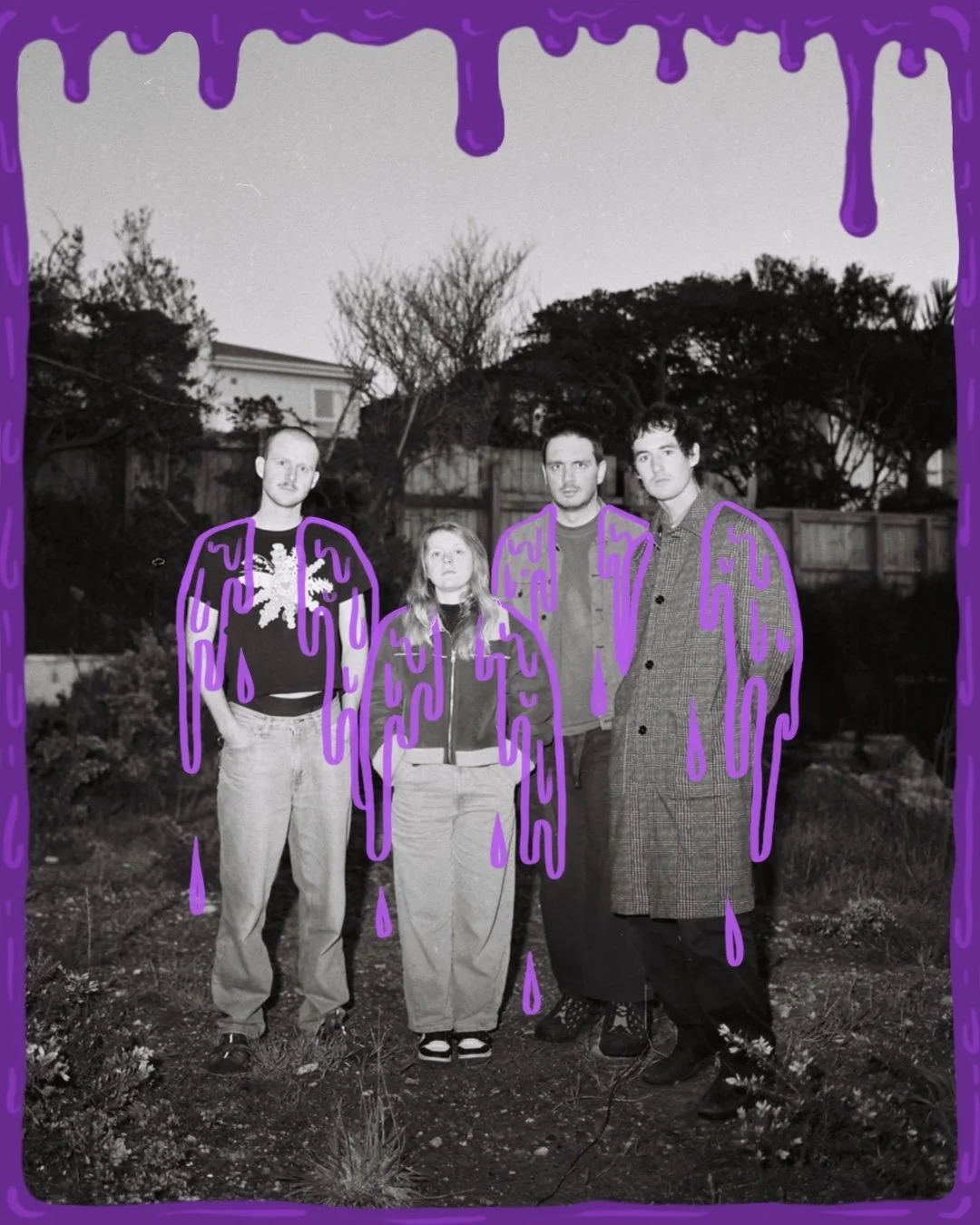
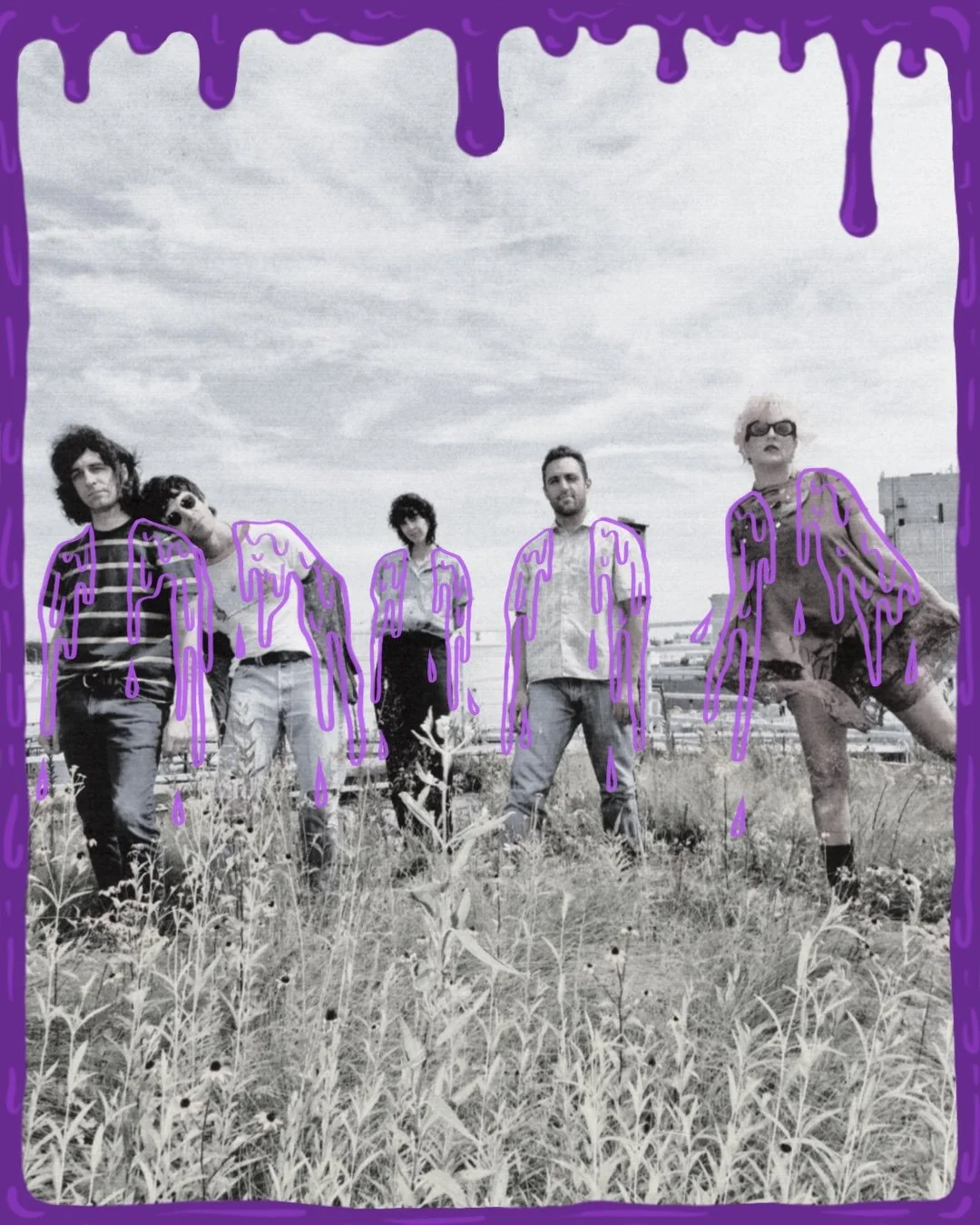
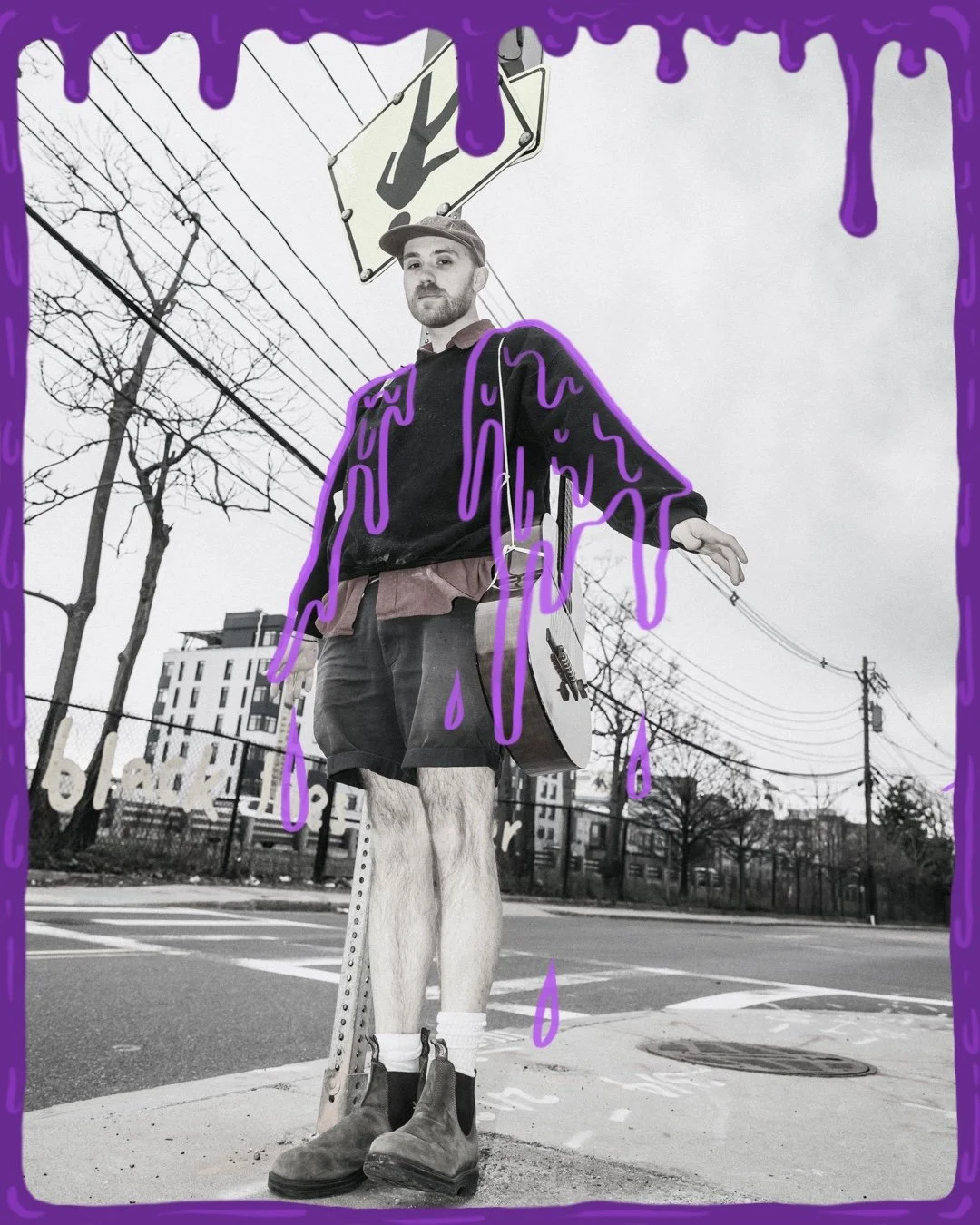
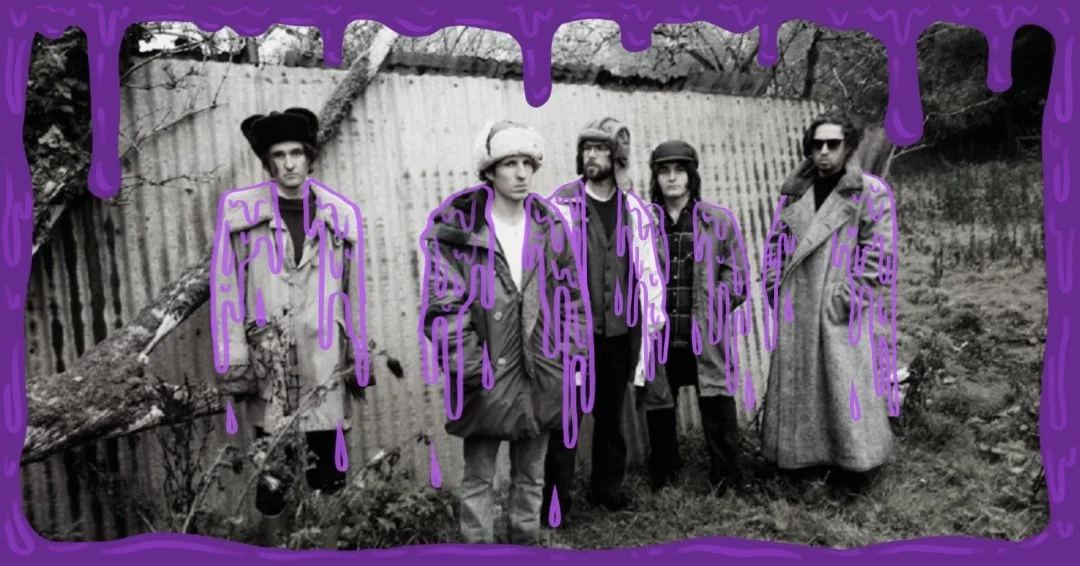
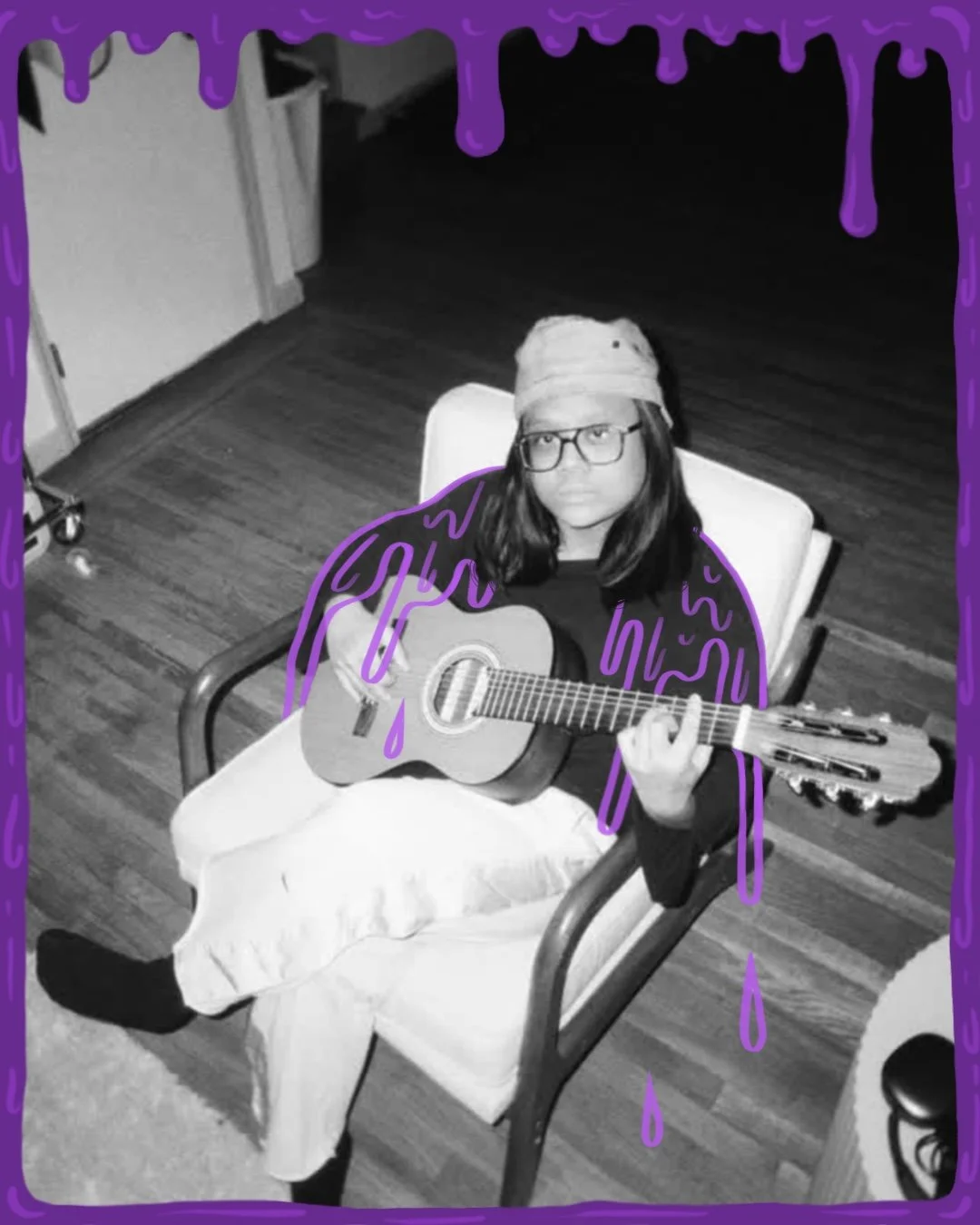
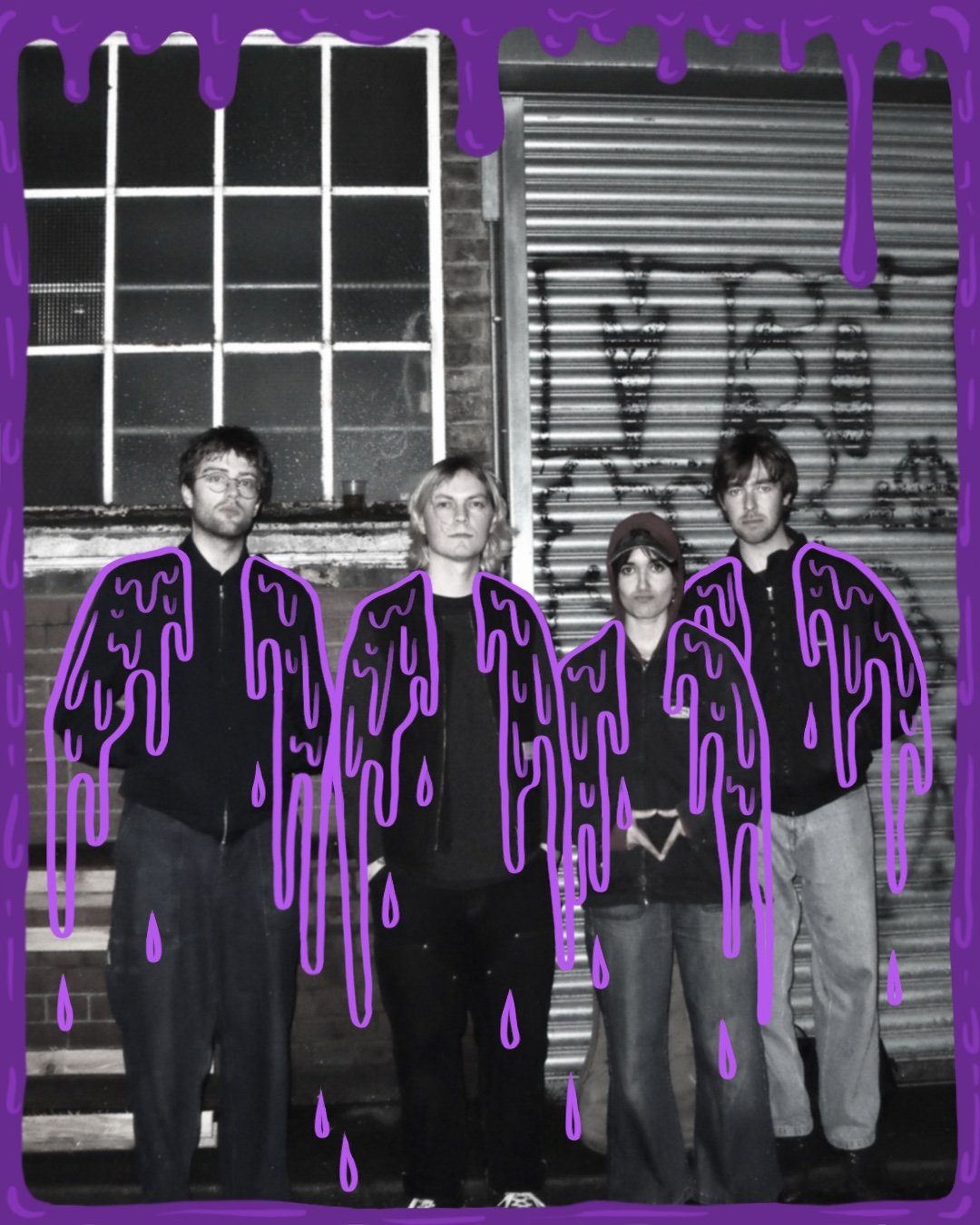
Artist Profile: The Velvet Club
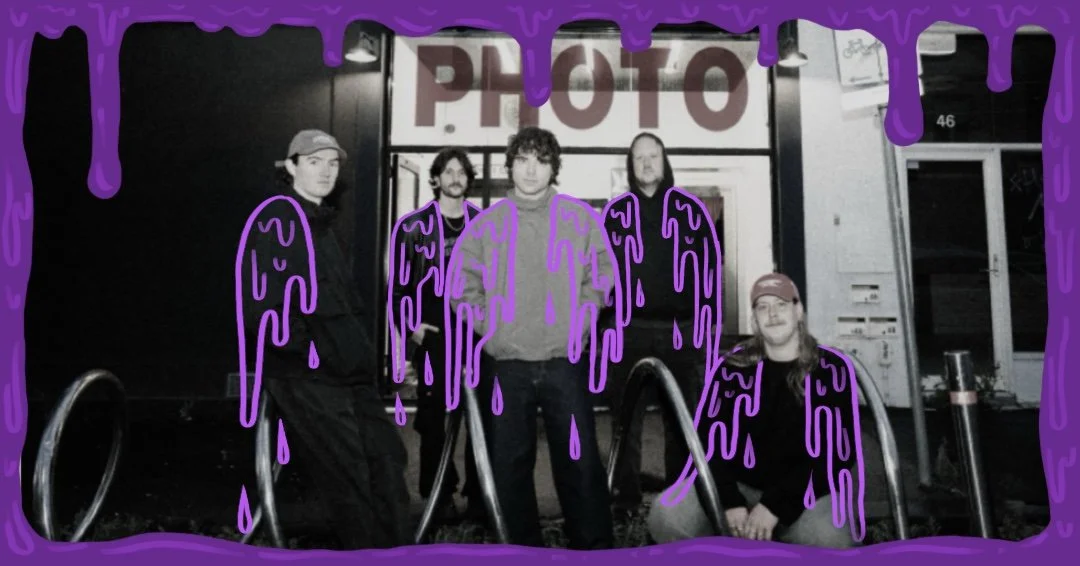
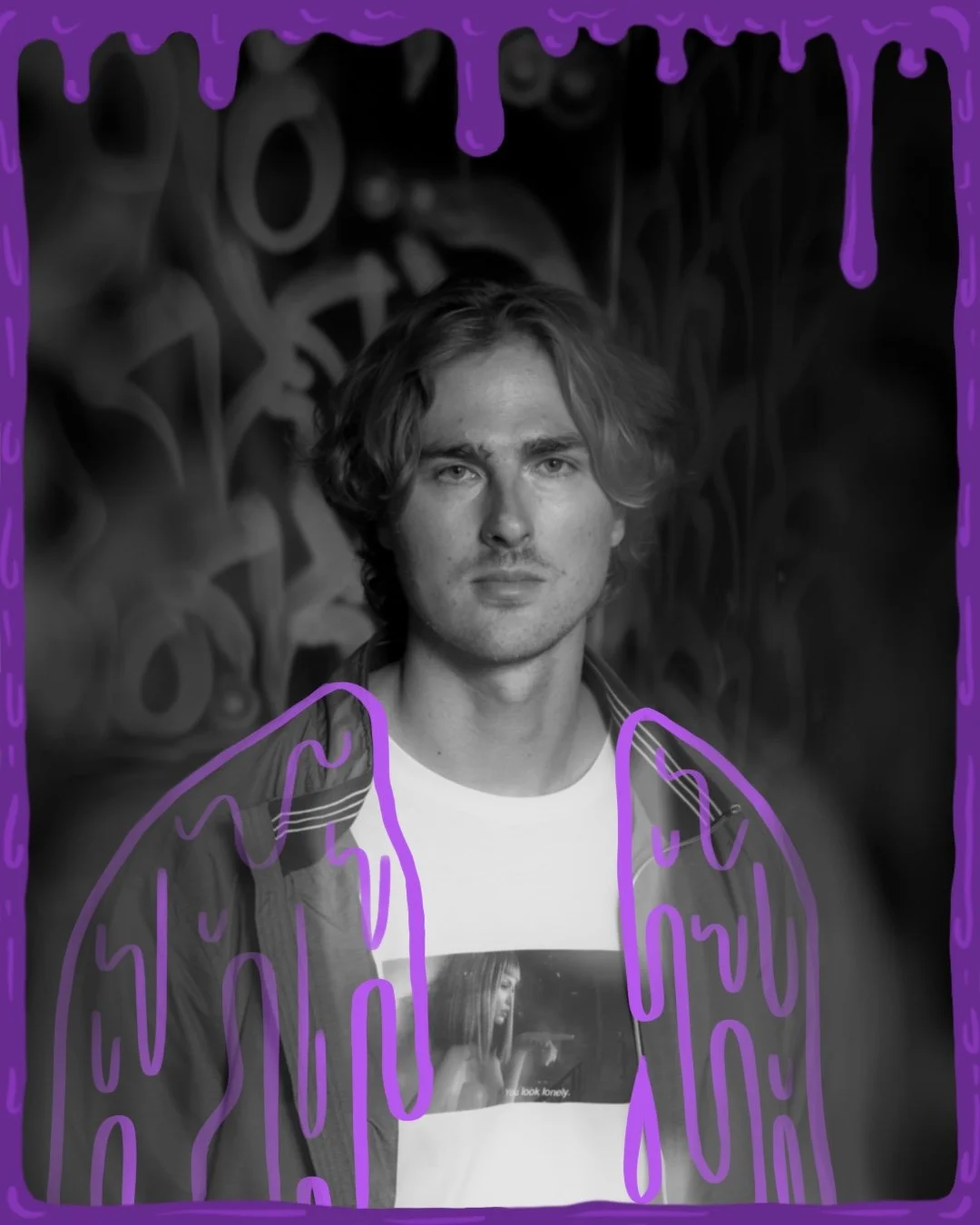
Music didn’t fully arrive for AJ Tilyard, a founding member of Melbourne’s five-piece indie rock outfit The Velvet Club, until he was well into his teenage years. For both him and his other band members, the locale they grew up in was not nearly as bustling creatively as their proximity to one of the musical hubs of the world might lead you to believe. But when a connection to music fully landed in Tilyard’s life— through his exposure to bands like The Strokes and The Smiths— he dove into that newfound simplicity with full force. Their debut record, Are You Falling in Love?, serves, in many ways, as an ode to and a reminder of those influences that first carved out this creative passion in Tilyard’s mind.
It’s not as though Tilyard didn’t grow up around music. His parents were massive fans of INXS, which formed in Sydney in the ‘70s, and the sounds of the radio were a constant presence throughout his childhood. But he didn’t grow up around anyone involved in music, and he didn’t even truly conceive, at least during his childhood, of the fact that music was a path that could be followed.
But as he got older, he started exploring the art form for himself, traveling up to Melbourne and around to neighboring cities to catch live performances and spending hours in his room delving into the genres that were quickly becoming his favorites— the garage and indie sounds that populated the mid-2000s. When he was 16, he picked up a guitar for the first time, inspired by the apparent simplicity of the tracks that had such a profound emotional impact on him.
“The rawness of it and the simplicity of it [is what appealed to me]. I could hear that music as an 18-year-old and be like, ‘Well, I can play those chords, and I can sing in that register’. Kind of naive, but that was enough for me to give it a go. I think those bands, they made me believe that I could do it. I could see myself in them a little bit, personally, too. I just felt connected to it.”
Tilyard’s first songwriting experiences, therefore, were his solo efforts to replicate the energy conveyed by his favorite bands. But he knew, pretty immediately, that he wanted to play in the context of a group. The problem was, growing up in the suburbs of Southern Melbourne, he didn’t know very many people who shared this interest. So he reached out to the small group of people he knew from school that played instruments, and they agreed to get together and practice.
For the first year of its existence, that’s all The Velvet Club was— a medium for the musicians to practice. Most, including Tilyard, had very little experience with their instruments, and those early days were characterized simply by efforts to make their sound cohesive and listenable— uniqueness and consistency was, for the most part, a far-off thought.
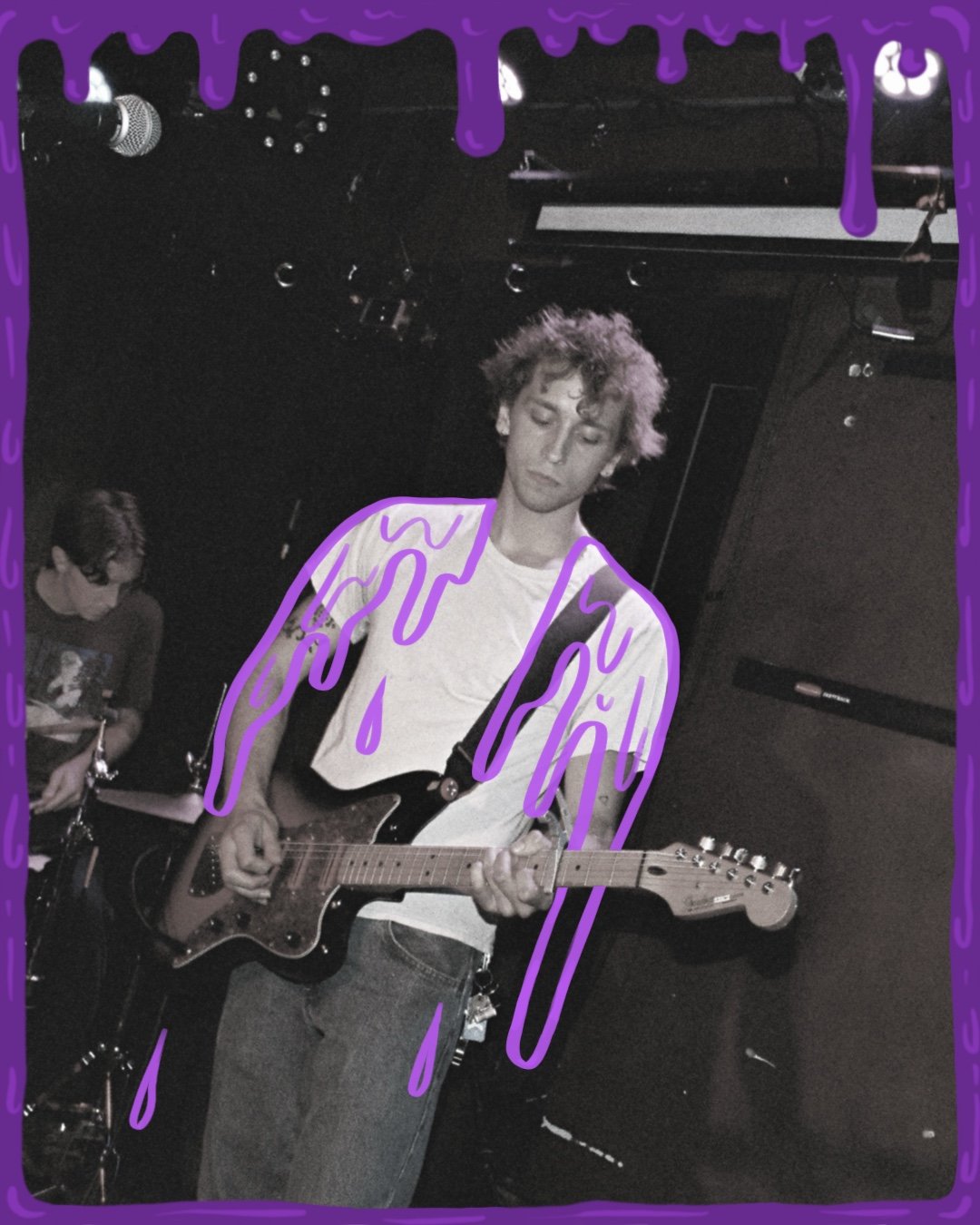
Their earliest live shows, according to Tilyard, also bore this mark of simplicity. But they eventually booked some gigs in the creative centers of Melbourne, filling bars and venues with scores of their friends, who would drive up for the occasion.
“We were sh*t [laughs]. But just by doing that for the pure fun of it, I think we got good enough to show people. And by the time we played our first gigs… all of our friends were just so excited. We just packed out little bars in Melbourne because all of our friends were so keen to come and watch a band play, or [see] people that they knew play instruments. So it was really fun. We were just playing simple three-chord rock songs, and everyone was moshing around.”
Tilyard and the rest of the band’s members, therefore, earned their musical chops playing the gig circuit in Melbourne. They were focused, at first, on delivering strong performances in these shows— the songwriting, if anything, was secondary to Tilyard at this time. He was simply enthralled with the connection he found with his audience; nothing truly mattered, at that time, outside of the crowd’s reaction.
“It wasn't obvious to a crowd what was going to come next or what the chorus is or what the verse is. So I think we really focused on making a crowd react. We considered ourselves, and we still consider ourselves, a live band first, but we really didn't consider ourselves as anything else for ages. We were just only focused on shows, only focused on pulling a crowd and making people have a good time. We didn't even really think about the recorded part or the releasing strategy or any of that. We kind of were oblivious to all of that.”
But through those years of effort, the entire band grew stronger as instrumentalists, and Tilyard slowly gained more and more confidence in his songwriting abilities. While their first EP, 2023’s Lose Track, still bears many of the hallmarks of the origins and their sounds at the formation, their 2024 EP Space Between, sees the entire band take massive strides forward in their craft. From the soaring choruses of “The Otherside” to the blazing rhythms and raw energies of “Sleeping In”, Space Between is not only a monument to the energetic nature of The Velvet Club’s early days but also a clear testament to Tilyard’s advancements as a songwriter. The hooks manage to be catchy without being overbearing, the verses expressive while maintaining the ease of sound that became the band’s trademark.
Space Between also bears a considerable number of the band’s other influences— drawing from the musical leanings of each member in turn and ramping up the complexity of their sound from their first extended release.
But when the band returned from tour after the release of that project, they were, frankly, burnt out. After years of seemingly endless gigs and energetic performances, The Velvet Club agreed to take a break, without any stated guarantee that they would return.
During that time, Tilyard returned to work and attempted to get his life in order. For a brief period, he didn’t write or engage with music at all. But over time, he slowly found himself etching out songs on his guitar. What started as short voice notes here and there steadily turned into more extensive demos, and with each successive track, he realized that he was returning to the sounds that had first inspired him as a teenager. But instead of simply imitating the indie bands of his adolescence, these tracks were now informed by his years of experience as a musician and his nuanced approach to songwriting.
Tilyard no longer had to think about pushing the band forward. He was simply writing, and it was a liberating experience.
When Tilyard returned to the band with a collection of fresh material, and turned it over to them to fill out the instrumentals and help him polish the songs, they knew they had struck on a central theme: one that could carry them further than either of their EPs had gone.
It was time to make an album.
“I don't think we would have been able to do it, to be honest, if we didn't take the step back and let ourselves go a little bit. I think that is the album, to be honest. That's what we picked out for the themes. A lot of the songs are about that. They're about my mental health. They're about being overwhelmed and stepping back and not knowing what to do in life or where you're going. So I think the whole album kind of is [about] that period of self-reflecting and just letting go a little bit.”
Are You Falling In Love?, therefore, is more than just a debut for The Velvet Club. It is an oral history of their years as a live band, an exploration of what it means to be an artist in a commerce-centered society, and a monument to what they’ve accomplished as a group since they first ventured to practice together in the southern suburbs of Melbourne.