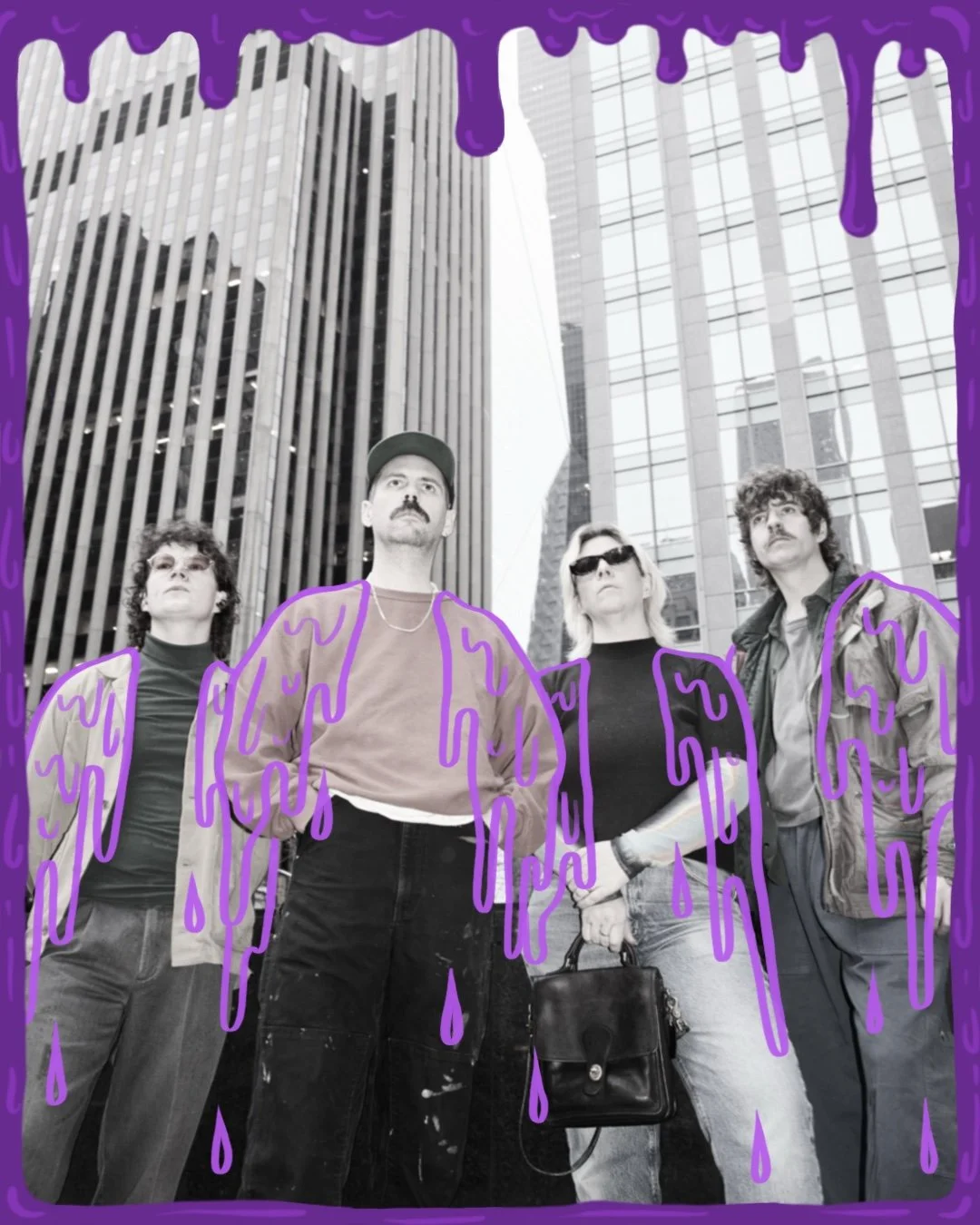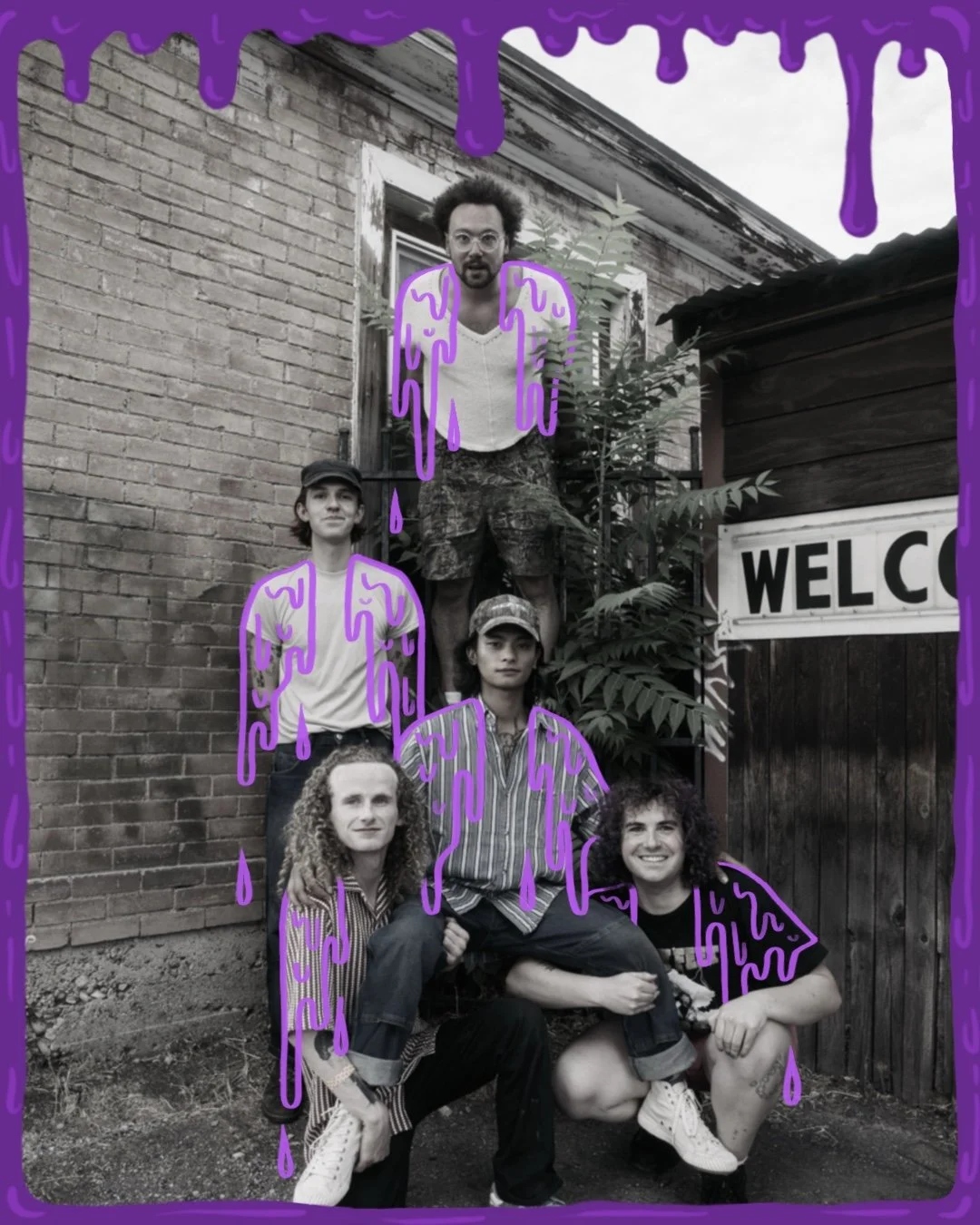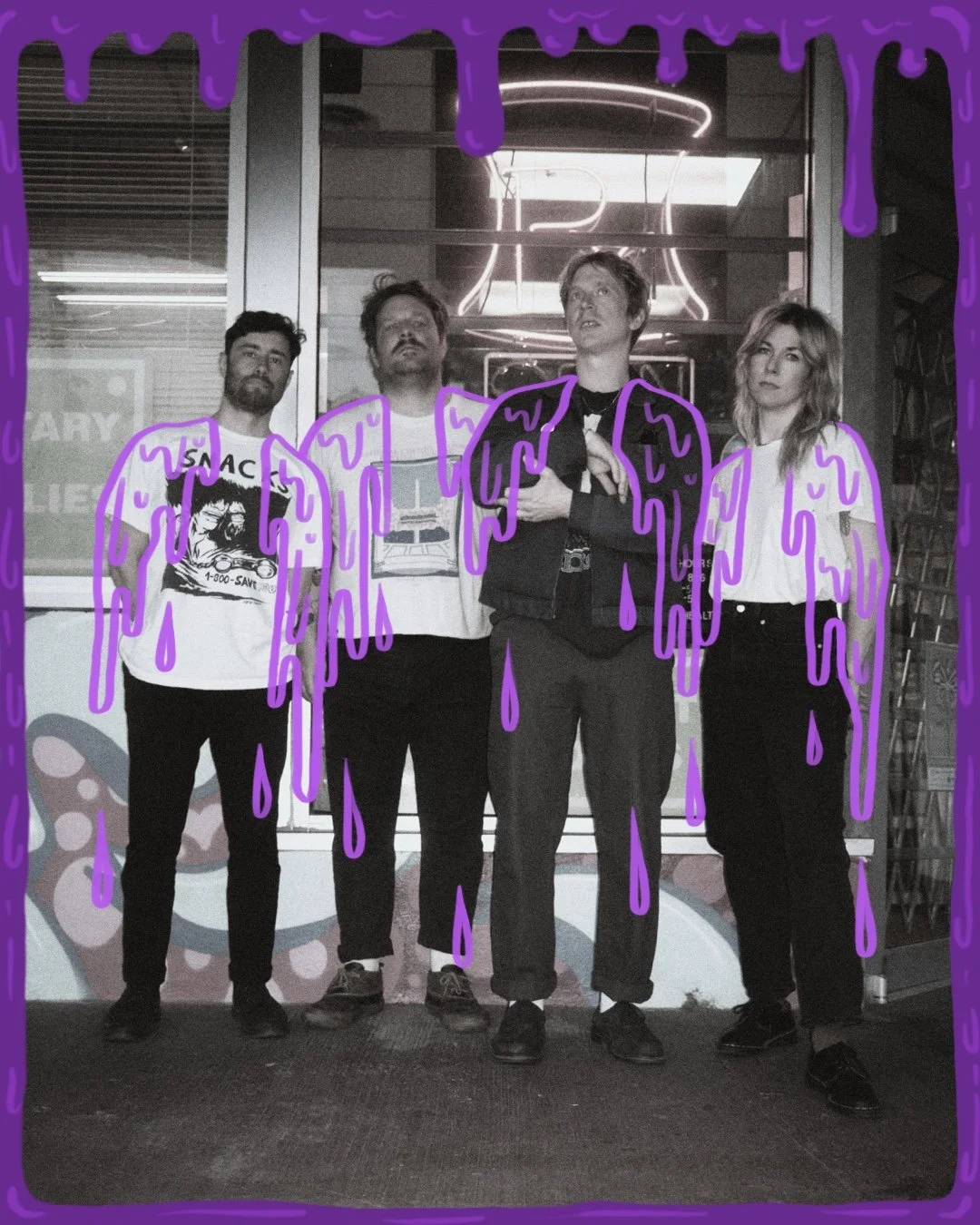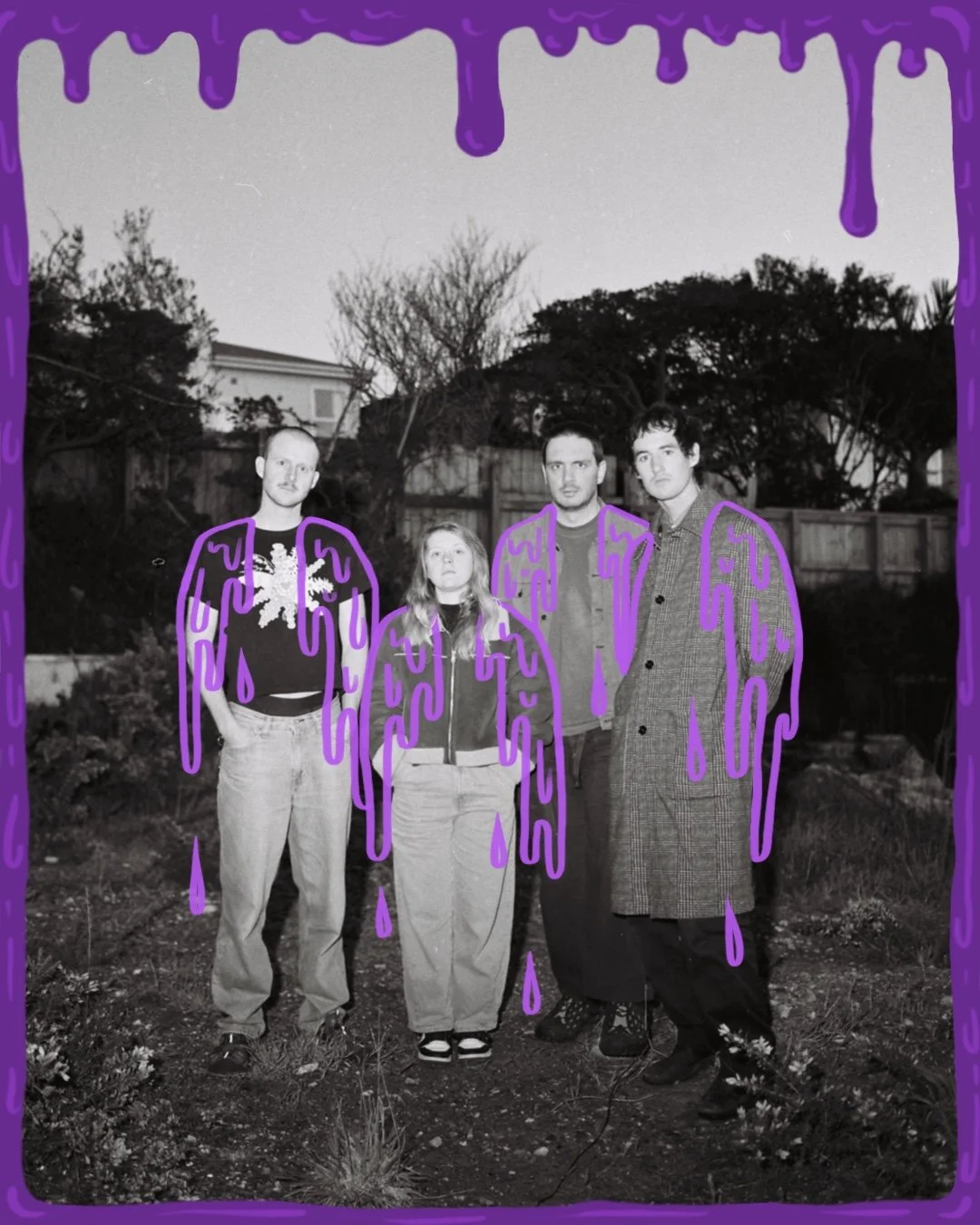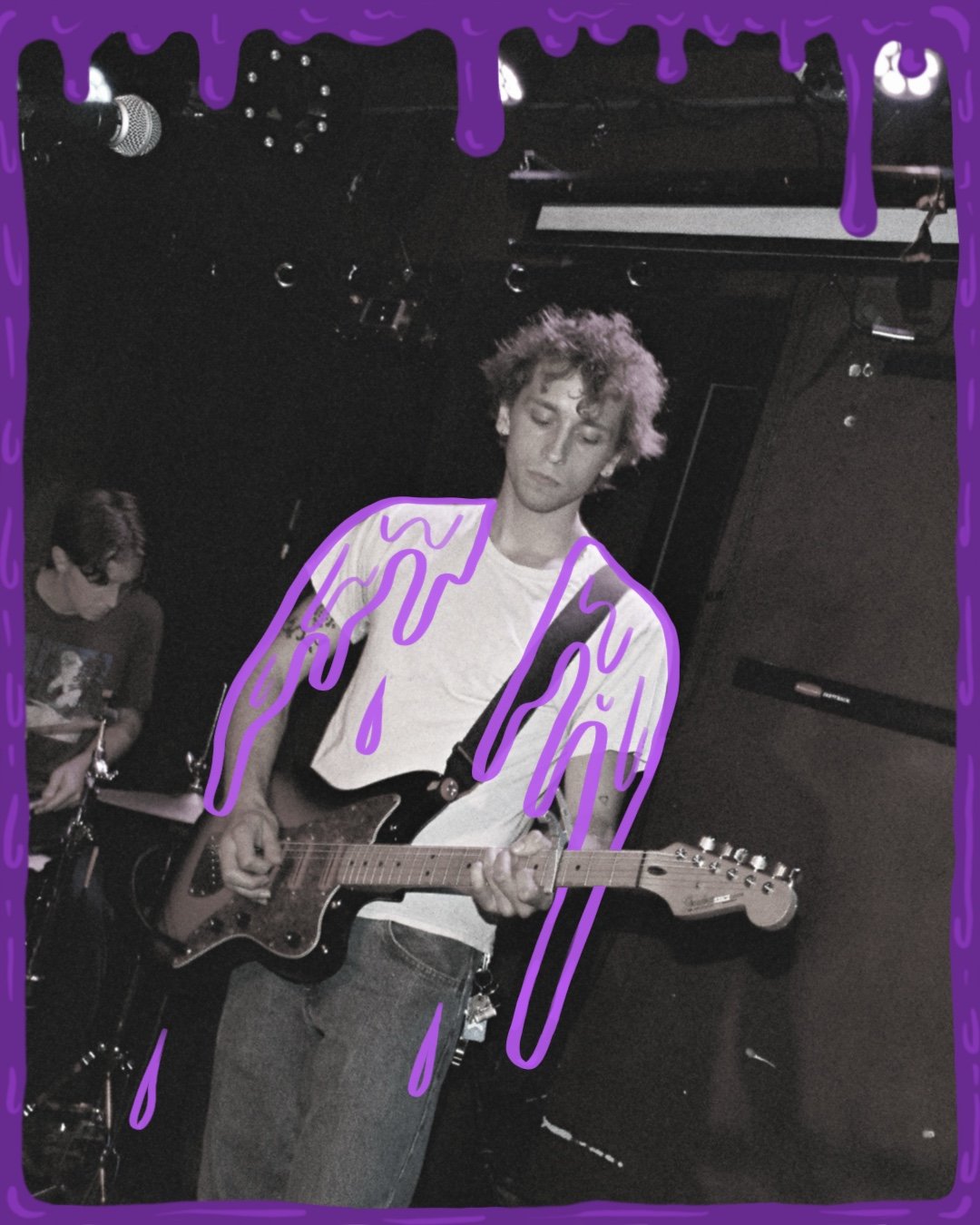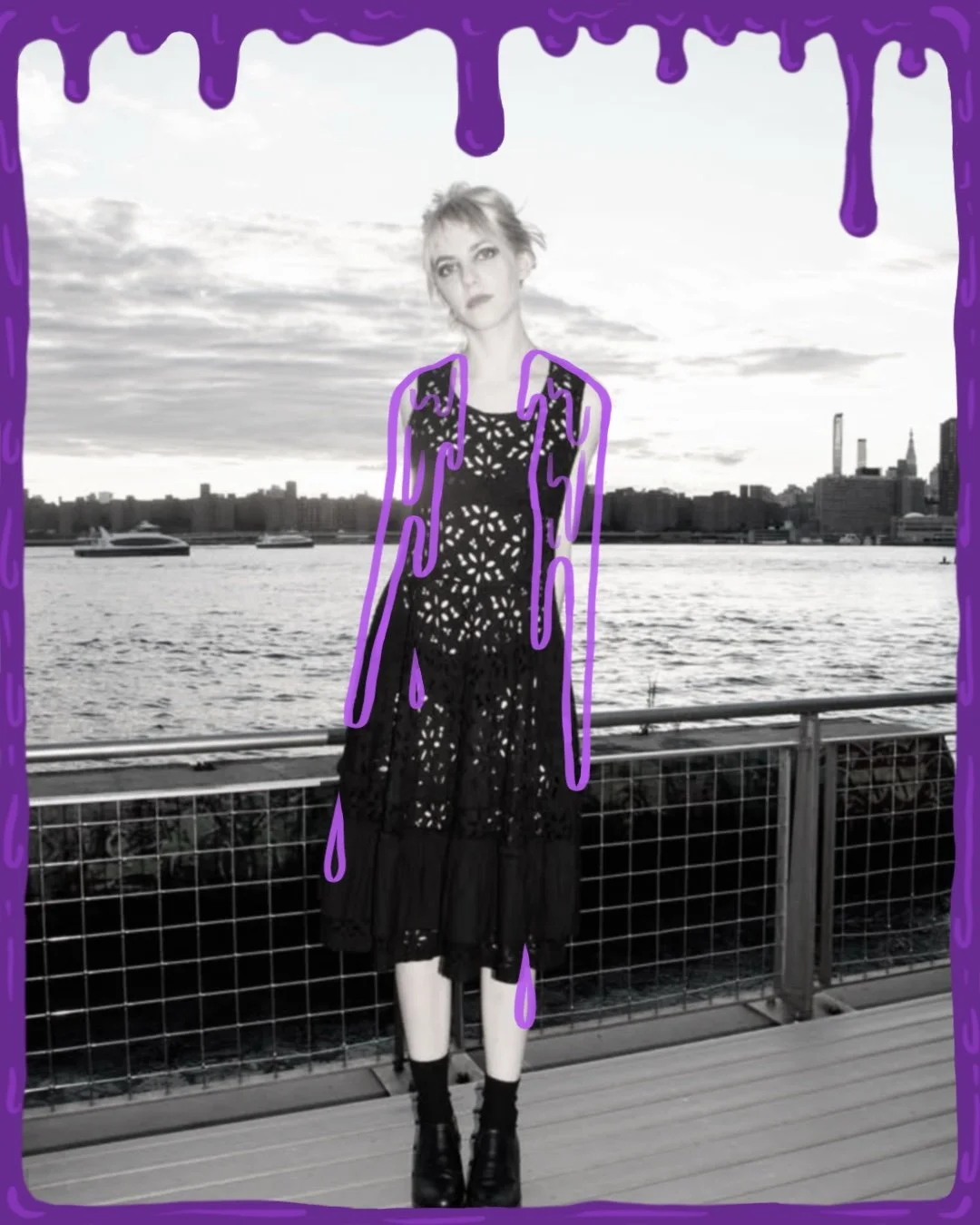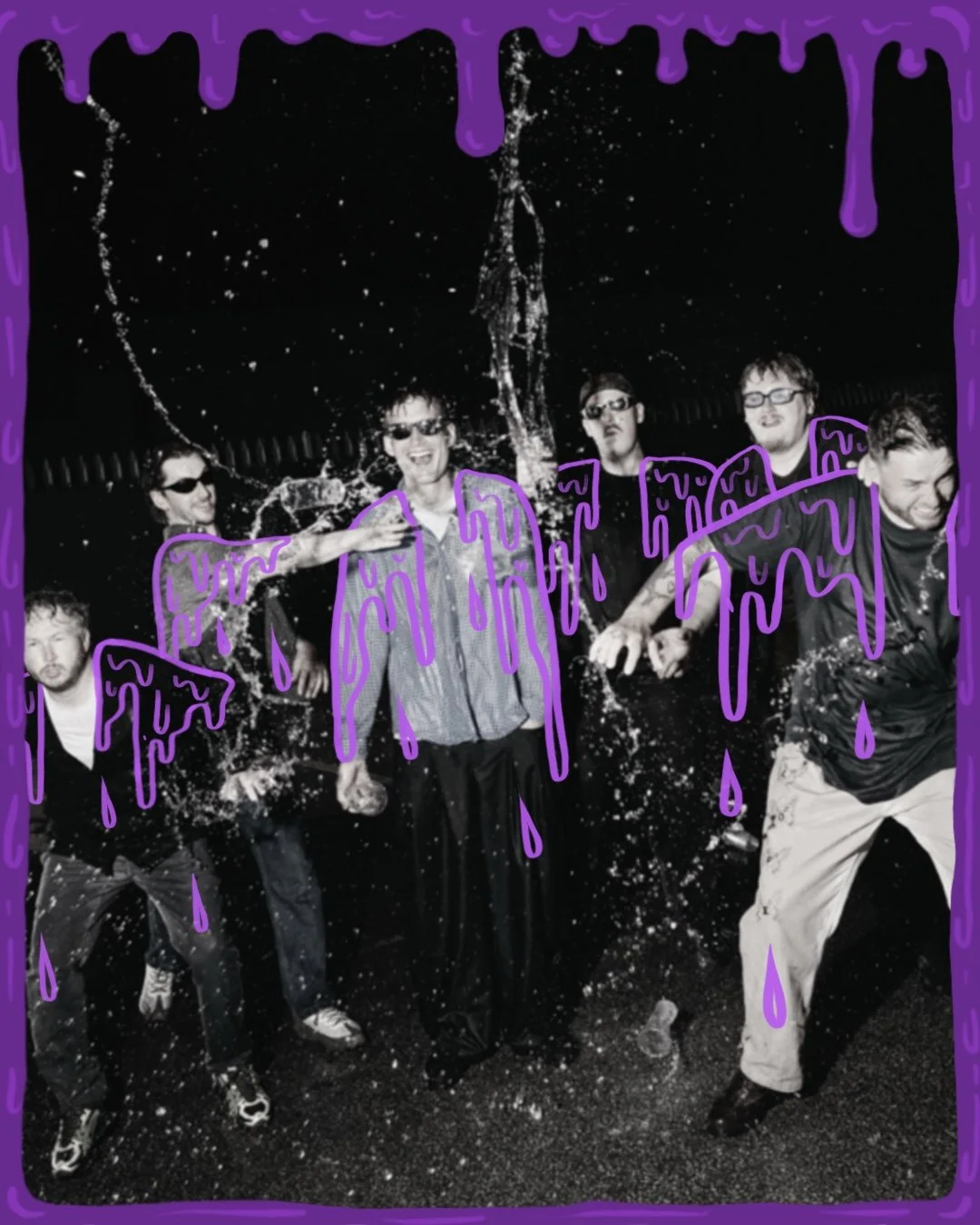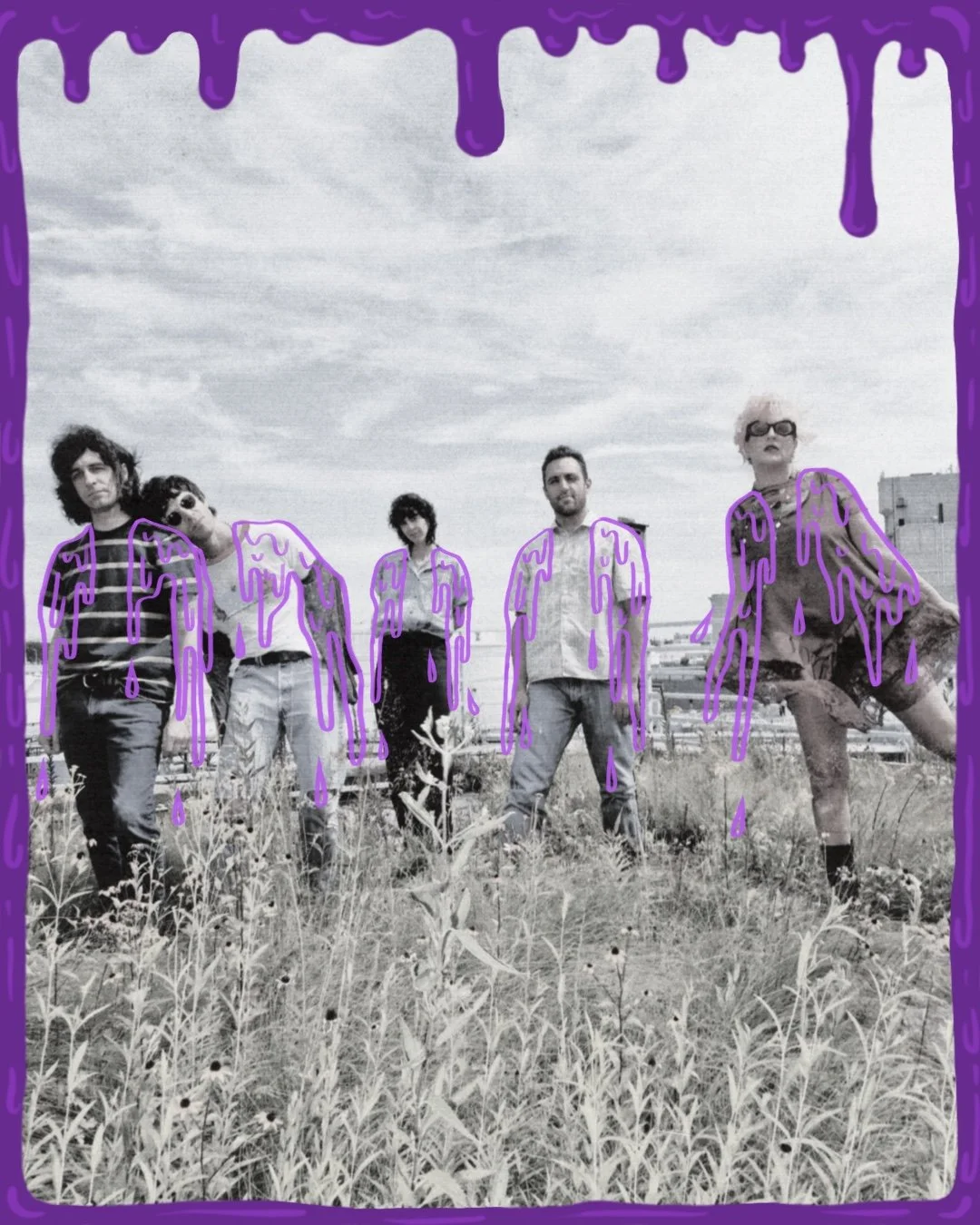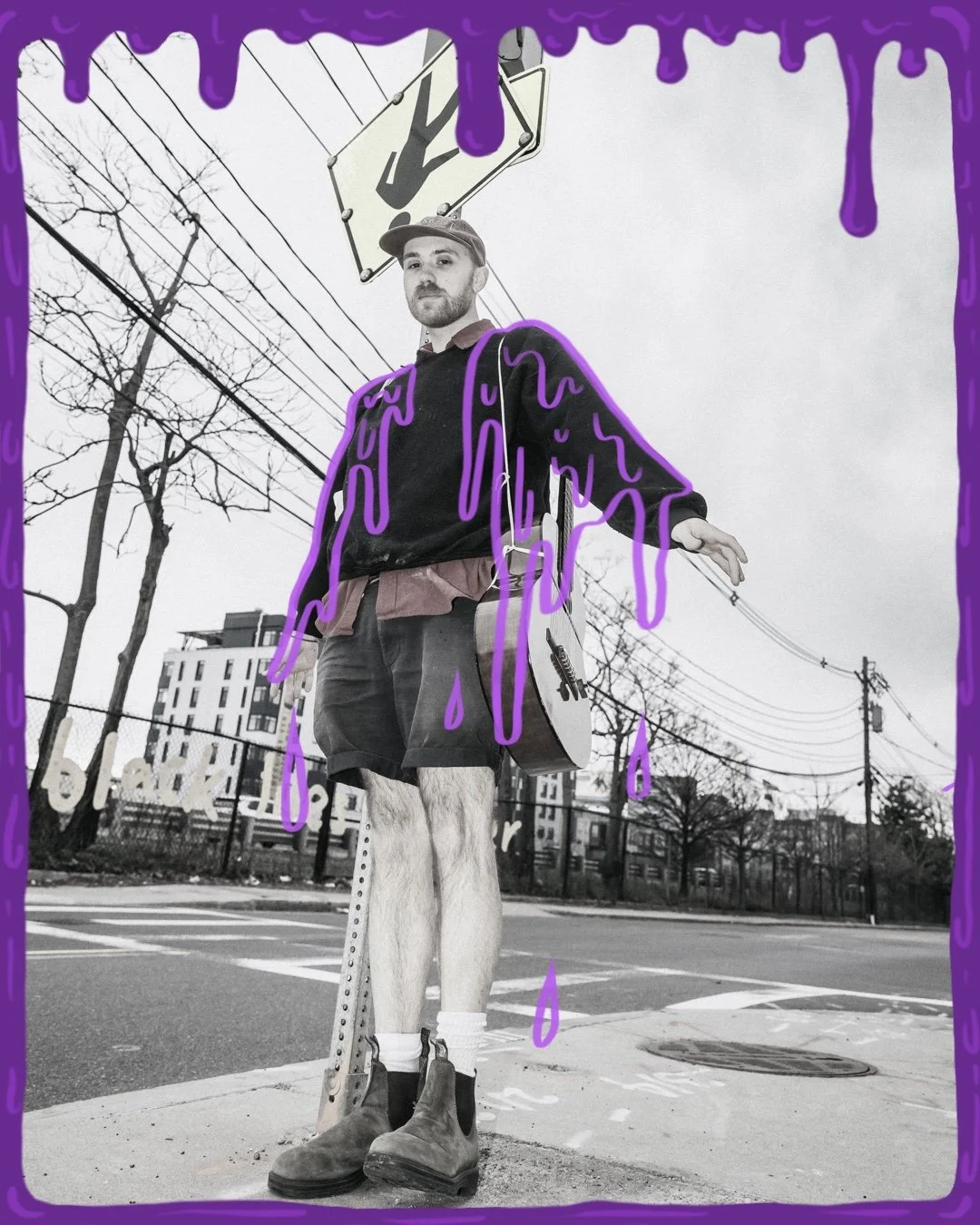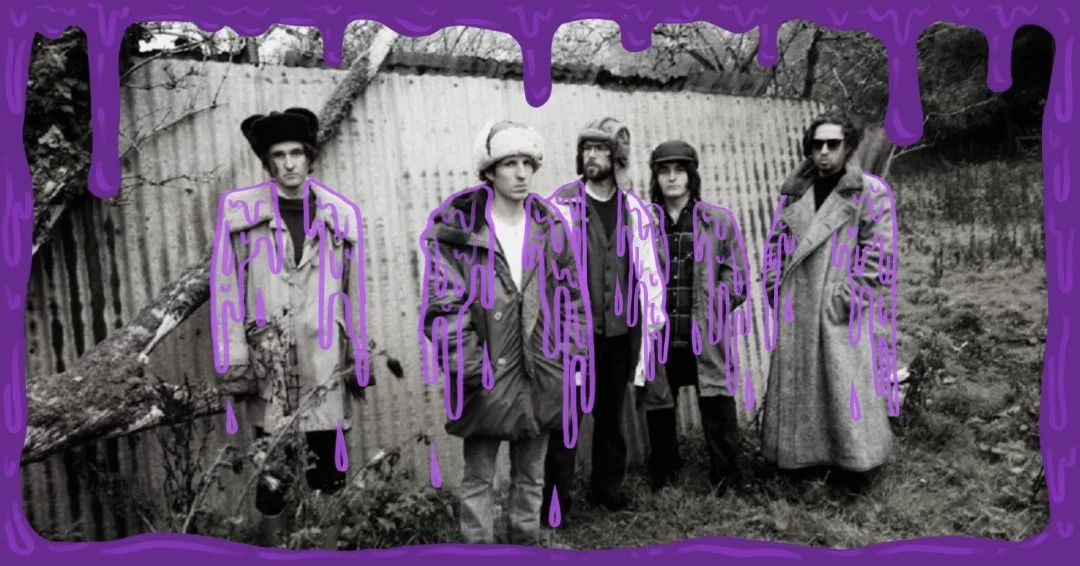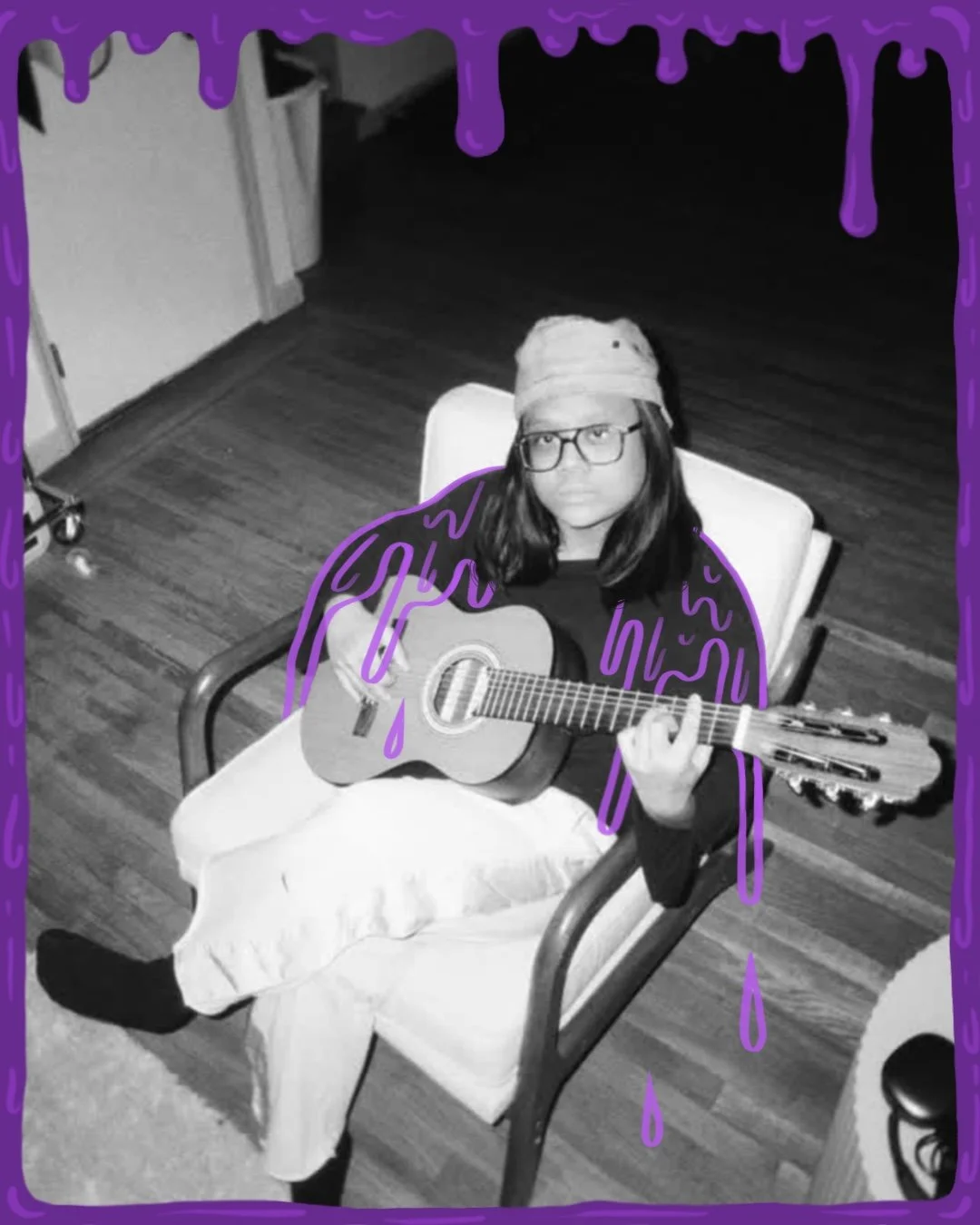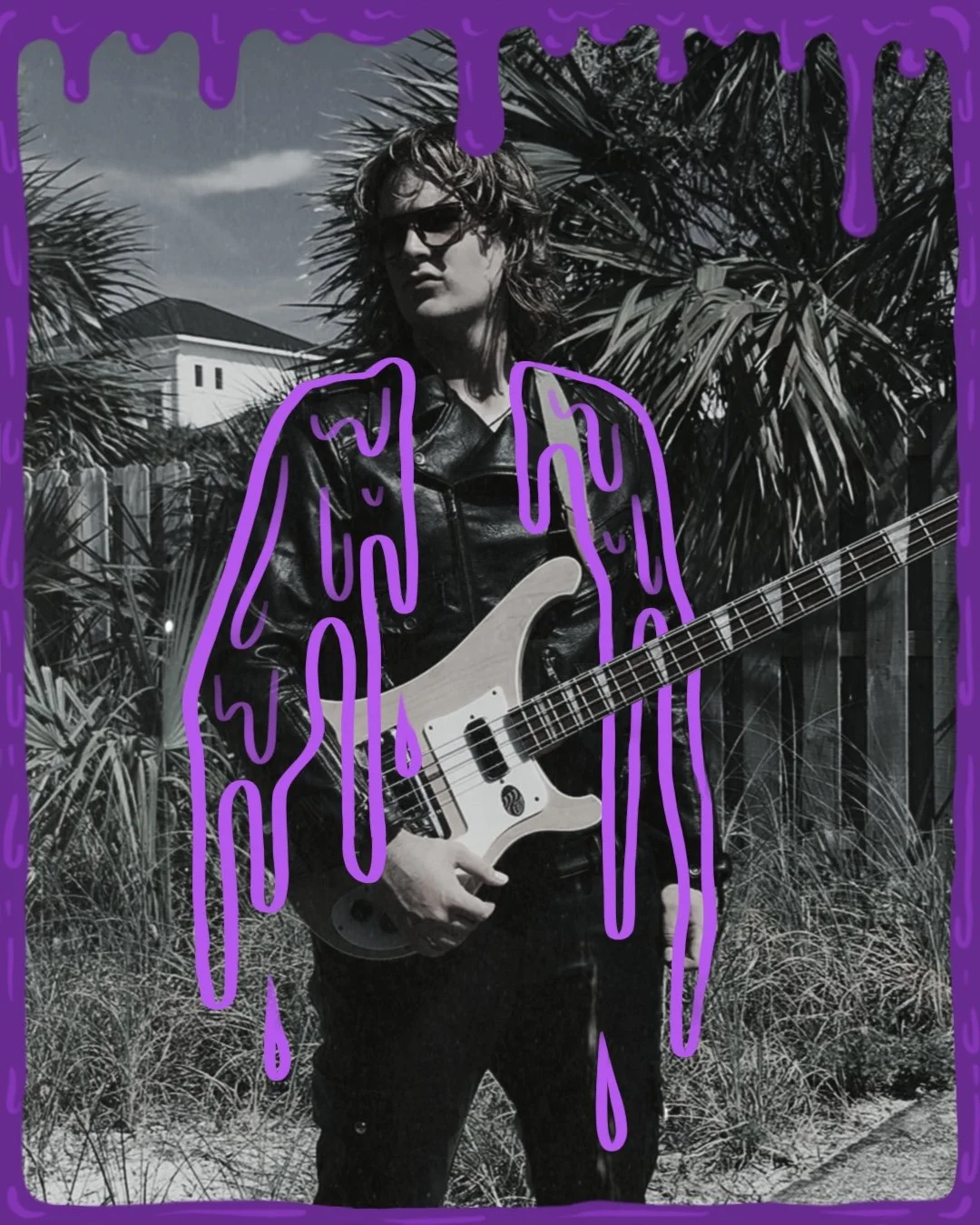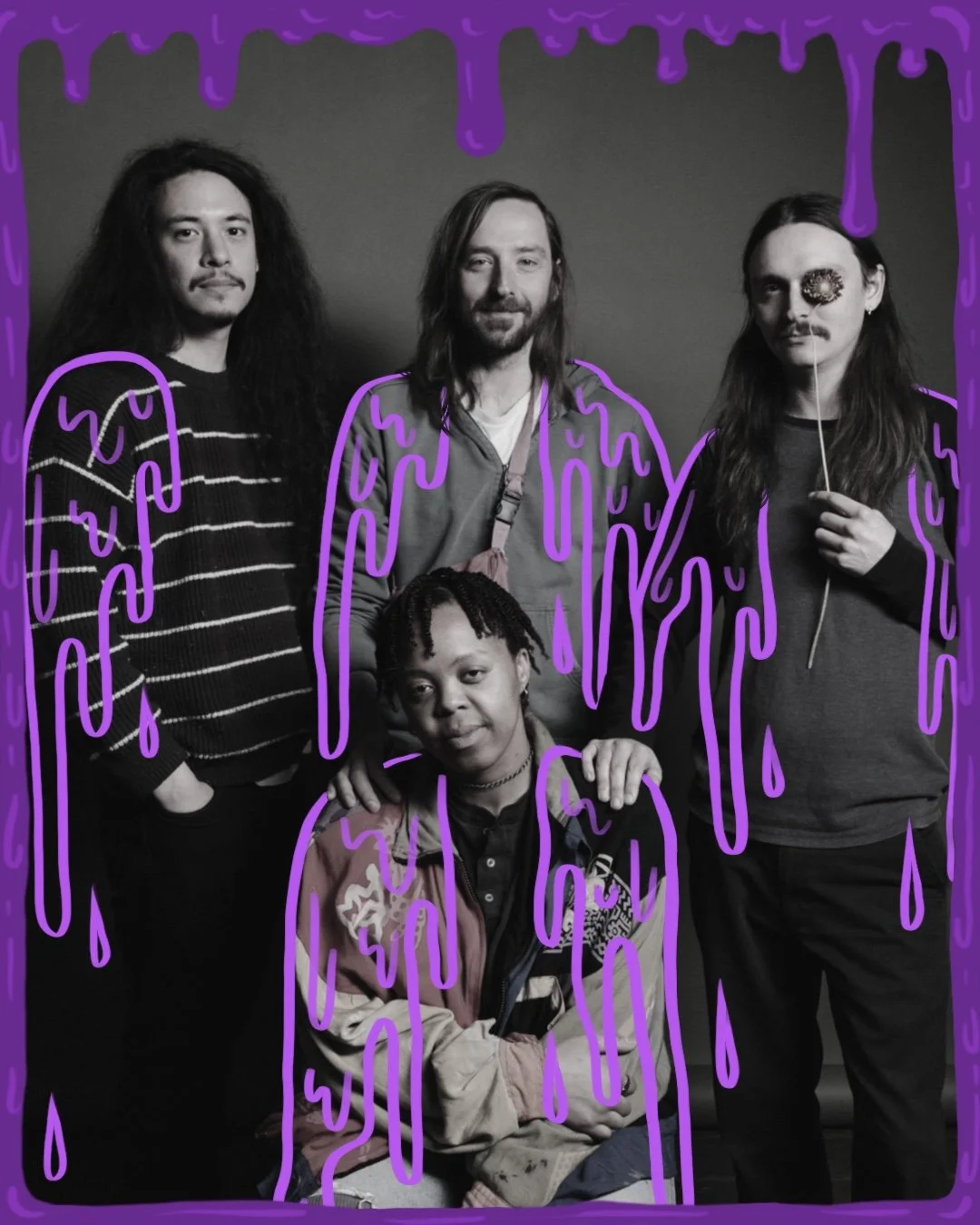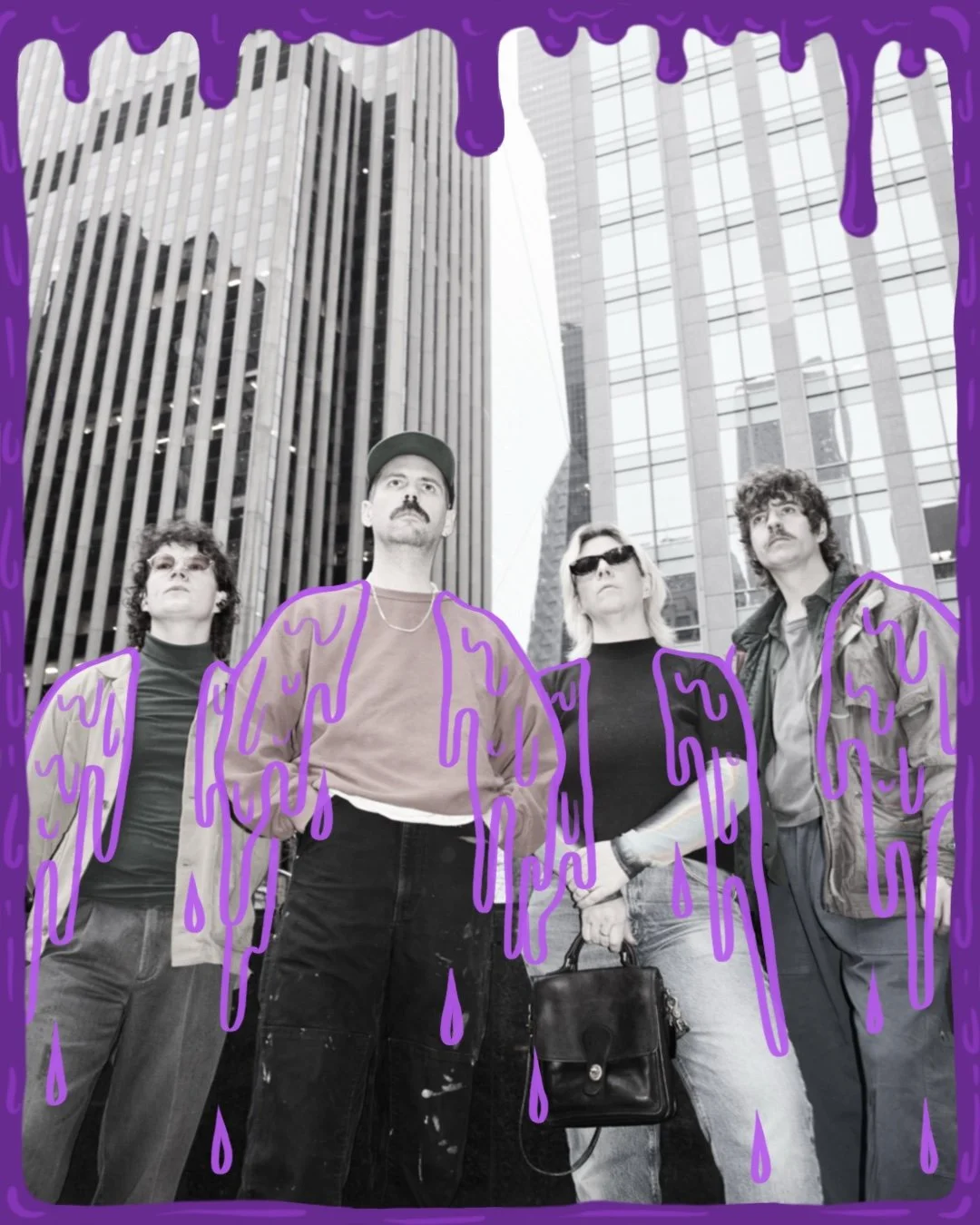
The start of Telehealth’s journey into the Seattle post-punk scene was marked by a sense of disaster—lead songwriter Alexander Attitude felt the world coming to an end with the COVID-19 Pandemic, and in response, he returned to his punk-laden songwriting origins in the quiet of his bedroom.
But with a variety of synthesizers and a new host of influences added to the mix, Attitude’s typically aggressive tracks took on a whole new demeanor, and with the addition of long-time collaborator Kendra Cox and the rest of the band’s initial five-piece lineup, the project took on a fuller scope than its originator could’ve ever truly imagined, bursting through the bubble of post-Pandemic live performance to deliver a consistently riveting atmosphere across two full-length projects and countless live shows.
Both Attitude and Cox are long-time subscribers to the Seattle rock scene, and their journey can’t be fully separated from their understanding of the varied niches within that budding atmosphere.
Attitude first moved to Seattle from Arizona when he was a late teenager, seeking out a scene in which he could fully immerse himself in the brand of punk-inspired noise rock he had fallen in love with from afar. But by the time he arrived, he found the city’s venues (at least those that were open to people under 21) swallowed whole by the indie-folk movement.
“I wanted to do the heavy Seattle sound, but I was also a Modest Mouse fan. So I wanted to be in these weird, noisy, cacophonous Seattle bands, and when I moved here, the indie folk scene had just taken over… Head in the Heart and Fleet Foxes— if you were not in a band that sounded like that you weren't getting shows. I was bummed and I was kind of pissed off, if I'm being honest, which is great fuel when you're 20.”
It’s not as though the DIY scene in Seattle had ceased to exist, but it was in a stage where it was difficult for an outsider like Attitude, who had just arrived in the city, to truly get involved. Over time though, he found his way into bands that fit his M.O., and those groups had distinct rules against using acoustic instruments in their sets.
For him and his bandmates, it was a way to rebel against the softer side of music that they saw taking over the city.
Kendra, meanwhile, was a more amorphous scene-dweller. She also played in various rock bands throughout her 20s, which is how she and Alex first met, but she bounced from show to show with little concern over where the genre-tide was carrying the city.
When the Pandemic came, though, neither viewpoint mattered. Live music in the city had come to a halt, and Alex, who had left the scene two years earlier to pursue a career in architecture, found himself indulging in that void. For the first time in a while, he decided he was going to play music on his own again. He was burnt out on guitar, and after picking up a synthesizer he had laying around, he set to work carving out lyrics.
“I think the hardest part was that I was used to writing songs with a group of people, in a band setting. This was very much Ableton session, drum machines— you're doing a large amount of it by yourself. You're demoing these ideas by yourself, so it's learning to kind of trust your gut a little bit on those situations. It's definitely a more inward focused approach than previous bands [I was in]”
He finished the whole first album— which became 2023’s Content Oscillator— in the confines of his bedroom, and Kendra was only involved towards the end to provide some vocal work. But when she saw what he had accomplished, she knew they needed to turn it into a larger project.
The next issue that faced them, however, was how to turn Telehealth, established in a solo context, into an engaging live performance. They knew they didn’t want to just be a duo, working with a laptop or a DJ rig onstage. They wanted to capture the energy they had both fallen in love with during their heyday in the local rock scene, and that required the complement of a full band.
They set to work assembling a group of their long-time collaborators in the Seattle scene. They added Ian McCutcheon on drums and John O’Connor on bass to complete the lineup,
“We realized quickly that we didn't want to be a boring band,” says Kendra, “We wanted to include folks in the process of building the band together, picking friends and people who we'd crossed paths with and then just tossing the line out.”
Once the lineup was established, they set about fleshing out the songs in a full instrumental context, working out various drum parts and arrangements as they learned to translate Alex’s sounds to a live setting. People around Seattle responded to the energy they brought, and they soon found themselves gigging frequently around the city.
Their second record, Green World Image, was more than simply informed by this transition. The band’s live performances, and the careful balance of space and wild dynamics they were able to capture, became the throughline that permeated the record. Tracks like “Kokomo 2,” with its erratic, swinging synth lines, and “Things I’ve Killed,” with its rutted grooves and chanted, sporadic verse ramblings, serve as ample evidence of that development.
One of the defining features of the band over the first two projects, at least from Alex and Kendra’s point of view, was the lack of pressure or constraint put on their sound. Telehealth began without any initial intention of sharing its efforts with the world, and that ethos of freedom is part of what made both Content Oscillation and Green World so wide-ranging.
But now that the band is approaching their third record (and working in a more collaborative context), both Alex and Kendra feel that it’s the natural time to settle into a more focused sound—a difficult thing for a band as dynamic as Telehealth to do without pigeonholing itself into a specific genre expression.
“I do feel like the third album is the one where you're like, ‘Okay, here's the more defining sound influences,’” says Kendra, “The pressure's feeling quite real, which is interesting. Not from a label perspective or anything— more like once we do this one, this is gonna be the big moment where people are gonna see, are we going to be in the same lane, are we going to be in parallel lanes, or are we going to take a huge departure?”
As Telehealth starts to feel out the sound for their third record, therefore, they’re well aware of the defining moment the undertaking represents. But there’s also still a clear intention on the part of each of the project’s contributors.
Seattle, at its root, digs the energy that punk and post-punk are so uniquely capable of harnessing, and Telehealth’s unique, synth-bridled expression of that energy is what’s undeniably at the heart of the project.