Artist Profile: Henry Morris
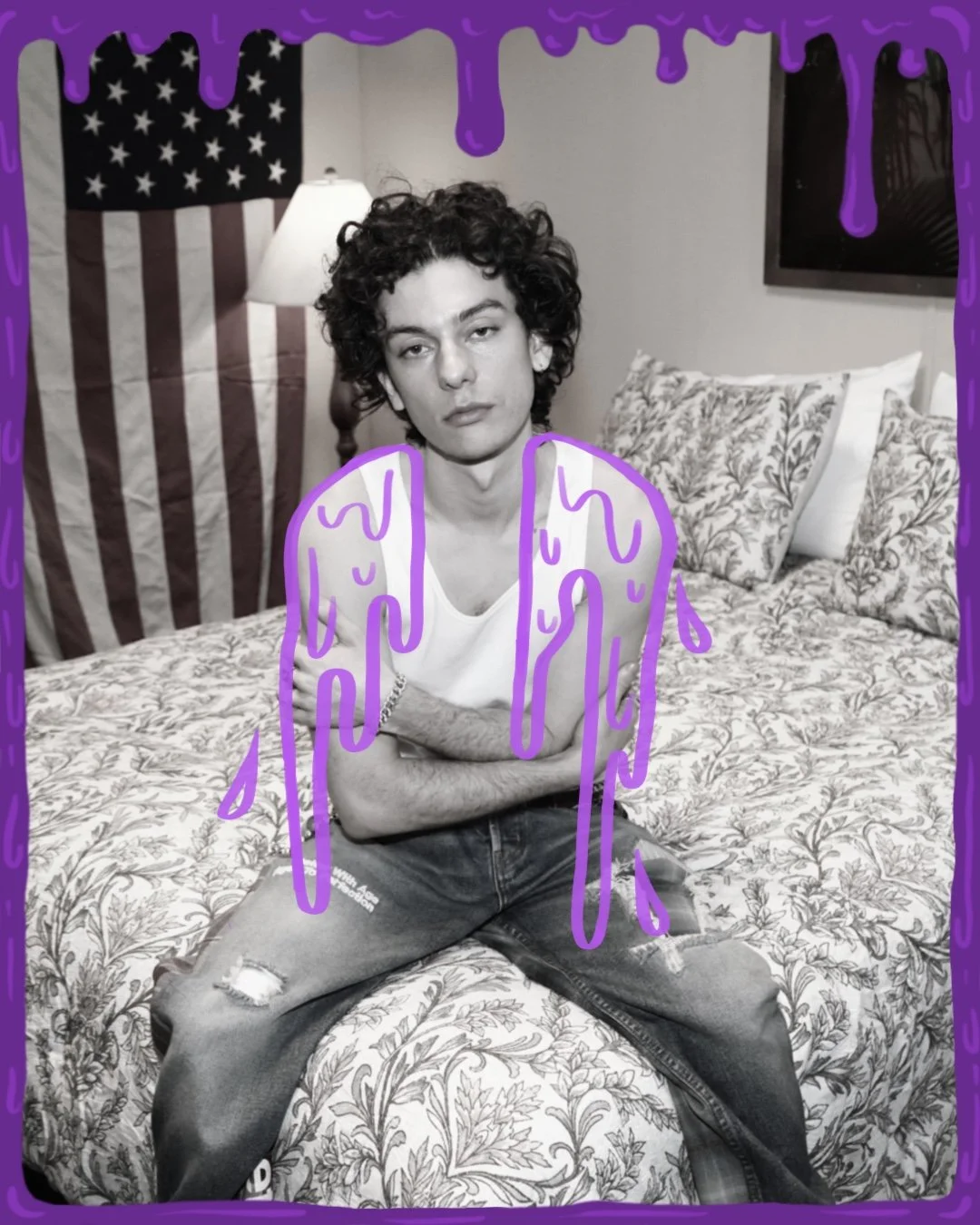
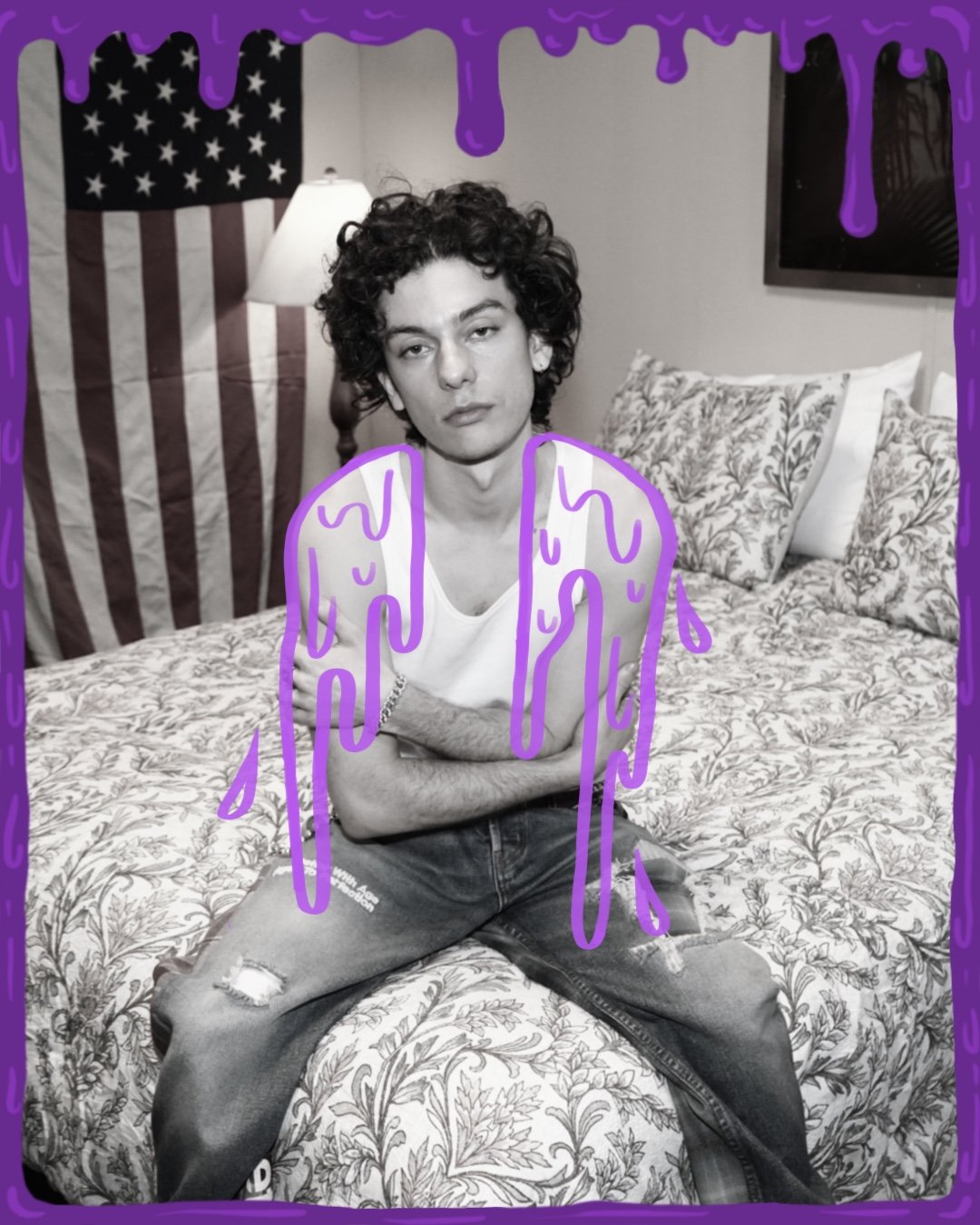
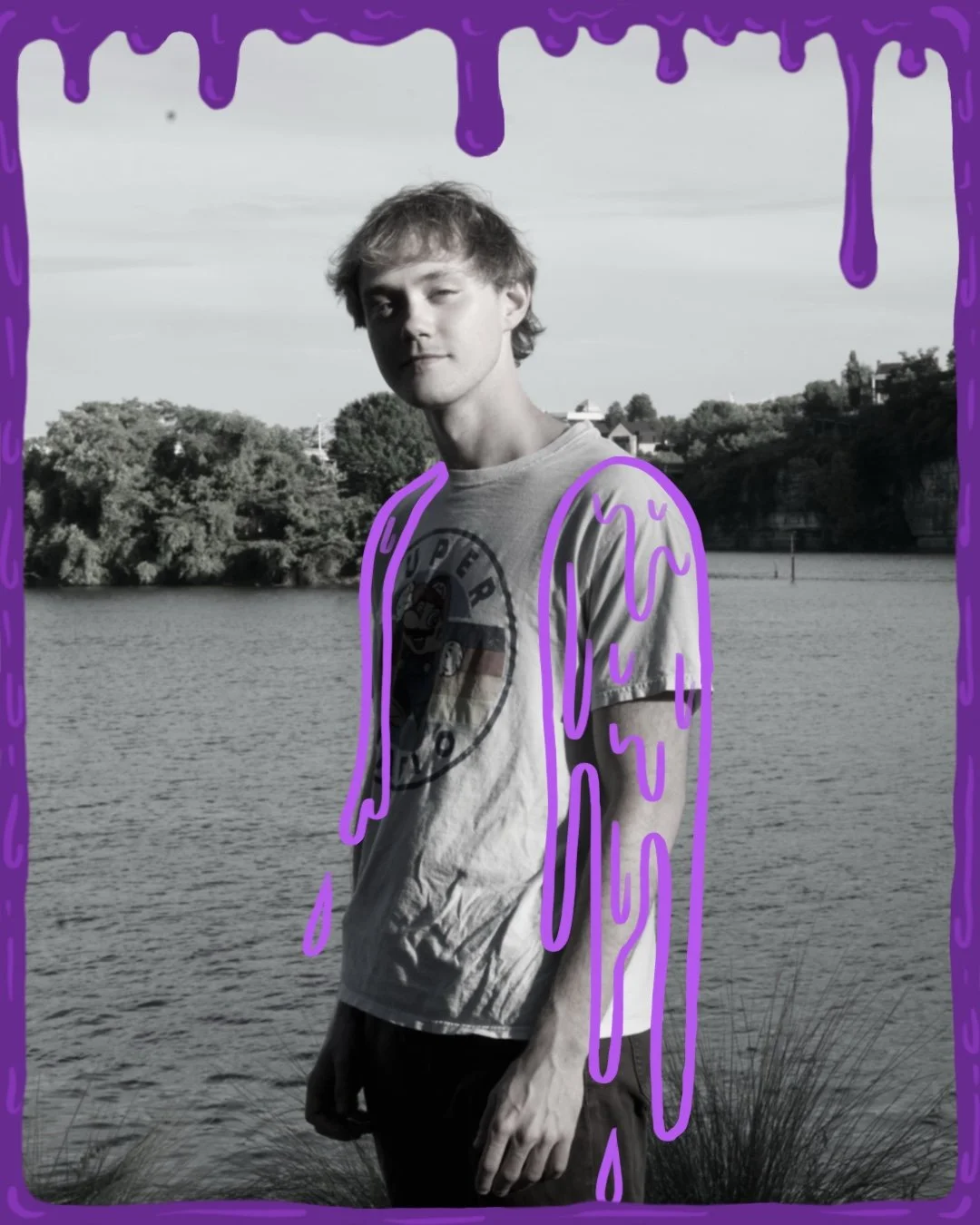
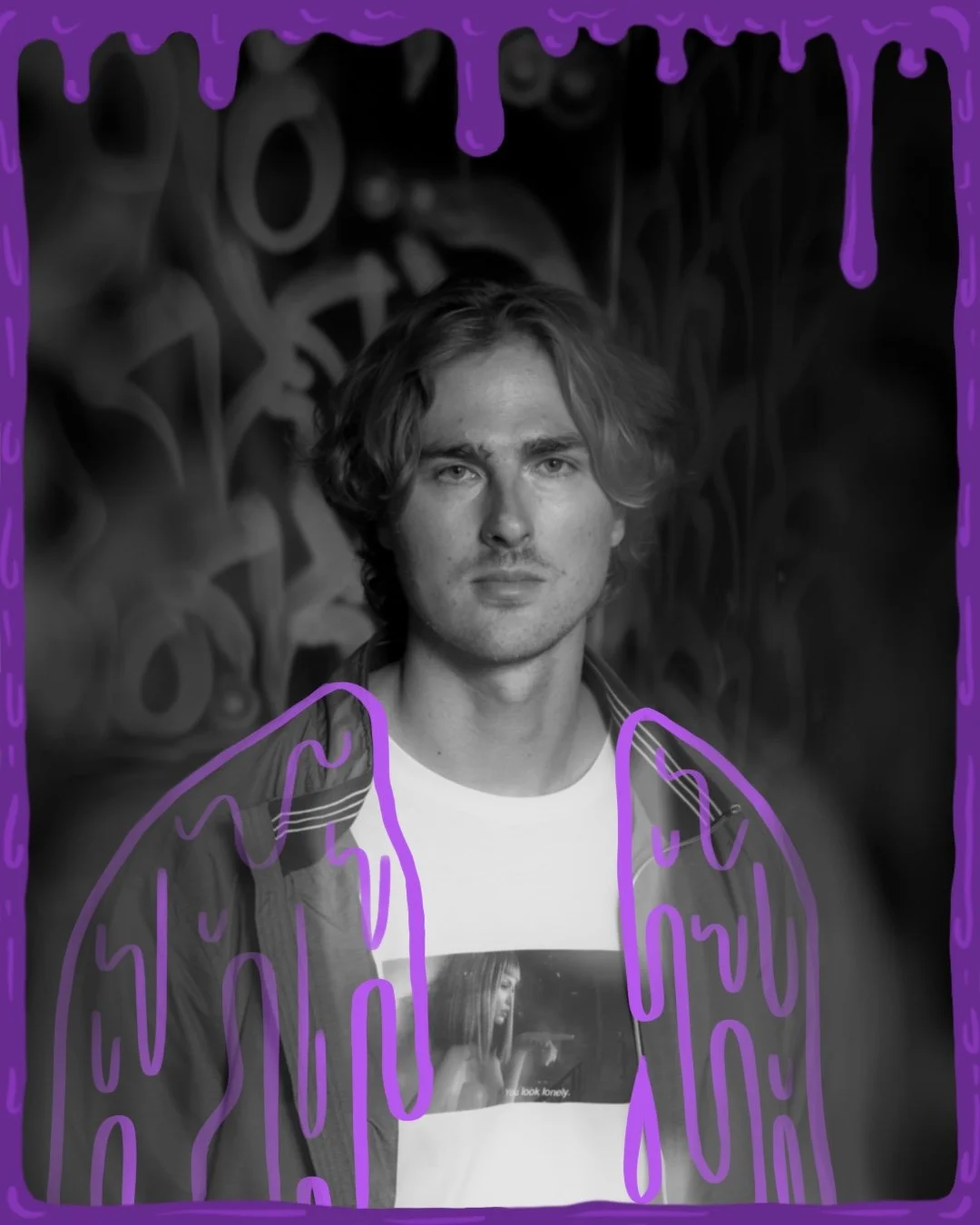
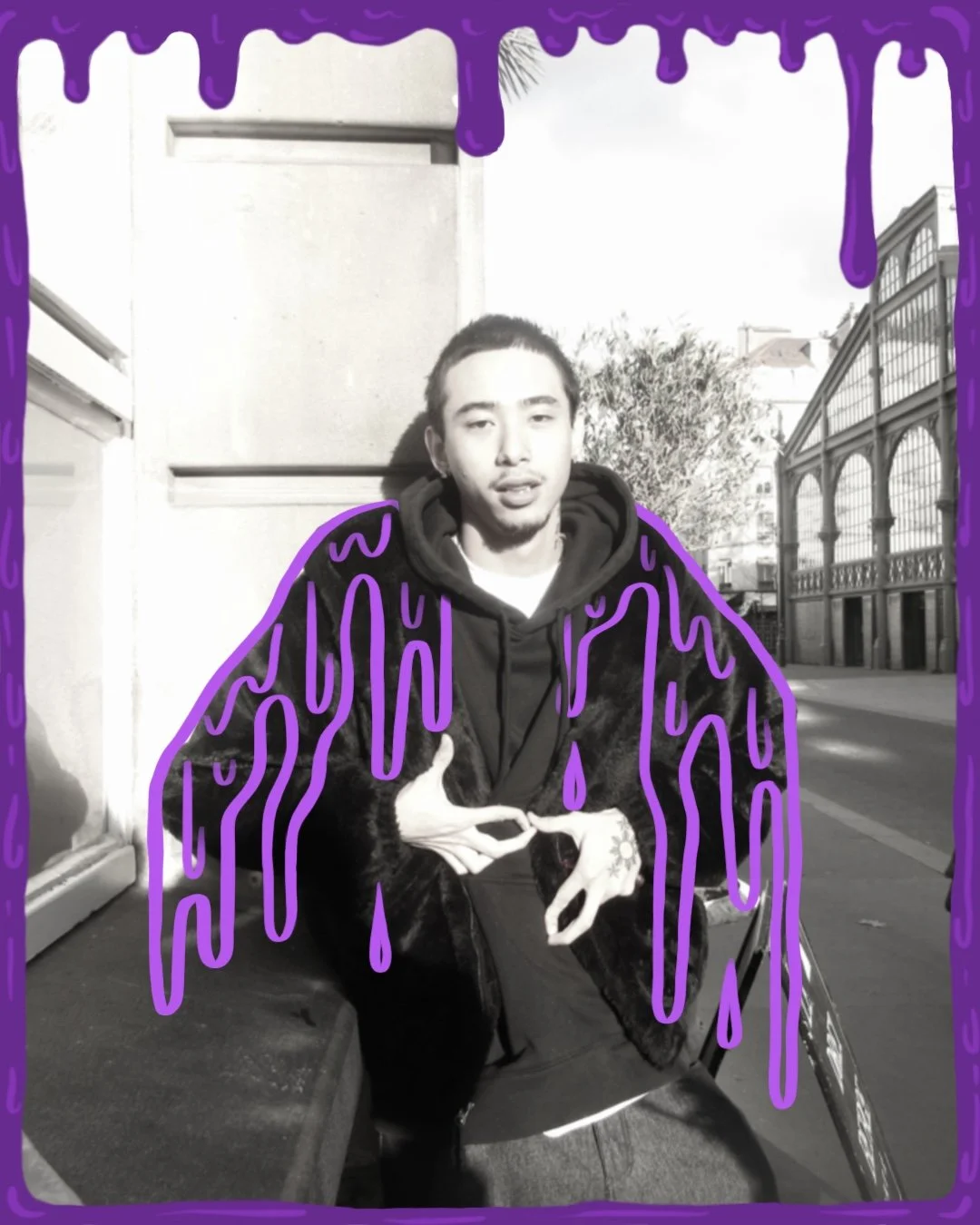
Photo Credit: Maytal Star
Growing up in Los Angeles, Henry Morris always possessed a distinct feeling that some life-altering, earth-shaking event was waiting for him around the corner.
Then, just a month before he was about to graduate college and enter the job market, that event came in the form of his work with roommate and collaborator Saint Levant— one of their first tracks together, which Morris produced, was “Jerusalem Freestyle,” which took the global charts by storm almost the second it was released. Then it came again with the release of Morris’s first solo track “He Could Never Love You” in 2023.
But now that Morris has found his footing in the industry and carved out a niche for himself, he’s writing with a freedom and looseness of expression that starkly contrasts with his earlier work. While the life-changing moments came early, it’s the steady progression of his artistry that has cemented Morris as one of the rising stars of the indie scene.
Morris has been studying music almost as long as he can remember— although it’s taken vastly different forms over the years. His first exposures were through his mother, who was a ballerina and actress in New York during her 20s. Her love for bands like Black Sabbath, Led Zeppelin, The Beatles and the Red Hot Chili Peppers permeated his childhood. She was the one, in fact, who pushed him into music lessons and, despite his complaints and childhood apathy, encouraged him to keep pursuing the art form.
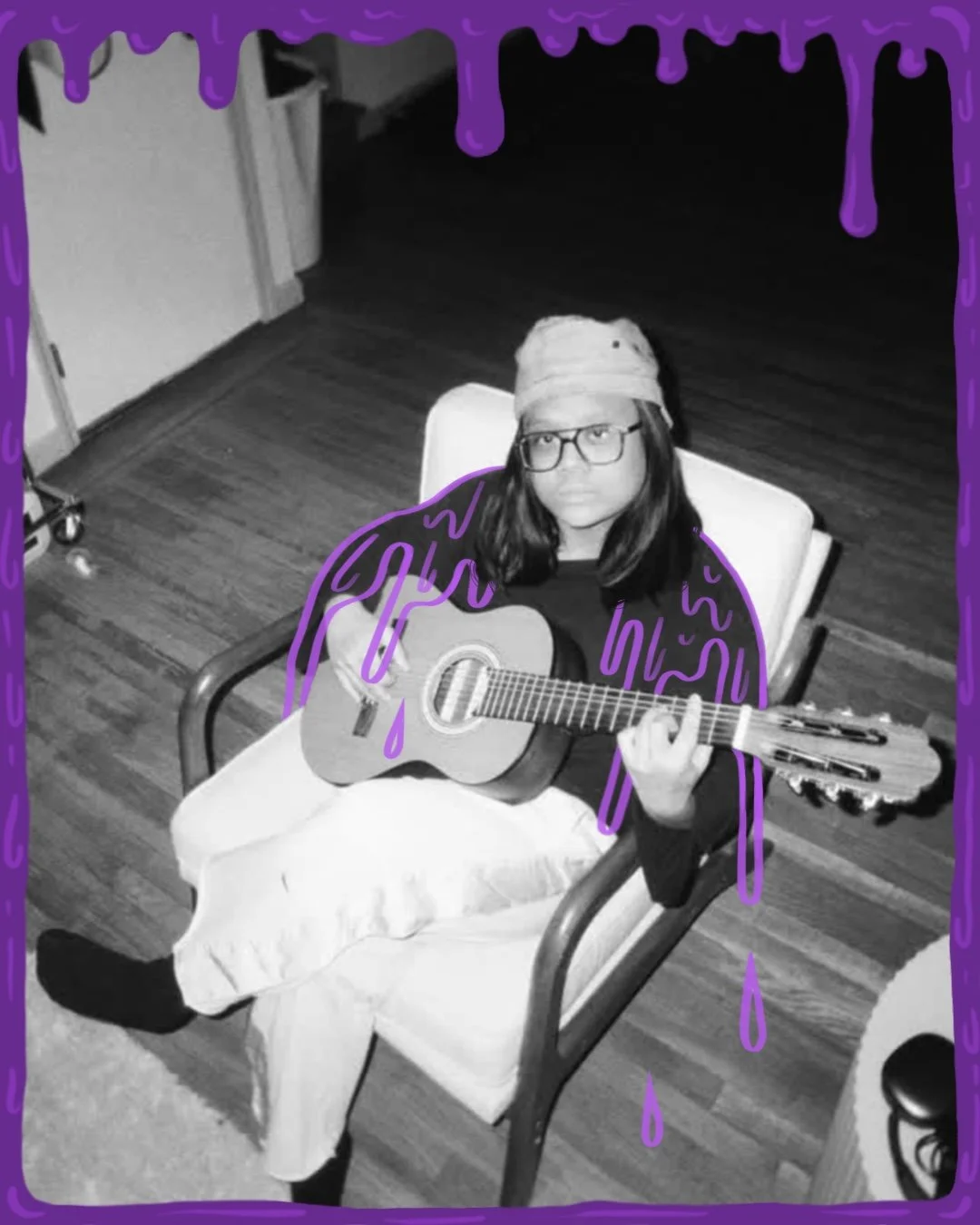
Morris started with piano lessons, but he quickly let go of that pursuit as a result of his teacher’s harsh mannerisms. In response, his mother bought him his first guitar—a temporary, plastic piece from Walmart—and Morris found the first thing that truly captivated his attention.
“After a while, I just wanted to play with Legos or be on my iPod touch or whatever the f*ck. But she really forced me to do it. I still thank her all the time because she didn't have to do that… She was a single mom working a bunch of jobs that brought me every Wednesday to get a guitar lesson. When I was younger, I didn't clock how f*cking difficult that must have been. I'm stoked she did all that.”
In high school, Morris’s love for the guitar was parlayed into an interest in the indie scene at the time. There was a popular high school band in Los Angeles called Slow Hollows, who fashioned themselves in the lanes of Mac DeMarco and Dominic Fike, and Morris set these older students up as his role models— at least from afar.
Morris formed his own high school band, Mary Bloom, and when he went off to college, he did the same with another group fashioned after the indie styles that he had loved in high school. Yet as he still awaited his life-altering event, those bands didn’t get very far off the ground. He realized that, if he was going to take this pursuit of music anywhere, no one would be able to take it more seriously or pursue it with more passion than he could on his own.
But mere weeks from graduating and finishing his accounting degree, Morris felt lost. Even as he had taken up Ableton and learned to produce, that life-changing event hadn’t come. He would soon need to enter the job market, and in his eyes, his pursuit of music would come to a quiet end. But he and his roommate, who worked under the alias Saint Levant as a rapper and R&B singer, decided to give it one last go. They resolved to release at least one song each week before graduation without fretting about the reception or the results.
“Jersualem Freestyle” came from those sessions— and it catapulted the careers of both artists. But just as importantly, it injected a sense of confidence in Morris’ creative mind. Not only could he produce something people wanted to listen to, but there was suddenly a real path toward finding success in the music industry.
The duo spent three years working together, playing shows around the world and continuing to build on the success of "Jerusalem Freestyle.” But there came a point where Morris knew he needed to strike out on his own, and his former roommate supported him wholeheartedly. He knew that Morris had what it took to carve out his own niche, and it was that second injection of confidence that convinced Morris to take the leap.
He returned home to live with his mother, and he sat in his room for weeks attempting to write over his own production—something he had tried only infrequently in the past.
Back in the environment where his fascination first started, Morris struck gold. “He Could Never Love You,” a 3.5-minute slow jam set to a relaxed rhythm and reverb-washed guitar loops, helped him find his footing as a solo artist. But anyone can tell you that finding immense success with your first effort can create false expectations.
“Go figure, [‘He Could Never Love You’] is still to this day the best song I've ever made. And then it's so weird, because this industry will make you chase success so hard, and then you get jaded. And then you leave and you do your own thing. And the thing you make when you don’t care about what anyone's thinking is amazing. You'll put that out, and then it gets success and you chase the success of that. It’'s a vicious cycle.”
Morris felt the effects of this cycle across his first two LPs, 2024’s Jawbreaker and 2025’s Late Bloomer, Early Death.
While Late Bloomer, Early Death is much more focused and crystallized than Jawbreaker, there’s plenty of flashes across both projects of Morris’ innate sense for catchy hooks and a tantalizing indie aesthetic. But his creative process, at the time, was still ultimately centered on his production. He would spend days making an intricate instrumental before trying to write lyrics over it, and the pressure mounted by the success of his first track seemed to constantly interfere with the freedom of his songwriting.
But when he wrapped up his second album, he began working with producer and songwriter Artemas— who, with his seemingly encyclopaedic knowledge of music and potential references, freed Morris up to focus on experimenting with his sound.
“When I met Artemas, it clicked for me. [On the first album], I'd make a million beats. And I would just pray to God that something cool happened on the mic. And legitimately, maybe 5% of the time that was the case. Because I was so attached to it… it just made it so much harder to capture the magic of it.”
Instead, he and Artemas began experimenting with vocals, melodies, and potential lyrics when they had only the base chords for each track— and that re-distribution of energy allowed Morris to more carefully choose which sonic avenues he wanted to pursue.
His forthcoming album (Kiss me Extra Hard, dropping Oct. 16) represents not just the fruits of these labors but a sense of freedom that Morris has been searching for since he first set out to make something of himself as an artist. Ultimately, the event he was awaiting with a mixture of anticipation and dread came—but it was the series of smaller moments that were the true root of his development as an artist.