Artist Profile: Glasshouse Red Spider Mite
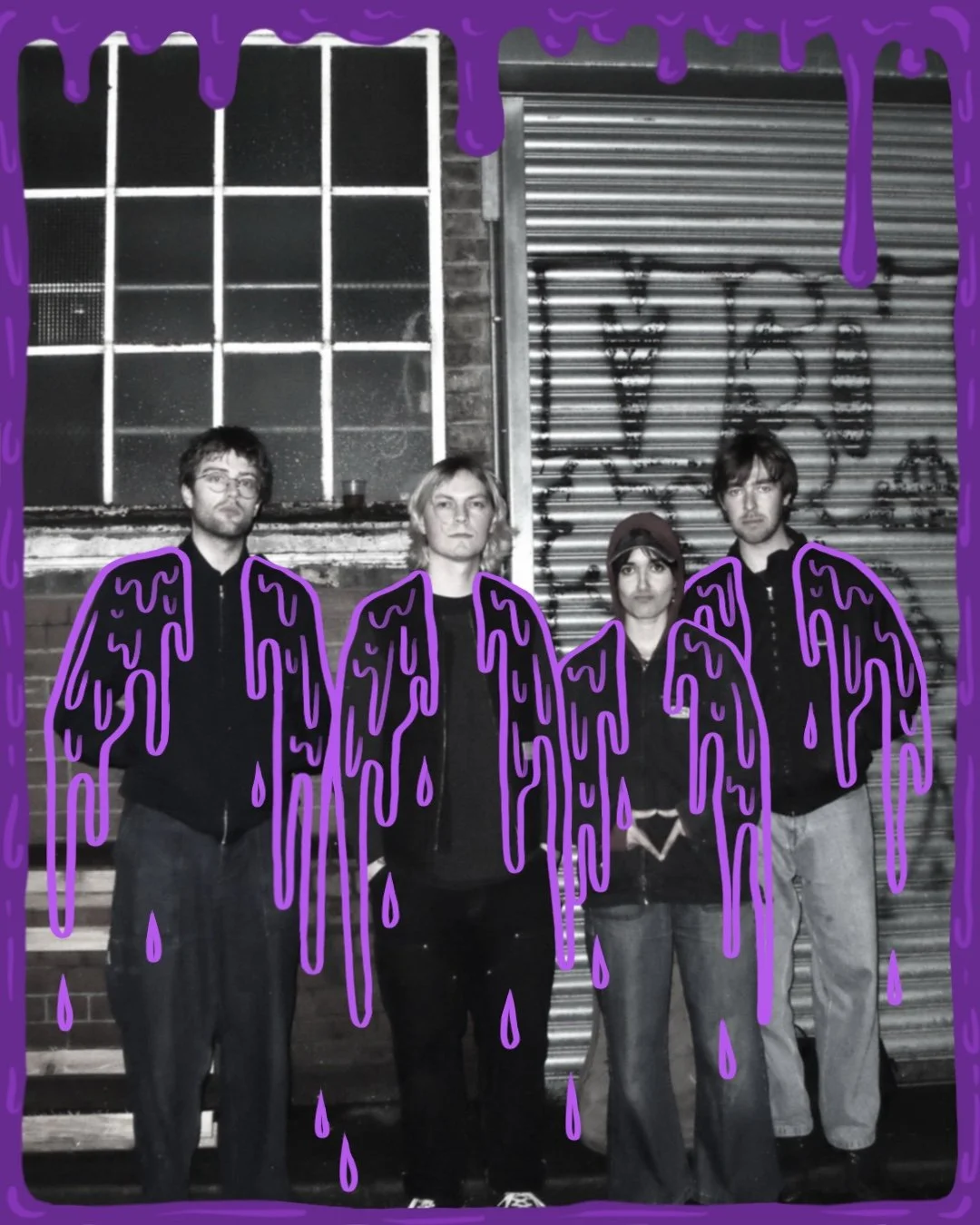
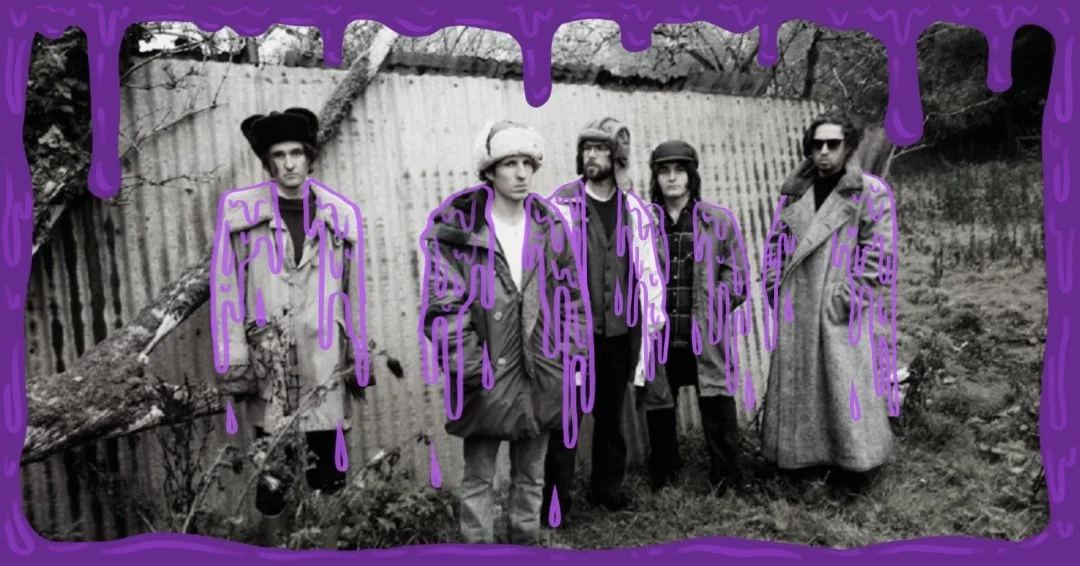
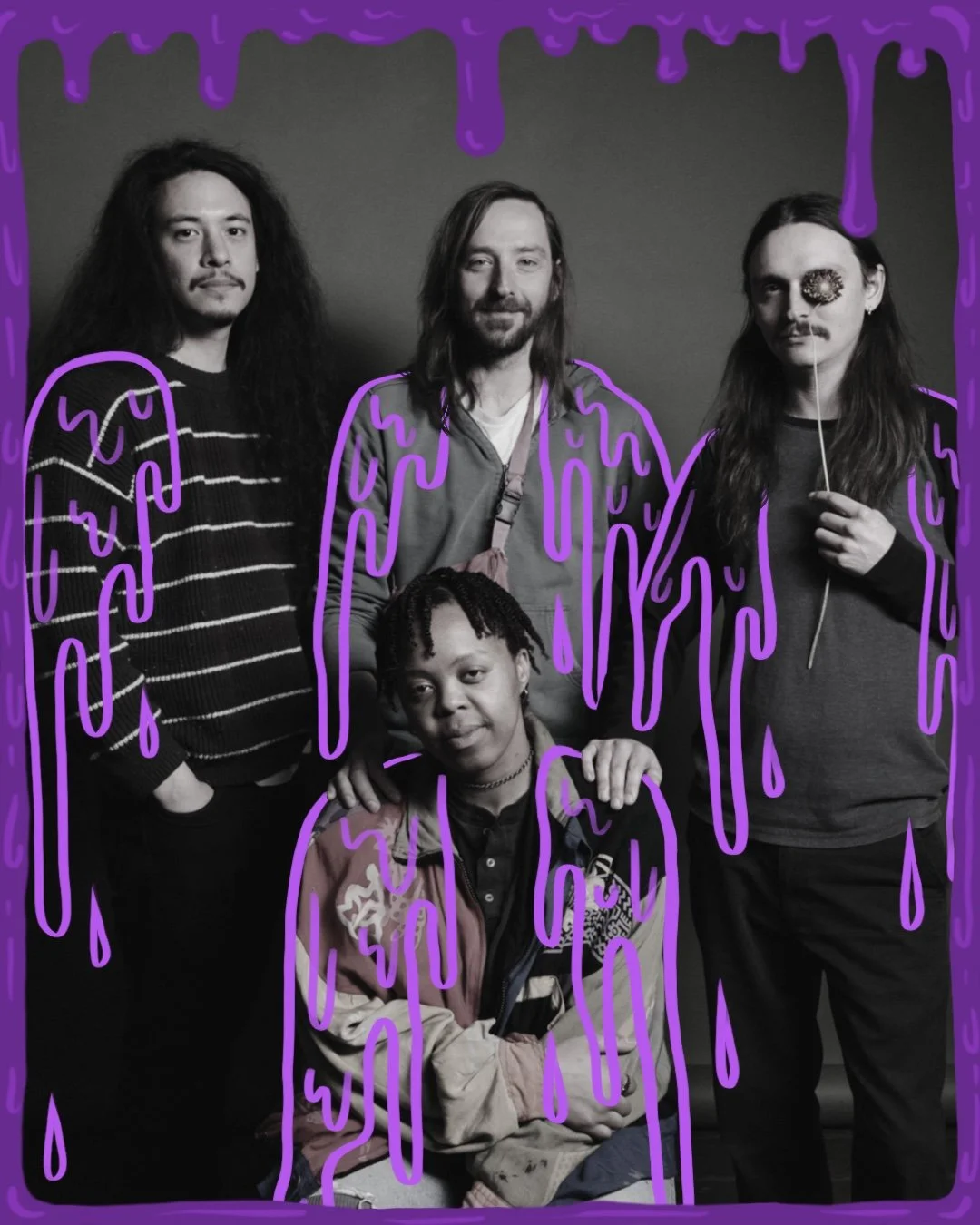
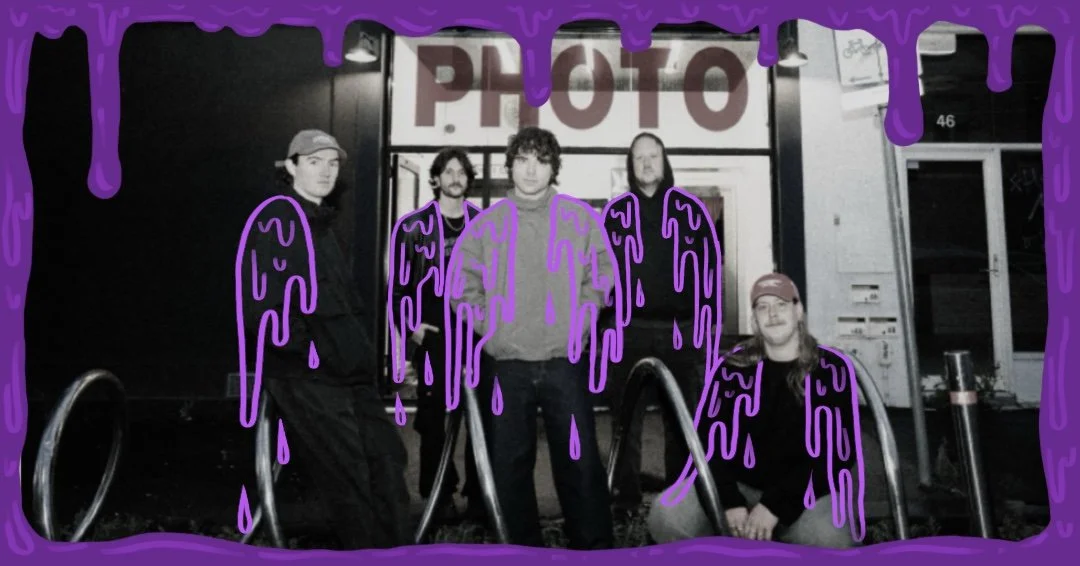
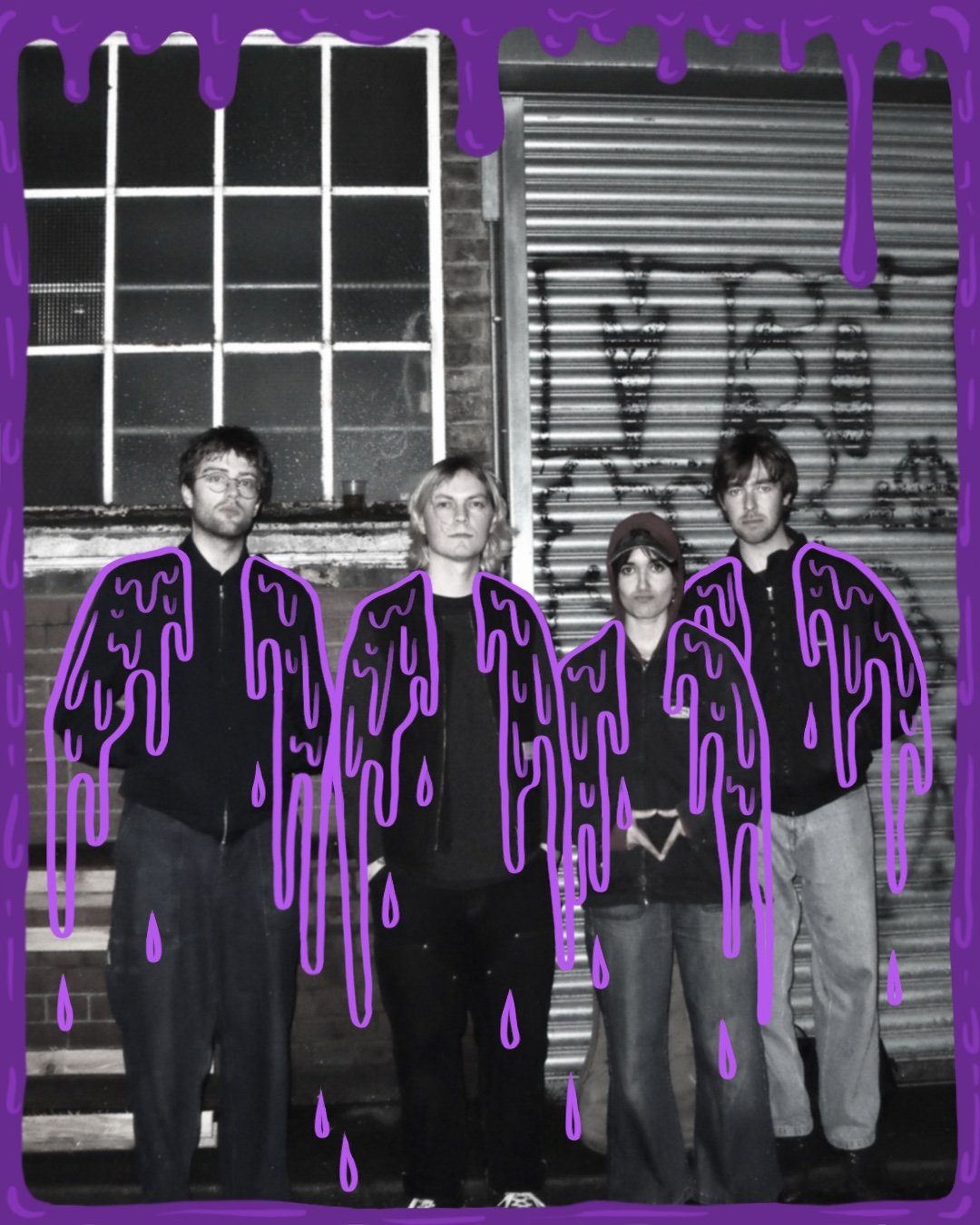
Brighton-based outfit Glasshouse Red Spider Mite, in its public visage, offers an intriguing combination of alternative rock motifs— the thrumming guitar of slowcore, the subdued, emotive vocals of shoegaze, and the overall gothic atmosphere of emo dominate their sonic front. But behind the band is a group of three long-time friends whose musical connections date back to their days in secondary school, and with each successive release, the band comes closer together in their unified creative vision.
Glasshouse Red Spider Mite is therefore more than a genre-bending endeavor. It’s an outlet, and a reflection, of the musings and internal turmoils of each of its members. The result is something almost too tantalizing to commit to the written word.
For bassist and vocalist Alex Turner, the foundations of his personal fascination with music closely reflect the roots of the band’s initial genre explorations. Although Turner was raised on his mother and grandmother’s tastes for showtunes and Queen, it was always his stays with his father, which featured late nights watching music videos on television, that captivated his young imagination.
He distinctly remembers seeing the video for Daft Punk’s “Robot Rock” and having nightmares for weeks afterwards. Yet despite the innate sense of unease that these experimental tracks— and the other, heavier rock songs that captivated him in his adolescence— spawned within him, he always felt himself being drawn towards that sense of fear and anxiety. He couldn’t yet comprehend what was happening in the music that he loved, and that drew him even deeper into it.
“I was always kind of attracted to stuff that scared me. It was definitely concerning for my parents [laughs]… There's just kind of a morbid curiosity that I think led the way to a certain extent, even getting into my early teenage years— things that either freaked me out or seemed heavier than I was able to kind of understand at the time.”
For Alex Turner (vocals) and Benji Reeves (bass), that same sort of ‘morbid curiosity’ was there from an early age. The three have had conversations about the distinct impact that Slipknot’s Iowa album and Aphex Twin had on the development of their individual tastes, and it seems like the three shared that affinity even from the time they were in secondary school.
Yet although the trio were familiar with each other at that age and knew that each had distinct musical interests, their friendship didn’t truly start to take shape until they left their small town in Devon for university in Brighton. The transition to university represented both an opening and a closing of their worlds in many ways, and the trio initially bonded through their mutual turmoil that weighty life change presented.
Yet each member was in and out of various bands during their time in university; none was fully convinced that music was a viable pursuit past their time in Brighton. For Turner, the hesitancy to collaborate with his friends was even more acute than that— music had, for so long, been a purely personal and private pursuit for Turner that opening up his interests and his ideas to even his closest friends felt, in a way, like sacrilege.
But when they got out of university, they found themselves going through a sort of ‘quarter-life crisis’. Who and what did they want to be now that their time at university had ended?
Their answer, partially, was the formation of Glasshouse Red Spider Mite, and their first recorded single serves as evidence of the tumultuous state of mind that dominated their early collaborative efforts.
“The first single that we put out, “Erstwhile,” kind of summed up the feeling of that time. I think maybe, from the music that we've put out, you can't really tell that we are genuinely very happy people. But I mean, at that time, I think we'd all kind of been going through our own quarter-life crises… Landing on a song like that really solidified that we all had a very similar feeling inside of us that we didn't really know how to communicate with each other”
“Erstwhile,” therefore, was more than just evidence that the band had a semi-unified sonic vision. It was proof that, as tentative as each member may have been initially to commit wholeheartedly to the venture, there was something there that needed to be pursued.
Their second single, “Thorns In My Mouth,” followed that same emotional trajectory in its vast, open chasms and intentionally subdued instrumentation. But by the time they arrived at their debut EP, What Do You Mean The Monster?... Hahaha, their creative scope had widened exponentially. On “Everyone Loves You” the springing, reverbed guitar tones traditional to indie rock are injected into a reflective and tenebrous ballad— one that culminates in the soaring crescendoes of “Ant Mill” and the post-rock ramblings “Time For Change” and finds its post-punk reflection in the EP’s closer, “I’m Batman”.
With their EP, though, the band wanted to do more than simply reflect the turmoil of their early adulthood. They wanted to expand the scope of what was achievable sonically with Glasshouse Red Spider Mite, and with each twist and turn across those four tracks, they accomplished that goal successfully.
“There's not a ton of lightness on the EP, but I do think that there's quite a depth of expression to it… I think the point of it was to ensure that whatever we released afterward could really be anything we wanted it to be, to not feel constrained— to make sure that any feeling that was going to come and any song that was going to come out of those feelings, we were going to be able to [make it] part of Glasshouse Red Spider Mite and not feel like we're doing a parody of something,”
Their first single after the release of their EP, “Hell 1000,” is further evidence of this fact. Written and sung by Turner, the track centers around his frustrations with the looming threat of Artificial Intelligence on both a creative and a societal scale, but in its rutted, distorted guitar expressions and its increased tempo, it serves to expand the band’s sonic horizons just as much as it confirms their ability to maintain their fervent countenance across each successive release.
“We're just trying to have [the band] be a product of ourselves as people and our time. ‘Hell 1000’ is good to kind of represent that, I think, because it's already going faster. If there was any expectation for what we would put out after our EP, which I'm not sure if there was or not, that's maybe already been cast aside now.”
With ‘Hell 1000,’ therefore, the band has set itself up to follow whatever path their collective creative whims take them next, and Turner has already teased a couple that they’ve already talked about pursuing, including a more ambient-inspired atmosphere like the later albums by Talk Talk.
No matter what direction their next work takes, though, their commitment to following this creative bent, more than the sound itself, to its natural continuations is clear. It’s what’s guided them from the beginning, and it’s more than just a modus operandi.
It’s the very fabric that underlies Glasshouse Red Spider Mite as a creative venture.