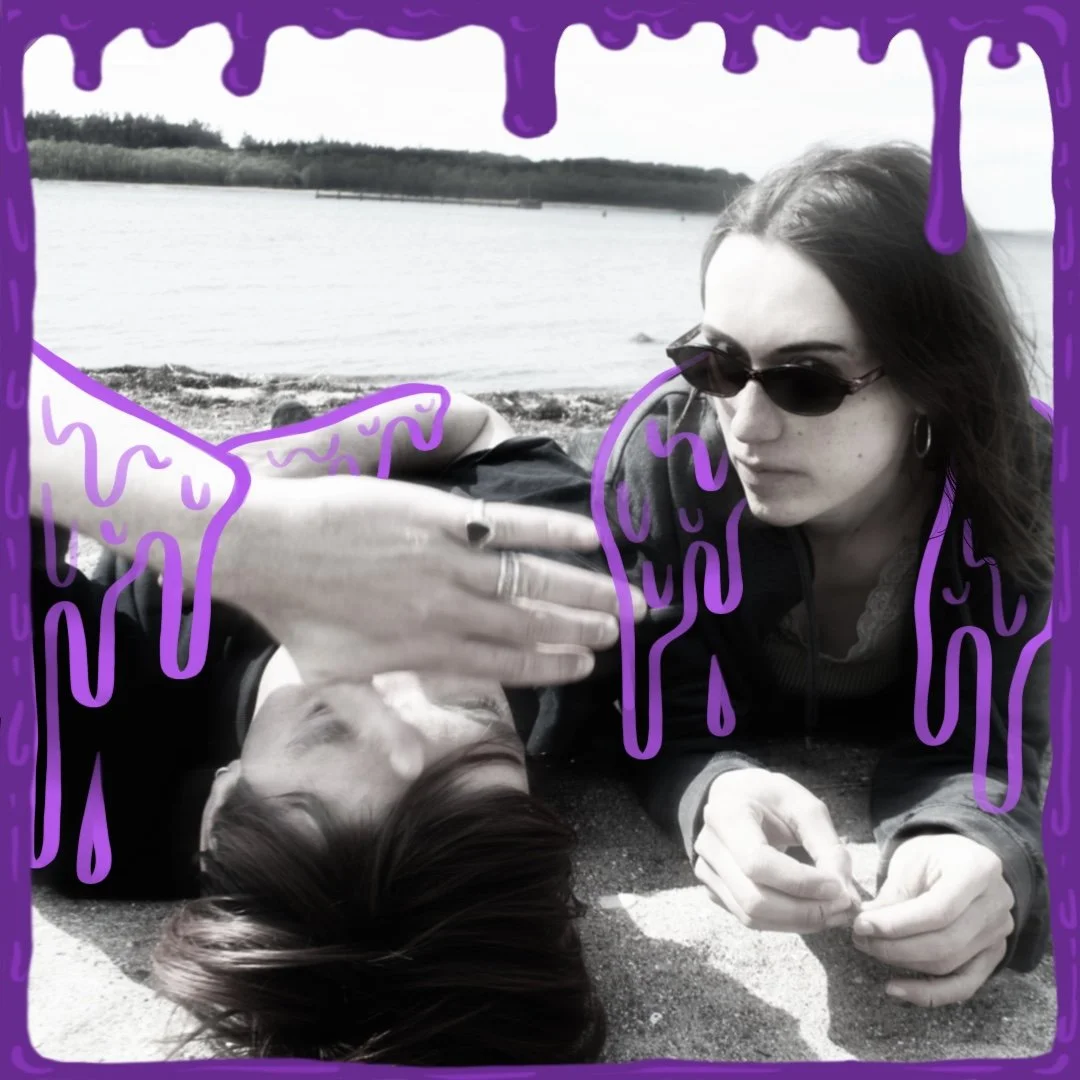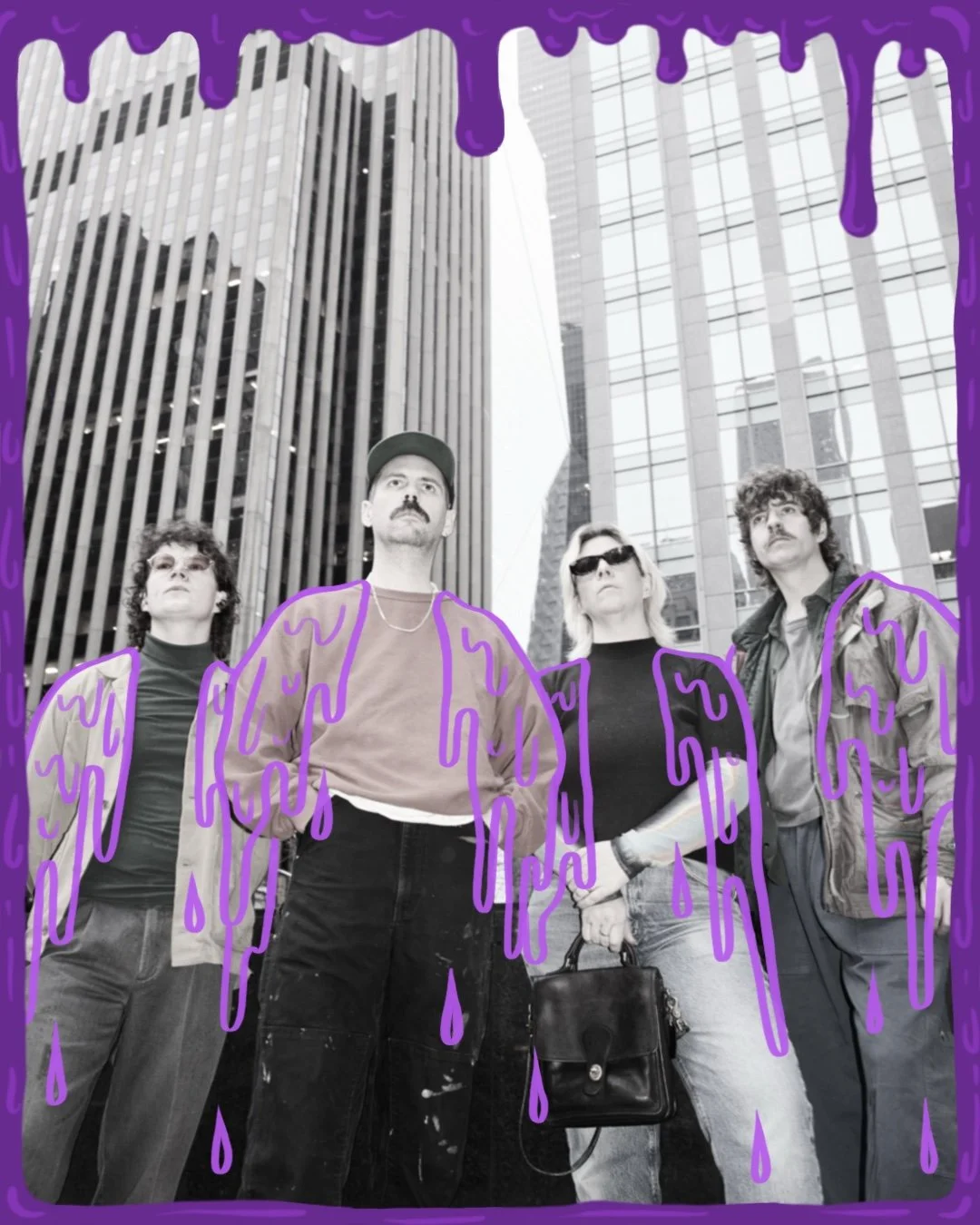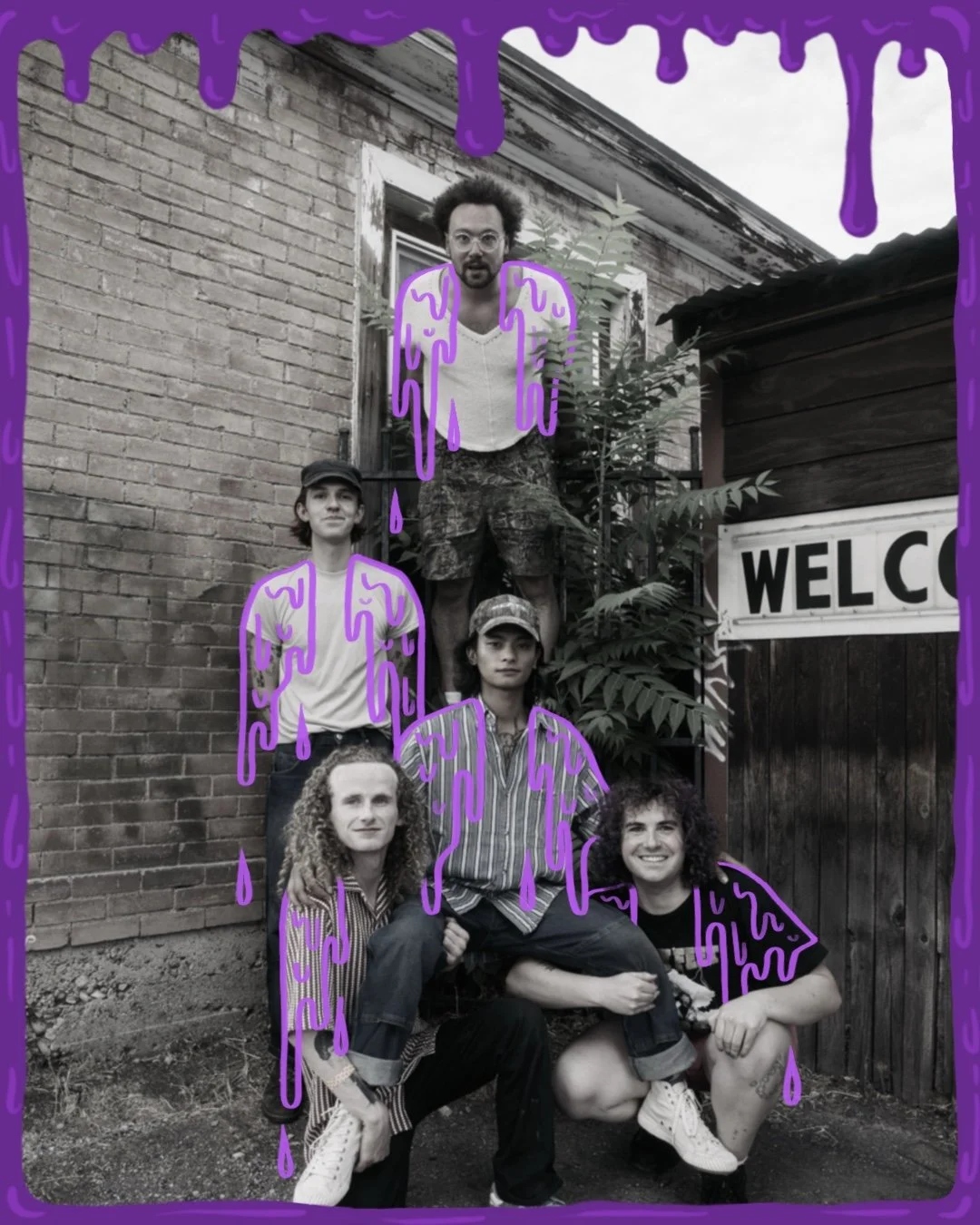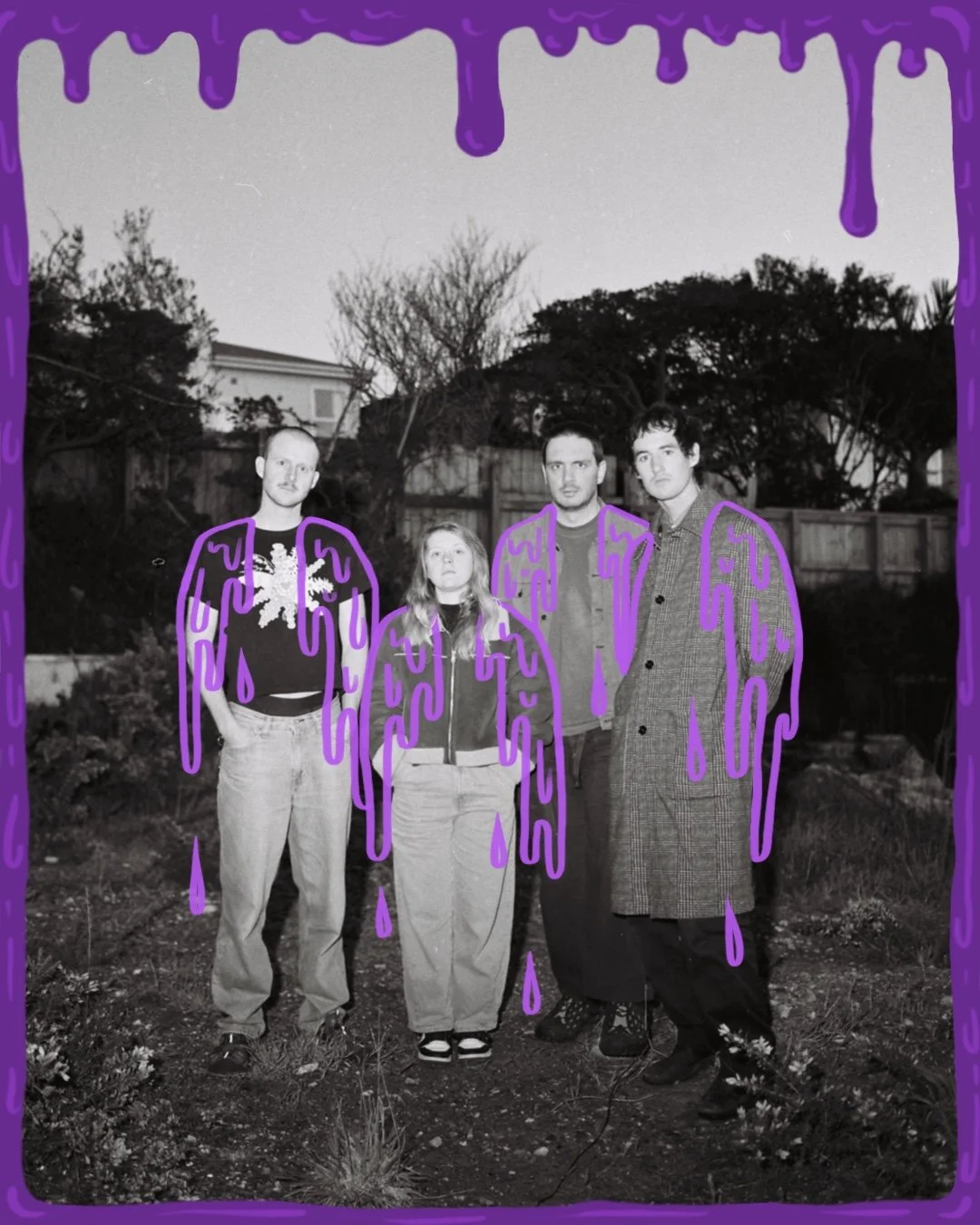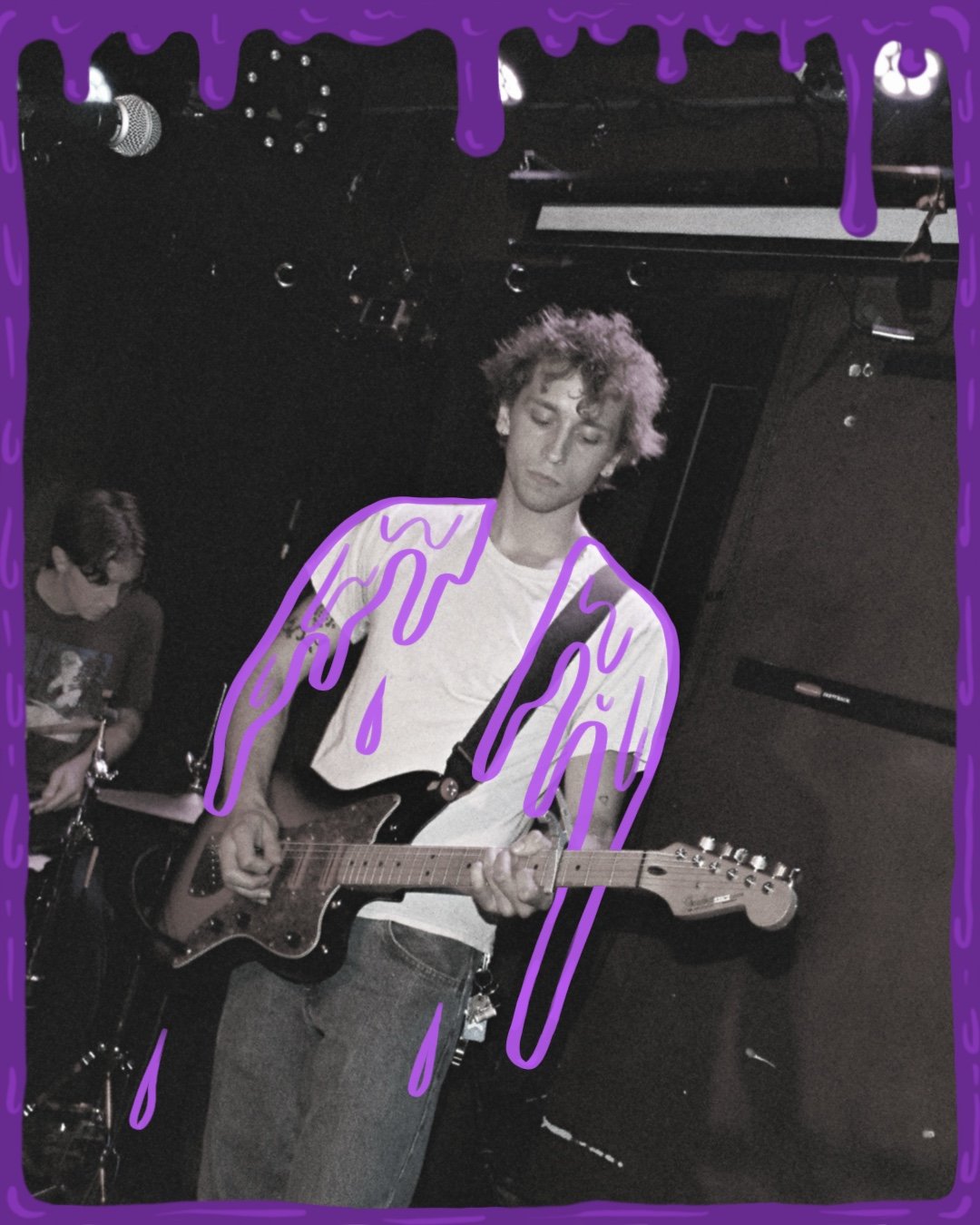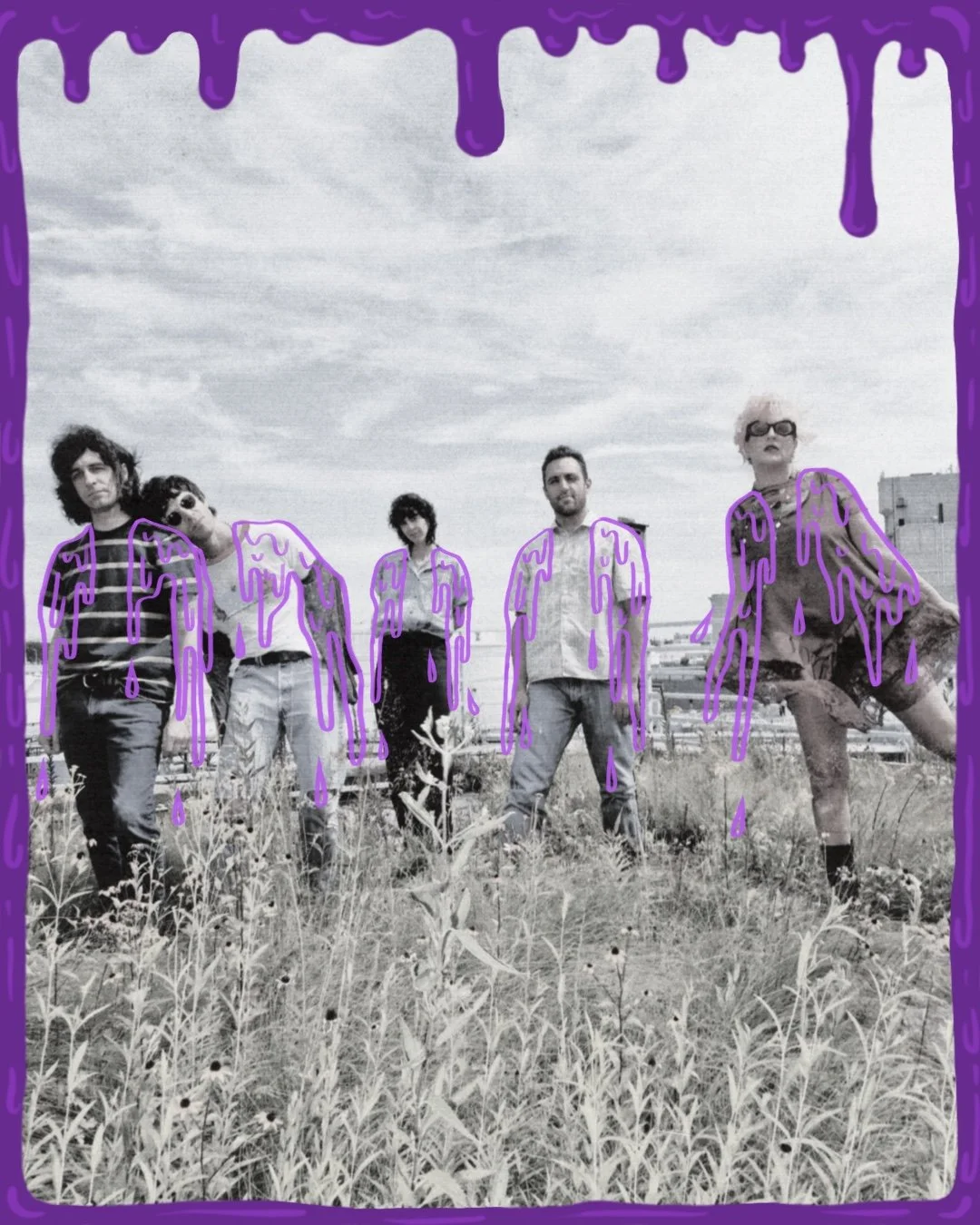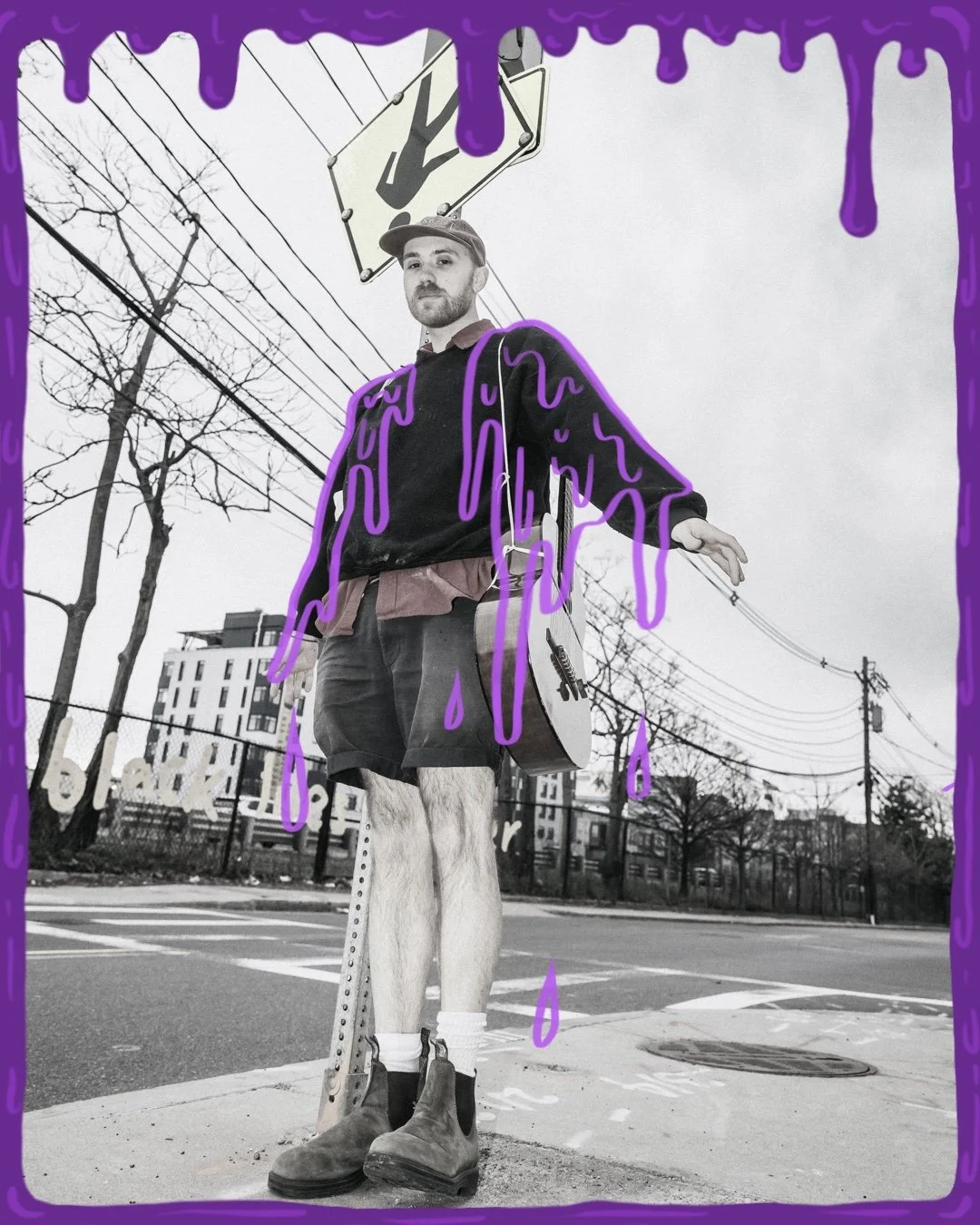
When Maia Sinaiko and Susanna Thomson first met as teenagers performing arts camp in Northern California, it became immediately clear that their shared affinities, and their friendship, would provide them with a creative partnership for the rest of their lives. But when Sinaiko moved back to the Bay Area, the two got their first real opportunity to realize that partnership in the context of a unified project—and Sour Widows, over the past nine years, has come to represent a gradual refining and expansion of their shared process; one that continues to take on new life and new forms with each successive effort from the indie-rock, slowcore-inspired outfit.
From even a cursory glance, it seems as though Sinaiko and Thomson were always meant to be partners in this sense. Both started experimenting with the guitar from an early age, and both were ushered by their parents, in part, into a world of indie and folk music that emphasized softer swoons and more subdued vocal arrangements. As Thomson says, the primary difference between them when they met was that Thomson enjoyed Joni Mitchell and Sinaiko enjoyed Patti Smith.
They wrote their first song together at the aforementioned performing (and circus) arts camp, entitled “Ocean Dream,” and they were able to play it on the massive stage there as a part of the end-of-camp festivities. While it’s a relatively minor moment in the grand scheme of their performing careers, it represented the start of a union between the two artists that would stretch well beyond the confines of that camp.
While Sinaiko lived in The Bay Area, Thomson lived just north of it, and she would travel into the city on weekends throughout high school to visit Sinaiko and her other friends there—rapidly becoming immersed in the bustling music scene. As both artists entered their teenage years, they both began writing songs separately, and they would use the occasions when Thomson came into the city to share and talk about their recent work.
By the time Maia went off to the Midwest for college, they had become each others’ primary trusted creative outlets. In college, Maia became involved in the band scene there, playing endless DIY and house shows and developing their tastes and skills as a songwriter. Susanna, meanwhile, continued to plug away in the Bay Area. Both gained confidence, during that period, in their ability as songwriters and instrumentalists—primarily working in an acoustic-driven vein.
When Maia returned to The Bay after graduation, then, the only natural thing to do was to start a project together.
“I went to college in the Midwest, and there was a really big music scene at my school, which I'm really grateful I got to be involved in,” says Maia. “That's where I learned about DIY touring and booking and house shows— kind of what became our roots as a project. And when I graduated, I had been in bands during that time, and I moved back to the Bay. Susanna and I always lived in different cities until that moment… It was the first opportunity we had to really do that, even though we've been playing music together and working on music and sharing our original songs together for like our whole friendship leading up to that.”
In typical DIY fashion, Maia and Susanna immediately set to work booking the duo a tour across the West Coast. While they had a plethora of songs they had written in an individual capacity, though, none were arranged for the context of a duo—and the pair found their first challenge in working out what the sound and the collaborative process was between their two sets of songs.
Ultimately, they came away with six tracks that they performed along their tour, and by the end of the journey, they were enamored with the idea of truly getting Sour Widows off the ground.
“We were seriously arranging and figuring out how to play them as two people a couple days before we went on our first tour. It was kind of like the music was almost second to the adventure of traveling and playing shows,” says Maia.
As tantalizing as the idea of touring consistently and beginning to expand the project of Sour Widows was, then, they knew they still needed to sort out their sound. Although they didn’t enter the project with any concrete inspiration—at least in the mimetic sense—they knew the scene they wanted to be a part of, and they each had an intimate idea of the other’s creative leanings.
Early tracks, like the soaring “Pilot Light” and the more somber, slowcore-inspired “Crossing Over,” which were included on the band’s first two EPs, show distinct evidence of this growth and feeling-out process in their initial period of output.
“We didn't have this specific idea of, these are the bands that we want to sound like. We had our shared influences, and definitely at that time, there were some notable inspirations for us like Pale Hound, Forth Wanderers, Jay Som, just people who are putting out music during that time, like 2016 to like 2018. I feel like there was this groundswell of DIY rock bands, and we definitely wanted to be like part of that,” says Susanna.
By the time they arrived at their first full-length project—2024’s Revival of a Friend—the effort had expanded into a full-band outfit, adding on a bassist and a drummer for their touring endeavours. But the foundation of the project remained Sinaiko’s and Thomson’s united influences, and Revival of a Friend bears that mark wholeheartedly. Where they may have otherwise turned to more distorted or more complex sounds, they still held relatively close to the acoustic-inspired sound that defined many of their earlier records.
Tracks like “Cherish” and “Witness,” obviously, showcase the sheer breadth of sound and immersiveness that they were capable of capturing as guitar players, but they knew as they headed into work on their second album, they needed to be more intentional and more varied with their sound selection. They enlisted Melina Duterte of Jay Som, who had been a major influence on them in her own right, to produce the second record.
“This record we wanted to try a really different approach with production. With Revival of a Friend, it's almost just a live album because the equipment we were using and the tones we were going for didn't change song to song…” says Susanna, “And we were definitely really drawn to working with [Duterte] because she's so talented with creating this homemade [sound]. You feel the fingerprints on the songs.”
Combined with the natural advancement of both Thomson and Sinaiko’s understanding of their own sounds and songwriting talents, their forthcoming record Sigil functions as more than just the sophomore effort of a long-tenured project. It is, in many ways, a realization of the sound they began unknowingly building together during their teenage songwriting exercises—as varied, sweeping, and mesmerizing as their joint creative efforts could ever allow for.