Artist Profile: Human Barbie
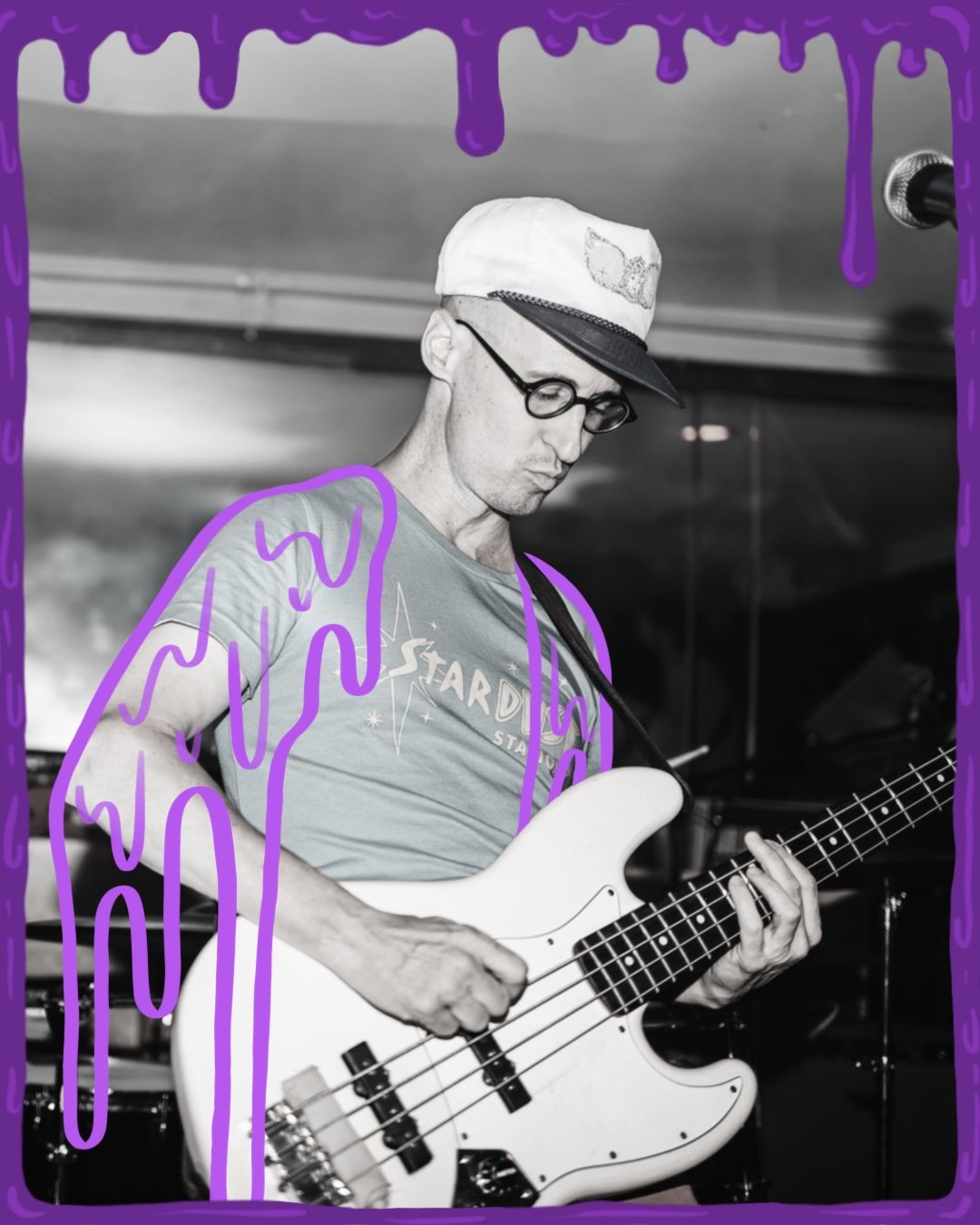
Photo Credit: Candace Baynks
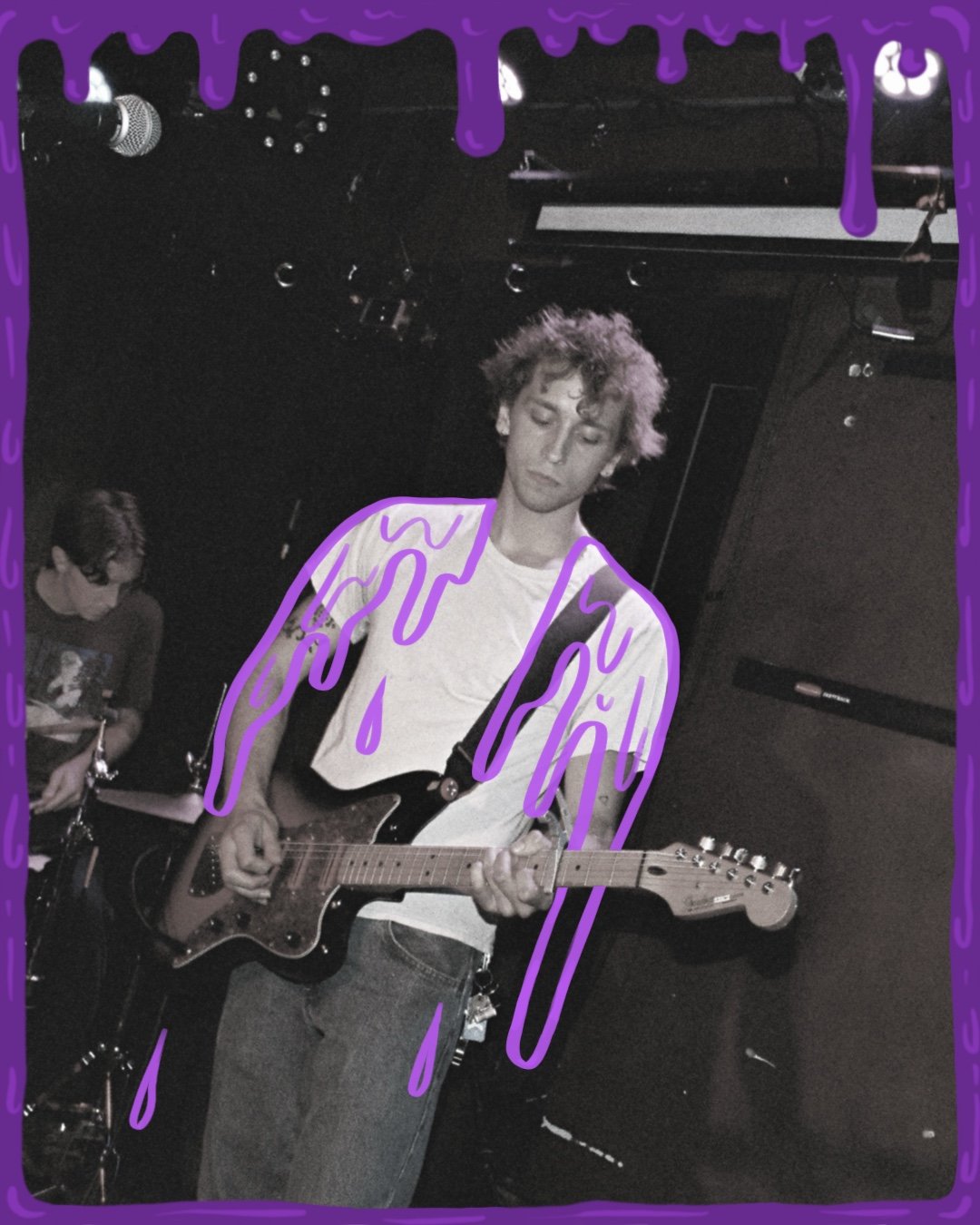
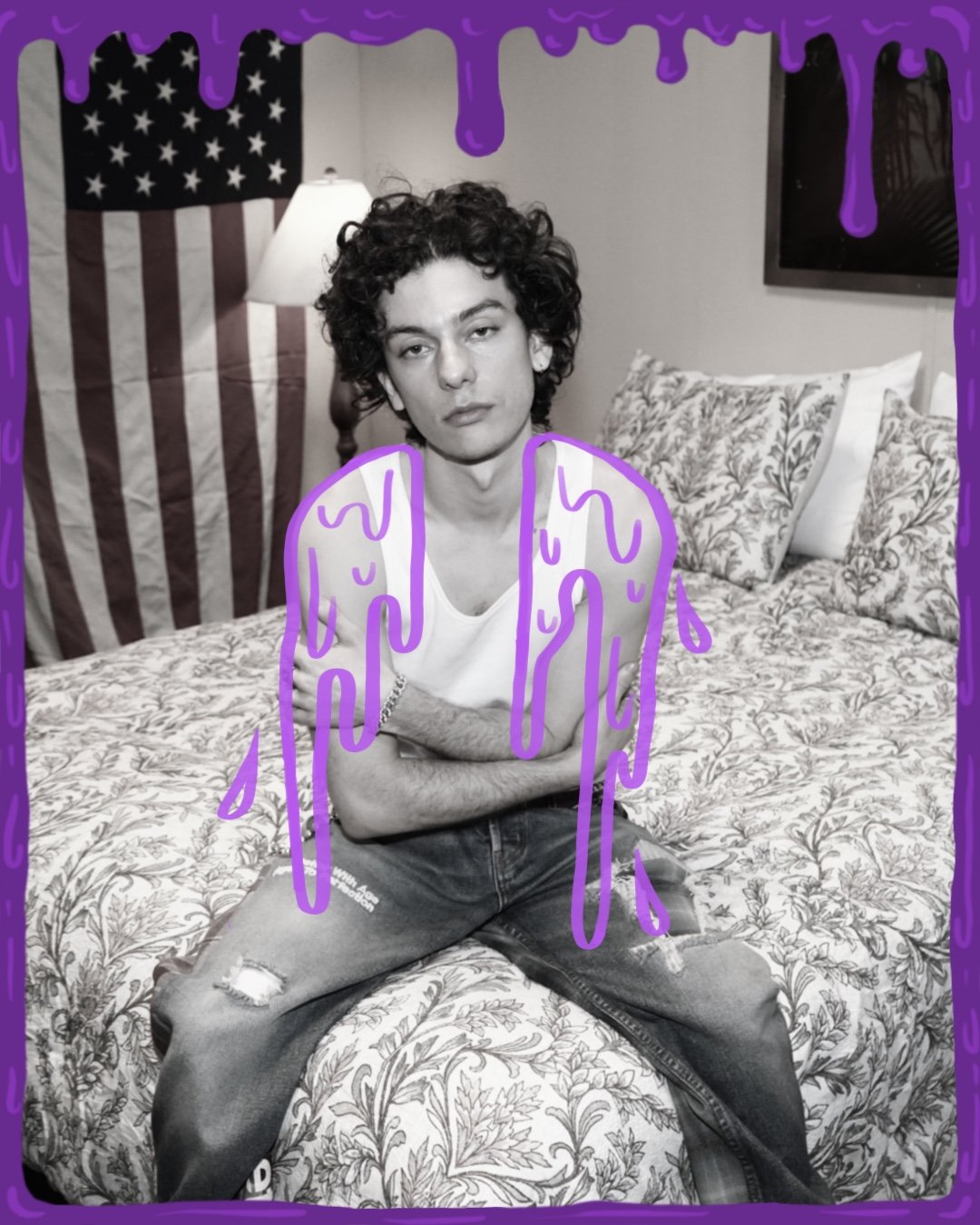
Human Barbie, the lo-fi, indie-pop project of songwriter and instrumentalist Christopher Hackman, may seem like just another project in his ever-growing catalogue. But from its 2020 debut Get A Life to its follow-up Paradise, the venture has represented a return to Hackman’s original artistic calling— to represent beauty in all its forms through a streamlined and intentional artistic process, refined through his wide array of music and artistic experiences.
Hackman grew up as a bit of an introvert, and music always represented his solace. He has distinct memories of laying in bed late at night as a child, listening through the orchestral cassettes his grandmother had given him and forming vast, imagistic worlds in his mind. As he grew older, his taste expanded into acts like Nine Inch Nails, David Bowie, and Beck, but the source of his fascination remained the same.
Music was a means of escape— a way to view his own inner world with a greater focus and a wider breadth of imagination.
Guitar-driven music wasn’t Hackman’s first obsession, though. He went to college to study upright bass, and his obsession with the jazz and classical world only grew through his studies. By the time he graduated, he had achieved a level of prowess on the instrument, and he initially made his living gigging in the Los Angeles jazz scene.
But he knew, even as he entered, that he was playing in a scene that was fading away. He wasn’t fully connected to the more experimental and livelier scene that came to dominate the city at that time, and as he continued to carve out an income, travelling almost seven nights a week to small towns around the area to gig at restaurants and bars, he knew that he needed to rediscover a part of his artistic self that had been subdued during his more practical musical training.
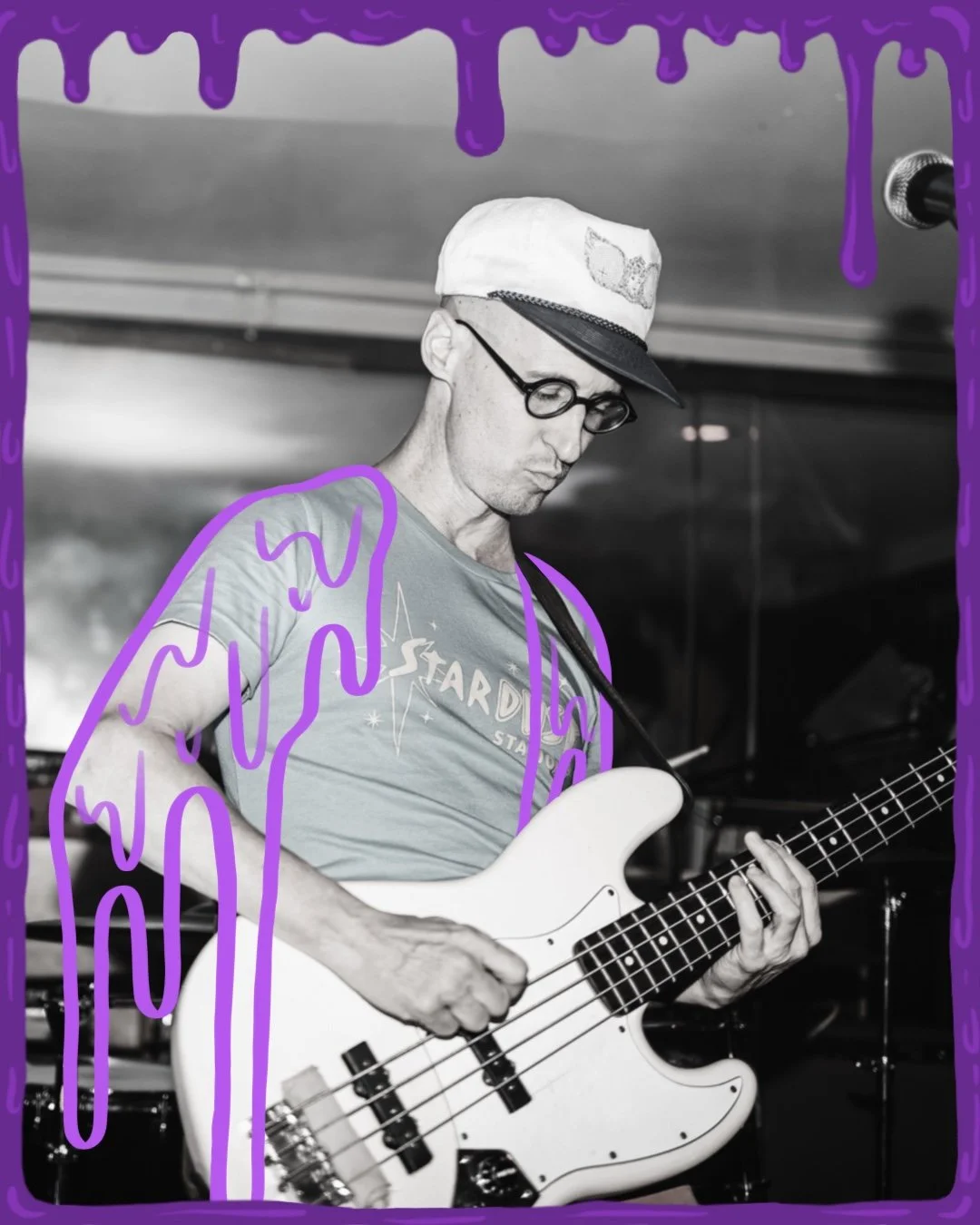
He picked up the electric bass, and he began gigging with singer-songwriters and various rock bands around the L.A. scene. But he quickly realized that, while this had filled the gap in his working opportunities, he wasn’t scratching the creative itch that compelled him to ease out of the jazz world in the first place.
He wanted to return to his songwriting roots, and he knew he needed to pursue that path with the same fervent energy with which he had approached his gigging opportunities as a bassist.
“I finally started reconnecting with that [feeling] in my late 20s, and it's just been a refining process since then. I've probably self produced 11 or 12-ish albums… So with Human Barbie now, this project is kind of a response to that early form of calling. I'm here to explore emotional spaces, spiritual spaces, and musical spaces that have some kind of magnetism for me.”
Human Barbie, though, isn’t where Hackman first landed when he decided to fully enter the world of songwriting. He first formed a band with two childhood friends from Wyoming called Greenhorse— a dance-based electronic act— and the trio pursued the venture with unmatched energy. They spent years touring up and down the West Coast, playing DIY shows as far north as Eugene, and they released four EPs during the years the project was active.
“The biggest challenge is— when you're gigging, you have to be really good at your instrument. But then you just need to be a good hang and show up on time and go to some social events and just be present in the community. If you're normal and cool and fine, everyone needs a bassist… But when I shifted into the artist world, no one cares about your project. Nor should they, unless you give them a reason to care. So you need to be much more proactive about not only being visible online and just going to shows, but you need to be pretty much putting something out all the time. You need to be demonstrating like, ‘I make things happen.’”
That gave Hackman a taste of what it meant to operate a band logistically— booking tours and being fully responsible for the ins and outs of its operation— and he was decidedly hooked. But by the time Greenhorse finished that period, each member was fully burnt out. His two friends returned to Wyoming, and Hackman set to work on his next project in Los Angeles.
That was The Fuzzy Crystals, his eight-piece, highly collaborative psychedelic rock outfit. The general ethos was that each member of the band was allowed, at all times, to contribute heavily to the creative process. Each member would write songs and sing them as the lead vocalist, and Hackman primarily operated as the arranger and musical director of the project.
But as the band continued to grow, he realized that the prospect of managing all of these personal and creative relationships was untenable, especially because he still had a distinct sonic vision he wanted to personally execute. When The Fuzzy Crystals faded away, therefore, Human Barbie came into being.
“I clarified— what am I trying to say emotionally and musically with my music specifically? And with that clarity came a whole new impetus of calling. Now I know what I'm trying to say… The feeling is that life is so beautiful, even though it hurts. The music is about all kinds of different things that are difficult and painful. And yet I tried to find beauty in that, in all the different ways that it showed up on the album.”
Human Barbie’s debut album, Get A Life, reflects this ethos transparently. Working with producer Gus Seyffert in his all-analogue studio gave Hackman a new sort of creative license, and he seized it wholeheartedly. The sheer quaintness and solemn beauty in tracks like “Don’t Run Away” and “The Truth is Coming” are revelations in Hackman’s artistry; they represent the most stripped-back and simplified efforts in his catalogue, but they are deeply complex and emotionally layered all the same.
After that album, Hackman decided to take the production into his own hands, maintaining the analogue ethos that he learned under the tutelage of Seyffert. But a tour with alternative rock outfit Palace opened his eyes to a whole other type of creative freedom: to a decisiveness and a purity of effort that, in a way, helped hone the path he wanted to continue forging with Human Barbie.
“I had very good luck and good fortune to do a U.S. and North American tour with a band called Palace, who I had met because I subbed as a bassist for them. They're so f*cking cool… And just being around that energy and witnessing it and then taking my band on that journey as well— Paradise doesn't sound like anything that Palace does, but there's a boldness to a band that has that much momentum that is so inspiring. So, yeah, I just took chances.”
Paradise, therefore, represents a further refinement of the sound that Hackman first started etching out across Get A Life. He became more decisive in the studio, choosing guitar tones and final takes based on pure instinct and his knowledge as a producer rather than forcing himself to endlessly labor over each decision. The result is pure, and Paradise is an even more profound distillation of the beauty and that emotional duality that Hackman first set out to embody with Human Barbie.
Human Barbie, naturally, isn’t Hackman’s only ongoing project. But it is a profound representation of who he is as an artist— constantly aspiring, yet unabashedly earnest and plaintive in the depths of his creative mind.