Artist Profile: Ultra Lights
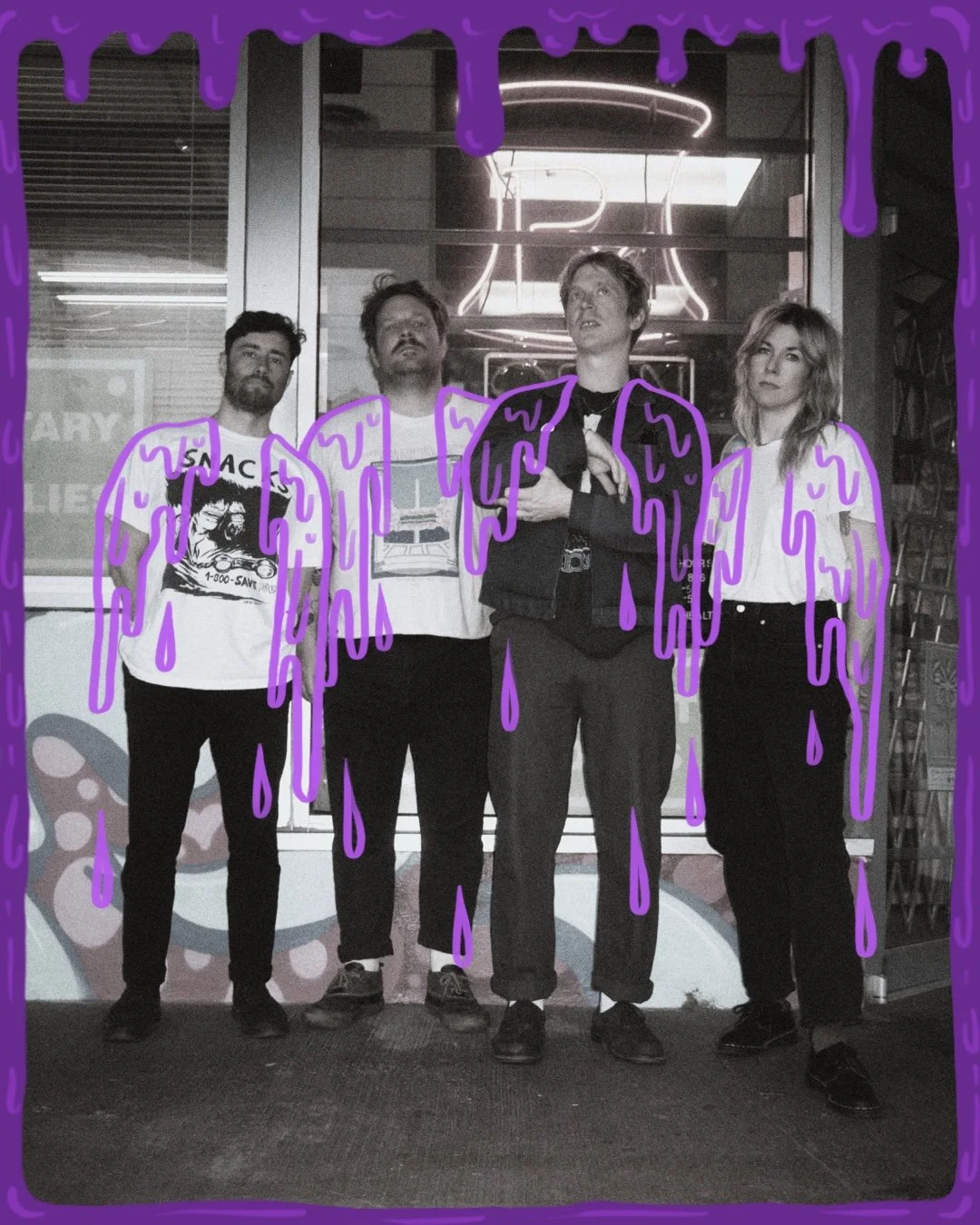
Photo Credit: Kris Sampson
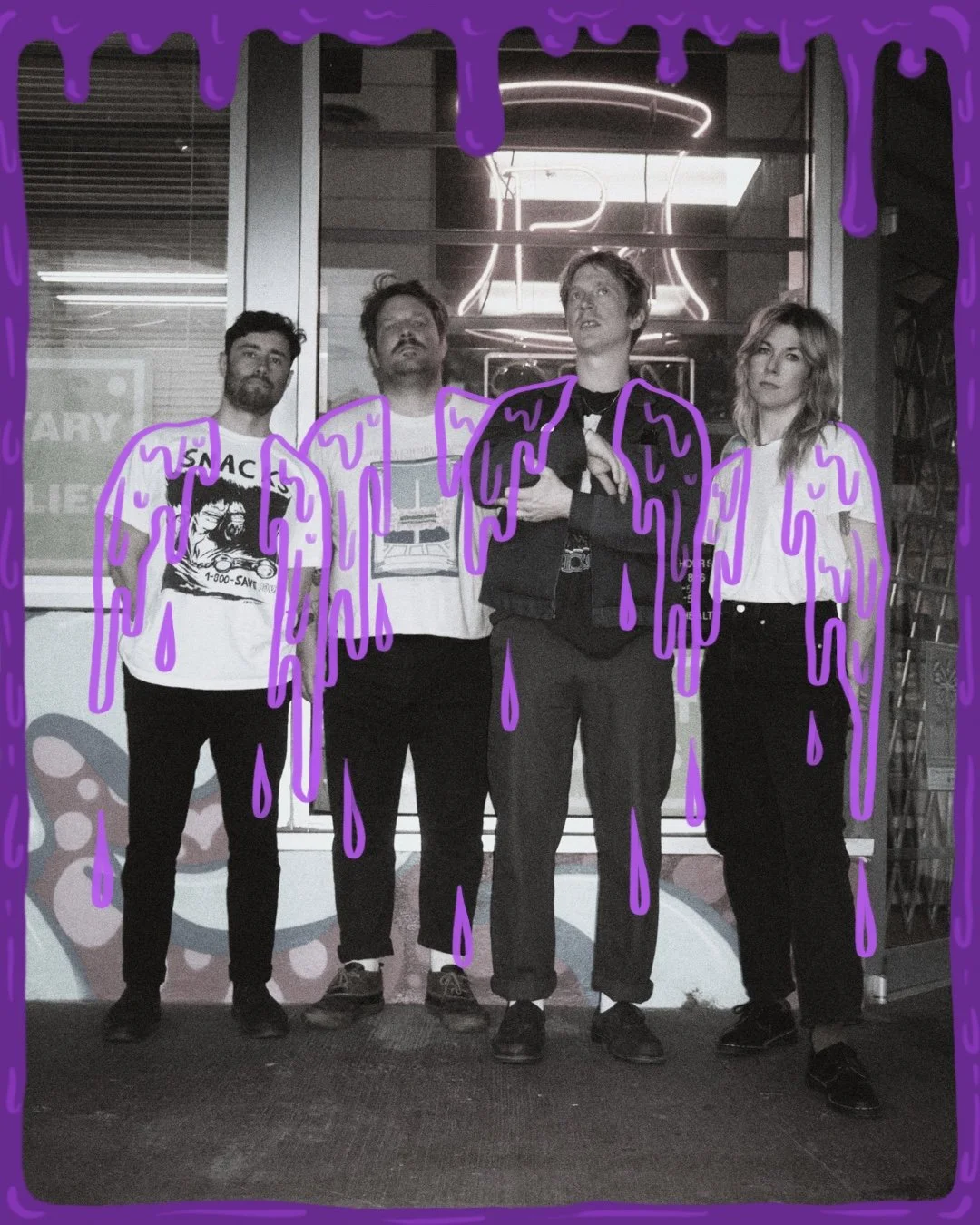
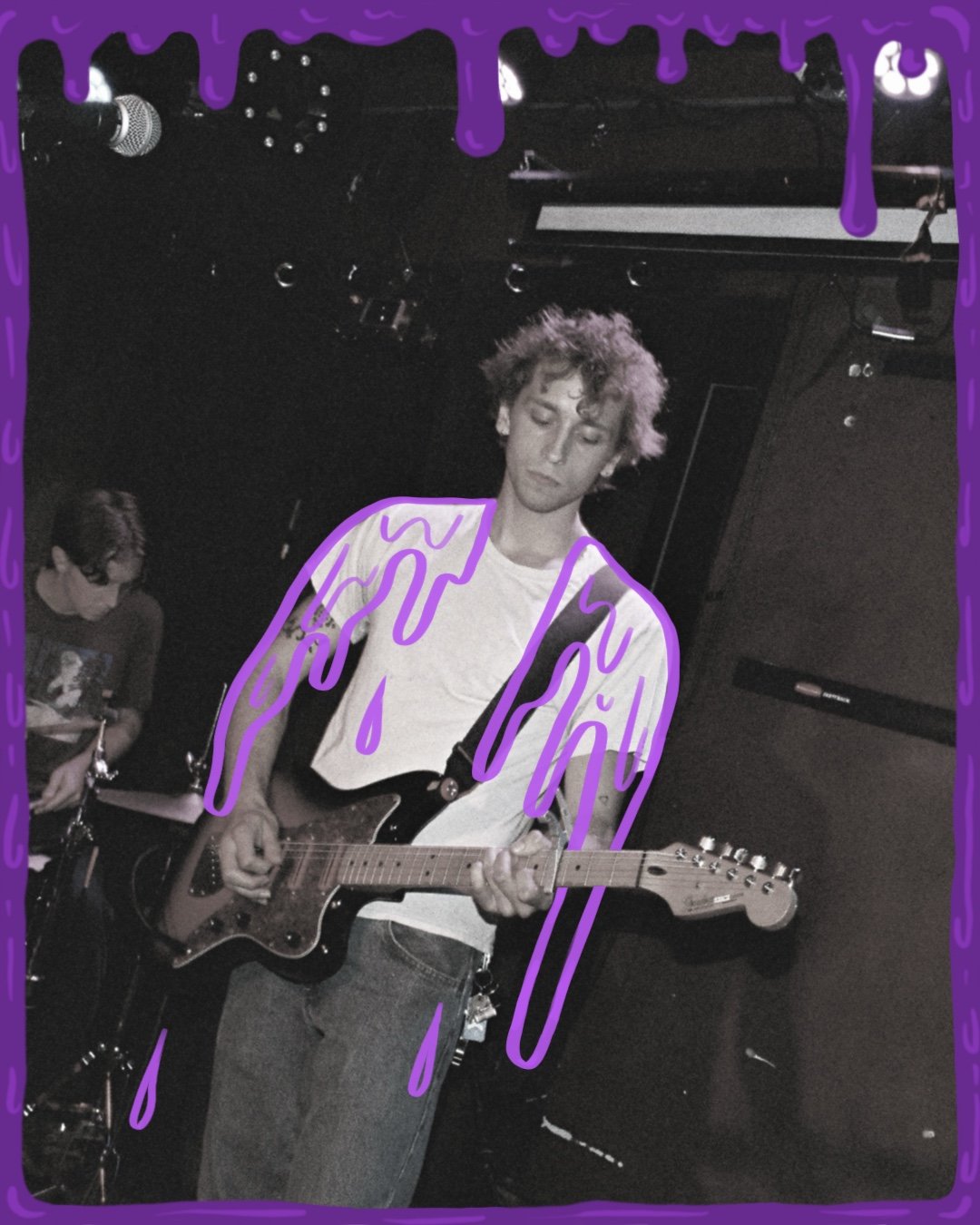
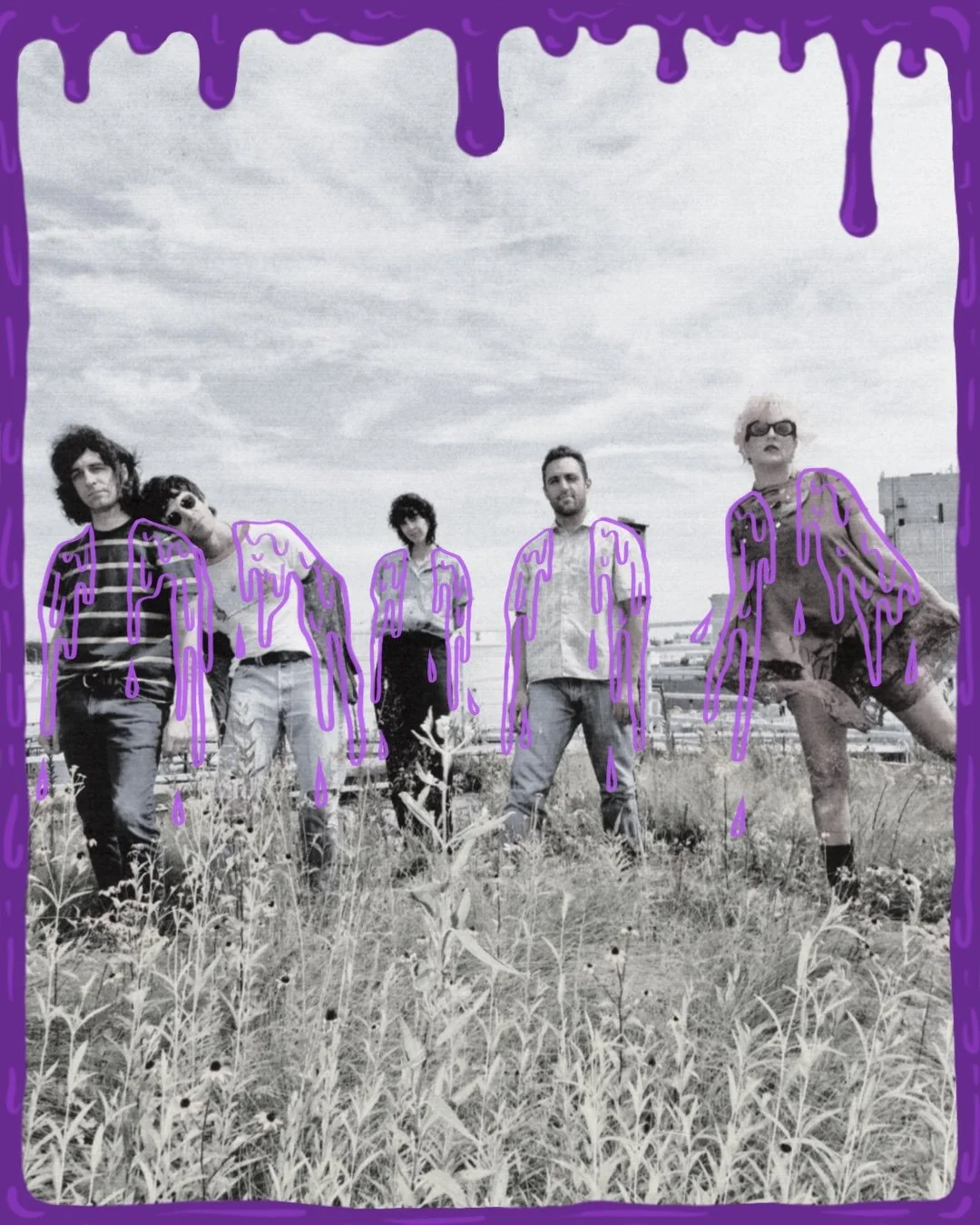
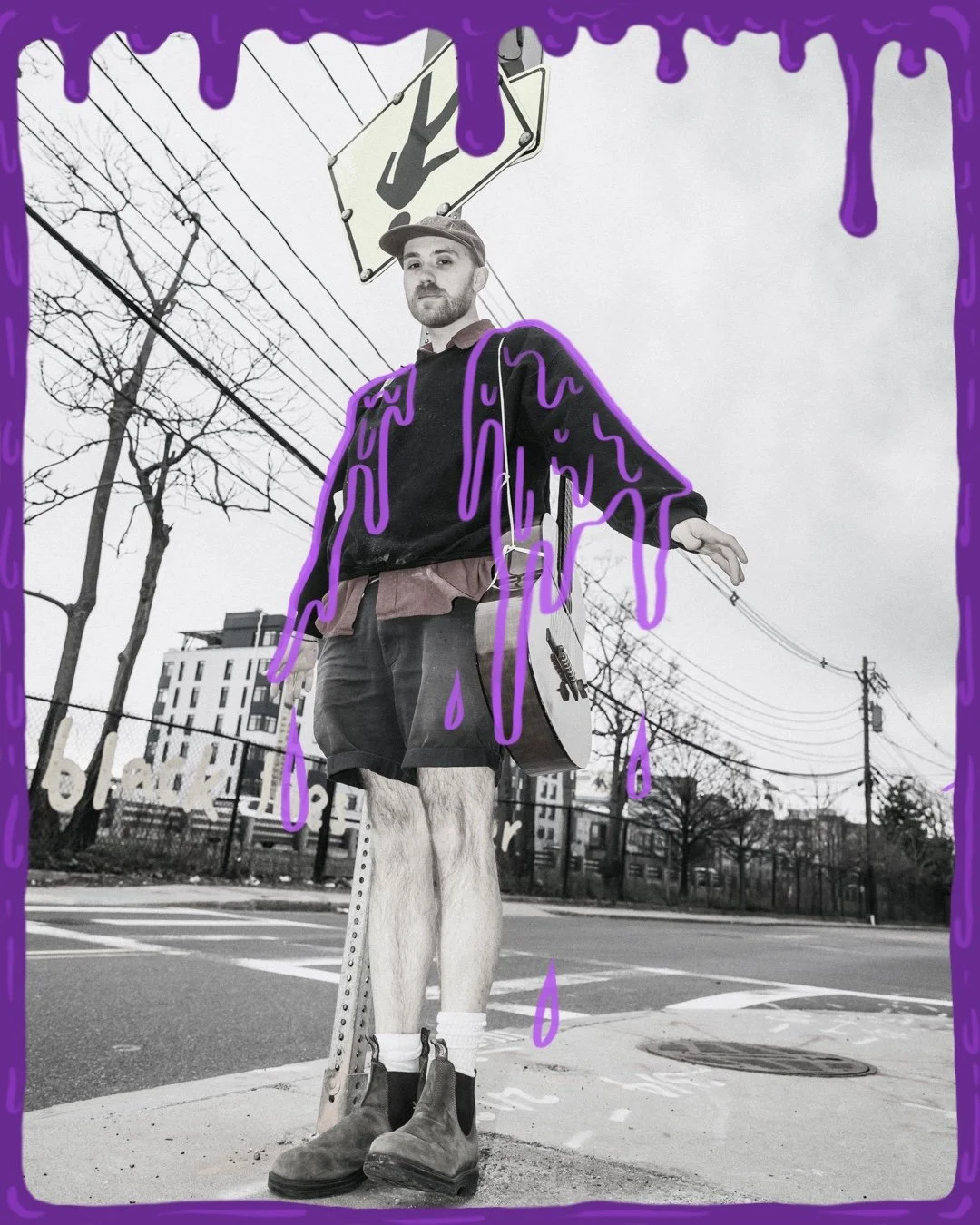
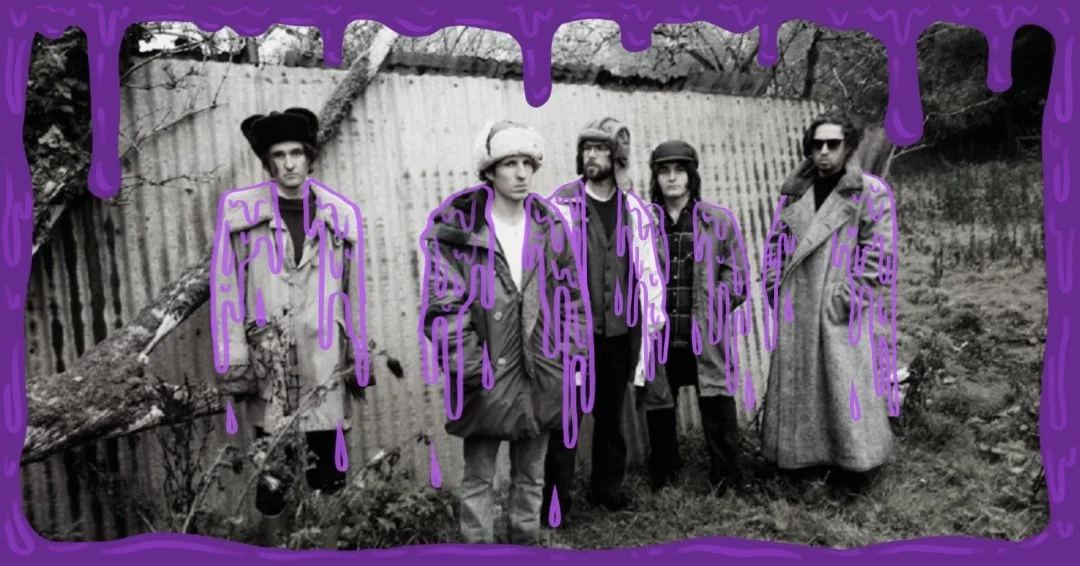
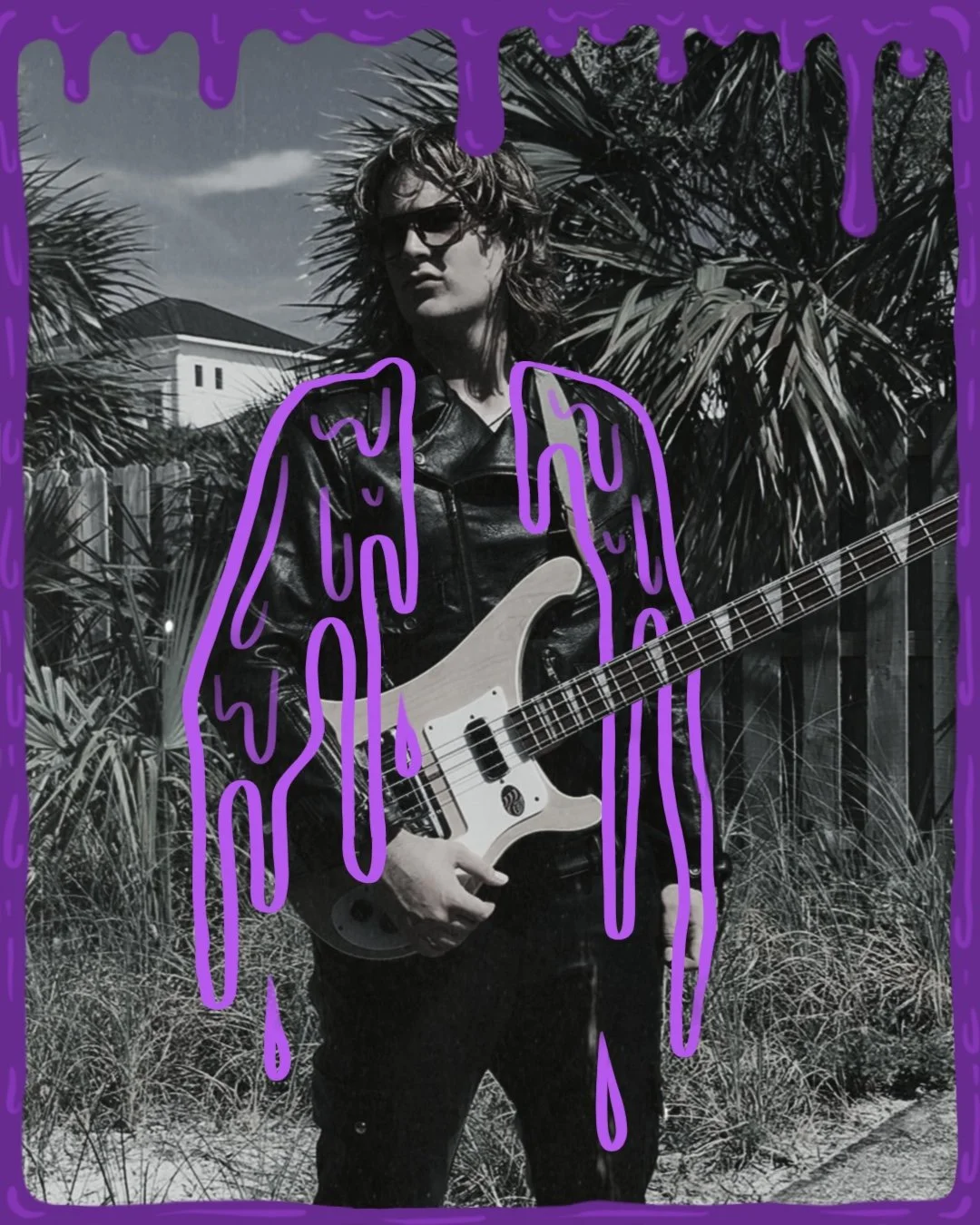
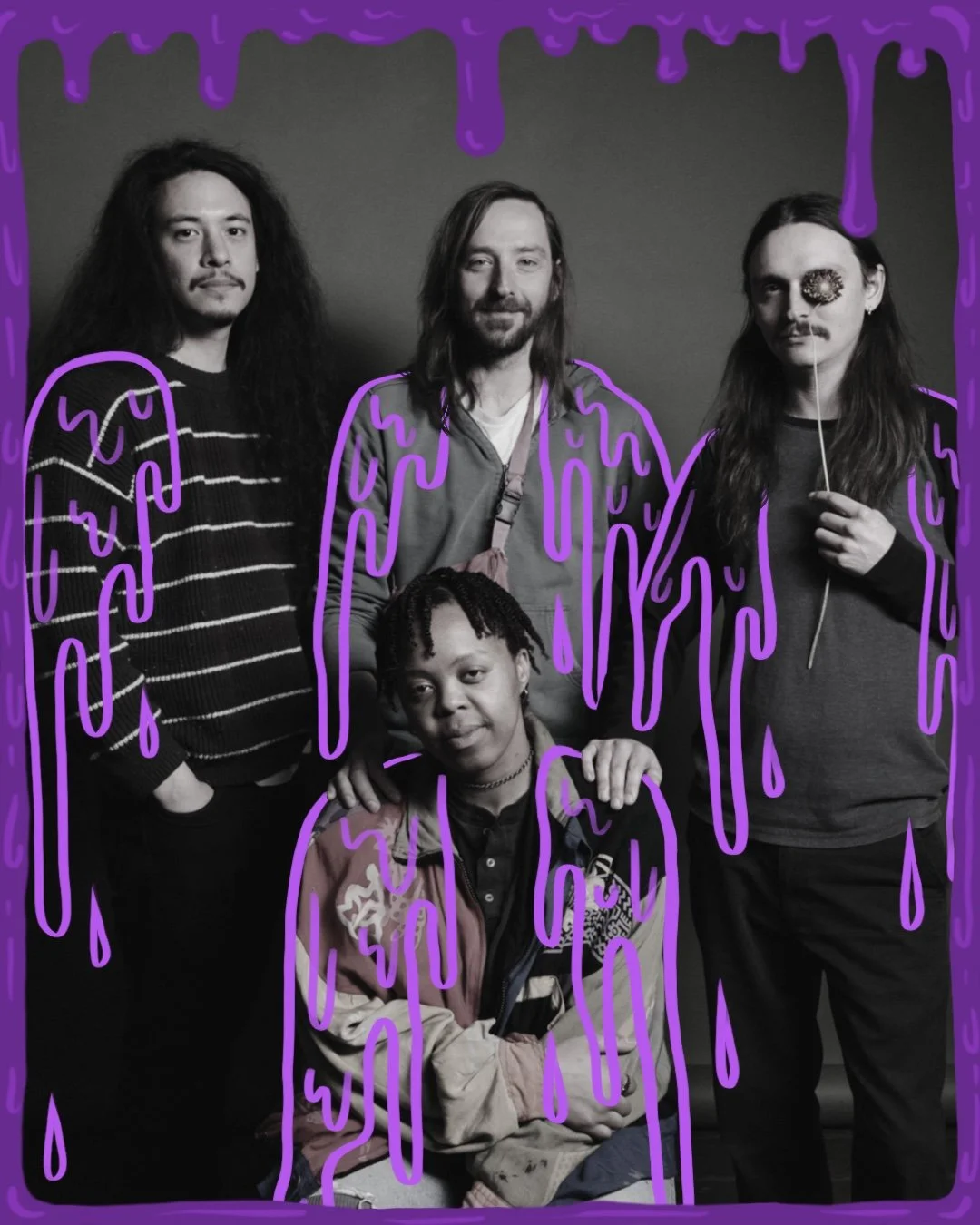
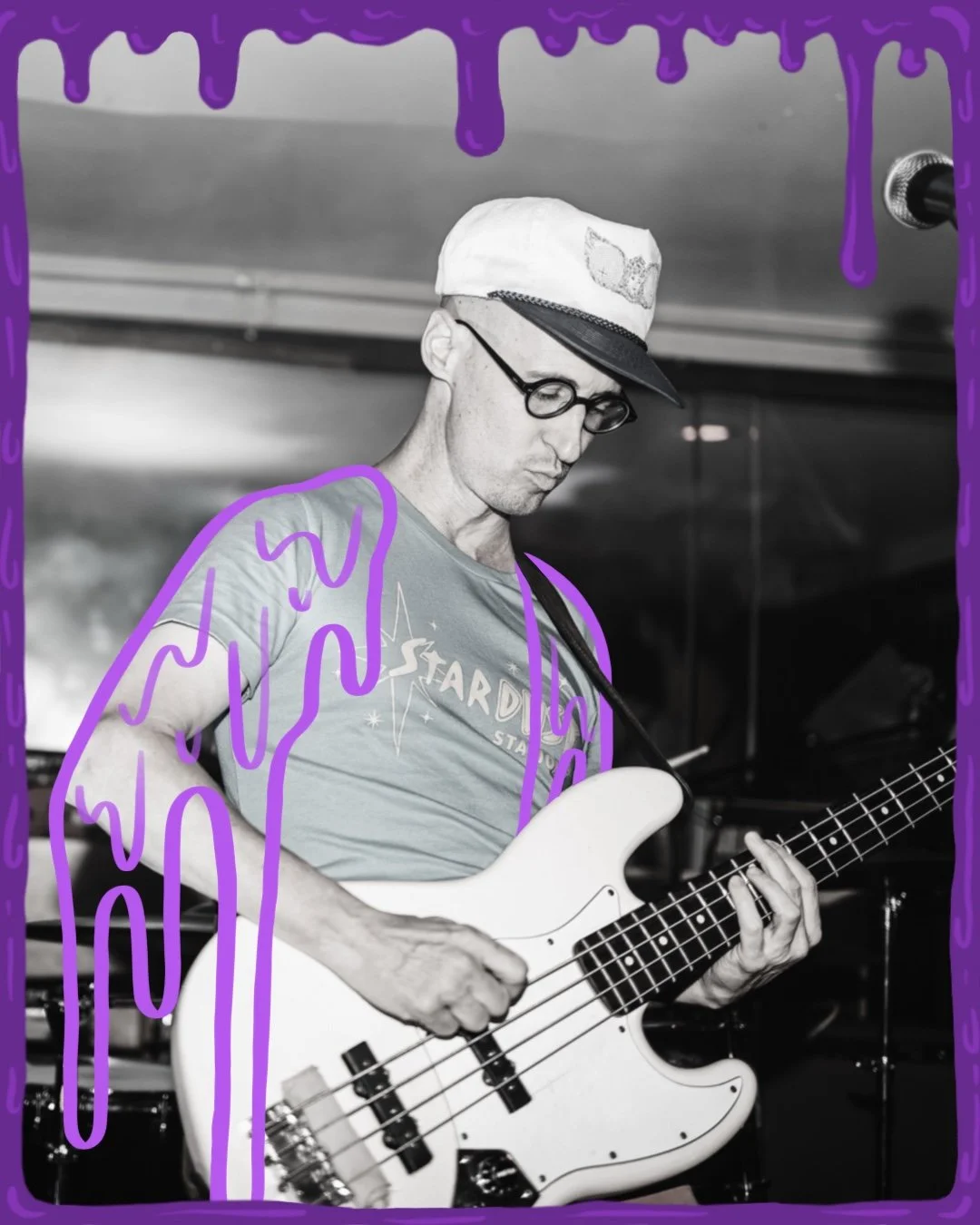
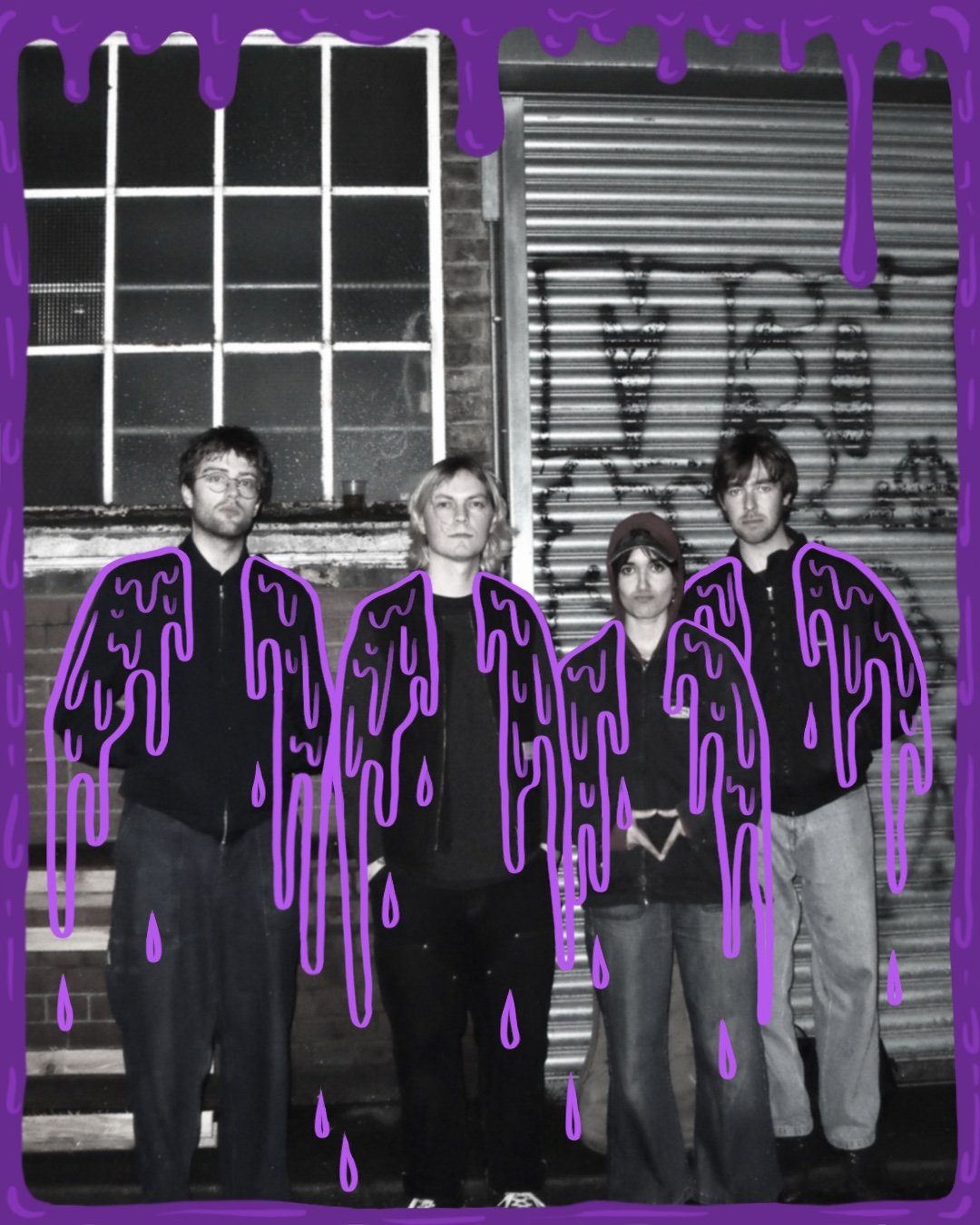
While Ultra Lights may come across, at first glance, as a relatively young indie-rock effort out of Atlanta, it’s actually founded on a much deeper and much lengthier relationship to the genre and to the local scene. For John Robinson, the band’s founder, it represents the culmination of decades of experience as a songwriter—a personal passion project that has allowed him to explore a more self-focused side of his creative pursuits.
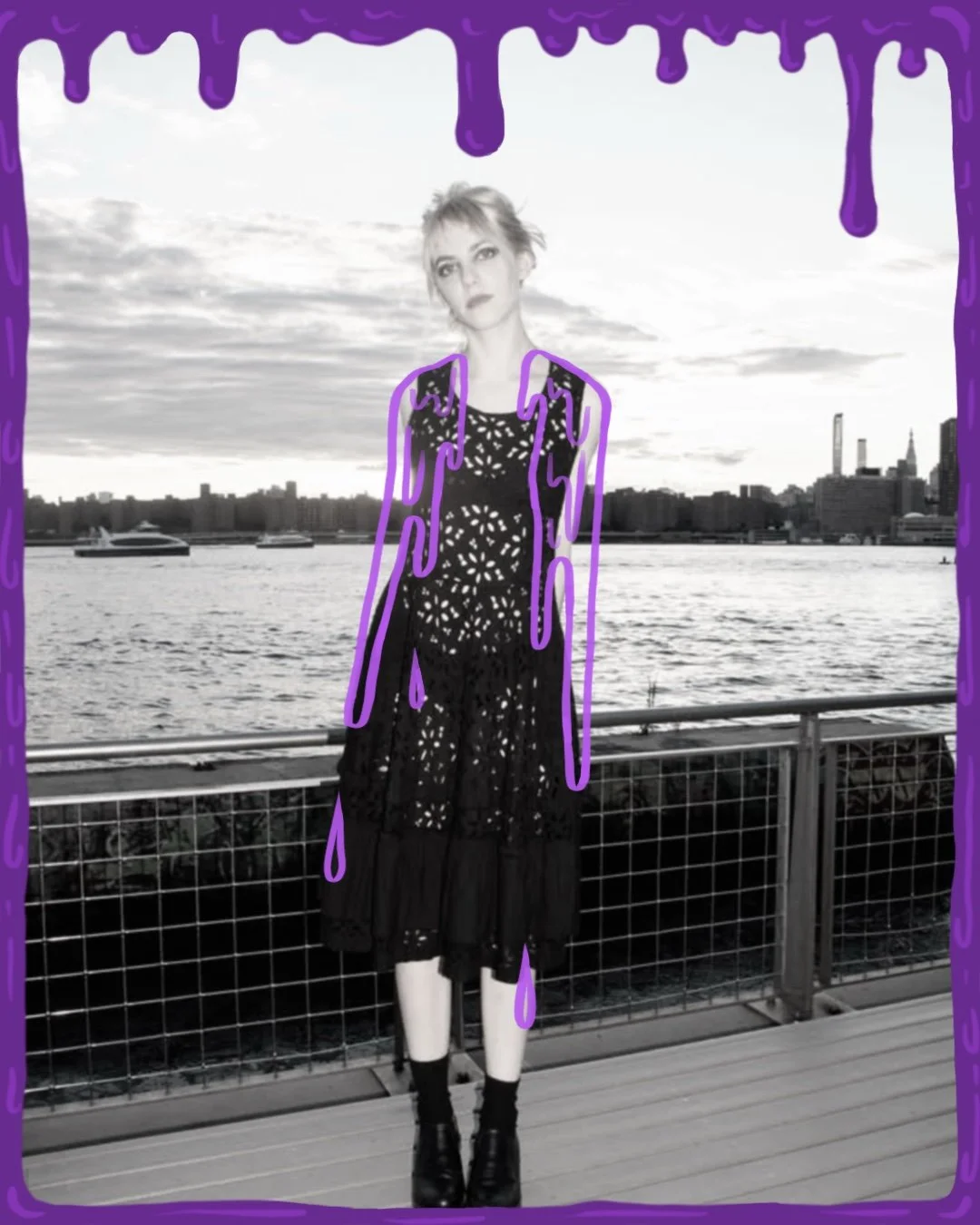
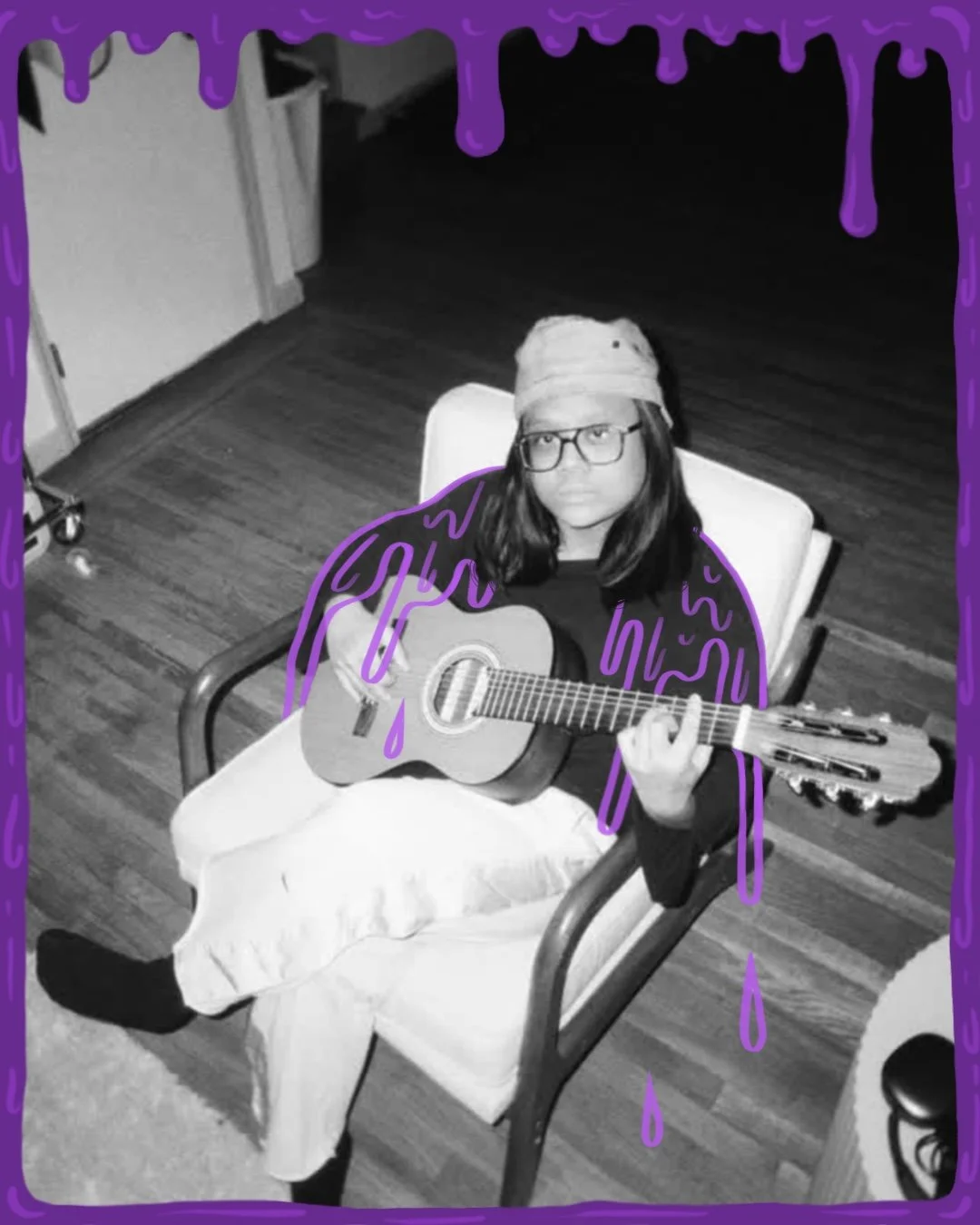
For Leela Hoehn, the Ultra Lights’ guitarist, it represents her first opportunity to work in a full band setting, and these two perspectives combined result in an ever-evolving sound—a brand of rock that’s rooted in the raw distortions of the ‘90s and ‘00s but takes on a fresh outlook at every turn.
On the surface, John and Leela’s musical journeys couldn’t be more different. Although both enjoyed rock and the alternative scene throughout their childhood, John was the one that had the early exposure to performing and songwriting.
He first started playing guitar at the whim of his older brother—who wanted to write songs but didn’t want to put in the hours to learn an instrument. That led to John joining his first band, and when he was 15 years old, he was already writing close to half the songs for an act primarily led by his older brother’s 21-year-old friends.
When that band ended, John had a brief stint in a high school band called The Fight. But his first truly professional pursuits were with garage-punk outfit Turf War, which saw its peak in the early 2010s in the thriving Atlanta DIY scene. Their 2011 full-length, Years of Living Dangerously, was primarily written by John, and with that band, he got his first opportunities to go on tour and dip his toe into the music industry at large.
Leela’s musical pursuits, meanwhile, were significantly more private. She knew from the time she was a child that she held a fascination with the darker tones of rock music, and she was heavily involved with her local scene throughout her teenage years and early 20s.
“I think I was pretty young when I realized what I was into musically., I think that moment was “Smells Like Teen Spirit” coming out… it's not the first time that I'd heard heavy music, but for some reason, something about that really struck me as extra dark. And I really liked it…. It felt like something about that was different at the time.”
John and Leela first met when Turf War was still active, and the pair bonded over their shared love for the scruffier, rougher-edged sides of rock.
But it wasn’t until the Pandemic that things truly started to shift for both of them. Leela, who had devoted herself to her work as a designer and illustrator for much of her adult life, picked up the guitar for the first time, determined to actually turn her long-standing fascination with music into something external.
John, with Turf War having come to an end, started songwriting again in a solo capacity—with vague plans to put out a solo record once he had learned the intricacies of home recording. While he never did anything with the songs he wrote in that era, those exercises combined with his and Leela’s move back to Atlanta put the battery back in his creative efforts.
It was time to start another project— and Ultra Lights was born.
Atlanta, particularly, was an apt scene for what they wanted to accomplish with the new project. Its music community is very tight-knit, and as Leela puts it, there’s a healthy degree of competition between the bands there that helps spawn new ideas and new avenues of creativity.
“I think Atlanta has a really good level of friendly competition. There's projects that are starting up all the time, and there are shows all the time. And so you just kind of have this general life force, I think, within the music community that's always going… I think it's open to whatever you are, whatever your thing is.”
But as much as John had already accomplished in the Atlanta (and in other) scenes, the ultimate impetus behind Ultra Lights was that it represented an opportunity to take his songs fully into his own hands. While he had written songs for numerous projects over the years, he had never attempted to self-record or truly had a project that he was the bona fide creative director of.
“I just wanted to be more hands on with [Ultra Lights]. I wanted to make sure I spent more time with the songs, to make sure that they were songs that I would actually want to listen to. I wanted to be in a band that I actually would respect myself if I heard us… [The other bands I was in] were never quite exactly what I was trying to get across. And I wanted to make sure this band was that.”
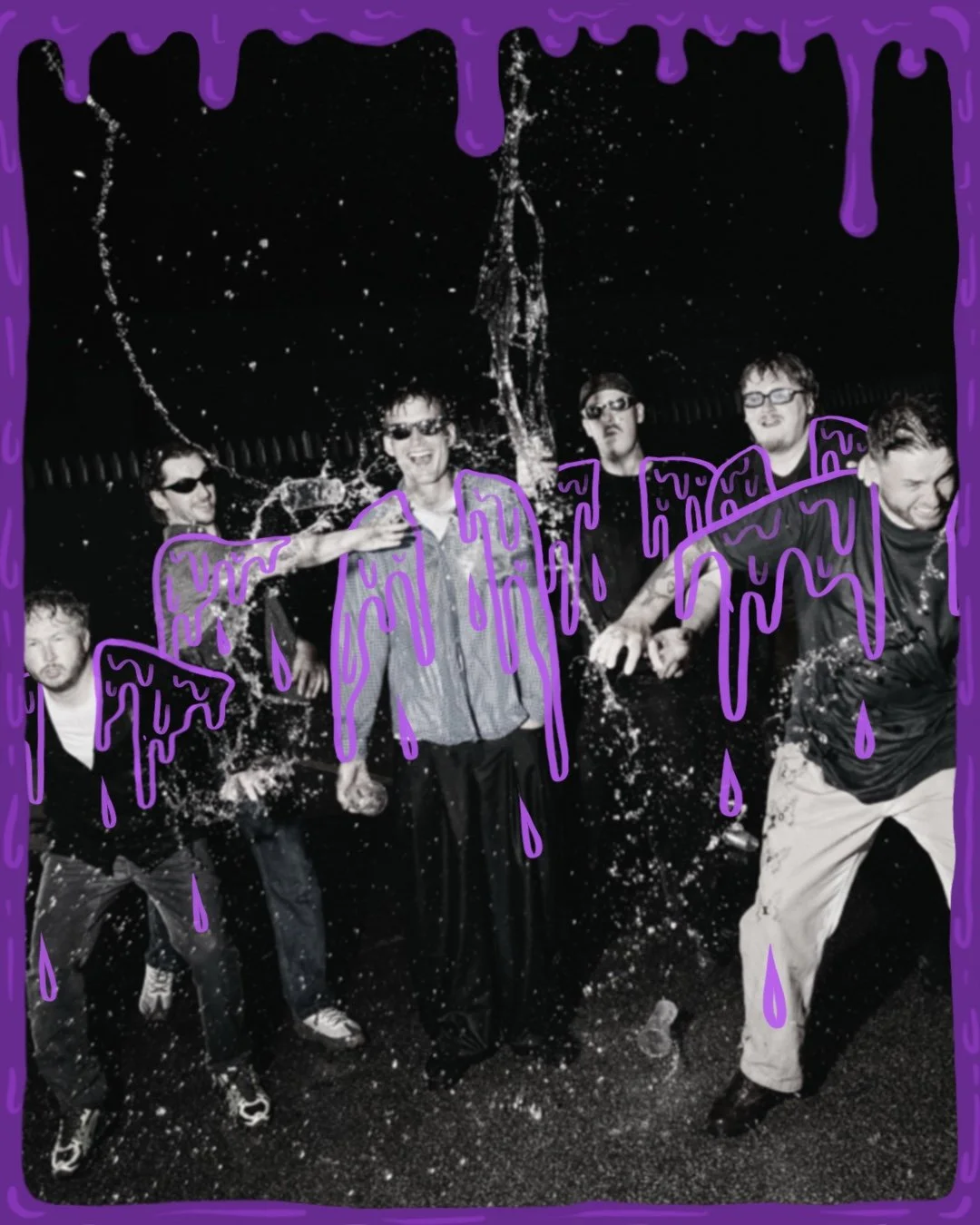
Their self-titled EP from 2025 is largely a compilation of some of the band’s earliest singles, and while there’s an energy there that foreshadows what they ultimately blossom into on their debut album Pleasure’s All Yours, it’s on their first full-length that the band truly comes into its own.
Under John’s guidance, the band as a whole—including Leela, who didn’t have much prior experience in a studio setting—found a creative lockstep through the process of writing and rehearsing the 11 tracks that ultimately made it onto the project. And through that unison, a serious brand of energy
On tracks like “Bad Feeling” and “Easy Does It,” Robinson’s voice is at its most potent, asserting itself at every turn over the distorted, fuzzed guitar rumblings and drawn-out melodies and motifs. It’s, in many ways, the sound that both John and Leela fell in love with through their childhood and into their adolescence, but it’s refracted within the motifs of the indie scene in which they’ve blossomed creatively— each new track holds some sort of new expression of the band’s unified sound.
But at the end of the day, John primarily wants Ultra Lights to be a project each of the musicians credited can hang their hats on: something that is consistent and, after years spent honing his own personal sound, has a reliable niche in which to rest.
“I think [Pleasure’s All Yours] really locks you into a narrative… It feels familiar, which is good. I don't think it sounds generic. I think we could grow as a band and branch out a little bit on some songwriting stuff, but I also want to be just a reliable band that people can rely on to put out music that they like— and sound like something that they already [enjoy].”