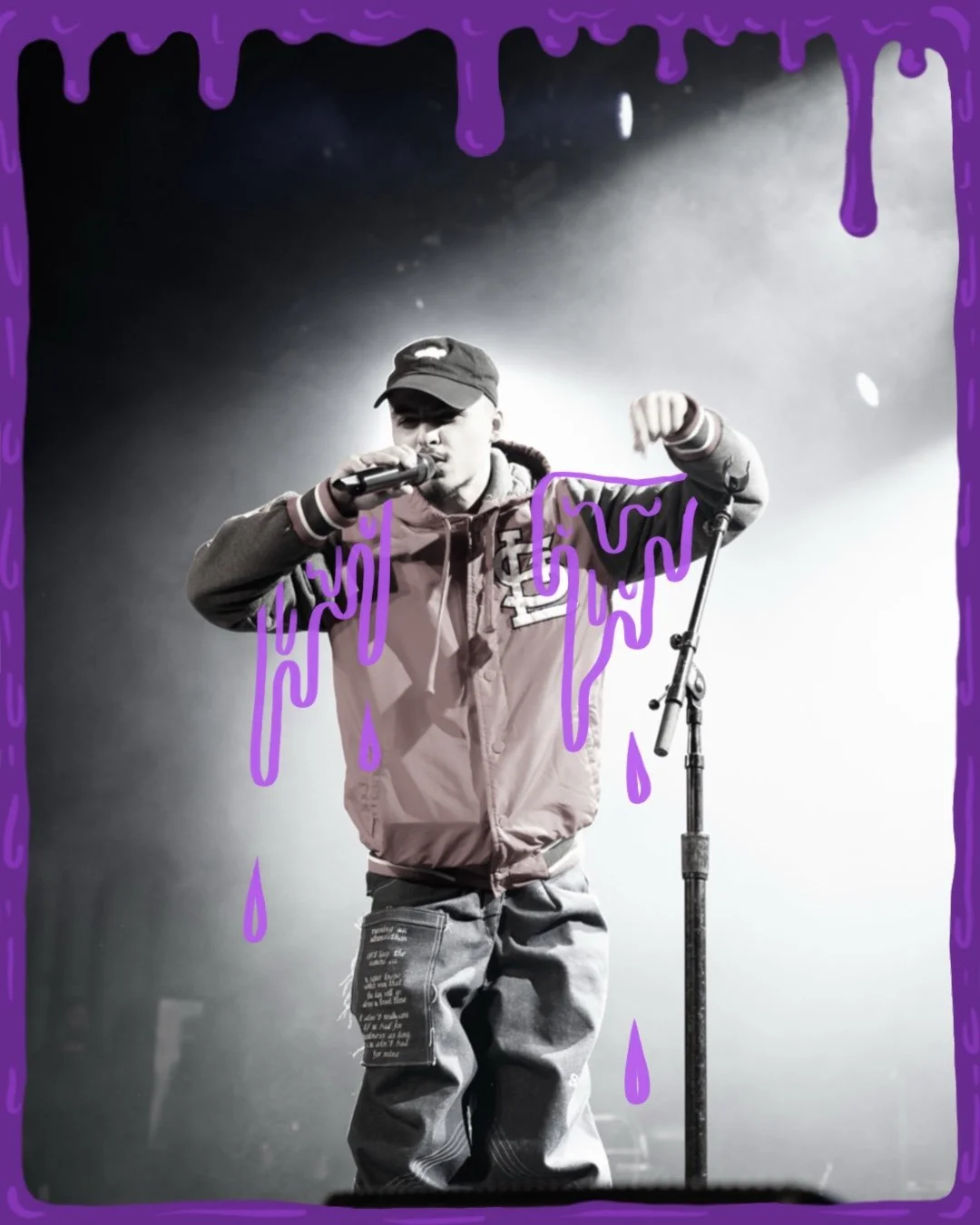
Artist Profile: Jay Cinema
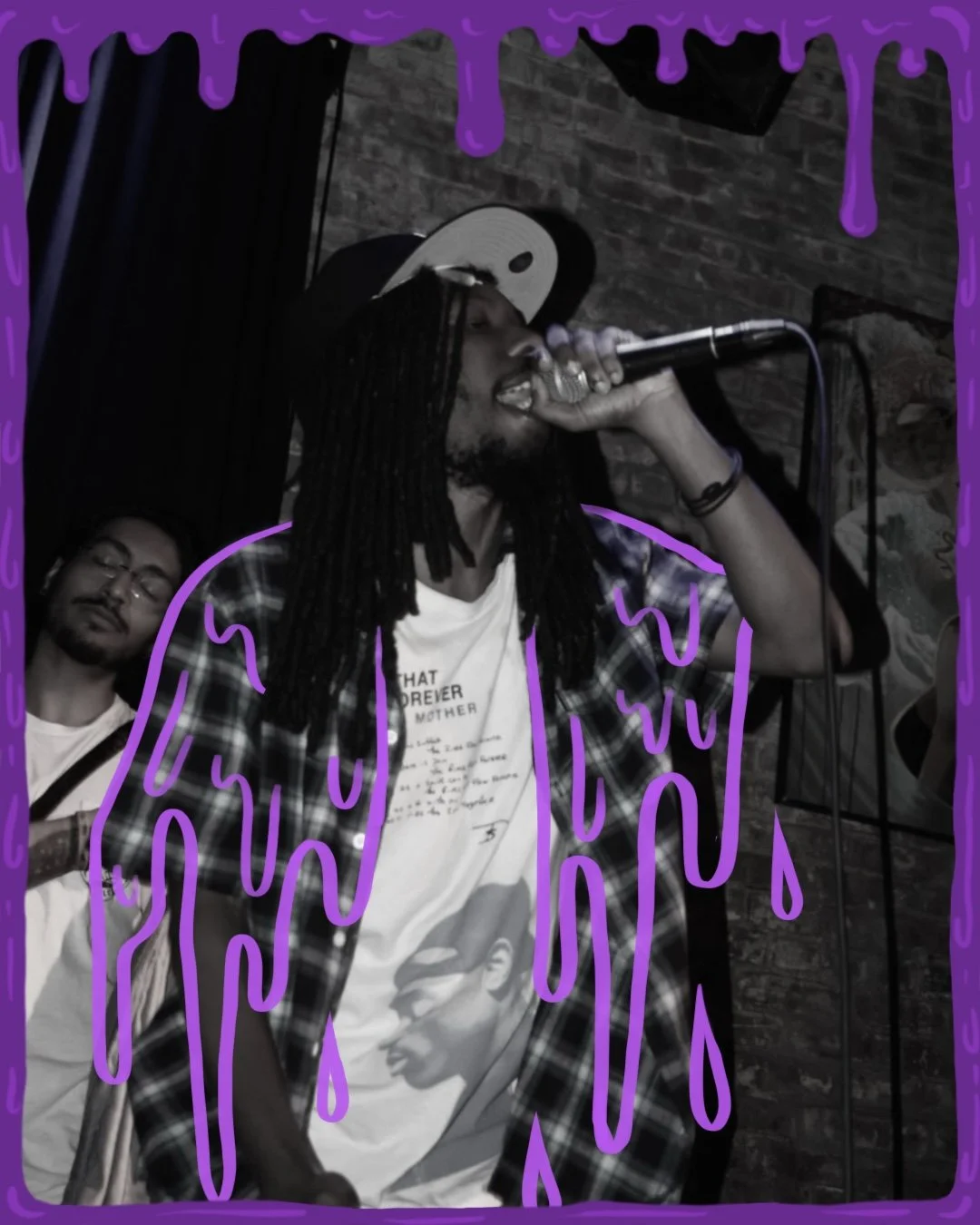
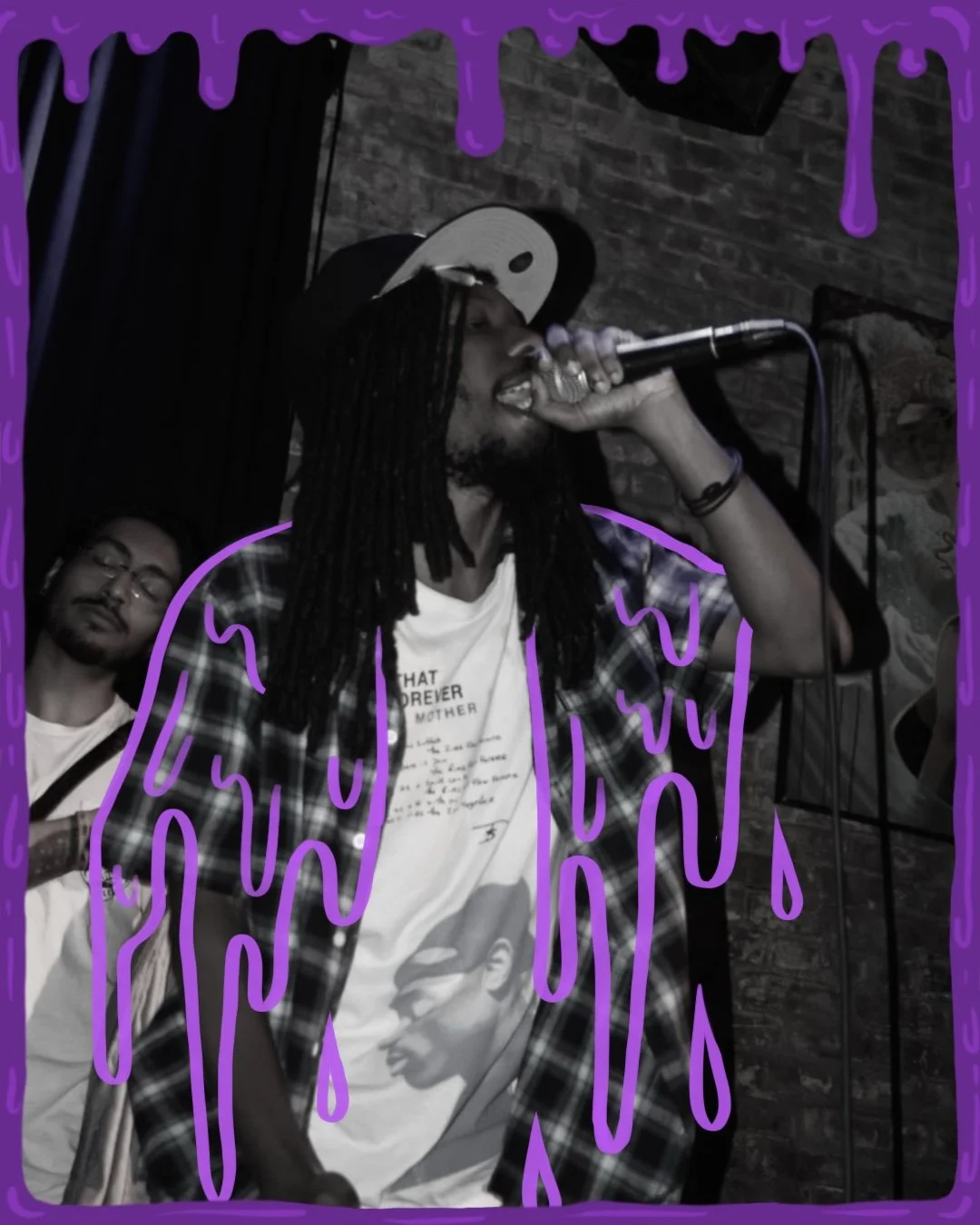
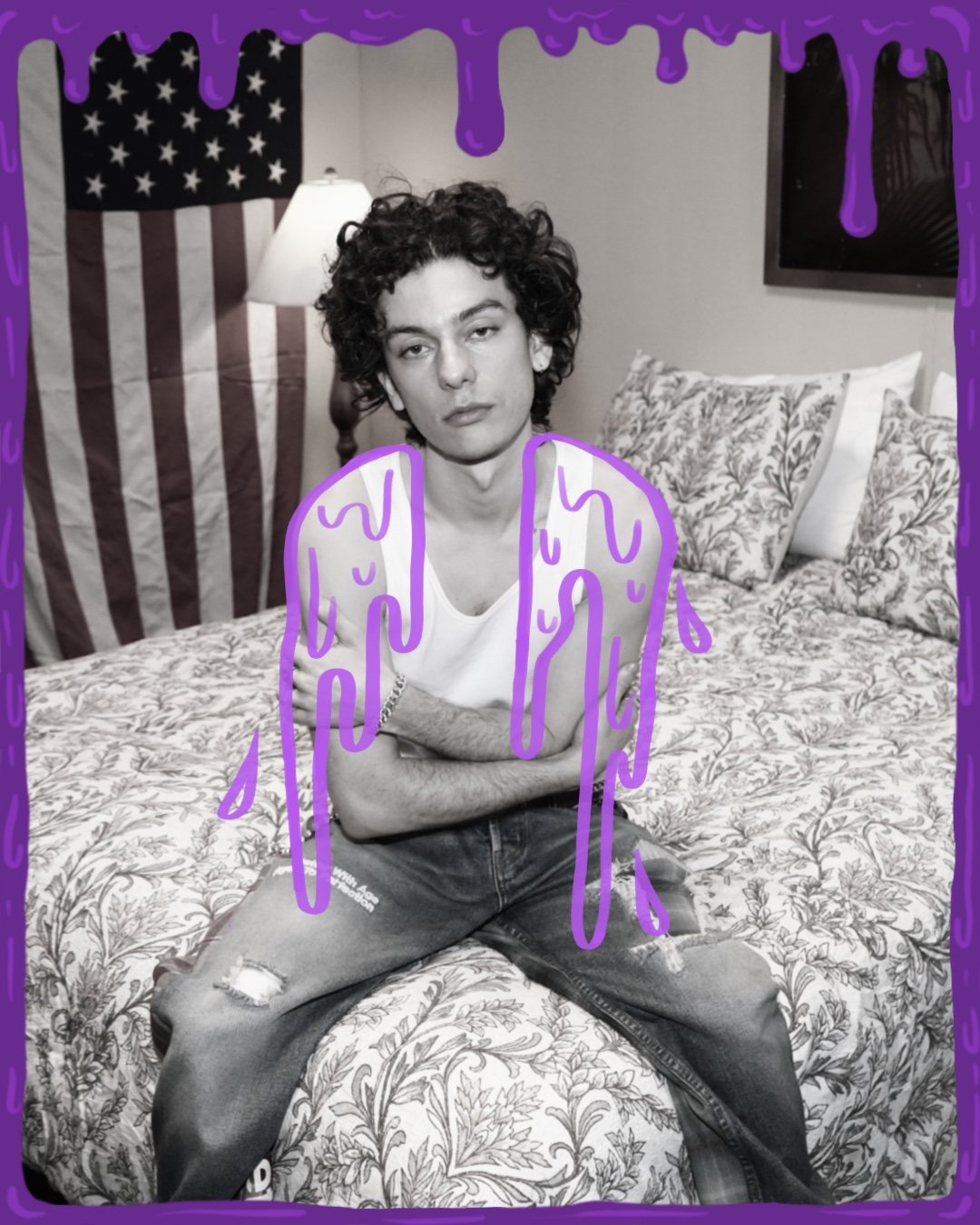
For Yonkers-raised rapper Jay Cinema, the creative act has never been centered around a certain model of sound or intention—it’s always been a desire for self-expression and for the thrill that creation brings him, and hip-hop, in some ways, was simply the most obvious and the most comfortable avenue through which to pursue that. But after over eight years and 12 full-length projects engrossed in the art form, it’s the continuous growth, and a deepened understanding of his modes of expression, that have come to define his sound.
Jay Cinema has never stopped honing his craft with each track he records, and that, rather than any of his myriad underlying narrative threads, is the defining feature of his expansive discography.
Growing up, Jay’s exposure to music was somewhat limited—at least relative to children for whom music is a second nature from an early age. He mostly heard songs his mother played on the radio, and when he would go to his grandmother’s house, he would occasionally get to hear an Aretha Franklin or Otis Redding record she would put on. But on the whole, music didn’t truly take root in Jay’s life until he first heard Odd Future coming to life in the blog era of hip-hop.
Hearing projects like Tyler, the Creator’s Goblin or Earl Sweatshirt’s debut mixtape gave him a glimpse into a world he wasn’t truly privy to at the time. Not only was hip-hop planting its seeds in Jay’s creative consciousness, but the sheer amount of vulnerability and nuance that these artists brought to their initial projects was rapidly expanding his idea of what rap, and art as a whole, could be.
“I remember being very young, and I had a lot of feelings I didn't understand. Tyler [, the Creator] and his music helped me understand what depression quite literally was. I remember feeling and understanding that I don't feel okay. I didn't know the proper terminology for that sh*t. Tyler was the first n*gga that said, ‘Yo, I'm depressed, and this is why.’ And I remember just thinking that I felt the same way.”
As he advanced into his later teenage years, Jay’s hunger for expression continued along those lines. He slowly gravitated toward artists like MIKE, Isaiah Rashad, and Mac Miller— each of whom he felt captured some of that same straightforwardness and willingness to speak that had initially attracted him to Odd Future at the start of high school. While his love for hip-hop was ever-expanding, it was still the artists that, to his mind, spoke of their real lives and immediate, tangible struggles that most directly appealed to him.
He began writing poetry during this time, and that became his primary mode of expression, modeled after the musings of his favorite artists. But making music felt like a far-away, impossible goal—that is until life forced him in that direction.
Rapping was something that Jay, of course, had contemplated during the years he had spent immersed in the art form. But when issues with his educational loans forced his university to cut off his access to classes, he took it as the sign he’d been waiting for. He went out to a studio in New Rochelle with his close friend and collaborator, and the pair paid the producer there to record a couple of tracks for them. It was one studio session, and the results were far from the sound that Jay had always imagined himself creating, but the feeling of being there was something that undeniably stuck in his chest.
“I didn't really want to make that type of song, but it was all fun. At the end of the day, I remember the main thing. It was all fun. I remember my heart was going so crazy. It's still feelings I still get, you know what I'm saying? I have a recording setup in the crib and all that sh*t. Where is it? Boom. Even when I record right now, it’s still an energizing type of thing.”
From there, Jay took advantage of the time he had left still living on campus. He began attending shows and open mics as often as he could, and as time went on, people within the community began to recognize him. Coupled with the release of his first two projects—Better Days Ahead and BrwnCinema—in 2020, Jay began making connections with various other artists around the NY scene. Over time, Jay began to connect with different producers who helped him hone in the lo-fi sound he felt drawn towards, and the more he got involved in the creative community that was being built around NYC, the more attached he felt to his own creative pursuits.
Once Jay got settled into his niche, the work from there was seemingly neverending. Jay put out two projects in 2021, followed those up with Out The Loop and Autumn In Yonkers in 2022 and 2023, and then released six more full-lengths between 2024 and 2025. But it wasn’t simply a matter of amassing a discography as quickly as possible. Jay felt that the more he worked, the better he became at identifying and communicating whatever it was inside of him that needed to be expressed.
Like his artistic idols, Jay wanted to form a direct line between his inner musings and his outer expressions. Even a quick look at his recent discography will show you how successful he’s been in that pursuit, with introspective, tentative rhymes interspersing themselves across unavoidably unique samples and deeply rutted grooves on each and every track that he releases
“It's still an everlasting process.... I think the biggest thing, though, is definitely just utilizing my voice. That's the thing I'm most proud of… I just sound so more confident. I sound more clear. I’ve gotten to feel it internally within myself too—in real life. I'm able to express myself more. Even right now in this interview, I'm yapping my ss off [laughs]. I really don't do this. But I could do it now. I think that's the thing I'm most proud of is the way I could use my voice in ways I never was before in my life. And that was the whole point of this rap sht, you know, for self-bettering and for self-improvement.”
Now though, as Jay combs over his current body of work and tries to sort out a defined direction for his next project, it’s more of a sense of patience that’s defining his efforts. He knows he needs to get his visuals and his presentation right, but more than that, he’s seeking a true sense of resolution to his next artistic statement. For Jay and his ever-expanding models of self-expression, that’s become a non-negotiable.
“I think that the biggest thing is— what am I saying? And what is the everlasting question that's behind the project? There's always a question I'm trying to figure out. There's always something I'm trying to figure out, whether people notice it or not. Sometimes it's not finished, and that's kind of the point. But sometimes there is a certain resolution to these projects… And at some point, I'm gonna figure it out. And then when I do, that's when the music is out.”