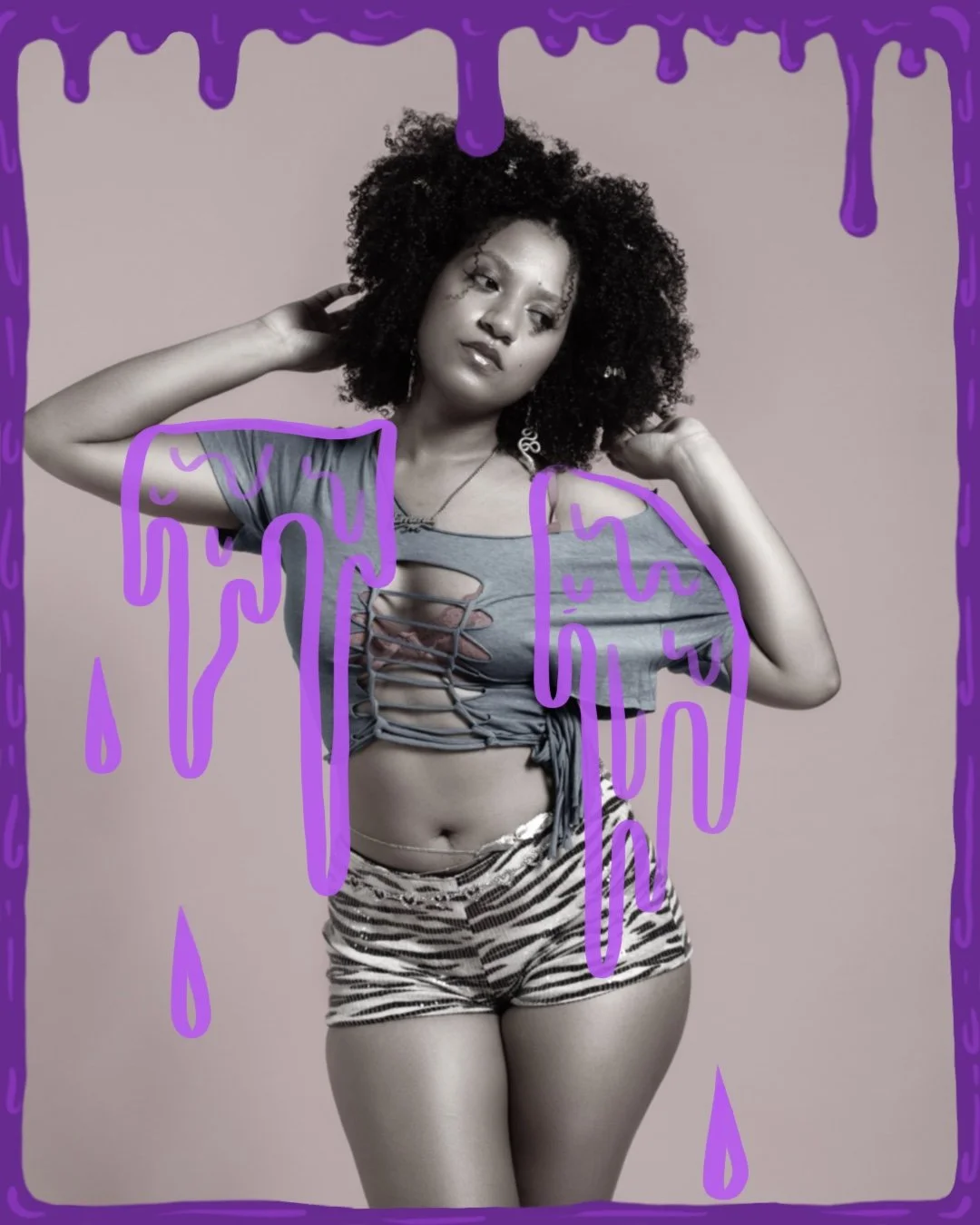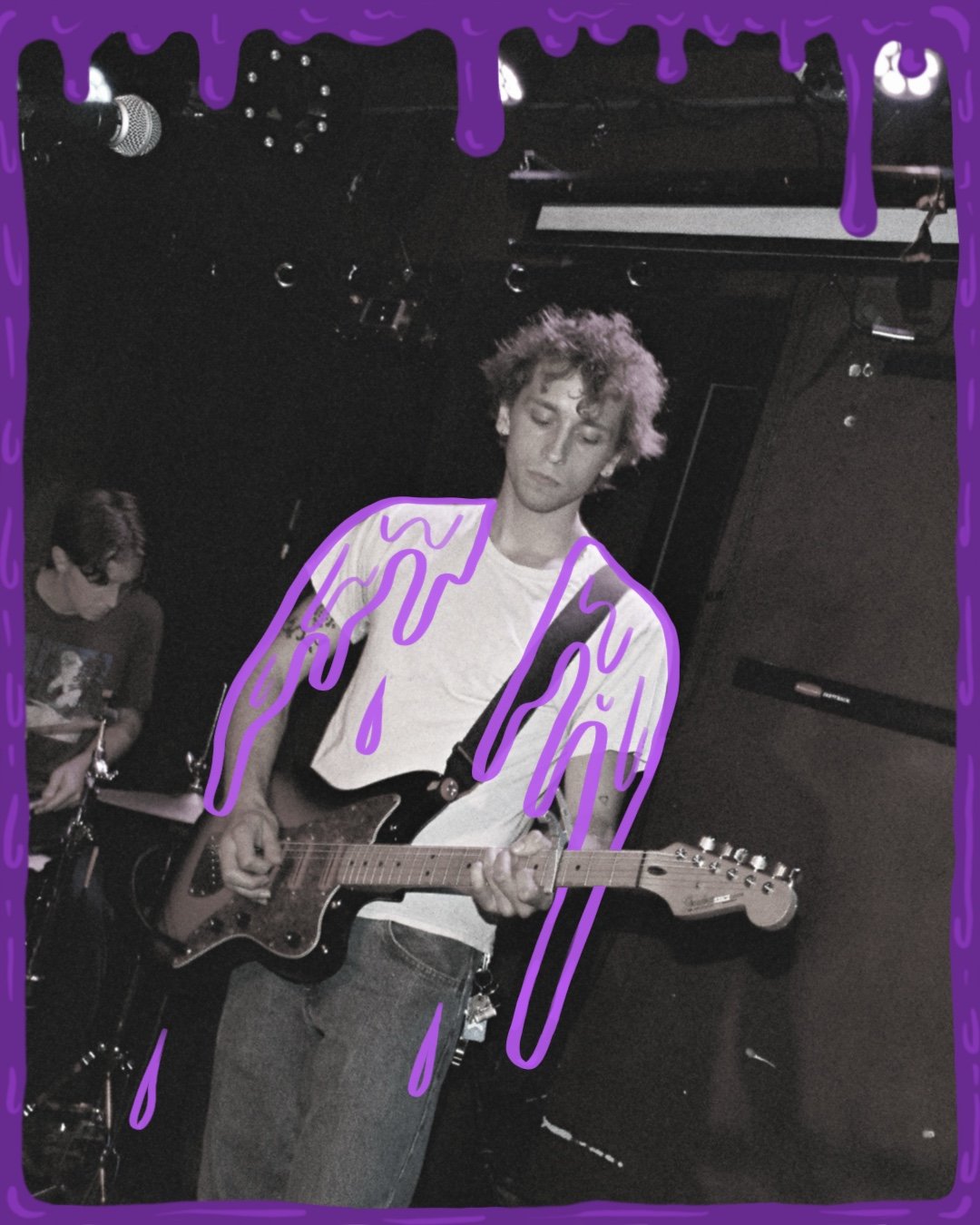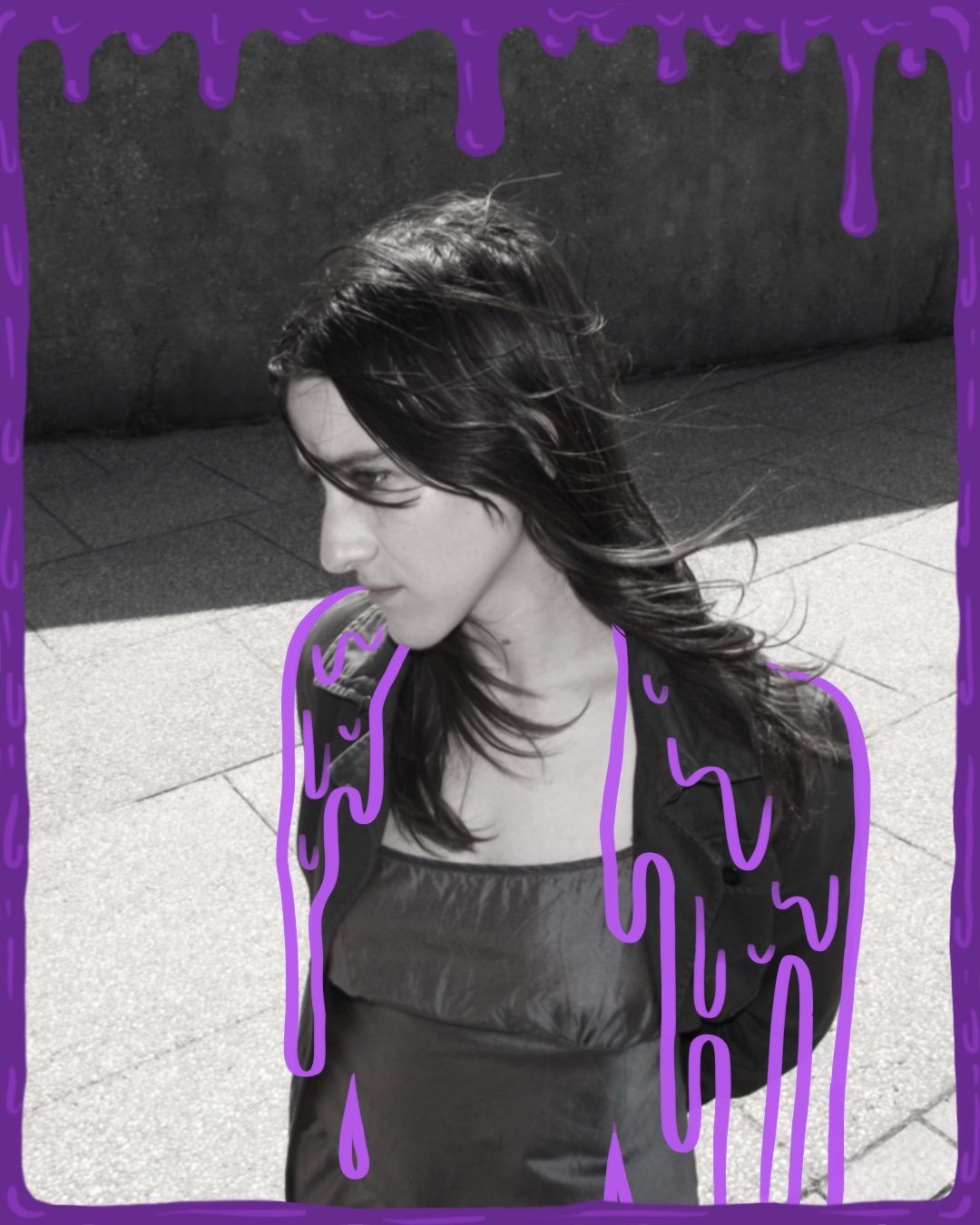
Photo Credit: Lily Platt
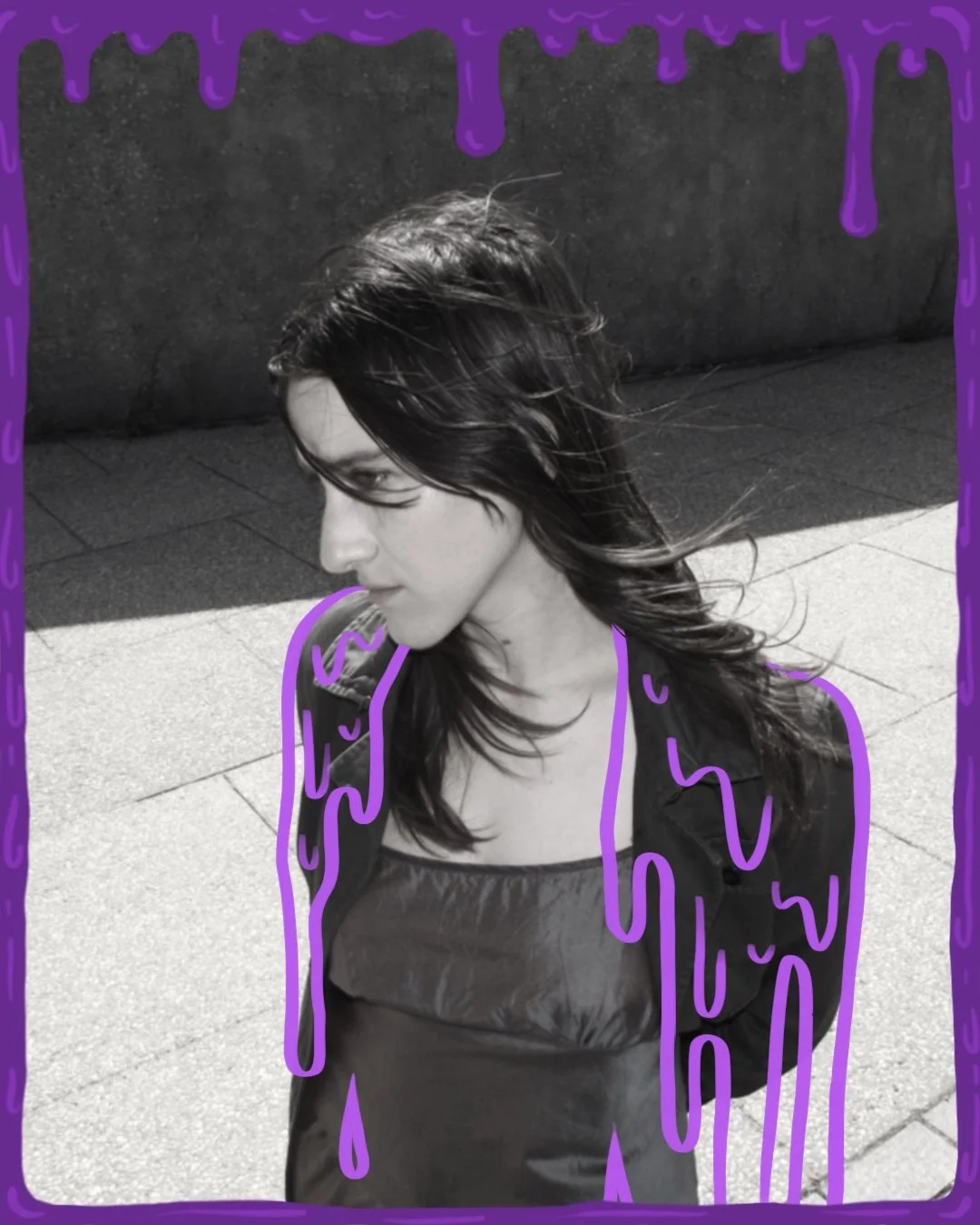
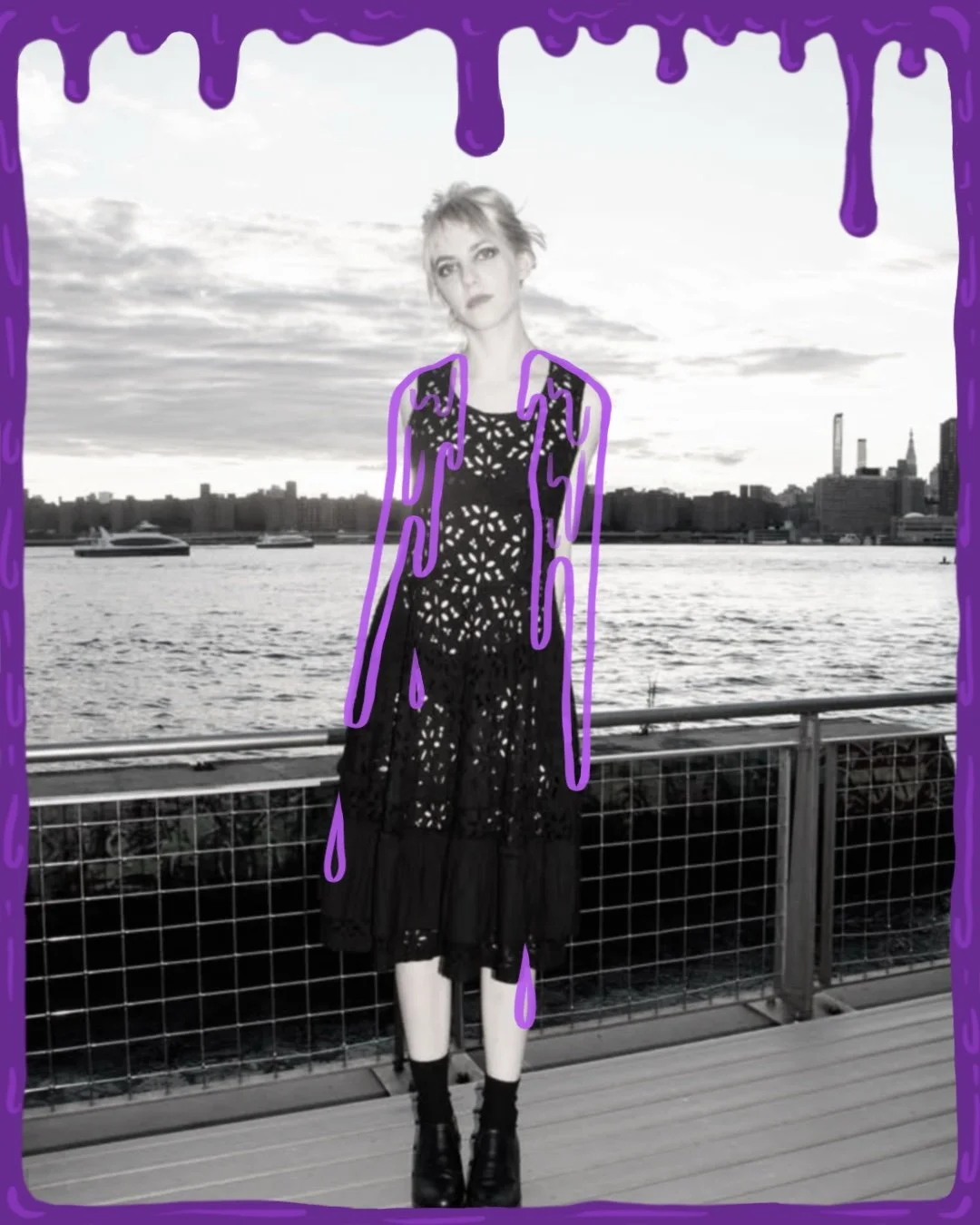
sadie, the blossoming electropop project of NYC songwriter and producer Anna Schwab, began merely as a nebulous passion—Anna had cut her teeth as a songwriter in the college band scene at Wesleyan, and she found herself slowly being drawn towards more electronic modes of production once that project naturally dissolved. But after years spent feeling out and finding her sound, Schwab arrived at an entrancing concoction—alternatively swooning and soaring across the subdued, indie-inspired tones of her ranging production—and her debut album, Better Angels, is the first, unbridled culmination of this sound.
Although Anna didn’t spend much of her childhood dreaming of a life as a musician, music was always a major part of Schwab’s life. Her parents enforced a strict involvement with her classical piano lessons throughout the entirety of her childhood and adolescence, and their own appreciation for music (Anna describes her parents as a “bit too young to be hippies”) instilled a love in the art form in her from a young age. Artists like Joni Mitchell, Neil Young, and Bob Dylan constantly populated the walls of her childhood home.
As she got older, though, her own tastes were primarily shaped by the acts she was able to see live—which were plentiful in a bustling, 2010s NY indie scene. She had a group of friends in high school whose primary social activity was going to see local shows, and in that time she became familiar with acts like The Shins and Iron & Wine through their live performances.
“I had a group of friends in high school—we would all go to concerts. [We would go to] Shea Stadium before it closed, like we would go there in high school. That's what we did. But my parents have very different music tastes. They only like old school stuff. Although I've gotten my dad into Alex G recently. We went to see him. And my dad now loves Cameron Winter. So I've brought him into some of the modern music.”
By the time Anna arrived at college, though, her participation in music was primarily still as a member of these various audiences. She became heavily involved with the college band scene at her school, and she was, for the most part, content with that. But when her partner at the time offhandedly questioned her on what her goal or aim was for her time in college, she realized, in fact, that she wanted to pursue something as a musician—whatever form that ultimately took.
She decided to start songwriting, and relatively quickly, she was able to put together a band to accompany her for live performances, and she was soon spending almost every weekend either performing with that act or playing the keyboard in one of her friend’s outfits.
“I had a group of friends who were all in each other's bands, and pretty much every weekend we were playing a show. I was either playing keys for my friend's band or going to a friend's show. It was very fun… It was mostly [a process of] writing a lot of songs. I feel like when you're a songwriter, you have to write like 500 songs. So just exercising that muscle and learning how to trust your instincts or learning how to structure a song and finish a song.”
By Anna’s senior year, her bandmates had all graduated and moved on to new pursuits. As her direct involvement in the band scene waned, though, she was already feeling her way into a new sort of sonic avenue.
She was still routinely listening to many of the indie bands she had grown up on, but she was rapidly discovering a new love for artists like Grimes and St. Vincent—whose unique blend of soaring pop ballads and experimental electronic textures captured her imagination as a songwriter. She decided to hit the grindstone learning to carve out her own sound as a producer: an activity that has about as steep a learning curve as any particular musical niche.
Anna spent her first three or four years after graduation working daily towards this goal, learning the ins and outs of the rhythms and various melodic tinkerings she wanted to incorporate into her sound. But for her, it felt like the greatest challenge, at times, was simply feeling out what her sound was in this new medium.
“Sometimes I get choice paralysis—how am I even gonna find my way into a song? Because there's a million ways to start a song when you have that many tools at your disposal. Sometimes it's more challenging. Part of me wants to just go back to writing songs on the guitar. But I also love the process of stumbling your way into a song on the computer. I'll usually pick a synth sound that I like or a drum sample and just kind of f*ck with it until I feel like, ‘Oh, this could be a cool beat or idea.’ I don't usually start composing something with melody and lyrics first the way I used to when I was writing songs on the guitar.”
By 2022, Anna felt as though she had found a sound she was fully comfortable with, and as smatterings of tracks came forth, so did her first two EPs—2022’s Nowhere and 2023’s Tide. At the time, she felt as though she was simply putting out scattered songs, continuing to feel out her modes of expression and, especially, the breadth of her songwriting abilities over the instrumentals she was churning out. She wrote essentially all of the tracks on Nowhere and Tide in one, torrid creative burst.
But when she wrote “Salt,” which became the second track on her debut album Better Angels, it was as though the clouds had lifted. As she began to arrange tracks around the bouncing rhythms that “Salt” burst forth with, a fuller picture started to emerge, and Anna felt as though she had finally arrived at a sonic core worthy of expanding into a full-length project.
From the subtle breakbeat and churning winds of “Shelter” to more direct piano ballads like “Red Sky,” the complete range of motifs and sounds that Schwab incorporates into Better Angels is staggering—but the project manages, across its eight tracks, to remain uniquely cohesive and focused.
As Anna begins to build out her next work, that focus is now even more closely refined, and she hopes that, as she becomes more comfortable with conveying her sound into a live-performance setting, she’s able to experiment more directly with the electronic dimensions of that sonic sphere.