Artist Profile: James Eichman
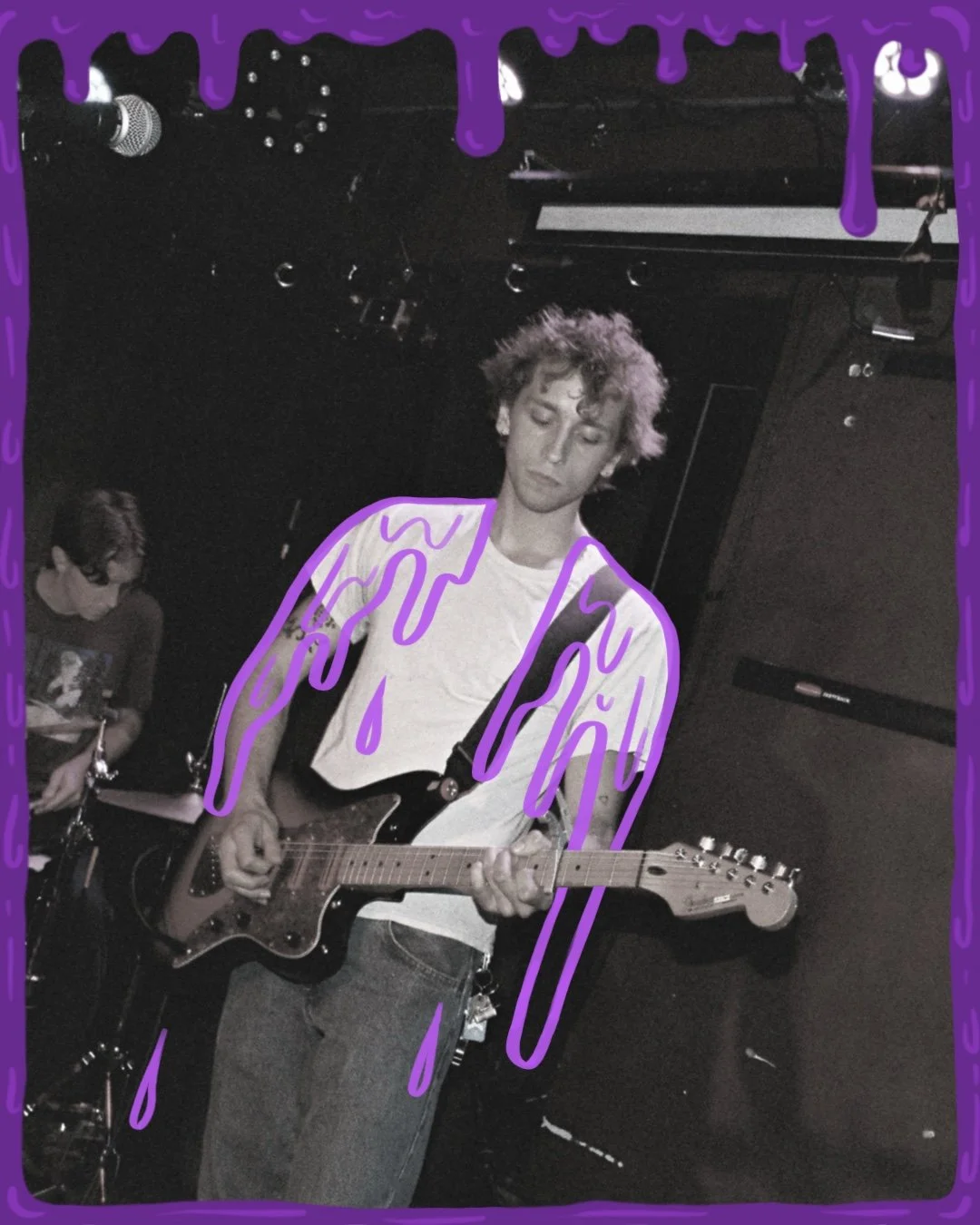
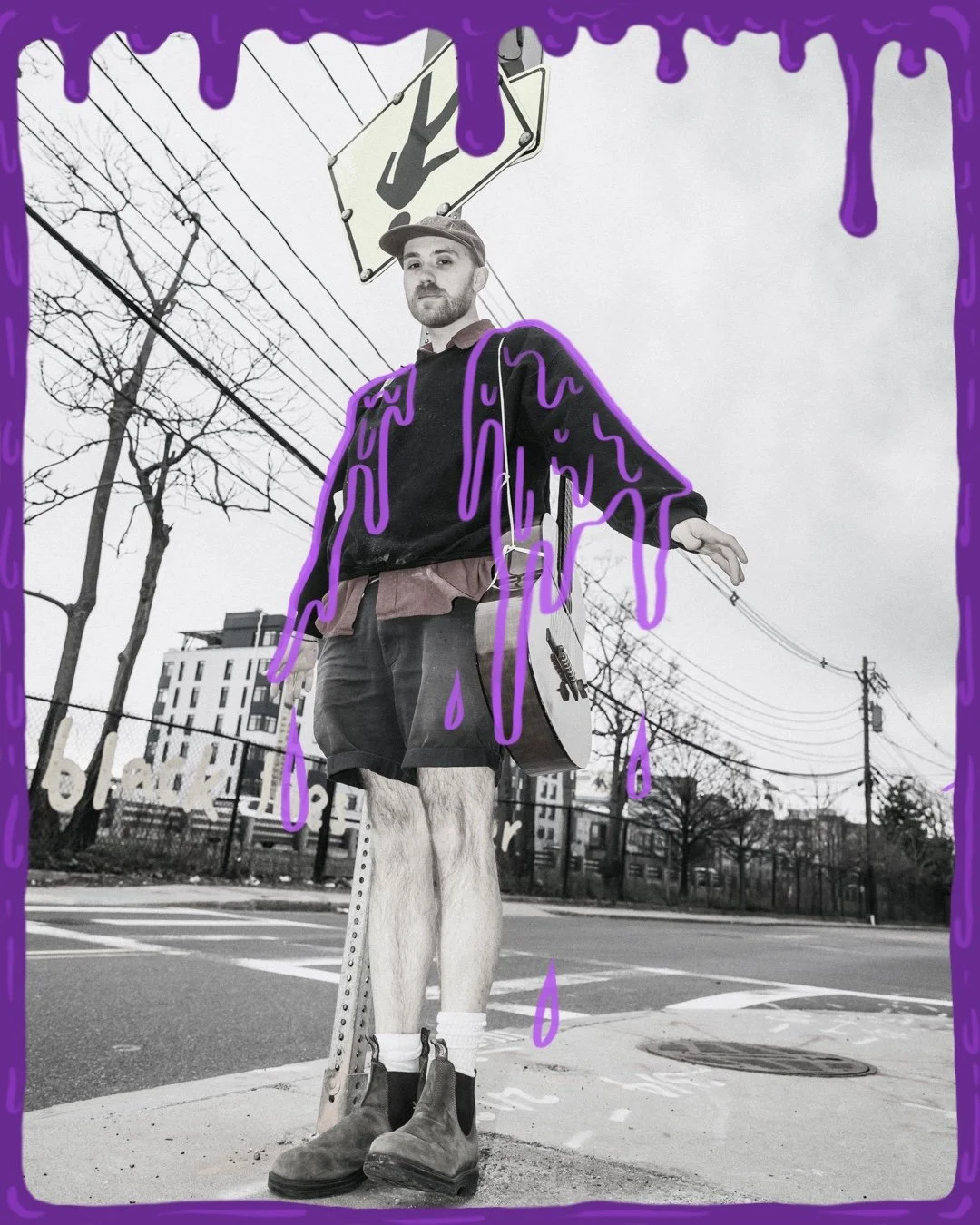
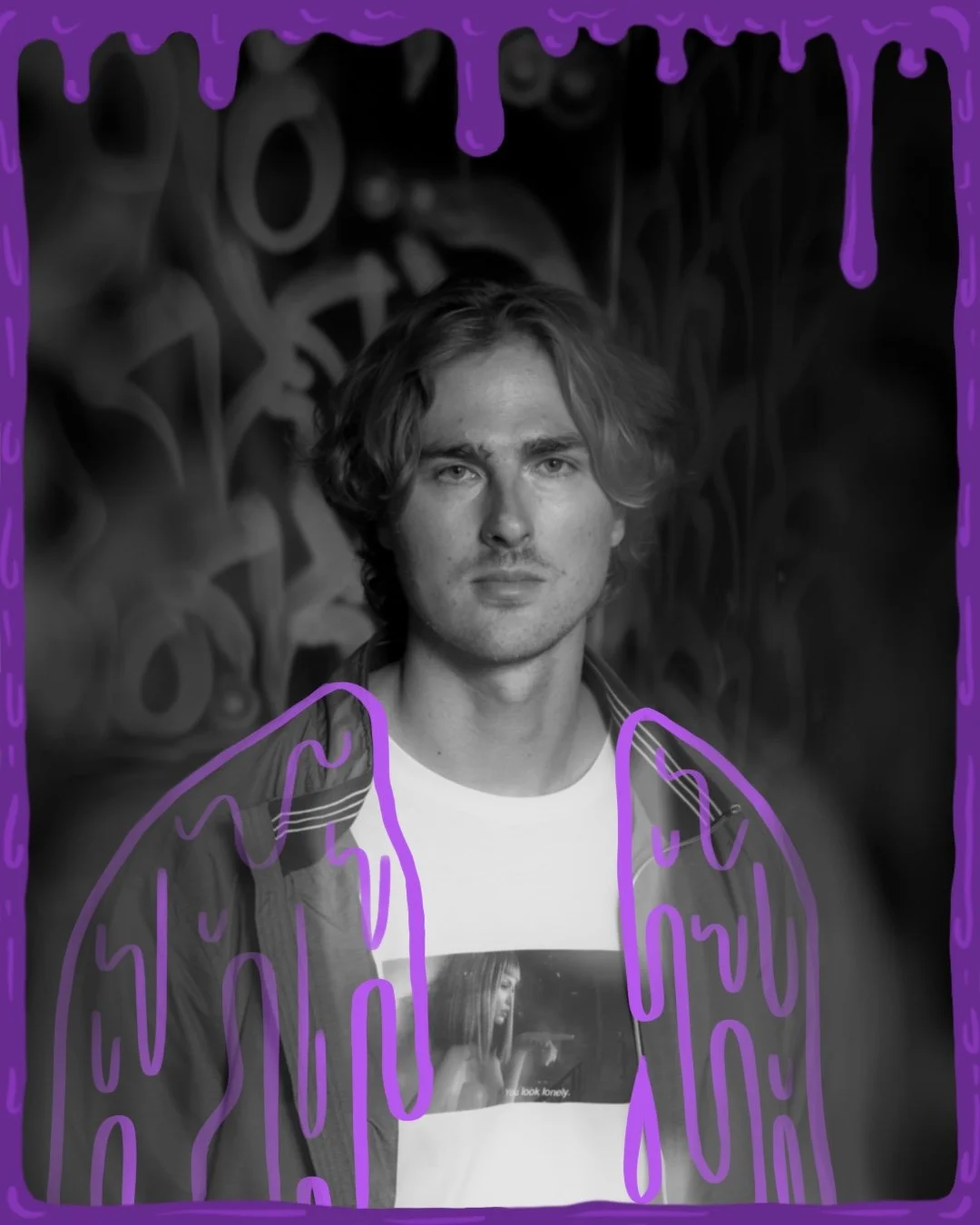
Photo Credit: Christian Modica
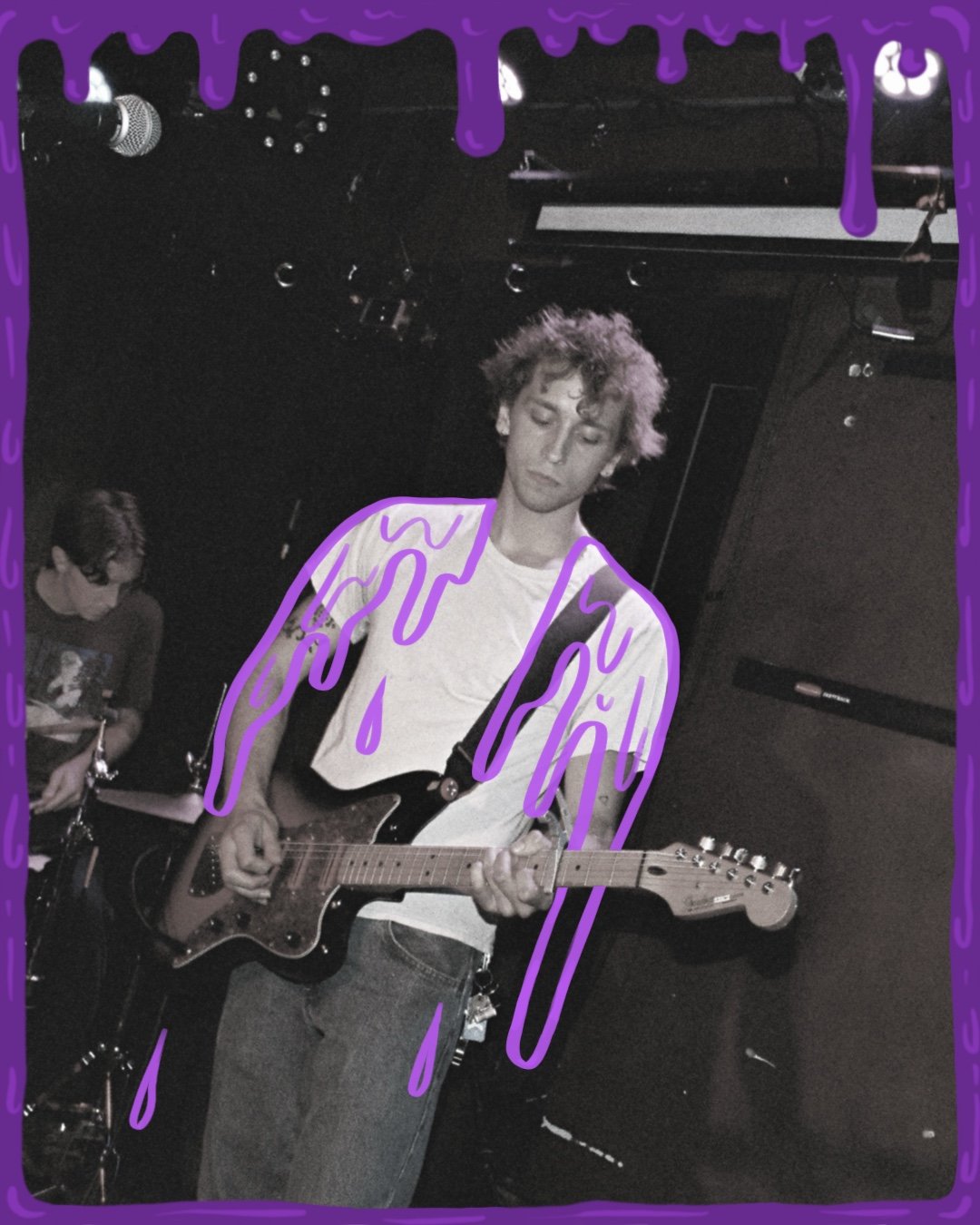
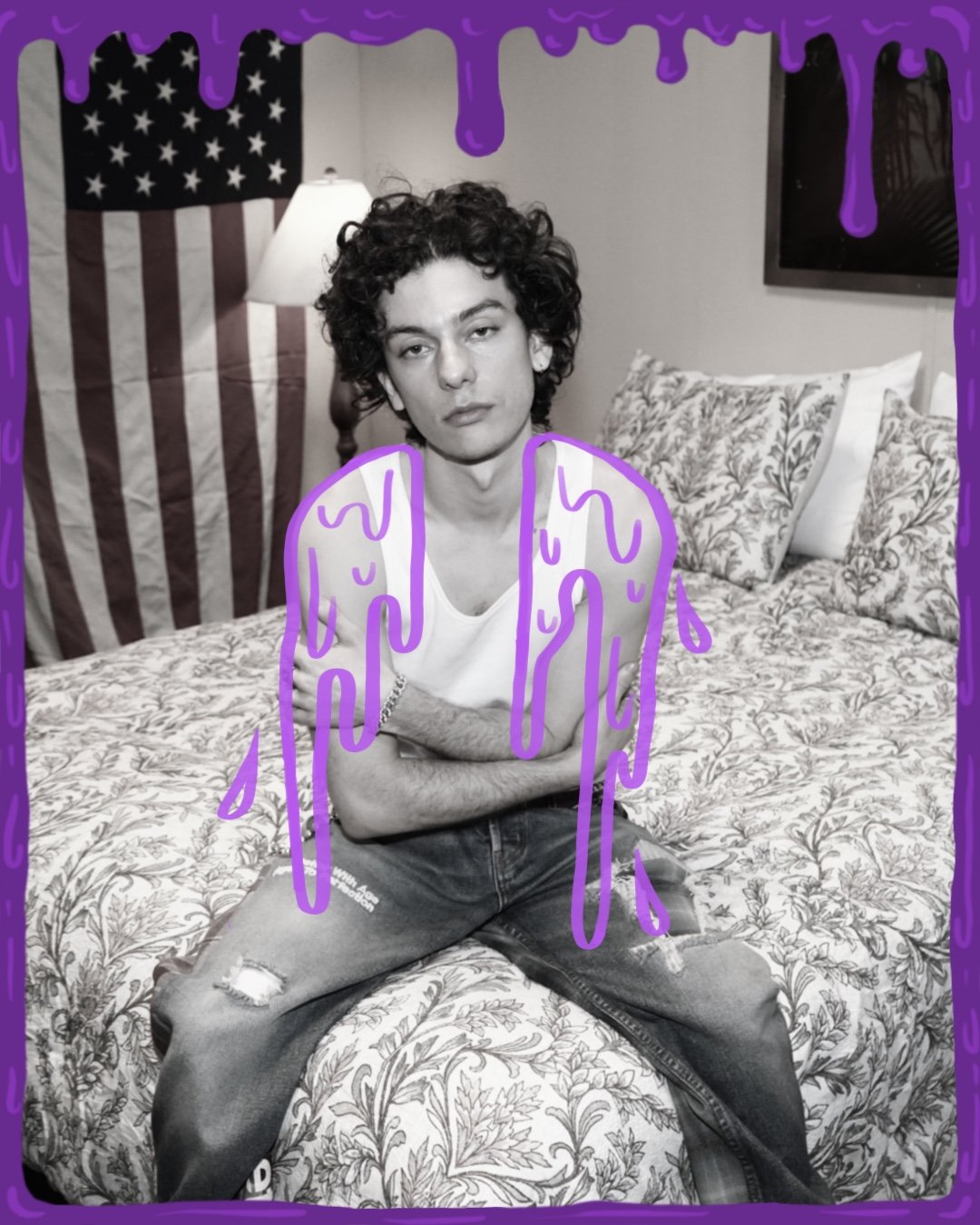
James Eichman made his name in the Nashville scene with his prowess and versatility as a supporting guitarist, spending the last few years playing seemingly endless gigs for bands around the city. But as he continued to pursue his own songwriting ventures on the side, he steadily felt an itch to shift his focus in that direction— to face his own voice and his own modes of expression more fully. The fruits of those efforts came in his debut album St. Catherine Street, and in its spacious, tender musings, the project establishes Eichman as much more than just a skilled instrumentalist.
Eichman captures an entire world across the project’s 10 tracks, and coupled with his finger-pickings and folk inspired melodic swoons, each twist and turn of his voice and his intertwining narrative threads is worth paying attention to.
For Eichman, music has always been integral to his understanding of the world. His parents were avid listeners themselves, and Eichman has stark memories of hearing acts like The White Stripes and the Beatles for the first time in their presence and being struck by their various vocal expressions.
Out of his parents’ expansive catalogue of tastes, though, Pacific Northwest indie band The Shins were their favorite, and Eichman directly inherited their love of the band’s early lo-fi production and endlessly catchy melodies.
“I think I'm totally a product of what I was raised on musically. Sometimes I feel like all my tastes just go back to those few bands; everything that I find that’s new I think maybe just reminds me of what I like about The Shins and all those bands that my folks were playing when I was a kid.”
Eichman’s first instrument was the drums, but as he puts it, he only had an interest in them because he “wanted to hit stuff.” As he got older, and picked up the guitar for the first time, it was his interest in songwriting that drove him to start taking music more seriously.
Eichman always gravitated toward the acoustic guitar, and as he continued to explore the technicalities of the instrument, that interest led him into the finger-picking, folk styles of artists like Nick Drake and Burt Jansch. These were, of course, rooted in the music his parents showed him as a child— but they took on a different, more somber expression that came to define Eichman’s personal music identity in relation to his parents’.
“For some reason, I’ve always just really liked the way that [folk] music sounded and felt. I think it feels really grounded and rooted in something real that I connect to. And maybe it also feels like my home, being from the south, maybe that's the thing. But I don't know. For some reason, the acoustic guitar sound just connects.”
But in the public eye, Eichman didn’t limit himself to simply exploring the acoustic guitar. He formed a rock band with some of his high school friends, and they played shows as often as once or twice a week at various local spots— including the now defunct Cafe Coco. As the band began to situate themselves, straddling the Belmont and the more alternative scene springing up around the Dark Matter community center, Eichman began to create more connections around Nashville, which opened doors for him to fill in for other bands and gain more on-stage experience.
During this period, he was recording and releasing songs on Soundcloud and Spotify under his own name, but he largely saw them as throwaways— short pieces he would record with the limited technology he had available simply to keep his songwriting muscles fresh.
But by the time he graduated high school, virtually all of his time was taken up by his performing ventures. The following years were a process of not only refining and fully discovering his love for music, but also gaining enough private confidence in his songwriting abilities to feel comfortable moving toward the front of the stage.
“I think I was slowly building up the confidence to put some stake in myself and start expressing myself, which has been extremely liberating and awesome… But I like filling the supporting role, I think, because at the end of the day, I love playing music that I think is awesome, whether or not I wrote it.”
By the time he reached late 2025, Eichman already had a handful of tracks he was working on for whatever his next solo release was going to be. They were disparate in sound and narrative structure, but he felt he had found a balance in his style that was worth expanding upon.
And that’s when the idea struck— he needed to fully flesh out an album if he wanted to inwardly establish himself as a songwriter. He set to work honing his writing style, working on expanding the personal worlds he had created in the existing set of songs with other perspectives and other narrative throughlines. He knew that, if he wanted the project to feel complete, he had to fully lean into his instincts as a storyteller, with no inhibitions or barrier between him and his ultimate creative object.
“In finishing the writing process, I felt steered in a direction that I had already made for myself, or the direction that I wanted to go in with the batch of songs I already had. I didn't feel like I needed to change anything about my writing— I needed to hone in what I had going and what I liked about the songs that I already had. I wanted to take that and just zoom in on it further and see if I could make better versions of them.”
It’s not as though Eichman’s other solo efforts are forgettable, but they largely pale in comparison to the work he put forward on St. Catherine Street. Each song possesses its own gentle complexion of strumming patterns and orchestral arrangements, but it’s the melodies— especially on tracks like “Rolling Summer Thunder” and “4am”— that truly carve out space for the listener to simply sit amongst Eichman’s words, envisioning somber tones reflecting off aging walls and the quiet rustling of leaves on an autumn night.
Eichman doesn’t know exactly where he’s taking the project next, but St. Catherine Street, in all its wind-swept glory, is an undeniably strong first full step in the direction he’s been quietly pursuing since he first picked up the guitar.