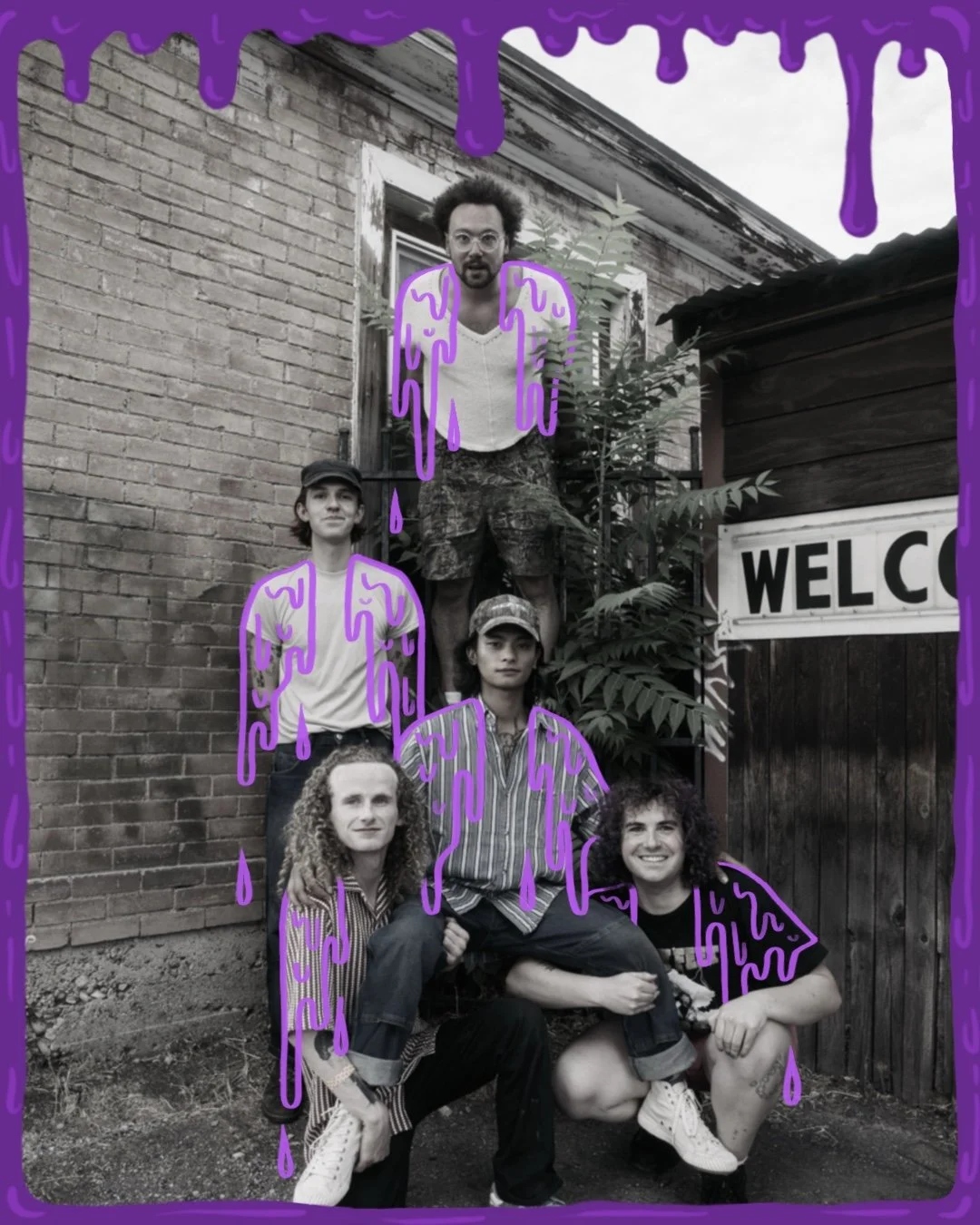
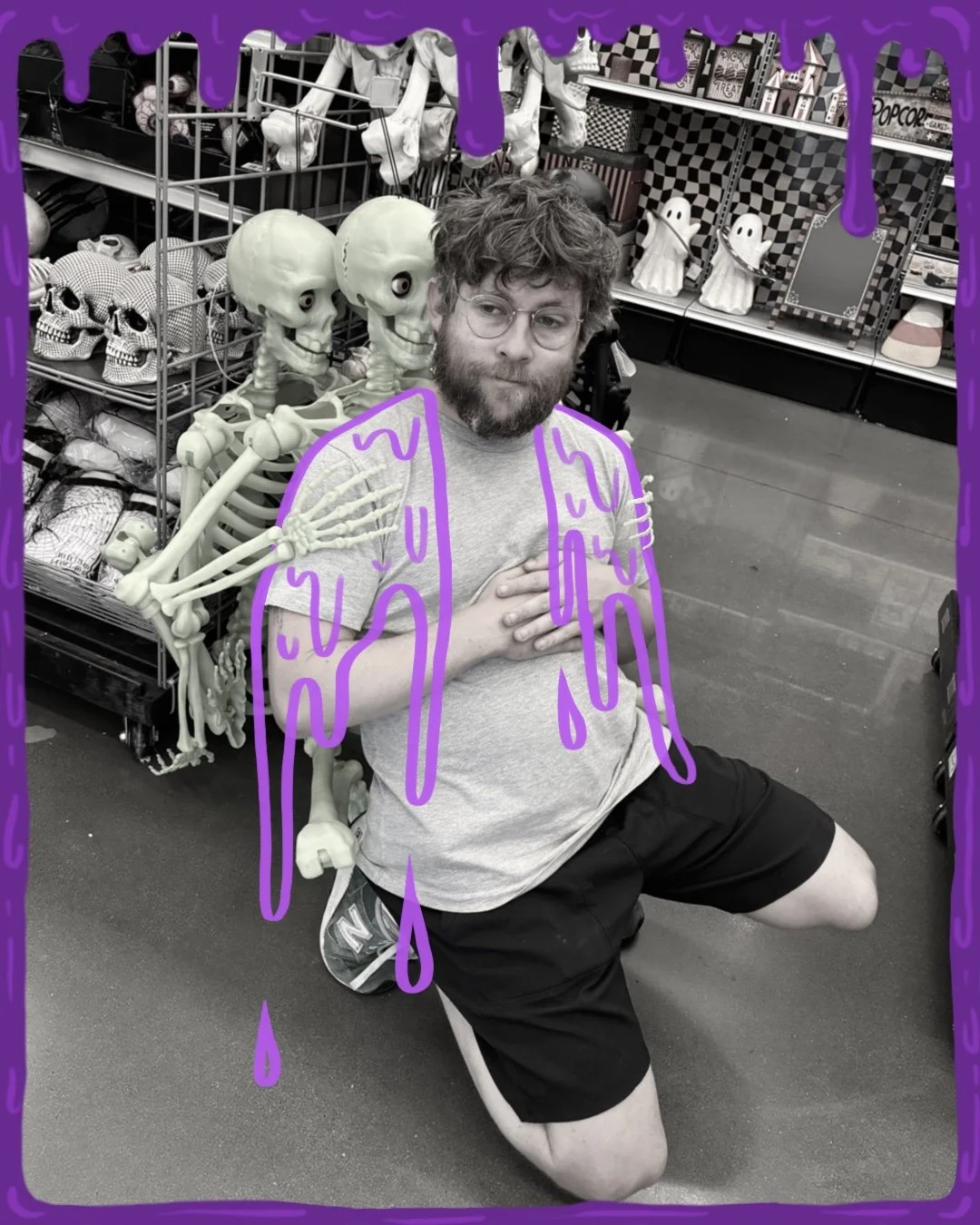
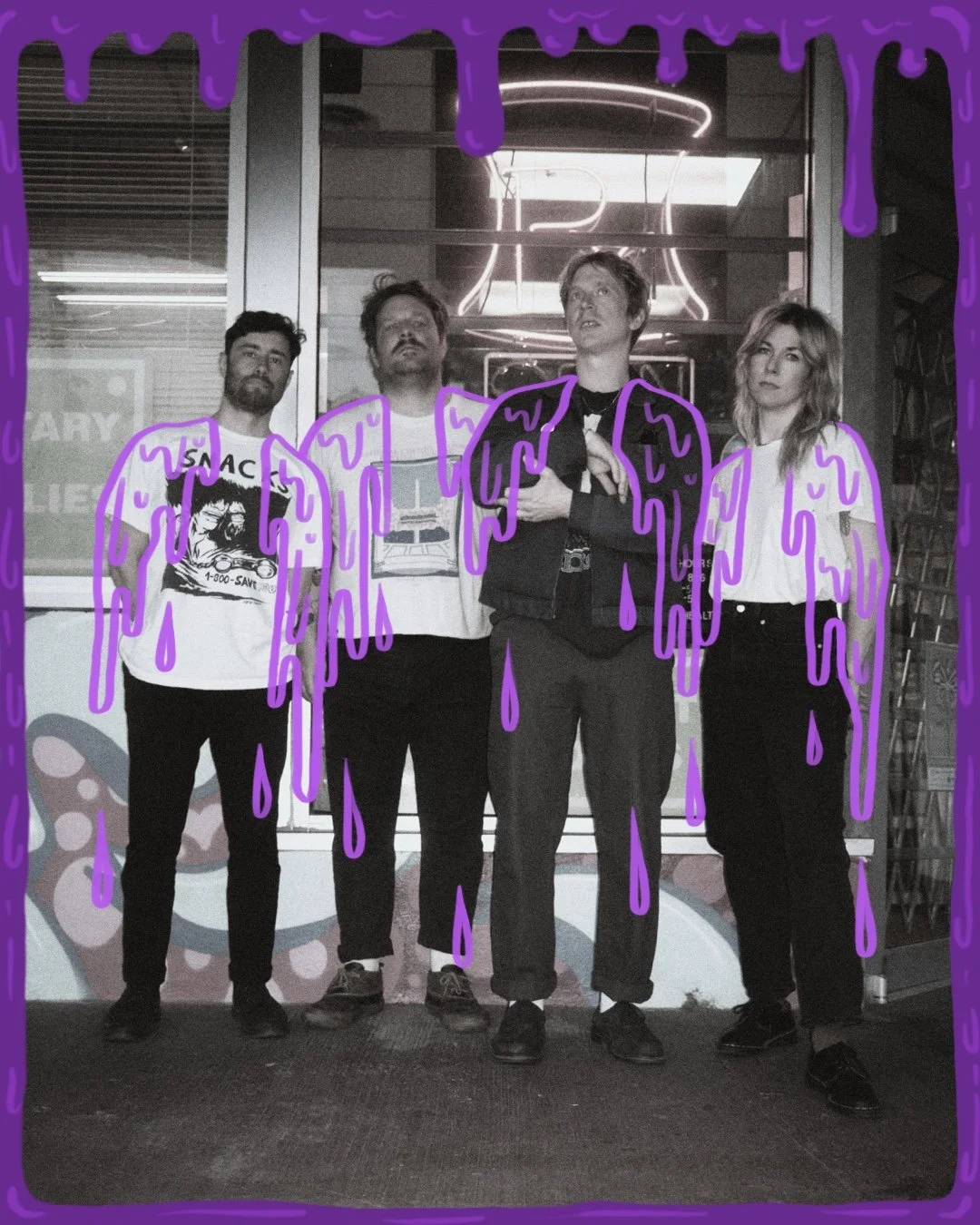
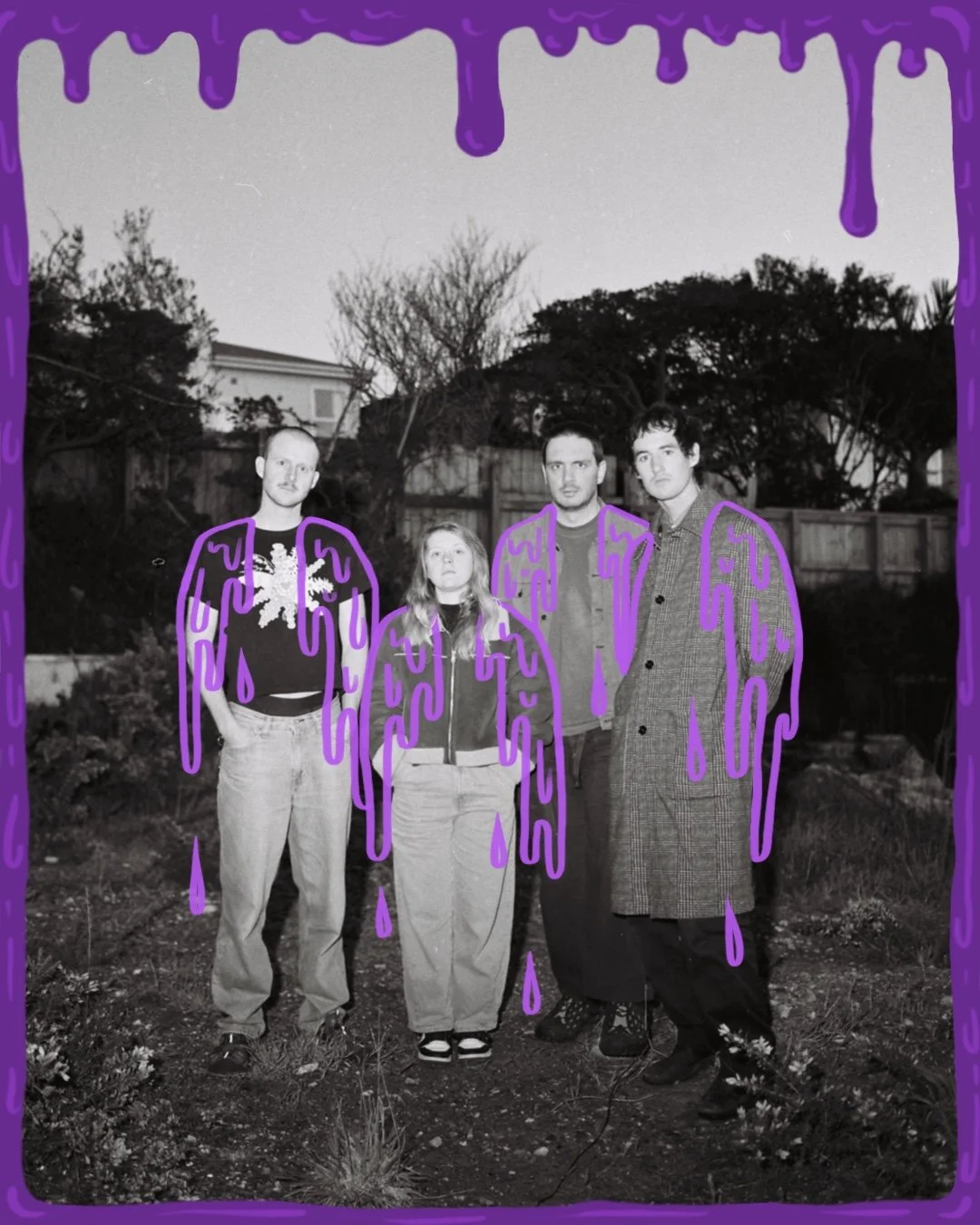
Artist Profile: Jonny’s Day Out
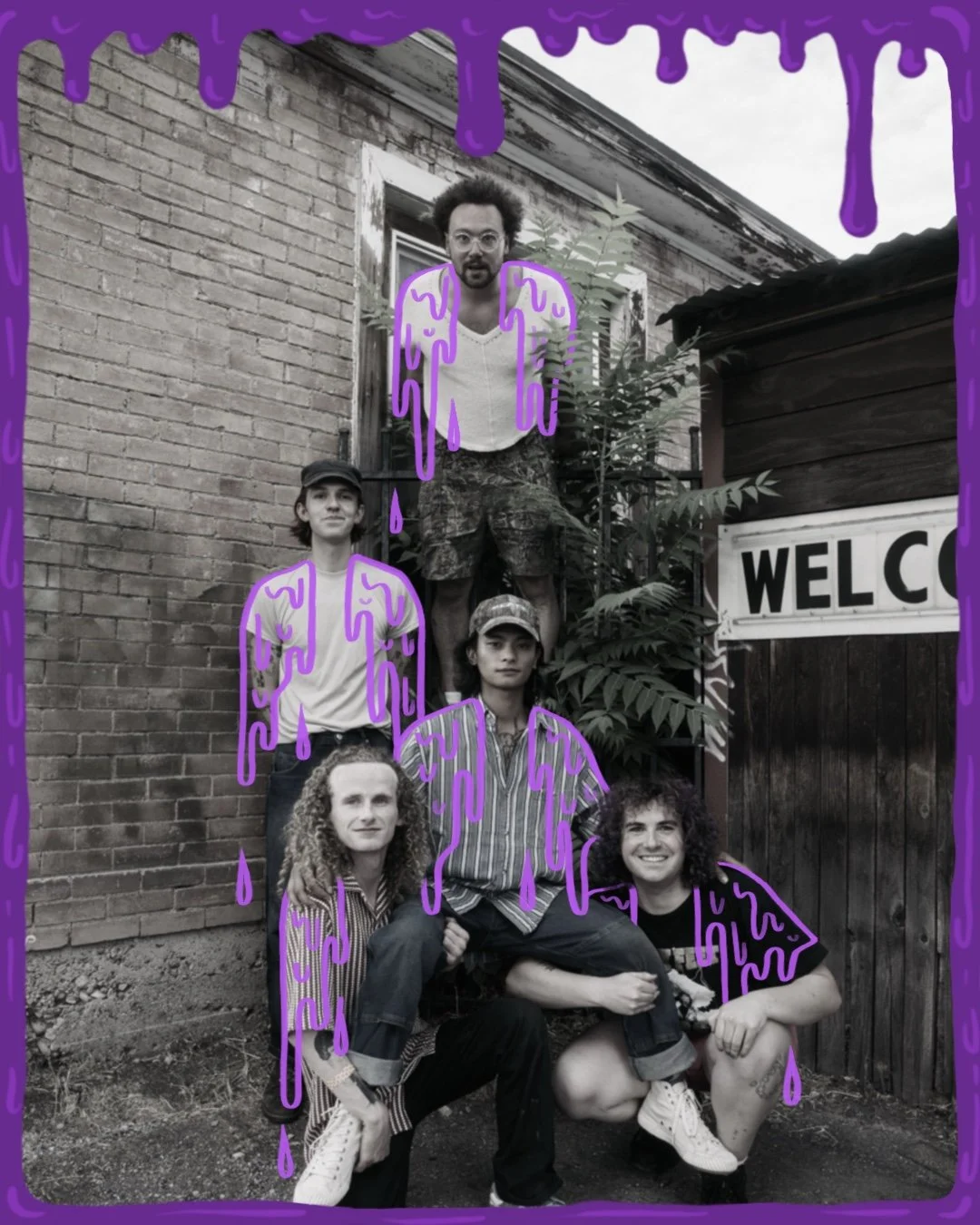
Photo Credit: Victoria Hills
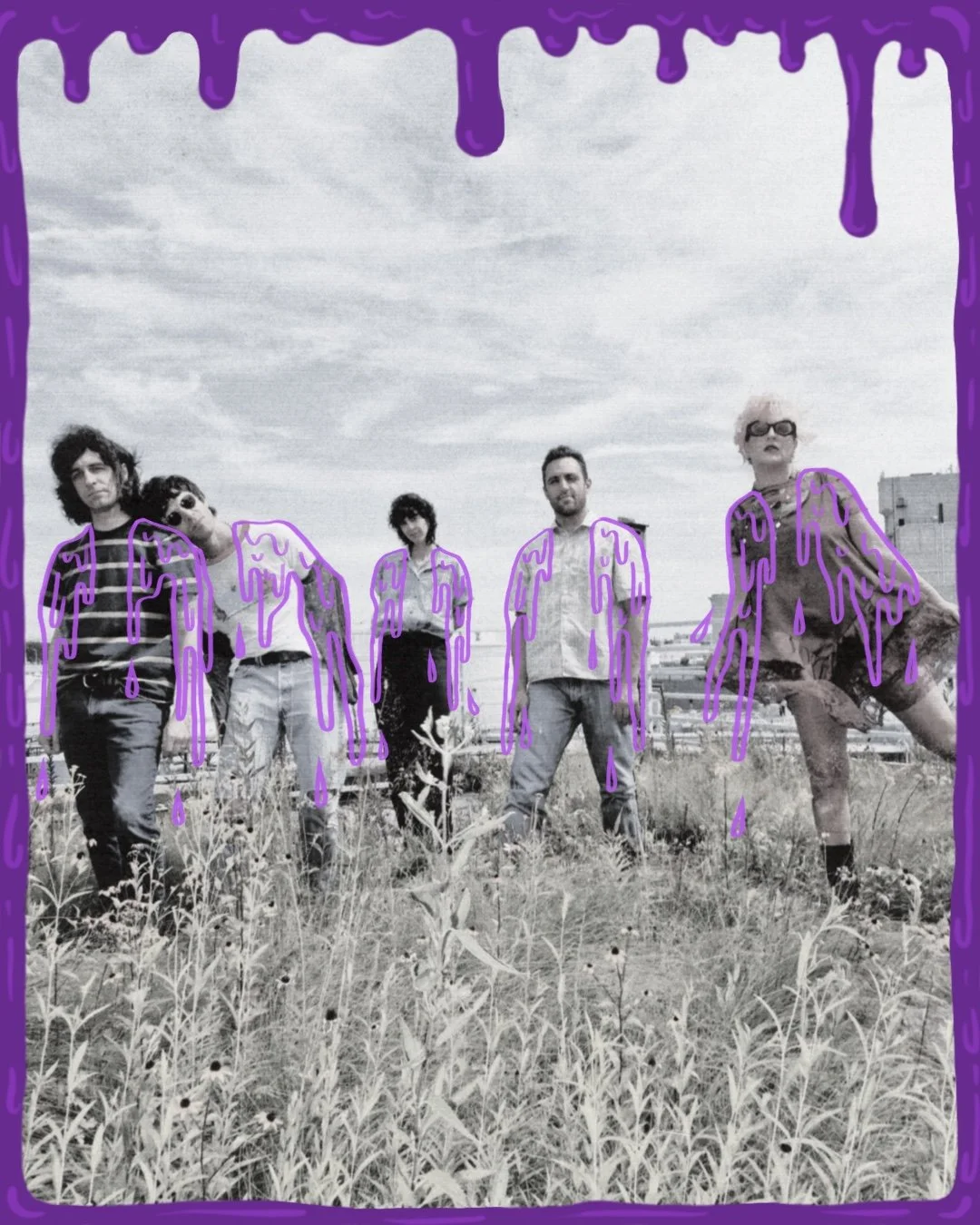
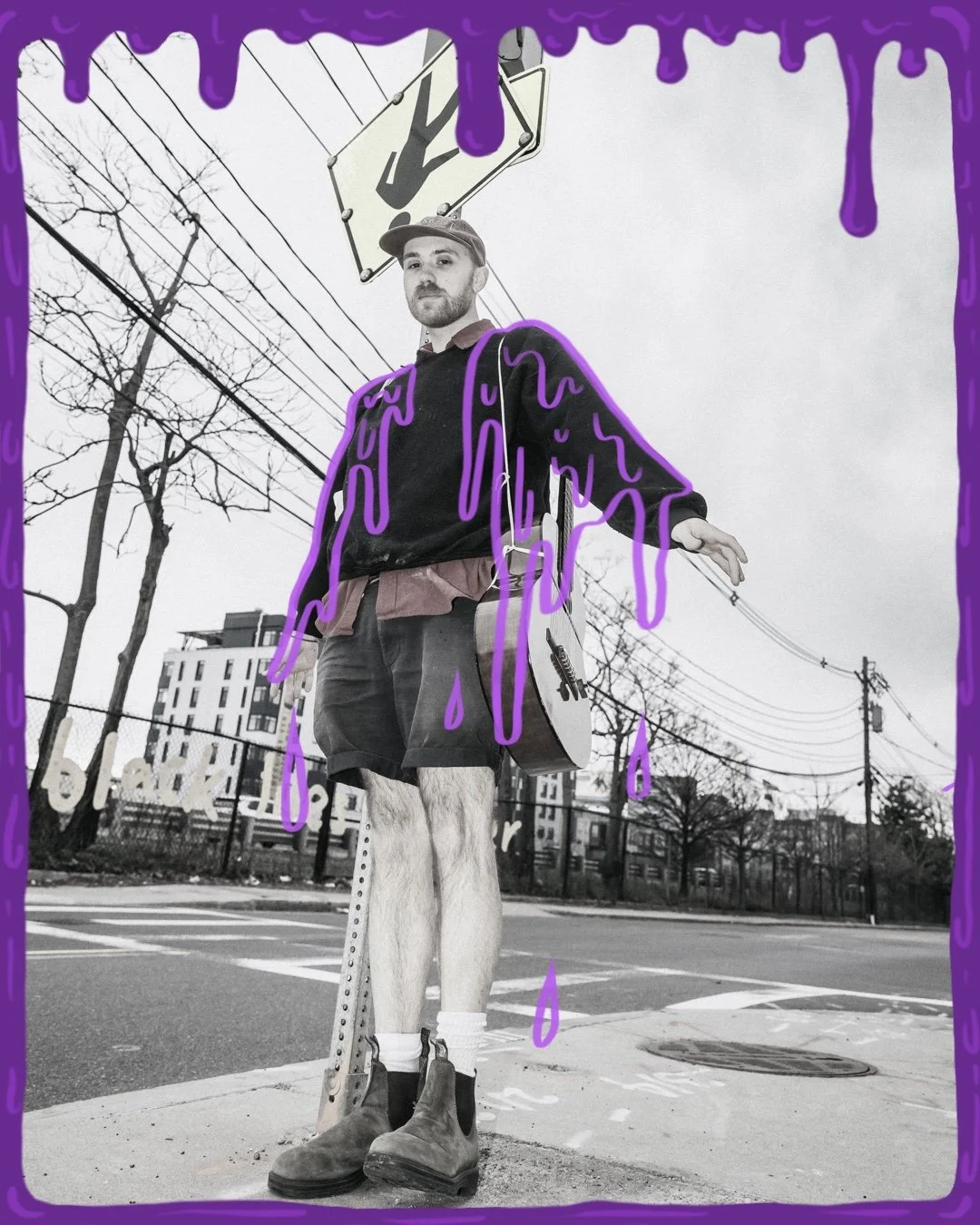
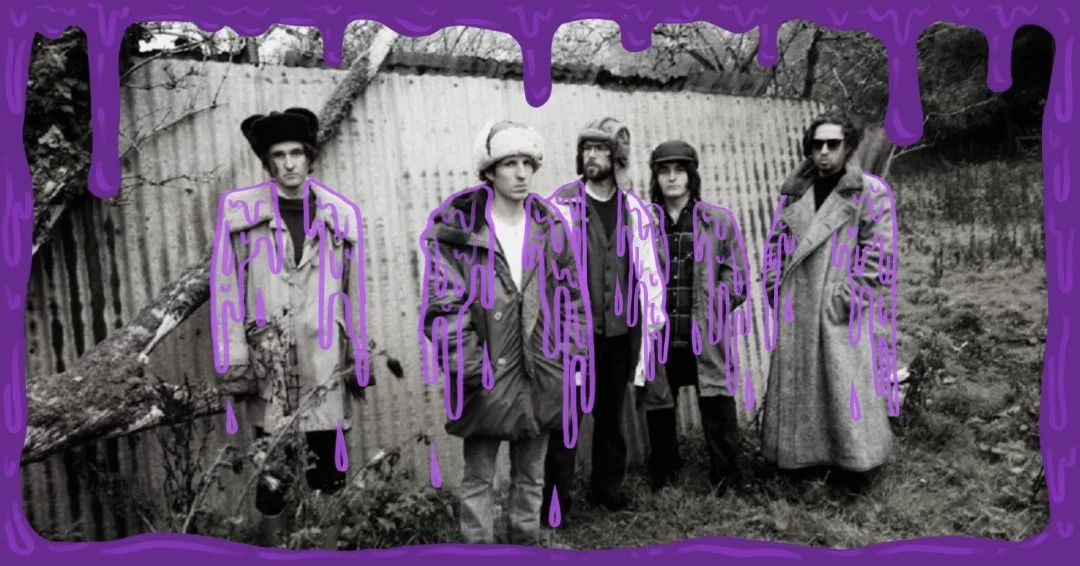
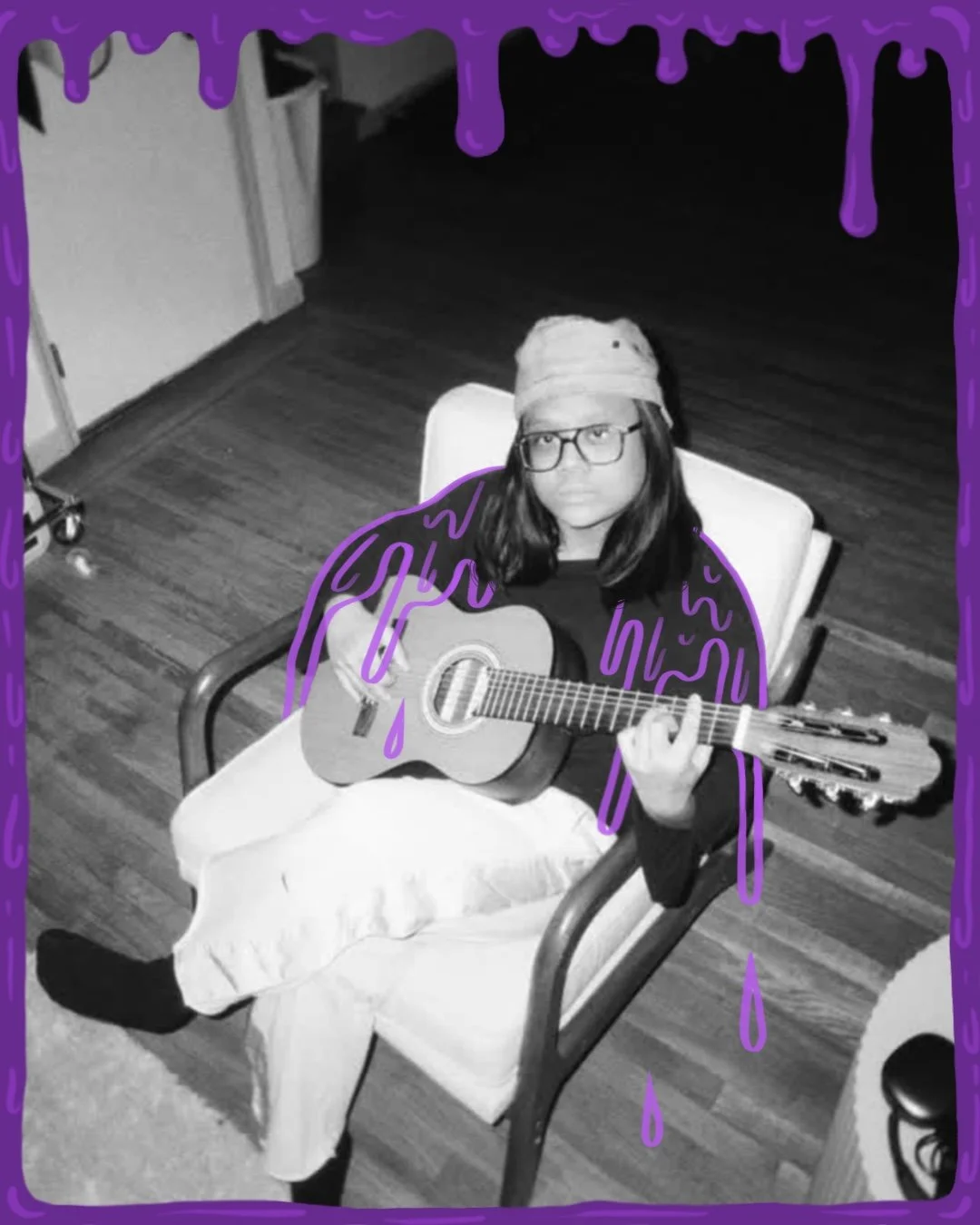
Portland rock outfit Jonny’s Day Out has been interweaving ambient, experimental passages with a straightforward indie ethos since their official re-formation in 2021, but when they sat down to work on their debut record, JDO, it was their decision to embrace the latter part of their sonic roots that came to define the band and their pursuits. Although the foundations of the group go back to Avery Haines’ and Blu Midyett’s childhood jams and busking endeavours, it was this recent shift in focus that truly cemented the band’s intentions— and the pure clarity and focus of the record is ample evidence of that fact.
The roots of JDO, although it came out just in June, can be traced back over a decade to the childhood friendship of Haines and Midyett. The pair met as neighbors in early elementary school, and they quickly bonded over their shared interest in music. Midyett would show Haines endless bands and albums he had inherited from his parents, including The Flaming Lips, The Talking Heads, and The Police.
The pair began busking together on street corners around the city, and as they advanced into middle and high school, they naturally entered the local band scene together. Midyett had started a band with guitarist Eli Goldberg in seventh grade, and when they needed a vocalist, they naturally enlisted Haines.
Over the next four years, they played seemingly endless shows around Portland— earning their chops on the stage and learning, first and foremost, how to exist as a band in the local scene. Although they haven’t carried over much sonically from that early period, both Midyett and Haines remember that as a formative period for their understanding of the music scene in general.
“We filmed a bunch of music videos, and we were just figuring out how to play shows and how to gather a community around the music,” said Haines. “I feel like a lot of the things that we do today still come from that time, that era of making music, where we can create something out of nothing and people will come to a show and it feels like a community to some extent. That era was fundamental.”
When the trio went their separate ways for college, the band still continued in a limited capacity. They would jam and play occasional shows when they were home on breaks. But gradually those efforts tapered off, and they came to a stop completely when COVID entered full swing.
During that time, both Haines and Goldberg had also begun to develop their own solo projects. Haines’ was called Aimless Heart—a folkier, acoustic recording project—while Goldberg delved fully into the ambient electronic scene with his Ann Annie venture.
By the time COVID restrictions started to let up, the pair had gained relatively sizable audiences, and they decided to put together a joint tour with their solo acts. Although it ultimately fell apart as the second wave of the Pandemic hit, the desire was there to begin working again, and by the time they finally got the opportunity to put a tour together, they were already jamming and hammering out ideas for a sort of “reunion” of the original band.
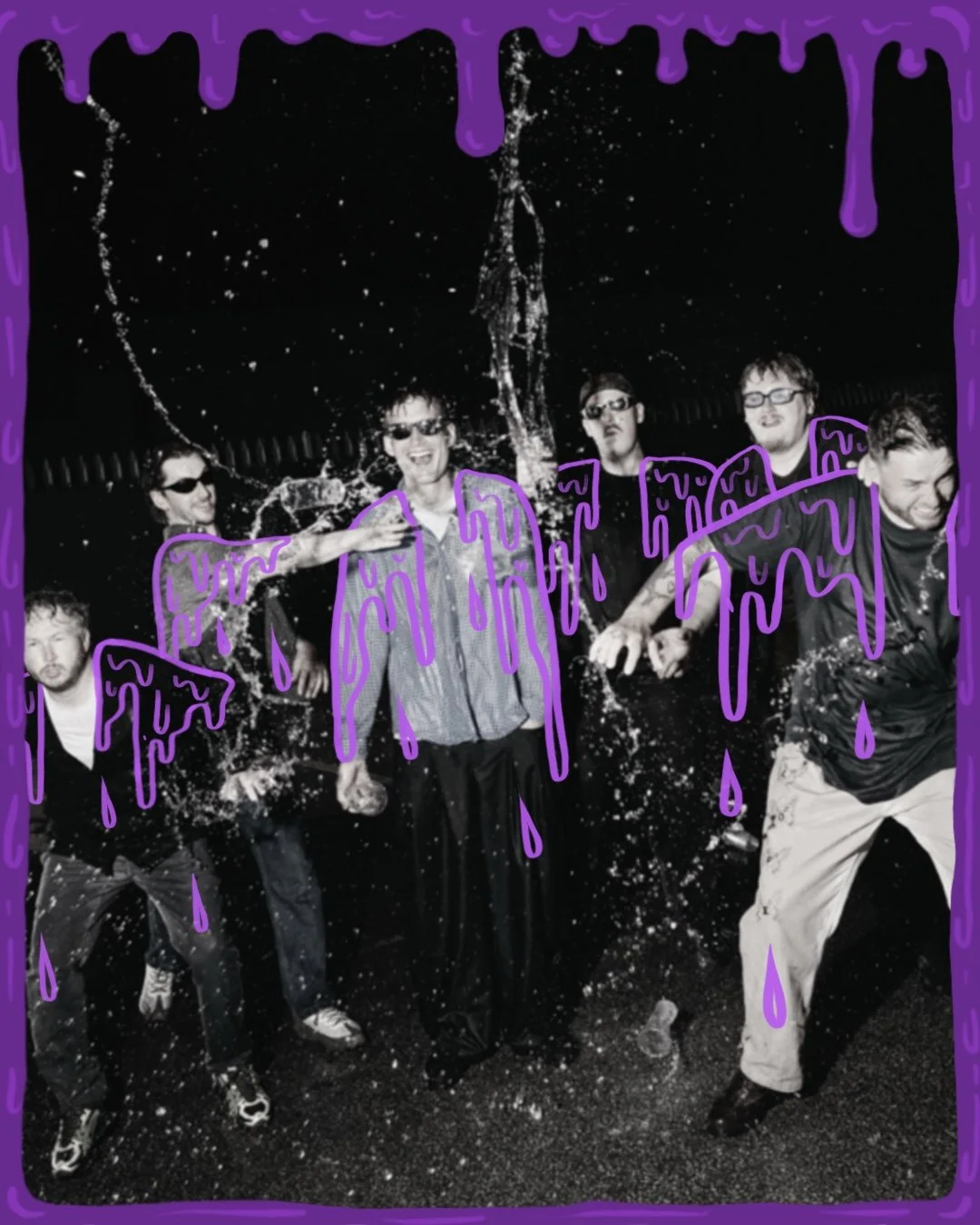
They obviously enlisted Midyett, and as the project continued to take shape, they also brought on Will Dowden as their drummer and Jude Abare to play trumpet and keyboard.
The problem was, since they had all gained new influences and taken vastly different paths within their own musical journeys in the years they were apart, there wasn’t one clear direction where they could take the sound of Jonny’s Day Out. The initial idea, according to Midyett, was for a dance-pop ambient electronic project— something akin to what Goldberg was working on but that still would harken back to their rock-adjacent roots.
That never came to fruition—but the result of Jonny’s Day Out’s early endeavours was still a tantalizing brand of rock playing with many of the experimental themes and ambient undertones present Over their first pairing of EPs, Please excuse our mess and Bear, Hello, you can certainly hear the group ironing out the kinks in this idea.
“Specifically that first EP, we wanted to lean into some of the skill set that Eli has of this massive space and patience in ambient music, but also make it accessible. So the first song on that EP is just like an eight-minute long ambient piece. I still love it,” said Haines. “We were definitely still searching on how to incorporate all the things that we love into this sound. And I think it came together a little more with the second EP. And then with this album, it feels a bit more concrete.”
Midyett puts it in similar terms, although he highlights a realization the band had prior to their work on JDO. After two EPs spent trying to sort out a balance between these two sonic strands the group was attempting to intertwine, they decided to lean fully into the rock sound that they felt had been bubbling beneath the surface all along.
“We [were going to be] a synth ambient folk band… and that idea stuck for a while. At least for a couple years after that it was like, ‘Well, we still need to have the modular synth, but we can't forget about these roots. We’ve got to have that.’ It took, honestly, up until this making this new record to fully shed that idea. That's when we just started being like, ‘We're a rock band.’ Let's just say that. And it made it a lot simpler.”
Of course, Jonny’s Day Out didn’t spurn the complexities or the enticing dynamics of their earlier sound, but they did gear more towards a raw energy that comes across wholeheartedly on JDO— spurred, in part, by the addition of Jasper Gill as their new percussionist.
In the electronic-driven grooves of “Catwalk,” the driving, distorted rhythms of “Zumba,” and the wailing, indie overtones of “Seabiscuit,” there is one common thread— an energy and infectiousness that exudes naturally from the band’s creative forces. It leaves JDO as much more than a debut.
It’s a band discovering its identity in real time: a living, breathing example of what it looks like to successfully combine a host of disparate styles into one cohesive effort.
For Midyett and the rest of the band, though, JDO is only just the beginning. From here, it’s an effort of continuing to hone that sound and continuing to grow the community they’ve built around themselves in the Portland scene.
“I think we did a really good job dialing in a sound that was new and interesting for this album… When you put something out, you obviously want to have a huge return and listeners and fans. You want to be able to get the positive feedback that kind of justifies all the work and sacrifice you put in. And it's kind of a balance of making it for yourself and your band and your people, your community… And then there's the other side: wanting to be proud of it because it's taking us to another level. That’s the puzzle we’re all trying to crack. We're trying to figure out how to get people to take your art seriously, and want to listen to your art and pay attention to your art without having to be told to.”