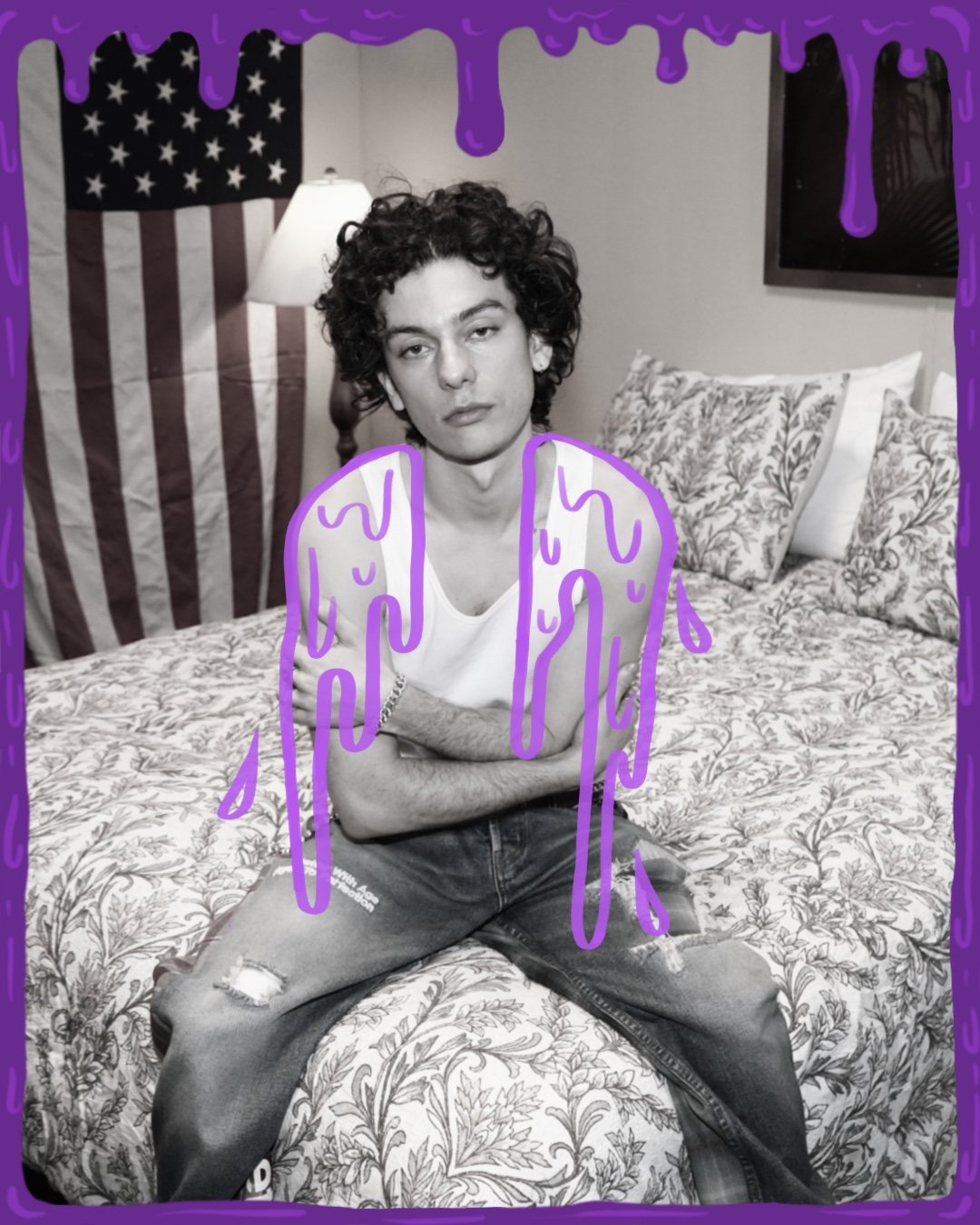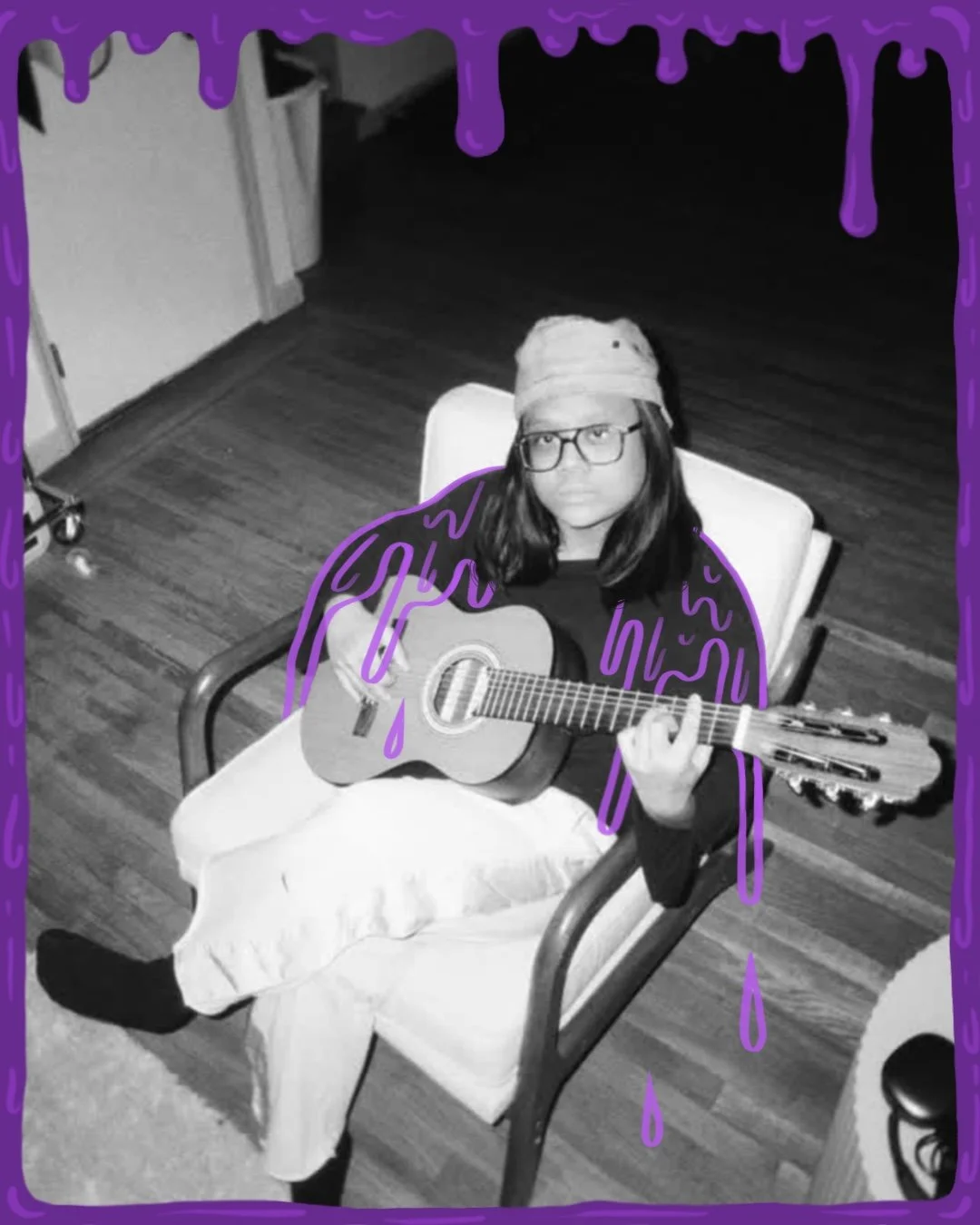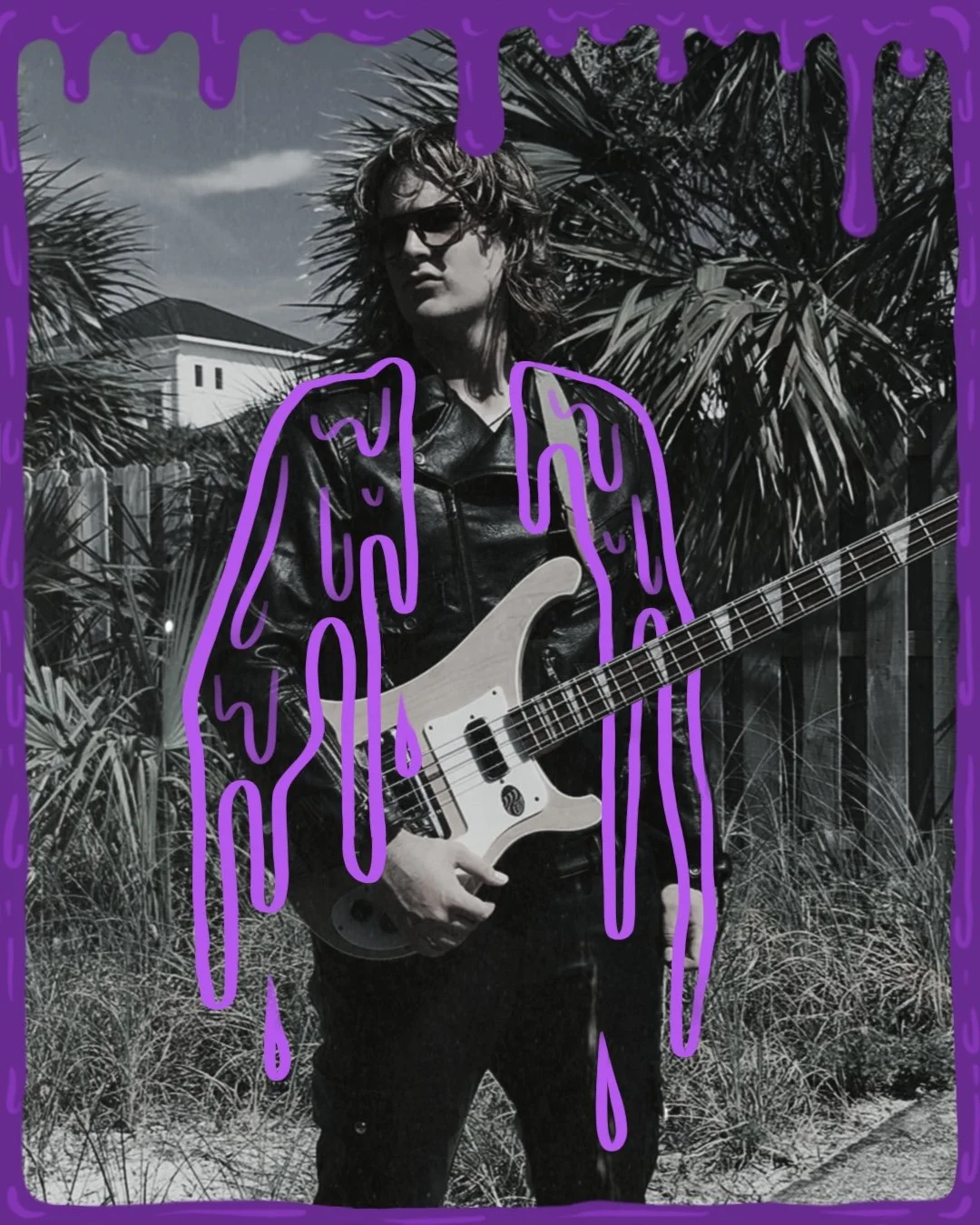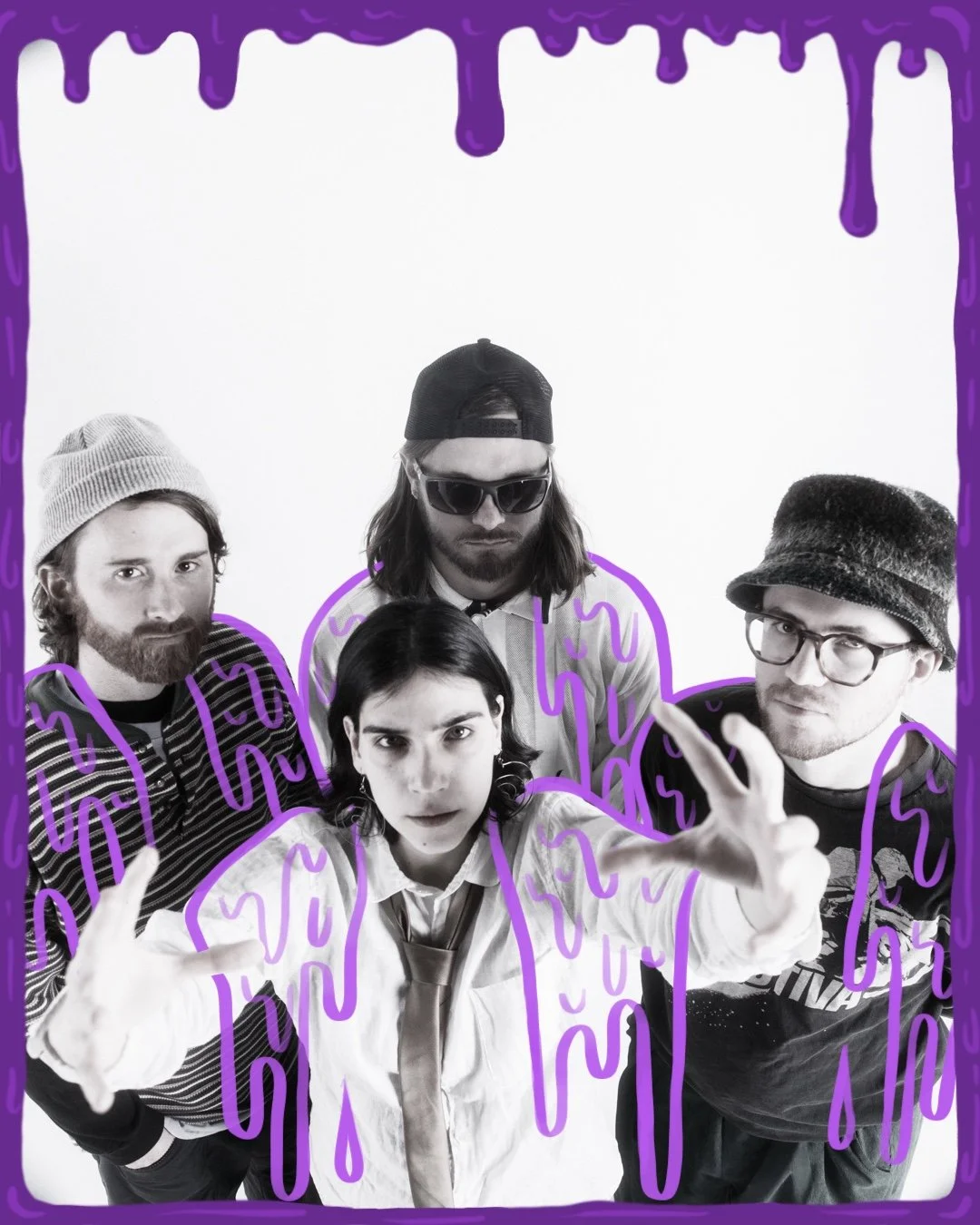
For Nara Avakian, the titular member of trip-hop/indietronica outfit Nara’s Room, the creative act was largely always something very personal and private. Guitar and the art of songwriting, through high school and college, served as a sort of safe haven for Avakian: a place where they could retreat and flesh out their own inner turmoil without any set of external expectations bearing down on them.
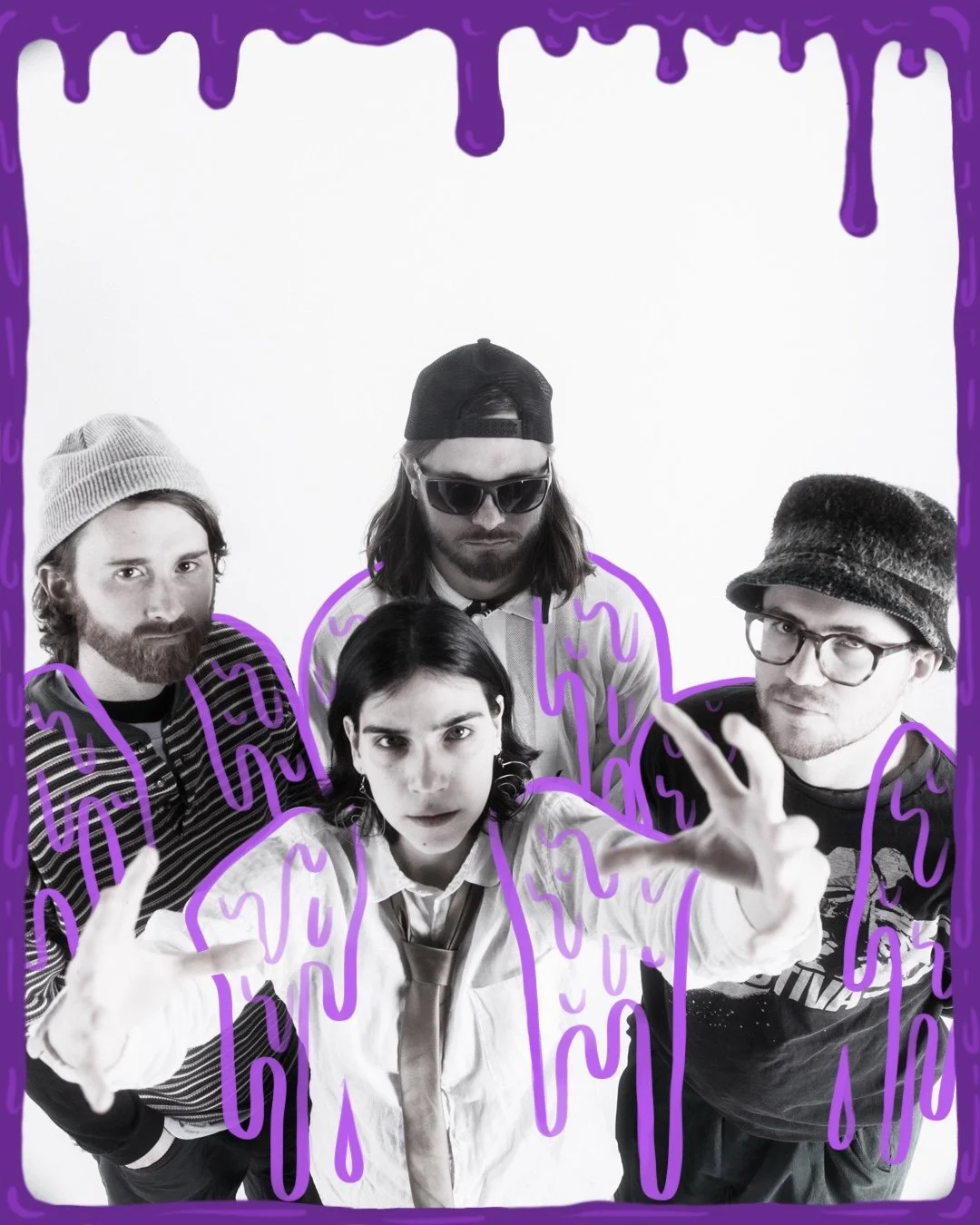
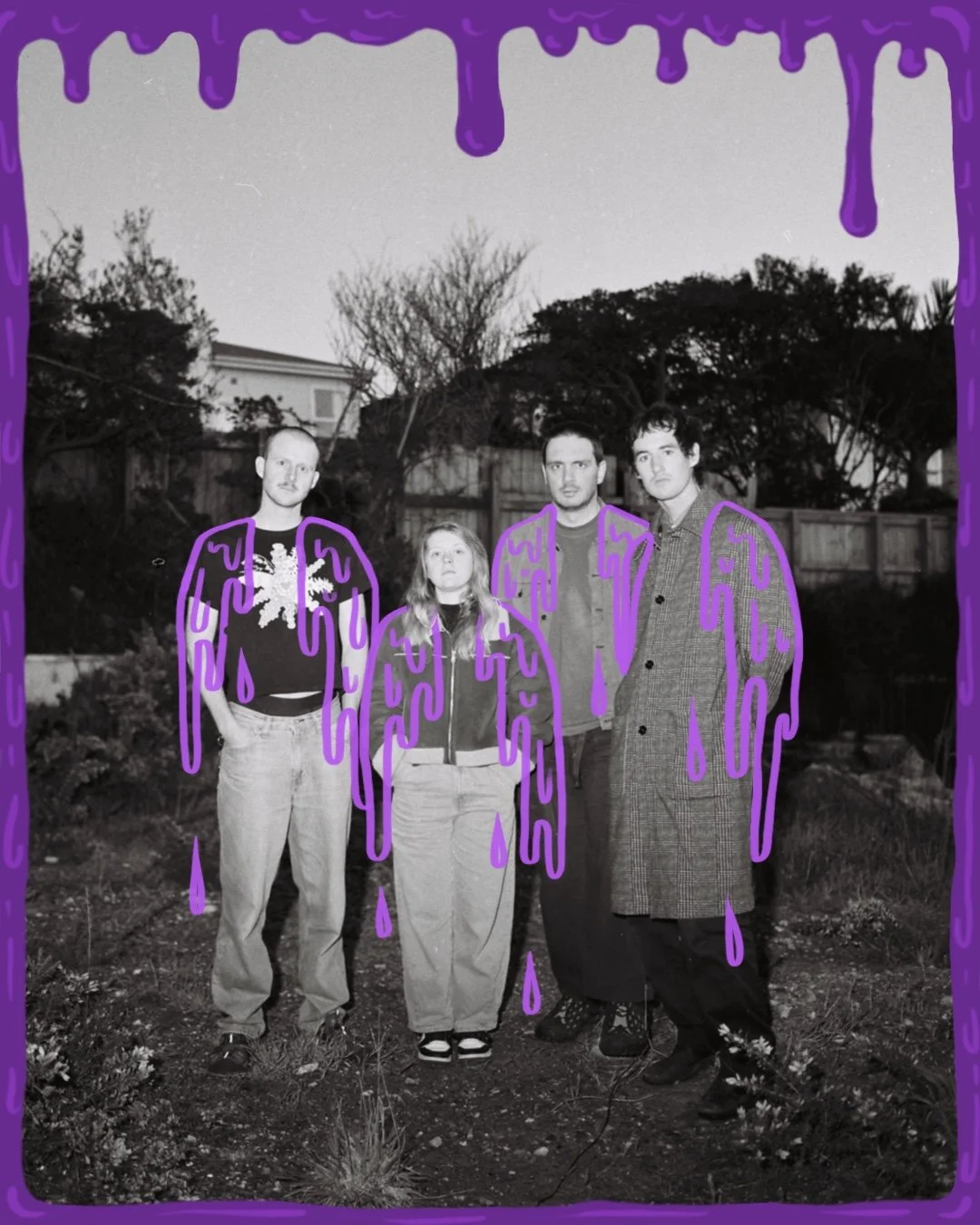
But as the full-band project of Nara’s Room has continued to expand—adding Ethan Nash on bass, Brendan Jones on drums, and Will Fisher performing what the group calls “ambient duty”—it’s been a process of relaxing that intimate grip that, for Avakian, has truly allowed their songwriting and the experimentations of the band as a whole to blossom.
As personal and private as Avakian’s first forays into music and artistic expression were, though, their journey with art has always taken on a collective and familial complexion. They first started playing guitar as a child in an attempt to emulate their older cousins—each of whom were deep into the MySpace music discovery scenes and had their own unique interests as teenagers in the ‘90s. On a deeper level, though, Avakian also believes there’s an artistic lineage to be tied back to their great grandparents, who lived through the Armenian genocide and fled to both Ethiopia and Turkey prior to World War I.
Their grandfather was a tailor—who got the opportunity to make a custom suit for Muhammad Ali when he owned his shop in Hollywood—and both their parents had artistic pursuits of their own. For their mother, it was visual design, and for their father, it was craftswork.
“For me, music runs much deeper, because I think about my great grandparents who were orphaned during the genocide. Were they artists as well? Did they have any opportunity to pursue that?... I do believe I come from this long line of artists that just were under these violent circumstances where they couldn't necessarily engage with that. So, me being a first generation Armenian American, what do I do with that?”
Nara, in fact, remembers their extended family as having played a large part in the foundations of their artistic journey. They got their first guitar—a used, child-sized one—from their cousin Manuk (who had received it from their cousin Seto). They bought their first vinyl visiting Amoeba Records with another of their cousins, and it was their aunt Seta who would take their to plays and give their various books to read throughout their childhood.
It was only natural, then, when Nara took to songwriting as their chosen pursuit. But growing up in a quiet house, their explorations were largely confined to acoustic noodlings and experimentations while they worked on homework—and the development of their own personal taste followed that sort of subdued arc as well.
“I only played an acoustic guitar in my room. I had an electric guitar, but I never played it because I grew up in a very quiet house. And I was very shy… So I think Tumblr was really important for me in terms of my self discovery, which I think in many ways mirrors my cousins’ journeys, because they were on MySpace. And they were also exchanging music burned on CDs via LimeWire, you know what I mean? Although the technological medium was different for me, that kind of micro-generational difference, I think that was really how I came into my own.”
During their time at UC Santa Cruz, they would record short, minute-long instrumental tracks and upload them to Bandcamp from their dorm room. But as time went on, they started to amass more and more lyrics, and they decided to give performing their songs a shot. That pursuit blossomed when they moved on to NYU—they started attending open mics, and after their performance in a particular showcase in the NY scene, a pair of musicians from the crowd approached them and asked if they needed a bassist and a drummer.
They had never truly even considered the thought of having a live band before, but they figured there was no harm in seeing where it went.
That trio only played a couple of shows together, but Nara was intrigued by the way their largely acoustic sound was fleshed out and transformed in that setting. Once those two musicians fell away from the project, Nara decided to put out a Craiglist ad seeking a new band—and it was through that inquiry that they found Nash and Jones.
The trio didn’t even have a singular practice with all three of them under their belts before their first live performance (which is available on Spotify as their gnaw (live sessions) EP), but Avakian could immediately tell that there was a chemistry there, and a willingness to experiment and adapt, that fit their budding indietronica sound perfectly.
Having developed their playing style largely in isolation, Avakian knew they needed special and dedicated musicians to help arrange around their eccentric and, at times, unorthodox ballads.
“My playing is so unconventional, different tunings, the timings of things shift, and I'll never forget Ethan in our rehearsal space, trying to write these bass parts, I'll never forget him leaning against the wall, having to like take a breath [laughs]. But he was so committed and excited. And he's just incredible. We really were kindred spirits. I'd like to think everyone in my band were my musical soulmates.”
From there, Nara’s catalogue of songs only continued to grow, and once the band found a more cohesive form, they decided it was time to record a full-length project. They booked a studio at Clive for a few days, and they emerged with Glassy star— a nine-track collection of some of Avakian’s early, indie-inspired workings.
But it was their addition of Fisher, working on keyboards, synths, and various ambient sounds, that truly brought the band’s sound to its most cohesive form. Their second album, Tearless, thoughtless, was recorded after Avakian left NYU—but they were still able to use the resources at Clive to craft an intricate, expansive, and blistering set of tracks for their sophomore effort.
But even more than the expansions in Avakian’s own songwriting tastes, they claim it was the additions of their bandmates that truly shaped the sound of Tearless, thoughtless. In the interim between albums, they learned to let go of the final form of many of the band’s arrangements. Whereas their natural songwriting style leans toward an acoustic sort of ballad, the introduction of Fisher’s Y2K soundscape, combined with the rock-inspired leanings of both Nash and Jones, lend the album a much fuller and complete scope.
“Although I am the songwriter… in many ways, from Glassy star to Tearless, thoughtless, I let go of that ego and control. I let other people take the lead. The boys have always kind of, in their arrangements, shaped the universe of the song… I have to, you know, in the best way. I think that's how a band succeeds in that sense. They're the ones who set the tone in many ways.”
Nara has begun writing again, but the band’s focus, for now, is on spreading the word of Tearless, thoughtless as widely as possible amongst their local scene in NY. When Nara’s Room inevitably returns to the studio again, though, Avakian wants it to be done with the same release of expectations and pressure that defined their second record. While Avakian’s artistic pursuit is no longer as private and quiet as it was while they were growing up, it has now taken on a distinctly fuller life in its experimentations and Y2K, indietronica leanings.