Artist Profile: Otlo
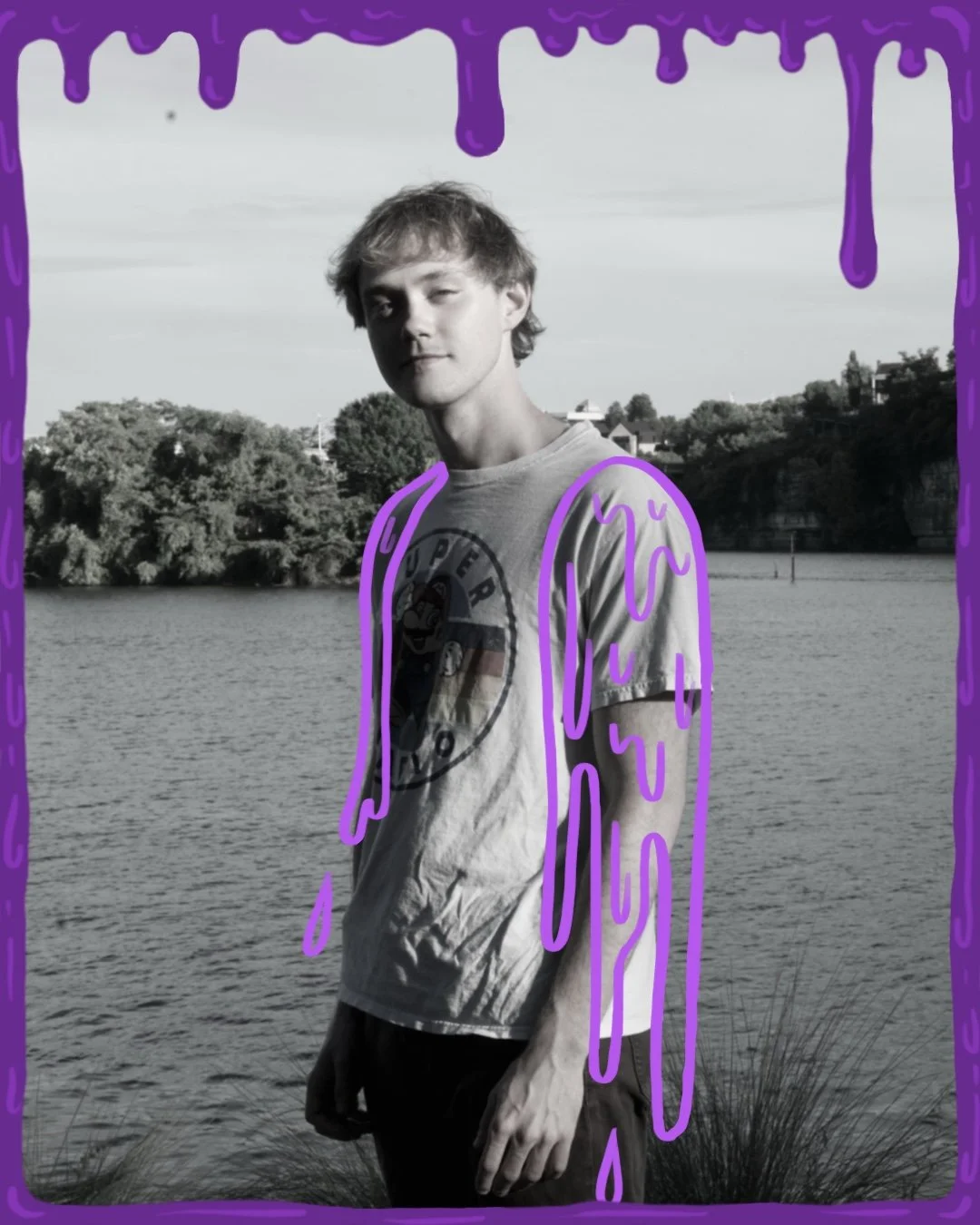
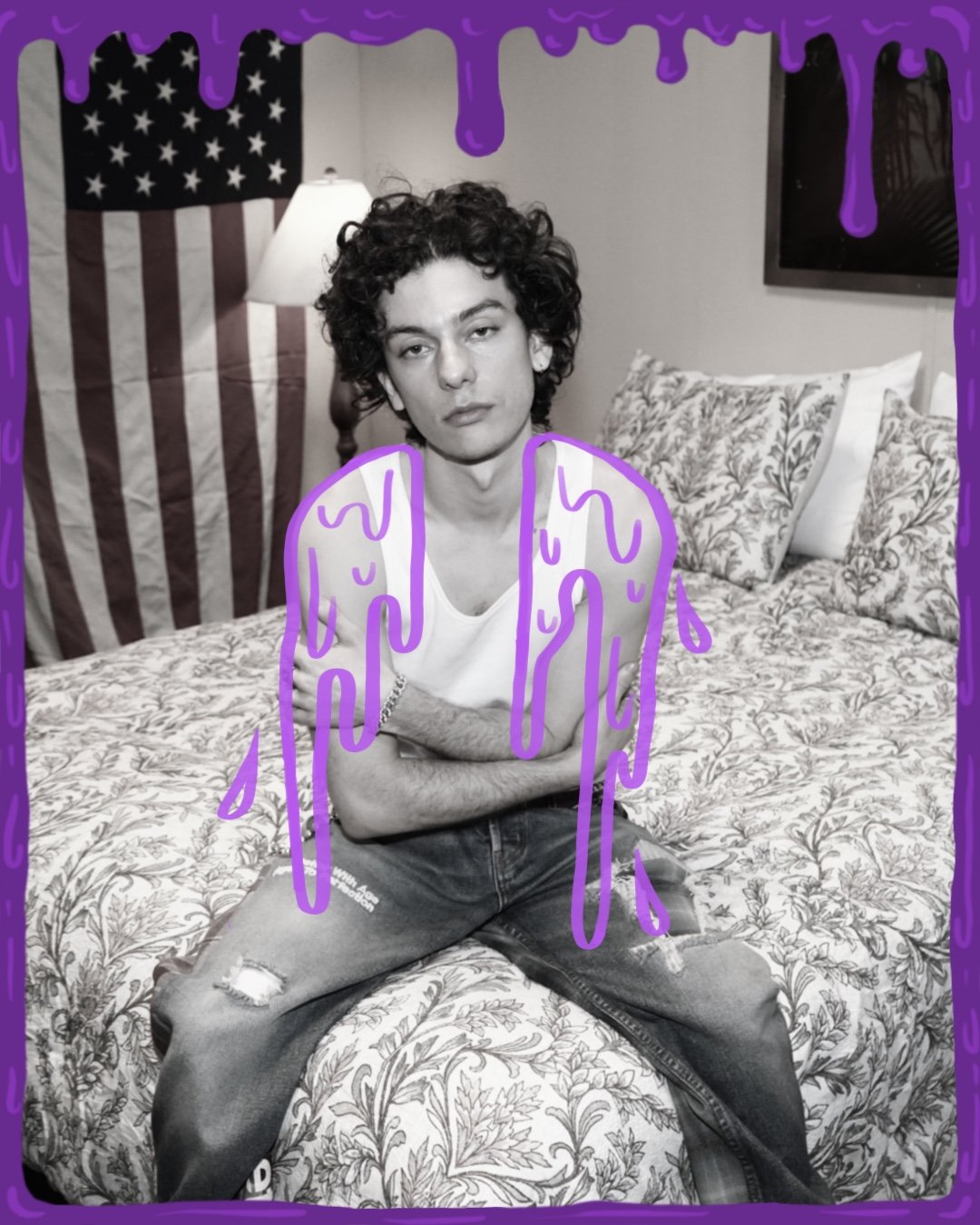
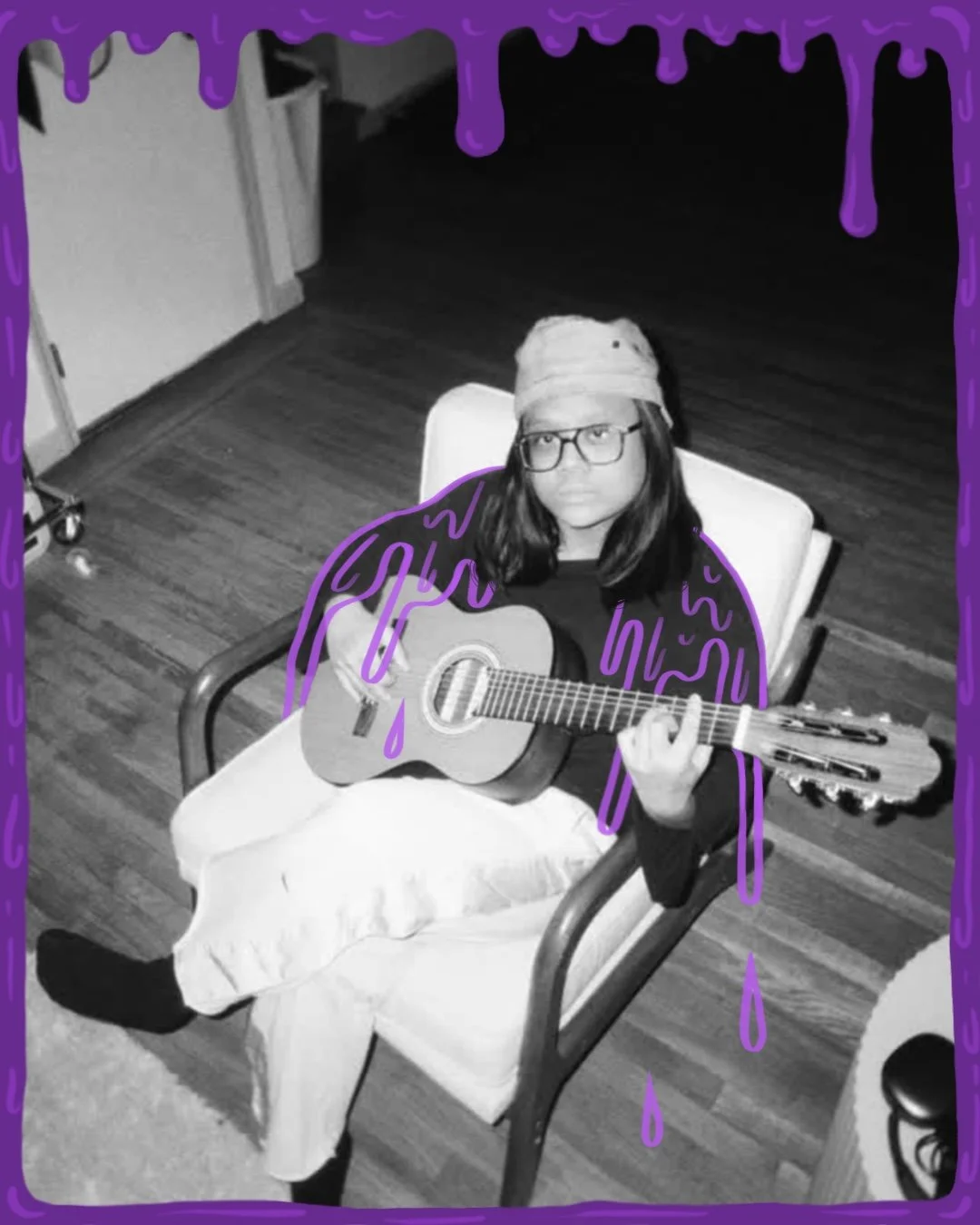
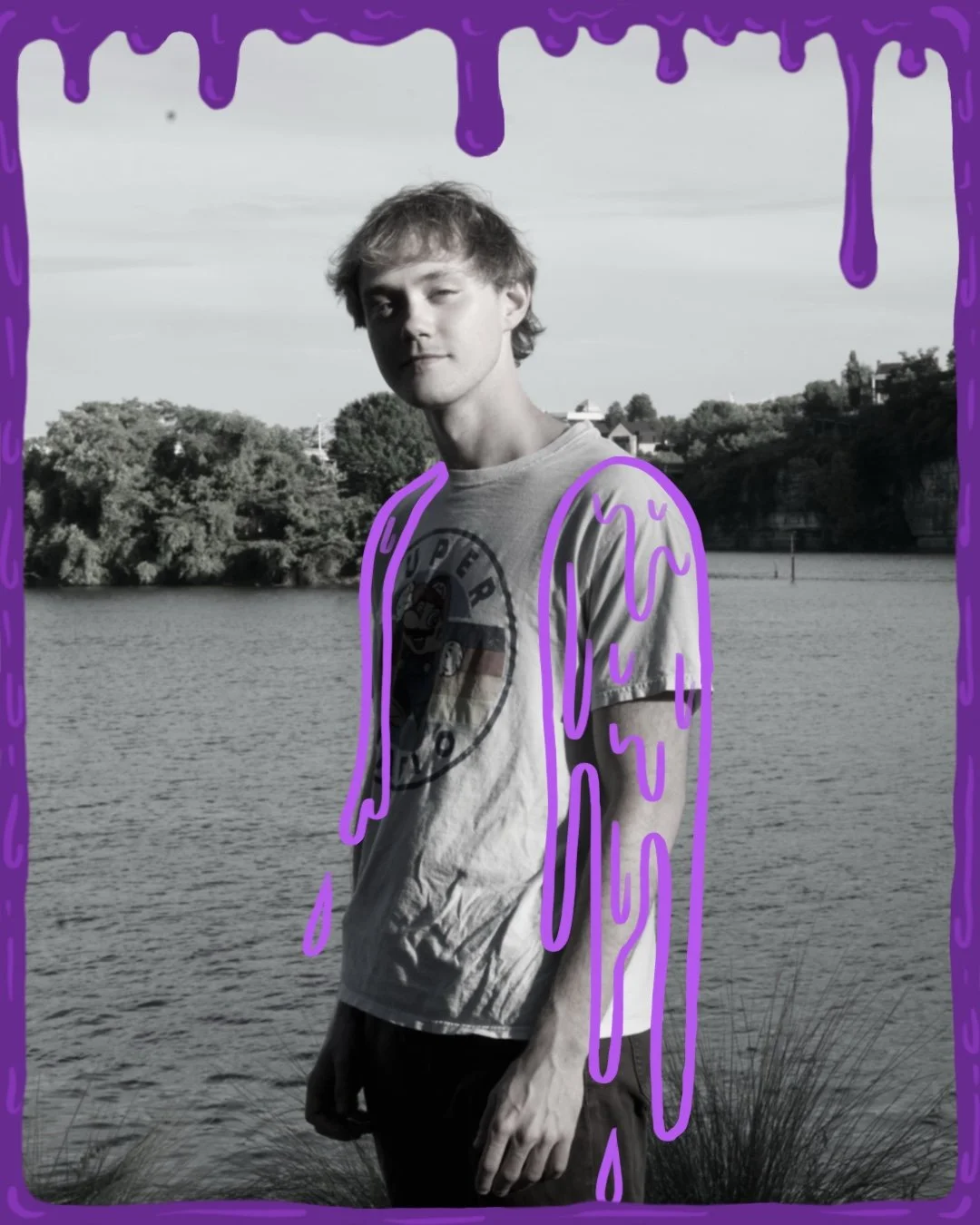
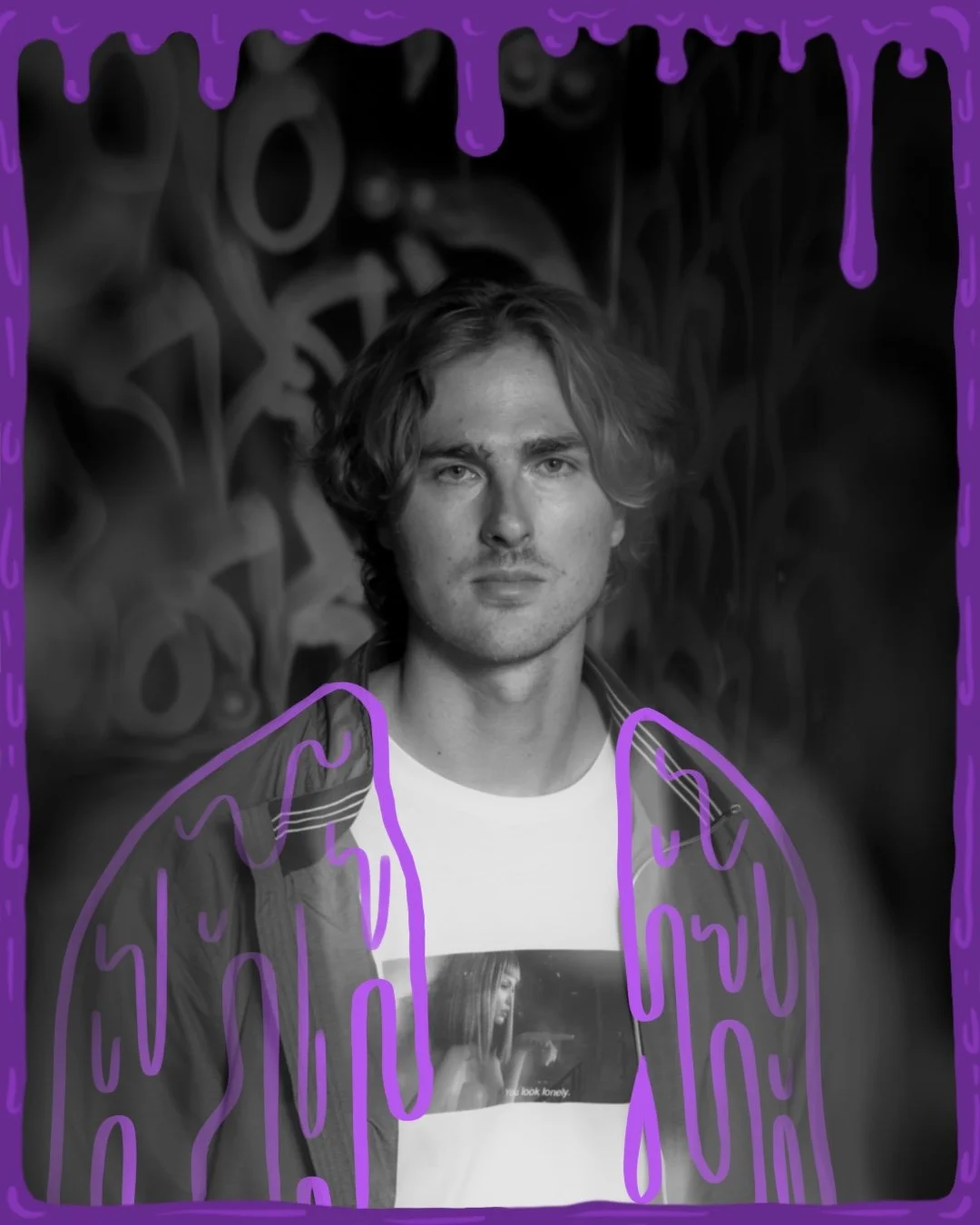
Otlo, the artist moniker of Tennessee-based indie and vaporwave-influenced songwriter Preston Bearden, first began as simply a creative outlet— a way for Bearden to explore a sonic niche that he had fallen in love with as a teenager during his first real exposures to music. But as he continued to delve deeper into the world and the character he had created, he felt himself becoming more convicted of his creative aspirations, and his latest album, A Boy Can Dream, shows the vulnerability and the openness of sound that has accompanied that development.
Growing up, Bearden’s experiences with music were limited. He took piano lessons as a child, but he quickly lost interest in the instrument. His parents’ obsessions were with synth-heavy ‘80s music, and although some of those sounds populate Bearden’s music today, they didn’t fully appeal to him back then.
Instead, Bearden’s interest in music didn’t pick up until he was in high school, when his older brother first showed him Mac DeMarco and other artists from the mid-2010s indie scene on their daily drives to school. Bearden began exploring the genre himself, slowly becoming immersed in the reverb-filled atmospheres of acts like DeMarco, Dayglow, Men I Trust, and TEMPOREX.
But Bearden was, in a relative sense, late to the party. By the time he discovered this vein of indie music, most of these artists had moved on to different sounds. It was a natural evolution of the genre at the time, but it was one that left Bearden with a deficit of music that fit the entrancing vibe he so earnestly sought out.
“I ran out of stuff to listen to because, by the time I came around to that style, it had evolved. You know the song “Lover is a Day” by Cuco? That came out in 2016. And by the time it came around to me, he was already on to different stuff. It’s the same for the other artists as well. And I think I just thought, ‘Well, maybe I'll try and try my hand at.”
This gradual realization was then coupled with Bearden’s first experiences at college, where he went initially to study computer science. Although he, at first, found the subject interesting, he quickly grew tired of staring at a computer screen, laboring over lines of code and arcane logical problems. Towards the end of his freshman year, he came back to his dorm room with one thought crystallized in his mind— it was time to find something else to pursue.
“I just got back to my dorm one day and I was like, ‘I gotta get out of here.’ And I probably looked up ‘music school in Tennessee’ because I had no idea— I probably didn't even know that audio production was a thing [laughs]. I was just like, ‘Show me where the music is at.’”
Bearden then transferred to Middle Tennessee State University for his sophomore year and began taking courses in audio production. Although he had a basic knowledge of DAWs and music theory when he first switched programs, the classes at his new university expanded his knowledge exponentially.
Once he found his footing there, he began experimenting with different sounds. Although he knew he wanted to fall under the indie umbrella, he didn’t know exactly what route best fit his voice and his artistic presence. But when he first laid down the wavering synths and reverberating drums of “But A Dream”, he knew he had struck upon something that fit.
That track, which simultaneously paid homage to his heroes of the genre while further exploring its vaporwave and ambient roots, served as the basis for his debut album— 2023’s Woozy. While the rest of the tracklist never strays too far from the atmosphere created by “But A Dream”, each track carries its own sonic weight and idiosyncrasies. The marching snares on “Must Be Me” and the blissful low-pass filter on “Maybe I Will” are just mere samplings of the varied techniques and atmospheric stratagems that Bearden incorporated across the breadth of the project.
2025’s Lovedrown, Bearden’s sophomore effort as Otlo, was constructed through similar means— “Sweet Nothings”, in its more up-tempo and discretely layered ramblings, was the first track he created for the album, and everything else was built upon that foundation.
With Lovedrown came not just a greater understanding of the sound he wanted to pursue but also a more complete acknowledgement of what he was building with Otlo. Otlo and Bearden were not one and the same, but the Otlo project presented a way for Bearden to represent himself as an artistic construct— as an artist and a musician that could shun any lingering self-doubt and give something for the audience to cling to.
For many, the personal side of the art and the artistic construct itself are unified. For Bearden, at this time, they were intentionally separate.
“I think of somebody like Tiny Tim… One of the things I loved about him is that he so obviously did not have that really high-pitched voice, but he did it because that's how he truly felt… And that's kind of a similar thing with Otlo. Otlo's not supposed to be a very cool person or anything. He's just a guy, but it's not a full-on character. This is me, but I'm doing music and this is the version of me that you get.”
That level of artistic separation was helpful when Bearden was in the initial stages of carving out his sound. And even as he began work on his new record, A Boy Can Dream, his first efforts aligned more closely with his techniques on Woozy than anything he had dreamt up recently. But as he began to build out the record, he found himself leaning into a more vulnerable and personal sound— he allowed more of his vocals to show through in the mix, and his songwriting process began to drift closer to his own reality. No longer was Otlo a ‘character’ even to the limited extent that Bearden considered it before.
“I realized that I wanted to mature my sound and get, I don't know if I wanted to be more accessible, but not try to be as nonchalant or mysterious anymore. I've always tried to avoid [that]. I didn’t want to be on the cover… but now, I want to introduce people to who Otlo actually is. That's kind of what A Boy Can Dream is really all about. Production-wise, the vocal is much more direct… You can hear a little bit more of me, and I'm cutting less of certain things. I tried to find a good balance between still staying within the genre, but still giving it the best chance to succeed.”
But Bearden doesn’t view the sound he achieved on A Boy Can Dream as the be-all and end-all of Otlo. It’s more of a stepping stone— taking on some of the more direct sounds of the indie movement that’s long been his inspiration while maintaining the atmospheric basis on which his sound usually rests. But as he moves forward, he wants to take the vulnerability and the openness of his current project and transmute it back into the vaporwave-inspired, synth-heavy sounds where he first earned his artistic mettle.
A Boy Can Dream, therefore, is a full-circle moment for Bearden, the college freshman who took a leap of faith to pursue his passion. But it’s also another step forward for Otlo, into an unexplored sonic world and a progression of the entrancing sound he etched out across Woozy and Lovedrown.