Artist Profile: Tiberius

Photo Credit: Zoe Hopper
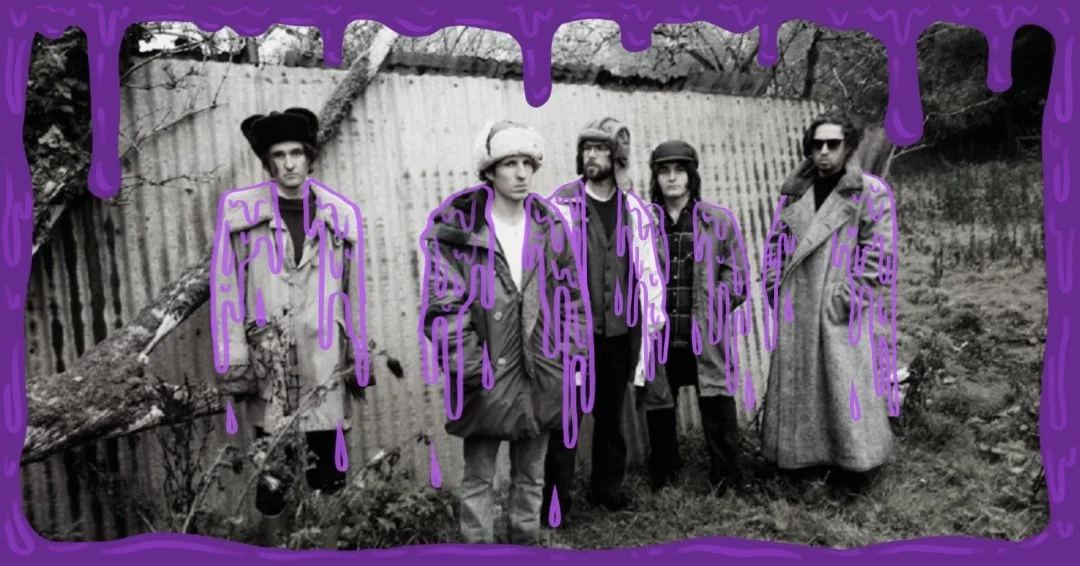
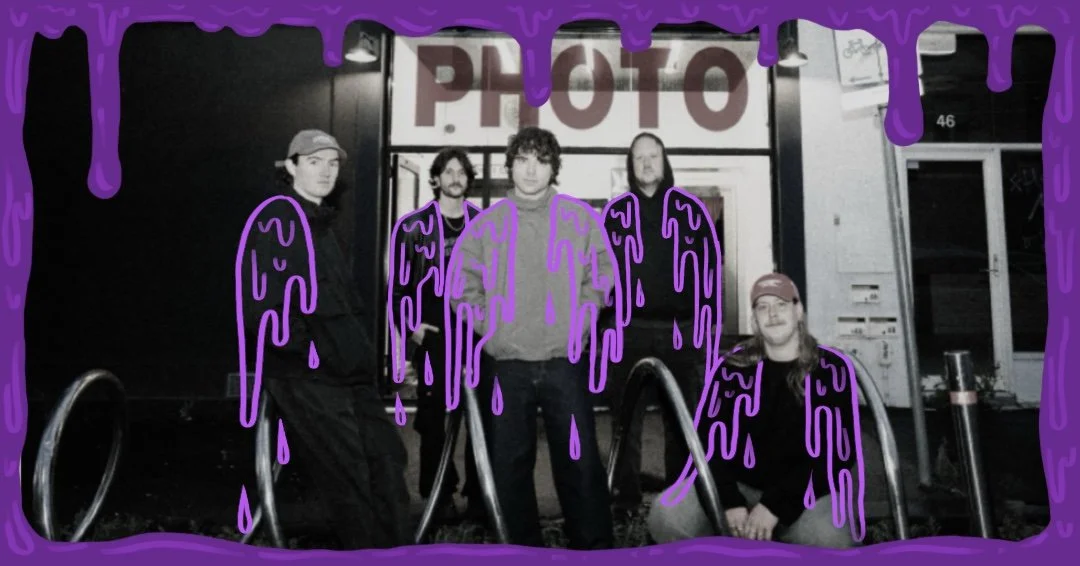
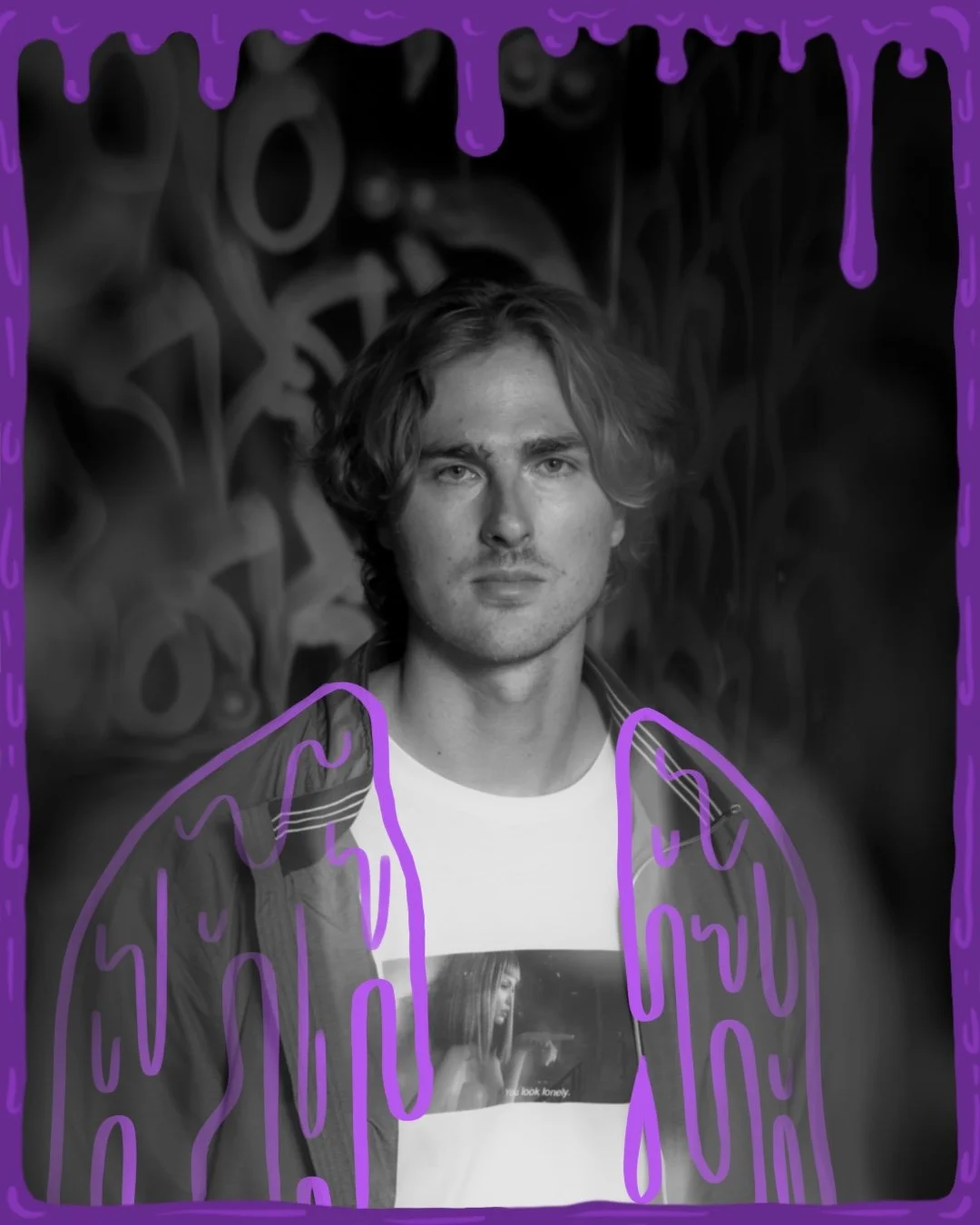
For songwriter Brendan Wright, the Tiberius project— which began as a solo endeavour but has taken various shapes over the years as they’ve moved out of college and to the bustling DIY scene in Allston— has always been an exercise in vulnerability. Although their tracks don’t take on the same earnest confessionalism that was Wright’s hallmark during their earliest songwriting ventures, they have consistently bore a mark of undeniable honesty.
Within Tiberius’ ever-shifting sonic landscape, it is that imprint of personality— of an internal wrestling with life and its implications— that establishes Wright’s voice across each of their works.
Although Wright was constantly exposed to music as a child, blasting Santana in their backyard and immersing themselves in their father’s collection of classic rock, it wasn’t until their early adolescence where they truly first considered music as a pursuit. Up until that time, they wanted to be an animator— inspired by shows like Futurama and The Simpsons— but their discovery of bands like The Beatles and Nirvana led them in a different direction entirely.
As Wright exited middle school, they were looking for an interest or a hobby to call their own. Wright was gifted a CD copy of Abbey Road, and they were immediately hooked. The sounds were like nothing they had ever encountered before, and with the stereo remasters of The Beatles’ discography being released around that time, Wright slowly amassed a collection, working their way through The Beatles before turning onto other bands.
There was something in the allure of these acts that drew them toward the guitar for the first time. But as they grew older and their music taste continued to expand, Wright started seeking out even more authentic acts than the commercially successful groups that had defined their earliest days of musical exploration
“I connected with it specifically because it felt like they were normal people and that anyone could do. They were just human beings trying to relate to other human beings. And as an adult, I have a lot of cynicism about the music industry now. "I think that's why they were popular. Like them, I think a lot of bands are kind of presented that way, and as a music listener now, I'm really attracted to bands that are trying to do that with as much authenticity as possible.”
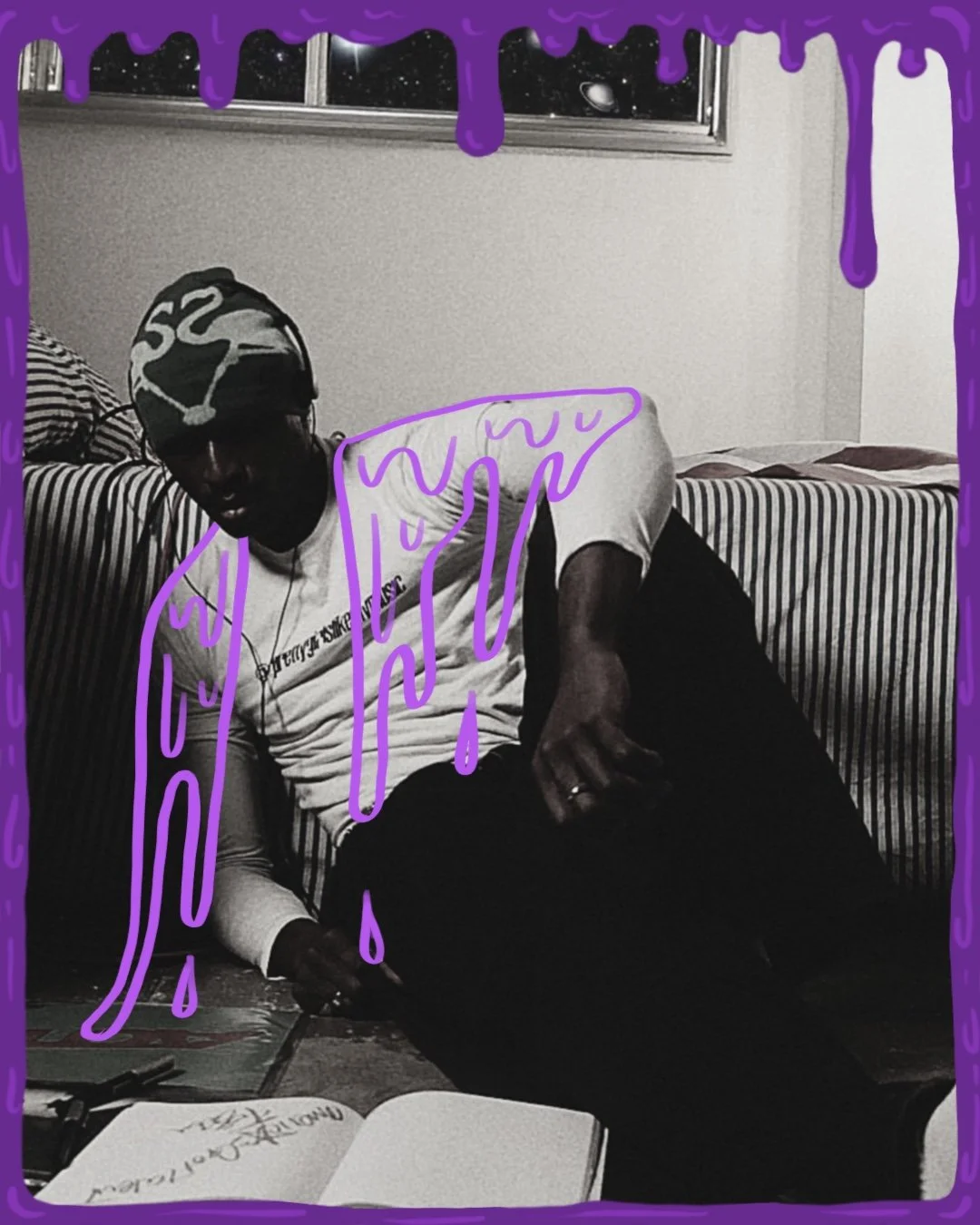
By the time Wright reached college, they had already logged a few years playing with a pair of friends in an indie band called Breaking Vinyl. But when the members split up to attend different schools, Wright was left, once again, to their own songwriting devices. They began to experiment in GarageBand, creating loops and learning to carve out an individual sound with the limited studio technology that was available to them.
But Wright was in a much different place in college than they were when they first tried their hand at songwriting with Breaking Vinyl. Their world was expanding, both emotionally and intellectually, and they felt the need to capture that in their songwriting. Wright’s answer to any insecurity or artistic hesitancy in those days, therefore, was a sense of radical vulnerability and honesty. They resolved to lay everything down on the track— with little regard for any sense of ‘reining it in’ or separating themselves too distinctly from the characters they created in their songs.
“It was kind of a live journal entry. It was just so many raw thoughts, and there wasn't a lot of revision… It was a space where I was really free to free-associate with these kinds of more delicate feelings that I was having as a late teenager and [person in their] early 20s.”
That’s the state of mind in which the first three Tiberius albums, which are now housed only on Bandcamp, came into existence.
But by the time Wright reached the proper Tiberius debut, 2021’s Lull, they had found a better balance— both in terms of the personal touches on the songwriting and the actual instrumental output of the project. The project was entirely self-recorded, and you can certainly hear the imprint of the DIY sound that carried over from their earlier LPs. But on tracks like “The Same Mistakes” and “Alstroemeria,” there’s a clear vision being formed across the reverb-laced atmospheres that permeate the project.
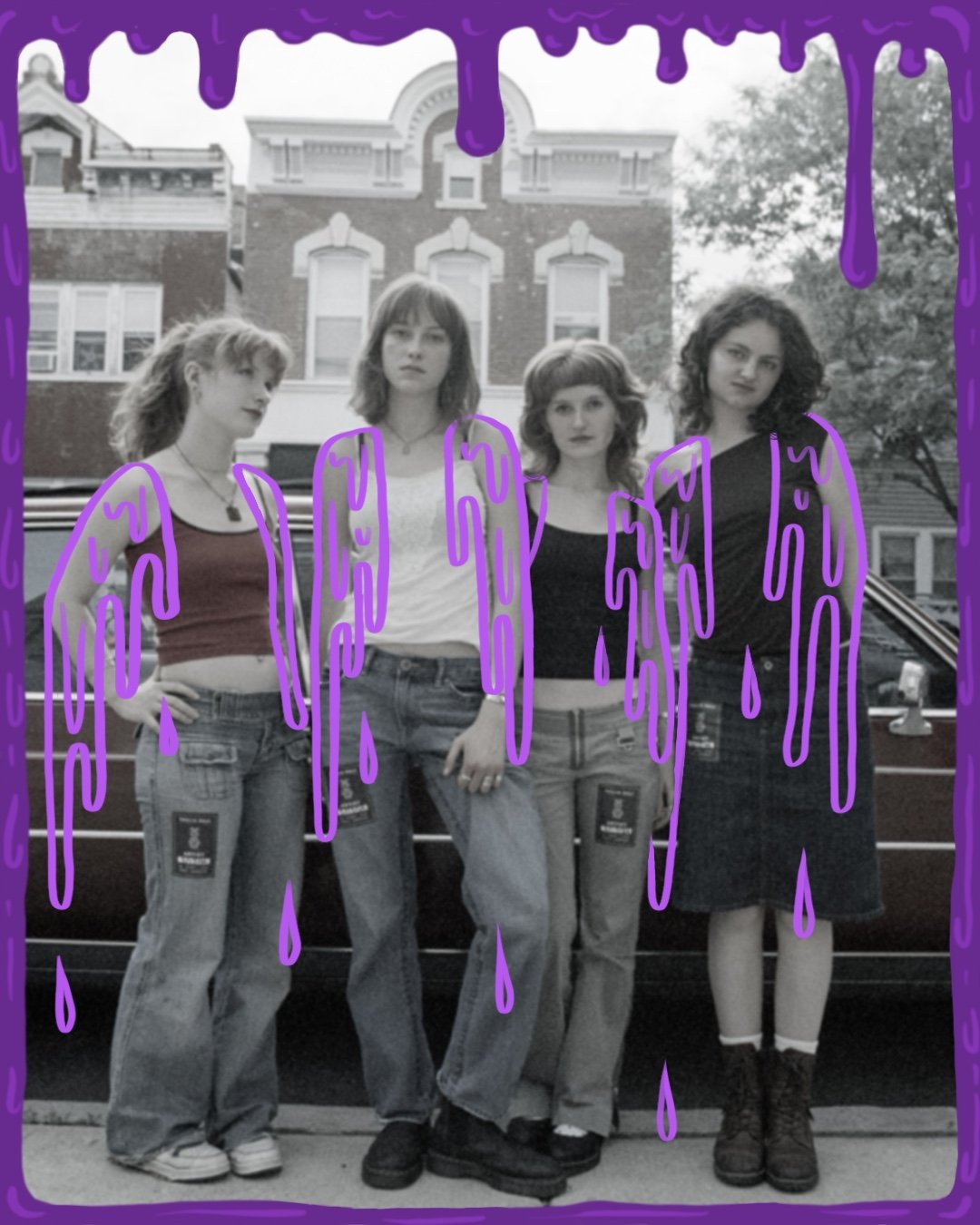
On 2023’s Fish in a Pond— a project centered around Wright’s involvement in the budding Allston scene— this vision was fully realized. They enlisted a full band to help them record the album, and college friend Ben Curell, who played drums on the project, had a large hand in shaping the ultimate expression of Wright’s sound.
“I would show him songs for when we were recording, and he would kind of challenge the structure or the chords. Or he was the first person to be like, ‘What if we did something like this instead?’ Ben and I actually went to college together, and I had such a respect and awe for him that I think, rather than push back on those ideas, I was like, ‘Yeah, let's just do it.’”
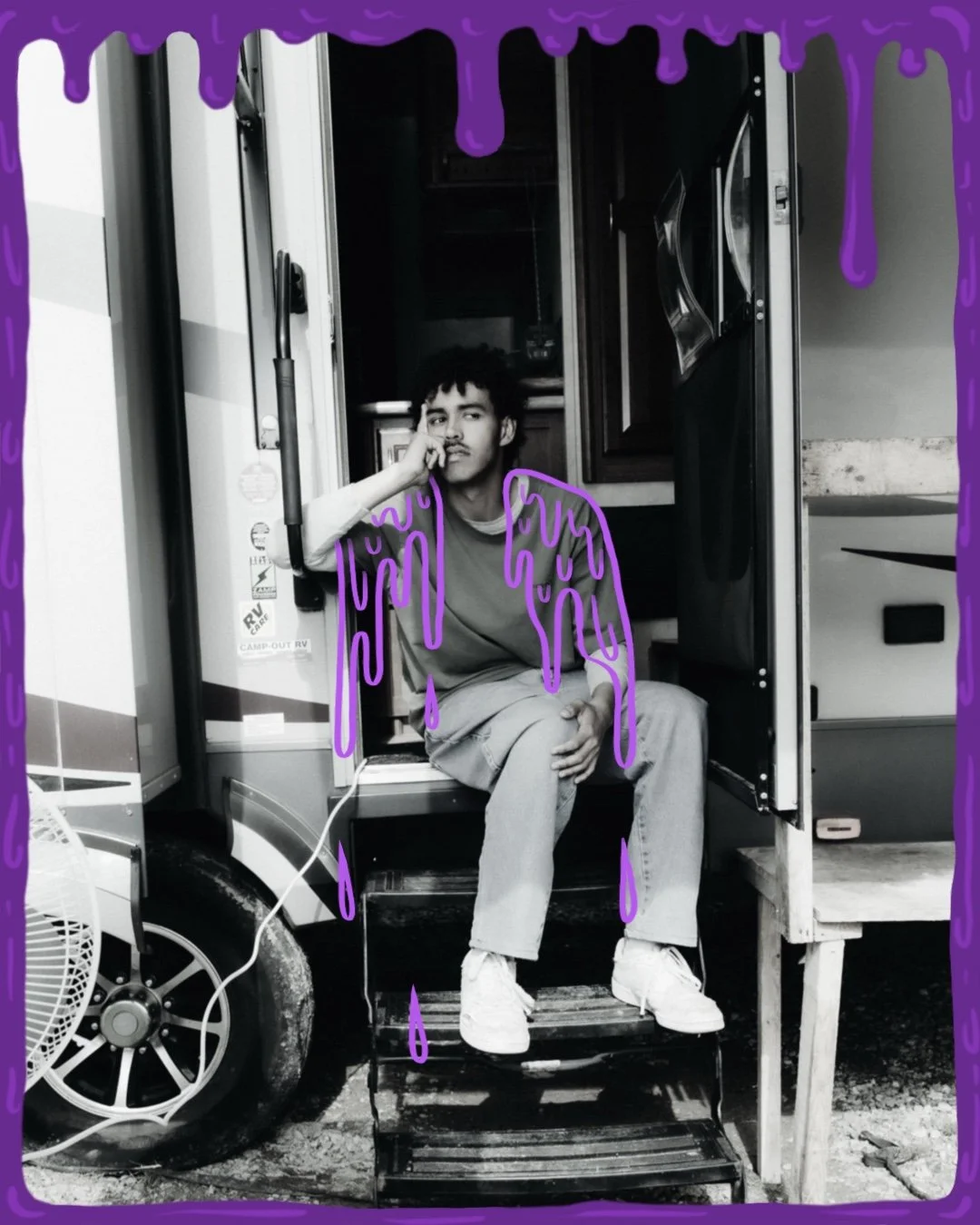
Their next project, Troubadour, saw Tiberius take on a different iteration, with new instrumentalists and collaborators cycling into the project. But as Wright continued to refine their songwriting, learning to channel their dissatisfactions with the music industry and the corporate world into a less direct and more polished lyrical form, the project reached heights that were altogether out of reach of Fish in a Pond and Lull.
The tracks were still bitingly honest and strikingly vulnerable, but their narratives were now couched in a more poetic sensibility— one that allowed the original authentic intentions of Tiberius to come across with greater force.
From the opening, lonesome harmonica blows of the intro track, “(there’s nothing wrong with the truth)” to the raw, slow-burn energy found on the album’s closer, “Barn,” Wright delves into a distinctly more folk-forward sound, and its simplicity and openness is a seemingly perfect vehicle for their plaintive and deliberative lyrics.
But now, as Wright moves forward from that project, they want to drift away from the alt-country sound that defined Troubadour. While the openness of that genre is something that fits Wright’s artistic intentions like a glove, their commitment has always been to simplicity and openness— not to any singular expression of that motif.
What defines Wright and, by extension, Tiberius is not necessarily a singular commitment to the DIY sound or its cultural debris. The songwriting is a vehicle for Wright to understand their life and their grievances with the world— and it is a means for them to connect and communicate with people around them.
Whatever sound suits that best is where Wright will go, and that is the key to understanding Tiberius’ artistic intentions.
“I've just been spending a lot of time sitting with media and sitting with things. I've been very disturbed by my own use of media over the last couple of years and how, at times, it can feel extremely isolating… It feels very much— five years post-Fish in a Pond where I was romanticizing my music scene— now I'm looking at it a little bit through older and less bright, bushy-tailed eyes. I think the next record is going to be kind of a bummer. But I know it's always changing. It's always growing. I feel happy to continue to still have the time and energy to do it.”