Artist Profile: Void Comp
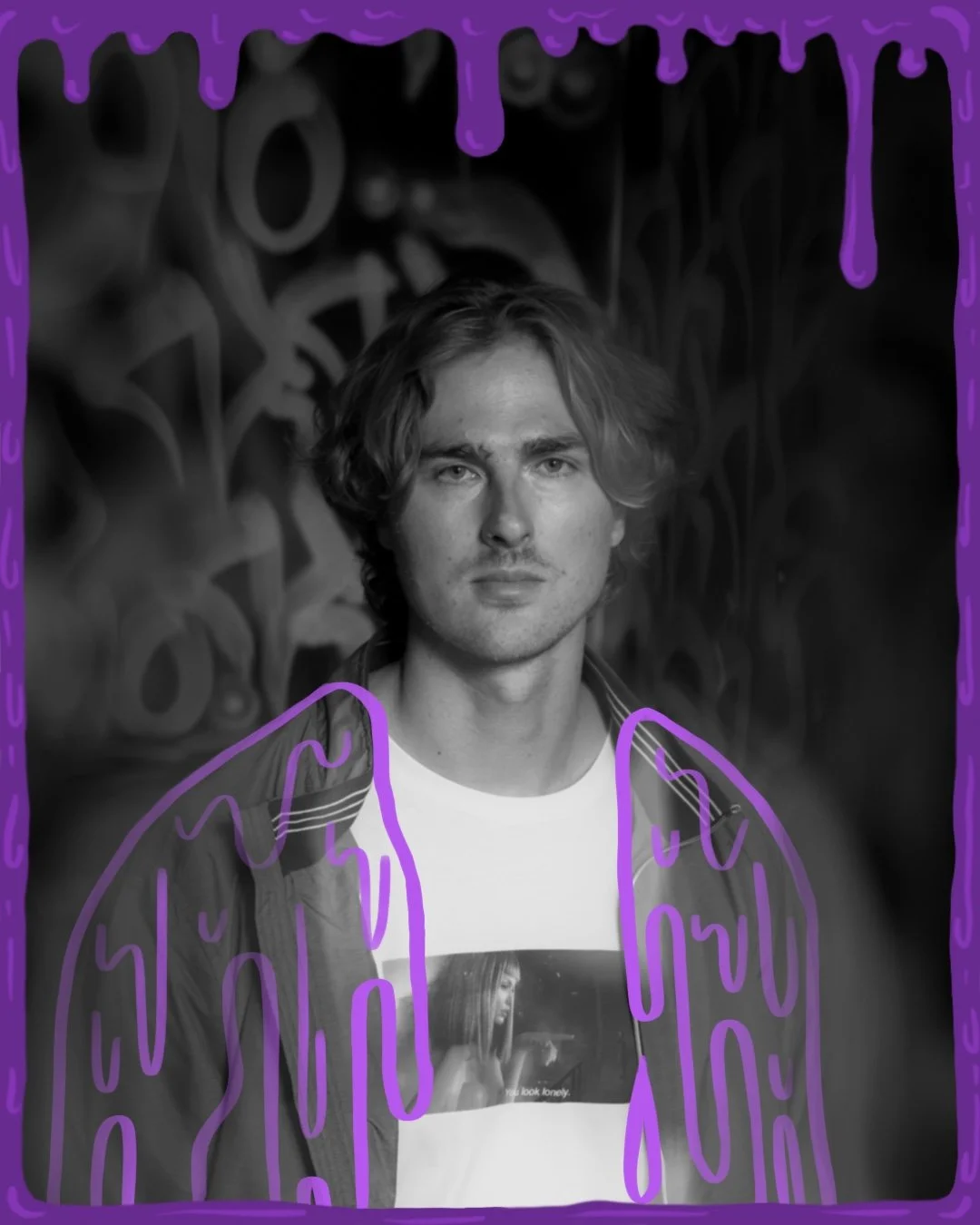
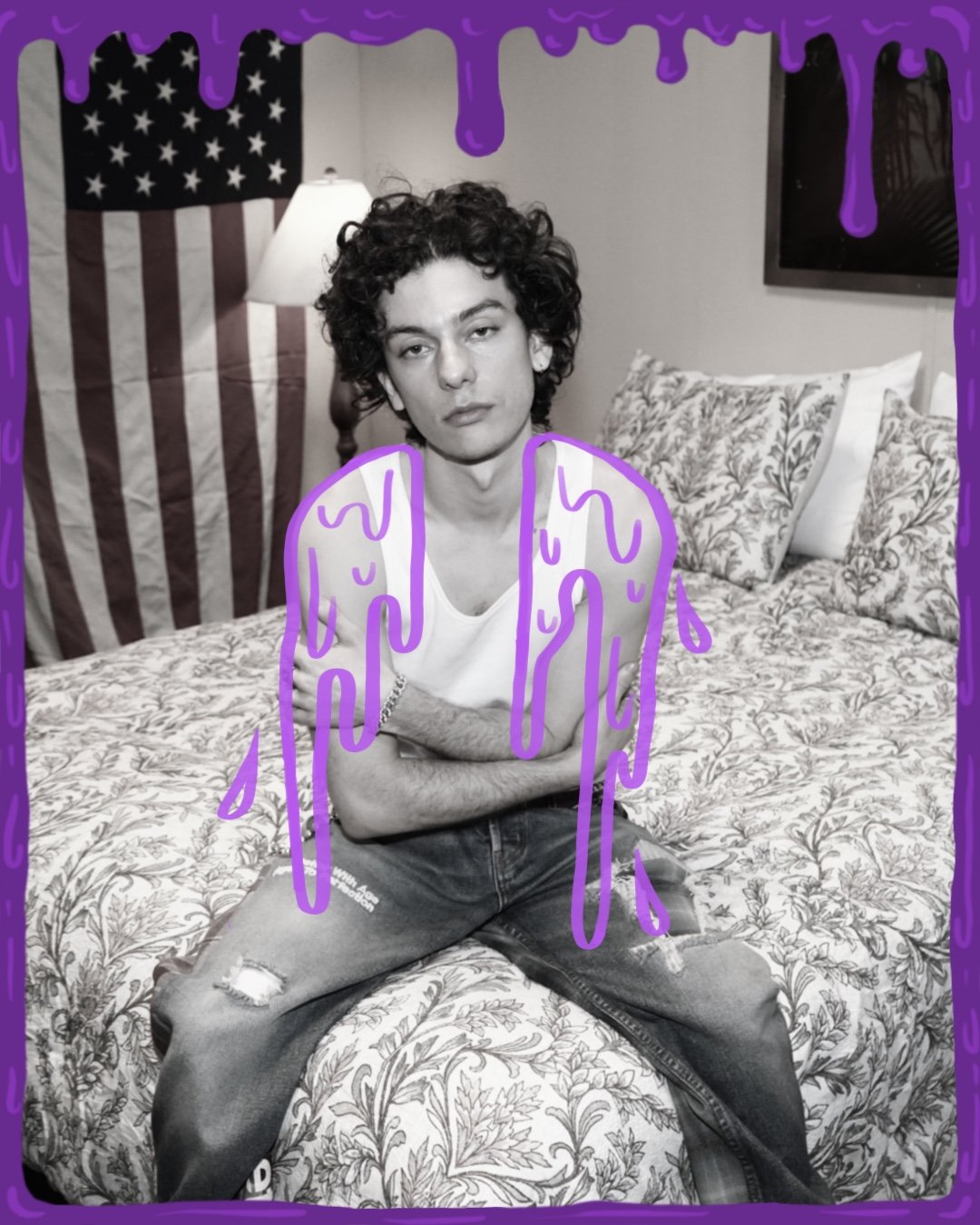
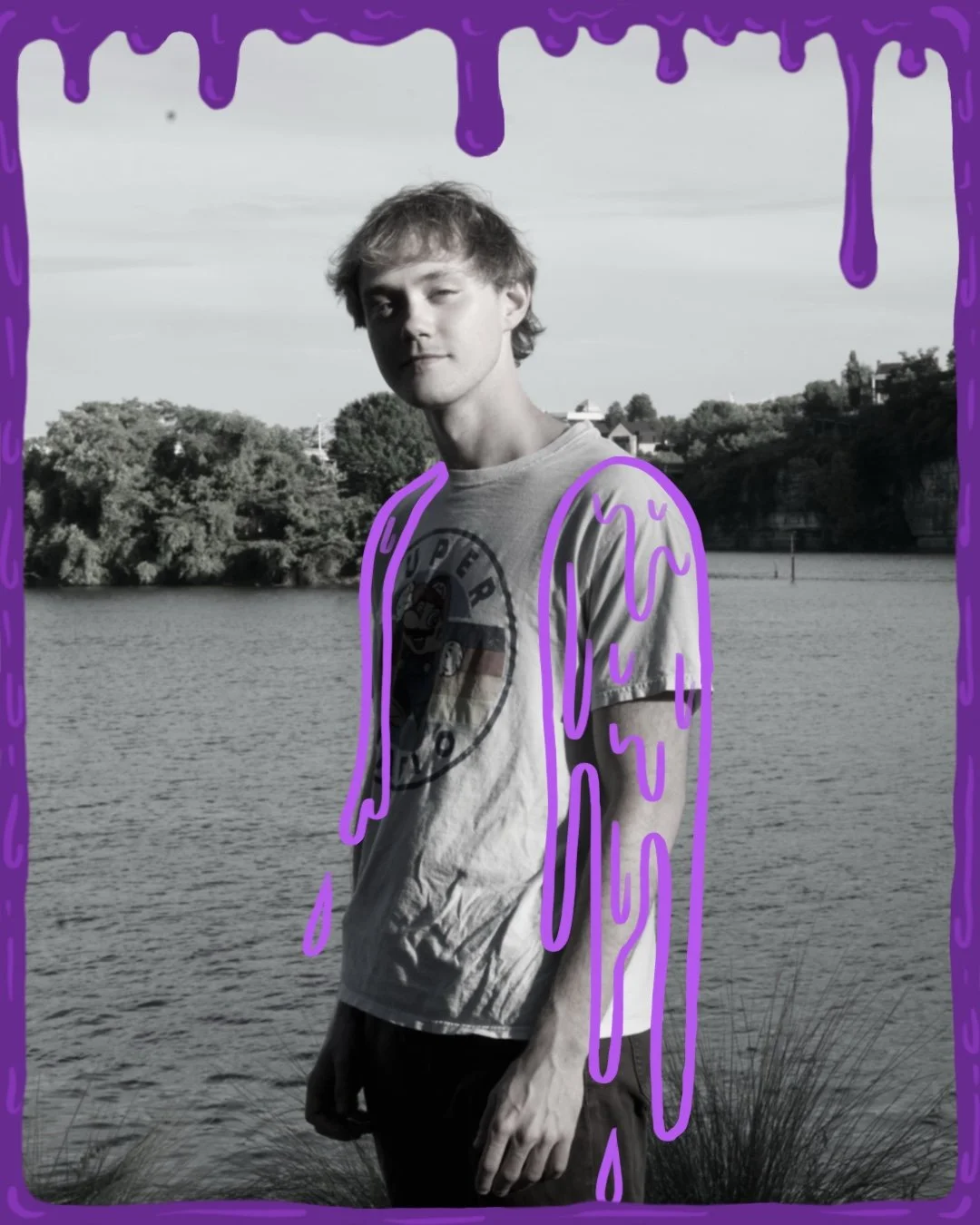
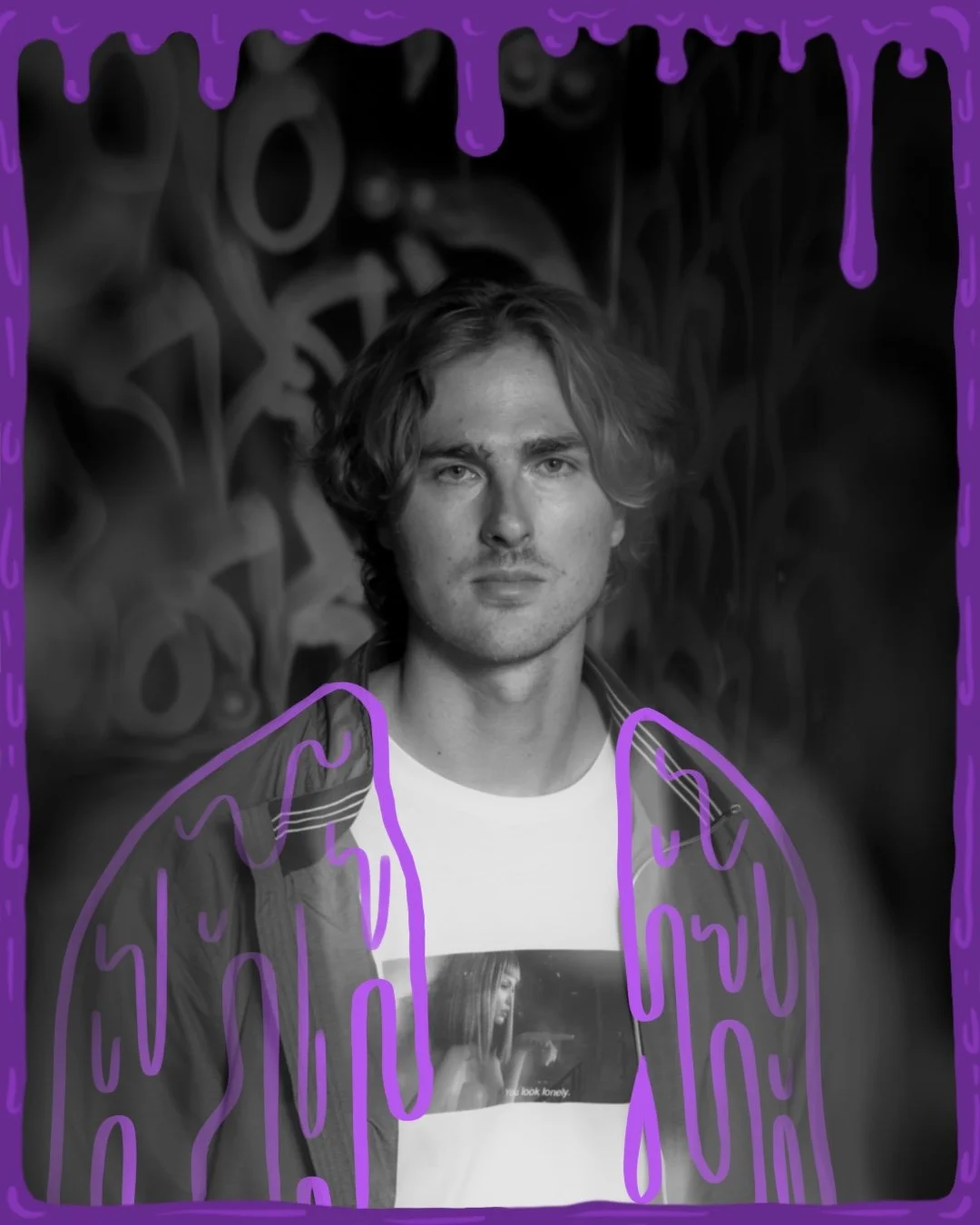
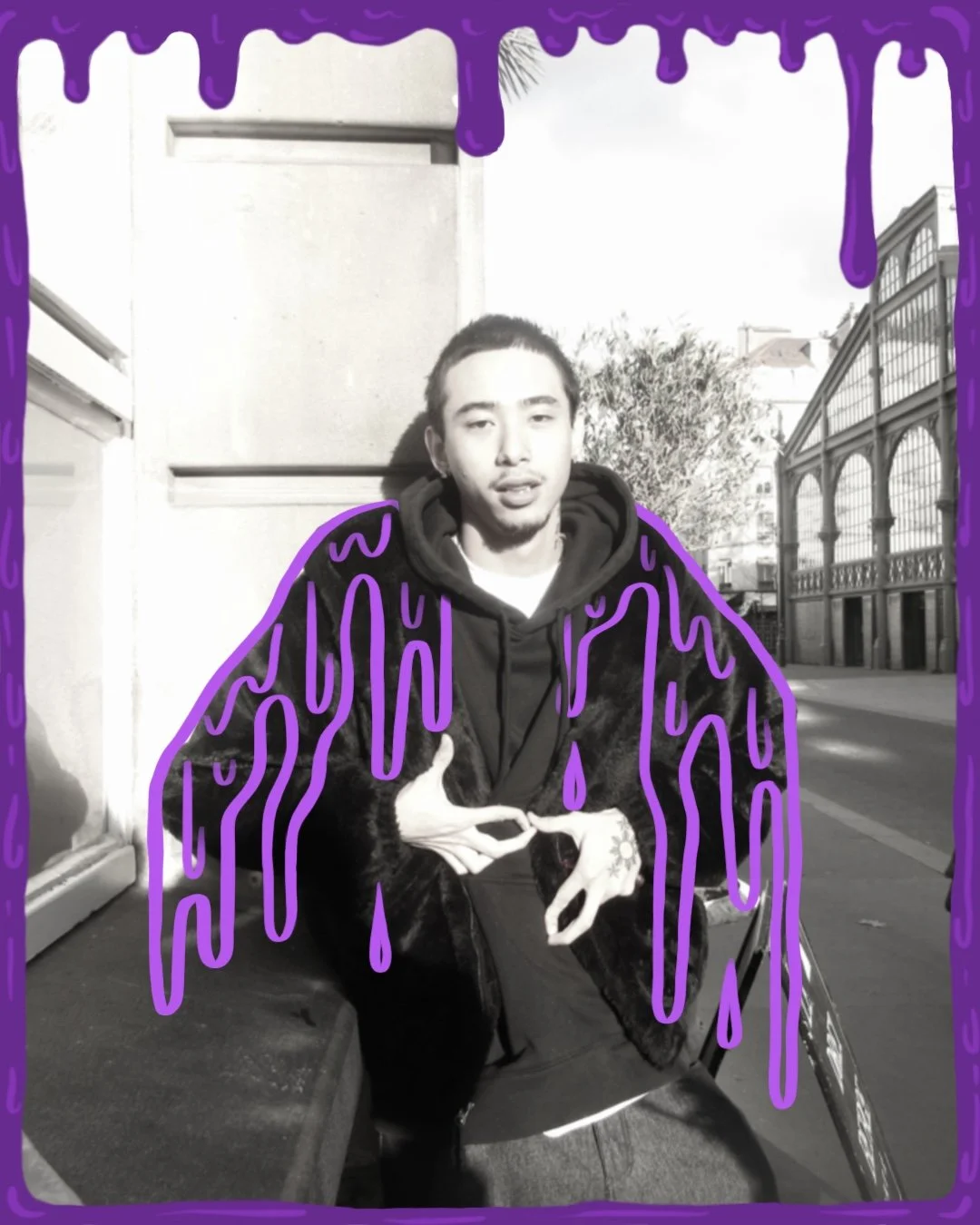
Void Comp, the alternative electronic project of Edmonton-based songwriter David Julé, began simply as an exploratory pursuit— while Julé knew he wanted to make music, he didn’t know the exact path his voice could carve for him. But as he continued his sonic experimentations, and continued to etch out his distinct style as a songwriter, he struck upon something tantalizing: a synth-filled mixture buoyed by his prowess on the electric guitar and rounded off by his textural approach to his vocals. The result, as exemplified on his debut album Passerby, transcends even the experimental strictures of the genre that he occupies.
Julé’s first fascination with music came when he was a child, hearing the orchestral soundtracks for films like The Lord of the Rings trilogy. He loved the swelling capacity for emotion that those scores conveyed, and as a result, he convinced his parents to let him pick up the violin and start taking lessons. But as he got older, the violin faded out of the picture, and Julé picked up the guitar for the first time.
Julé was a military child, and he moved from town to town, and even across the world, throughout his childhood. Both his interest in guitar and his love for music in general, including the bands like Linkin Park and the nu-metal acts that inspired him throughout his adolescence, served as comforts through that process. His identity, rather than being rooted in any singular place, was rooted in his ever-evolving interest in music.
“We ended up moving to Saudi Arabia… It was a very weird, anxious time in my life. I was just entering my preteen years. So there's all that weird growing up hormonal stuff mixed with like being in a totally different culture and environment.. So I started to listen to music more as a comfort. It was the only thing that was familiar to me in my life, was listening to these bands that I loved. I remember I'd get on the bus and we'd be driving from our compound through the desert into the city where I'd go to school, and I'd be listening to Korn or System of a Down. And that was kind of my solace.”
By the time Julé’s family had moved back to Canada, therefore, his fascination with music had grown exponentially. He decided, then, to make his first efforts at writing songs, carving out basic progressions on his guitar and trying his hand at lyric-writing for the first time. As difficult and slow as the process was, something about it felt liberating for Julé— as though, for the first time, he had found a way to personally express the emotions that music had helped carry him through throughout his early adolescence.
Still, pursuing music wasn’t necessarily a tangible consideration in his mind. When he graduated high school, he signed on to play football at the University of Regina in Saskatchewan. But after one season there, he knew that the people he was surrounded by and the things he was pursuing in that environment weren’t in line with the person he ultimately wanted to become. He applied to a music production school in Vancouver, and as soon as he was accepted, he notified his coaches of his departure.
He began by experimenting with Reaper, a free audio software, but when he arrived at his new school, he began taking classes on Ableton, experimenting with different sounds and atmospheres inspired by his new sonic obsession— Radiohead. Combined with the exposure to different genres and sounds he got with his new social group in Vancouver, Julé’s tastes were rapidly expanding.
When the Pandemic hit, Julé had just purchased a Prophet 8 synthesizer off of Facebook Marketplace. With his obligations suddenly cut off, he decided he was going to devote his newfound free time to learning that instrument inside and out.
“[The Prophet 8 synth] was kind of a New Year's gift to myself. and then COVID hit, and I was laid off from my work. I was working at a nightclub at the time, so I was like ‘I guess I'll just stay home for two weeks and go back to work.’ And it turned out to be a full year, so I spent a year learning how to use this Prophet 8 synth. And it's been my daily driver ever since then. I use it on pretty much every song. It's, I think, the one thing that my sound revolves around the most.”
At the start of his songwriting efforts, Julé still didn’t have enough confidence in his voice to lay down full lyrics on his tracks. Instead, he worked on developing his soundscaping abilities while testing and stretching his vocal chords in private, almost as a separate endeavor.
But as time went on, Julé began to grow more and more comfortable with how he could use and layer his voice into his sonic atmospheres, and from the moment he figured out the right configuration, Void Comp as a solo project was born.
“I spent a few years watching YouTube videos, doing vocal exercises alone in my room, just like exploring my own voice, trying to figure out, okay, can I sing? What kind of voice do I have? What kind of songs could I sing? And could I not sing? I was still playing guitar a lot too… [I knew I had] to put all these things together in a way that kind of sounds cohesive.”
That ‘cohesive’ sound first reared its head on Julé’s debut single, “Come My Way”, and was then developed across the breadth of three EPs— Last Days, Metropol, and Doesn’t Mean Anything. Julé’s songwriting process during this whole period was relatively scattered; he would be working on as many as two dozen tracks at a time, and when one felt like it was reaching a dead end, he’d simply move onto whatever track was catching his attention. The songs featured on this trio of EPs, therefore, are largely the ones that reached completion around the same time— they represented a way for him to hone his voice and his sound and find his footing as a songwriter.
But when he began working on Passerby, Julé knew he needed to compile a project with a more cohesive narrative and sonic throughline. He wanted to be able to fully represent and showcase the sound he had developed across his years of experimentation, and a full-length album seemed like the perfect way to accomplish that.
“Those first three EPs were just kind of me figuring out the framework— the world I want my sounds and my songs to live in. And then with Passerby, I feel like this album has some of my most accessible [tracks]... I want to write songs anybody can listen to. But at the same time, having some deeper layers of production. And having other songs on the album that are weirder, maybe not radio-friendly.”
Across the nine tracks on Passerby, not only is this tenuous balance between accessibility and experimentation achieved to perfection, but there are real signs of advancement in the sound that Julé created across his three EPs. From the urgent rhythms of “Run In Place” to the atmospheric textures of “Skin Deep”, from the melancholic swoonings of the instrumental “North Portal” to the wild swings of “Trust”, Passerby is a full representation of who Julé has become as a songwriter— tactful but not overtly cautious, intentional while maintaining a free-flowing sense of atmosphere.
Now, in the wake of the release of his debut album, Julé’s focus is not only on finding opportunities to perform his songs live but also on continuing to carve out this unique, personal, and intimate sound that, with Passerby, has found its first full manifestation.