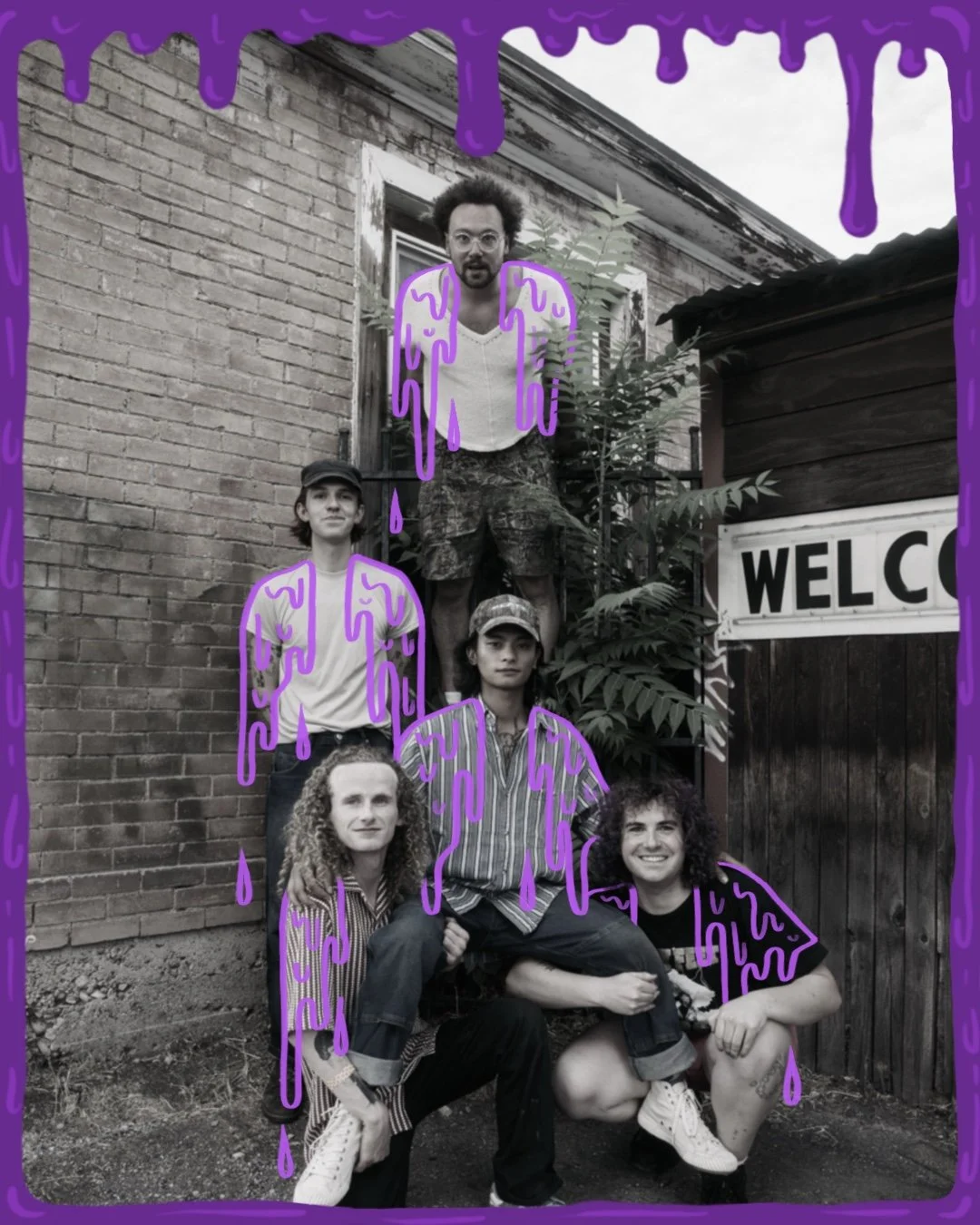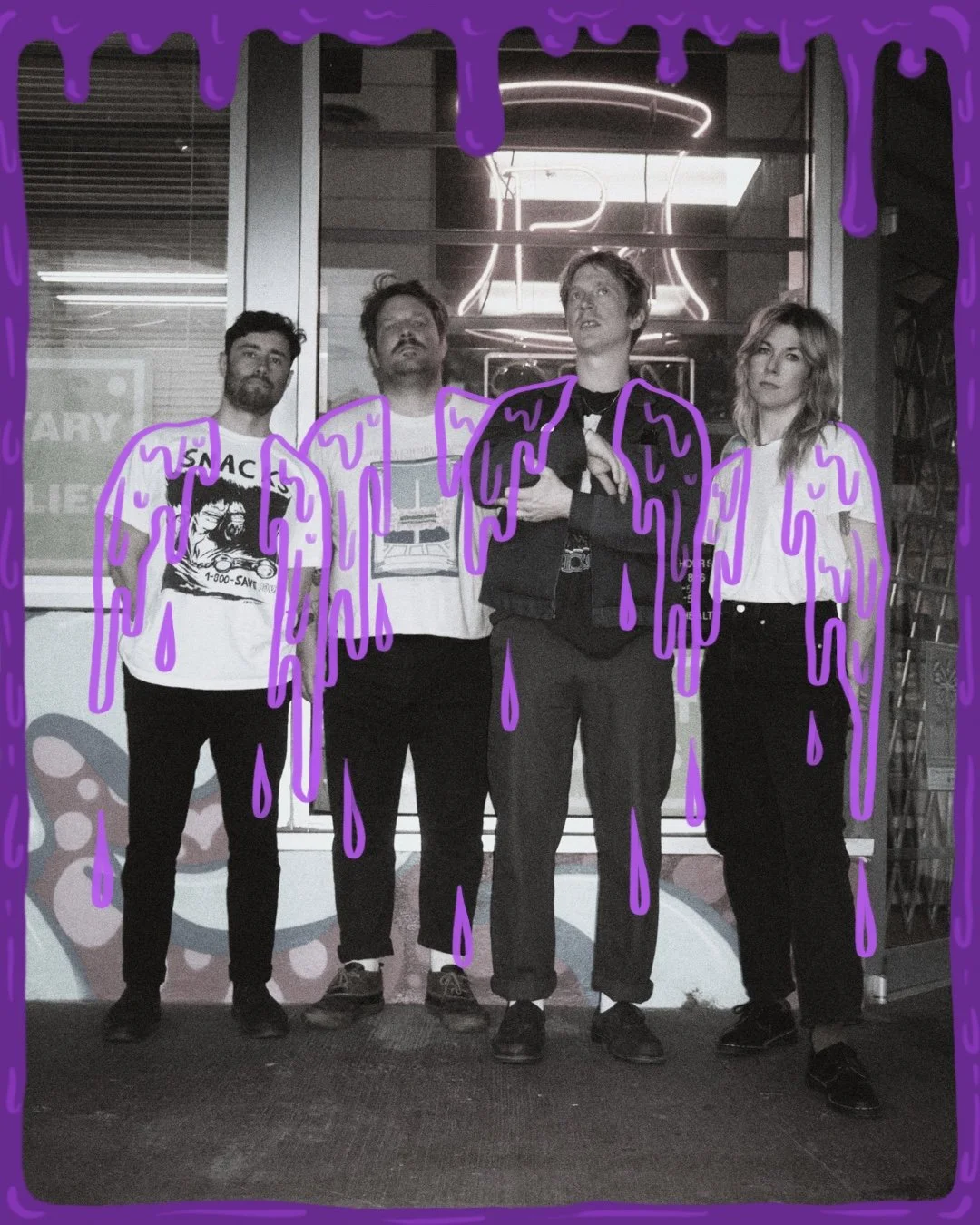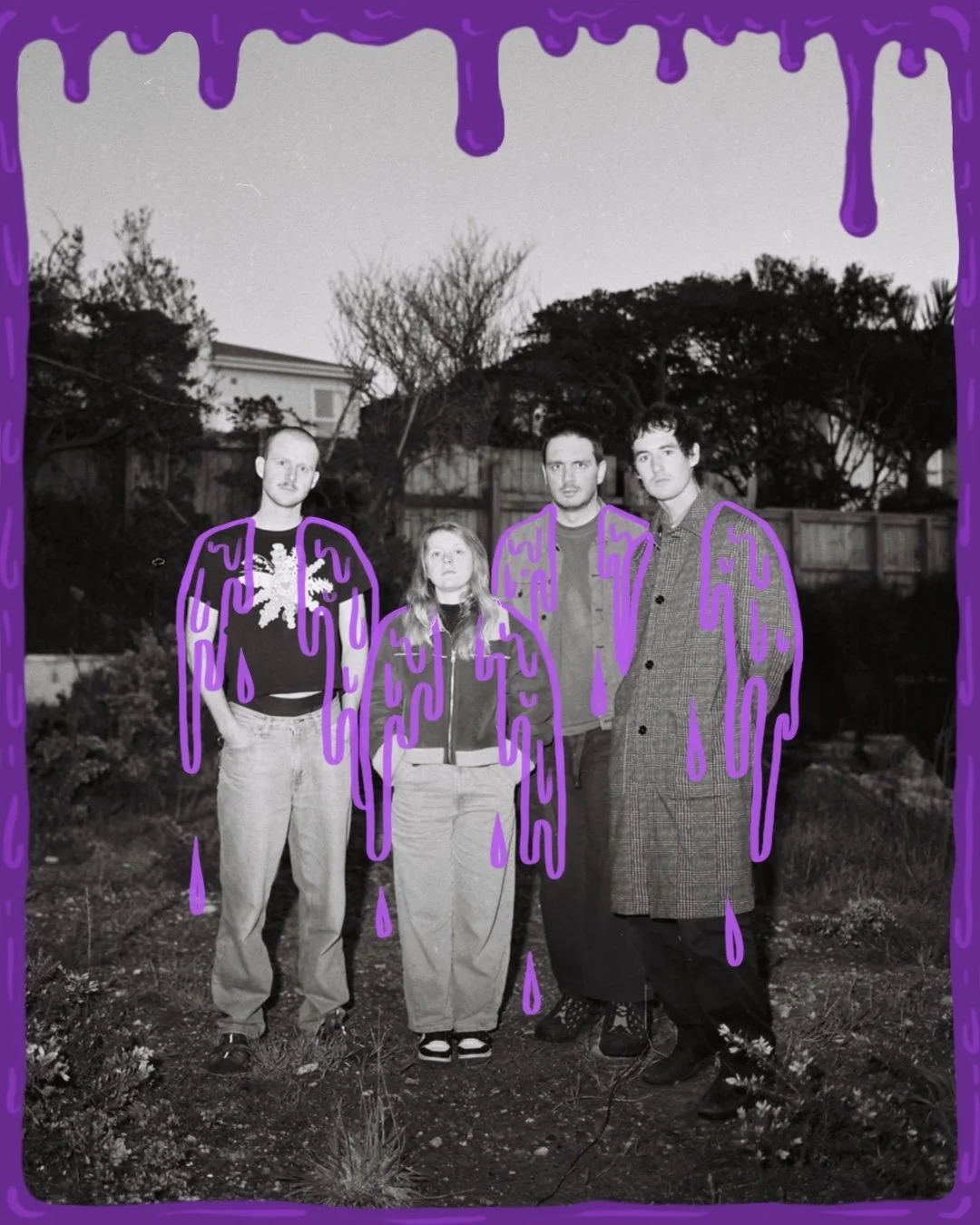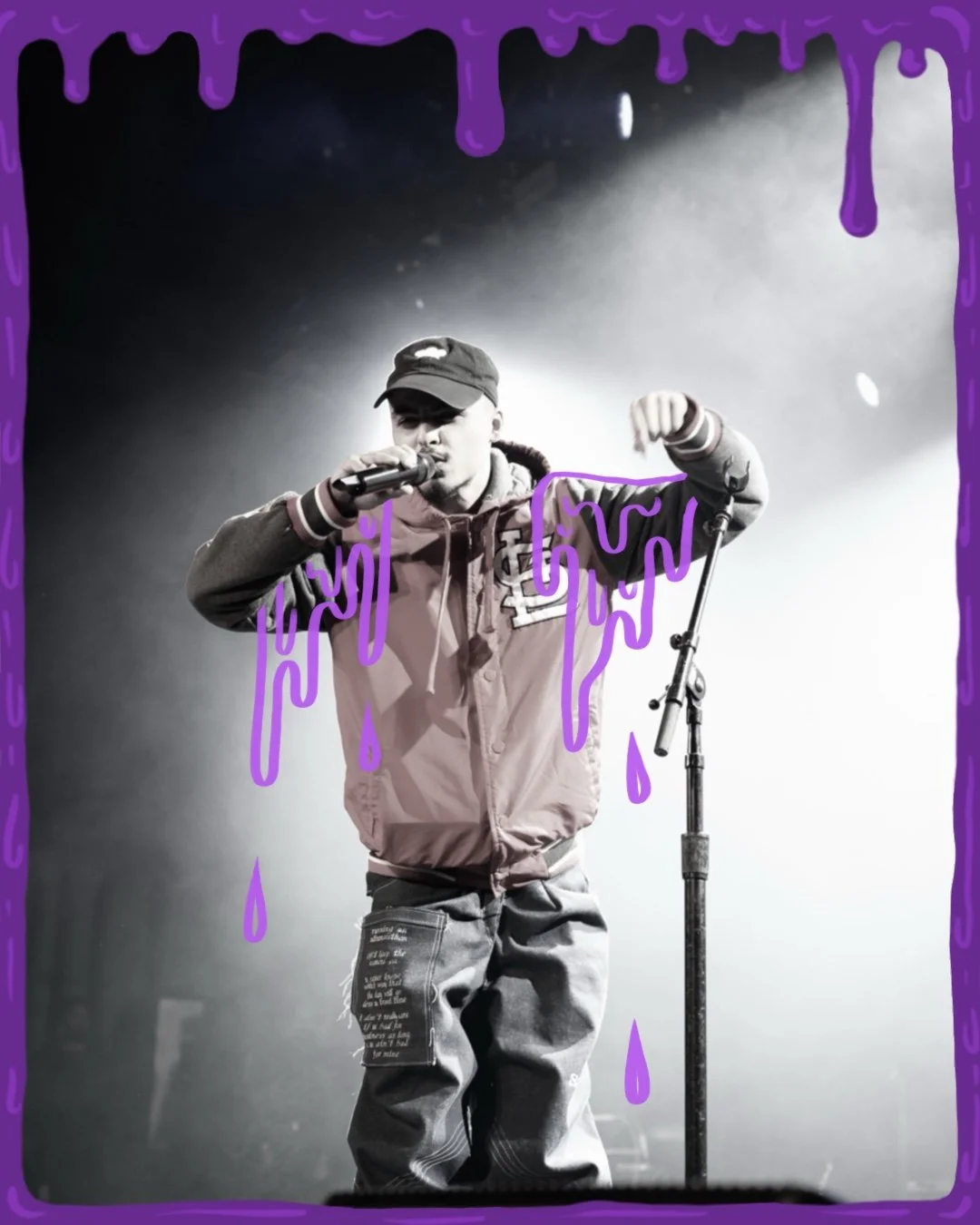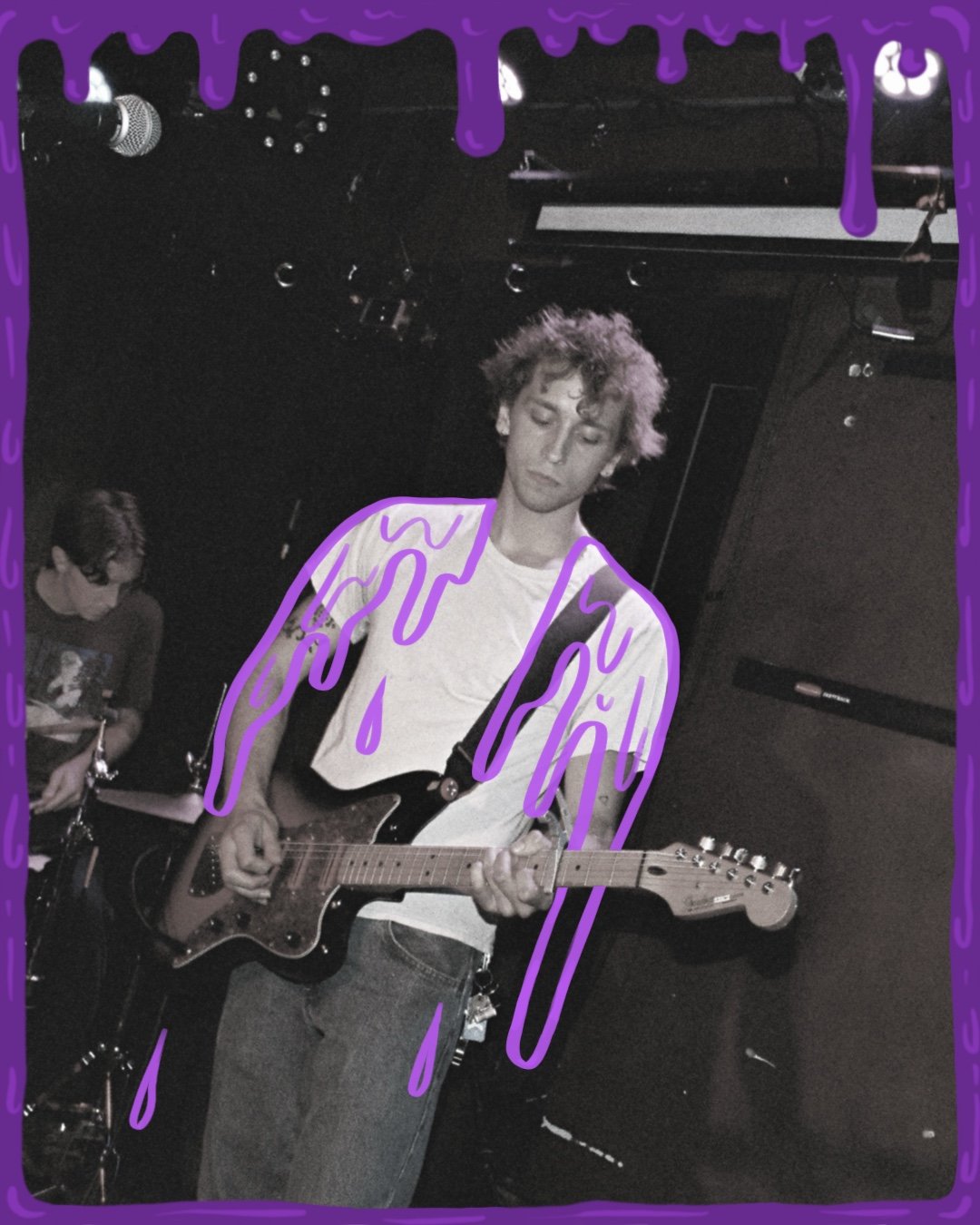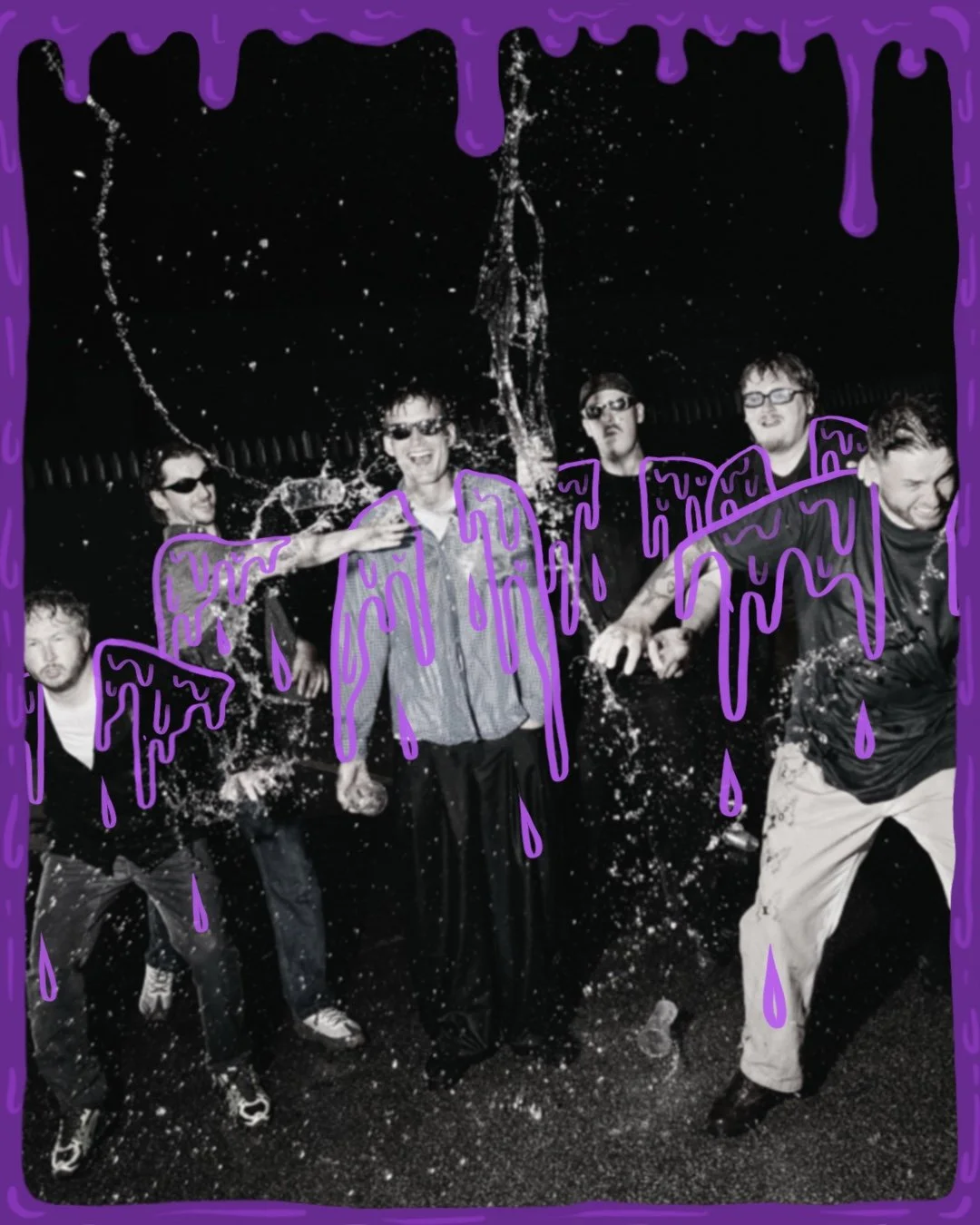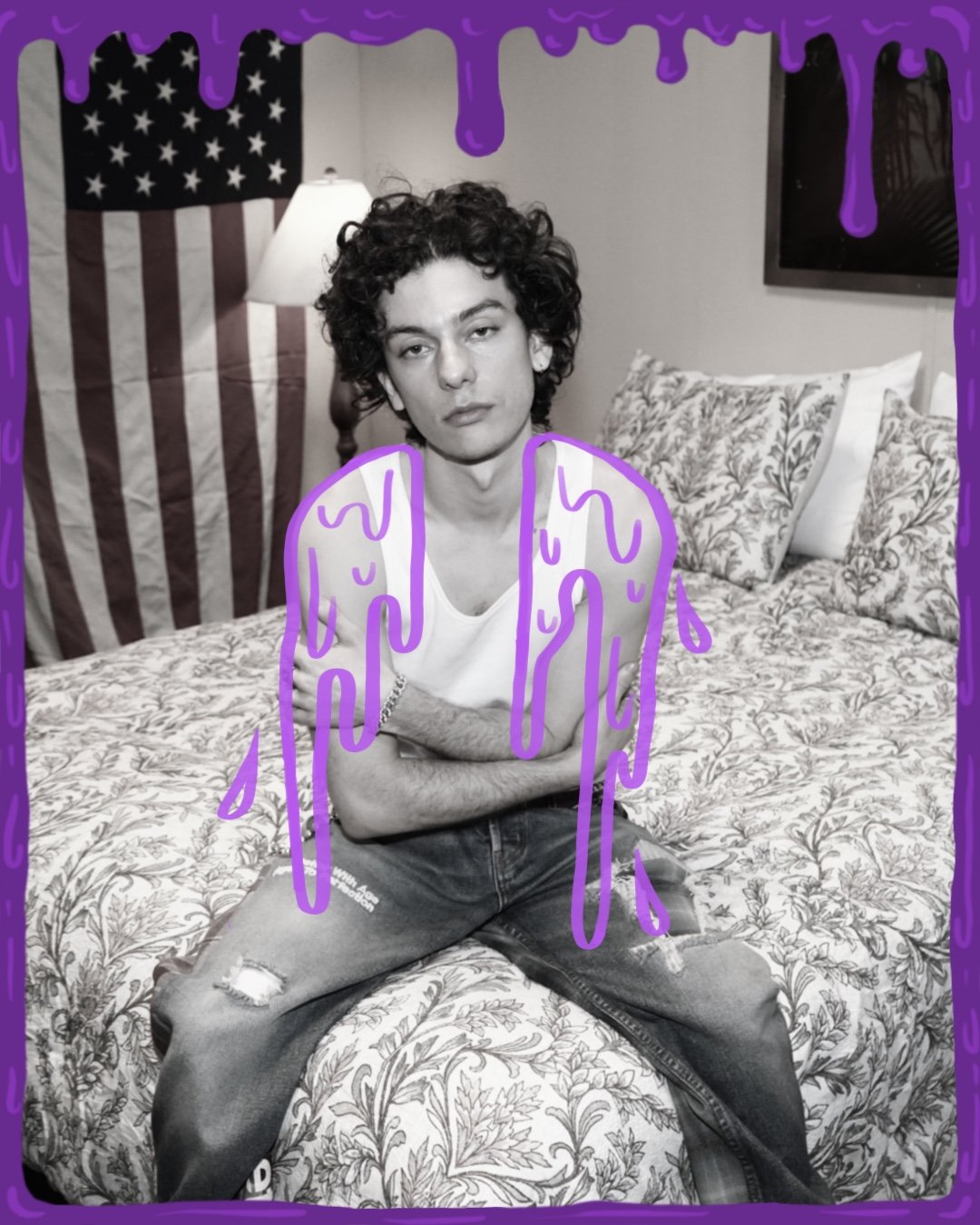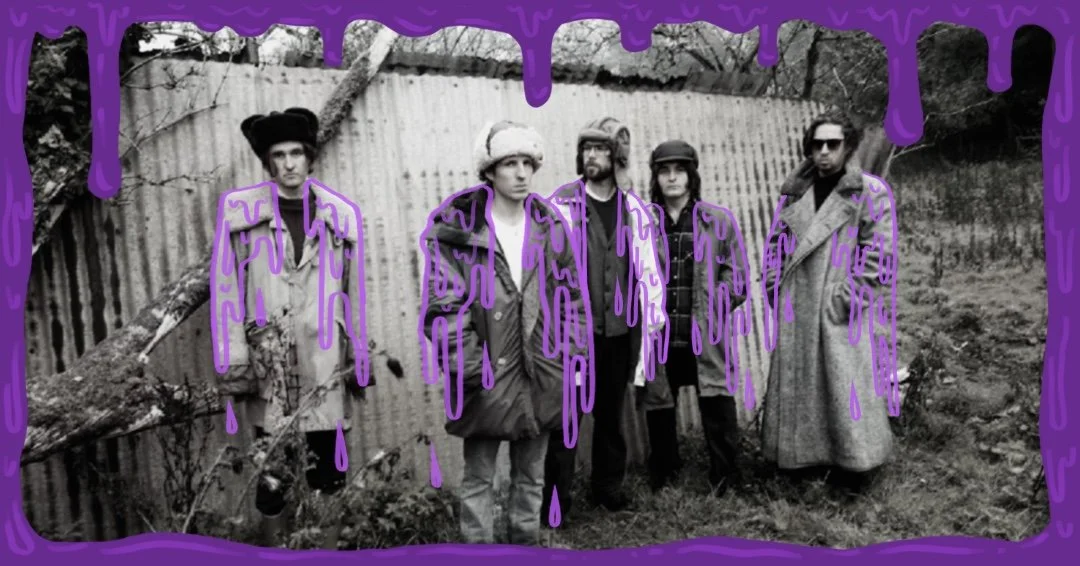
Photo Credit: Luca Bailey
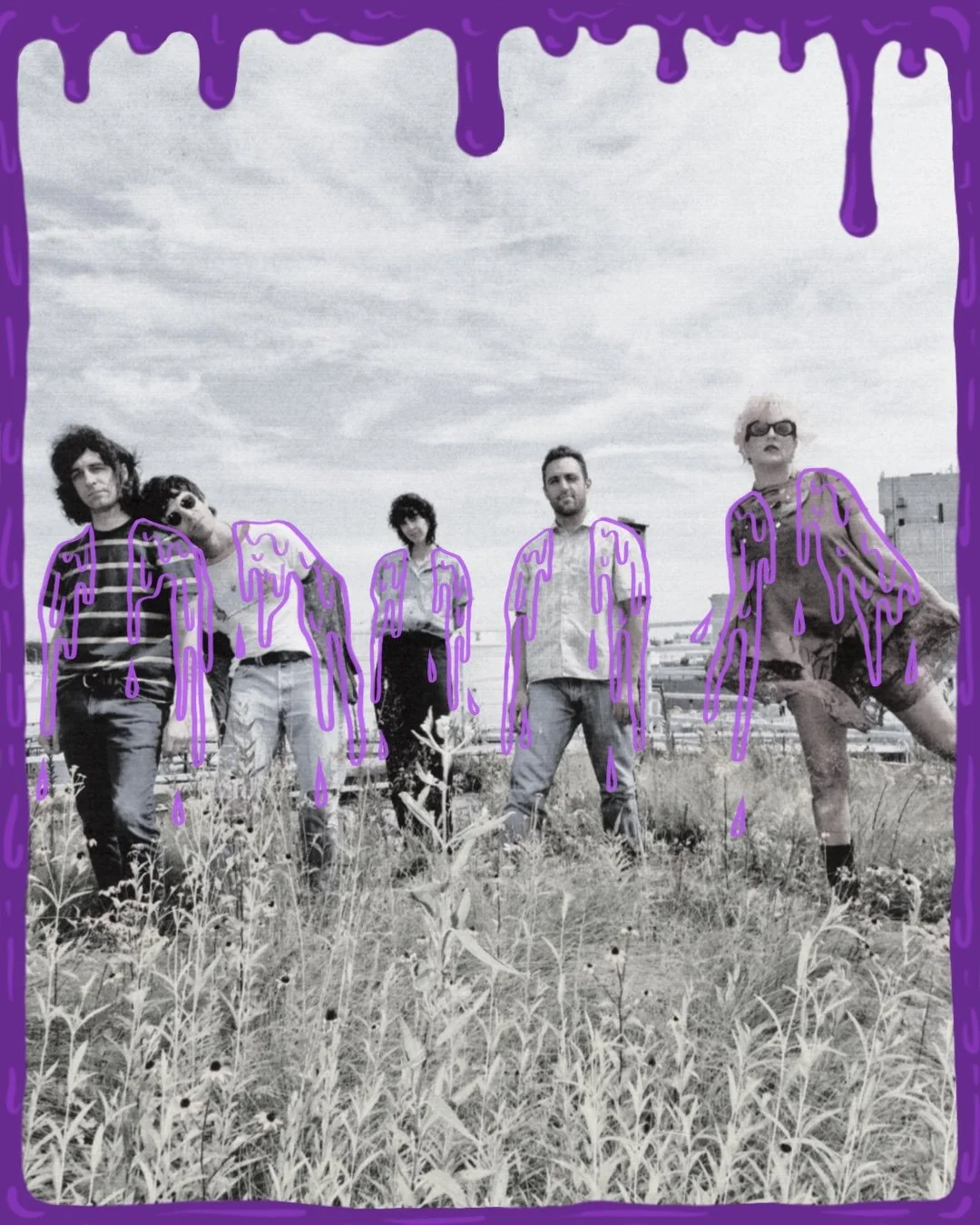
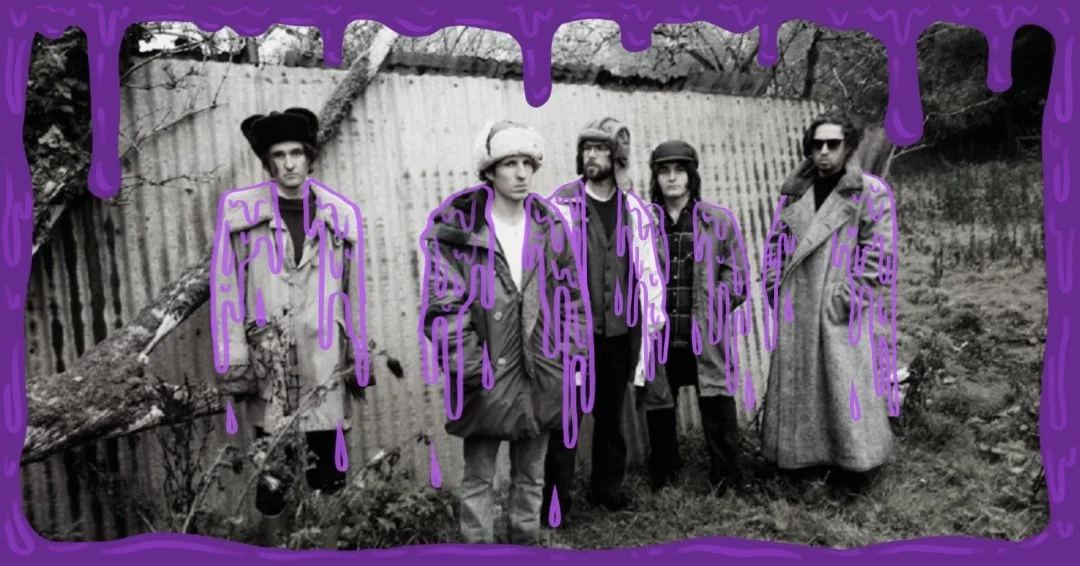
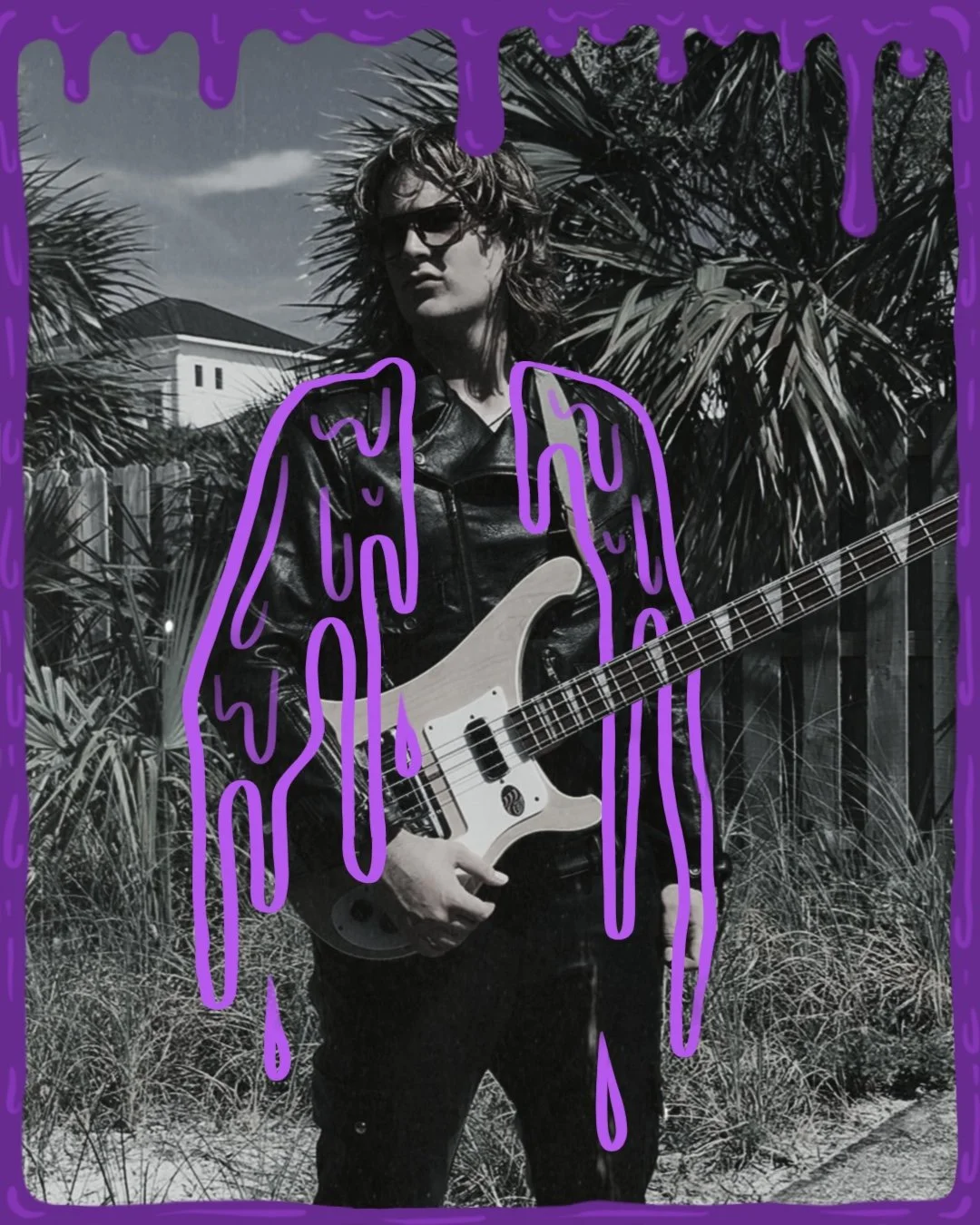
Since its earliest days, Swim Deep— the Birmingham-born indie pop group founded upon the teenage jams of vocalist Austin Williams and his host of friends— has operated on a sense of comradery: a collective sensibility and constant search to expand upon the foundations of the music of their youth. And now, through over a decade together as a band, five separate studio albums, and a stint with a major label, their newest release, Hum, represents a full recognition of the band’s current identity.
No longer are they the tantalizing, young pop group that once promised to dominate the British charts— instead, they have found an identity as a conscientious and endlessly creative group, in sync with each other artistically and in possession of a distinct vision for what they want to accomplish at this stage in their careers.
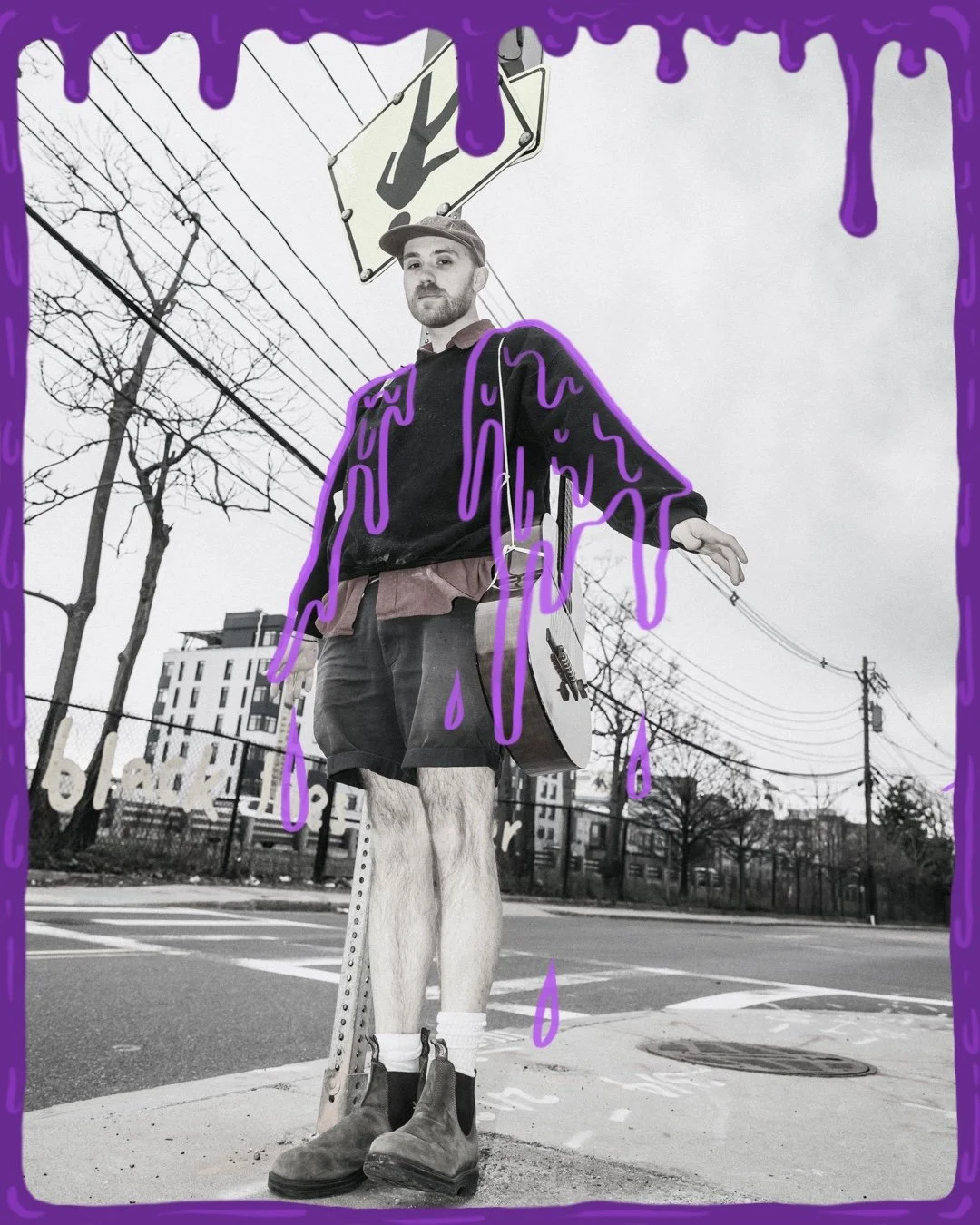
Williams’ earliest musical experiences, while not directly tied as influences to the ultimate shape of Swim Deep, were formative nonetheless in his evolving understanding of music as a medium. When he was a child, he and his older brother discovered a box of CDs in their loft that had been abandoned by the previous owners of the house. Among the titles were records by Supertramp, Wheatus, Green Day, and Everclear, and as Williams grew older and began to be fascinated by the art of songwriting and performance himself, these bands helped inform his budding taste.
Linkin Park was also highly formative for Williams— the sound, although viewed now by many as outdated, was fresh and exciting at the time. This then parlayed, for Williams, into an interest in more pop-oriented groups like MGMT: acts that he felt captured, in an innate way, the angst and yearning of his own coming-of-age story.
By the time he reached his late teenage years, he and his friends would spend hours together, sketching out rudimentary songs on Williams’ guitar. In a conscious sense, they wanted to emulate their musical heroes and their ability to capture the emotions they felt so poignantly in their adolescence. But on a deeper level, they were actively carving out their own sound with each passing riff, each tossed-around verse and chorus.
“It was based on us just trying to do something cool— [something] that was fun, that made us feel special, I guess. And it did: just the fascination of playing something and then seeing a friend's face light up. Suddenly we're playing, pretending to be our heroes or the people that we thought were cool, which was actually a lot of American artists— people like Beach Fossils and Dive and MGMT.”
But their long-winded jams and songwriting sessions didn’t maintain a purely informal character for too long. They realized fairly quickly that they wanted to form a proper band, and the idea for Swim Deep followed naturally.
Their debut album, Where The Heaven Are We, was cobbled together from the fruits of these sessions. After picking up interest from Sony, Williams recorded 10 tracks as demos and brought them to the A&R as a proof of concept. To the label’s credit, they were very hands-off in the process of creating this first record; they allowed Swim Deep a wide breadth of creative control, granting them the freedom to execute their vision however they saw fit.
Although the first album didn’t immediately garner the favor of critics, it did quite well in helping the band to develop a fanbase. Soon, they were booking festivals and touring extensively, continuing to etch out the pop-influenced sound that had been their calling card from the beginning.
But with widespread attention came external pressures.
Eagulls, a British post-punk band that came of age at the same time as Swim Deep, published an open letter to Britain’s burgeoning pop and surf rock bands, calling out what they saw as the shallowness and the lack of artistry in those genres and those acts. What they missed though was that, to Williams and his bandmates, pop music was a sort of rebellion— a willingness to experiment with melody and a direct rejection of the attitude of nonchalance that was penetrating music at the time.
Their second record, therefore, was a landmark of experimentation for the band. They invested much of the money they earned from their initial touring ventures into new gear (synths, drum machines, and the like), and they began incorporating more diverse influences, like the acid house and big beat sounds that populated Britain at the time, into their evolving sonic atmosphere.
That album is one that Williams is still extremely proud of, but it didn’t help Swim Deep gain much ground with the critics in the UK. They ultimately were dropped by Sony after that second record failed to meet targets, and after years of constant touring and promotion of the band, Williams and his bandmates were forced to reckon with an apparent dead end. Did they want to keep going, or had their lives advanced to a point where it wasn’t worth the effort to, in a sense, start over from scratch?
Two members of the band left at that point, but Williams knew, in his heart, that Swim Deep had to keep going. The band took a lengthy break, and when they returned with 2019’s Emerald Classics, it was an effort tinged by the uncertainty and desperation of that period of the band’s history.
“[Emerald Classics] is an interesting one, because it's definitely my least favorite of our albums, but I think that's because it was such a desperate time. I think, sadly, some of that seeped into it. I think there's some really good songs on it, but it was more just to get us back on the saddle. It was really fun, and we did it quite DIY, with next to no money, and with a great producer, Dave McCracken, who really injected a lot of life back into the band.”
That period, both for Williams as an individual songwriter and for Swim Deep as a whole, didn’t last long, however. Soon after the Pandemic restrictions were eased in the UK, Williams went to see producer Bill Ryder-Jones with a set of stripped-back, acoustic demos he had written during his time in lockdown. Ryder-Jones’ enthusiasm for the tracks injected confidence into Williams in regards to this new direction, and Williams resolved to take things back to their emotional core as the band began work on their fourth project— There’s A Big Star Outside.
With that project, Swim Deep found its footing again.
“We were kind of [in a stage of] life and death, that felt very strange, and always a bit magical, but not so much in a good way. And that all seeped onto that record, and we were touring then as a band. We'd kind of got back into it— we had a great band, and we all could play so much better than we remember. I think there was a new confidence that we had, and that's why these two albums are the closest we've done together since Mothers and Where the Heaven Are We. The fourth and the fifth one came straight after each other, because we were just so confident of what we had, that we just wanted to run with it.”
If There’s A Big Star Outside represents the band laying its path forward in this new era, Hum represents the first, bounding strides down that walkway. From the jangly, wailing strums of “Broken” to the folk-twinged rumblings of tracks like “Such A Fool” and “Is There Something Going On?”, Hum tells a tale of discovery— of a realization of what Swim Deep was always meant to be.
For Williams, the goals of the early days of the band have shifted so drastically that they’re no longer in view. What’s important now, to him and the rest of Swim Deep, is to keep the project going— to continue to chase the youthful sense of exploration that brought the whole thing together in the first place.
“I'd say, technically, we're probably at our lowest in terms of stock or whatever as a band… But yet somehow we're feeling the most confidence we've ever felt, and either we're really stupid and blind to it all, or we've just found that what it's all about is making good music with your friends and expressing yourself and creating at no specific cost or goal.”