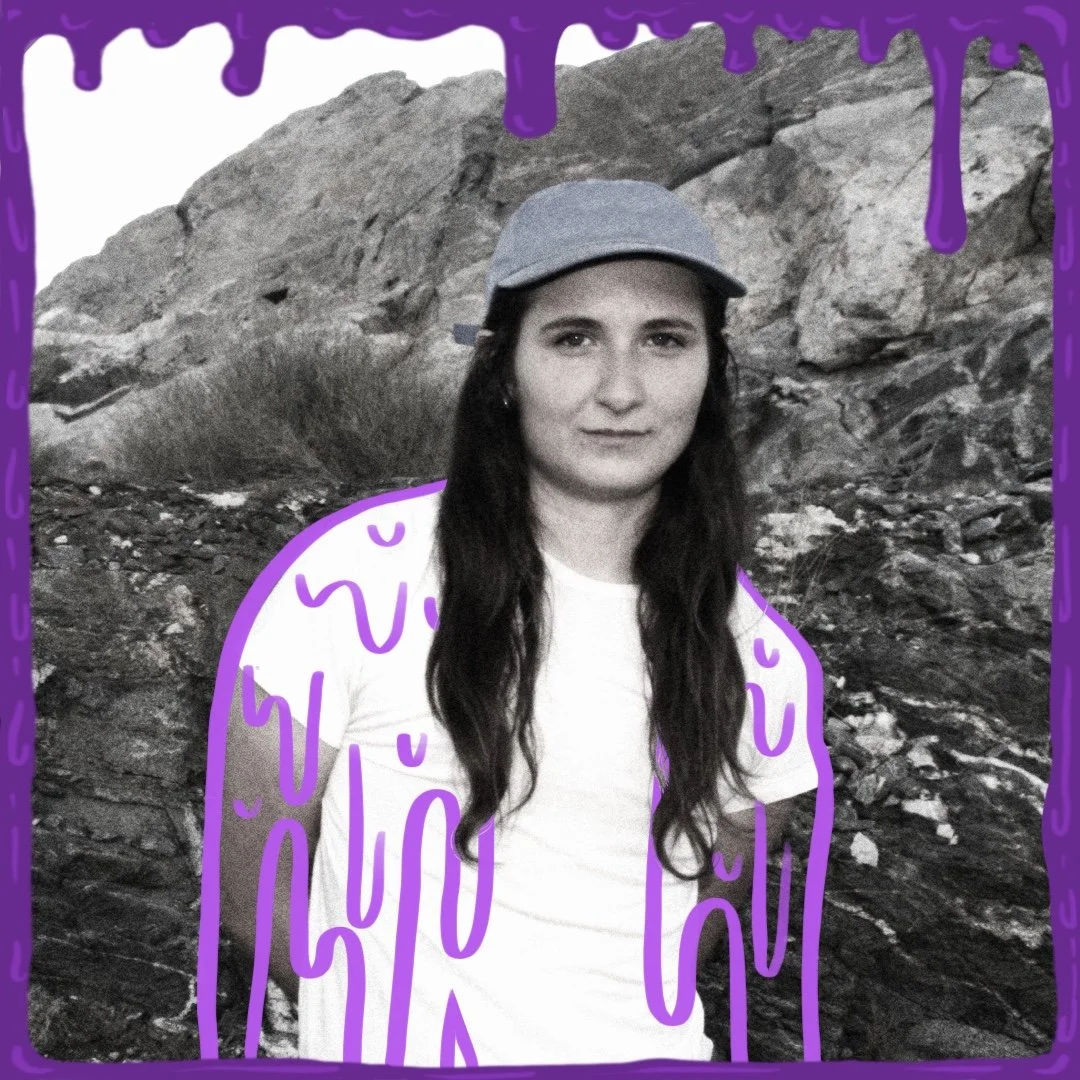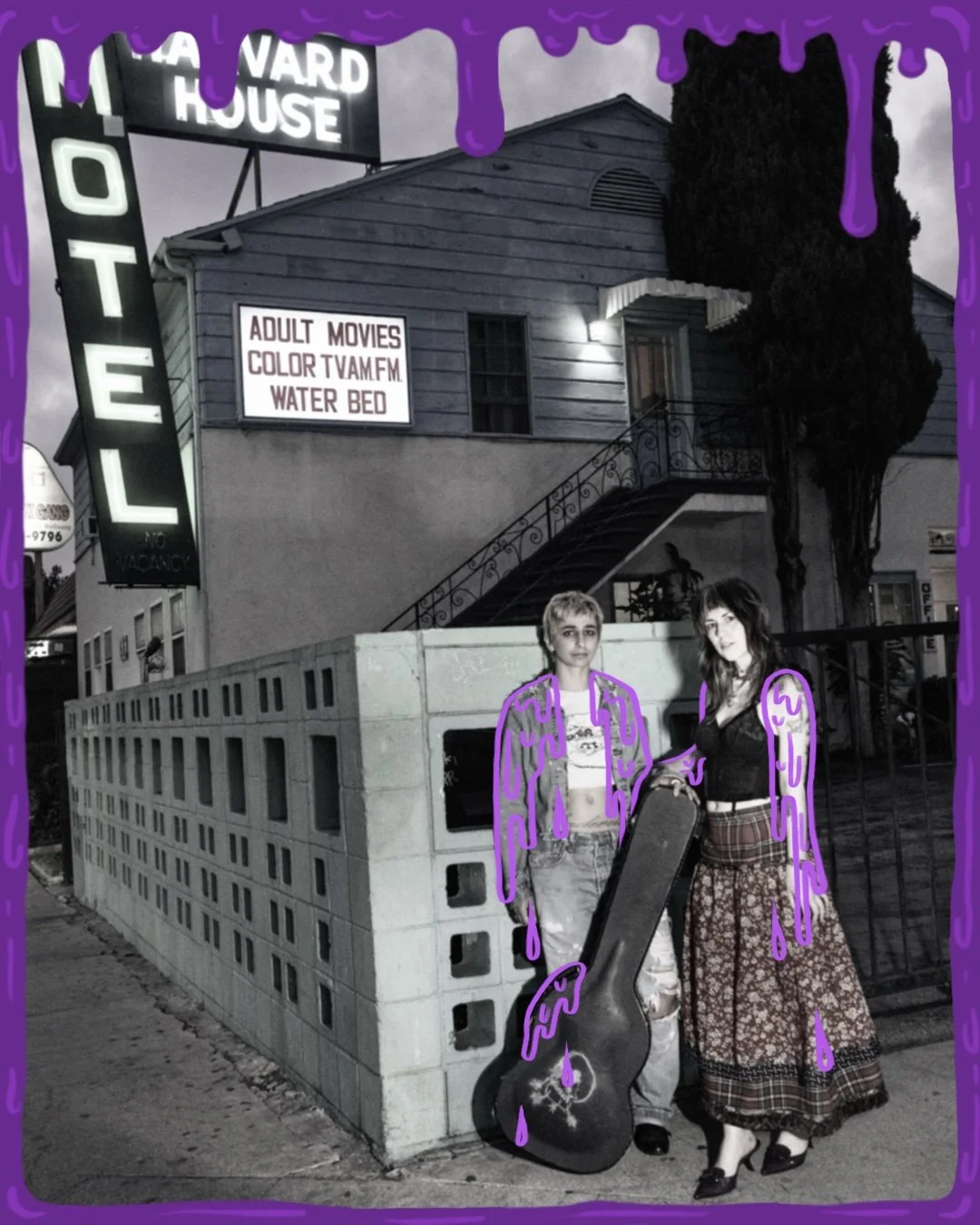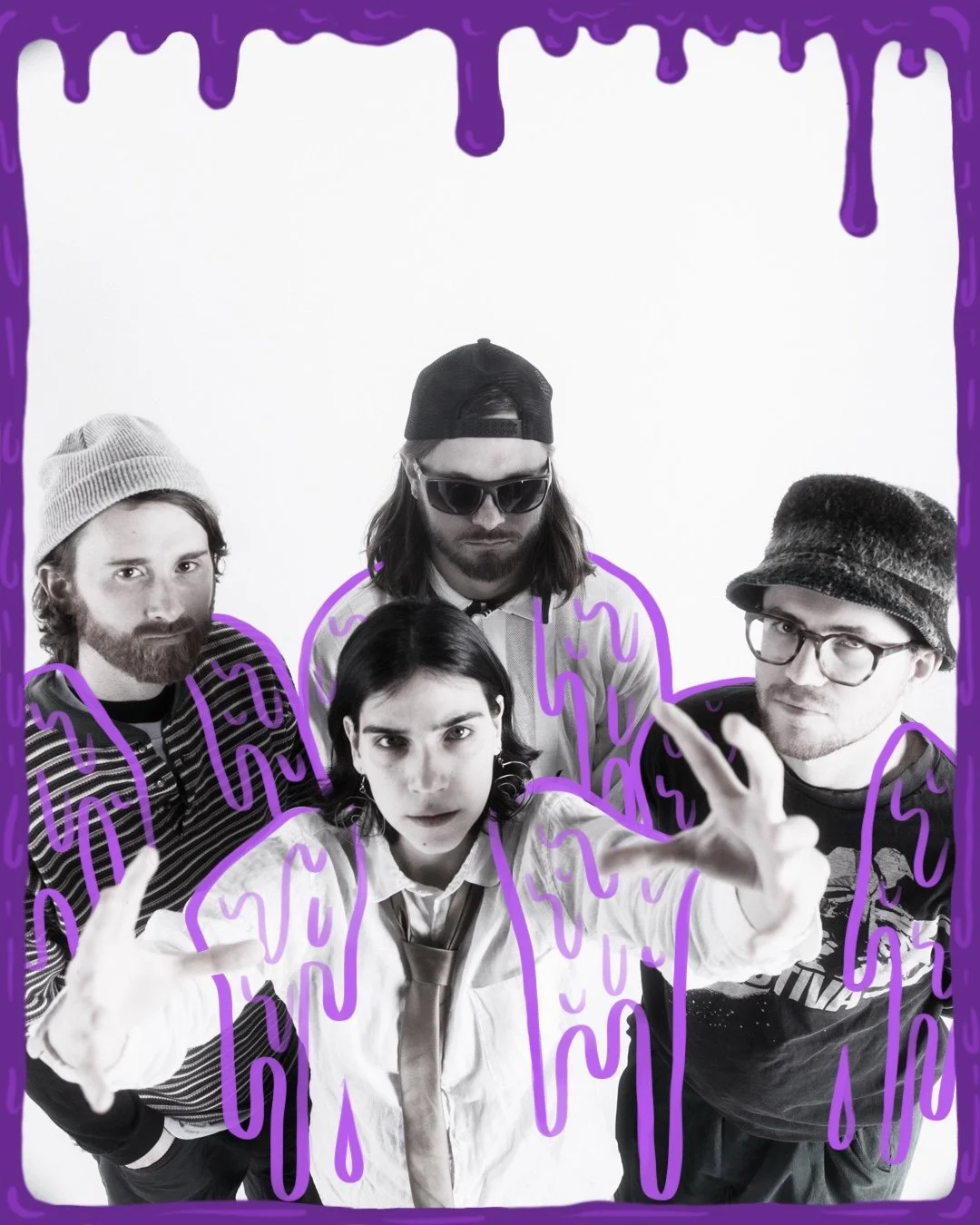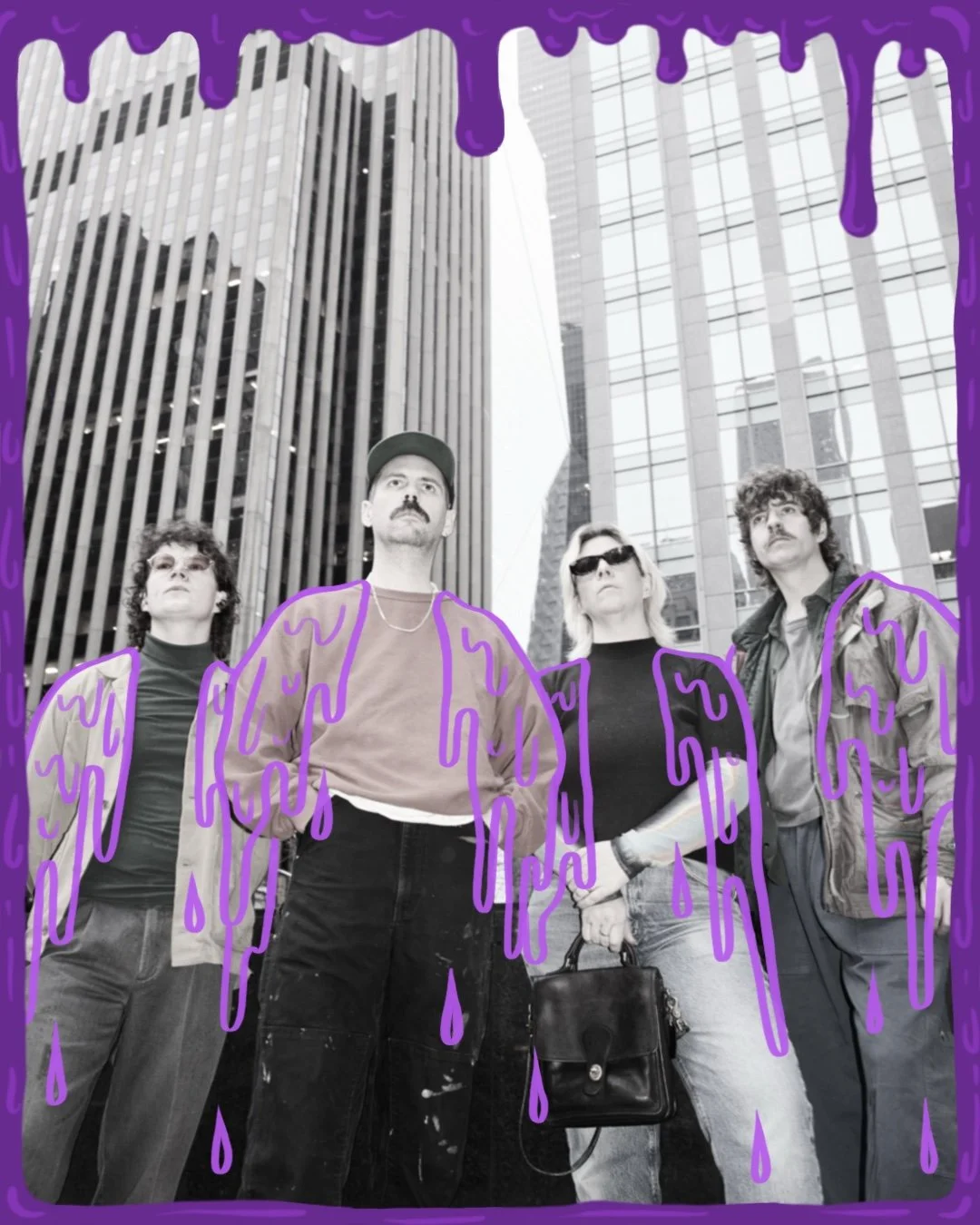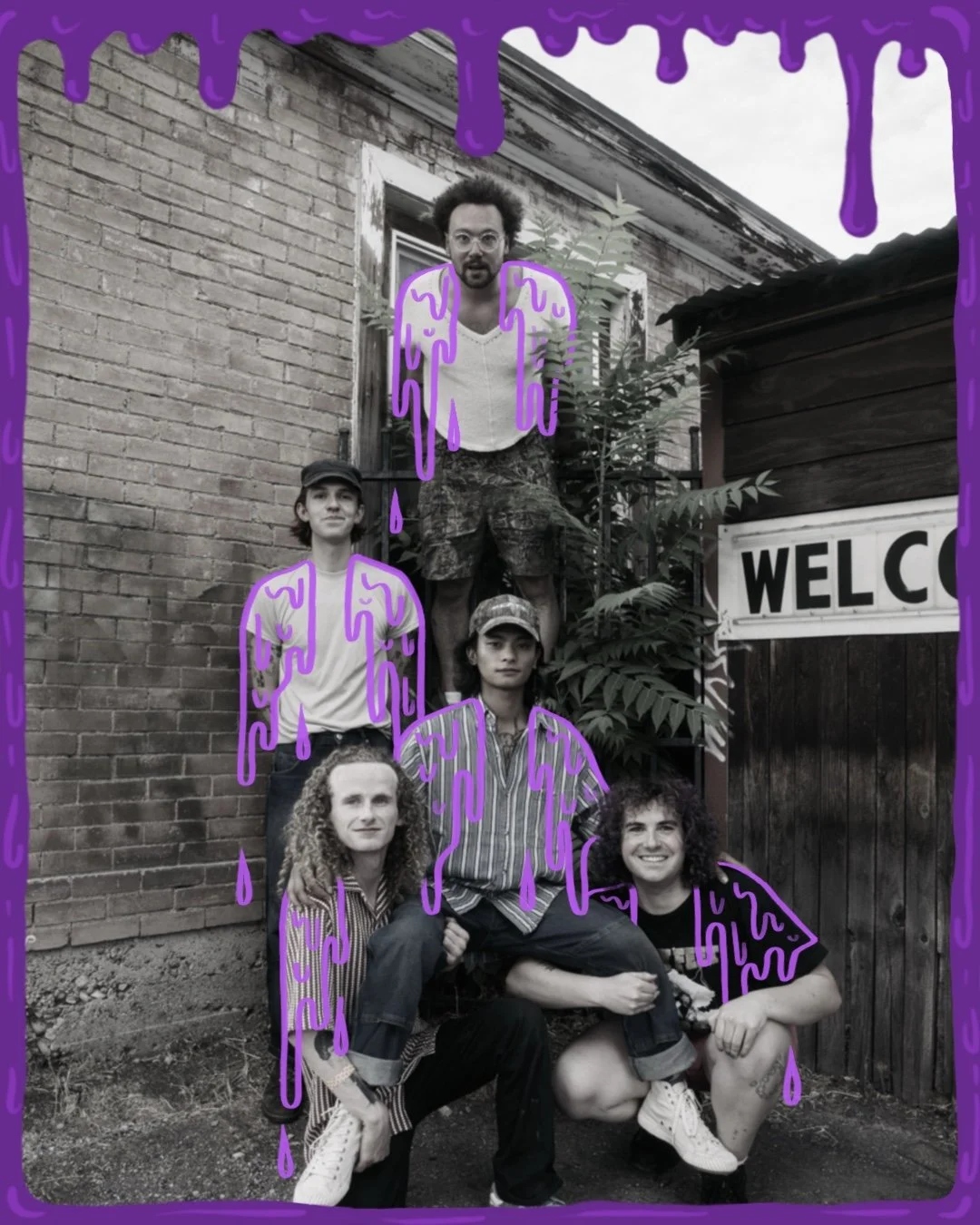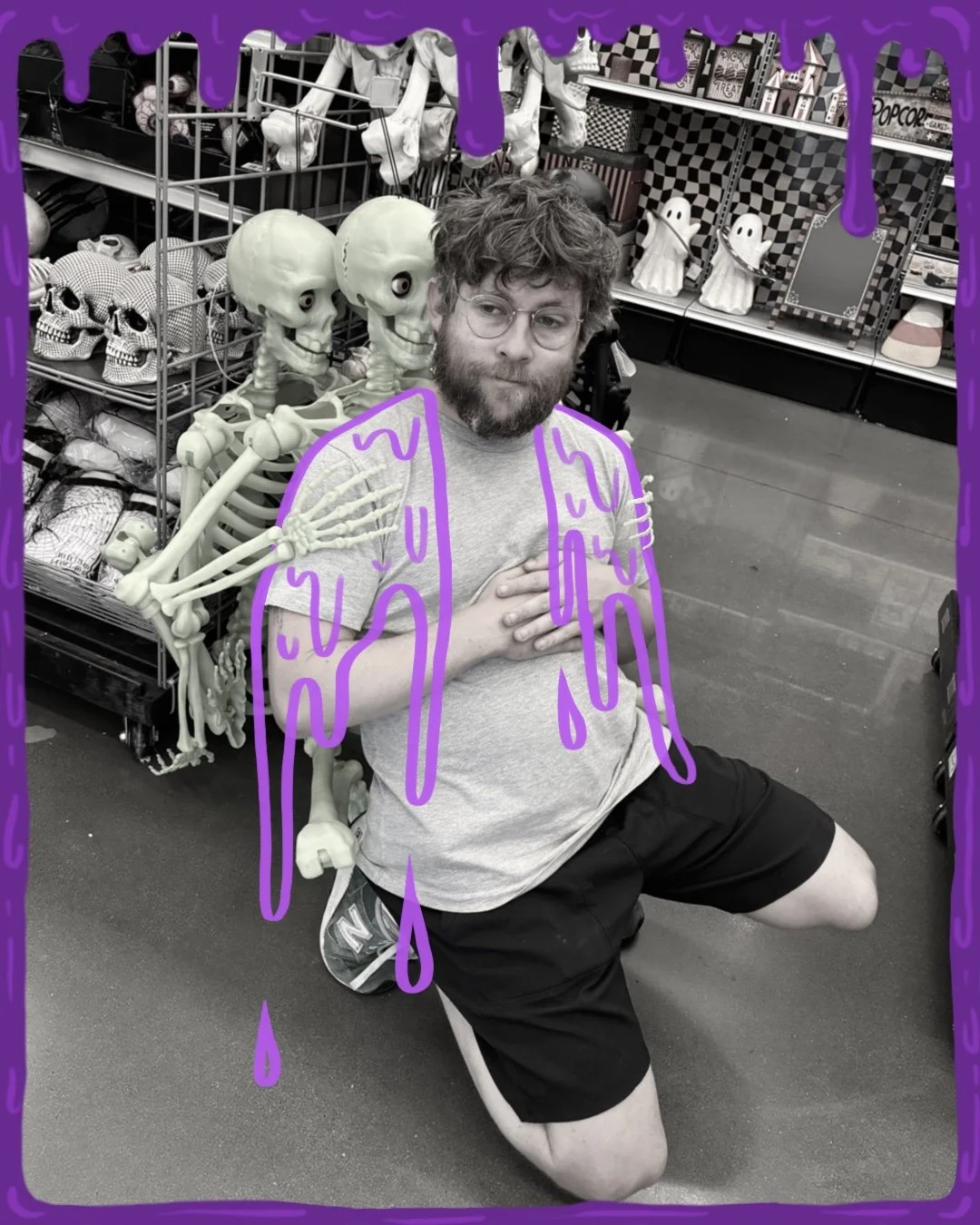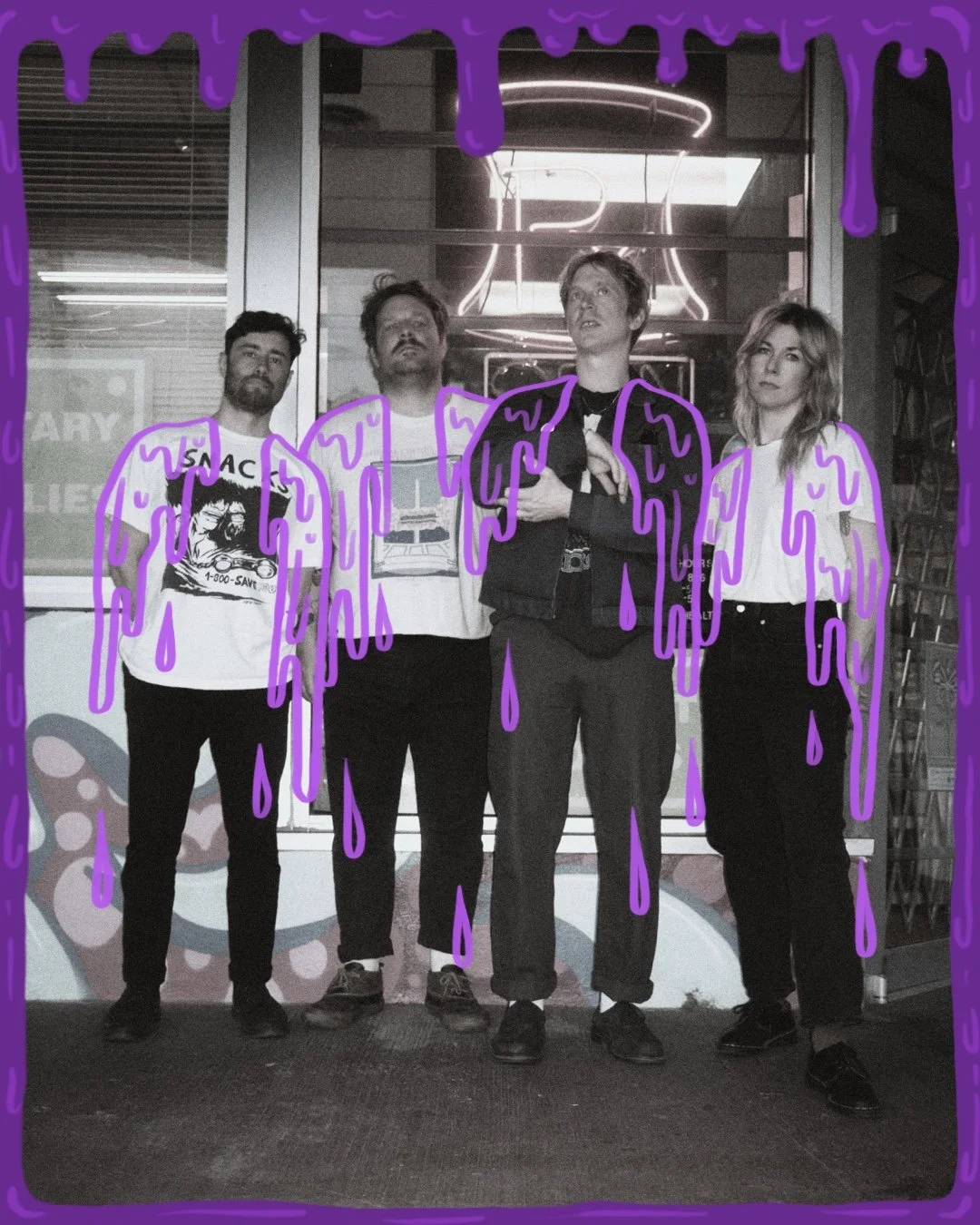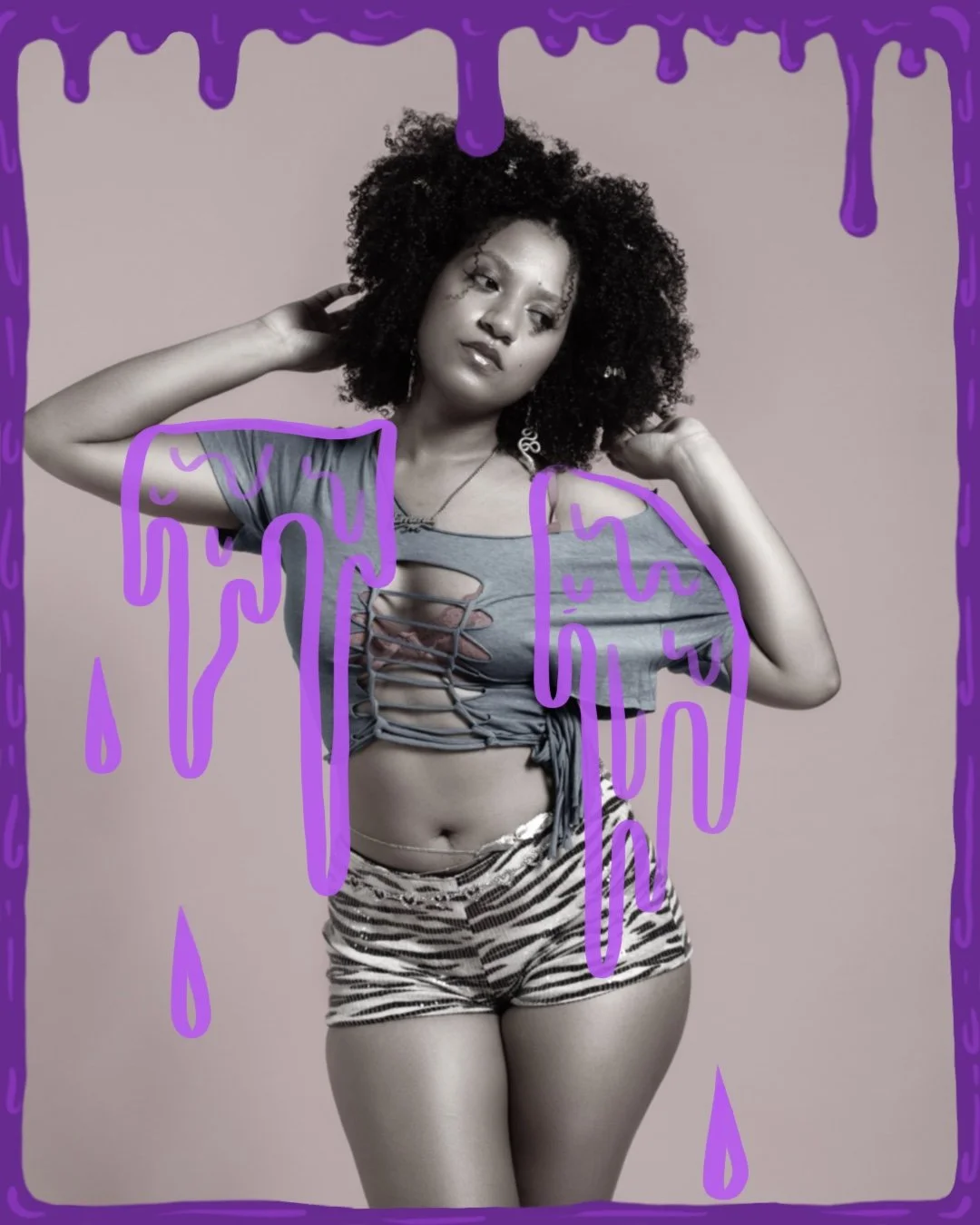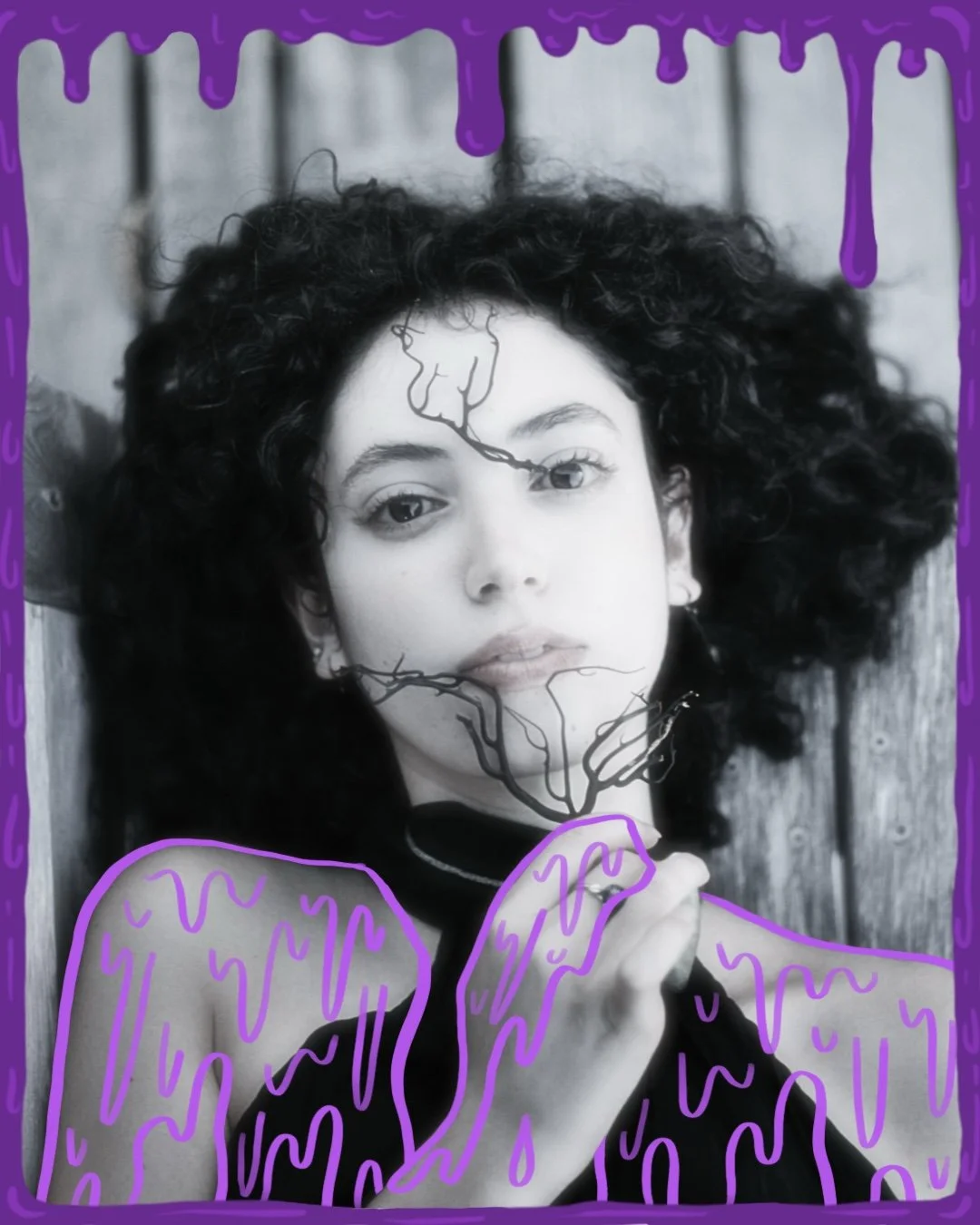
Fayluna, the dream pop artist from Miami, Florida, has been etching out transcendent melodies and ambient-inspired soundscapes across her tracks for years, but, with the release of her self-titled debut album, Fayluna, she has made a definite mark on the scene itself, captivating listeners with a series of simultaneously immersive and expansive sonic journeys.
Her love for atmospheric sounds and music as a whole began as a child, when she begged her mother to sign her up for opera lessons after seeing a Sarah Brightman video she had put on the living room.
She began her vocal training and took piano lessons in addition, cementing her unique intention from an early age. However, when her father passed away when she was only ten years old, the piano, and the songs she wrote on it, became cathartic releases that helped her through her periods of grieving.
As she grew older, the ambient and classical tastes of her mother maintained their hold on her, but Fayluna moved deeper into the electronic spectrum as well, becoming infatuated with artists such as Beach House, Aphex Twin, and the Cocteau Twins.
Therefore, by the time she went to a songwriting school in the mountains of Southern California, Fayluna was practically bursting at the seams, ready to discover her sound through experimentation and sonic wanderings. There, she was trained in the art of lyricism, a fact that is reflected in the tightly-wound, poetic strings of thought laced across her current tracks.
Yet, what attracted Fayluna the most about music was not just the technical understandings that come with studio production; it was the fact that music, in natural form, is all around us and can be reflected and utilized within a recording.
“I just love that there's music everywhere; you go into nature, and there's the birds chirping, there's the wind rustling with the trees, the sound of a stream, the water. There's music everywhere, and I love to, when I go on hike or walks, just listen to whatever is around with no music at all. I feel that's my music, and I think that's what is beautiful to me, that nature has music. It's nice to incorporate the natural elements of things into other sonic soundscapes, and I like doing that.”
After graduating from Idyllwild Arts Academy, Fayluna studied at the Berklee College of Music, where she learned the intricacies of music production and was able to turn her loftier sonic ambitions into actualized output.
Under her given name, Francesca Londono, Fayluna released a number of tracks that represent this growing and shaping of her sonic intention. Yet, upon the release of her album Fayluna, the young artist has announced herself as a deeply intentional, acoustically gifted lyricist and producer, operating in the trance-like state between dream pop and ambient-inspired soundscapes.
From the strummed progressions and hushed melodies of songs such as “Tulips of Gold” to more rhythm-driven tracks like “Melancholy Girl”, Fayluna’s immersive talent is evident across the entirety of the album, and, as she continues to push toward new sounds for her second album, the listener, to fully appreciate Fayluna, must continue to fall deeper into the trance that has been induced by her sonic minutiae.
“This [second] album has the Fayluna touch, I believe, but it's different for sure. It's a lot more poppy and a lot more top line than soundscape-y. It definitely still has the soundscape elements, and the dreamy, but it's also a bit more dance-y as well, kind of channeling some of the older European dance music, but still keeping the ambient soundscapes.”
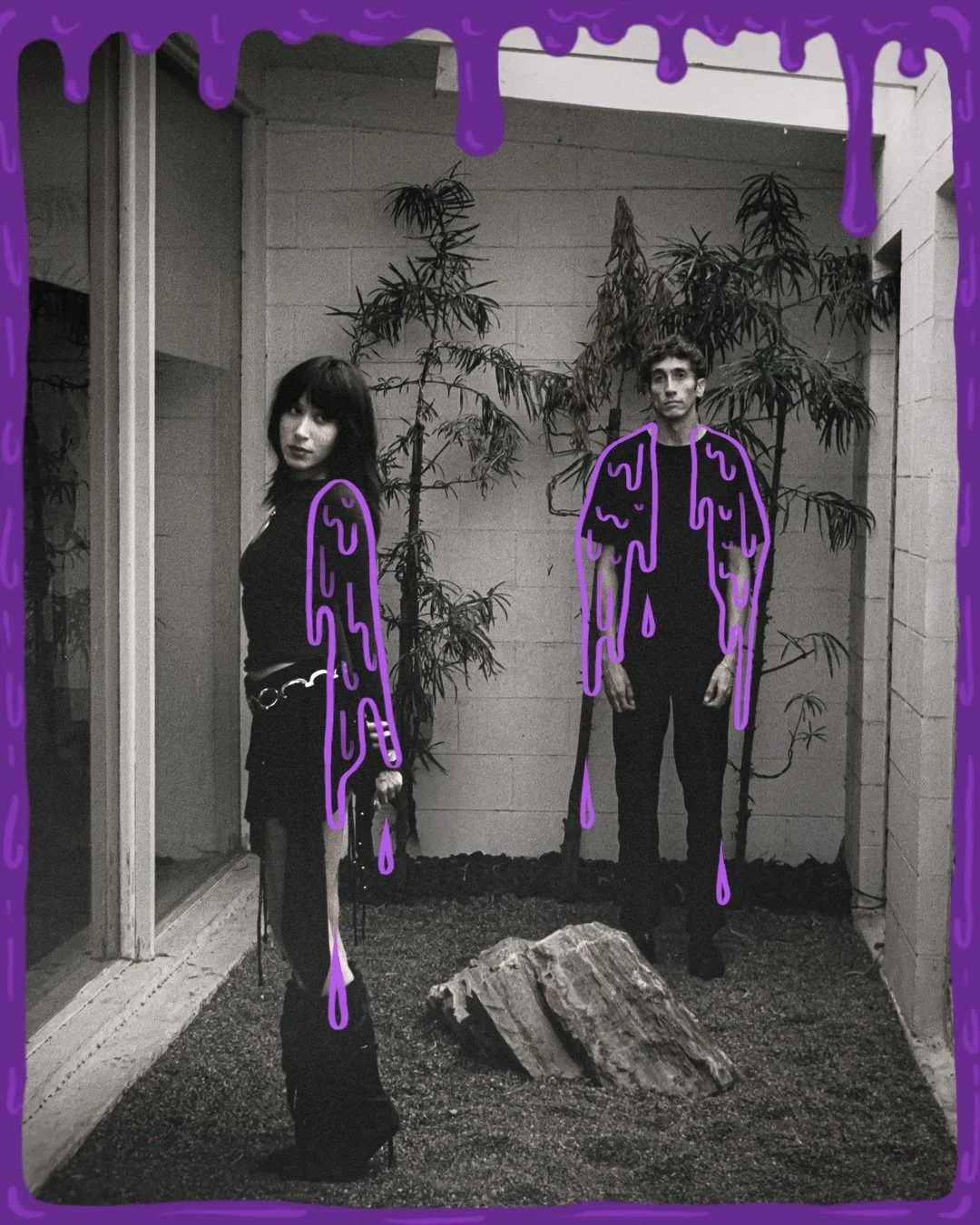
Indie-pop outfit blunnii first formed, in a certain light, out of a serendipitous convenience. Kevin Holm and Jackie Rupey were simultaneously searching for a new creative outlet, and revisiting their old, high school-aged friendship seemed like a perfect opportunity to find one. But as the pair continued to work together, and Kevin’s lush production began to mold itself around Jackie’s all-encompassing voice, the two began to find a balance—one that allowed the best aspects of each creative palette to flow forth in a purer and more unbridled way.
For Los Angeles-based songwriter GABI JR, the release of their debut album, light shine on you, is more than a broad first step into the creation of a more expansive discography. It’s the result of hundreds of hours spent, both in solitude and with their various friends and collaborators, etching out songs in their free-flowing, improvisational style, and across 12 swooning, folk-inspired tracks, it also represents GABI JR’s creative process come to life, finding form and function from the nebulous and swirling thoughts and sentiments that underlie each of their tracks.
When Maia Sinaiko and Susanna Thomson first met as teenagers performing arts camp in Northern California, it became immediately clear that their shared affinities, and their friendship, would provide them with a creative partnership for the rest of their lives. But when Sinaiko moved back to the Bay Area, the two got their first real opportunity to realize that partnership in the context of a unified project—and Sour Widows, over the past nine years, has come to represent a gradual refining and expansion of their shared process; one that continues to take on new life and new forms with each successive effort from the indie-rock, slowcore-inspired outfit.
sadie, the blossoming electropop project of NYC songwriter and producer Anna Schwab, began merely as a nebulous passion—Anna had cut her teeth as a songwriter in the college band scene at Wesleyan, and she found herself slowly being drawn towards more electronic modes of production once that project naturally dissolved. But after years spent feeling out and finding her sound, Schwab arrived at an entrancing concoction—alternatively swooning and soaring across the subdued, indie-inspired tones of her ranging production—and her debut album, Better Angels, is the first, unbridled culmination of this sound.
From the time that Danish “cross-pop” duo miaw, composed of Liza Dries and Frederik Fog, first united during their time in Cologne, Germany, the pair knew that there could be a creative spark between them. When they got in the studio together, that manifested itself almost, if not quite, immediately—in the form of an ethereal and jumping sound that combined the motifs of breakbeat, deconstructed club, and other electronic and indie genres.
For Nara Avakian, the titular member of trip-hop/indietronica outfit Nara’s Room, the creative act was largely always something very personal and private. Guitar and the art of songwriting, through high school and college, served as a sort of safe haven for Avakian: a place where they could retreat and flesh out their own inner turmoil without any set of external expectations bearing down on them.
The start of Telehealth’s journey into the Seattle post-punk scene was marked by a sense of disaster—lead songwriter Alexander Attitude felt the world coming to an end with the COVID-19 Pandemic, and in response, he returned to his punk-laden songwriting origins in the quiet of his bedroom.
For Yonkers-raised rapper Jay Cinema, the creative act has never been centered around a certain model of sound or intention—it’s always been a desire for self-expression and for the thrill that creation brings him, and hip-hop, in some ways, was simply the most obvious and the most comfortable avenue through which to pursue that. But after over eight years and 12 full-length projects engrossed in the art form, it’s the continuous growth, and a deepened understanding of his modes of expression, that have come to define his sound.
Portland rock outfit Jonny’s Day Out has been interweaving ambient, experimental passages with a straightforward indie ethos since their official re-formation in 2021, but when they sat down to work on their debut record, JDO, it was their decision to embrace the latter part of their sonic roots that came to define the band and their pursuits. Although the foundations of the group go back to Avery Haines’ and Blu Midyett’s childhood jams and busking endeavours, it was this recent shift in focus that truly cemented the band’s intentions— and the pure clarity and focus of the record is ample evidence of that fact.
Cooper Kenward has been writing songs, spread across various genres and modes of expression, since he was just a pre-teen in his bedroom messing around with his friends. The start of his solo endeavour, culminating most recently in the release of his fourth studio album Call Me the Knife, has served as more than simply a creative outlet over the past few years—it’s represented a return to the sort of expression, and the centrality of voice, that makes Kenward such an endearing storyteller.
While Ultra Lights may come across, at first glance, as a relatively young indie-rock effort out of Atlanta, it’s actually founded on a much deeper and much lengthier relationship to the genre and to the local scene. For John Robinson, the band’s founder, it represents the culmination of decades of experience as a songwriter—a personal passion project that has allowed him to explore a more self-focused side of his creative pursuits.
Menzies took its official form as the alternatingly blistering and eerily tranquil alt-country, post-punk efforts of Wellington-based songwriter Chris Brown with the release of the group’s debut album Holding My Cold Hand, Even Though Yours Is Warm in May. But it’s the ethos behind the record—one of stark intention and an utter disregard for expectation or unnecessary complications—that, beyond the genre descriptions, shines through every twist and turn on the record, stemming directly from Brown’s unflinchingly pure and direct approach to his own creative activity.
Toronto-based rapper and producer Gritfall has had a concrete idea of who he wanted to be artistically since he was stuck at home in middle school, bumping Odd Future on his iPod. But over the course of 17 full-length products and years of churning out of instrumentals, he’s honed his voice and his style in a way that, above all else, exudes a sharply defined focus and intention. Fall Classic, which Gritfall considers as his true debut project, serves as ample evidence of that fact.
James Eichman made his name in the Nashville scene with his prowess and versatility as a supporting guitarist, spending the last few years playing seemingly endless gigs for bands around the city. But as he continued to pursue his own songwriting ventures on the side, he steadily felt an itch to shift his focus in that direction— to face his own voice and his own modes of expression more fully. The fruits of those efforts came in his debut album St. Catherine Street, and in its spacious, tender musings, the project establishes Eichman as much more than just a skilled instrumentalist.
The pursuit of music, for Brooklyn-based songwriter May Rio, came initially by chance. After years of training as a painter and visual artist, she stumbled into a pawn shop in Rhode Island and, on a whim, came out with a guitar. But in those initial periods of learning the instrument, she discovered a feeling of freedom and lightness that had long since escaped her in her primary craft.
Almost none of Adult DVD’s members come from a distinctly synth or electronic-rooted background, but you wouldn’t be able to guess that in the slightest when you listen to their debut full-length record, Adult DVD. The energy and carefully bided absurdity are too intentionally wielded, too directly harnessed, to suspect otherwise.
Growing up in Los Angeles, Henry Morris always possessed a distinct feeling that some life-altering, earth-shaking event was waiting for him around the corner. But now that Morris has found his footing in the industry and carved out a niche for himself, he’s writing with a freedom and looseness of expression that starkly contrasts with his earlier work. While the life-changing moments came early, it’s the steady progression of his artistry that has cemented Morris as one of the rising stars of the indie scene.