Artist Profile: Hillsboro
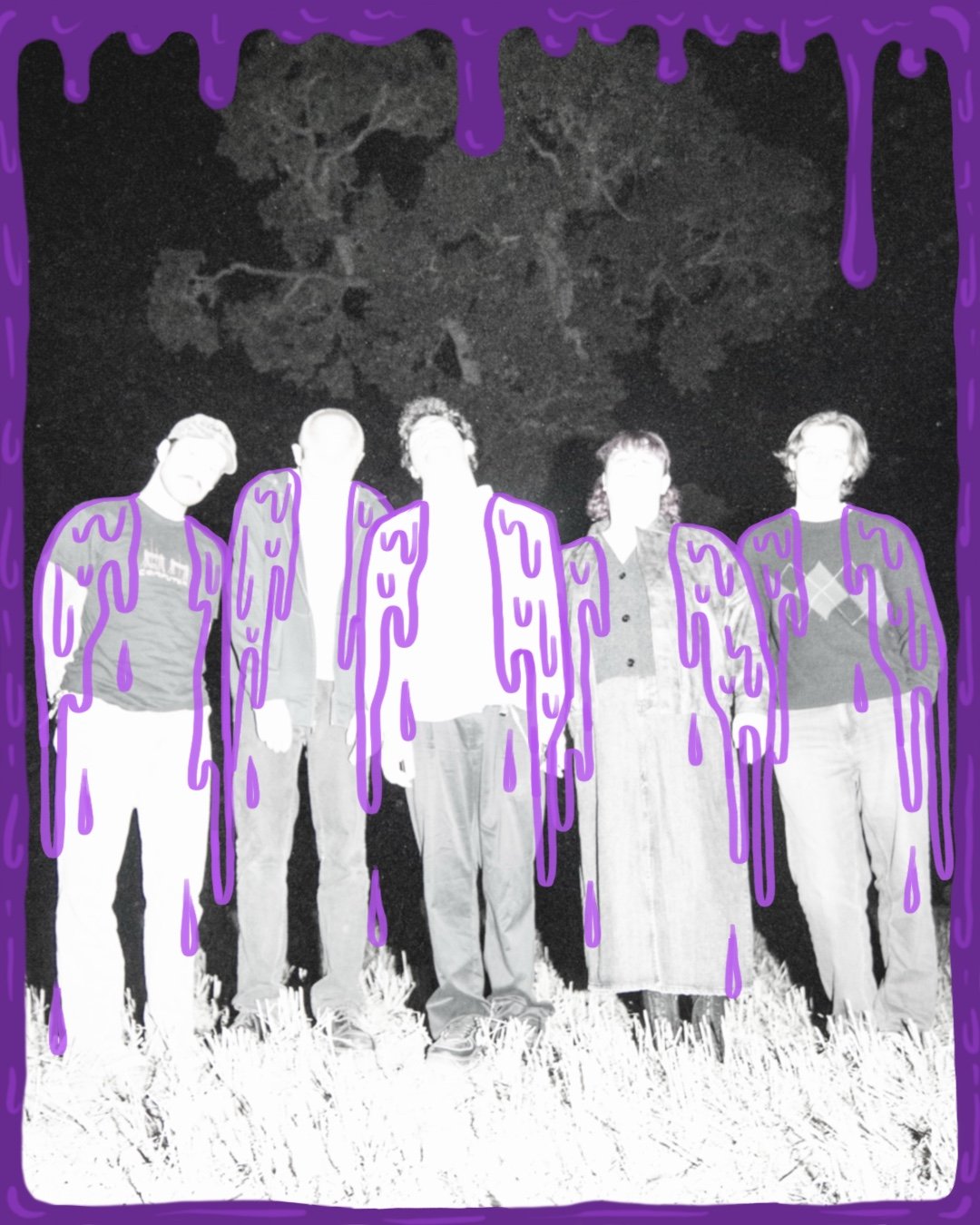
Photo Credit— Gudrun Wai-Gunnarsson
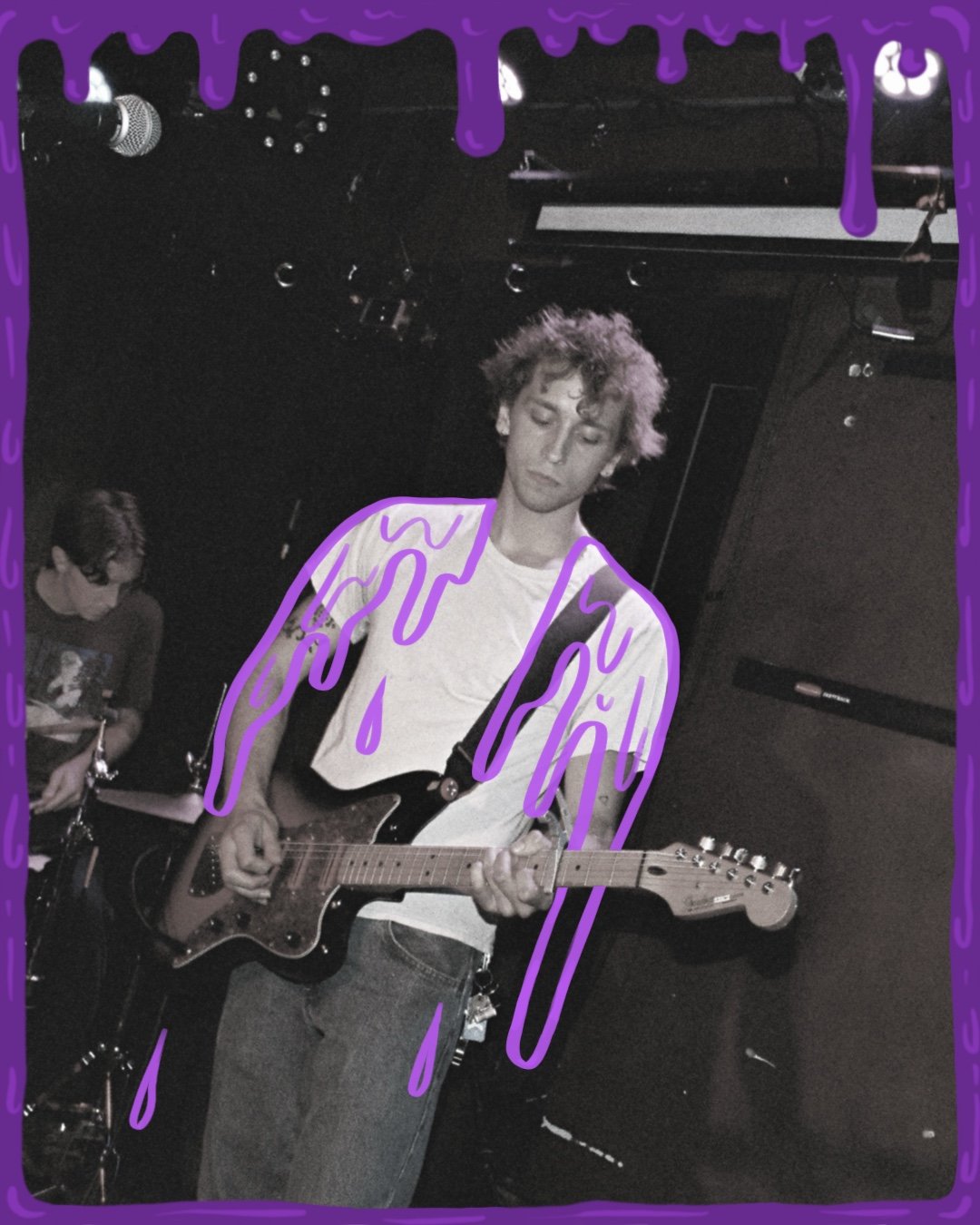
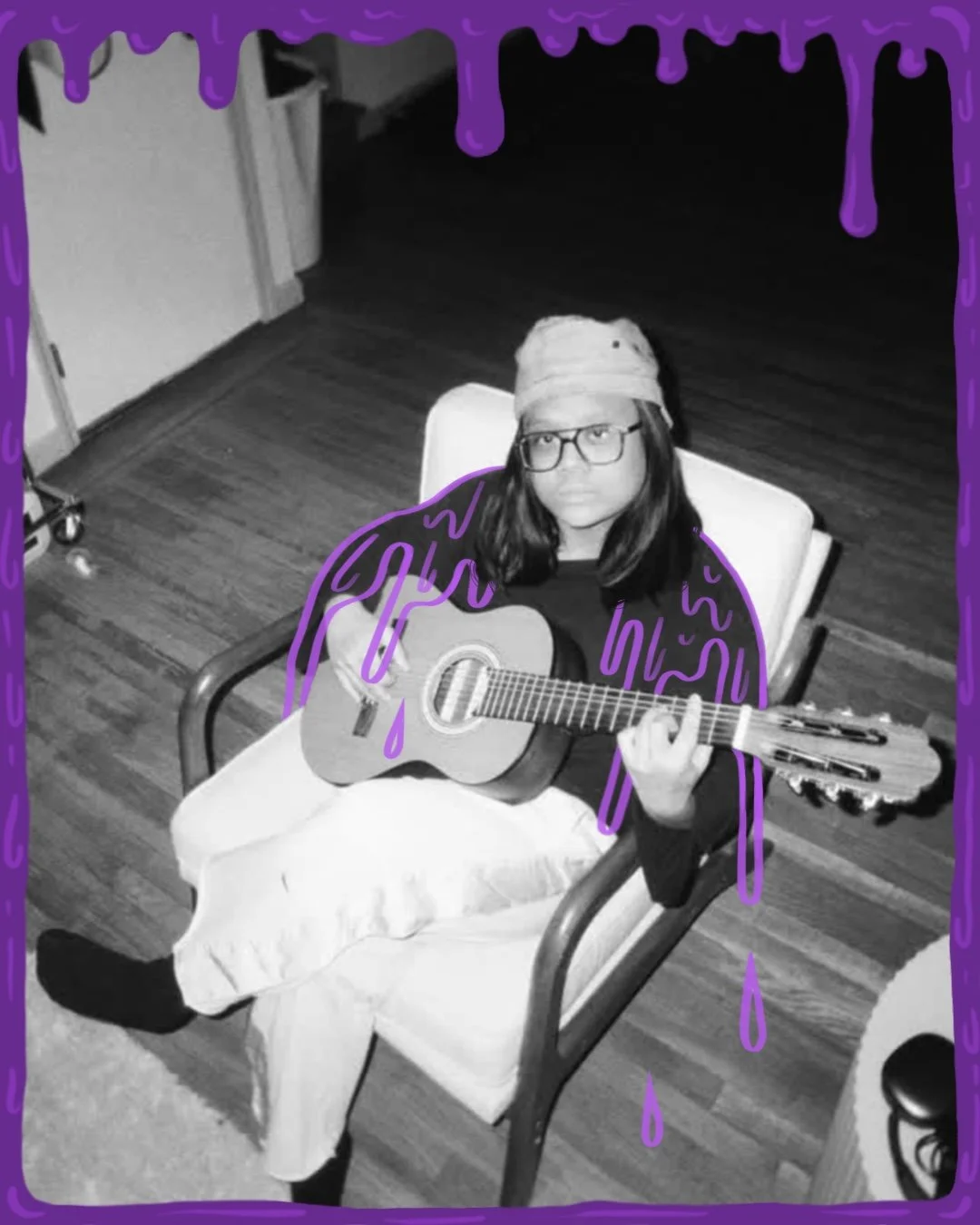
When Hillsboro’s frontman, Vancouver native Nima Walker, first began making electronic instrumentals in his bedroom as a teenager, he never imagined he would have the inclination to lead a rock band, let alone find the confidence and community that the activity required. But over a decade later, Hillsboro has found its fullest expression under the winsome eye of Walker’s earnest songwriting, and with the release of their new album A Party in Your Name, this artistic impulse has worked its way to the forefront of a distortion-heavy, garage-rock-oriented backdrop.
Although Walker’s fascination with music didn’t pick up until he was nearly entering high school, he showed a dogged interest from an early age. His family members love to recall stories of his obsession with a set of toy instruments his uncle bought him for Christmas— Walker would carry the toy guitar, more specifically, with him almost everywhere he went. His parents, seeing the budding tendrils of a hobby for their son, enrolled him in classical piano lessons.
Walker enjoyed them, but nothing truly clicked for him until, late in his time in middle school, dubstep had its moment in the spotlight. Walker was entranced not only by the sounds and the emotions that Skrillex and similar producers were capable of creating but also the sense of community that came with the genre. He quit attending his piano lessons, and he devoted himself entirely to learning to produce.
“I think it's not too dissimilar to why I do the band now. It seemed like something that I could do completely on my own without any resources…. That really drew me in. It seemed really exciting that you could do something that expansive just at home with your mouse and keyboard. Also the touring seemed really interesting to me. It's a lifestyle thing, and the community of it too. The few friends that I had who were into it, you immediately had this [sense of connectedness].”
In the course of his experimentations with production, he bought a Korg Monologue synthesizer, and that gave him the opportunity to join his first band— Kyoto Banana Star— which would play basement and DIY shows around his hometown. For Walker, the band was largely a chance to refine his skills as an instrumentalist. But as he continued to get more involved in his local scene, and as his bandmates exposed him to acts like The Microphones and Mt. Erie for the first time, Walker felt a new fascination building— he wanted to learn guitar.
His band teacher lent him an old, beater acoustic, and Walker set to work learning the ins and outs of the instrument. He was already technically adept in music theory, and to him, learning guitar was simply learning a different mode of expression for that knowledge.
But as he gained proficiency on the instrument, his original band made it clear to him that there wouldn’t be room for him to play guitar in their act.
So he struck out on his own, gathering a group of friends from his local scene. In the awkward, listless years of age 18 and 19, Walker laid the foundations for Hillsboro. But setting out as a singer-songwriter posed a challenge of vulnerability that Walker hadn’t faced during his years as an electronic artist. For the first time, he felt truly exposed in his artistry.
“I was so scared to be honest, because the idea of just sitting down [with] myself with a guitar and singing a song felt so kind of explored already and tapped that I think I was really scared of doing something just really uninteresting. But that also became a really exciting challenge because it was so much simpler. It felt like each thing mattered way more. And I'm still kind of in that process.”
Walker began exploring bands like The Strokes and The Dismemberment Plan, and that first, self-titled album, in its garage-rock haze and urgency, embodied those influences fully. That record, and Hillsboro’s pair of 2024 EPs clean.liar_b2[+++] and White Trash, were largely the products of Walker’s first, frenzied attempts at songwriting— everything from that era of Hillsboro spewed forth from the initial burst of energy the band gained with its formation.
But in the interim between their first and second record, things changed immensely for the band. Walker got sober, and each member of Hillsboro faced their own personal battles in some way. The band exited that period with a more mature sense of their connectedness and their own individual artistries. Walker, for his part, felt like he was finally able to cast off the “mask” he wore on the first record. Where he once lacked confidence in his songwriting, he would compensate with a sense of self-assuredness in the music and the potential of Hillsboro as a band.
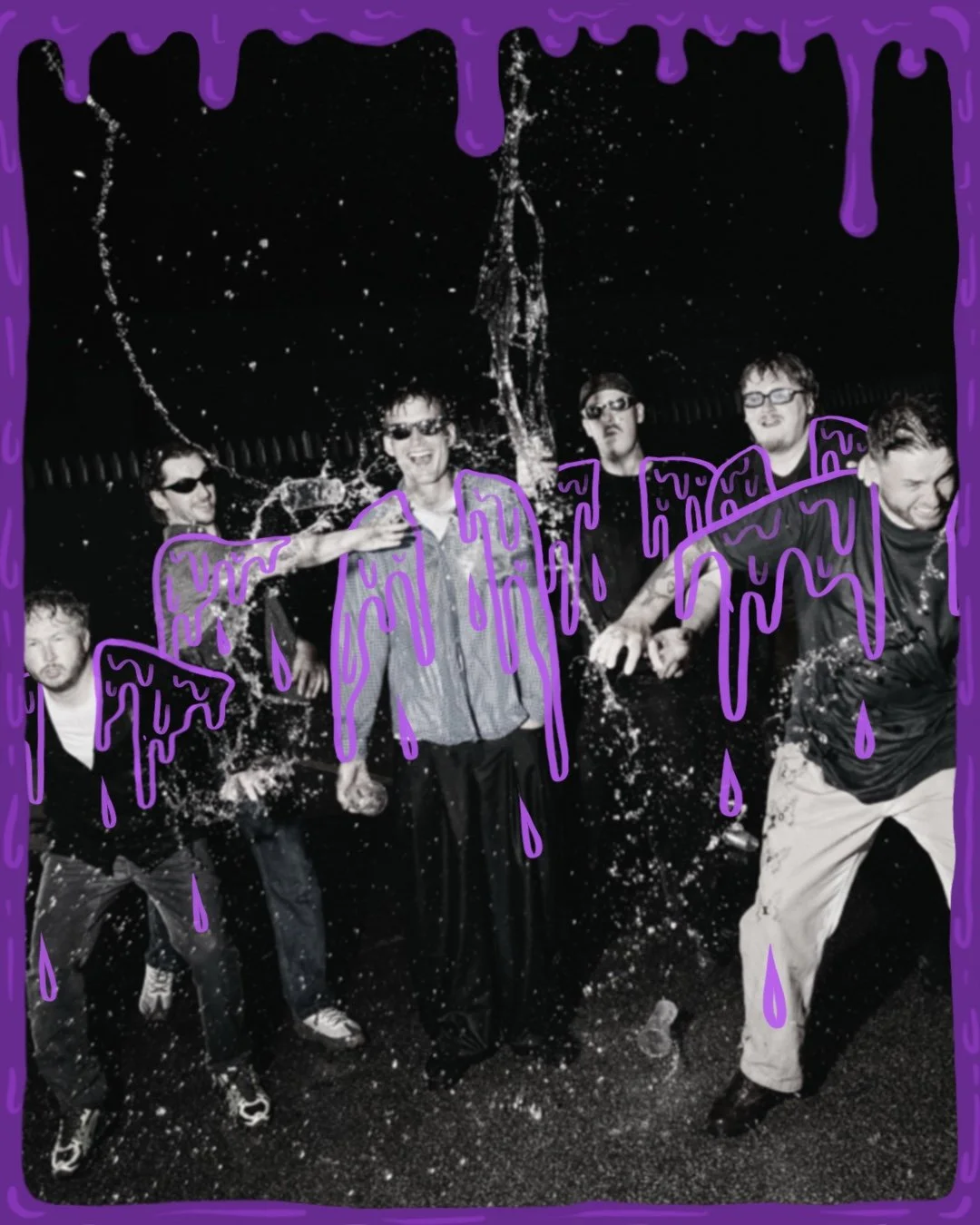
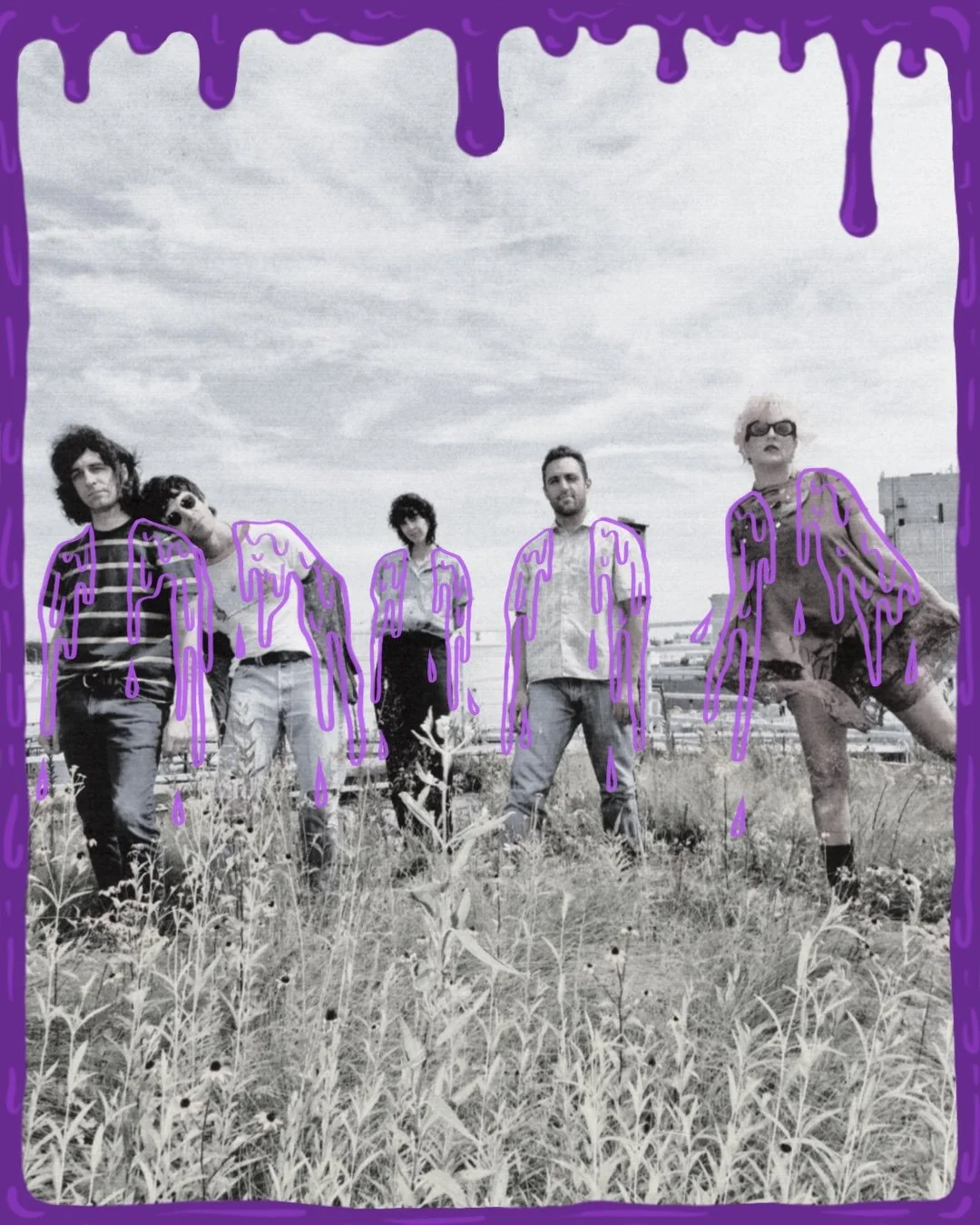
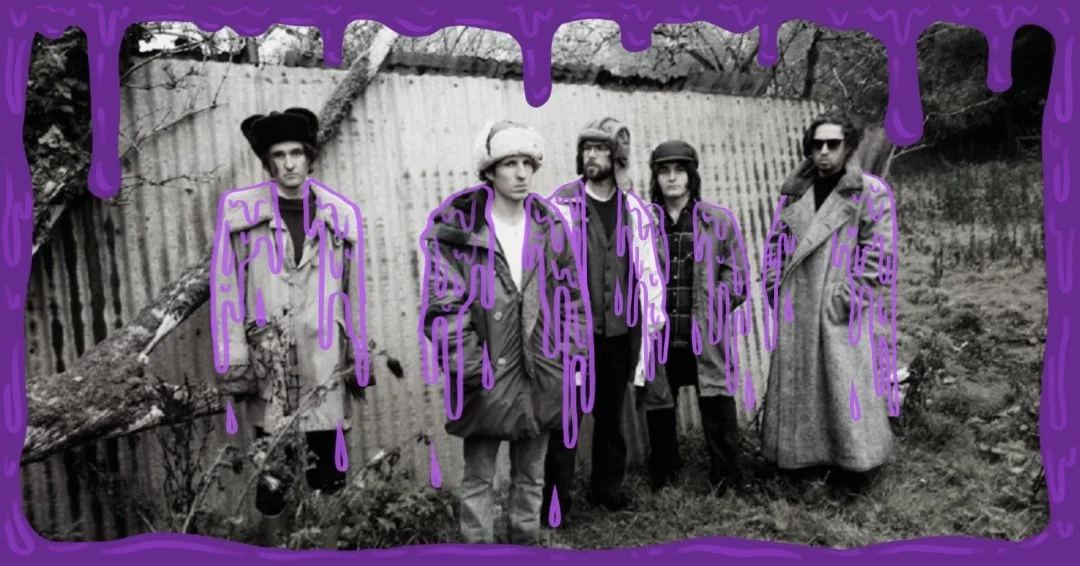
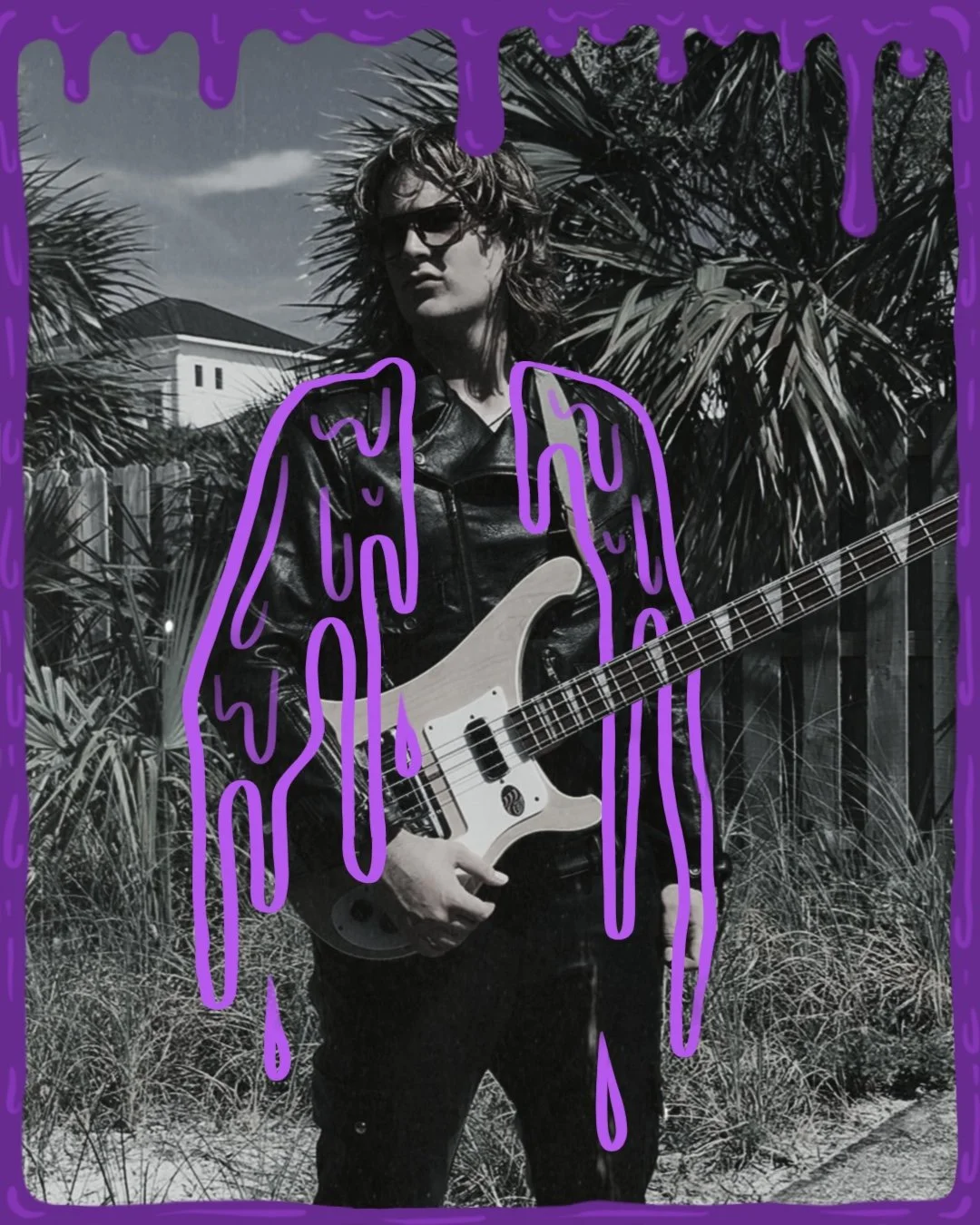
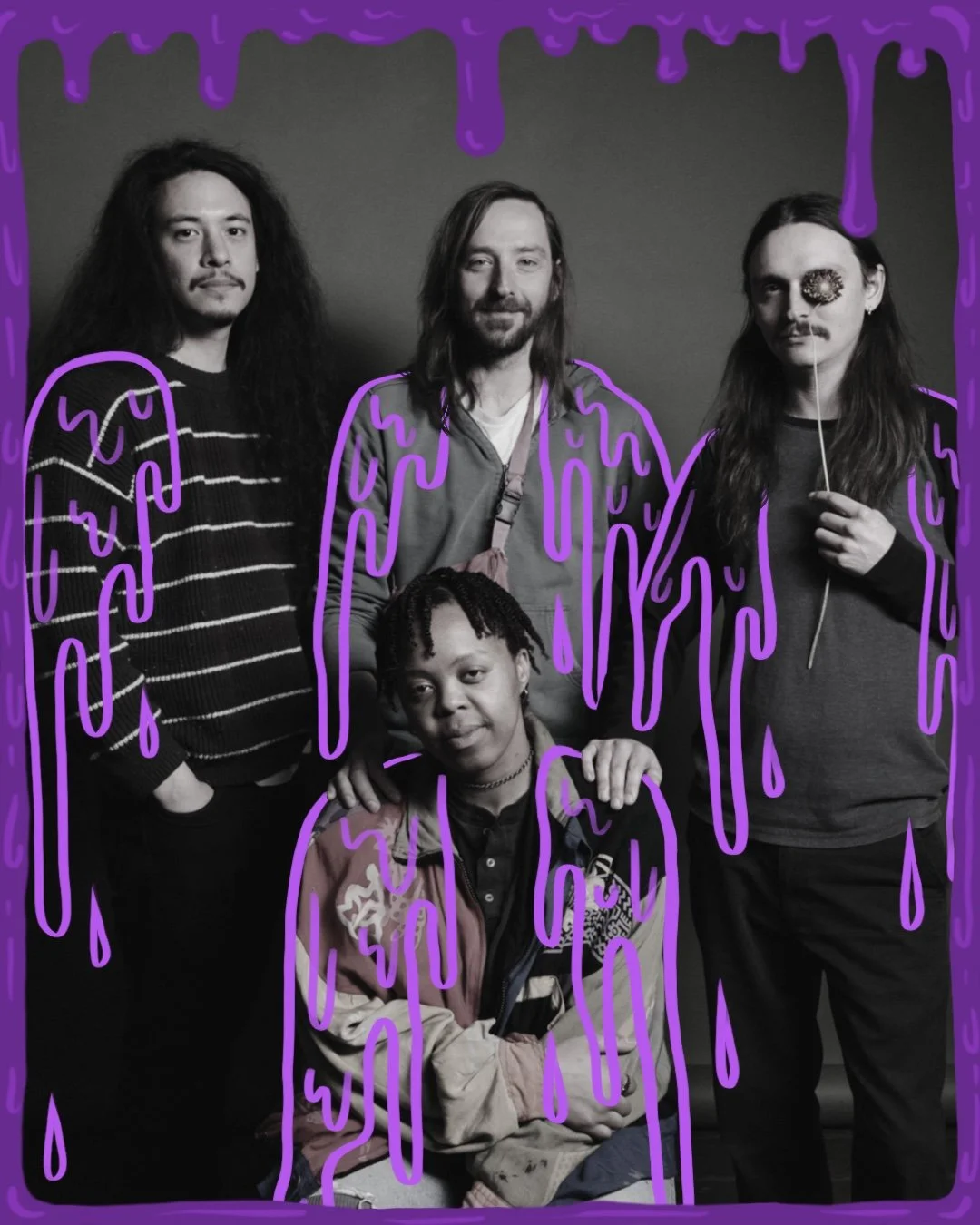
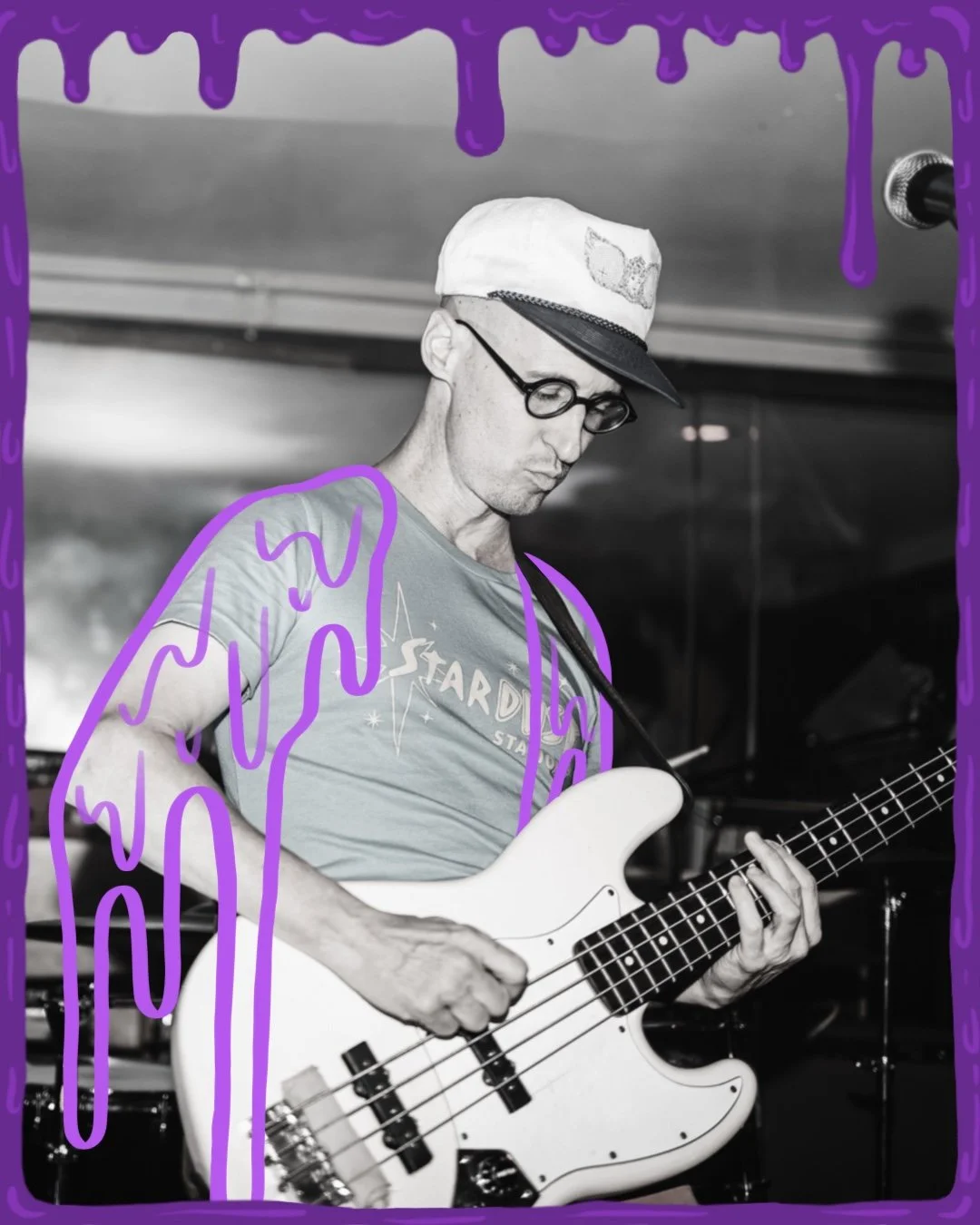
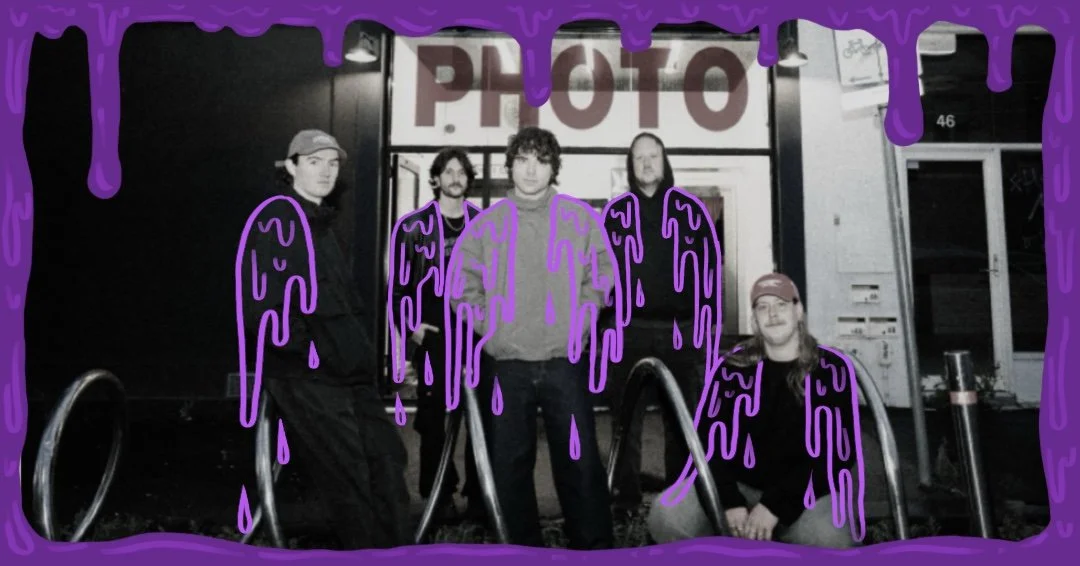
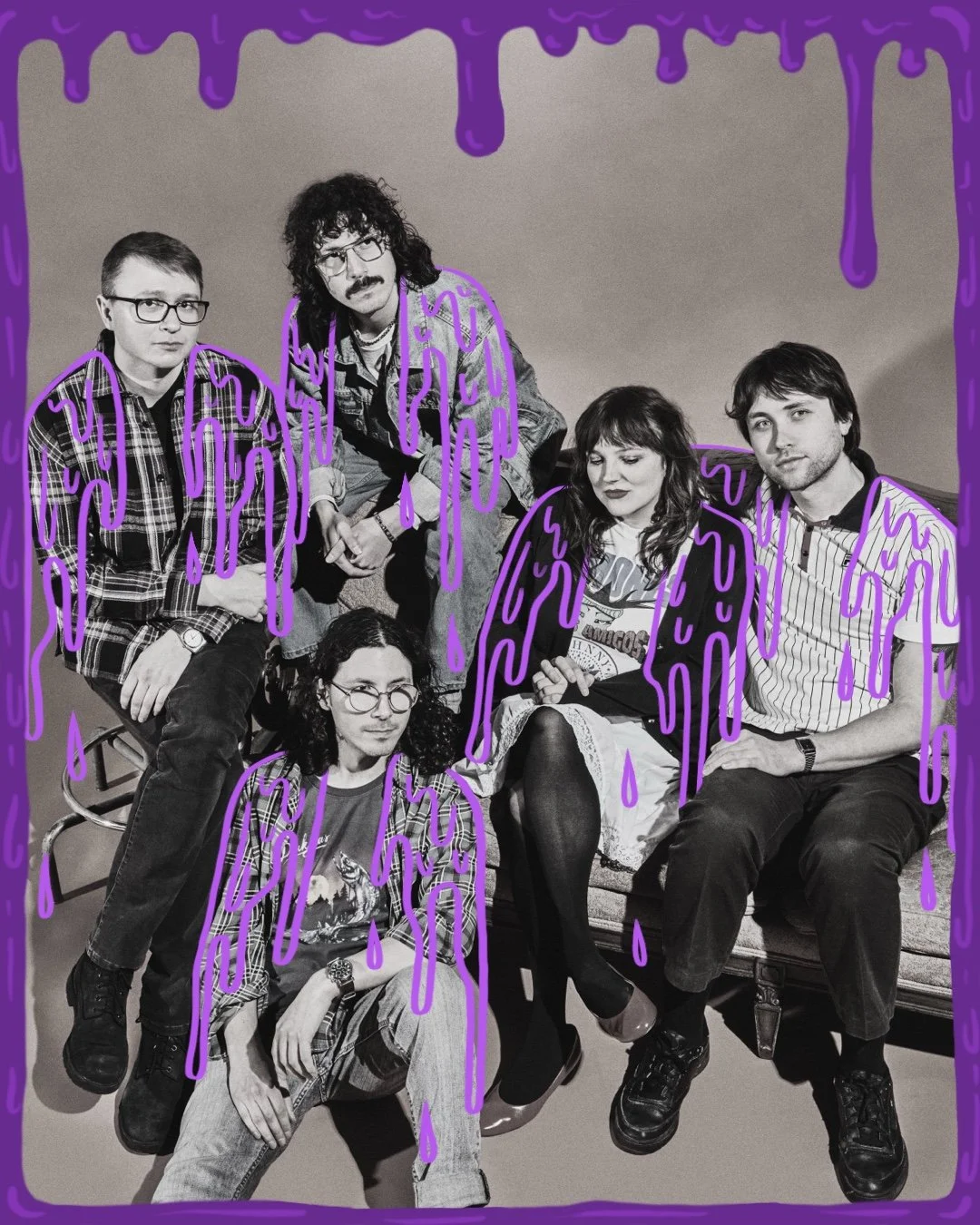
With that stripped off, Walker was able to regain some of the simplistic sensibilities that initially drew him toward Hillsboro, experimenting with the potential that a more minimalistic approach to songwriting and arrangement holds. With a refreshed lineup of Walker, violinist Dexter Hodgins, bassist Layten Kramer, guitarist Sam Wells, and drummer Oliver Hollingshead, Hillsboro set to work recreating their sound under new emotional conditions.
“What that is, at the end of the day, is we all love music, and we love each other… I think that's what we figured out over the two years is that everything should be about that. And if it's not about that, we need to check ourselves and check each other and make sure that's what's happening because, otherwise, it gets really exhausting and you start wanting to not do it anymore.”
From the layered, shredding guitars of their final single for the album, “HotgirlTM”, to the collapsing and wavering arrangements on “Cost Evaluation”, this evolution is more than clear. In their development of a more distinct creative vision, Hillsboro and Walker have torn apart the barrier that, in some ways, separated them from the full realization of their artistic intentions on their first record, and A Party in Your Name is, therefore, a full manifestation of what Walker envisioned when he first set out to face his vulnerabilities as a songwriter.