Artist Profile: youbet

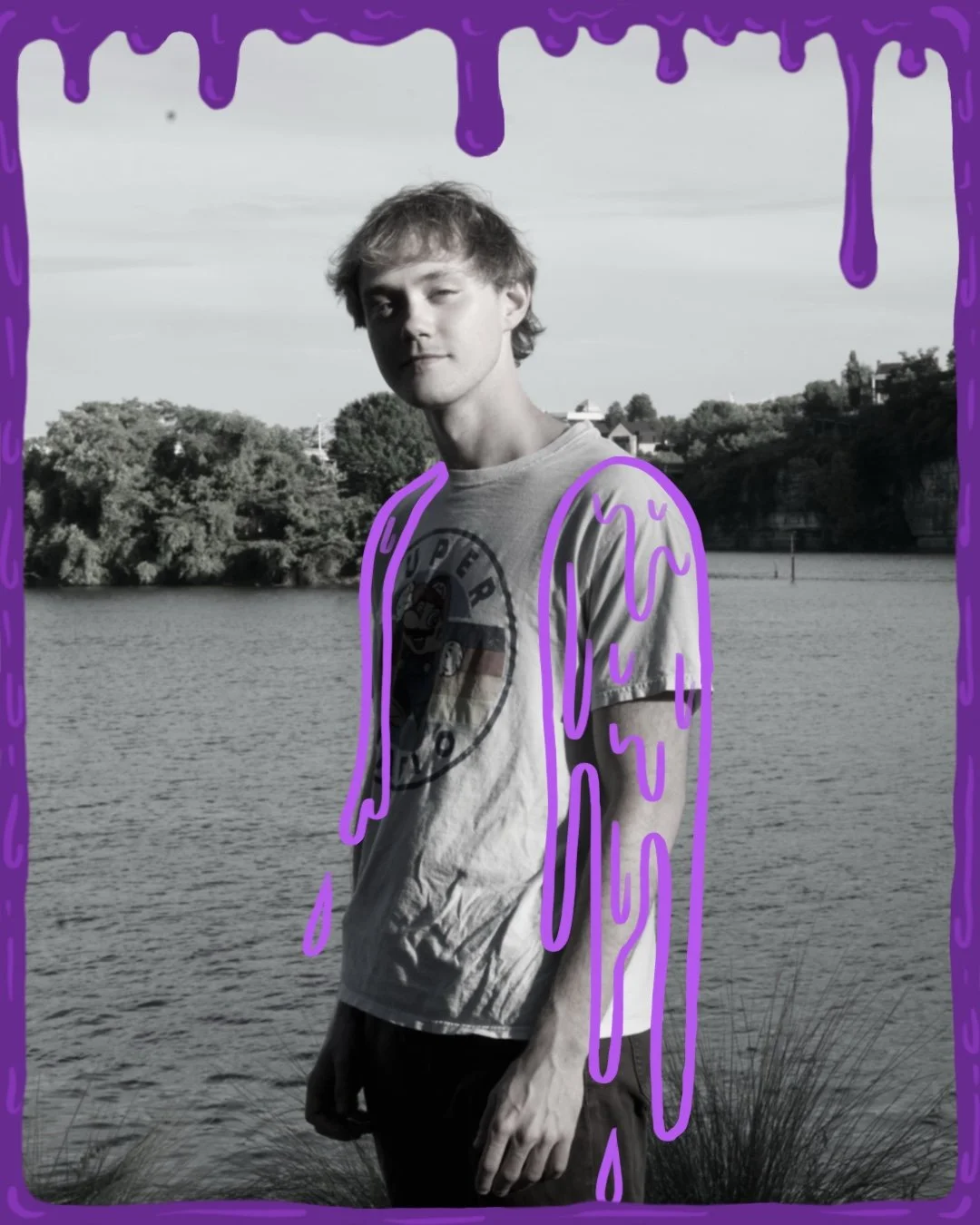
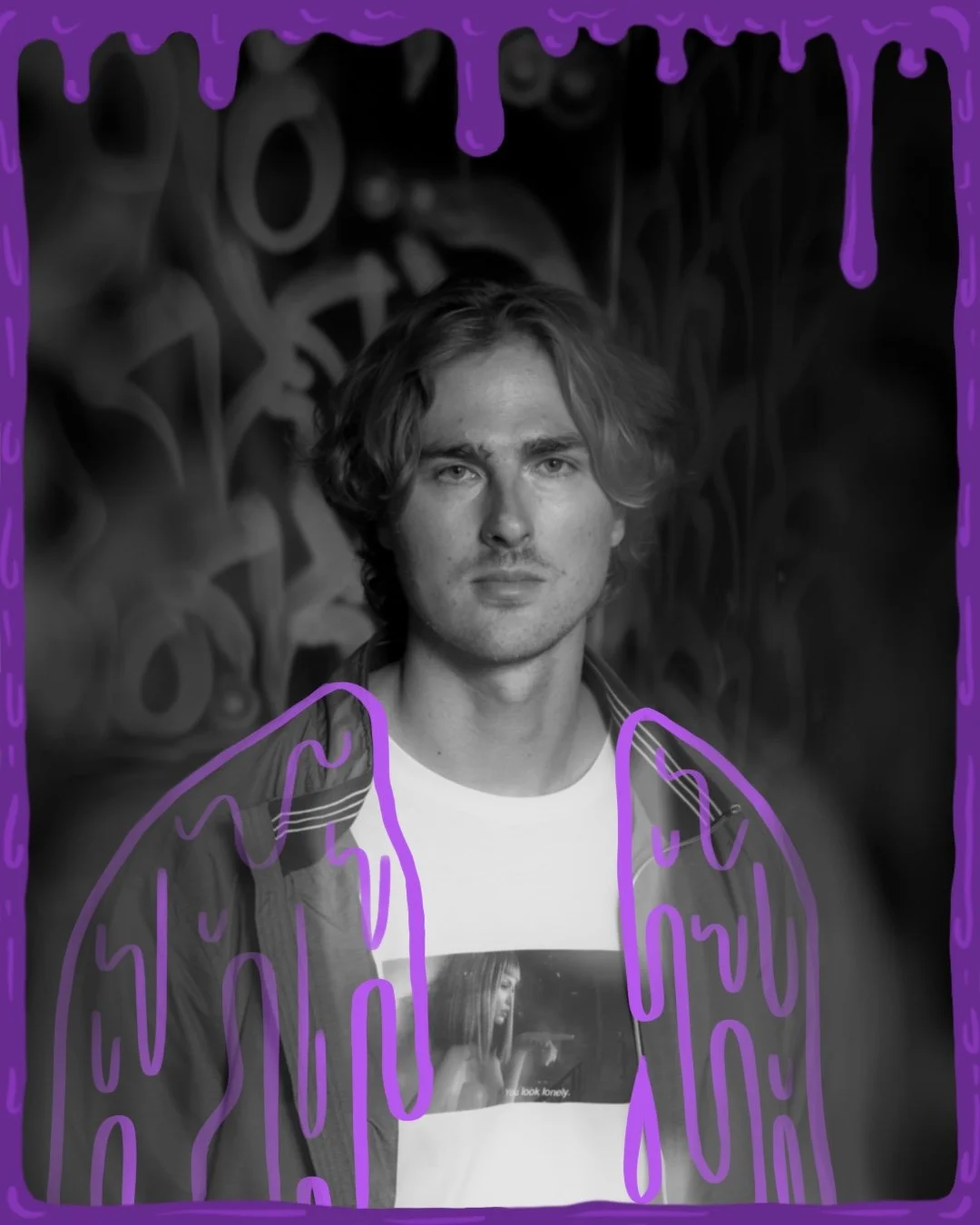
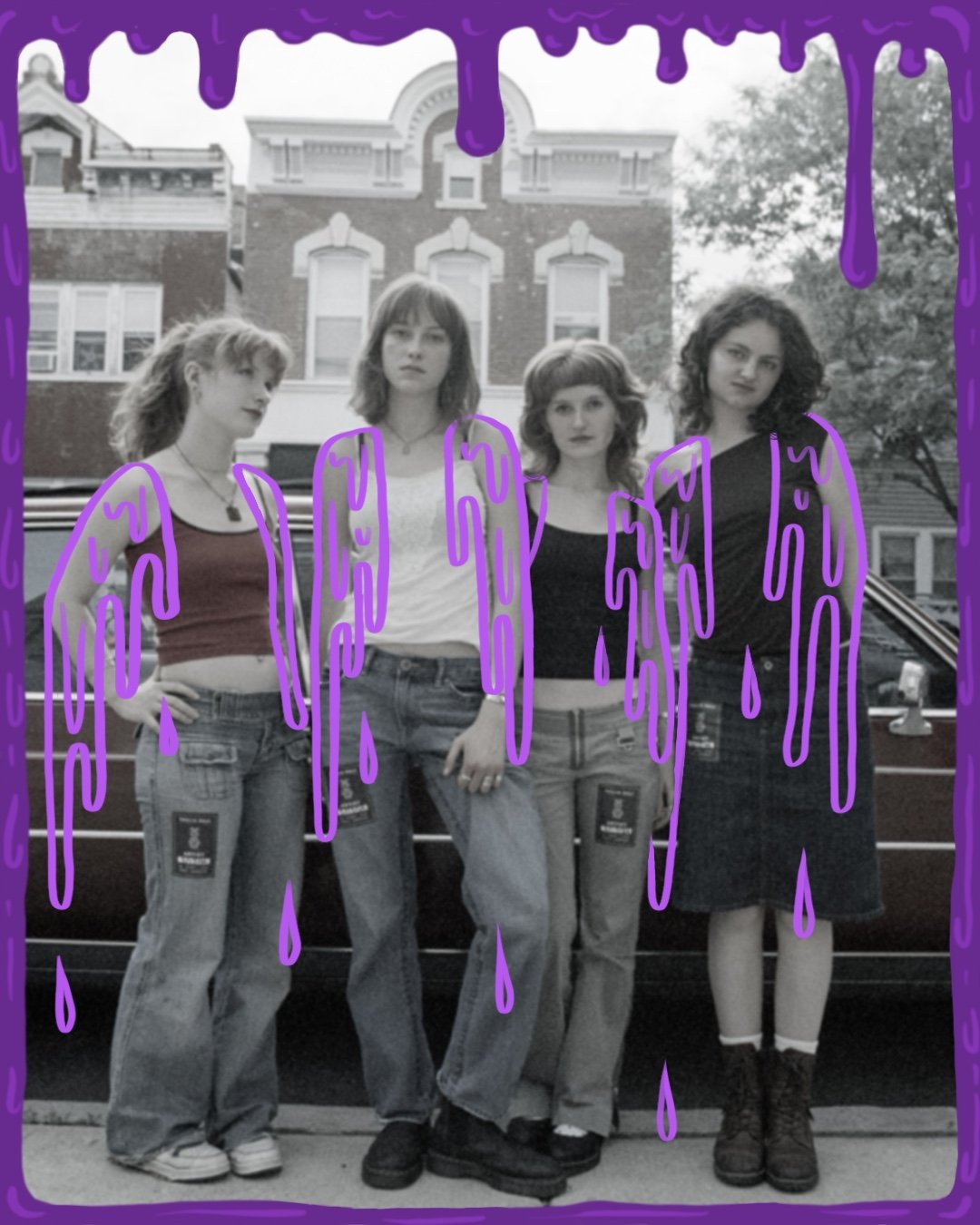
Photo Credit— Eleanor Petry
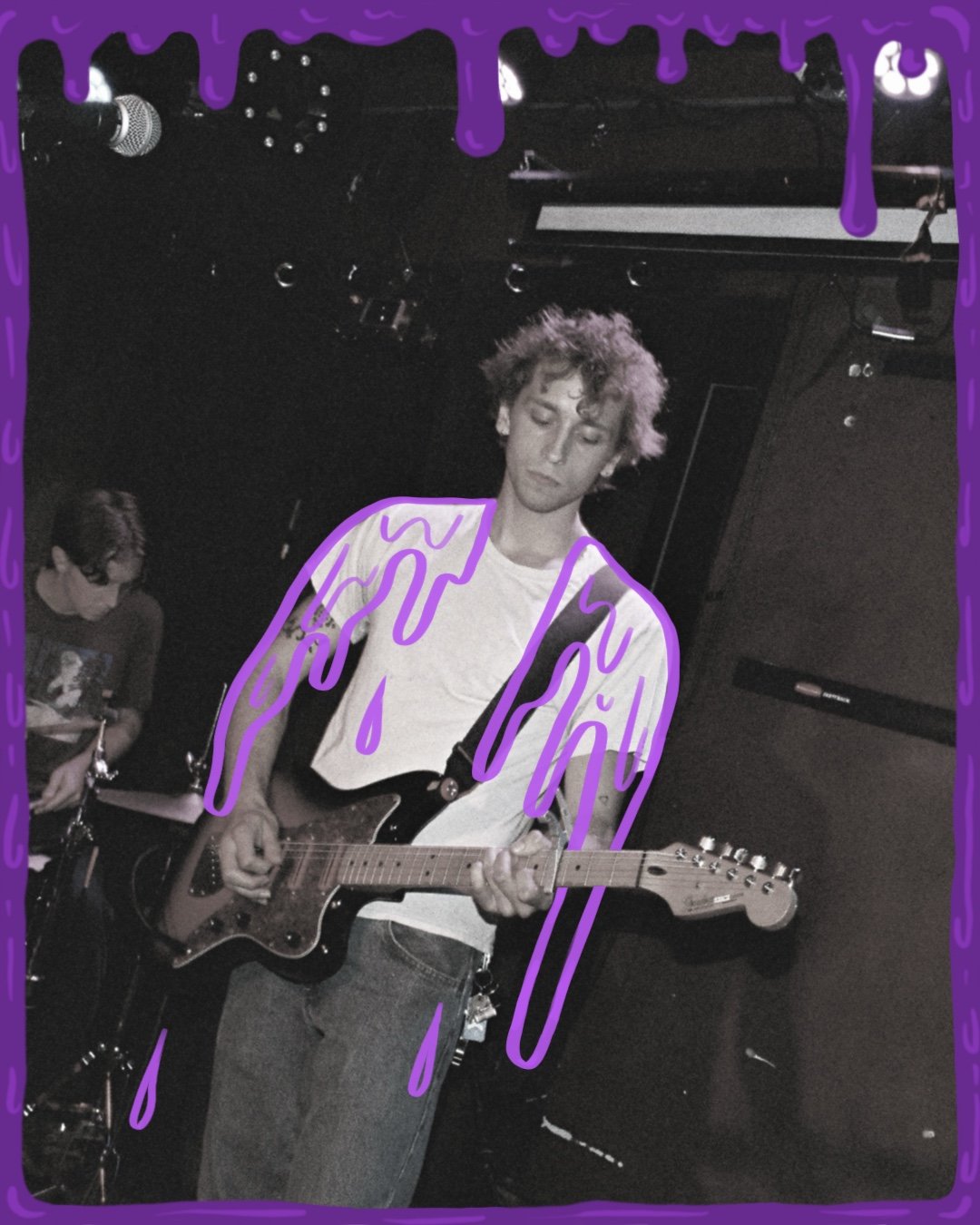
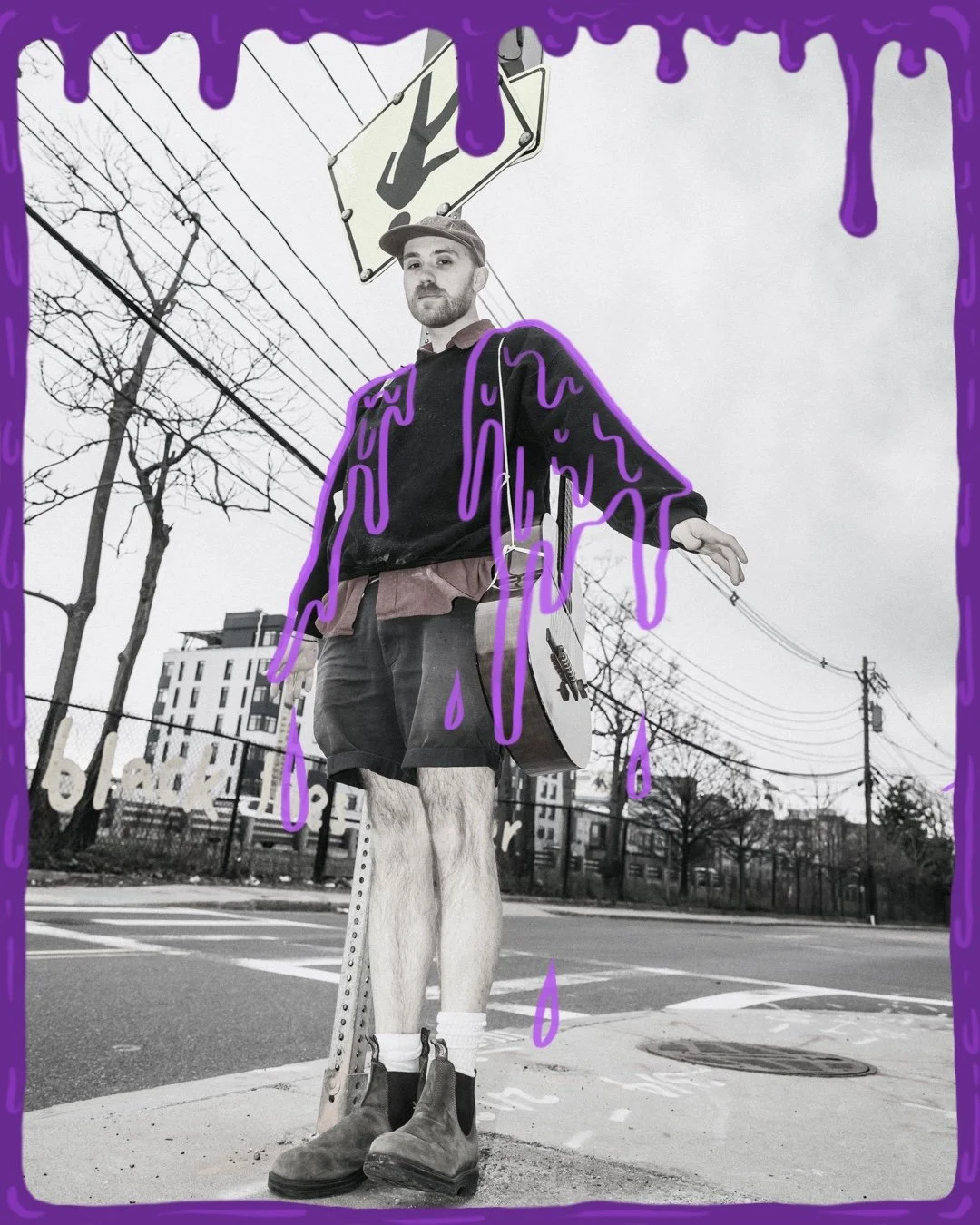
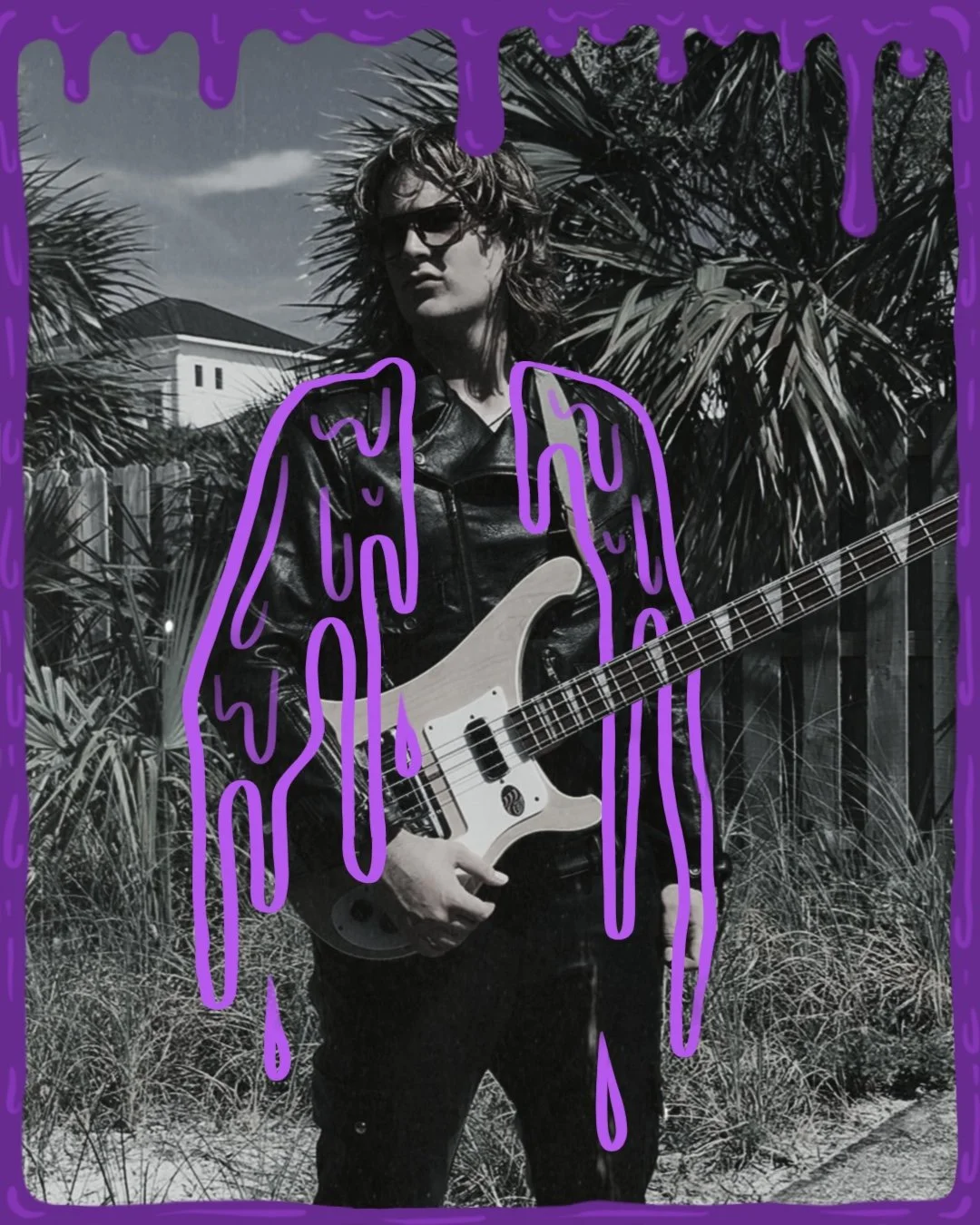
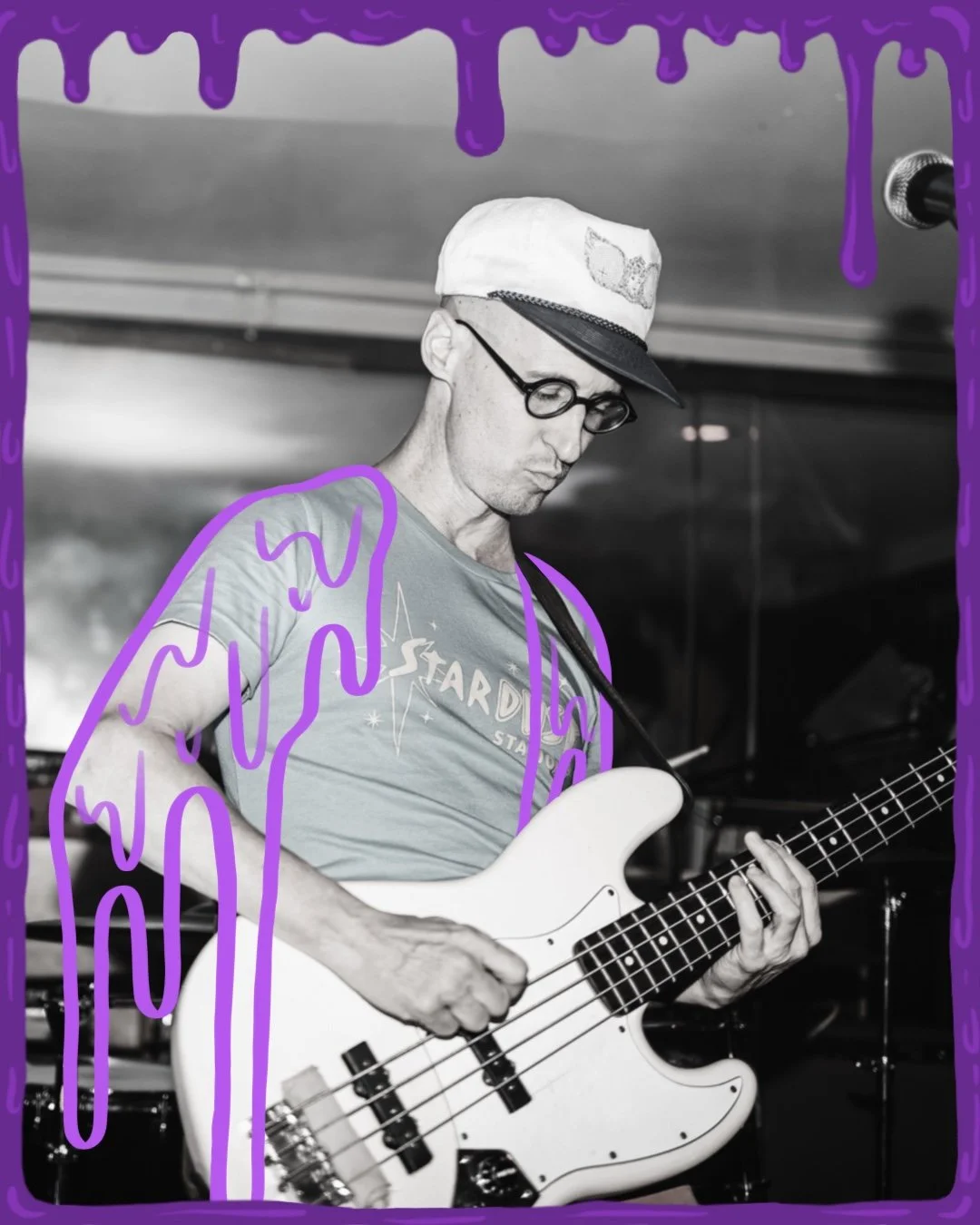
Although youbet began as the bedroom-pop project of singer-songwriter Nick Llobet, the project was never simply just a creative outlet. As Llobet transitioned from his early days of obsession with technical guitar mastery and turned his attention towards building a fuller sonic world, he had a hazy vision of a layered, otherworldly songwriting approach— one that ultimately manifested in the experimentally-inclined indie folk of youbet and, with the addition of bassist Micah Prussack to the project, reached its culmination.
Llobet’s first musical memories center almost wholly around his father, who was a passionate listener in his own right. At the age of 15, Llobet felt largely directionless— he didn’t have the same aspirations as many of his peers, and he hadn’t yet carved out a truly self-worn identity. His pivotal moment came when his father got him backstage passes to a Metallica concert. Llobet was astounded at what the slashing quartet was able to accomplish sonically, and he came home from that concert with a clear ambition— learn to play guitar.
He began having his friends who owned the instrument show him different chords and riffs, and when he took this knowledge to his father, he was so excited that he immediately bought Llobet his own guitar. For Llobet, this was more than the start of a hobby. It quickly became an obsession for the teenager, who spent countless hours pursuing what he thought was a virtuosity in his instrument.
In a sense, he did achieve that. Rather quickly in fact.
By the time he had reached 18, Llobet was a highly technical guitar player, and he decided to at least pursue the idea of becoming a professional musician. He enrolled in a camp at the Berklee College of Music the summer after his high school graduation, and it was there that everything, again, changed for him artistically.
At that camp he met a young Adrienne Lenker, who at the time was simply laying the foundations for her sickly sweet brand of alt-folk. But her simultaneous skill as a songwriter and technical prowess as a guitarist blew Llobet out of the water. He had never realized that it was possible to be so completely adept at both things, let alone met anyone his age who had put the two together with such a rarefied air.
“[Lenker] was just playing with this incredible style and doing harmonics and doing all this finger style, alternating sh*t that I'd never really seen anyone do. And on top of that, she was singing. And on top of that, her voice was amazing. And on top of that, she was writing crazy lyrics. So I was just a fly on the wall while all of these kids were getting together… I just remember that was one of the moments where I was like, ‘Holy sh*t. I could actually take my guitar skills and build something with more substance.'"
Nick returned home with an entirely new outlook on how he wanted to direct his budding musical talent. He took vocal lessons from a friend’s mom in Boston, and he began seriously studying the songwriters he had once been infatuated with through his adolescence. Artists like Bob Dylan and George Harrison continually bounced around the walls of his apartment.
As he etched out his first self-formed tracks, a picture of who he wanted to be as a musician slowly began to crystallize. As far away from achieving it as he was at the time, he knew exactly what “code” he wanted to crack.
“I just slowly developed this idea of what I wanted songwriting to be. And I put my twist on it. I put this freakish, weird, alien mixture into the traditional simplicity. I feel like I started to have this vision of what youbet could be, and nothing in my life ever made sense like that did. That was like the aha moment for me in life was when I stumbled across this new formula of songwriting. It was almost like I waited so long and almost quit so many times for someone to be like, ‘Congratulations, here's your reward. You actually cracked the code.’”
His first two records— 2020’s Compare & Despair and 2024’s Way To Be— didn’t simply represent Llobet’s first explorations of his sound. They were the manifestations of years of failed songwriting attempts, the releasing of a series of apparitions that had haunted him since he first returned from that camp at Berklee.
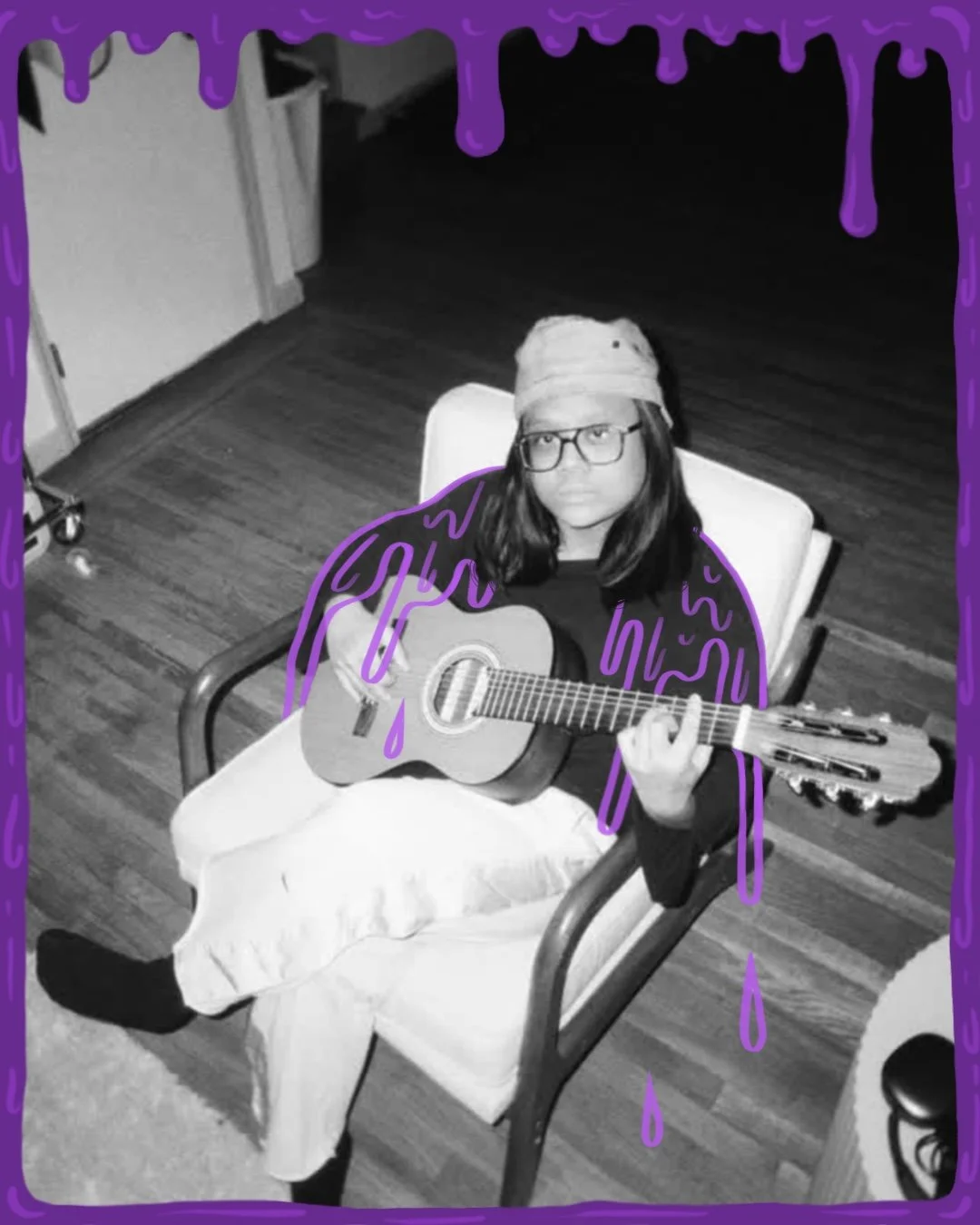
But it was the addition of Prussack that helped push the envelope even further. Prussack first began playing the bass as a child precisely because of the collaborative spirit it necessitated, and youbet presented the perfect opportunity for her to enact that.
“I was in theater, I played music, but I was attracted more to music over everything because it felt more collaborative and less competitive than other kinds of things,” said Prussack, “I mean, this obviously exists in music, but I hated the idea of like auditions. I wanted the thing that I was making with other people, or my relationship and my orientation to them, to feel collaborative rather than competitive. And I think that that goes hand-in-hand with the whole ethos of the bass player in general.”
While Prussack played a part in arranging the live versions of Way To Be, their recent release, 2026’s self-titled youbet, was the first project where the pair truly worked in tandem on the songwriting process. Where Llobet continued to bring a certain wildness and experimentative mindset to their increasingly crushing sound, Prussack only enhanced it, providing their years of musical experience and helping to ensure that every aspect of every arrangement suited Llobet’s vision.
“There's a specific harmonic framework that Nick is working from, and that's really exciting to me. So being able to be a part of something and kind of work within the creative limitations of Nick's musical language is something that I really enjoy… I have zero motivation to bring my musical ideas from zero to 100. But if someone else is giving me 30, I can help get it to 100.”
The two have proved a formidable duo. From the youbet’s frenetic heights on tracks like “See Thru” to its swooning lows on tracks like “Nadia” it’s clear that the album, in its own time, brings Llobet’s original vision to fruition. It is a creation all his own, and with Prussack’s contributions, it reaches a level of clarity that youbet’s first two projects, in hindsight, seemed to have laid the foundations for.