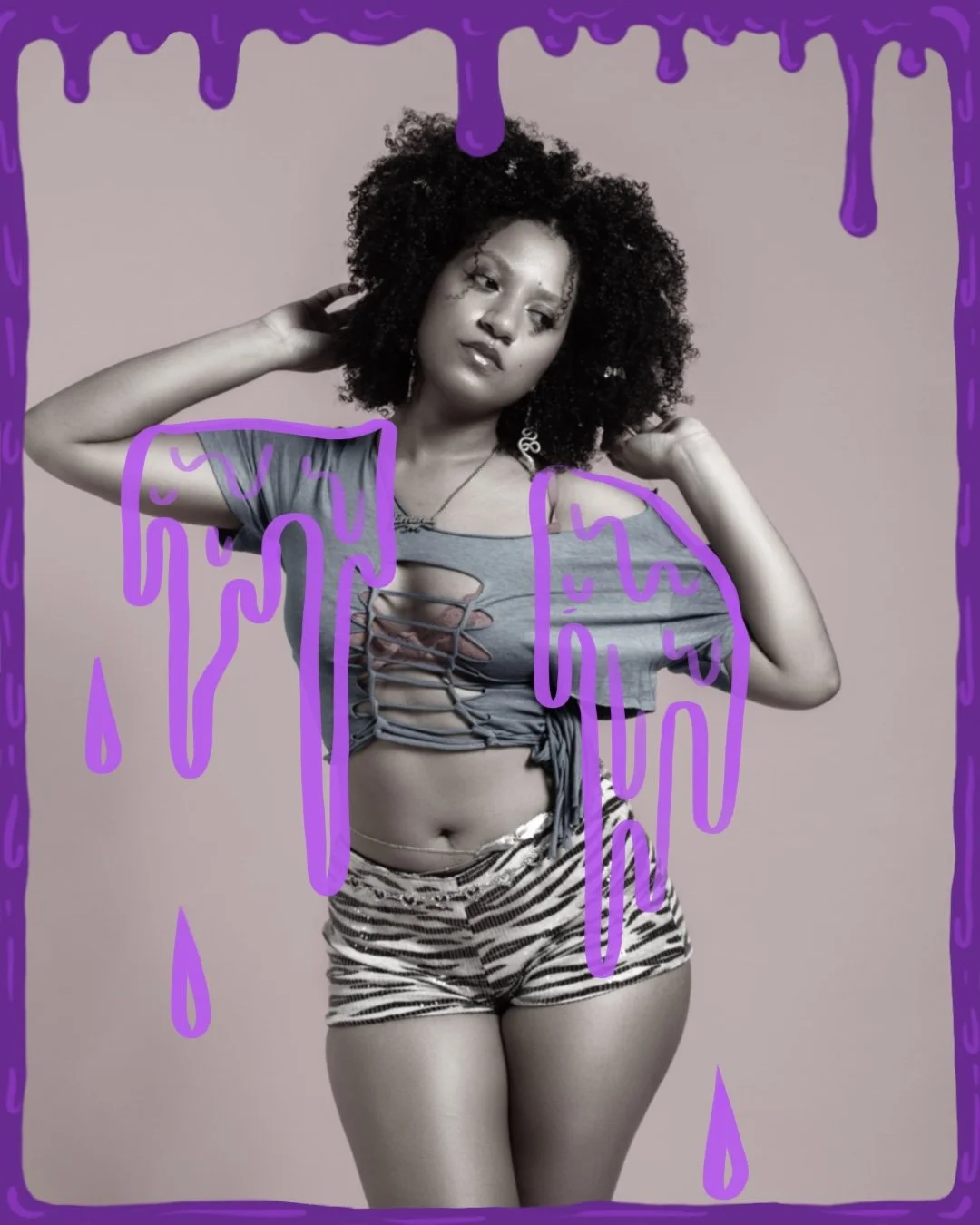
Artist Profile: Floyd Zion
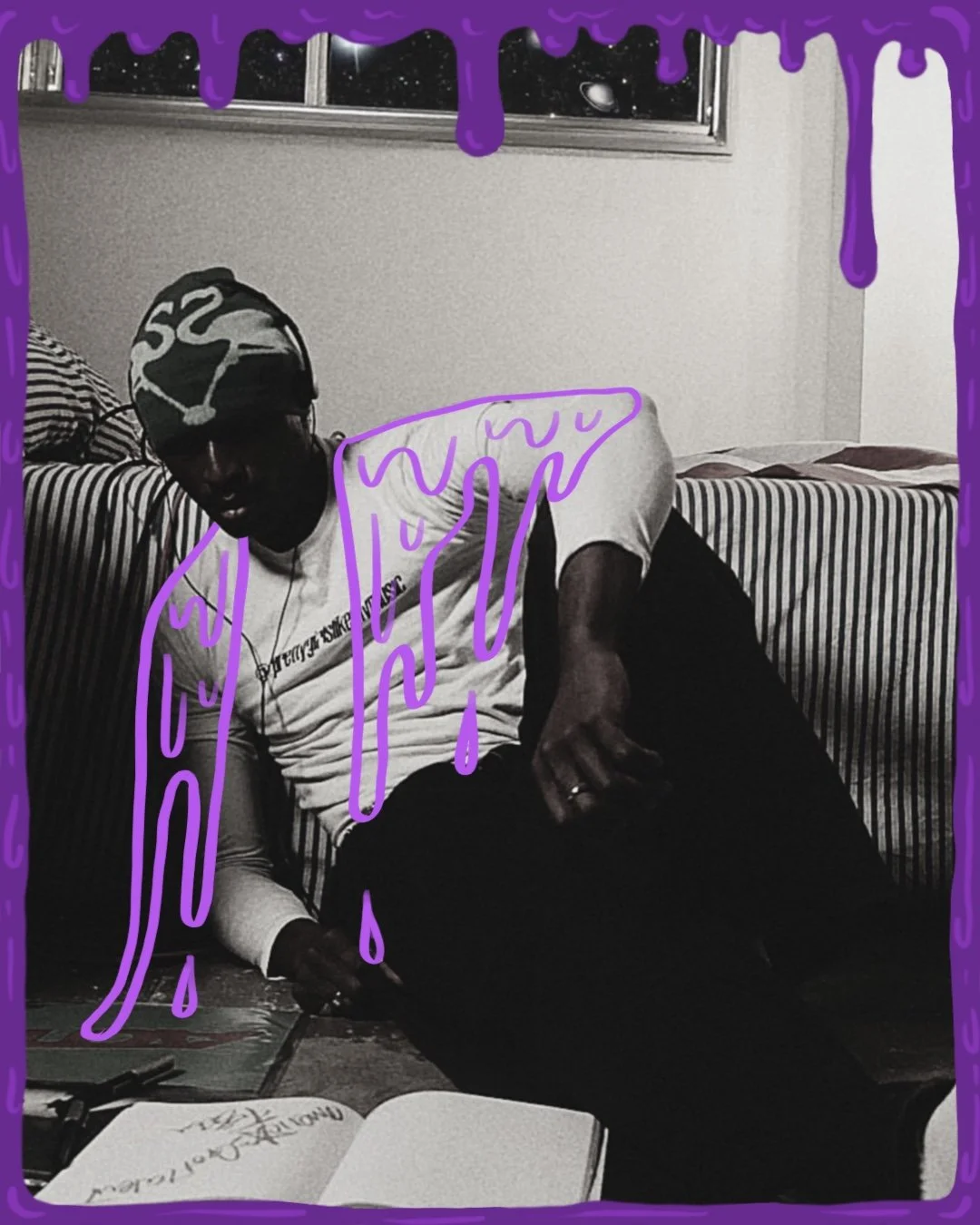
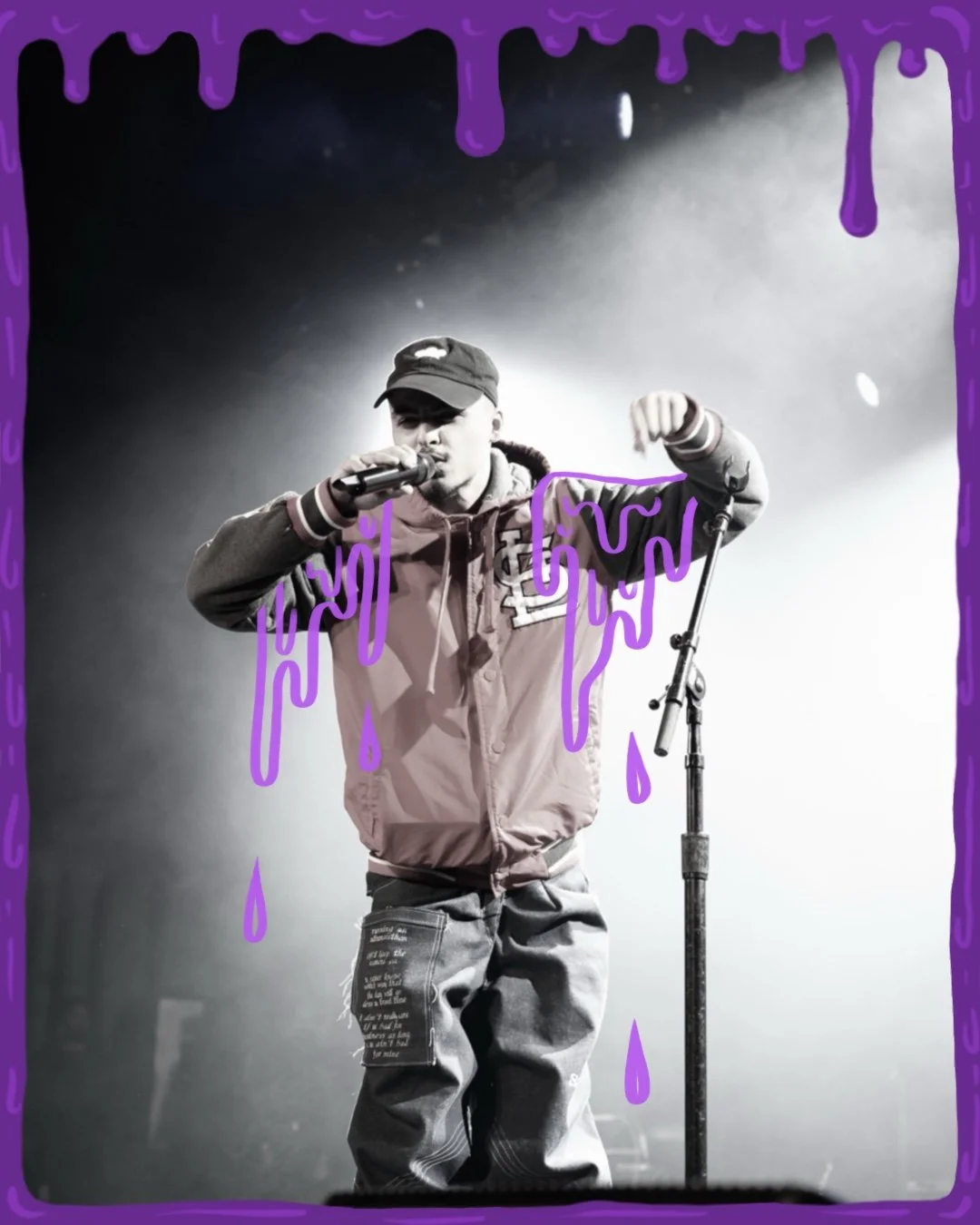
Over Floyd Zion’s last two releases, 2023’s full-length Pink By Floyd and his 2025 EP who hurt you?, the Los Angeles-based indie artist has painstakingly carved out an unassailable sound, carefully interlocking the adrenaline-pumping rhythms of his experiences as a producer with a grungier, distinctly lo-fi guitar sound and his trademark distorted vocal approach. But dating back to his earliest days as a musician, it’s difficult to trace a direct path to his current stylistic approach— apart from his constant energy for extending his art beyond its extant constraints, that is.
Floyd’s first exposures to music, and the passion that could be innate in the act of listening, came in his childhood. He was born to Nigerian parents, and the Sundays in his house were often filled with the sound of Makossa music. But both of his parents were also avid listeners of American music, as well. The voices of Bobby Brown, ABBA, Bill Withers, Marvin Gaye, and even West Coast icons like 2Pac constantly filled the walls of his childhood home.
His first musical loves were in the realm of hip-hop— as a young child, he bought CDs like Country Grammar by Nelly and Word of Mouf by Ludacris. But he was also entranced by the more rock-centric tracks he experienced through his avid watching of MTV.
A seminal moment for Floyd, in fact, came during Paramore’s headlining performance at the 2008 VMAs, in which guitarist Josh Farro walked to the edge of the stage for his solo and was immediately surrounded by a surging and adoring crowd. While Floyd attended an awards show in adulthood and discovered that moments like those are entirely scripted into the program, the allure that moment held for him at a young age was not easily forgotten.
Floyd therefore picked up the guitar for the first time as a young teenager, turning toward YouTube and whatever musically-inclined friends he had at the time for guidance. It was a slow grind, but it was one Floyd attacked relentlessly.
“I was teaching myself a lot. I remember I used to ask people to help me— other guitarists that I was around that I knew were better than me— I would ask them if they could teach me, and they would always say like, ‘Yo, this thing, it's not really a thing that can be taught.’ They might give me a couple of like hints or whatever, but they would really kind of lean on the fact that they couldn't teach it… I really just learned steadily, but I was aggressive with how to play… I started training my ear by doing jam sessions and stuff like that.”
Throughout his teenage years, Floyd continued to gain technical prowess on guitar. But by and large, the thought of becoming a musician hadn’t truly entered his mind, at least not in a professional sense. But when he arrived at college in Los Angeles, he met Betho, who taught him how to use Logic and would later become a long-time friend.
Floyd had an untapped well of musical ideas he had amassed during his self-training as a guitarist, primarily from his attempts to replicate the melodies of groups like MGMT, and his introduction to the DAW workspace gave him his first opportunities to actualize these creative scraps into fully fleshed-out songs.
He began working with other artists on campus, enlisting a singer to carve out R&B tracks and trying his hand at an array of different genres.
As his confidence as a producer continued to grow, however, Floyd felt himself become more and more compelled to try making music in a self-sufficient setting. Although he had learned to execute his ideas as a producer, he couldn’t fully stifle the creative wellspring that was slowly bursting forth from him as a songwriter.
He began by pushing the envelope on what he knew about carving out his sound via an instrumental medium, studying the sonic landscapes of artists like The Weeknd and doing his utmost to, in short, make himself uncomfortable as a musician. It was in this headspace that Floyd took his first major leaps as a solo songwriter.
“I would just try to do stuff that I knew the people around me weren't gonna be comfortable producing or wanting to write… I’m learning some technical stuff, you know, and dissecting a lot of records, and I'm trying to figure out what risks [I want to take]... It was a lot of just trying to find my own voice.”
When he eventually assembled a group of tracks he felt confident in, he put together the art and overall ambience for his debut project— Artist Unknown, which was released in 2018 while Floyd was still in college. He got to work sending it out to distribution companies, and it was ultimately picked up, opening Floyd up to new sorts of exposure he wasn’t fully familiar with as an independent producer.
He was happy with that record in an initial sense, but he quickly knew that he wanted to keep pushing his sound even further. On Artist Unknown, he had largely made use of hip-hop style drums, featuring lots of syncopated trap hits and booming 808s. As he began work on Pink By Floyd, he aimed to incorporate more of the alternative influences that had been so formative in his journey as a guitarist and a producer— he wanted to free himself of any internal constraints that came with being a new artist.
“I think, being black and making alternative music, it's something that's not as expected. And then [I didn’t even think of myself as] a real artist like that, you know, at [this] time. So I'm having to first mentally get over the hump before I can really start making music. Now I feel like the complete artist that I've wanted to be, you know what I'm saying? But it's been a process that has happened in real time in front of people's faces.”
Pink By Floyd, therefore, is what Floyd considers to be his first major success as a songwriter. From the post-punk tones and distorted riffs of “Black Hoodie” to the soaring indie-ballad motifs on “Belly”, it’s difficult not to concur with this notion.
But the who hurt you? EP takes the advancements he made on his second record to a whole new level. From front to back— across the deeply embedded vocals on “hopeless romantic”, the washed-out atmospherics of “blueberry skies”, and even the shoegaze-tinged riffs of “when i come around (f*@&)”— Floyd takes risks that aren’t seen in his previous works, and they are almost unanimously successful, carrying the listener with a sense of unique euphoric sense across the duration of the project.
Now, as Zion sets out for a summer filled with live performances and continued work on his accompanying visual project for Artist Unknown, he feels reinvigorated creatively, ready to further the strides he took over his last two projects and, unsurprisingly, continue to push his sound deeper into the alternative realm that’s been his passion since he was a young musician.