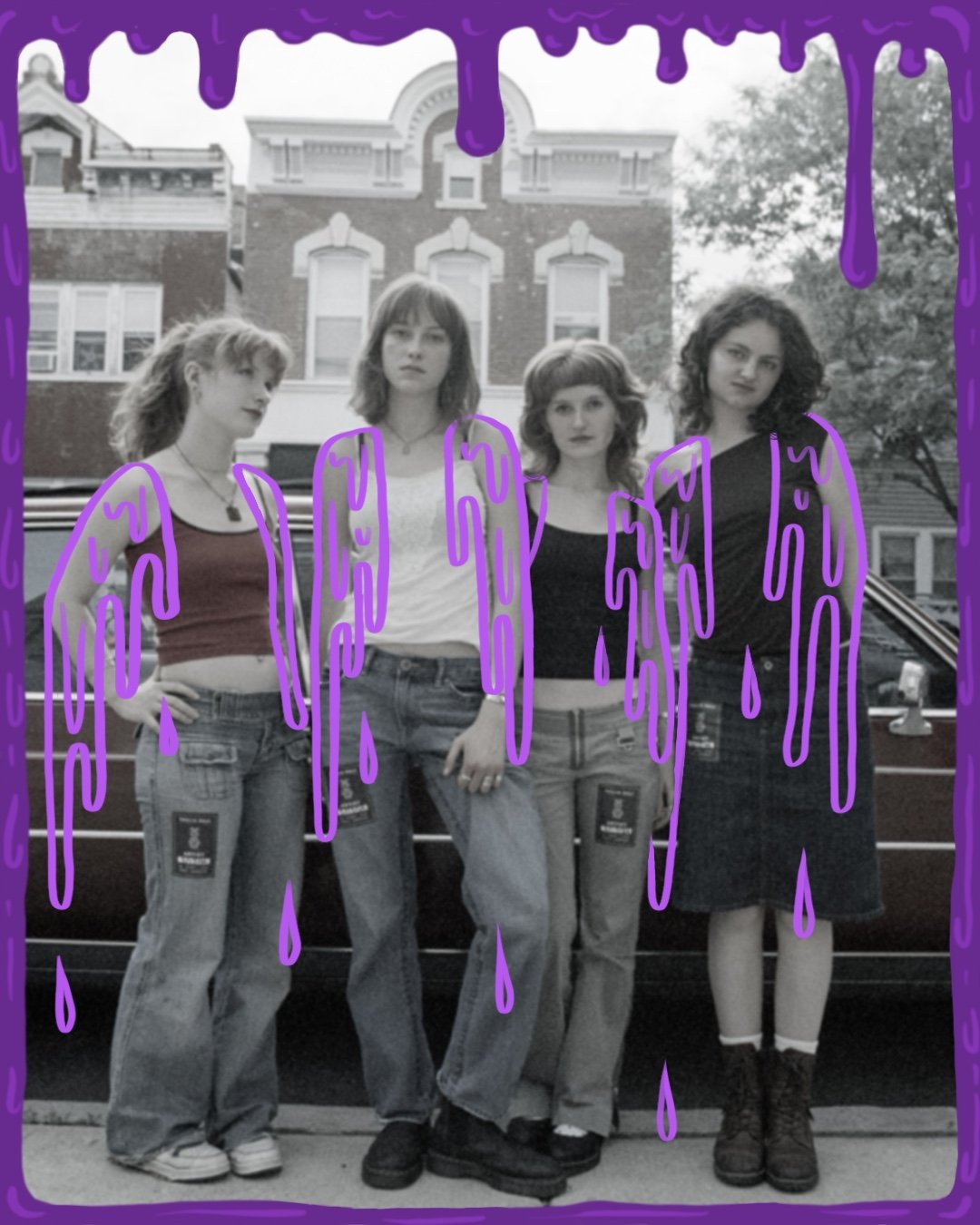
Artist Profile: Deadbeat Beat
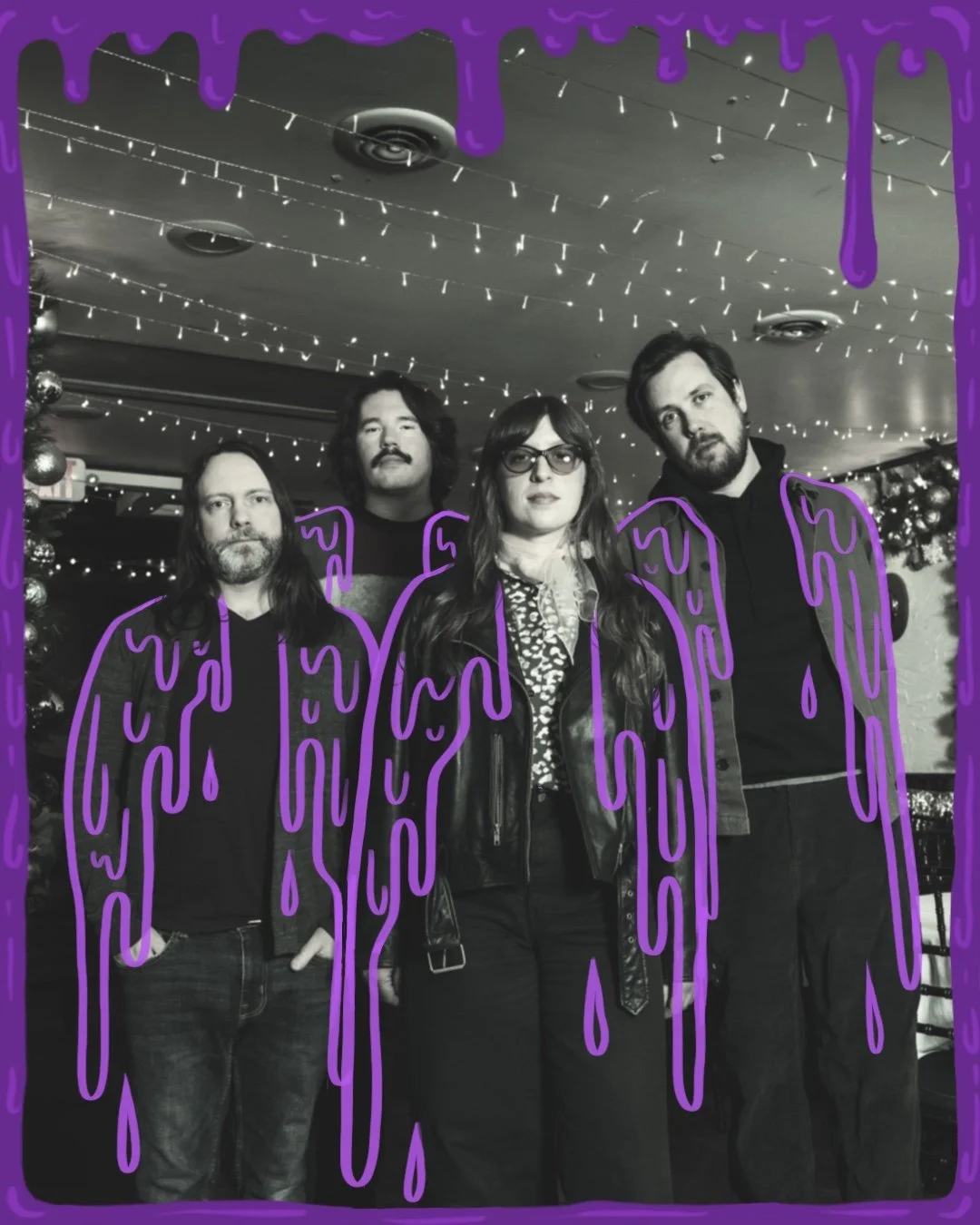
Photo Credit— Doug Coombe
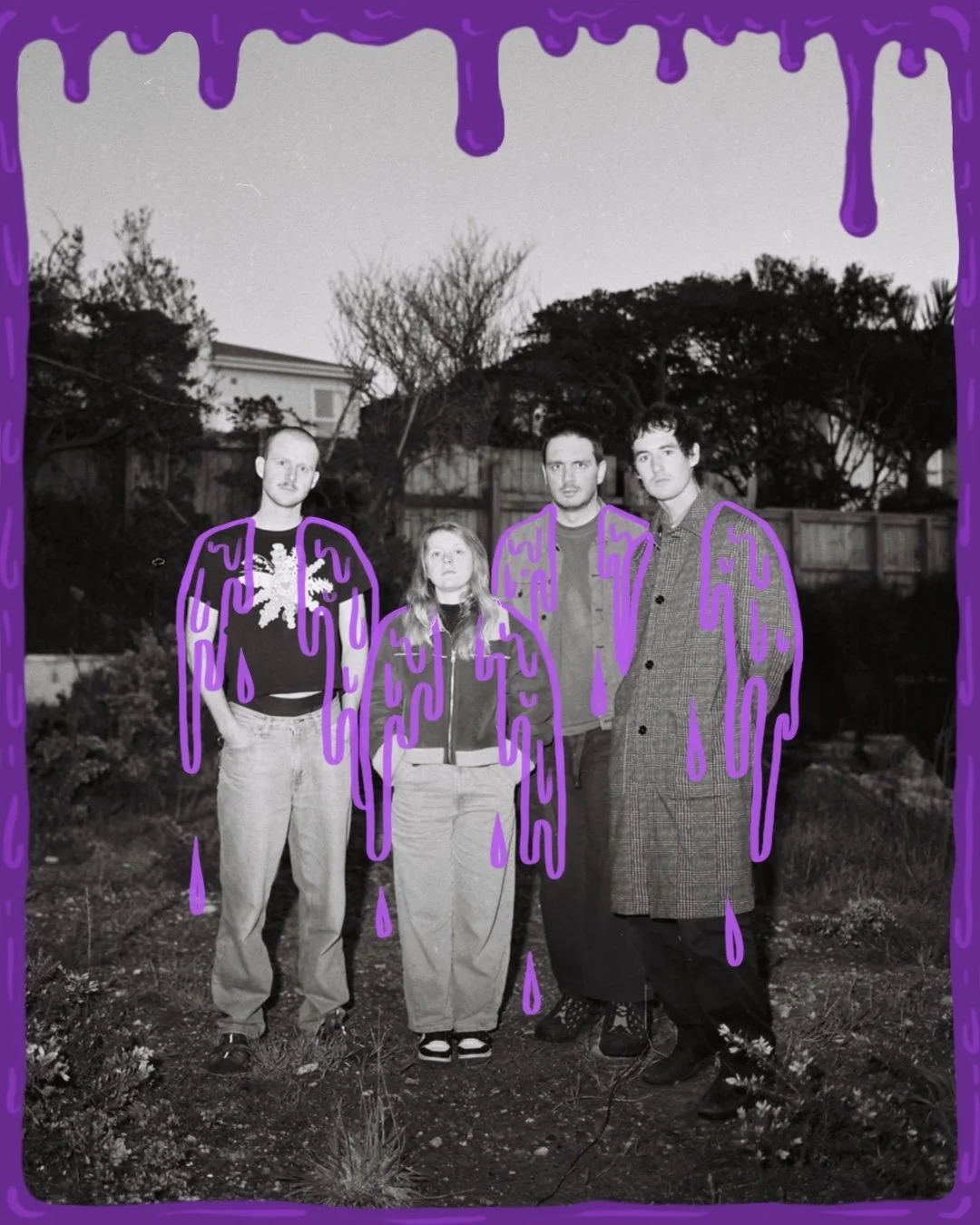
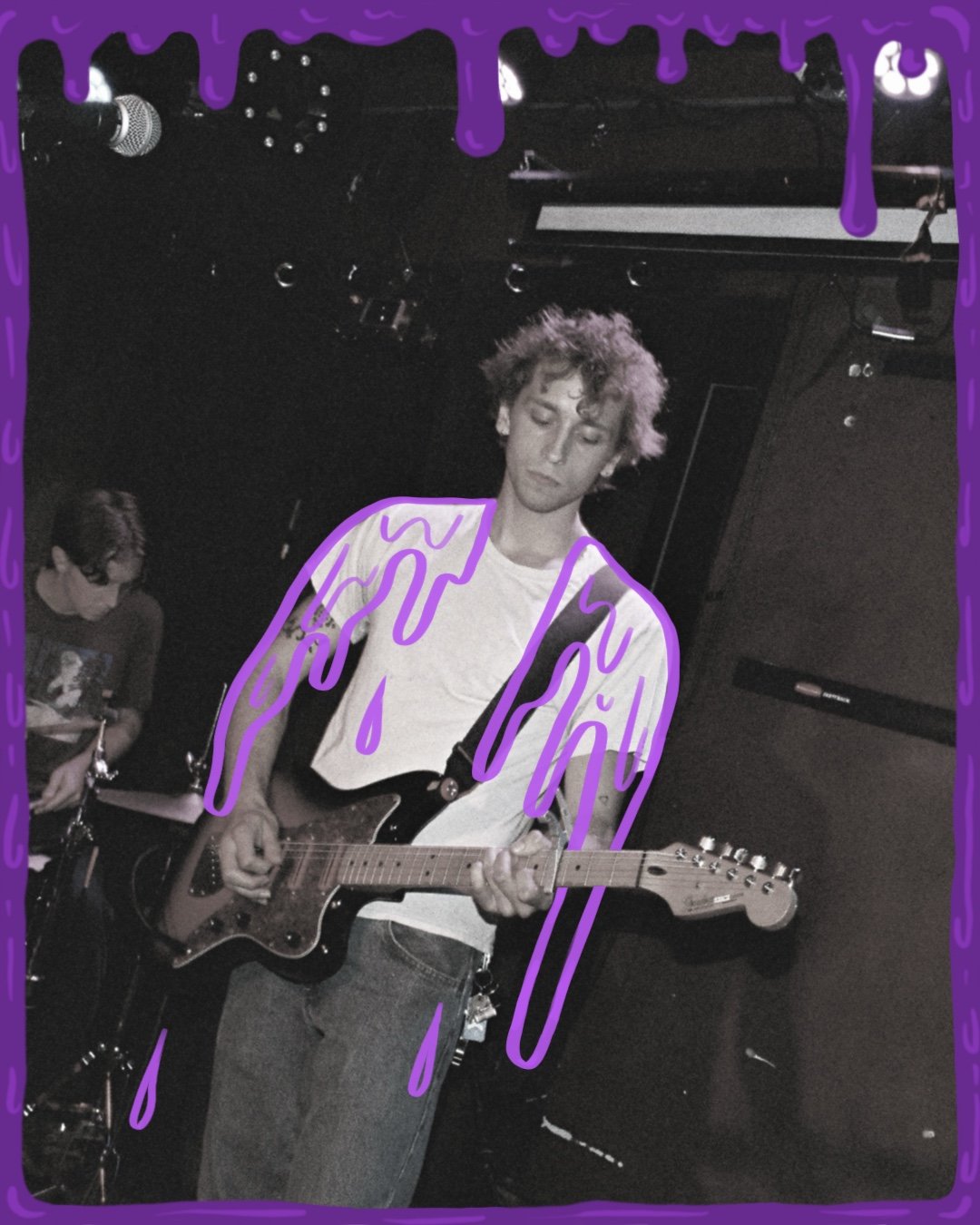
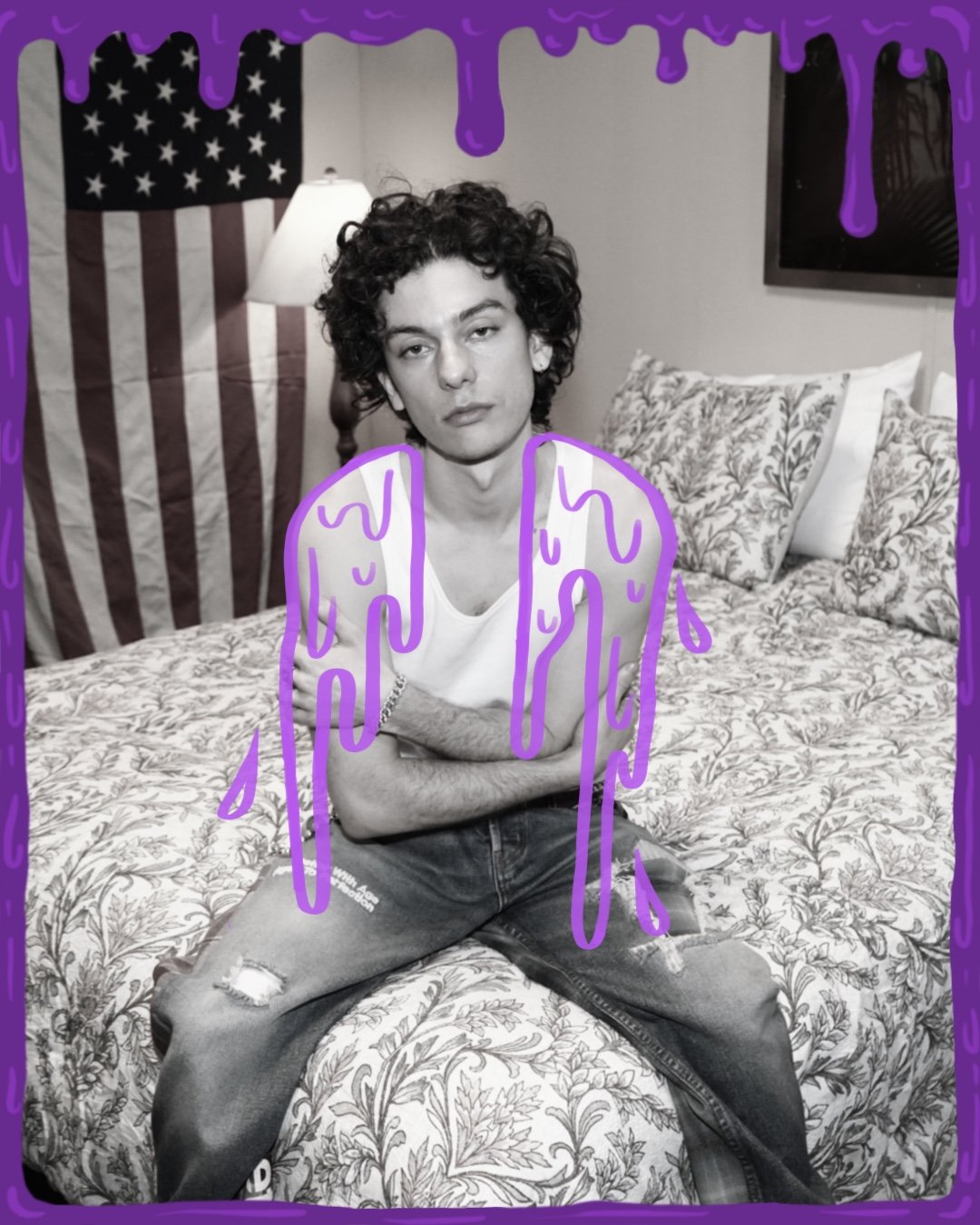
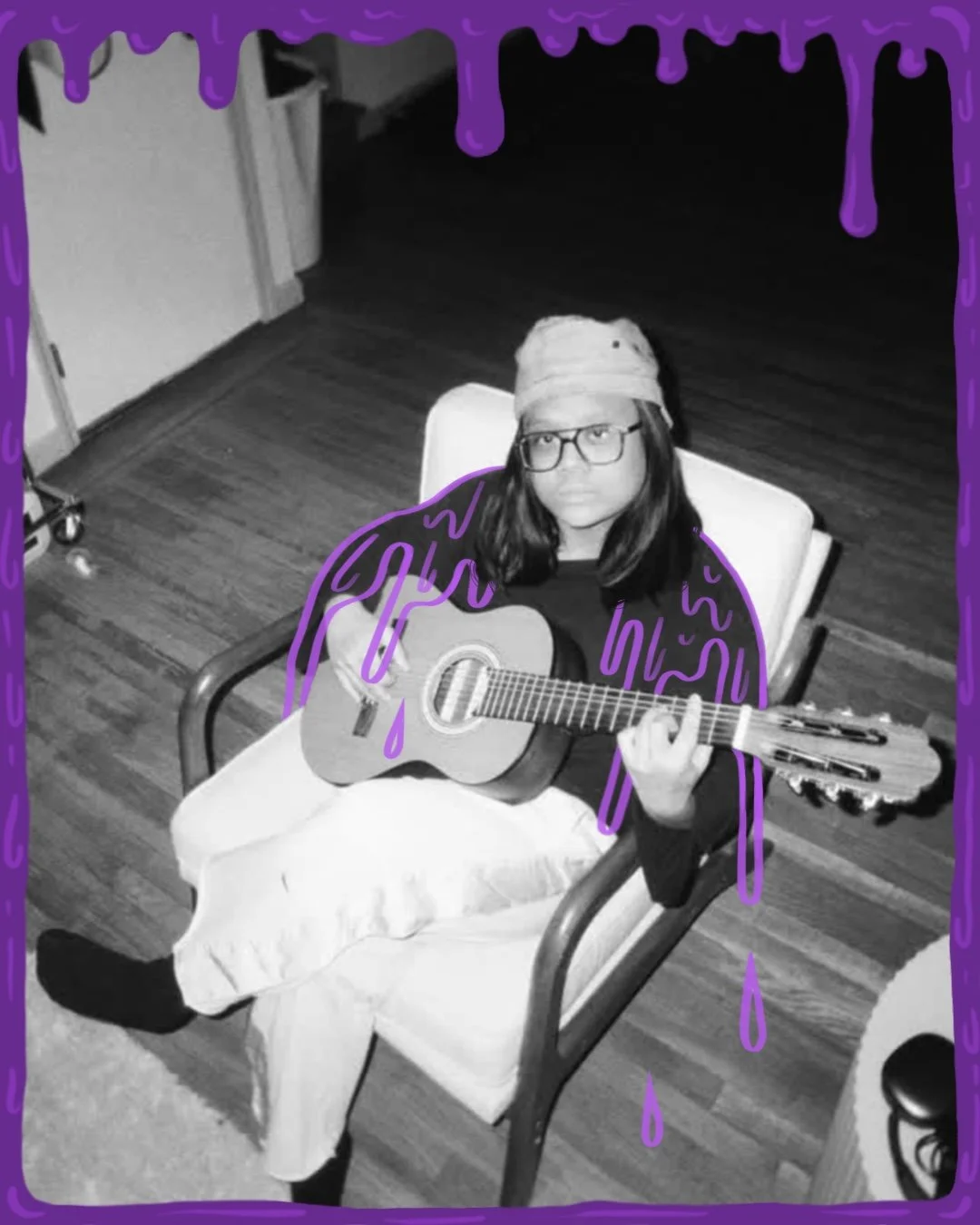
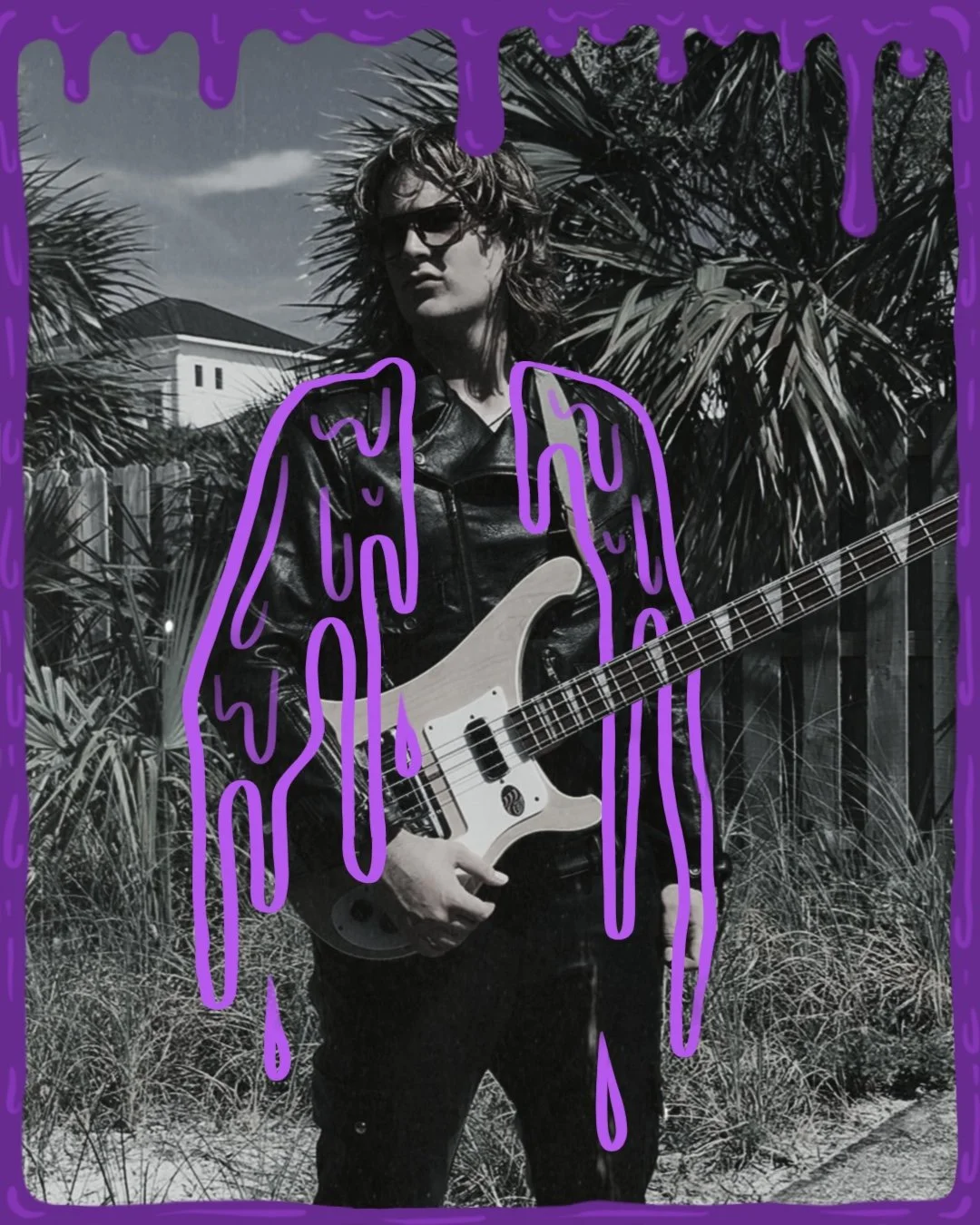
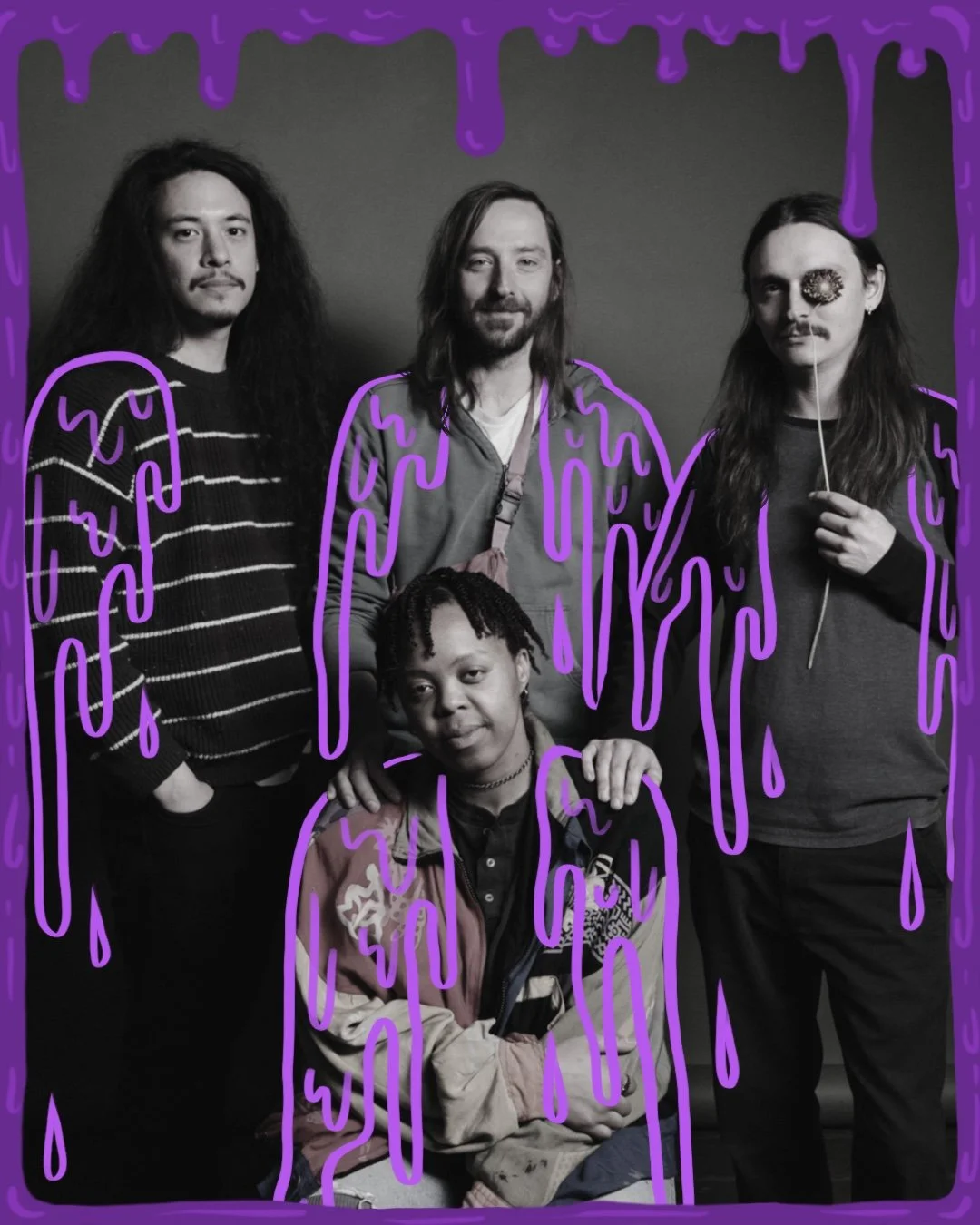
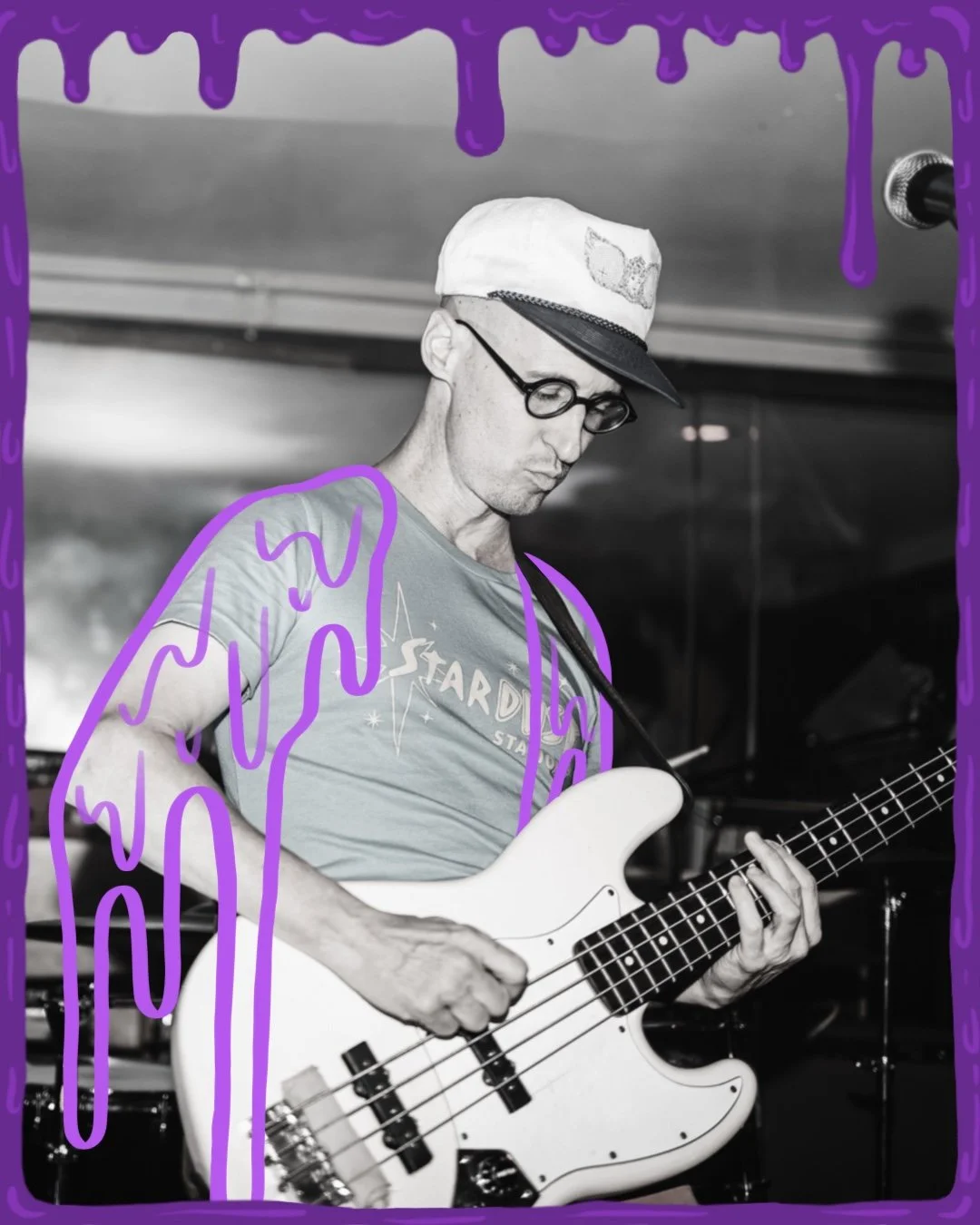
From the outset of his musical pursuits, Alex Glendening’s goal has always centered around songwriting— crafting tunes that not only serve to scratch a certain sonic itch but also, as his career has unfolded, are marked by his signature rhythmic complexities and idiosyncrasies. With each new release under his and Maria Nuccilli’s indie-pop venture Deadbeat Beat, the expression of this goal has taken on new folds and wrinkles. With each successive project, including their newest release From Here To Ohio, it is their ability to successfully refine and transform this sound that marks the greatest aspects of their artistry.
For Glendening, the roots of this desire were planted early in his childhood. His family is Greek on his mother’s side, and as such, music represented part of the fabric of everyday life. Between her rock and pop-centered tastes and his father’s appreciation for Delta Blues and classic acts like The Rolling Stones, a certain appreciation for music was etched into Glendening throughout his childhood.
This appreciation was enhanced when he moved schools as a preteen. In an attempt to acclimate himself to his new surroundings, he spent a full year listening to basically every track that entered the Top 40 on the radio. While it was, in hindsight, a strange way to connect with his peers, it opened Glendening up to a set of pop sensibilities that he hadn’t been privy to throughout his childhood. At his new school, he also gained a friend whose father collected cassette tapes, and that friend, by introducing him to bands like The Velvet Underground and The Pixies, also played a large part in the formation of his personal tastes.
When he was 13, therefore, it was only natural for Glendening to pick up the guitar, and it was also natural for his first impulse, after getting a basic handle on the instrument, to be the formation of a band. He began seeking out someone who could play drums, and that was where he and Nuccilli truly connected for the first time.
The two found pretty rapid success in the Detroit scene, building a fledgling sound that sprung from Glendening’s pop-influenced songwriting sensibilities while simultaneously building upon the duo’s love for the burgeoning garage rock scene that was dominating Detroit at the time. That band, which was formed when Glendening and Nuccilli were both as young as 15 and 16, had a set of tracks that became popular in the local area, and the band had the opportunity to tour regionally and amass a relatively sizable fanbase.
Right when they were on the cusp of a commercial breakthrough, however, the band broke up. Glendening and Nuccilli, however, had formed not only a strong creative partnership but also a strong friendship in the process of their first musical works. They knew that, in some shape or form, they needed to keep that going.
“We were roommates, we're writing lots of songs, and in our 20s, and we decided, like, ‘Let's just [keep it going]. We were asked to open for the band Best Coast. I had written a song called Deadbeat Beat, and Maria was like ‘Just pick one of the names of the songs that you wrote and send it, and we'll call [the new band] that. That'll be what's on the flyer. That's how the band started, and then we never released the song [laughs].”
Around the same time that Glendening and Nuccilli were going through this creative transformation, the Detroit scene as a whole was undertaking its own process of death and rebirth. The garage rock milieu that both artists had come up in, and come to love music through, was on its last legs. As much as this shift saddened Glendening in his adolescent adulation for these local bands, it also spawned a creative realization— there was ample room to experiment with genre and sound in his local scene.
“All of a sudden there were a bunch of [garage rock] bands… And I was like, ‘Wow, this is incredible. It's going to be like this forever.’ [laughs]… Then all of a sudden garage rock was over and no one was doing it. And I was like experiencing the bottoming out of a scene that I thought was just going to be like that forever… First I was heartbroken. And then [I got it]. Things cycle through and what's important is not the genre. The genre is actually the enemy. And what's important is supporting enough of an ecosystem that people can try stuff out. And once that's established, then writing good songs is like the very next thing that needs to happen.”
With the recognition that the right environment had already been established in Detroit, Glendening and Nuccilli set out writing songs, carving out a more intentional, and a more experimentative, sound than they had undertaken in their teenage project. Deadbeat Beat, slowly, began to find its niche.
When they set out to record their first record, they knew they wanted to achieve a unique sound, so they enlisted a well-known local producer, Matthew Smith (at time the frontman of power-pop band Outrageous Cherry), who was famed for his idiosyncratic approach to analog production. The result was 2017’s When I Talk To You, a project that takes on the slow drip of the indie zeitgeist and relays it into Glendening’s oblique songwriting ventures of that time.
“We knew that he makes these records out of his house with mostly-working analog equipment. And they always sound like he did it; it's got his fingerprint all over it. Some people like it and some people don't. When you let him do his thing, it's better than when you get into a fight with him about it. He's going to do something to it that no one else would… It's kind of an iconic thing.”
Deadbeat Beat’s second record, 2019’s How Far, was strikingly more confessional but also took a wide sonic berth from their initial efforts. Glendening, at the time, was in the process of coming out as a member of the LGBTQ+ community, and he wanted the album’s subject matter, in some sense, to reflect some of his political and societal turmoil through that process. But, in another vein, the project also saw the manifestation of different influences. Beach Boy’s Pet Sounds and its earworm riffs played a major role in the formation of the album’s various nooks and crannies, and the overall sound of the project took on much of the uncanny analog bliss that was mastered in the 1960s by obscure bands like The Astronauts.
But as Glendening’s songwriting abilities continued to improve, so did the quality of the tracks he and Nuccilli laid down. From the searing choruses of “From What I Can Tell” to the tumbling, lyric-stuffed moments on tracks like “The Box”, Glendening’s advancement in both his intentions and his attention to lyrical detail are evident across the band’s second project.
On their newest venture, From Here To Ohio, the band decided to approach the process more carefully. After a series of singles and songs that didn’t truly gel into a project, both Glendening and Nuccilli, who had been playing together for over a decade by this point, knew they didn’t need to rush anything. They had proved themselves as an act beyond even their local scene, and they intended to let their influences, and their various manifestations, come to them on their own time on their third record.
“I feel like we're a band that’s not really interested in genre. I love so many records from so many styles, but I would never want to try to imitate one, like one-for-one. I'd always like to feel that I'm adding, or attempting to add, something.”
While From Here To Ohio takes on many of the twee-pop overtones that How Far pushed to the forefront, it does so in a distinctly more careful and intentional manner. Tracks like “Peach Sprite” and “Pink Dust” set the baseline for the album’s sound, while more daring tracks like “Heaven” and “Butchertown” reveal the upper echelons of what the long-tenured group is capable of achieving— a sonic blend that is as catchy as it is deliciously opaque, as tangible as it can be, at times, almost confoundingly ethereal.
Deadbeat Beat, and their new project, is therefore more than a simple continuation of the sound the pairing of Glendening and Nuccilli first carved out as teenagers. It is a sign of their continuous desire to advance and expand upon their constant creative impulses, another foothold in their storied artistic careers.