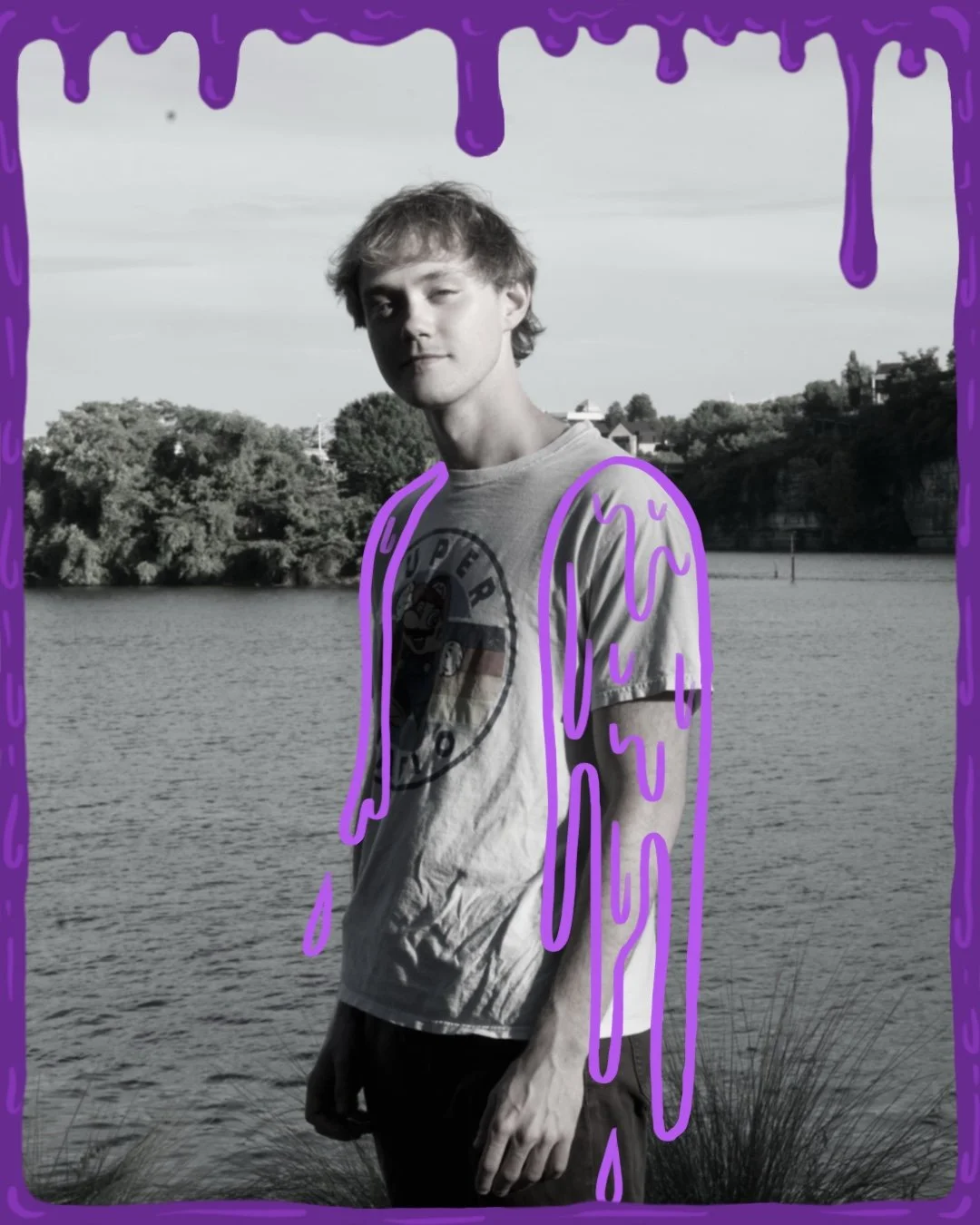
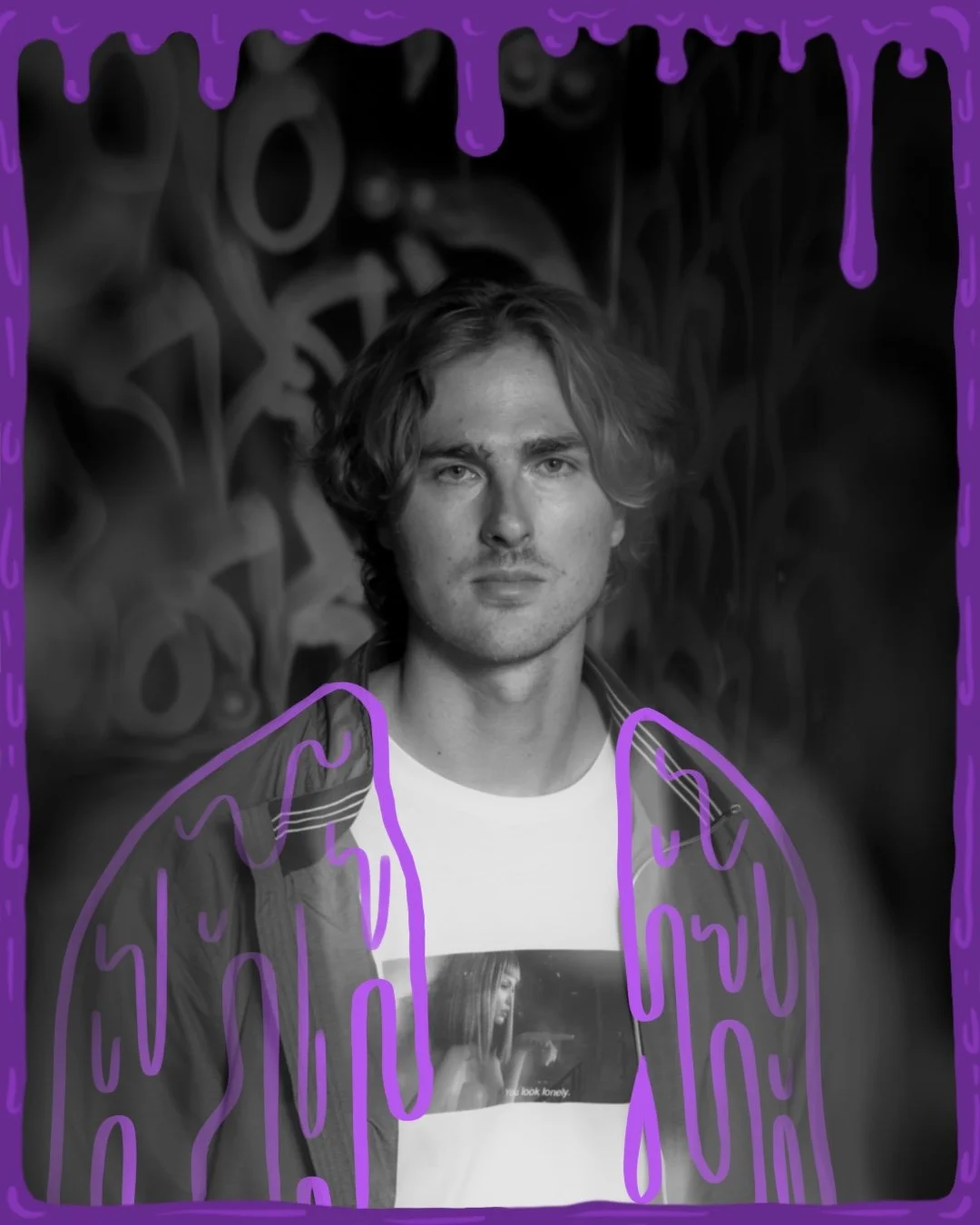
Artist Profile: Jonah Love
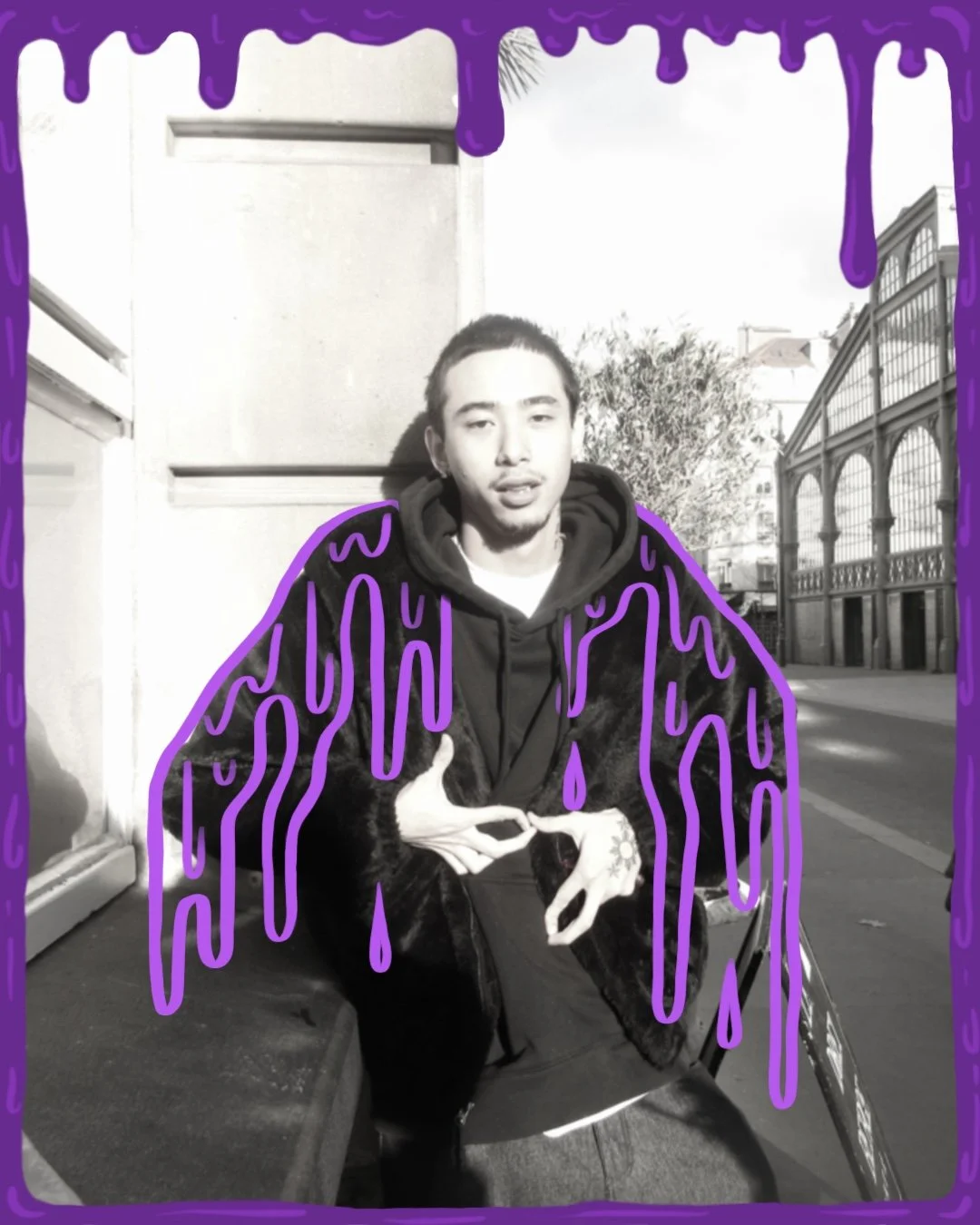
There’s not many artists that hail from the Central Valley of California, let alone Jonah Love’s hometown of Hanford. But since Jonah has carved out his natural, relaxed, boom-bap inspired flow, he’s steadily captured an audience of hip-hop listeners, both with his apparent ease of delivery and his constant work ethic. Now, as he awaits a move back to the NY scene and continues to push his work out at a blistering pace, these qualities of his sound have taken the forefront— a full display of the artistic naturalist that Jonah is.
The son of a Filipino mother and an Italian-Mexican father, Jonah’s childhood was, in many ways, defined by the music he was surrounded by. His father was a massive soul, hip-hop, and reggae listener. But his mother, who grew up as a choir singer, was the first to implant a drive for music in her son’s mind. She would compel Jonah to sing for their family members, while they were playing cards or simply having family gatherings, and it was through these (admittedly awkward) moments that Jonah first got the sense that he could accomplish something musically.
His personal captivation with music began, however, when his father took him to see Poor Man’s Poison— a local Hanford folk outfit— perform. Jonah was only five, but he remembers being enthralled by what the musicians were able to accomplish on stage, as far afield as it was from the type of music he had grown up listening to.
“Just seeing a guy play a guitar and ripping the harmonica [at the same time], as a five-year-old, it was different [from anything I was used to]. Everybody was dancing around the whole dance floor, and then I just decided to crisscross applesauce and just sit in the middle and stay focused [laughs]. I was just so mesmerized by it.”
As he got older, Jonah’s own music tastes went through their natural phases. He had a period in his childhood where he only listened to California musicians— based on a sense of local pride— and 2Pac, Mozzy, E-40, and Mac Dre were his primary artists for that time. He also had major fixations, however, with both the ASAP Mob and the Raider Klan during their individual ascensions to mainstream consciousness. Combined with the love for various genres that his father had implanted in him, Jonah’s listening throughout his childhood and his adolescence was ultimately pretty wide-ranging.
When he got to high school, though, hip-hop became a social activity. He participated in lunch-table freestyles, a fondly-remembered remnant of the Vine era, and he began recording verses and tracks with friends who were more experienced in music-making.
He put his tracks on social media, during the budding days of the Tik Tok era, and he gained a small following— a development that, for the first time, made him realize that there might be people outside of himself interested in the sound he was cultivating.
When one of his English teachers pushed him to dig deeper into poetry and his own writing, though, Jonah sensed something— he had the potential to be a musician in his own right. Growing up with very few opportunities, though, he knew immediately that, if he was going to pursue his art, he needed to put everything on the table in the process.
When the Pandemic struck and he had the chance to complete his schooling online in Los Angeles, therefore, he leapt at the opportunity. Even then he knew it would be his best shot at realizing his budding passion.
“I was doing bad sh*t at that time… If you're from Hanford and just growing up around that type of sh*t, you'll know. But once I had the opportunity for music, or even going to LA for the music, I knew this was the only opportunity I'm probably ever gonna get to make something out of myself. So if I'm gonna put myself or put any type of energy into something that I want to do, it's gonna 100% be something I'm passionate about.”
When he arrived in Los Angeles, the people he met there changed his perspective drastically. He quickly got involved in the underground hip-hop and R&B scenes, attending live shows and local functions and, over time, surrounding himself with a small group of artists who shared similar tastes.
For Jonah, meeting like-minded individuals was the push he needed to continue pursuing his art wholeheartedly. Now he knew, with assuredness, that there was not only an audience for his music but that there was a whole scene in which he could blossom as a rapper.
Many of his early tracks, like the bouncing “myyouthwasstolen” and the deeply insistent “Kurt”, bear many of the hallmarks of this scene. He was inspired heavily at the time by acts like Brockhampton and Tyler, the Creator, and through these tracks you can easily glimpse the foundations of his sample-heavy and rutted sound.
But by the time he got to 2024’s “Coe Park”, Jonah had discovered a whole new approach to his vocal delivery— one that was more relaxed and presented a more willing vehicle for the experiences and personality he wanted to relay through his tracks.
“I feel like what I do now is technically more simple, but I feel like I was just young and trying to overcomplicate my sh*t, overcomplicating the song, r trying to make some deep ss meaning or trying to wrap a weird flow in a weird ss pocket. Back then, I used to be pushing my whole vocals with, you know, my chest and diaphragm and everything… And the first song that [featured] me trying to do my talking swag was “Coe Park”... I would say [I have] different tastes, but definitely the music that I take in is different now.”
From “Coe Park” forward, it was clear that Jonah had found his flow. His immediate follow-ups, including 2024’s “Dinero” and “Whereabouts”, manage to incorporate not only the staggering flow of a bevy of East Coast hip-hop legends but also the overall laid-back atmosphere of the West Coast strains of the genre. It’s a brilliant combination, and it’s one that, as evidenced by the continual energies of the tracks he’s put out since then, is a perfect fit for Jonah’s delivery.
Now, as his artistic pursuits have brought him to New York, through a record deal, and back to Los Angeles again, Jonah is purely focused on continuing to push his efforts forward, releasing tracks as often as possible and maintaining the niche he’s built over the course of his ever-growing catalogue. It’s a clear passion and intent that defines each and every piece of Jonah’s work, and it’s those qualities that will allow him to continue to push his evolving sound forward.