Artist Profile: Glazyhaze
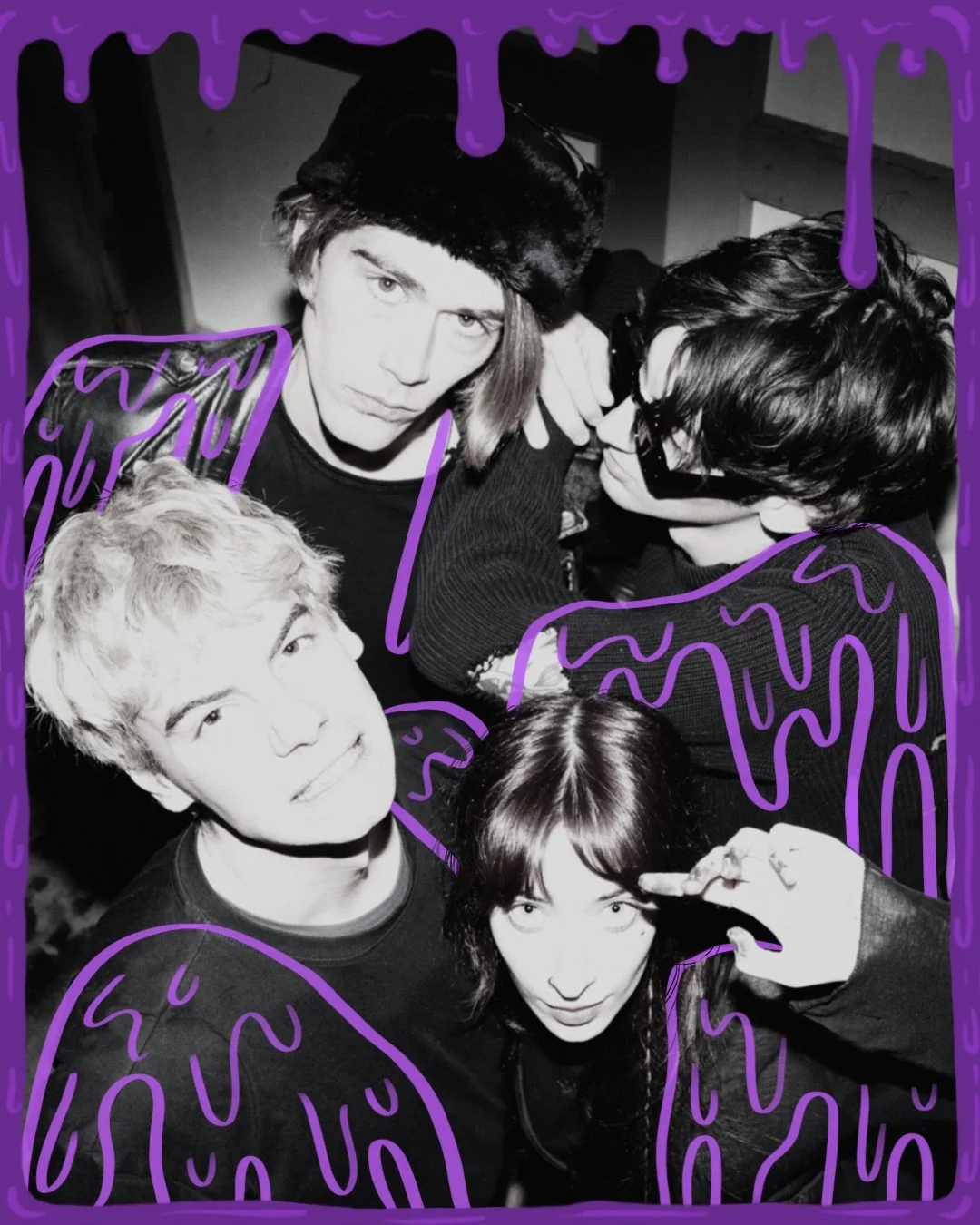
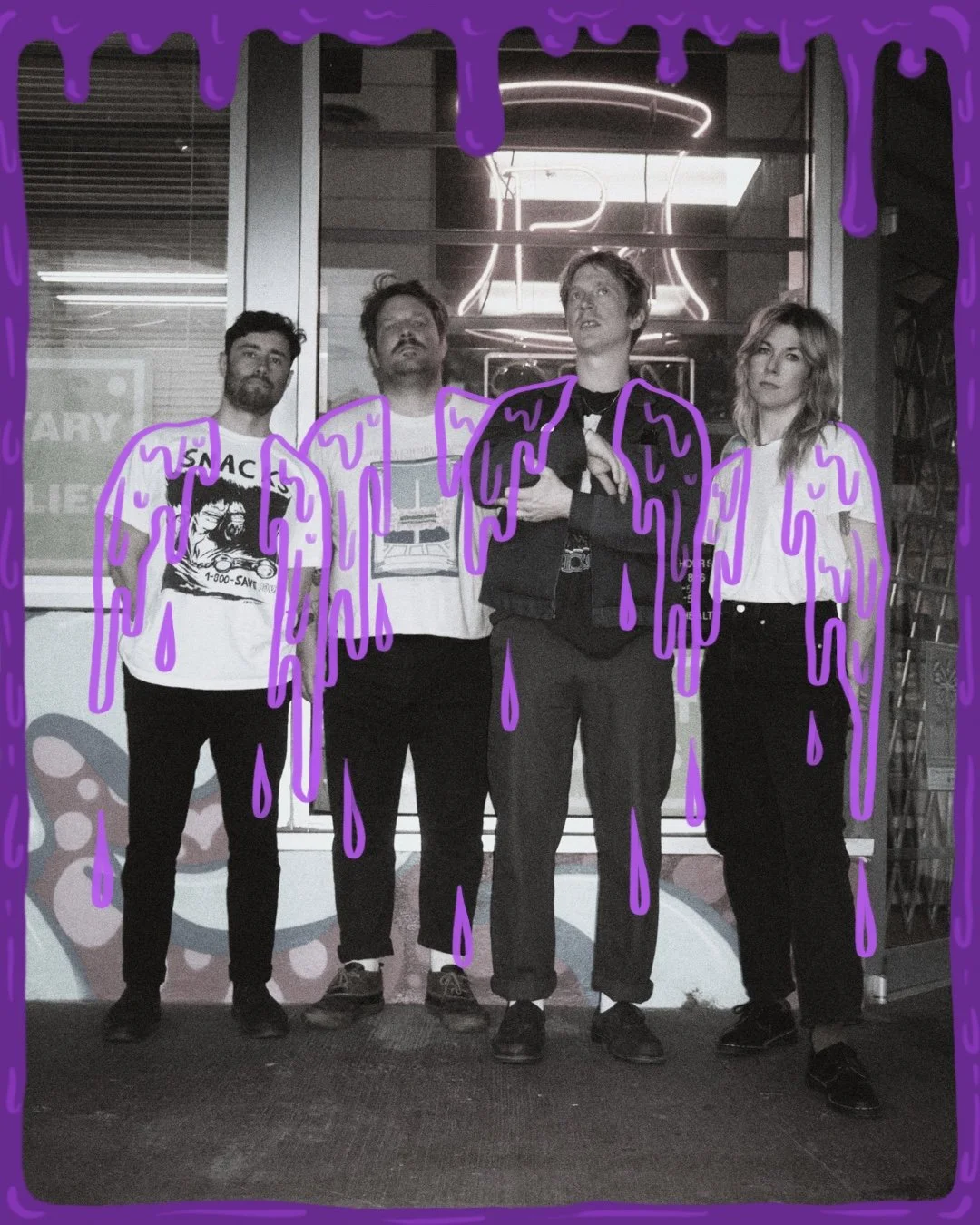
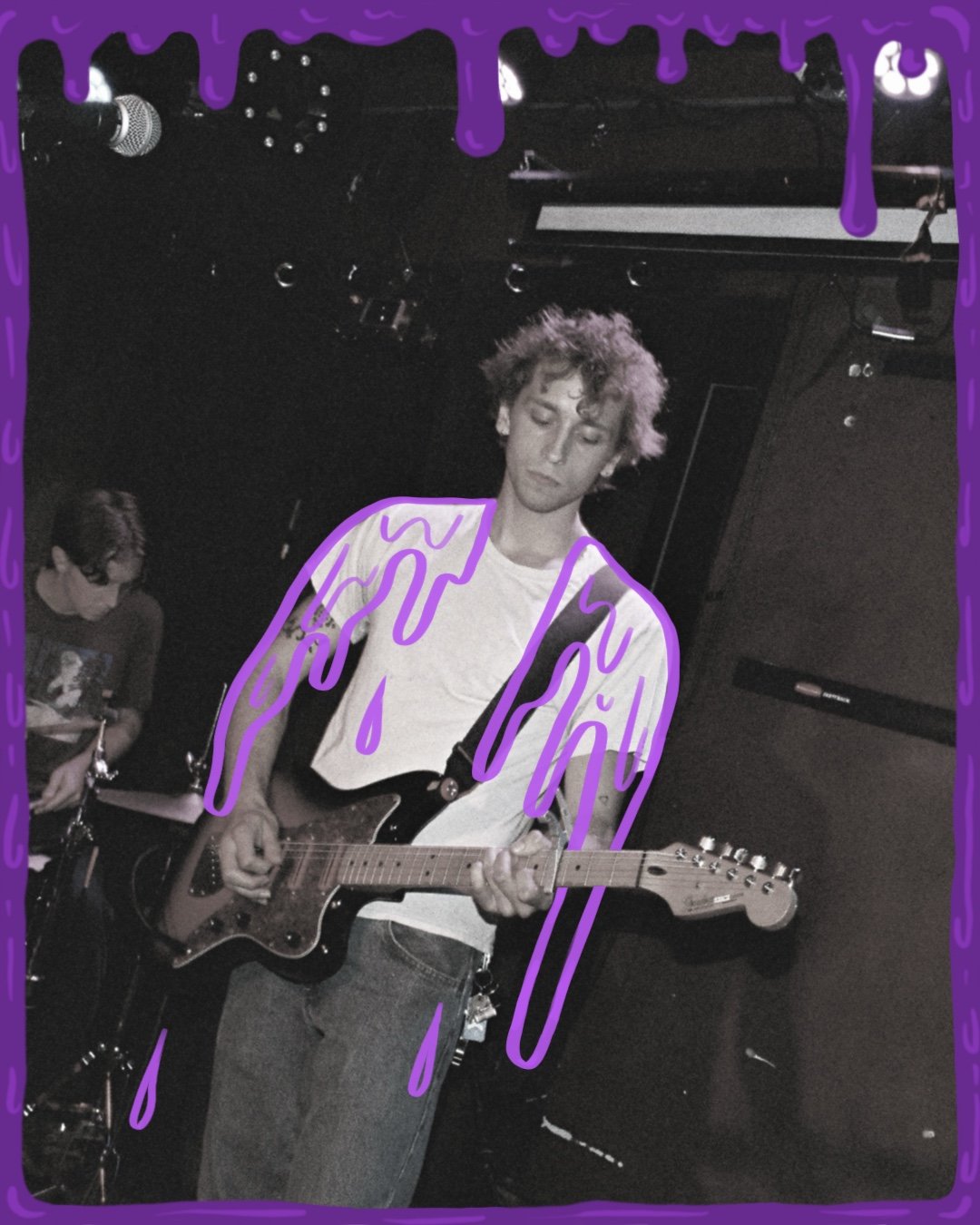
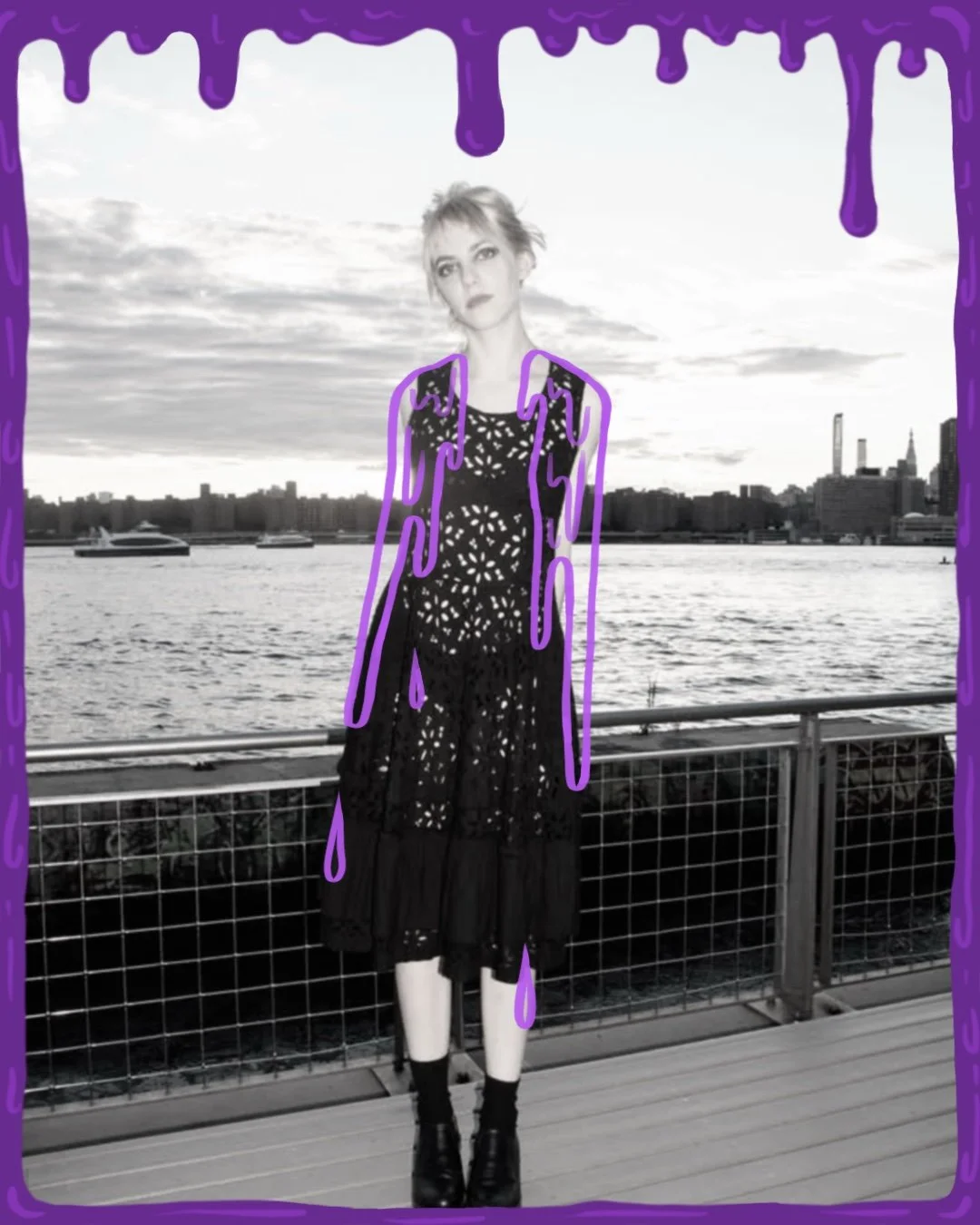
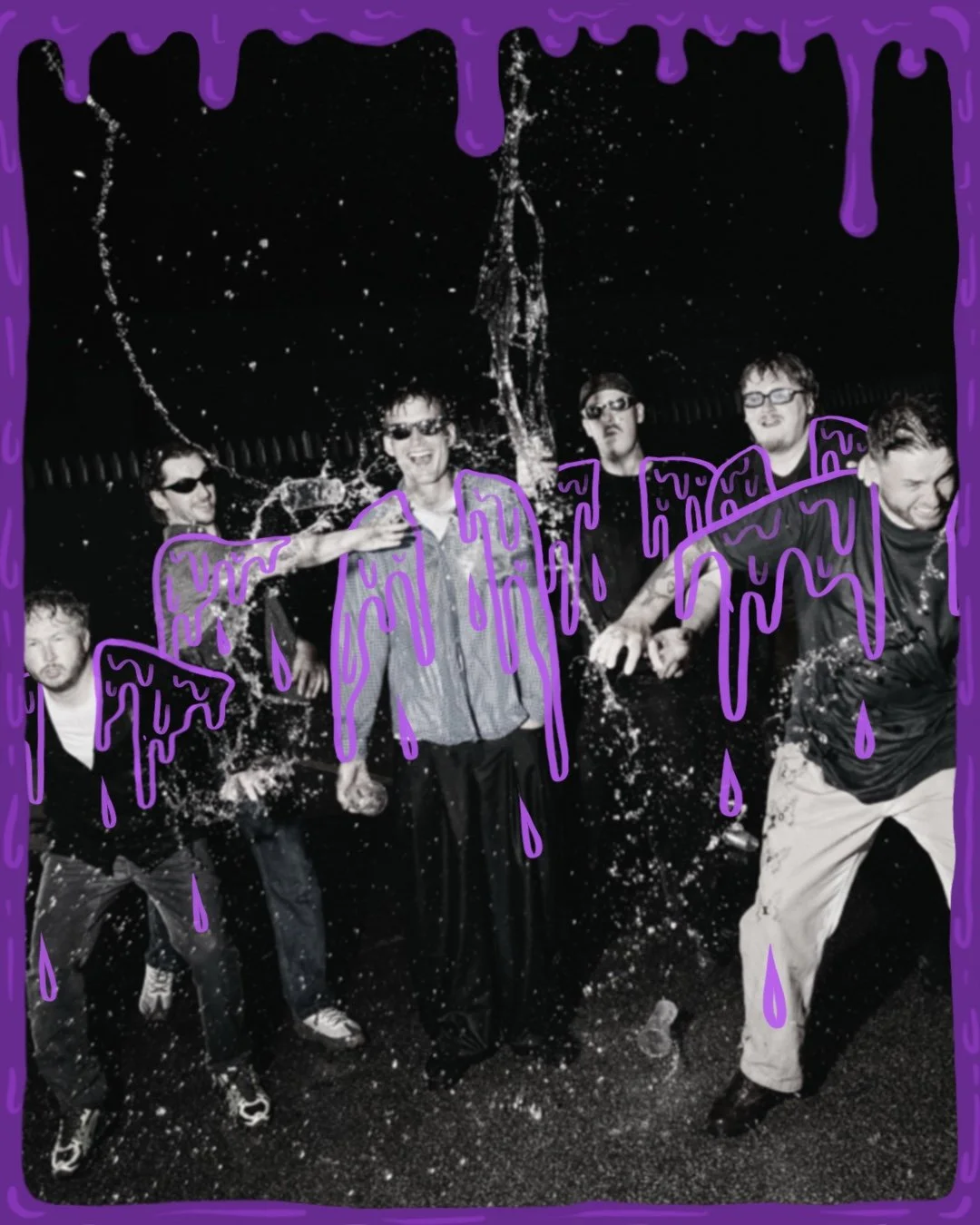
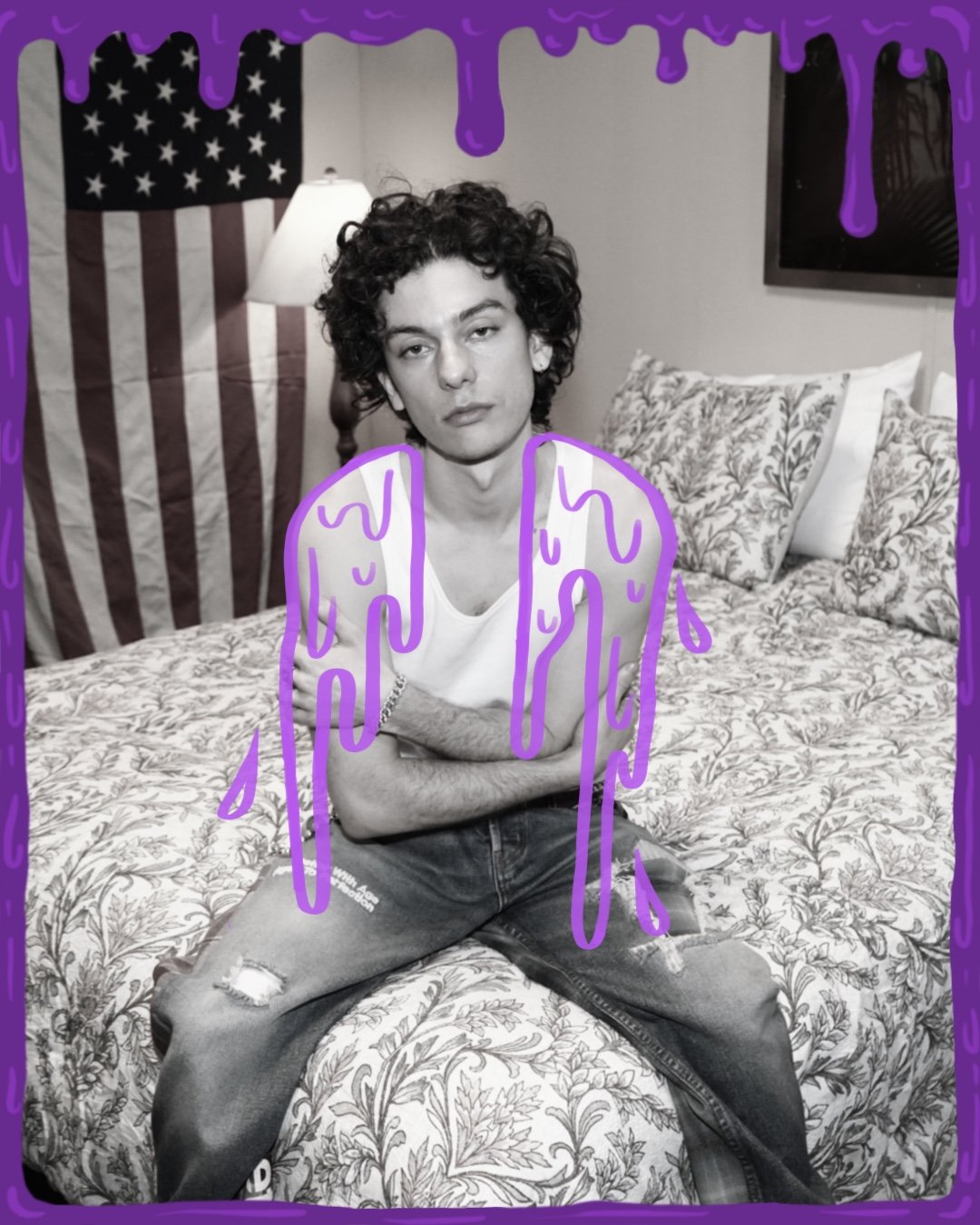
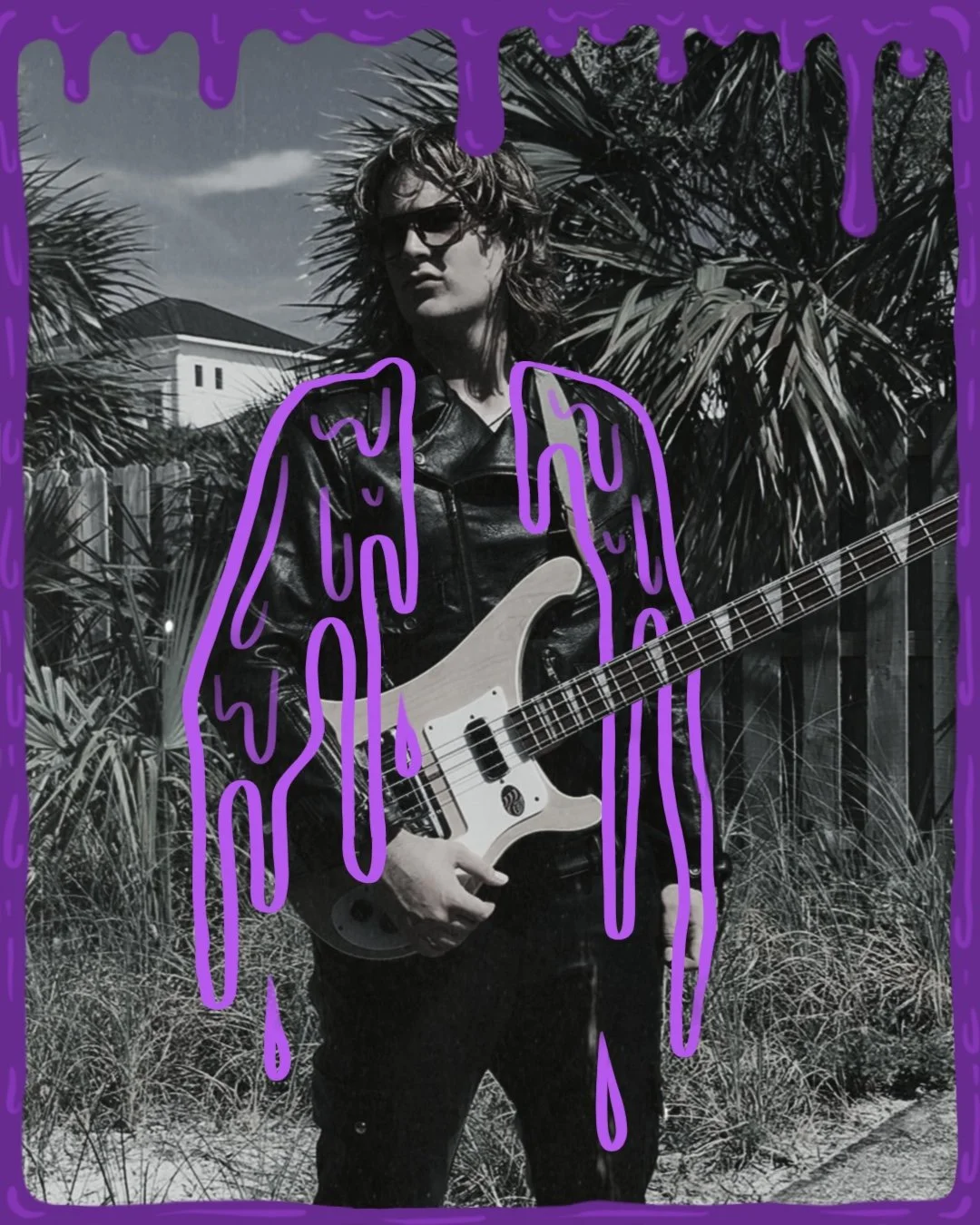
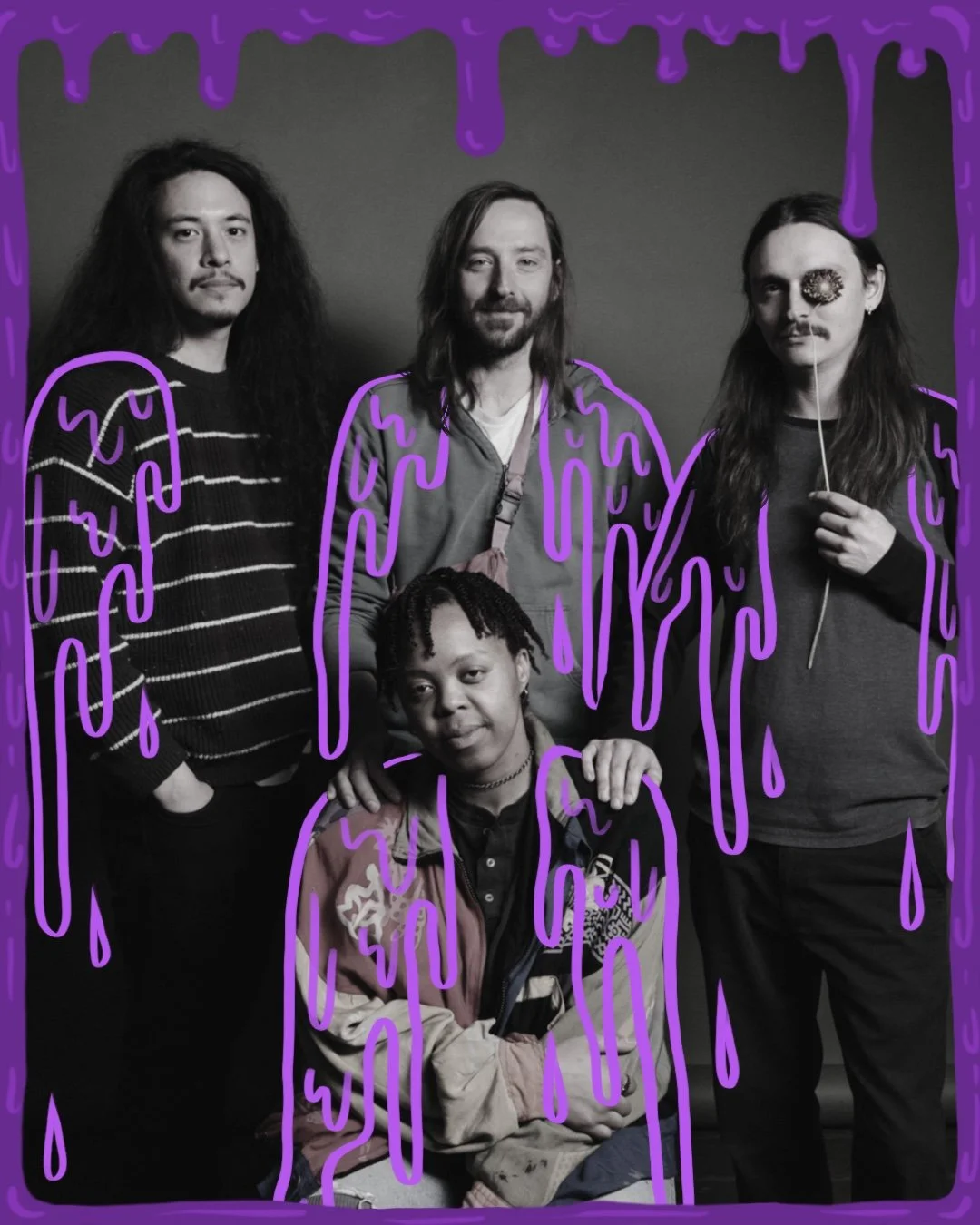
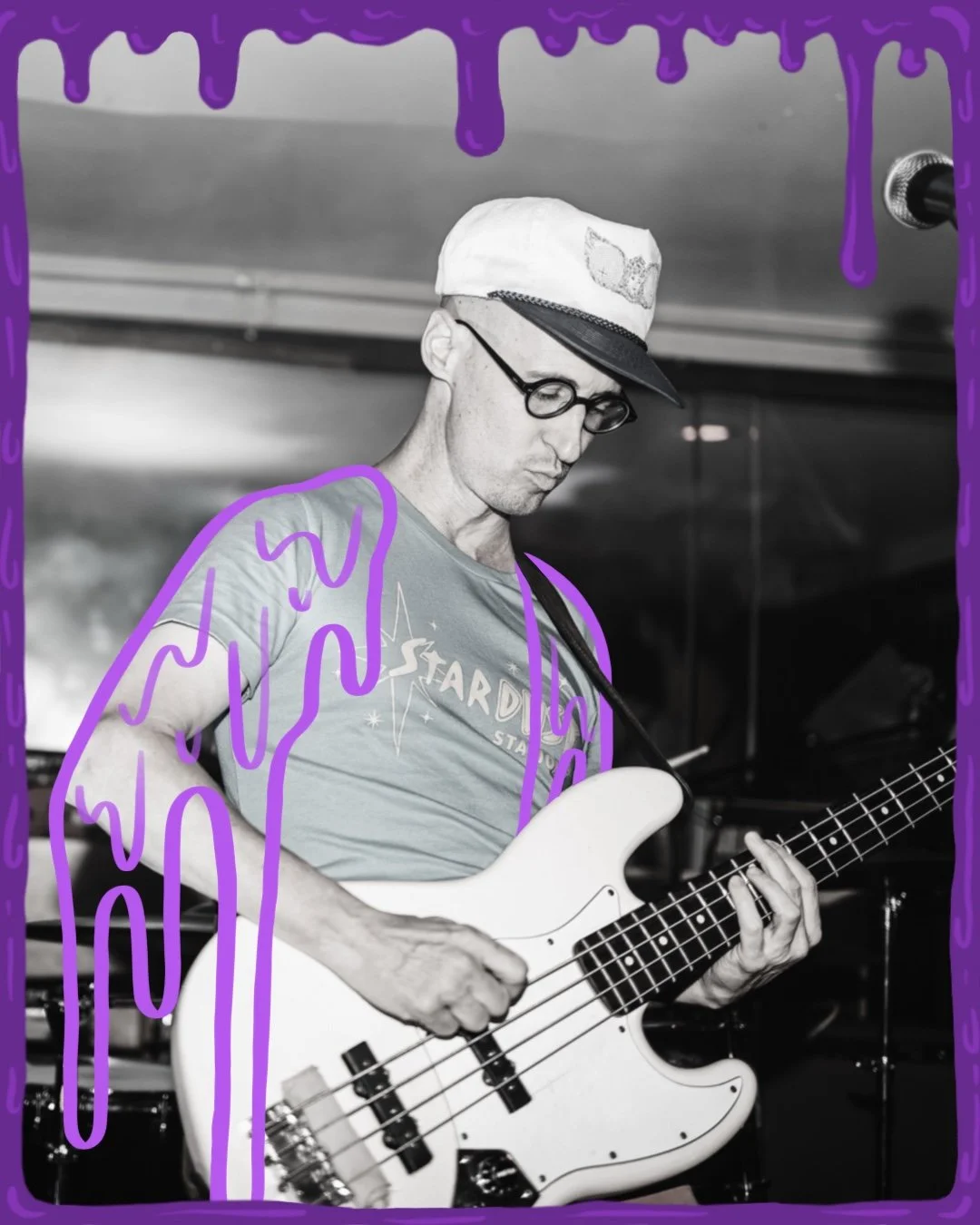
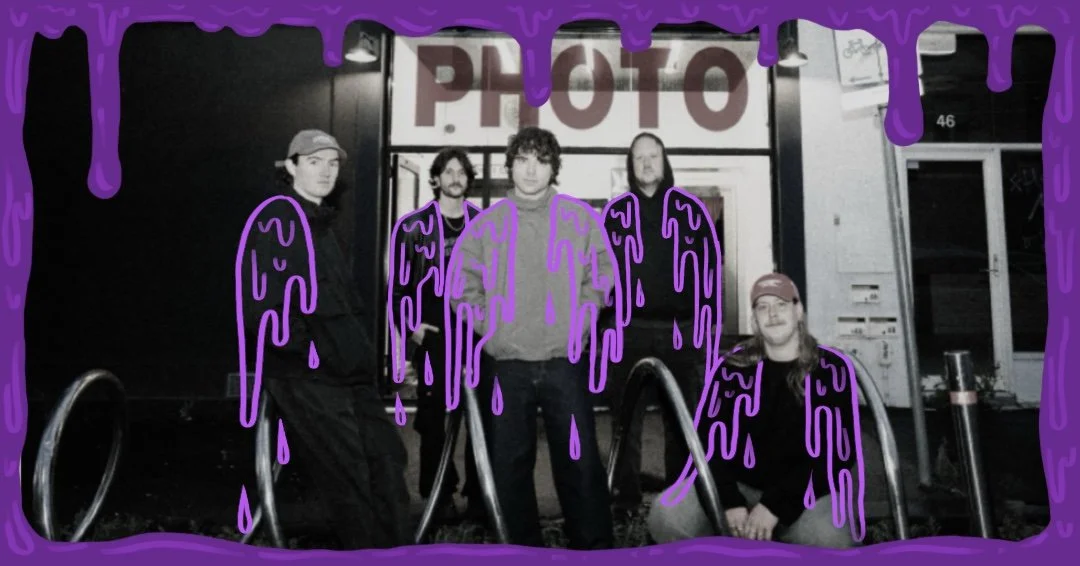
Photo Credit— Ambra Cautero
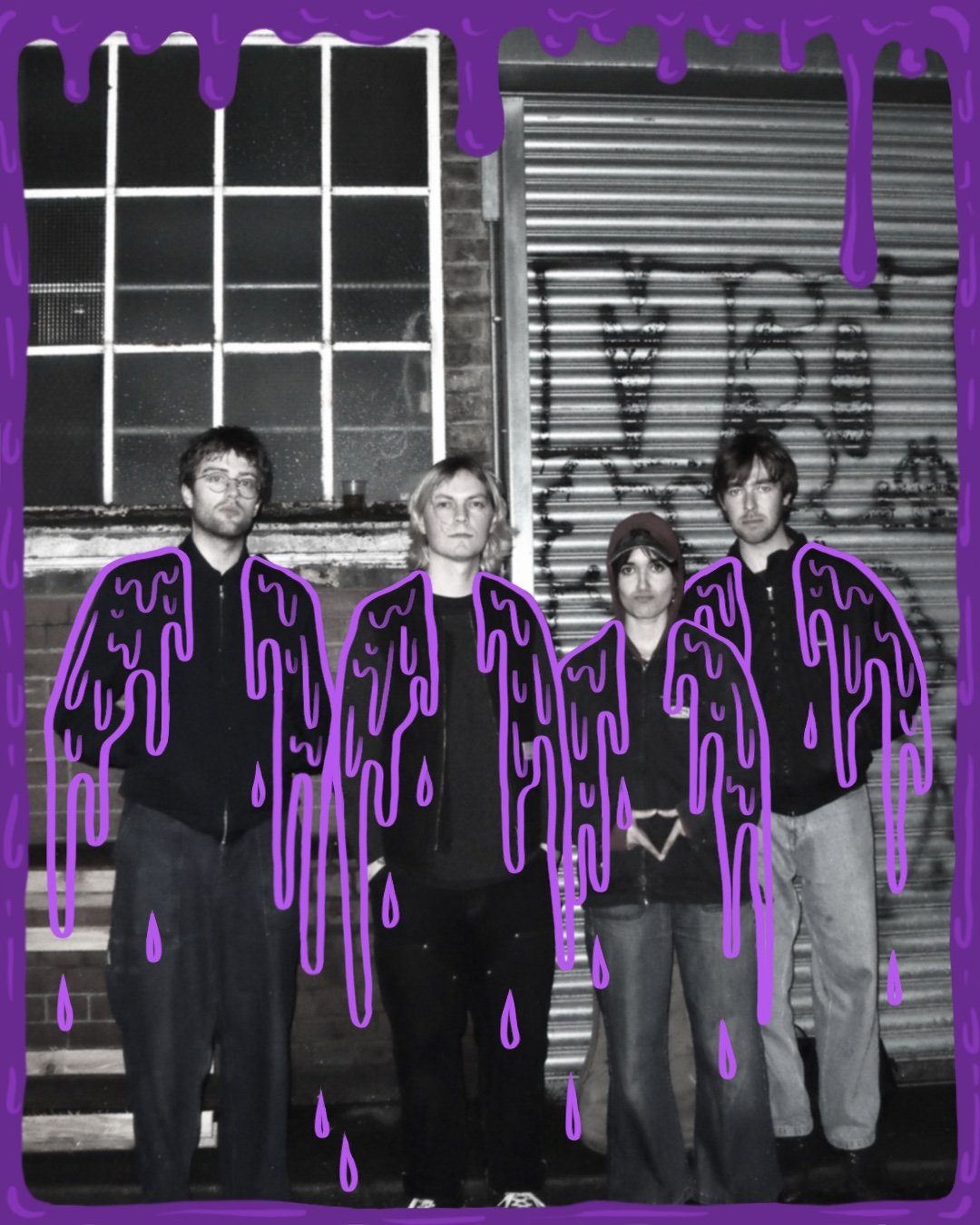
While Italian outfit Glazyhaze’s initial output spawned from the purely natural progression of the group’s collaborations, taking root in lead vocalist Irene Moretuzzo’s dream-pop leanings and the more shoegaze-inspired instrumental foundations of guitarist Lorenzeo Dall’Armellina, they have since worked to carve out an undeniably refined and intentional sound — one that, in its experimental wanderings from its initial shoegaze bent, took its fullest shape to date on their 2025 album Sonic and continues to rear its head as the band prepares to begin their third studio project.
For Moretuzzo, Glazyhaze has been in the making since her childhood. Her father was in a punk band when he was younger, and he imprinted that love for rock music onto his daughter directly. She has distinct (and terrifying) memories of her father introducing her to Slipknot when she was in elementary school. But equally important in this artistic formation was her mother, who would sing her daughter songs by Bob Dylan, Joan Baez, and a wide array of Italian singers on her acoustic guitar.
As Moretuzzo got older, this singer-songwriter imprint grew, in a way, to become her personal selection of music. She fell in love with Adrienne Lenker, Big Thief, and the whole indie-folk milieu as a teenager. While she also dove deeply into jazz, developing a love for John Coltrane, Charles Mingus, and Chet Baker, it was the simultaneous dreamy tenderness and heart-wrenching emotion of songs on the acoustic that always truly appealed to her.
She played guitar and upright bass as a child and through her teenage years, but she didn’t truly attempt to write songs until the Pandemic. Like many others, she needed something to fill the void of isolation, and she turned towards songwriting in response. These early efforts were very reminiscent of Lenker’s work— suspended in a state of effervescence that, in many ways, can only be captured by the dream-pop ethos. Over time, she amassed a small grouping of demos that represented her earliest work as a songwriter.
When she met Dall’Armellina through a group of mutual friends and found out he was a musician as well, she decided to share these demos. He immediately asked Moretuzzo to jam with him, and these first sessions represented the founding of an immediately productive musical partnership.
“[Lorenzo] listened to it, and if I remember correctly, he asked me if we could jam on the songs. I remember that after we jammed the first time, we were really, really proud. [The demos] were recorded badly, but we were in love with what we were creating together… It was a bit less like a decision; it was more casual, I would say.”
Although things began very naturally, the pair quickly realized that they were onto something. As Moretuzzo learned to acclimate her vocal style to Dall’Armellina’s crushing chords and distorted soundscapes, their joint efforts began to sound more and more cohesive. Dall’Armellina soon enlisted his friend, Francesco Giacomin, as the group’s drummer. They decided to call themselves Glazyhaze, and they dove into writing and recording their first album, Just Fade Away.
The start of work on that project, though, was a major period of artistic transition for Moretuzzo. She started off playing the bass in the band because she was only familiar with acoustic guitar, and she was still learning to write in both a shoegaze-centered vocal style and, with considerably more difficulty, in English.
At first glance, it’s easy to identify the independent streams of shoegaze and dream-pop that grace Just Fade Away. From the mellowed reverberations of the opener, “Ouverture” to the bouncing and searing riffs of tracks like “A Glimpse of Light”, there’s a clear stylistic throughline there. Upon deeper investigation, though, a unique sonic landscape reveals itself. Moretuzzo’s vocals lend each track a haze-like quality, imbedding themselves into the very fabric of each instrumental and, in doing so, illuminating a carefully-constructed coagulation of the band’s various influences.
In hindsight, Moretuzzo knows that, in a way, these early efforts were simply an extension of her and the band’s natural sonic inclinations. She treated her voice more like a part of the instrumentation than the forefront of each song, and she often felt as though her lyricism didn’t establish the level of complexity she was searching for. As Glazyhaze began work on their second album, SONIC, she knew she wanted to approach things differently as both a lyricist and an instrumentalist.
With the addition of bassist Vsevolod Prokhorov, who Moretuzzo had played with in a previous band, she was able to accompany Dall’Armellina on guitar. As she leaned into her original instrument, she also leaned even more heavily into injecting more meaning into her lyrics and becoming more intentional with her songwriting approach. On SONIC, this shift is readily apparent.
But that’s not the only major transition Glazyhaze underwent between their debut project and their sophomore effort. They realized that, in their earliest ventures, they had tied themselves too heavily to the shoegaze influences that dominated their listening at the time. As they approached SONIC, everyone in the band had more time to think intentionally about what direction they wanted to take their individual sounds.
The result is something akin to their first record, but it also takes on an entirely new atmosphere in its unique process. Each individual track— like the dynamic ebbs and flows of “DWELL” or the ceaseless forward momentum of “NOT TONIGHT”— displays a different dimension of the band’s emerging sound. It is not shoegaze in the traditional sense, but it is also very far removed from the dream-pop that Moretuzzo was first writing in her bedroom during the Pandemic. It is its own sound entirely— one carved through the boundary-pushing mastery of each of the band’s instrumentalists and the clear advancements that Moretuzzo made as a vocalist.
Glazyhaze, on SONIC, let go of any conscious ties they had to their original intention for the band, letting their collaborative efforts guide them into a more distinct, and a deeply alluring, style.
“[On SONIC], we weren't trying to be someone or to do a specific thing. And I'm proud of how it came out because we had a lot of different songs written in different moments. But I think that they combined together; they work really well as an album. I think SONIC defined our sound for the first time.”
Now, as the band returns from tour, they are currently taking a month-long break to replenish their creative energies. But Moretuzzo knows that, when they return for live performances and some songwriting sessions in July, their unified intention will be to delve deeper into the sound they set forth on SONIC, tossing off the early expectations they set for themselves and leaning even further into the unique blend they’ve etched out across their first two records.
“I think what’s really worked with this group of people is that we were super passionate about music, but there's also a fire and a desire to actually write and go on tour and play, discovering new music, trying new things. So I think that's why we're working. We're on the same page.”