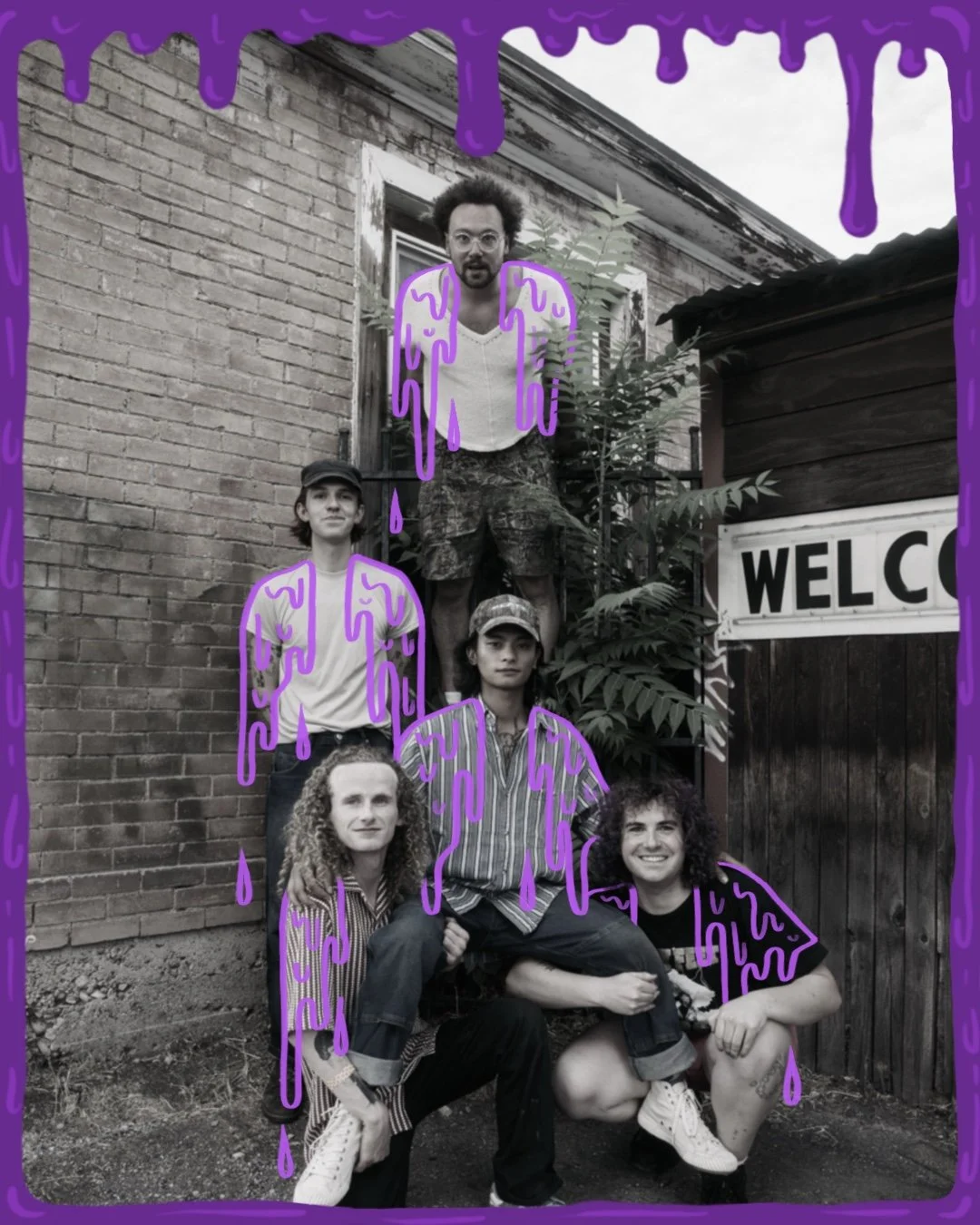
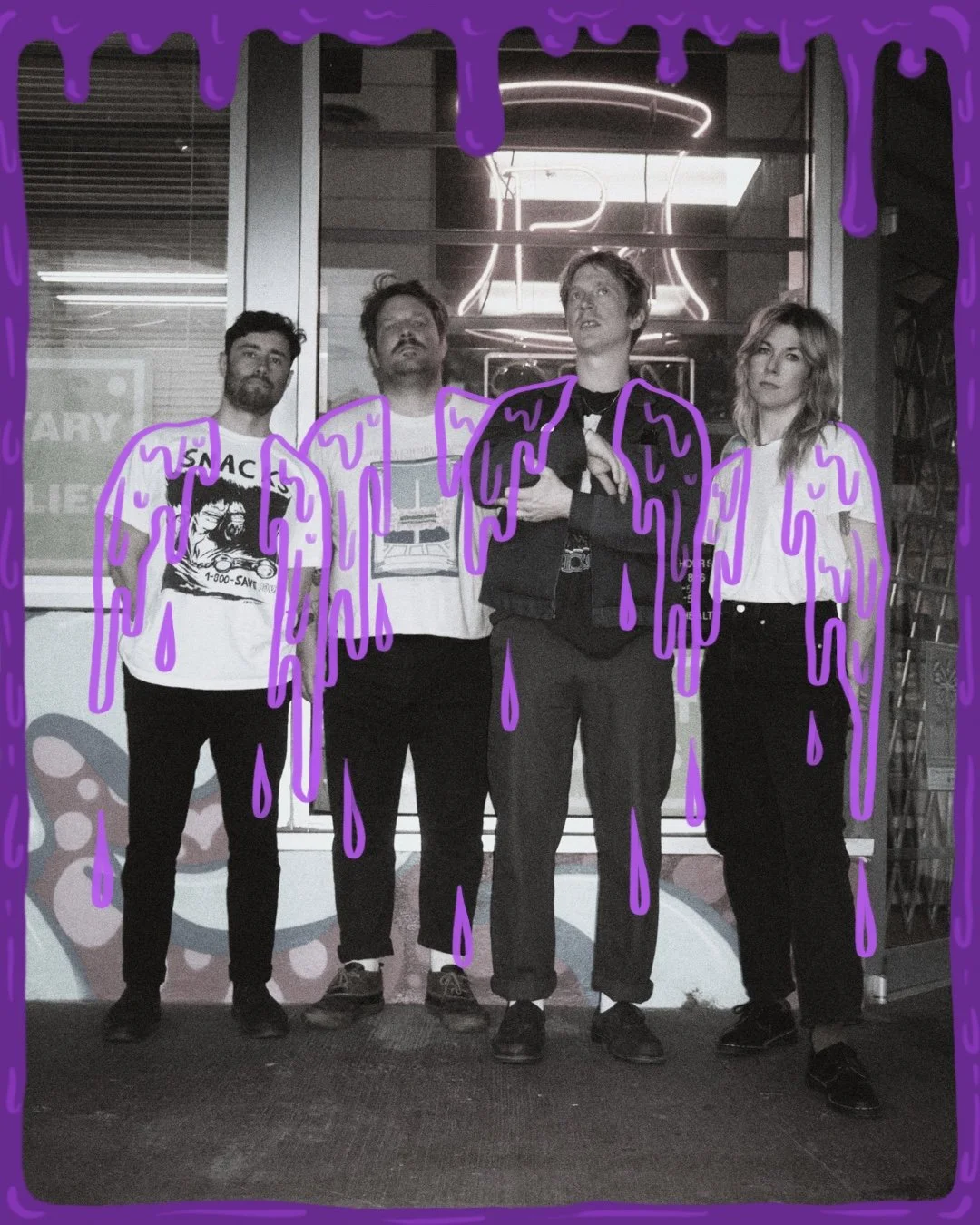
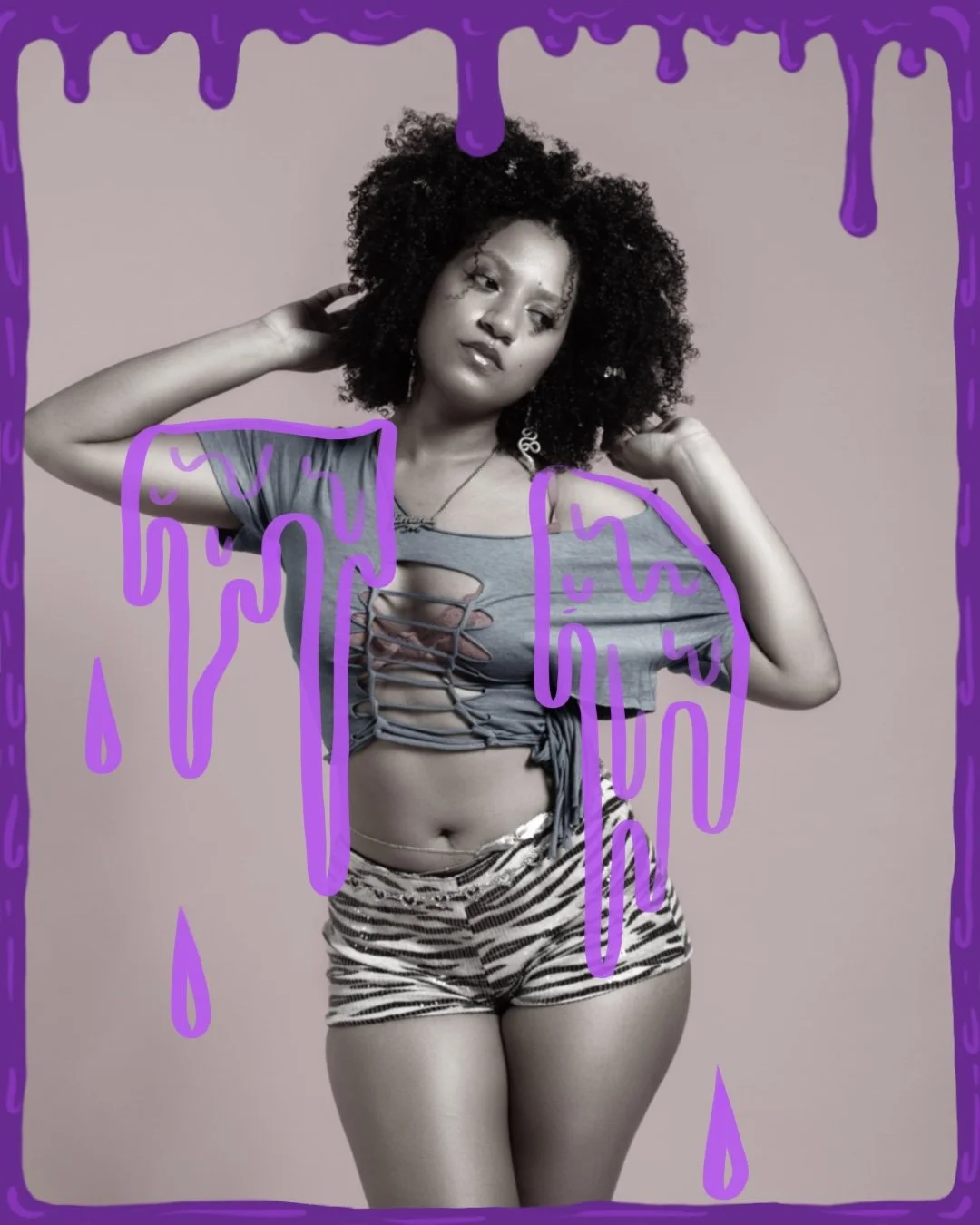
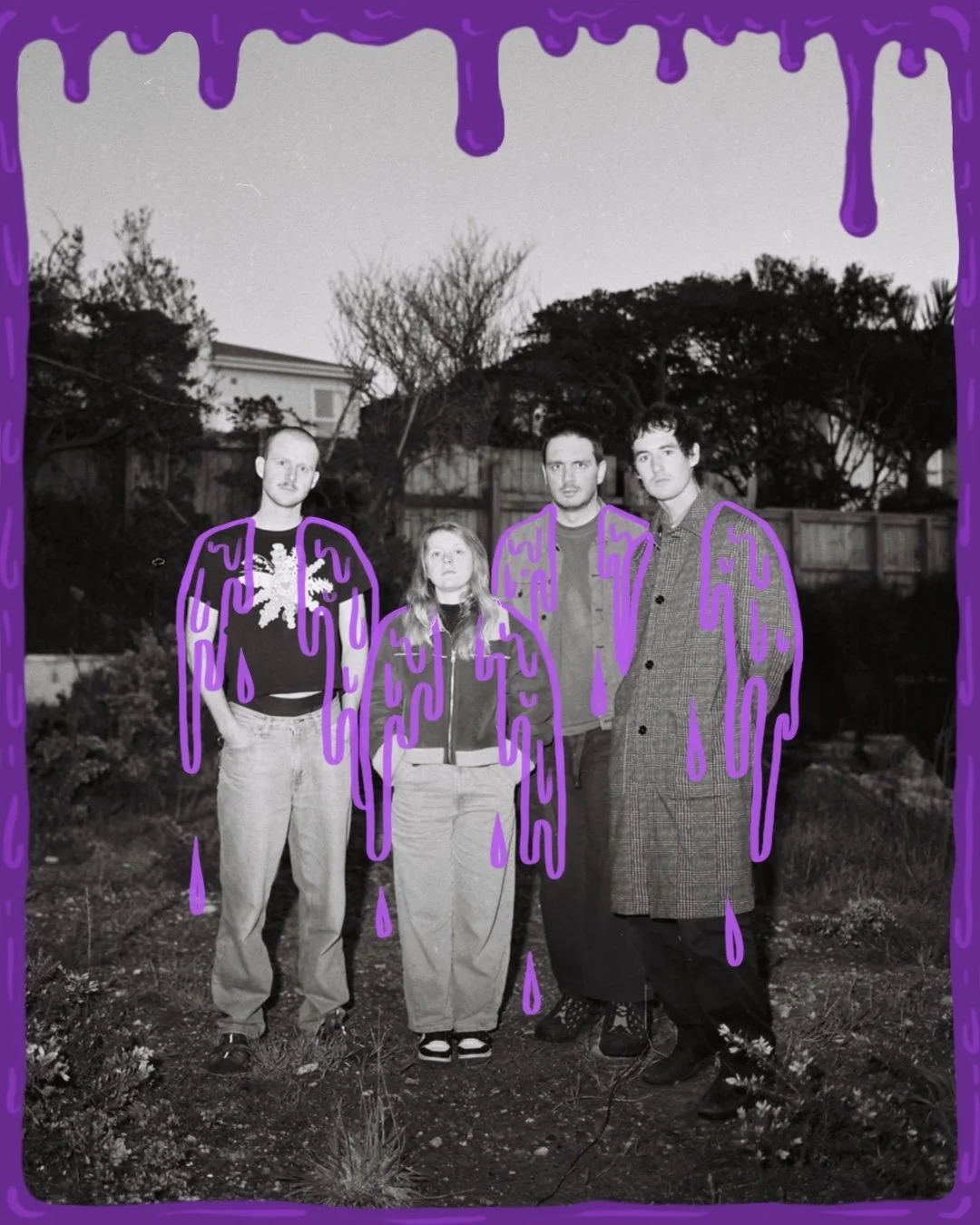
Artist Profile: Cry Club
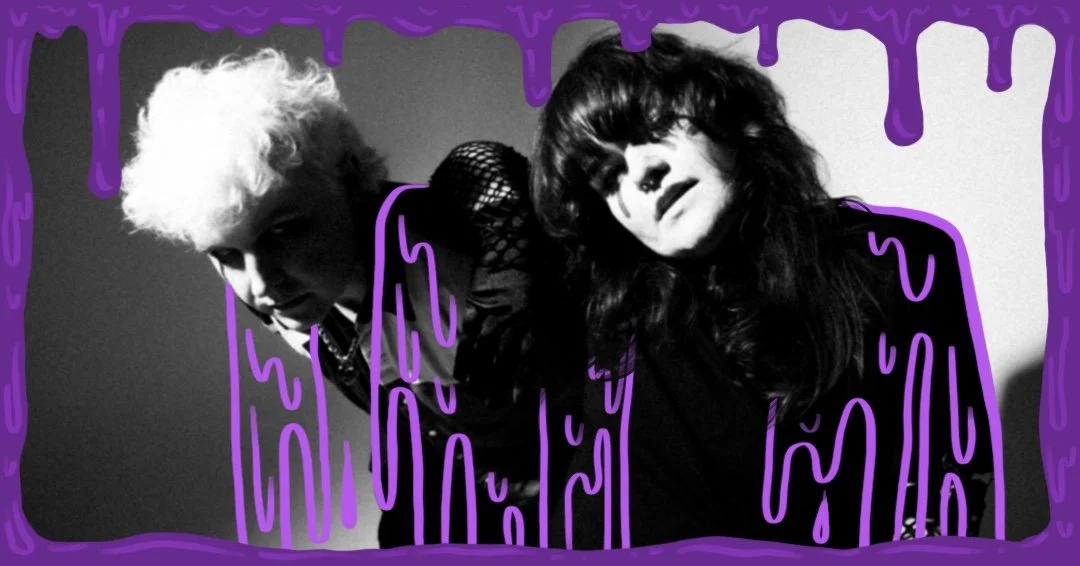
Although pop-punk may be the appropriate genre label for Australian duo Cry Club, it’s far from an accurate depiction of their sound. As Jonathon Tooke and Heather Riley delve further and further into their collaborative venture, which began with the intention of carving out simple digestible, pop songs, things have steadily gotten heavier and more sonically complex. The release of their newest album, High Voltage Anxiety, simply was the next step in the logical sonic process that has guided them since they first began collaborating as university students, and in its searing punk tones and earnest theatrics, the project is the most honest and upfront in their growing discography.
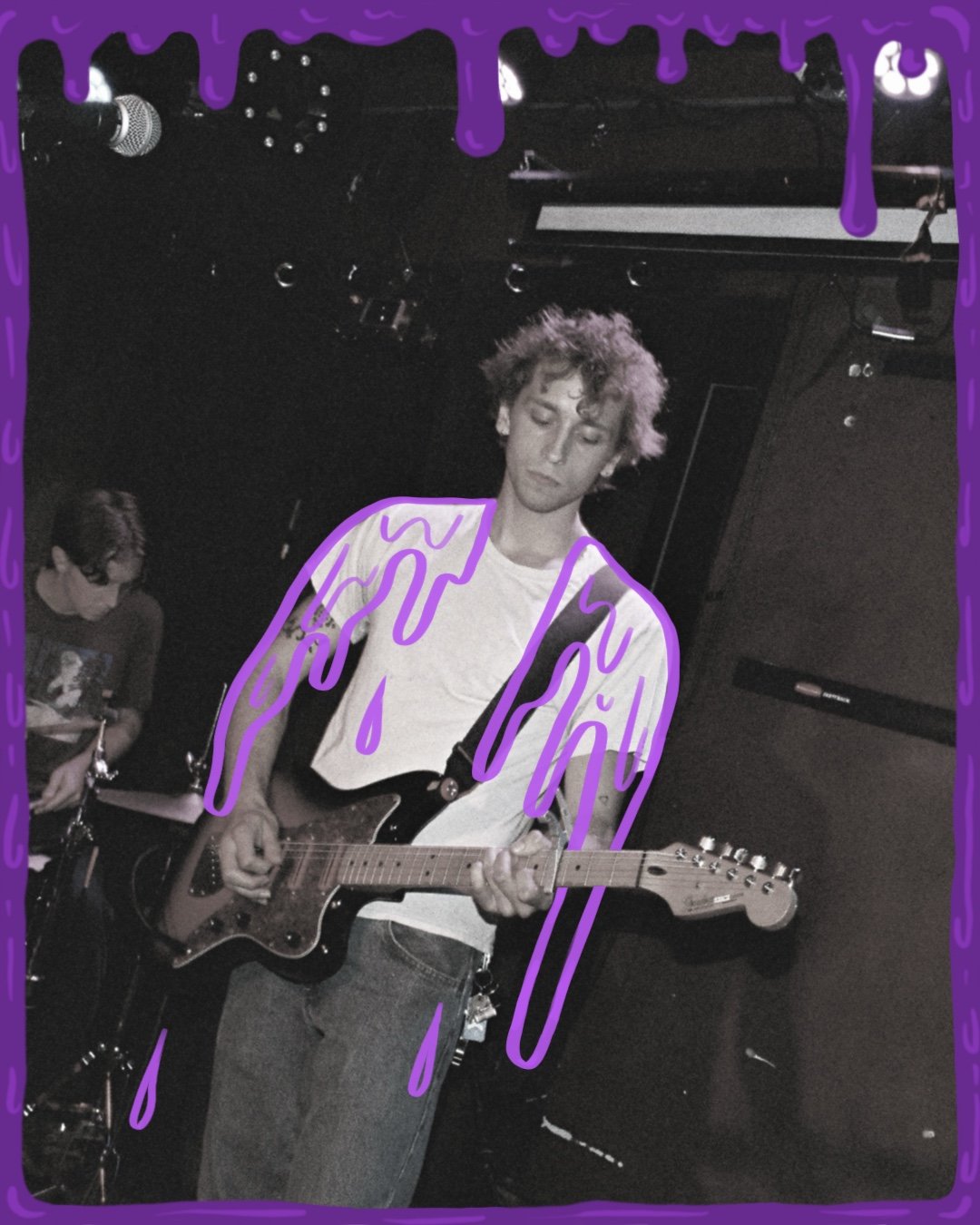
When Tooke and Riley first met, both came from distinctly different musical backgrounds. Tooke was born partially deaf, and when he eventually gained his hearing as a child, his exposure to music was limited. But as he got older, and started exploring bands like AC/DC, who serve as the gateway to rock for many Australian teenagers, guitar became his first true obsession. He joined a number of bands as a guitarist, and the activity took over his life— he was handling booking and all administrative needs for multiple projects by the time he reached university.
Riley, meanwhile, came from a more theatrical background. They were trained as a singer and a performer throughout most of their youth, and Riley routinely would switch back and forth in their ultimate aspiration throughout their childhood. One moment they would profess they wanted to be a singer. At another, a dramatist. When they went to university, though, they thought that their lack of songwriting acumen made them better-suited for the theater, and they decided to pursue a course of study in that realm.
The pair’s musical interests also diverged rather significantly. Where Jonathon had always leaned toward the heavier, more technical side of things (his primary band was a mathcore project), Riley had always loved more pop-leaning artists. As much as they loved bands like The Cure and My Chemical Romance, they also loved K-pop and the community that came with it.
“I was really into K-pop… I feel like it's such a social genre where it's all about who else you can listen to it with,” said Riley, “Like with acting and singing, I'm always swapping between like sugary, full K-pop, commercially, massively-produced kind sounding pop music to any kind of garage or guitar rock as well.”
Yet when they met on a university-sponsored flight to Japan, the two became immediate friends, and Tooke knew that the pair could strike a balance creatively. For months, he would send Riley demos he had made with the aim of getting them to sing over them. When they did, and Cry Club was formed, Tooke immediately dropped many of the engagements he had with his other projects.
He knew that he and Riley had something special on their hands.
While the original intention was to create straightforward pop songs, as a sort of divergence from the convoluted instrumentals Tooke had grown used to etching out with his other projects, it quickly became clear that the pair had a clear affinity for the punkier, heavier elements that they were both fond of in other bands’ music.
“Essentially at the start, we felt really satisfied by the experience of writing pop music,” said Tooke, “And then, as it goes along further and further, the influence of heavier guitar music filters in… The truer we are to ourselves, we're a rock band.”
Their debut album, 2020’s God I’m Such A Mess, is described by Tooke as “if a post-punk band sang pop songs”. But from the very outset of the opening track “DFTM”, Riley’s punk ethos couldn’t be clearer.
That sonic tinge was then developed even further on their 2023 release Spite Will Save Me.
But High Voltage Anxiety, even its glam-rock and industrial moments, is the first full manifestation of the duo’s rugged, punk roots. From the peaks of guitar-flung energy on “Retaliate” to the scorched valleys of tracks like “For Your Health”, Cry Club operates with no holds barred across the entirety of the record, allowing Riley’s distinct vitality and charisma and Tooke’s penchant for instrumental experimentation to come across in full force.
The duo, however, knows there are challenges to continuously shifting your sound as your discography grows.
“Especially within Australia, the powers that be have this like limitation on artists developing and changing over time,” said Tooke, “Essentially, we are incentivized to, if we want to explore new music, to do it under a different name, to start a new project. People, I think, still see us as a pop band here, which if you were just listening to the most recent album, it's not as true. You'd be quite confused.”
But as Cry Club leans more into ‘camp’ and approaches their evolving image and sonic atmosphere with complete earnestness, they know that, eventually, it will connect with the audience— maybe just in a different way than their earlier work once did.
“I also think that people in Australia are very uncomfortable with genuine earnestness and passion and commitment to something,” said Riley, “It's really not cool to be as super campy as we’ve been on our albums, unless you can really back it up, or unless you kind of force people to interact with it… Part of pushing the music to the extreme is also going harder and harder, more specific and angrier with the content as well, lyrically in the songs and the visuals too.”