Artist Profile: Jack Shields
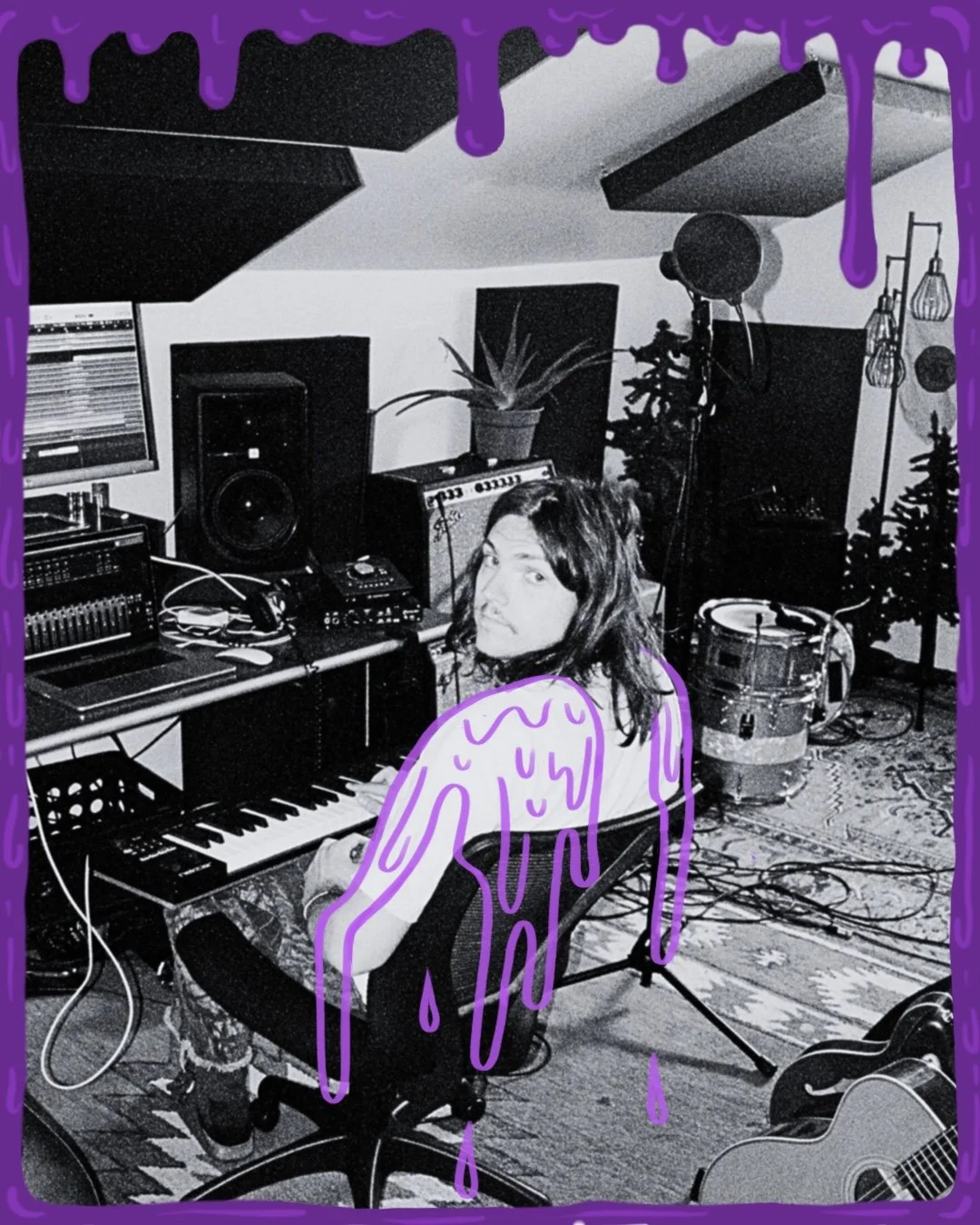
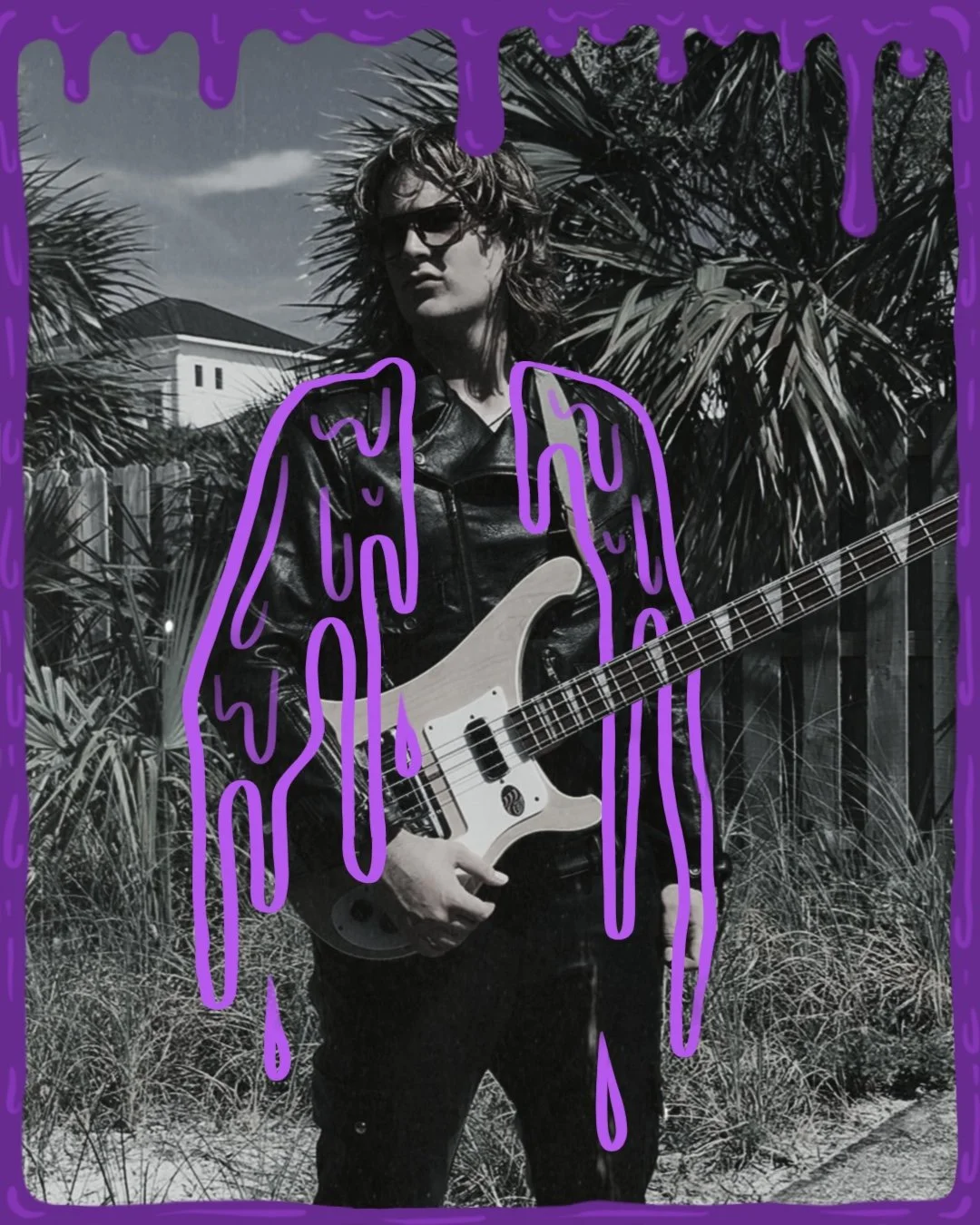
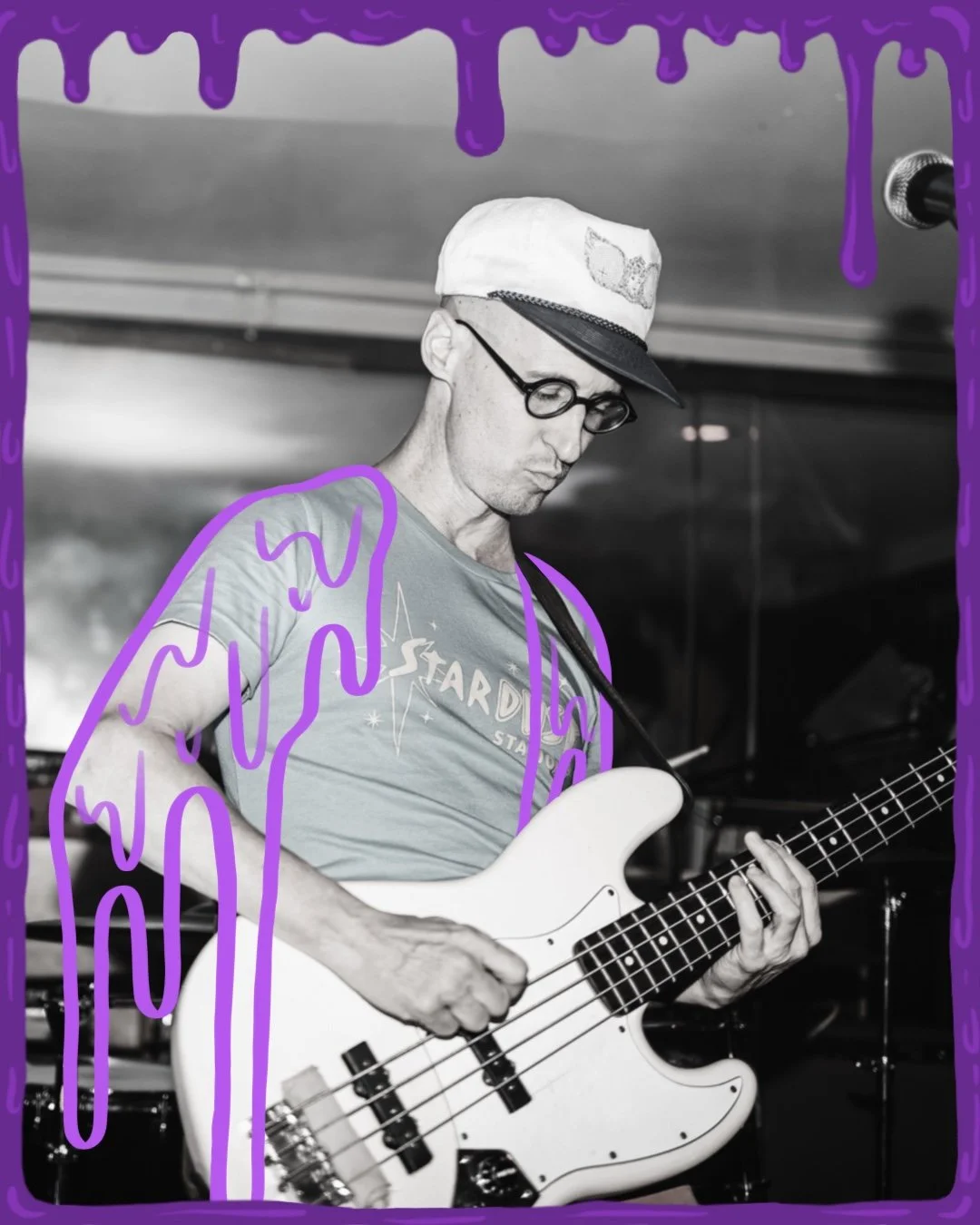
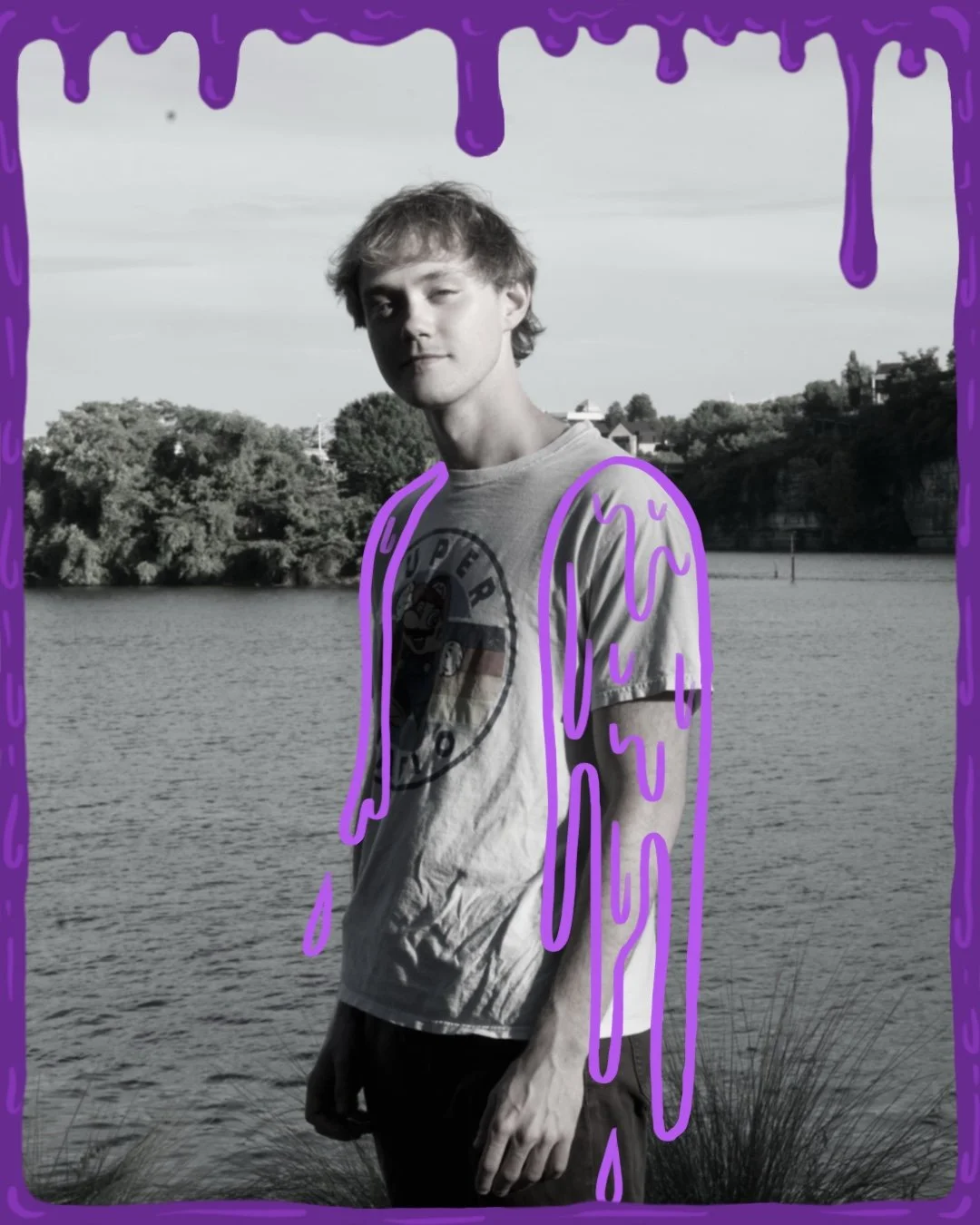
When guitarist and songwriter Jack Shields got the call that he was being invited to join Richy Mitch & The Coal Miners, he knew that his life, in many ways, had changed forever. In a sense, he had accomplished the goal he had first set out to achieve as a teenager— to live and work full-time as a musician. But beyond the tours and the recording, Jack’s new gig has yielded one central benefit. He’s gotten to devote his attention to his solo venture, Jack Shields & The Mojave Rush, and with the release of his newest album Avalanche Hour, he’s continued to carve out the distinct, ragged sound that has become all his own over the past few years.
From the time he was a child, Shields was pretty heavily exposed to music. His father was an avid classic rock fan, and Shields has memories, as early as 10 years old, of his father turning off the lights and blasting Pink Floyd’s Dark Side of the Moon, attempting to share the ethereal experience with his son.
Then, when Shields moved from San Diego to Connecticut, his uncle gave him his first tutelage on guitar. Shields, in his semi-obsessive way, was hooked. He learned his first few chords from his uncle, but he learned mostly, in his early days as a musician, through a book of Jimi Hendrix tabs, sitting in his room for painstaking hours and attempting to eke out Hendrix songs note-by-note.
He played in bands throughout his middle and high school years, and he got his first songwriting experiences through those ventures. But as he got older, electronic music briefly took hold of his creative imagination. The sounds, community, and lifestyle distinctly appealed to him, and Shields set about cutting his teeth as a producer.
When it was time to go to college, Shields packed his things and moved to Los Angeles. But he quickly knew that he had chosen the wrong path.
“I went to a semester in college in L.A. specifically because I wanted to be in L.A. to be closer to what I thought was the DJ world and producing world. I thought that was the place to be. But I quickly knew it wasn’t working out. I'm wasting money, going into debt for college. I knew it just didn't really feel right.”
He moved back home to Connecticut after just one semester. When he returned, he was seeking something to fill the creative void that had been created by his departure from school, and for the first time in a while, he picked up his guitar and wrote a song. The song was called “Leaving California”, and although Shields winces a bit when he thinks back on it now, it was a formative movement in his artistic journey.
He began writing songs and performing them around his local scene, and his friends quickly began recommending albums to him based on the path he was taking as a songwriter. Through those recommendations, Shields quickly discovered an affinity for the rougher, more ragged side of rock.
“Once people started to kind of like recommending [Neil Young] to me and saying that my songwriting had a similar thing… I just kind of dug into it, and it was a slow progression. But then I discovered Tonight's the Night and Zuma, a lot of the more ragged stuff, it's just extremely raw.”
As these tastes took hold, Shields dug even deeper into the alt-country sound he had been developing. But things changed when he got the opportunity to work with Sadler Vaden, the producer and also the guitarist for Jason Isbell, in Nashville. Shields had sent Vaden his complete collection of demos, and in listening through, Vaden had come across a small selection of rock tracks Shields had written. He told Shields that he saw him distinctly as a rock artist, and Shields used that opportunity to veer from his alt-country efforts and into a more firmly rock-oriented direction.
When he joined Richy Mitch & The Coal Miners, therefore, it represented more than a career opportunity. Shields fell in love with his experiences with the band, and it was the strongest encouragement to keep pursuing this solo sound that he had etched out.
“It's so fun being in RMCM. They're my best friends. And it makes you just want to do it even more, being able to tour like that and seeing what it actually is, experiencing it for the first time. It is reassuring because part of me [thought], ‘You're chasing this thing your whole life. And then what if you actually get on the road and you're like, Oh, this sucks. What the f*ck was I doing?’ But it's actually the best. So that just reassures me more that this is what I'm gonna keep doing.”
Jack Shields & The Mojave Rush’s first album, Cherry Pick the Past, shows some of the first solid manifestations of this sonic transition and artistic confidence. On tracks like “Small Fish” and “Reignite”, the rock influence is distinct. But even on more country-tinged tracks like “Electric Chair”, it’s clear that Shields was leaning in a direction that was leading him towards a heavier, more distorted and ragged sound.
On Avalanche Hour, this push came to fruition. Shields entered his work on the project with one goal in mind— take the sound he had developed and make it as heavy as possible within the constraints of his songwriting style. From the singing chorus of “Alpine Hour” to the soaring lead lines on “Cull the Fleet”, Shields’ intentions are not only manifested but also create a distinctly original sound, combining the raggedness of the ‘70s, ‘80s, and ‘90s rock he had come to love with the more polished, twangy aspects of his songwriting style.
As Shields finalizes his next project, which is already recorded and is in the mixing stage, he knows that he wants to inject more of that ragged, DIY sound, building on the strides he took on Avalanche Hour and continuing to refine his unique sonic blend in the process.
“This new album, I'm just trying to make it ugly and leave it ugly. And the songwriting is also a little more tongue-in-cheek. It's funnier. I think there's more humor there. I'm just trying to let the tracks be what they are. It's definitely closer, I think, to a lot of the records that I really love, like Exile on Main Street or Zuma. Really trying to hone in on that, which really isn't even honing in. It's the opposite. It's just being able to not edit yourself, I guess. And not overthink it.”