Artist Profile: Ellen Froese
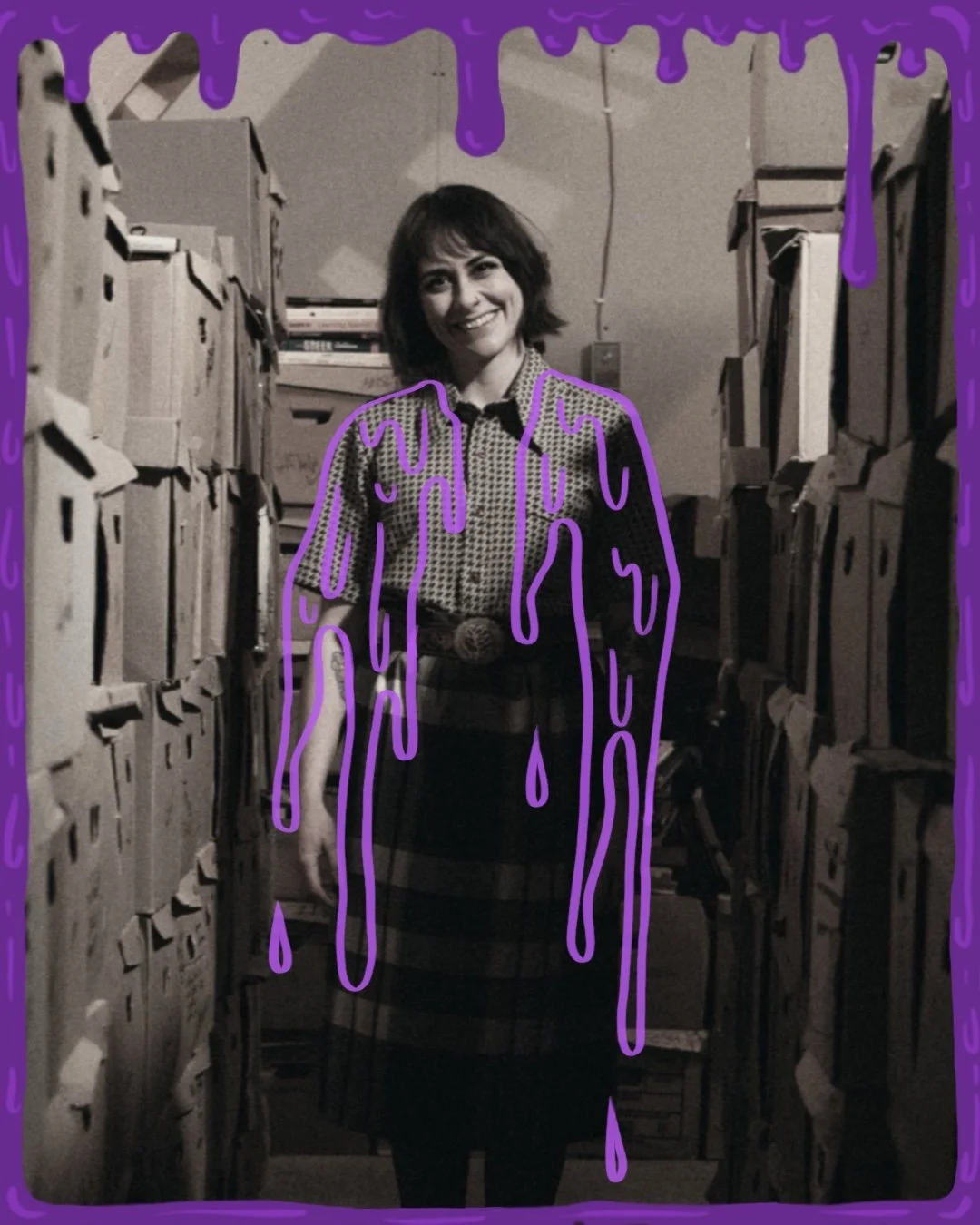
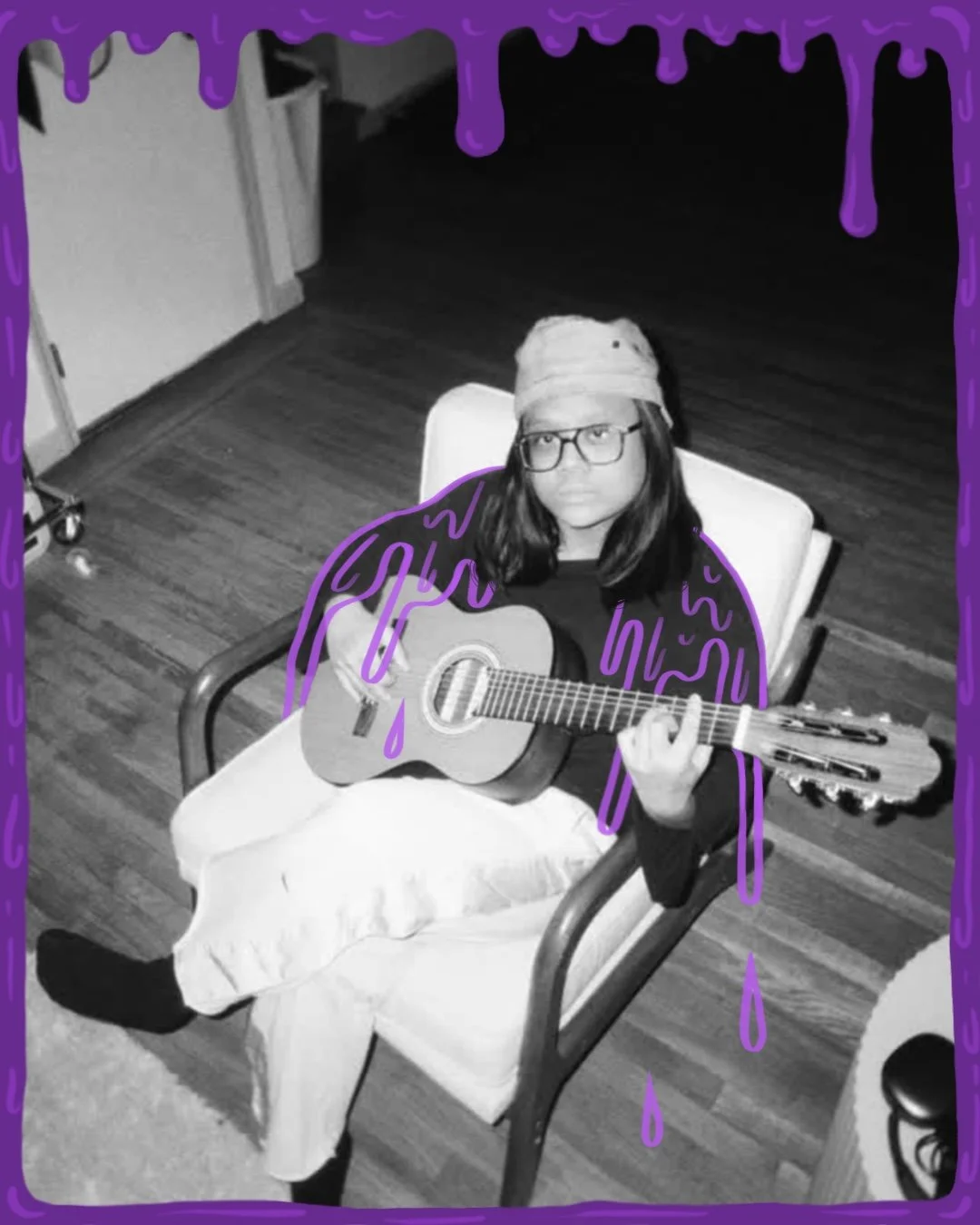
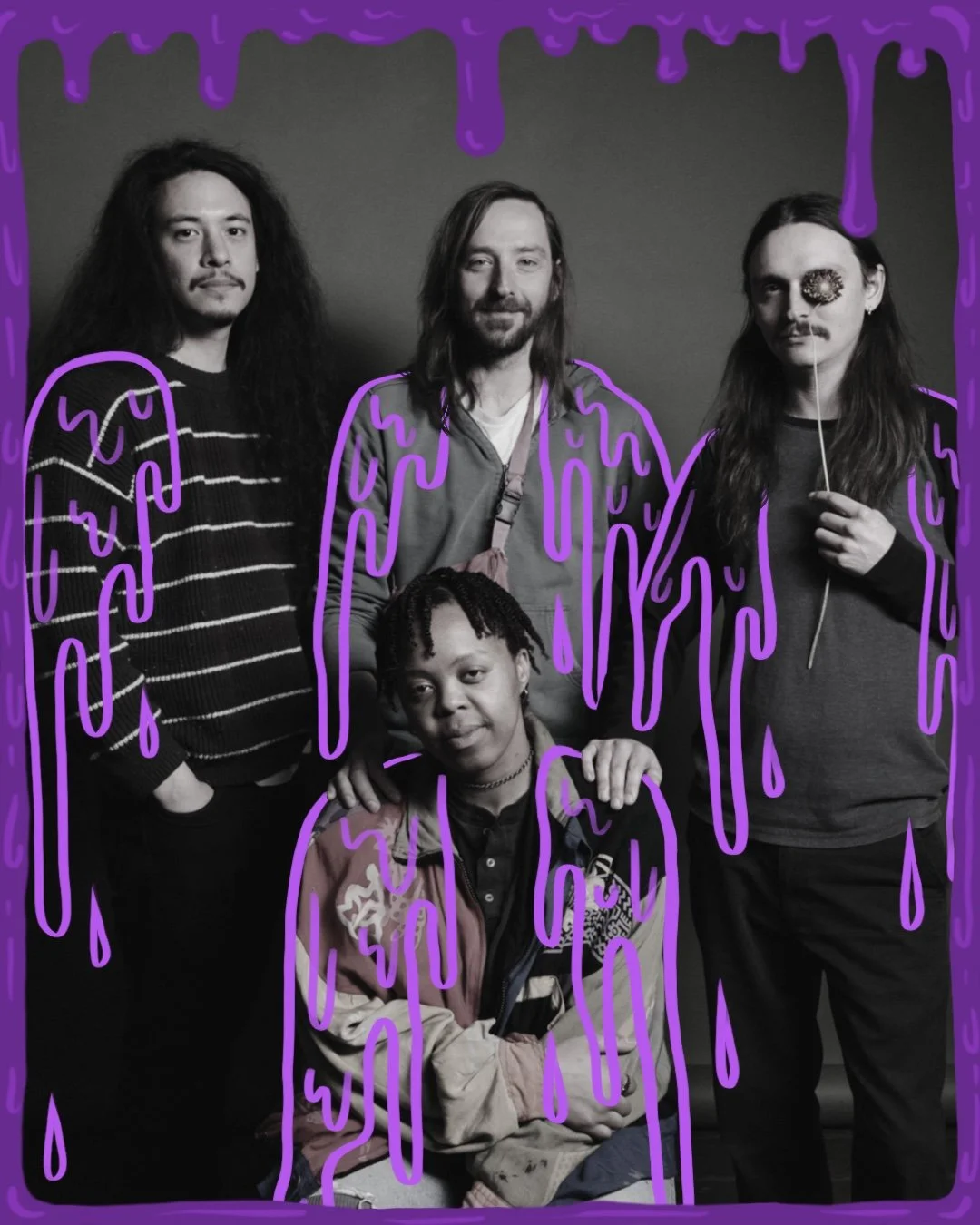
Photo Credit: Little Jack Films
For Ellen Froese, the Saskatchewan-born singer-songwriter, the release of her 2026 project Solitary Songs, a collection of 11 tracks recorded in an open studio setting with a group of friends in 2024, represents more than a return from the four-year break she took from the music industry. The project is a testament not only to the new artistic balance she’s found, but to a mode of living and a freedom of expression she’s carved out as she’s slowly come into her own as a songwriter.
Music has been present in Froese’s blood since she was a child growing up on a dairy farm in rural Saskatchewan with her mother, who came from a Mennonite family, and her father, whose parents were farmers in Holland. Her grandparents were socialists (and just all-around interesting people), and she grew up with a large collection of their and her father’s records and CDs laying around the house. She was homeschooled for much of her childhood in a very flexible style, and she would, some days, spend hours simply playing or exploring the music that was held within her house.
She started piano lessons at the age of four, and although she took to it pretty intuitively, she consistently dodged the practice and the homework that were assigned to her, preferring instead to improvise her way through the sessions.
As she got older, this interest in music expanded. She would go to the library to check out as many as 30 CDs (the maximum allowed at a single time), and take them home to rip the files to her computer and determine what she liked. These were the early days of the formations of her taste, and she quickly fell in love with songwriters like Gordon Lightfoot and Leonard Cohen.
When she was 15, she got her first guitar, and her parents sent her off to a bluegrass camp in northern Saskatchewan. There, she formed her first band, joining with a group of other teenagers in a bluegrass venture labeled “In With the Old”. Sure, a bluegrass band composed of teenagers is certainly a novelty, but the group had real talent— they quickly moved from playing local gigs to booking regional festivals, playing the Winnipeg Folk Fest and the MerleFest in North Carolina, among others.
But as a trio of teenagers attempting to figure out their own lives outside of school and also navigate the complexities of the music industry, tensions quickly formed.
“It was tough being in a touring band around that age. Those two people are still some of my best friends, but it was tough. We were like trying to manage a f*cking band and touring with different personalities, and we did not know how to do sh*t yet… I think I just wanted to branch out. We weren't straight bluegrass, but bluegrass can be pretty [constricted]. And I wanted the opportunity to express myself in ways that I wanted to.”
So Froese set off with herself and her guitar, taking the songwriting skills she had gained in her work with the bluegrass band and setting her sights upon a new subject— her life and her own artistic whims.
From these initial ventures came four albums, each released between 2017 and 2022— Ellen Froese, Farm Boy Sings the Blues, Fightin’ Words, and For Each Flower Growing— across the arc of which you can see Ellen’s sprawling, winsome songwriting style expanding and finding its footing at each turn.
Yet behind the scenes, Froese felt lost artistically. She was never able to find a consistent songwriting approach, and she would often see herself fall into a creative rut right when she felt like she was finally gaining ground. She felt pressure to be continuously writing, especially in comparing herself to more prolific songwriters.
The first shift for her came in the recording of Solitary Songs. Although she had worked with a producer on For Each Flower Growing and had enjoyed the process, she knew she wanted to take a more grassroots approach to her next record. She invited a group of her friends and collaborators to a studio she had booked out for a week. Coming in with a group of songs written on her acoustic guitar, that group helped her to flesh them out, picking at and expanding the overall structure and arrangement of each track until the project took on its final form.
“I definitely still had a creative input into [For Each Flower Growing], and the guidance was pretty nice, I think. But going into the next one, it was like me with a bunch of buds just hanging out in the studio for that week… And then we went into the studio and spent two days just workshopping them. I was finishing writing lyrics and making different chord changes [the whole time]... Ideas were just sprouting off in the room”
But a second shift for her came after the recording of Solitary Songs— an ADHD diagnosis shifted her entire understanding around her artistry and her personal pursuits.
“I think there's something with my brain that's, as soon as I feel like I have to do something, it's just not gonna f*cking happen. So I think the biggest thing that came from the diagnosis and like researching more and more about it is, first of all, [I was able to] reframe my whole life, and I make so much more sense to myself. But the biggest thing is I'm able to give myself grace and be like, ‘Oh, okay, my brain doesn't work like this one other songwriter that I've been comparing myself to.’”
With that realization, Froese decided to give herself some time away from music, only returning to it when the mood struck her. She went back to work on her horticulture degree, and she picked up other creative hobbies to help fill that void.
The release of Solitary Songs, therefore, represents more than just the completion of a project. It marks, in a way, the end of a creative chapter. As Ellen has taken the pressure off of herself to write, she has found herself becoming more and more prolific, and Solitary Songs is simply the conclusion of the first step in a process that has been years in the making.
“There's so much less, and I'm so glad for it, stress of impressing people. I don't honestly care about that stuff anymore. And it's made me feel so much freer. So I felt proud to release [Solitary Songs]... and now I just want to write more songs. And just like, I would love to just churn out albums just for myself.”