Artist Profile: Wadaness
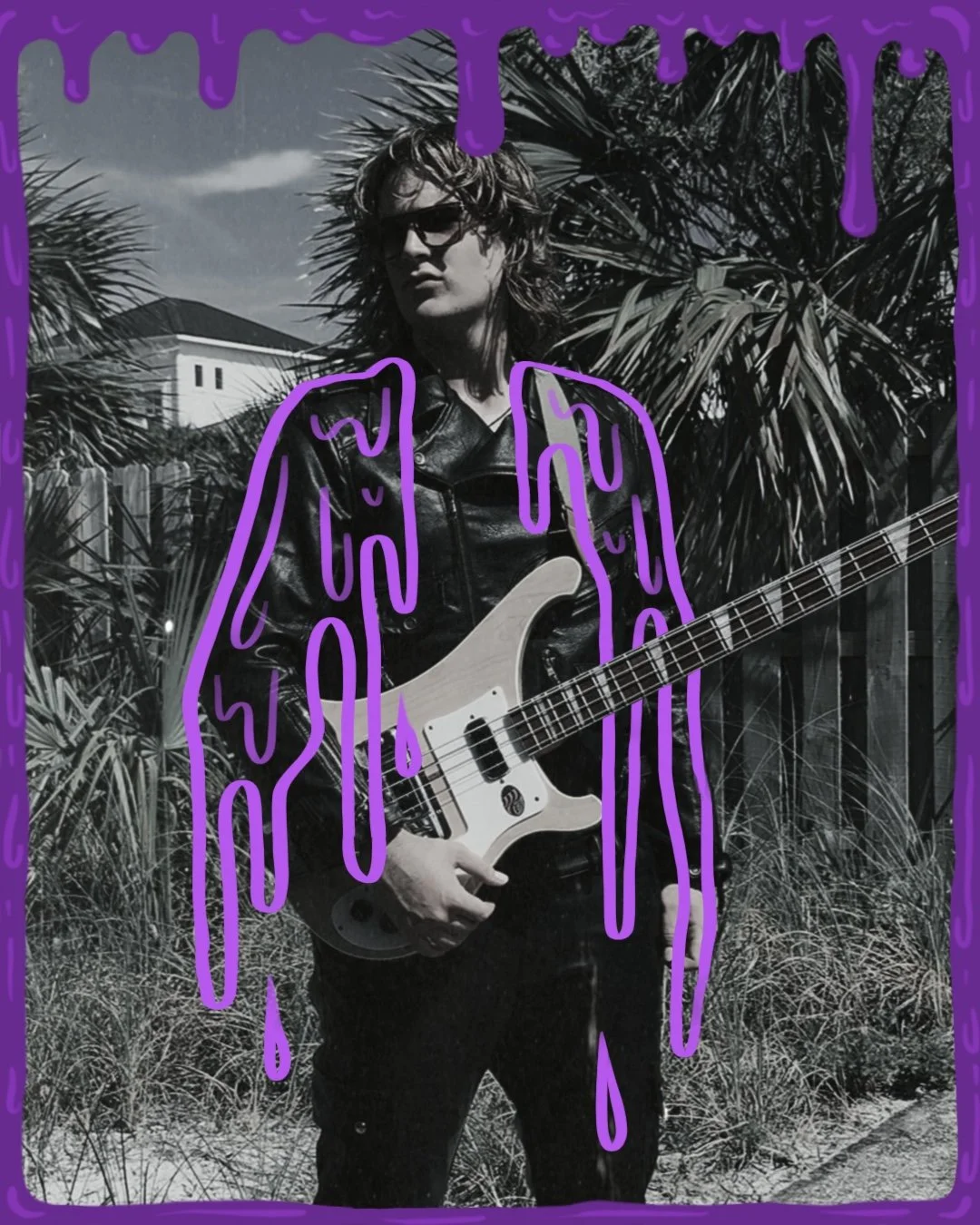
Wadaness, the expansive songwriting project of Nashville-based musician Ryan Loftis, has now amassed an expansive and ever-growing discography, ranging from the vaporwave and electronica of the act’s earliest days to the prog-tinged surf rock of recent records Lagoonica and Tiki 101. Now, with a trio of albums on the horizon and Loftis’ creative juices flowing more freely than ever, he’s settled upon a creative imprint— and a continuous artistic ethos— that have come to define his catalog.
The ‘Wada-fication’ of each of the sonic realms he chooses to take on is inevitable, and each track serves as a profound amalgamation of his artistic influences. Alternating between dauntingly esoteric and alluringly simple, the Wadaness discography is as vast as it is stunningly complete, incorporating a new, razor-sharp artistic vision at every turn.
Although Loftis grew up with music, it didn’t become a true pursuit of his until he reached middle school. Through his involvement with the school band, he made friends with a budding metalhead— who introduced him to bands like Slipknot, Slayer, and System of a Down. As Loftis learned percussion through the band, therefore, his inner obsession with the technicality and the flair of those metal drummers grew.
He spent much of his high school years attempting to perfect the technical aspects of his drumming, and it was that obsession that ultimately led him into a familiarity with Tool’s discography.
Tool, to Loftis, was a sort of Platonic ideal. Their incorporation of spiritual themes with highly technical and complex musical concepts was almost unimaginable to his teenage mind. But he quickly realized that what he loved about Tool was transferable to other genres as well. In conjunction with his discovery of RateYourMusic— an online music-sharing and cataloging platform— Loftis’ tastes began to expand rapidly. He fell in love with psychedelic music, and when he started jamming with friends who were more interested in the indie and alternative scenes than hardcore metal, he was exposed, for the first time, to artists like Tame Impala and Mac DeMarco.
Loftis’ sonic world was growing, and so were his expectations for what he could be as a musician. Although he thought throughout high school that he would enter the medical field, he ultimately attended Belmont University in Nashville with the intent to study music business. He quickly switched to audio production, and from there, things took off.
While Loftis’ interests in music were spreading over the vast catalog of genres and sounds available online, he was also pursuing fascinations in different areas. He loved films, and he still held a fascination with Egyptology and various forms of spirituality.
His roommate at Belmont was a musician himself, who had released a number of experimental, ambient tapes online. It was in listening to those projects that Loftis first began to discover his own artistic identity.
He didn’t need to parse his interests or his sounds out into separate lanes in order to find success. It could all be one nebulous blend, oscillating through the muck and mire of wherever his creative drive took him.
Wadaness was born from that realization.
“I was approaching creating music in a very in-the-box [way], thinking about the DAW, thinking about the logistics of things and not really considering it as an art.... But the cool thing to me was the artistic expression of it, where it's the aesthetic doubling down on the aesthetic. And all the stuff I was into before— metal, fusion, Mac DeMarco, psychedelic stuff— I started to realize that all had a place for me now. It wasn't this linear progression to one thing, I started to realize that my past is exactly what I'll use as my sources.”
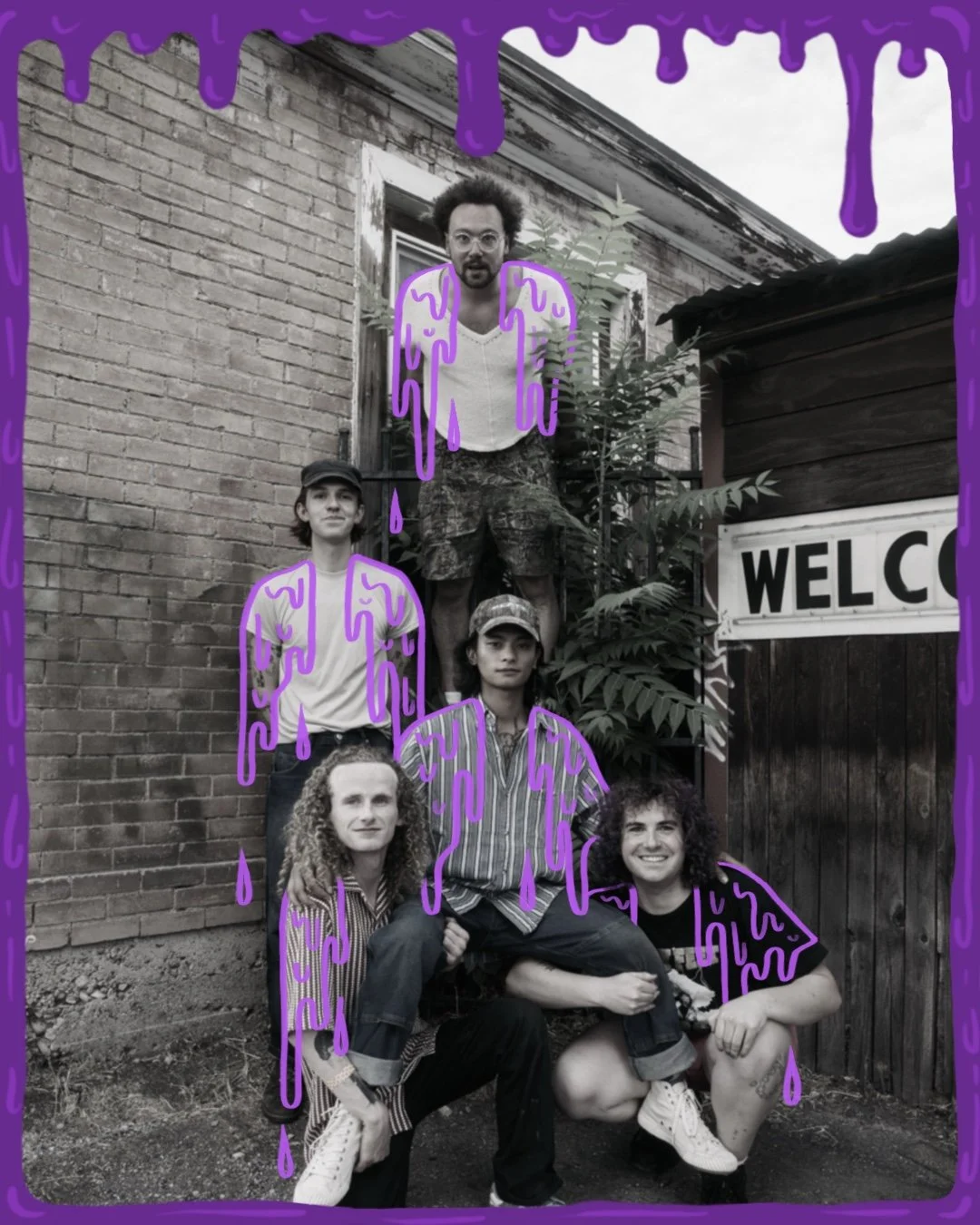
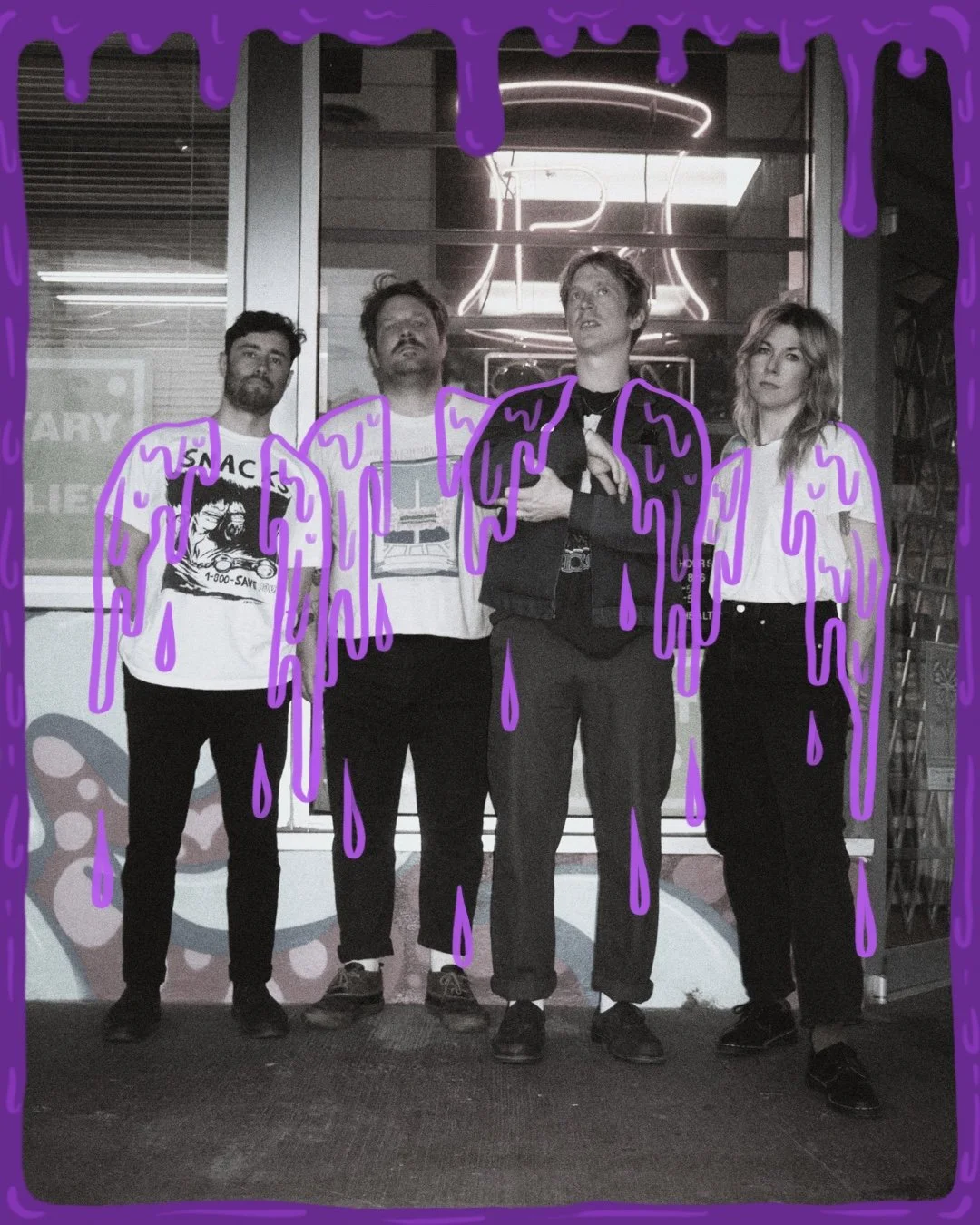
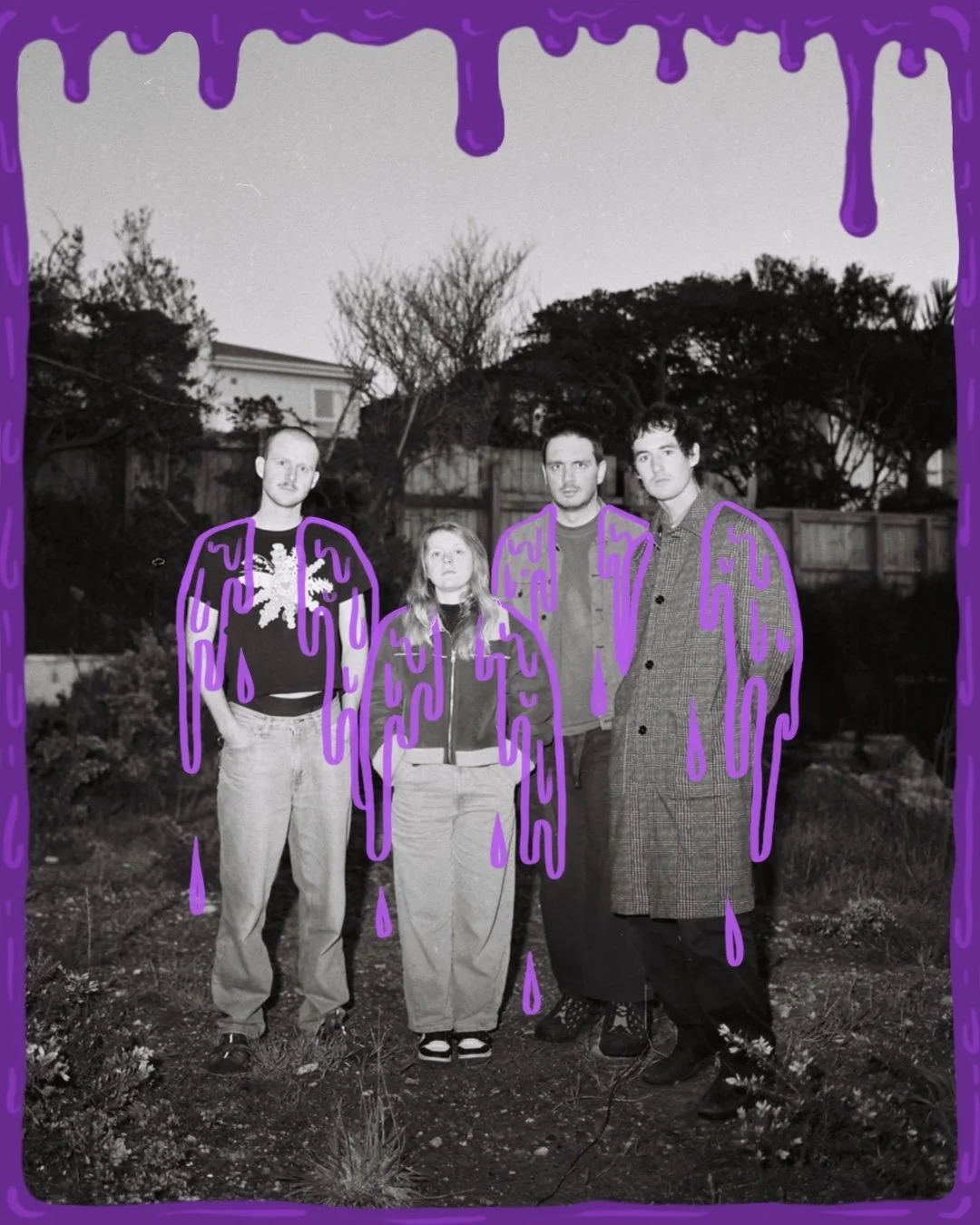
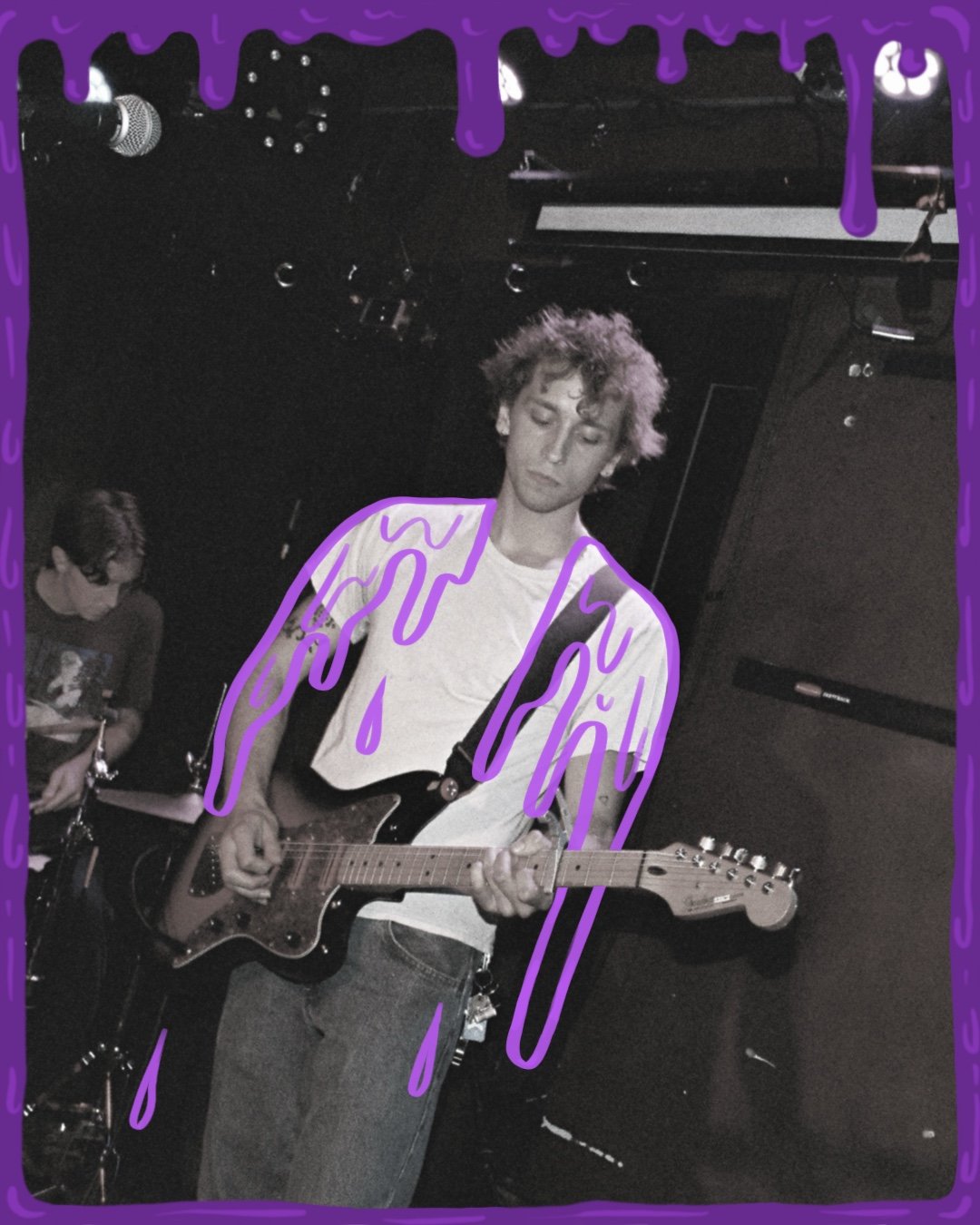
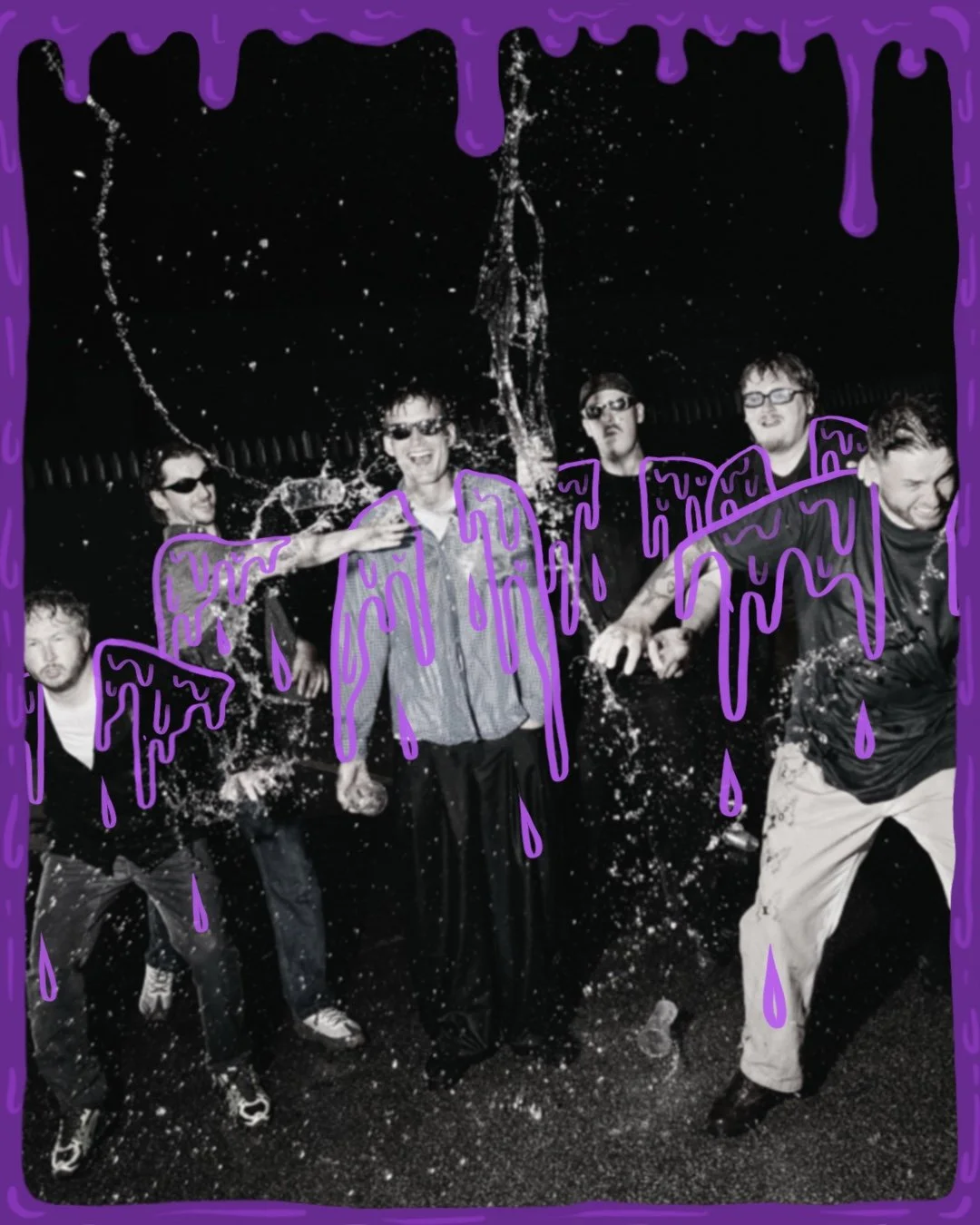
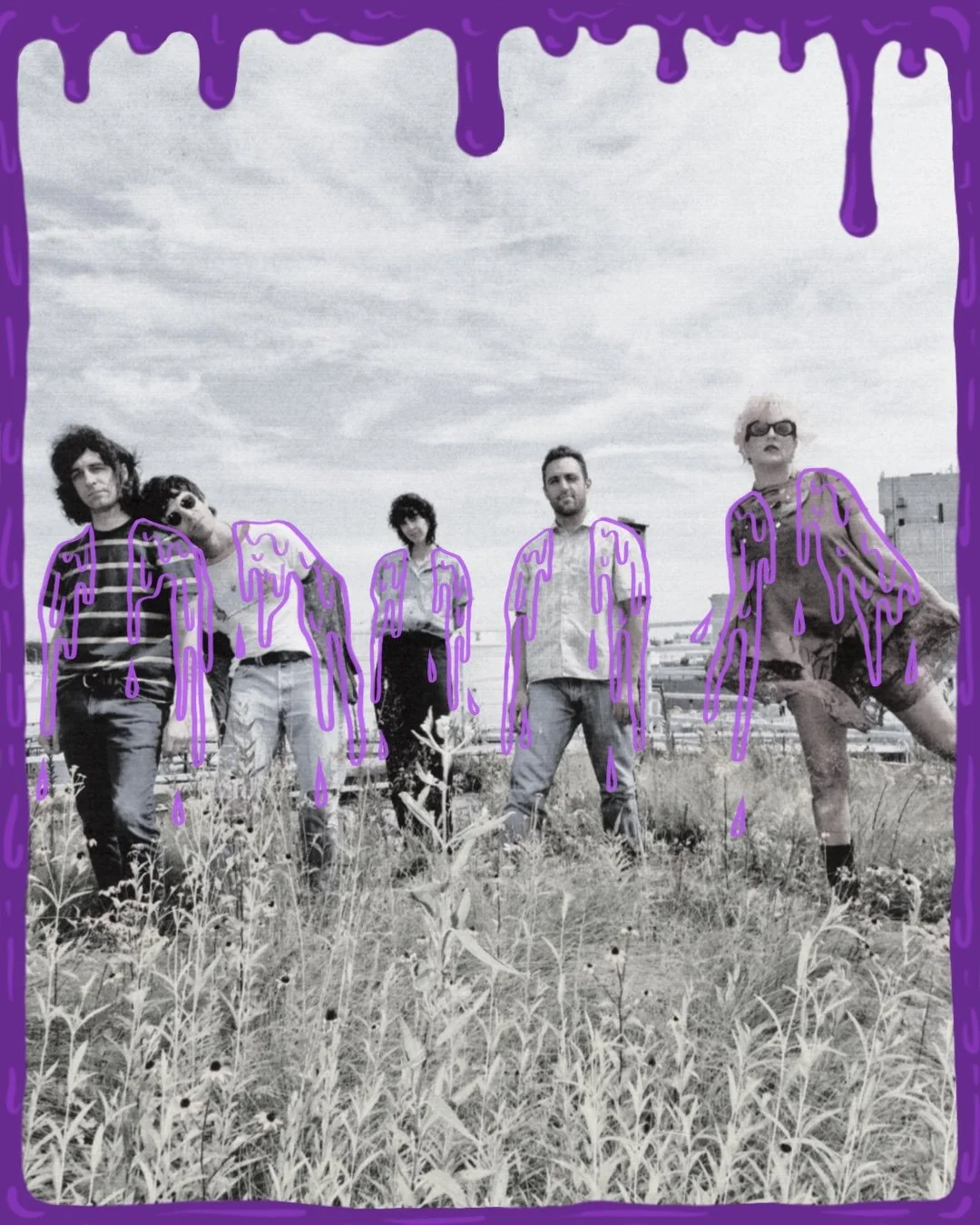
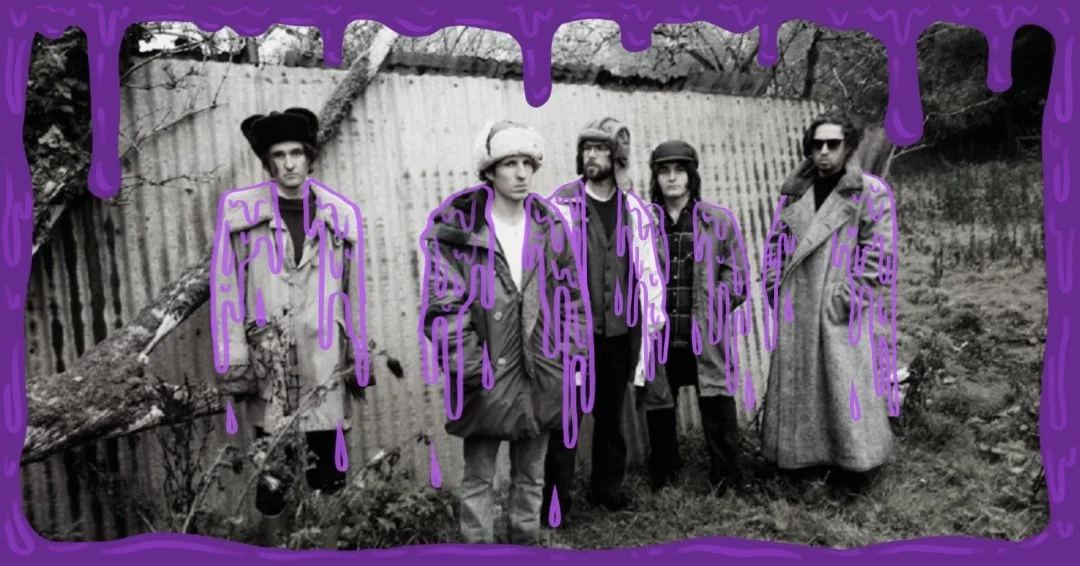
Lofits also knew from the start that he wanted to take on the bulk of the work for the project himself. He had a vision he wanted to execute, and while he knew that a live band would be necessary and beneficial to fleshing out his sound eventually (the current Wadaness band has had a major impact on how he views the current trajectory of the project), he was also aware of what he needed to do to carry out his vision in a personal capacity.
“Some of my favorite bands, they get to a point where the members get into different stuff. And the middle ground starts to become more of a risk… I felt like, if I was responsible and had full freedom and responsibility to do whatever I wanted, then it would be on me. It would be something I could change.”
He began making electronic music in the general vein of his roommate. But Loftis’ experimentations were much more inspired by the vaporwave and noise-pop efforts of artists like George Clanton. His behemoth, 15-track debut— 2020’s Romantica— was Wadaness’ first output, and across its rumbling, trance-inducing landscapes, a new sort of creative focus was forming for Loftis.
He wanted each project to build upon the last like a director’s filmography. While you can tell that Wes Anderson, Stanley Kubrick, or David O’Russell have directed a film, each work expresses itself through a different mode or set of artistic motifs. He wanted a listener to be able to look back on his projects and see a sort of meta-narrative, but he also wanted to keep his current audience uncertain about where he would go next.
“A lot of bands, if you relate it to movies, aren't releasing separate movies— they’re releasing sequels… I want all my albums to be, if you shuffled them all together, it wouldn't necessarily work, but every album was capturing an experience, more of a cinematic thing, even if the music wasn't necessarily cinematic itself.”
His second project, The Bejeweled, followed that throughline exactly. In comparison to Romantica, the project is minimal, but it takes on a much more experimental, industrial, and harsh noise landscape.
But then came another shift for Loftis. He started picking up the guitar and the bass as his creative taste started expanding, and he released two projects back-to-back in 2024 that captured this shift. Space Lands was still in the vaporwave vein he had carved out with his first two albums, but The Breeze was a staunchly indie and alternative affair, drifting over reverb-soaked landscapes and grooving bass lines.
Lagoonica was the maximalization of these efforts— working in Loftis’ love for jazz fusion and progressive rock across an 18-track musical tome of his esoteric influences.
From an outside perspective, the sounds on these projects might be too different to reconcile. But for Loftis, there’s a clear advancement with each album, and each successive release encapsulates a period of his artistry and his personal interests.
But by the time Loftis finished Lagoonica, he had spent so long poring over each aspect of the individual tracks that he knew it would be a while before he could take on that sort of gargantuan effort again. In a way, he felt like he had tweaked the project into oblivion.
Tiki 101, therefore, represented a crystallization and a re-focusing of what he was initially trying to achieve with Lagoonica— a crisp and razor-sharp collection of garage and surf rock tracks tinged with his signature sonic oddities. And now that he’s arrived on the backend of that process, he’s found a new creative balance.
Since he finished Tiki 101, he’s written and recorded three separate projects, with each exploring a different realm of sound that at least momentarily piqued his interest. Who Sewed Your Mind Back Together is a chamber-pop inspired work, toying with themes of claustrophobia and madness that were partially present on his earlier industrial experimentations. The Twilight and The Labs, meanwhile, have taken on entirely different sonic spheres. The Twilight will be a surf-rock record in the vein of Lagoonica and Tiki 101, but The Labs is an experimental, sci-fi inspired project that makes extensive use of found footage-style recordings.
In short, Wadaness’ sonic world is constantly expanding, and Loftis’ newfound, free-flowing creative approach is only the next evolution in a discography that’s already seen its fair share of stylistic twists and turns.