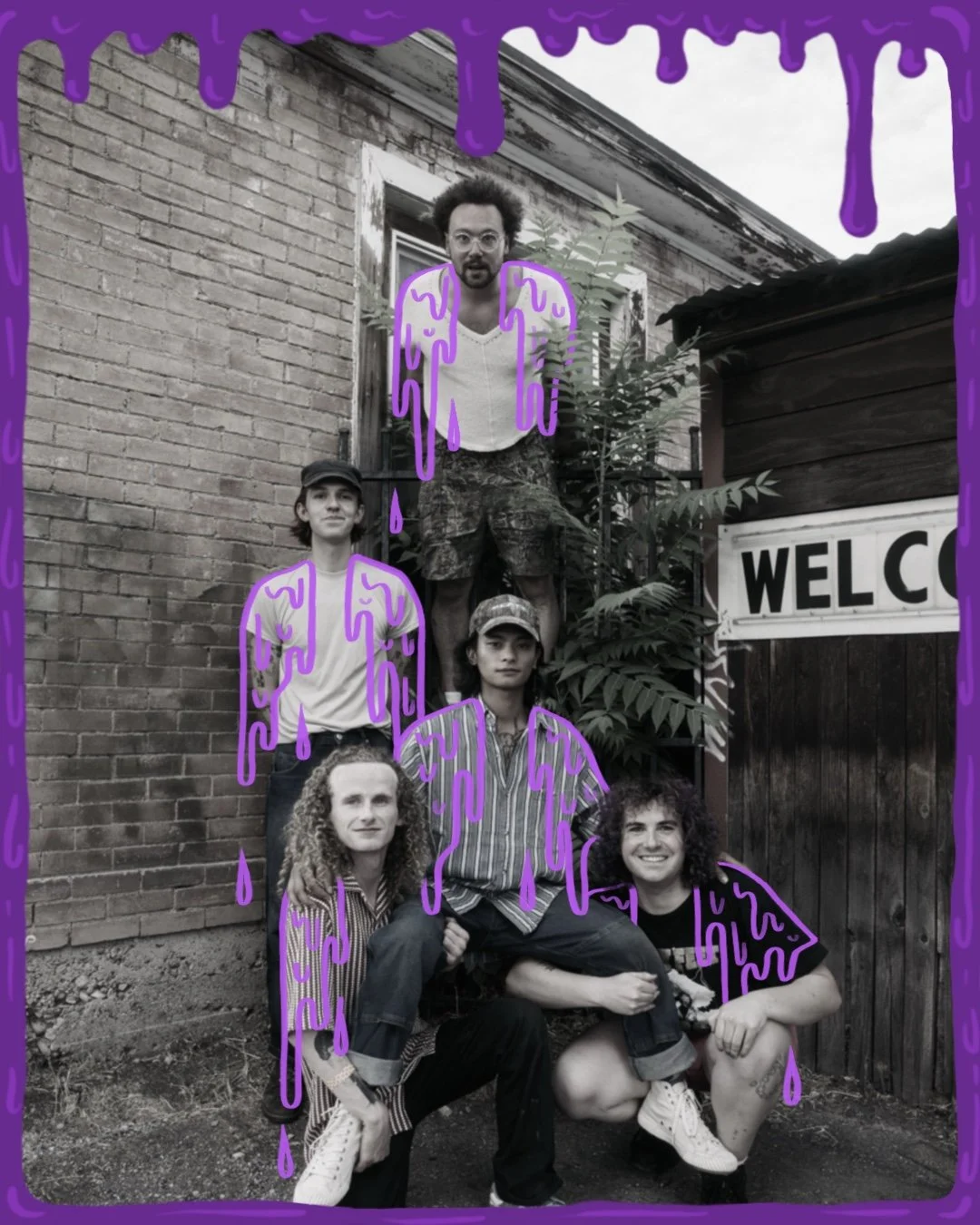
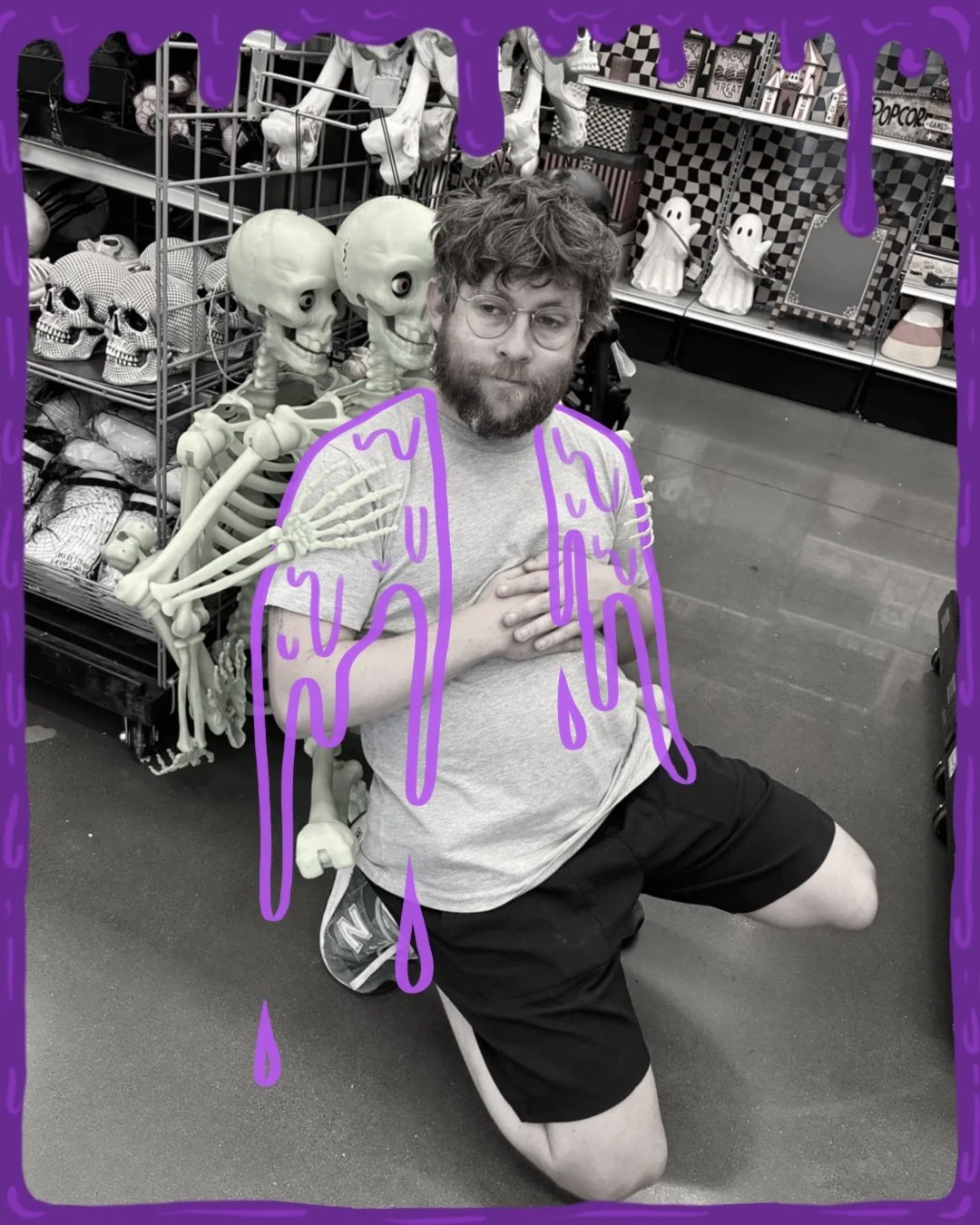
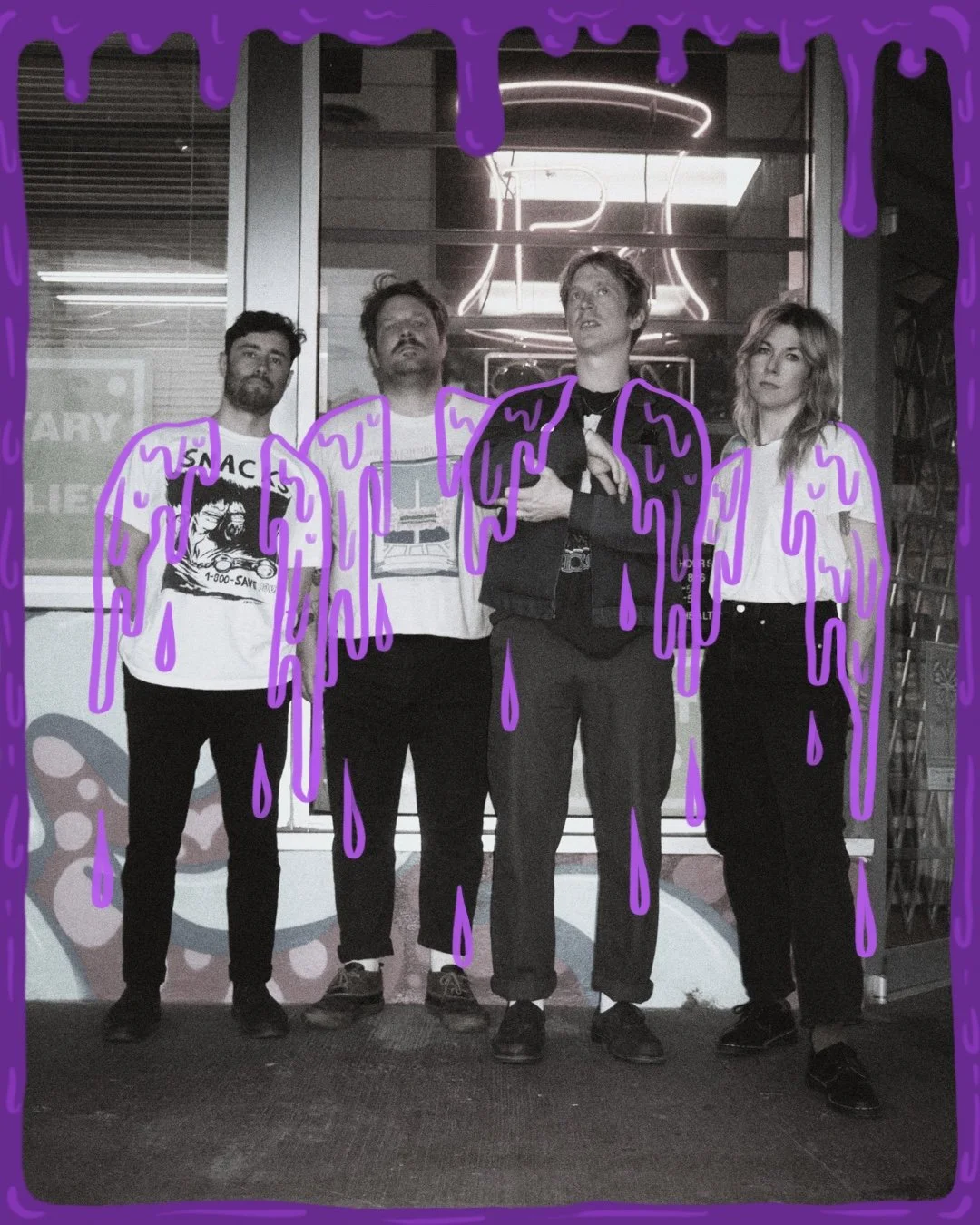
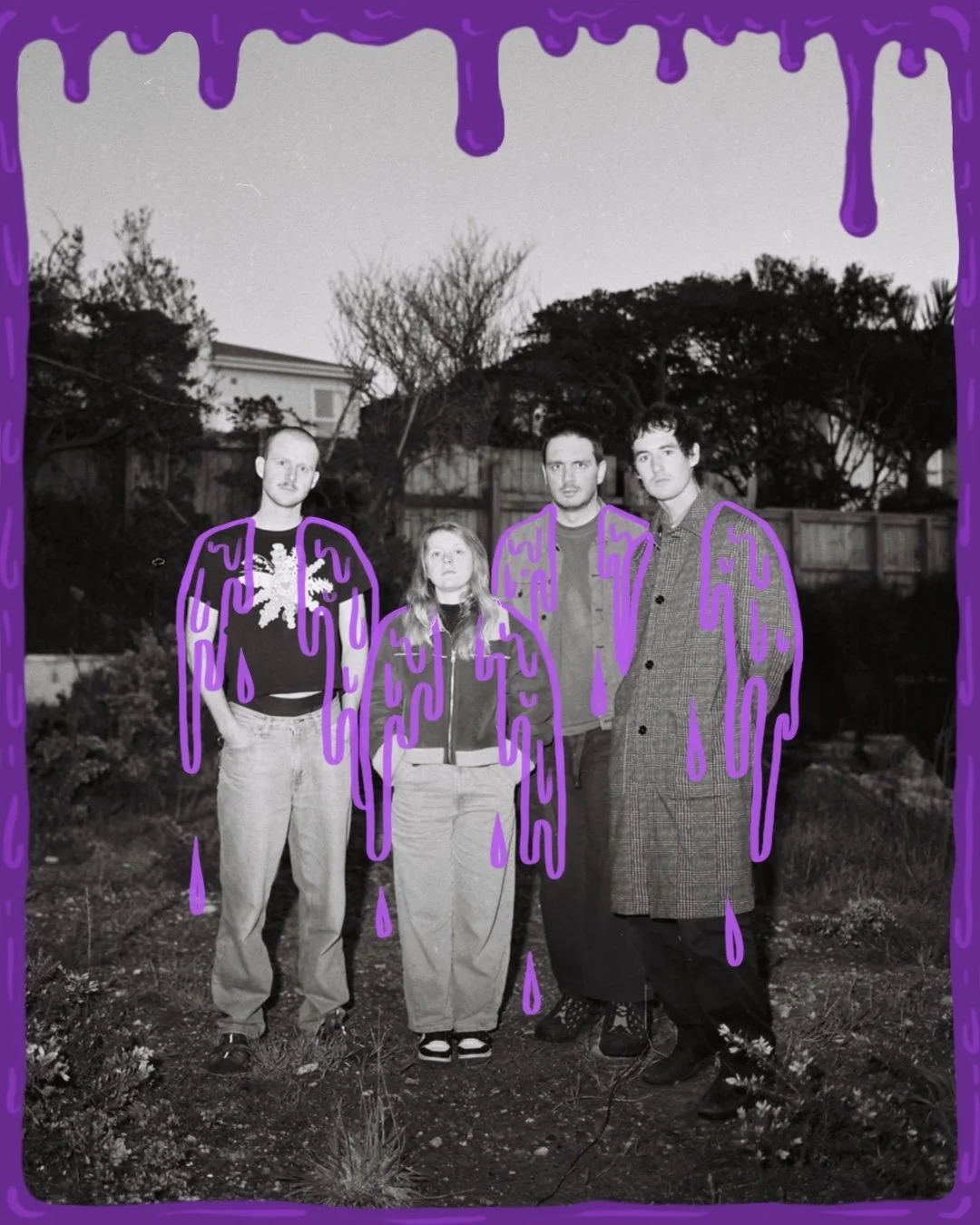
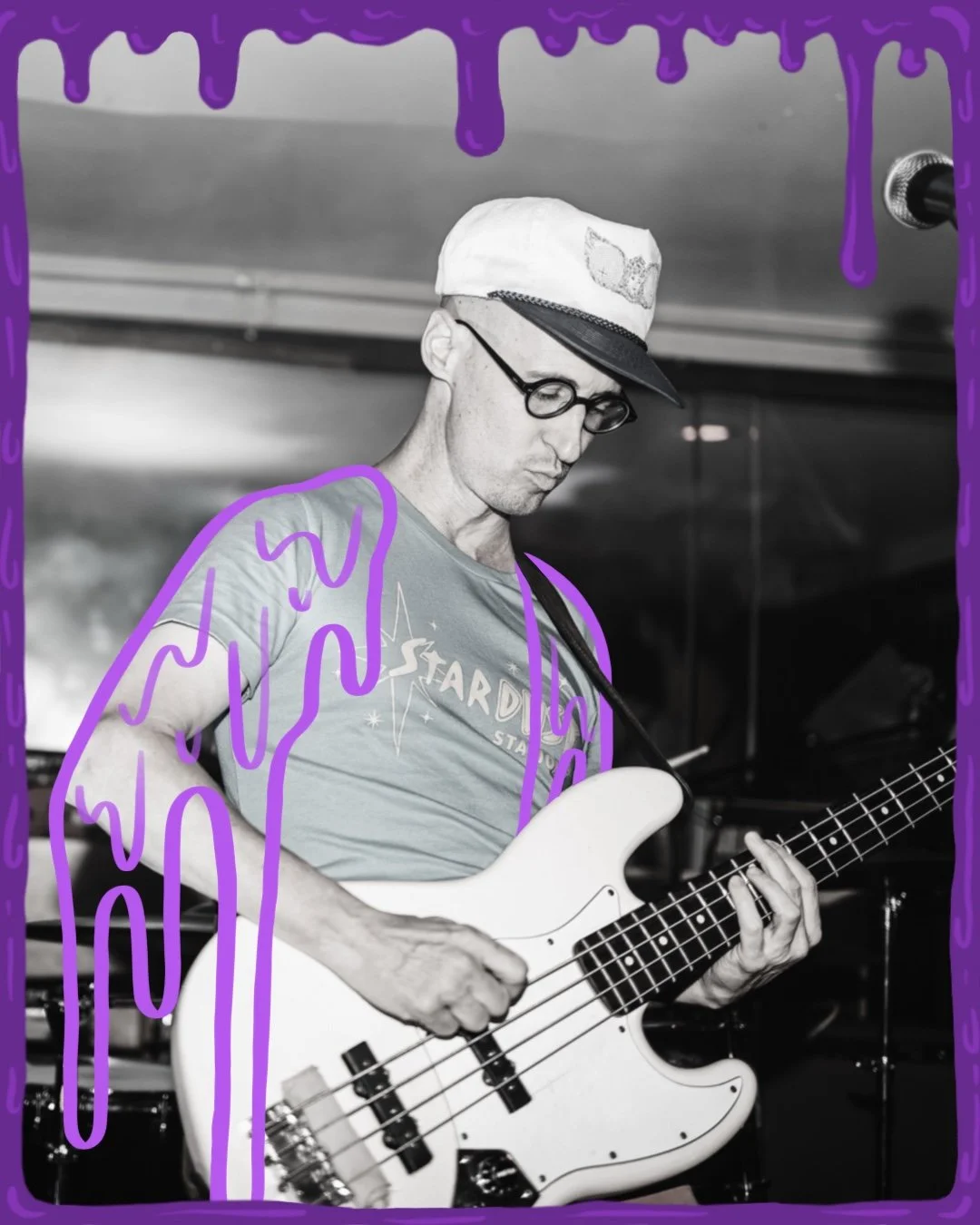
Artist Profile: Jamison Field Murphy
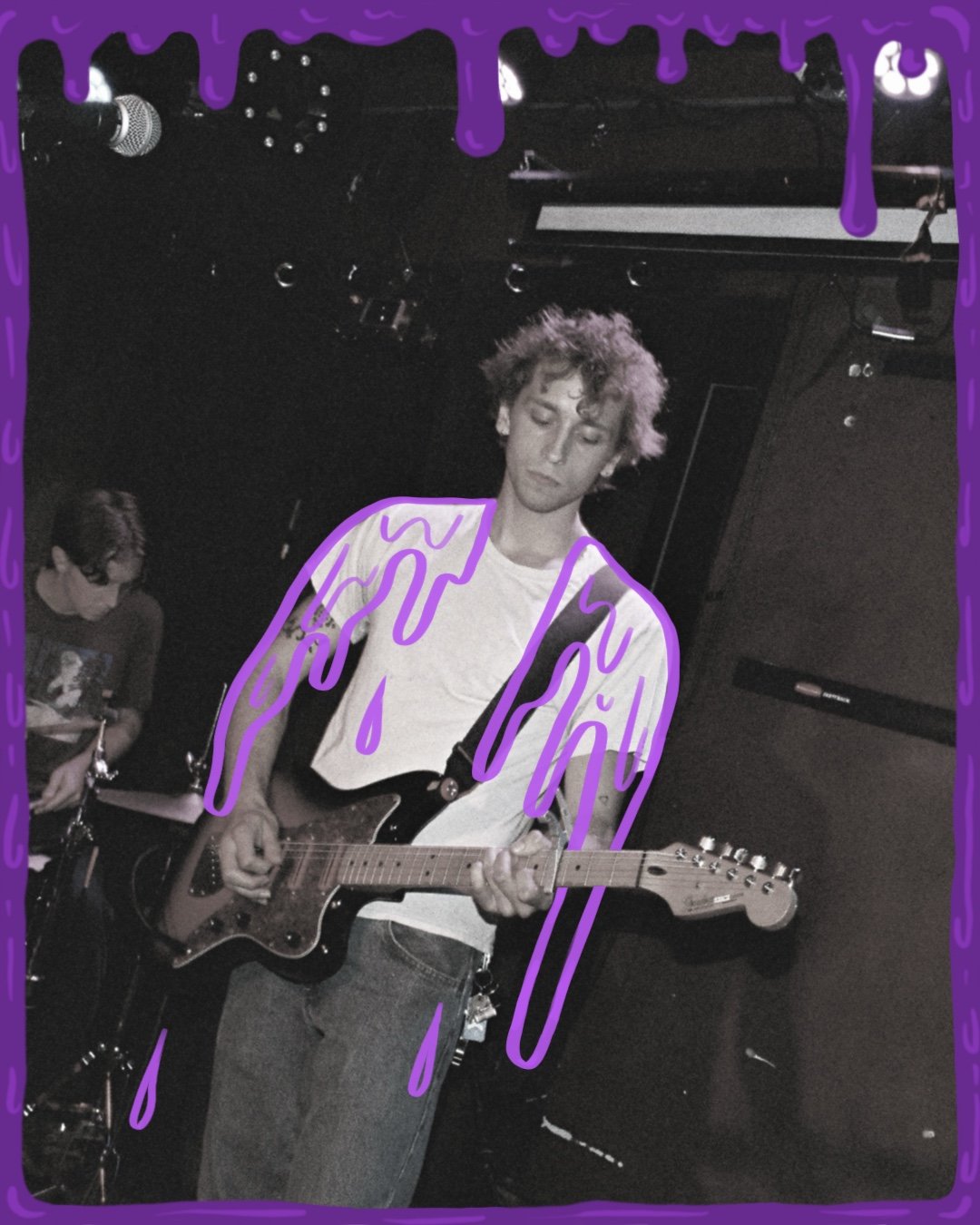
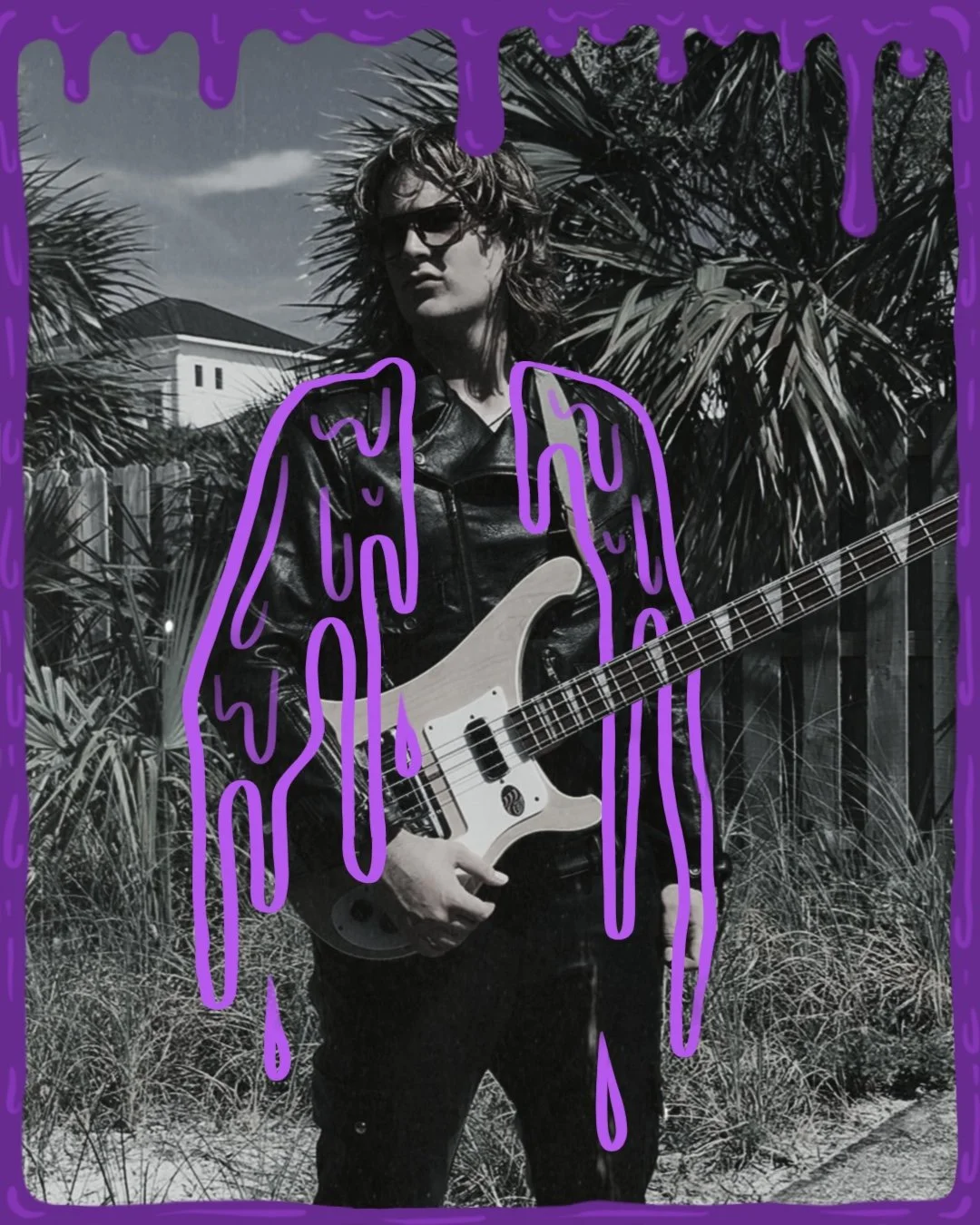
Jamison Field Murphy, also a guitarist and vocalist for Tomato Flower, launched a solo venture earlier this year under his own name which compiles over a decade of tape-recorded bliss, signifying the formation of a cohesive body out of the depths of his usual collaborative process.
The album, “It Has to End”, not only recovers much of this material for innovative purposes but also contains a sort of imbedded nostalgia which bleeds through its tape-oriented sonic landscape.
“I could have released a solo album a long time ago, but [my bands] would sort of absorb the better songs. And that happened for years and years until I amassed so much that really wasn't appropriate or just never worked in a band setting that I could call it a solo album.”
Murphy’s decade of creative ventures are represented beautifully on the project. From his time plucking folk tunes in Savannah, Georgia to his deployments with various bands in Baltimore, Maryland, Murphy’s musical tastes have evolved, establishing the foundations for the indelible magnitude of “It Has to End”.
He credits the flourishing underground Noise and Experimental scenes in Baltimore for expanding these horizons for him, helping him to understand the various ways through which sound can inhabit and embody space.
The ambient pieces on “It Has to End” are, in a way, manifestations of this understanding on a spatio-temporal level; the 12th song on the album, “True Friend”, combines several recordings from separate years in order to create a corporeal unity.
Murphy, a PhD student in literature, also possesses a deep appreciation for the capabilities of words to augment sound. However, although he admits his understanding has changed over time, states that literature’s relation to his songwriting is, at most, adjacent.
“When I learned more music theory, I started to have this very formalist mentality… Where it's like okay, actually, music is supposed to be sort of this formalist field of play, where linguistic expression is obviously there, but it's subordinated to sound and it's not the primary concern. In the past five years, I've come back a little bit to more intentionality with lyrics… though I do think the bearing is indirect.”
This is not, however, an indictment of his lyric-writing capabilities; it is an embodiment of the true measure to which Murphy takes the vastness of his sound seriously, crafting experiences in multitudes rather than individually contained compositions.
As he continues to pursue this solo project, he hopes to create music that is simultaneously “better and more uncompromising”: music that continues to explore the balance between experimental and pleasurable, haunting and warmly nostalgic.
He admits that there is a temptation to release his entire archive indiscriminately, placing his years of work in the public eye, but ultimately wants to take a more intentional direction, gradually crafting more “scaled-up” and “ornate” pieces.
From the indie-rock sounds of Tomato Flower to the ambient pop fusion of his solo venture, Murphy presents, in short, an impressive corpus which has found its finest manifestation in “It Has to End”, a manifestation which will evidently continue to grow and evolve in the coming years.

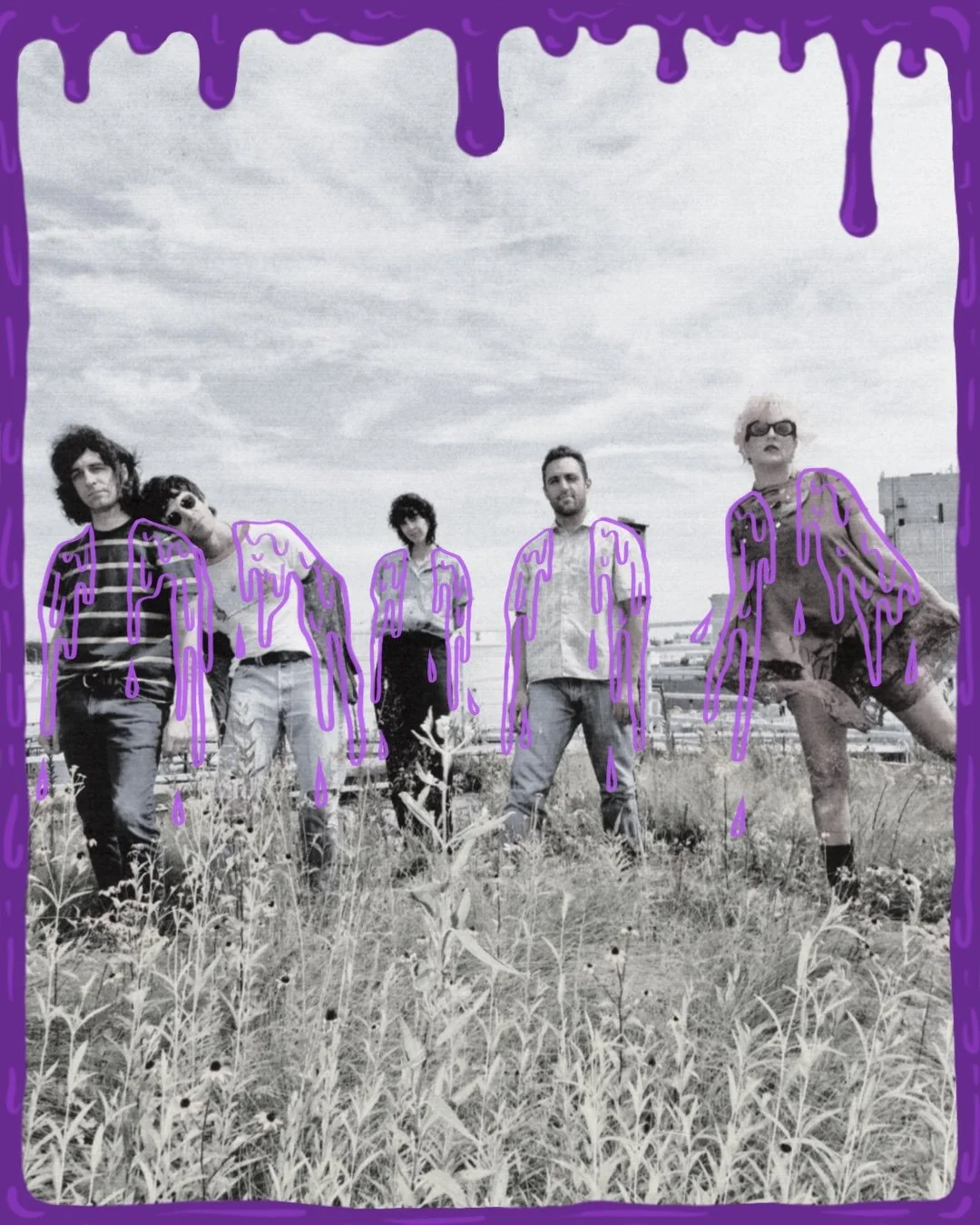
Vivian, the Brooklyn-based shoegaze band, operates with a certain intentionality and clarity of sound that is informed not only by frontwoman Christine Bee’s years of experience in the New York rock scene but also by the unique and interminable contributions of each of her bandmates– Liam McCarthy on bass, Michael Ruocco on Drums, and Claire Collins on vocals and guitar. Their latest EP, “Third Eye Demos”, serves as an indication of the distinctiveness of the sounds to come on their debut LP. They combine a tasteful angst with a lyrical earnestness– a clear desire for loudness with a deeply-rooted sense of sonic purpose– and the result is a sound that is undeniably Vivian in its essence.
Nolan the Ninja, the storied Detroit-raised and Chicago-based rapper and producer, has been churning out densely lyrical tracks and entrancing instrumentals for over a decade. Now, as he reflects back on his career, and pushes the echelon even further with recent collaborations with Open Mike Eagle and the continued expansion of his own catalog, he knows that his unique creative imprint has set the foundation for everything he’s accomplished.
Restless Taxis, the genre-transient, noise-rock-influenced band based in London, has found their niche with the addition of Jess Nwosu and Dylan Haynes to their lineup just over a year ago, operating within the intuitive combination of the trio’s creative influences to bring a vision of a new sonic wave to fruition– one that incorporates a deeper sound and rhythm of the Black diaspora into the crushing sounds and cataclysmic renderings of shoegaze and post-punk’s usual genre-motifs.
Virga, hailing from the sweeping plains outside of Lawrence, Kansas, sits contra-positioned somewhere between a minimalistic shoegaze and a nose-diving slowcore, reflecting the space and openness of the physical topography they call home. Yet, under frontwoman Faith Maddox and the ongoing creative contributions of her bandmates, the project continues to plow onward into increasingly necessary and starkly conceptual topics– with their latest EP, “The Perfect Freedom of Single Necessity”, serving as the next logical touchstone in this continuing progression.
Star Card, the bedroom-born and NYC bar-blossomed rock band, formed initially from frontperson Calley’s undeniable drive for creative revelation. But as the project has found its footing, and cemented a sound with the release of their debut album Trash World, it has expanded and toiled beyond the confines of Calley’s home recordings– carving out a lane as a deeply singular voice within New York’s bustling DIY scene.
Julia, the rock band from North Carolina, is in a sense only nominally a funk-oriented group– their P-Funk and RHCP foundations are certainly embedded deep in their creative roots– but with their new album, “Fish in the Percolator”, they have taken their sound much further into the expanded territories that each of their members provides, producing an energetic and delectable mix that at least fleetingly incorporates virtually every flavor of rock. “Fish in the Percolator” is, in short, a cunningly unique project– an honest representation of what makes Julia.’s creative presence so captivating.
Kleo, the Copenhagen-based indie-pop artist, has made waves with the release of her debut project Event Horizon, gracing complex and shimmering instrumentals with her explorations of love, loss, and the catastrophes and triumphs in between. But Event Horizon, and her catalog as it appears on the page, fail to tell her story of artistic and personal maturation, and her debut album serves as the culmination of this journey.
sleepazoid, the post-punk-influenced, alternative rock band based in Melbourne, has taken another step forward into their rough-edged sound with the release of their second EP “New Age” in early 2026. In doing so, they have done more than log another entry into their catalogue, however– they have crafted a testament to their creative cohesions as a band, a refinement of their sonic intentions, and a staunch move towards a striking dynamism.
Ken Park, the recording project of San Diego-born and New York-based songwriter Liam Creamer, took its first steps into the limelight with the release of Creamer’s debut, self-titled EP on Feb. 26. For a distinctly creative spirit who had truly no other path than music, however, the EP represents more than a debut– it is a massive sigh of relief, heaved from a standpoint of emotional catharsis and passion.
Tōth, the solo art-pop project of Brooklyn-based multi-instrumentalist and singer-songwriter Alex Toth, has reached, in many ways, its culmination with the release of his third LP under the moniker: And the Voice Said. After years of personal and creative turmoil and triumph, Tōth has come to represent a needed outlet for its founder, and, with the arcing rhythms and fresh energies the new project takes on, it seems as though that outlet has found its fruition– one that takes a much different shape than the two previous entries in Tōth’s catalogue.
FUZZY TEETH, the interminable indie-pop and experimental rock project fronted by the Netherlands’ Anthony Koenn, has made an undeniable statement with its debut album: one that centers around Koenn’s delicious blend of maximalist sounds and colliding influences. From his time in more punk-driven projects such as PEACH., Koenn brings a heavy, intense sensibility to a creative process that forces him to slow down, resulting in a simultaneous immediacy and intentionality of sound that thoroughly captivates the listener.
For MX Lonely, the Brooklyn-based rock band, their newest album– All Monsters– represents a stark realization of the sound they’ve pursued since their organic beginnings, straddling a barrier between enormously loud and dauntingly personal and intimate. It’s a process they began through their first two projects, and now, on their true debut, they have delivered a resoundingly clear message of their sonic intentions.
Zion Battle, the Manhattan-based singer-songwriter who operates under the moniker Katzin, has taken a full inventory of his various influences and inspirations with his debut album, Buckaroo. In doing so, he has communicated a profound and vulnerable story of the shaping of an identity– finding his own thoughts and creative mythos basked in the warm light of a pop-influenced folk and country milieu.
Cistern, the British Columbia-based indie rock band, has seen its fair share of sonic transformations since its raw beginnings, opting to linger in the profound mixture of the tastes and creative desires of its various members rather than any concrete vision or constricting artistic pursuit. With the release of their latest album, Rhizome, however, they have marked off the end of a distinct era for the band, and their coming shift is indicative of the freeform creative approach they have collectively decided upon.
For San Francisco-based prog rock band Magic Fig, the mission has always been clear: create tantalizing and expansive music heaved from the swirling depths of the British rock of the late ‘60s and early ‘70s. But, as the band has continued to evolve, the initial boundaries they set for themselves have been forced to expand. Their newest project, Valerian Tea, serves not only as a representation of their collective vision but as a testament to their melting pot of influences– and their spacious and inclusive take on progressive rock as a genre.
Peaer, the Brooklyn-based, math rock-influenced band helmed by Peter Katz, is at the precipice of a major creative shift after over a decade spent together. With Doppelganger, their most recent project, marking the end of an era for the group and other members of the band moving onto other phases of life, Katz has determined it is time to take the project back where it began: into his own hands.
Bibi Club, the Montreal-based indie pop duo of Adèle Trottier-Rivard and Nicolas Basque, has been carving out distinct vibrations since their formation in the late 2010s, operating in the midst of the direct action and sonic intimacy that has defined their creative process from the very beginning. As they have continued to work together, however, Bibi Club and their artistic partnership have evolved tremendously, with their forthcoming release, Amaro, serving as undeniable evidence of that fact.
For the Virginia-born and raised rapper and illustrator Raan Brown, the moniker Alfred. has long represented a crystallization of a distinct part of their personality, taking the maximalist aspects of their persona to certain extremes while maintaining a centrality of flow and cadence that is indicative of their mastery over their craft.