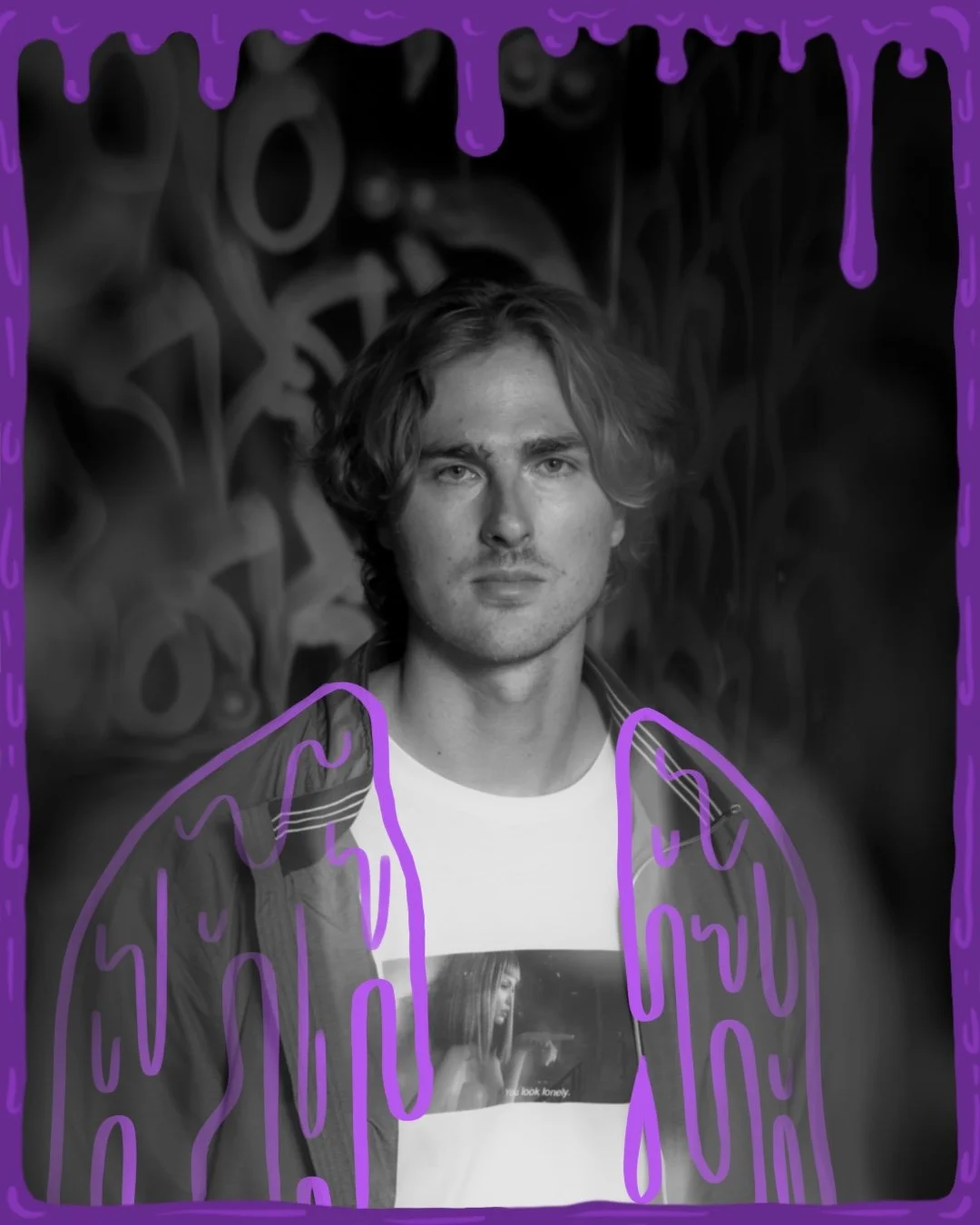
Artist Profile: Fail Sake
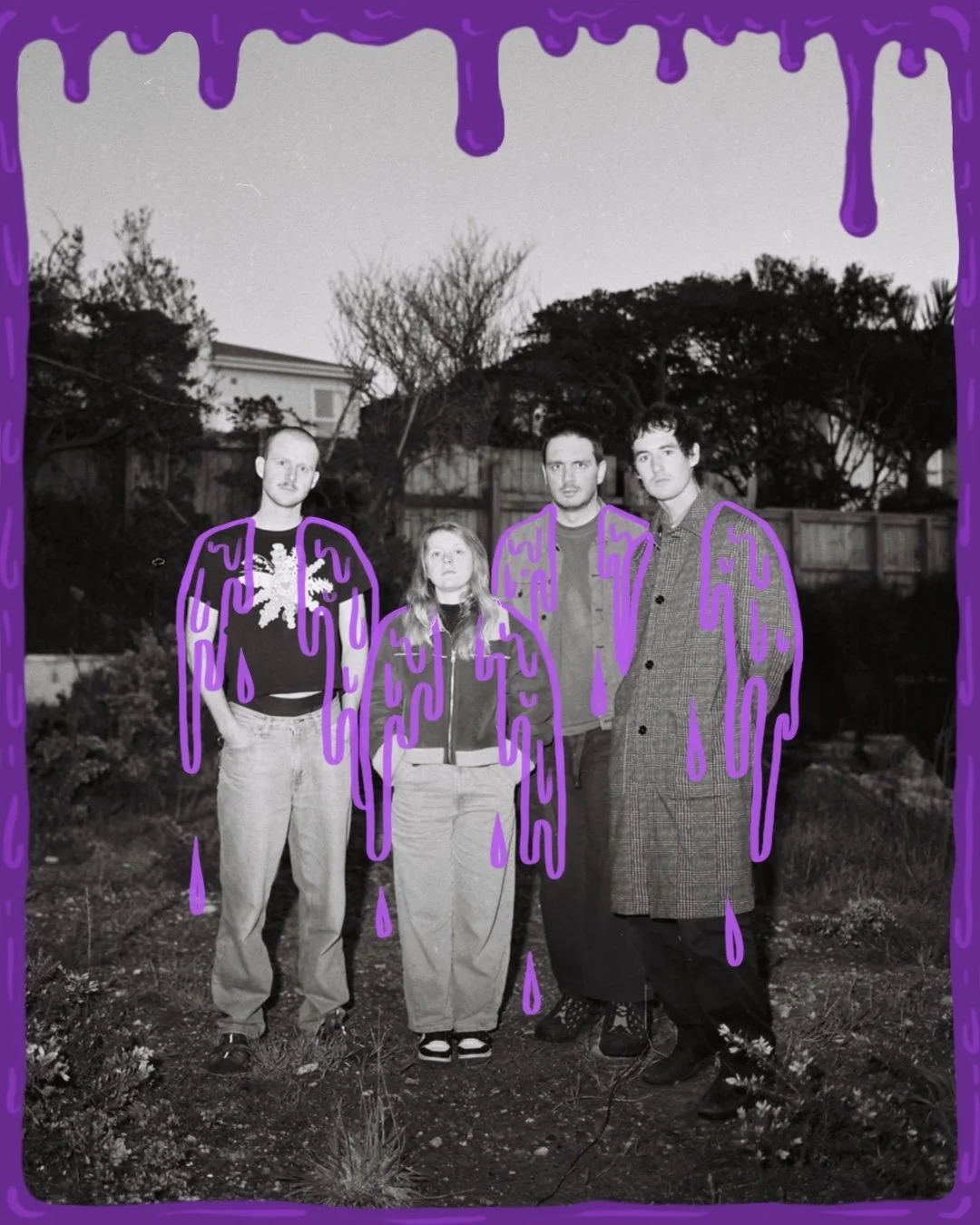
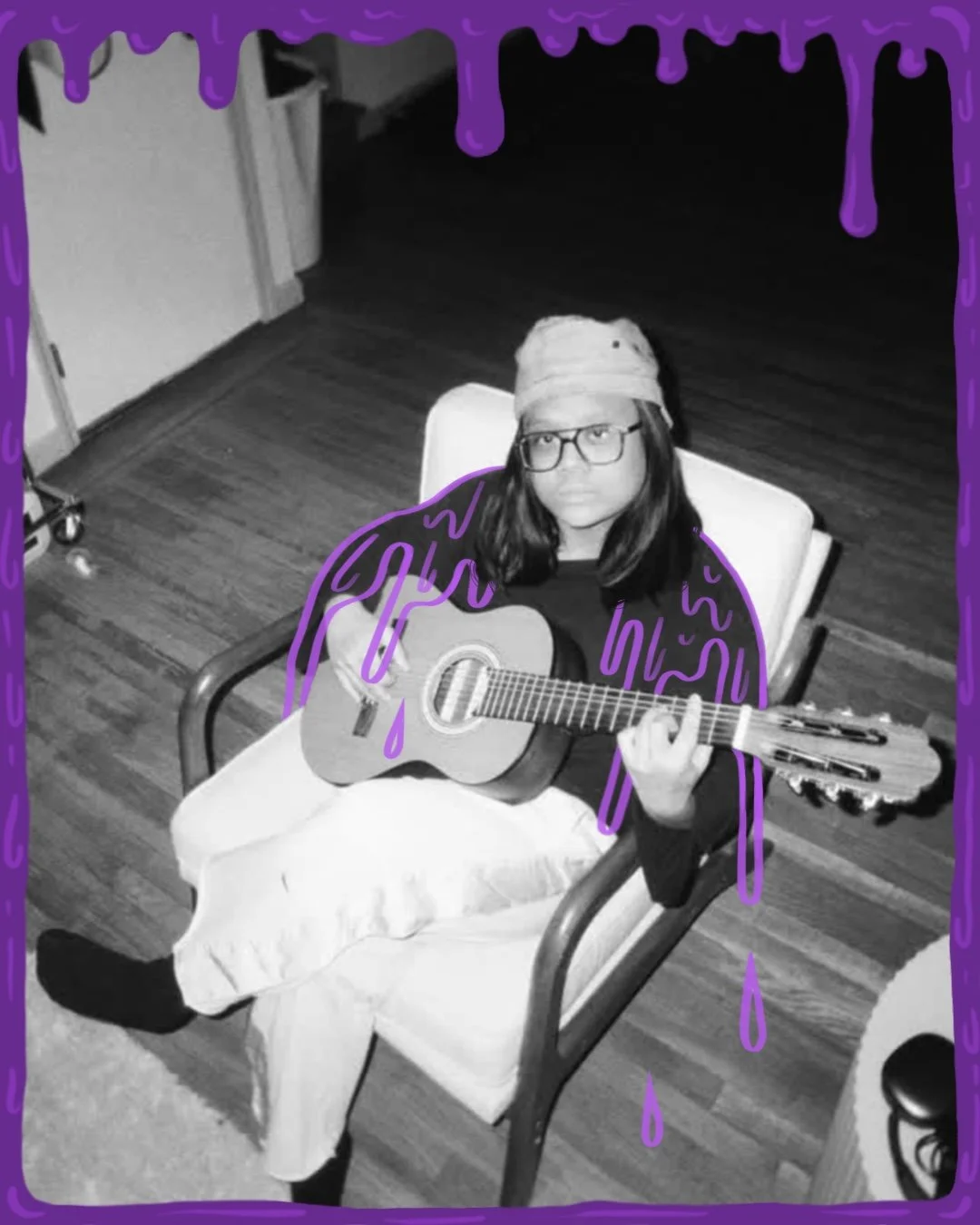
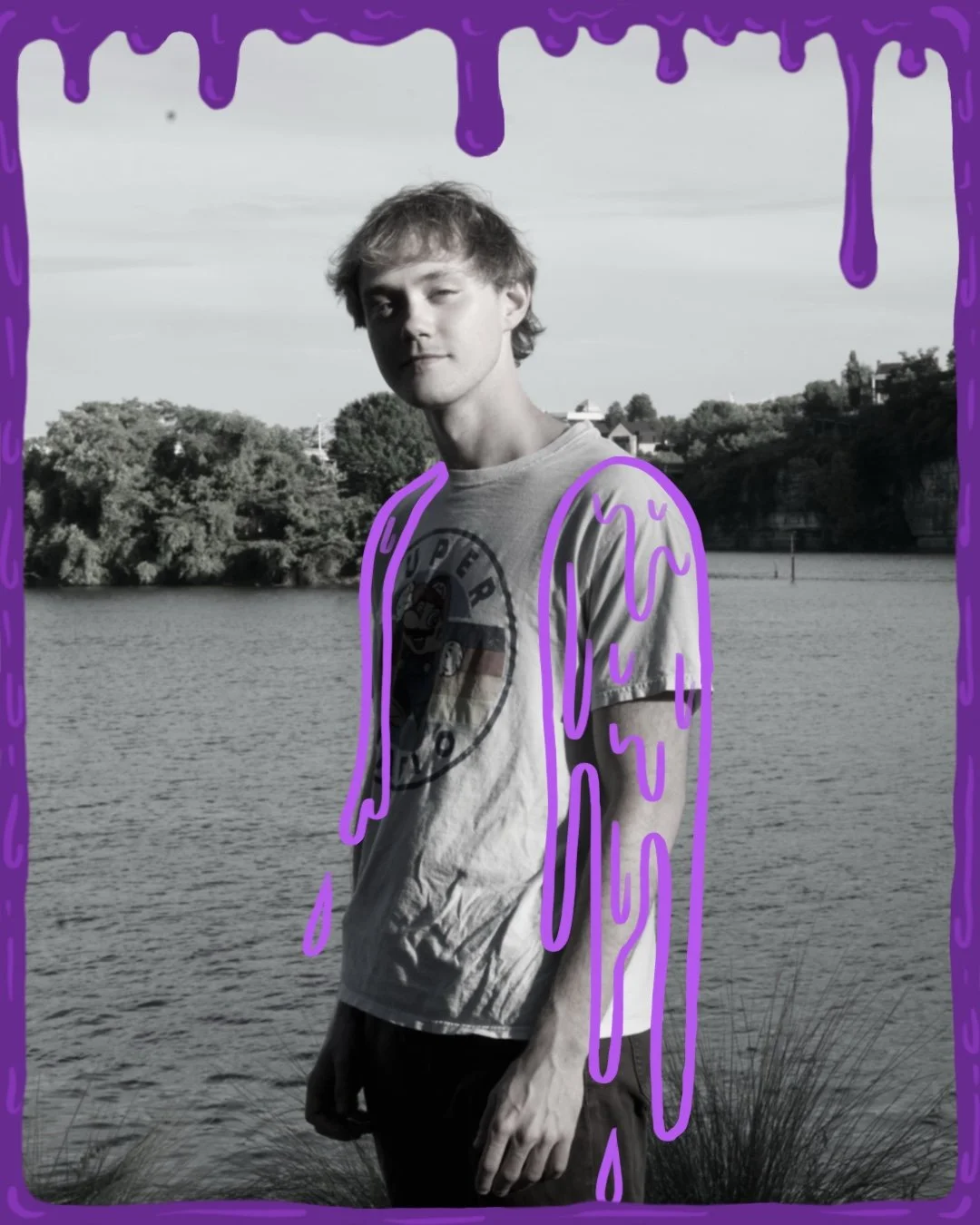
Fail Sake, an indie artist from Sydney, Australia, crafts pieces that are equal parts eerily ominous and warmly comforting, simultaneously shunning the listener while inviting them into the depth of their soundscapes.
Their debut album, “Where Rain Ends”, takes this contradiction into account wholeheartedly. From the dark, liminal space of the cover, represented on songs like “Frog Pond”, to the temperate, up-beat experimentation of songs like “Asleep”, Fail Sake routinely blurs the lines of emotional resonance throughout the project.
Originally inspired by artists like Big Thief, they began writing songs to merely add another creative outlet to their wide-spanning interests. However, they quickly discovered a passion for it and slowly worked out a creative process.
After overcoming an initial “writer’s block”, they began to let their ideas flow freely, improvising lyrics to fit the soundscape they were trying to achieve.
“I press record and then I just say the sounds, and obviously it doesn't work all the time. I just say sounds and then that forms into words later when I re-record on FL Studio… sometimes those words end up saying something that means something to me.”
Compiling a cohesive sonic landscape was a different challenge entirely. While Fail Sake describes their sound as simply “dreamlike”, its complex layers of vibrancy and opulence combine to form a sort of sonic stasis that is augmented by their toned-down vocal wanderings.
On a more fundamental level, their preference for open tunings provides a simplicity to their progressions, bringing compounded overtures to smooth resolutions.
“I [enjoy] Adrianne Lenker's style a lot because I like experimenting with open tuning. It feels very [comforting] because it always returns back to the [open chord]... It will always return to that, which I really like because it feels like there's always home to return to.”
However, while they plan to continue work under the name of Fail Sake, they plan to continue expanding their sonic horizons through other projects. While Fail Sake pursues a continual “dream-like” atmosphere, the artist also has interests in break-beats and electronic rock. Elements of these genres are present on “Where Rain Ends” but are ultimately subordinate to the DIY sound of the album.
They ultimately aim to make music under their own name, Blake Wells, that is “more tangible” than what has been produced as Fail Sake.
“I've got a lot of different songs that are on my computer that I don't think are Fail Sake songs, but I do want to continue doing acoustic folk. [I plan to go in] a similar direction from “Where Rain Ends” but maybe a bit more electronic as well.”
With their ability to create deeply reverberating songs in a stripped-down atmosphere, Fail Sake’s development, through this project and any others, will surely blossom into other genres and sounds.
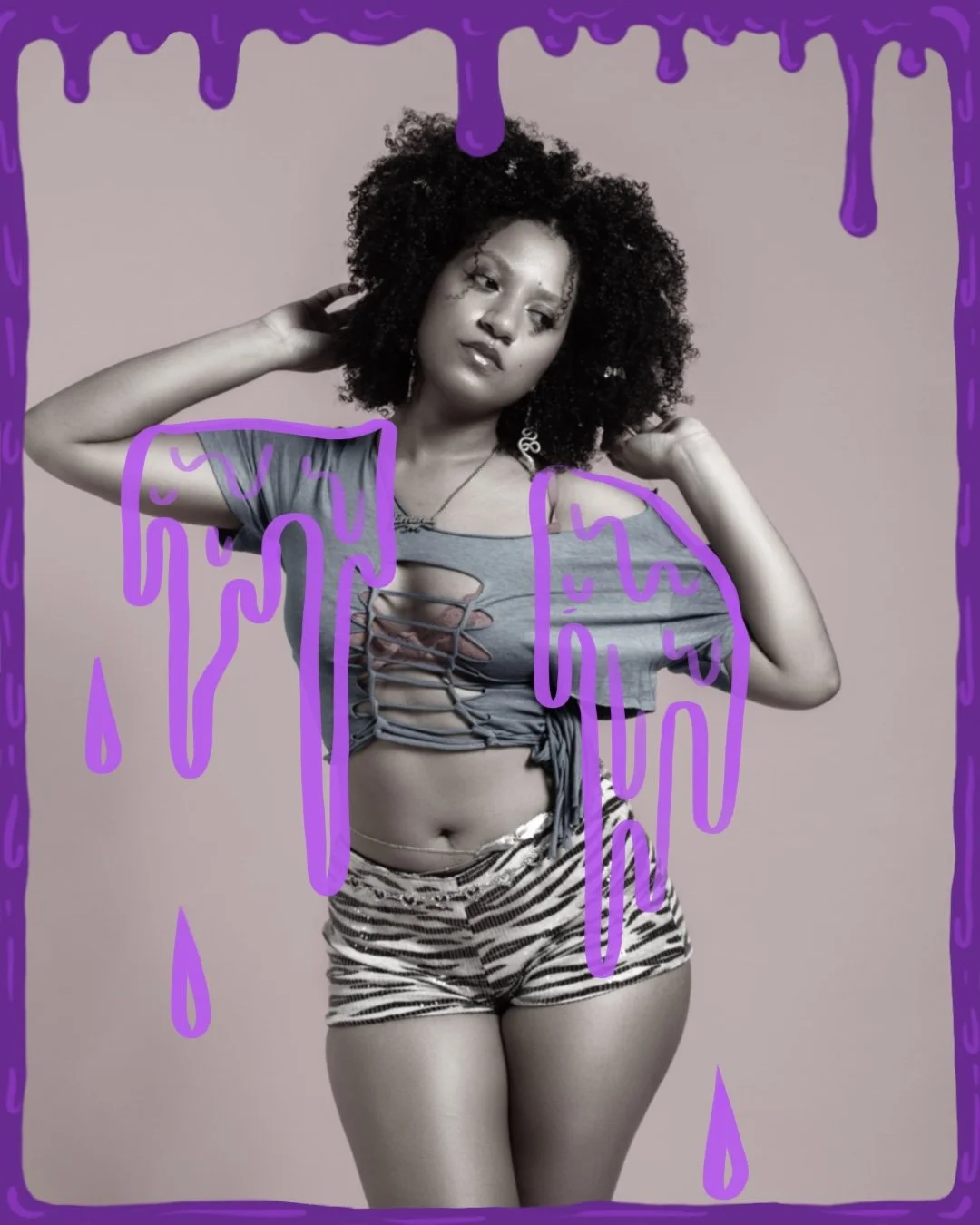
From the outset of his musical pursuits, Alex Glendening’s goal has always centered around songwriting— crafting tunes that not only serve to scratch a certain sonic itch but also, as his career has unfolded, are marked by his signature rhythmic complexities and idiosyncrasies.
Ebbb began merely as a Pandemic-spawned idea of producer Lev Ceylan, but that vision has continually evolved and folded in upon itself, and with their debut record Shallow Hits, the UK-based electronic trio has found its stride, etching out wavering emotional canvases across an ever-expanding sonic range.
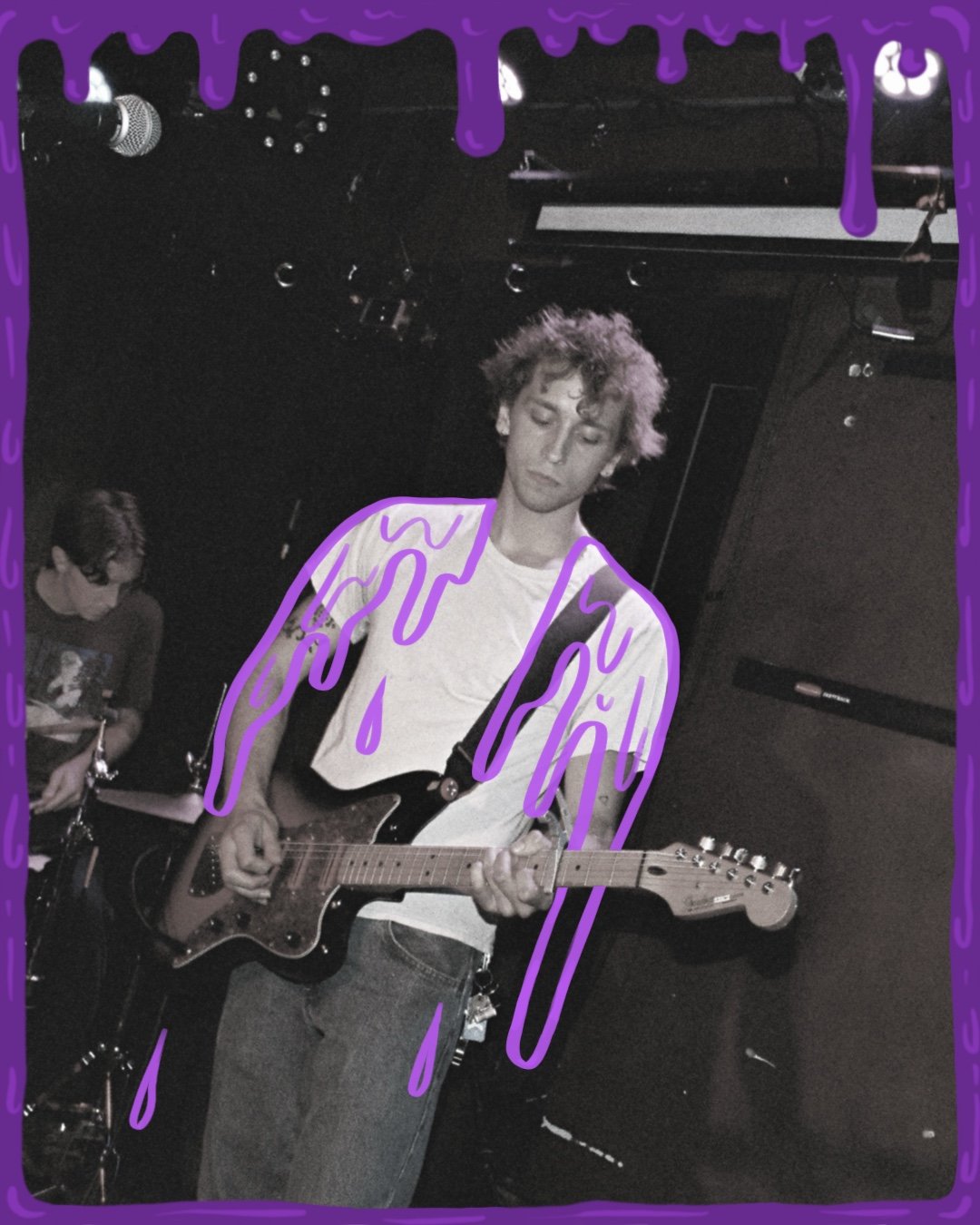
Although youbet began as the bedroom-pop project of singer-songwriter Nick Llobet, the project was never simply just a creative outlet. As Llobet transitioned from his early days of obsession with technical guitar mastery and turned his attention towards building a fuller sonic world, he had a hazy vision of a layered, otherworldly songwriting approach— one that ultimately manifested in the experimentally-inclined indie folk of youbet and, with the addition of bassist Micah Prussack to the project, reached its culmination.
When Hillsboro’s frontman, Vancouver native Nima Walker, first began making electronic instrumentals in his bedroom as a teenager, he never imagined he would have the inclination to lead a rock band, let alone find the confidence and community that the activity required. But over a decade later, Hillsboro has found its fullest expression under the winsome eye of Walker’s earnest songwriting, and with the release of their new album A Party in Your Name, this artistic impulse has worked its way to the forefront of a distortion-heavy, garage-rock-oriented backdrop.
When guitarist and songwriter Jack Shields got the call that he was being invited to join Richy Mitch & The Coal Miners, he knew that his life, in many ways, had changed forever. In a sense, he had accomplished the goal he had first set out to achieve as a teenager— to live and work full-time as a musician. But beyond the tours and the recording, Jack’s new gig has yielded one central benefit. He’s gotten to devote his attention to his solo venture, Jack Shields & The Mojave Rush, and with the release of his newest album Avalanche Hour, he’s continued to carve out the distinct, ragged sound that has become all his own over the past few years.
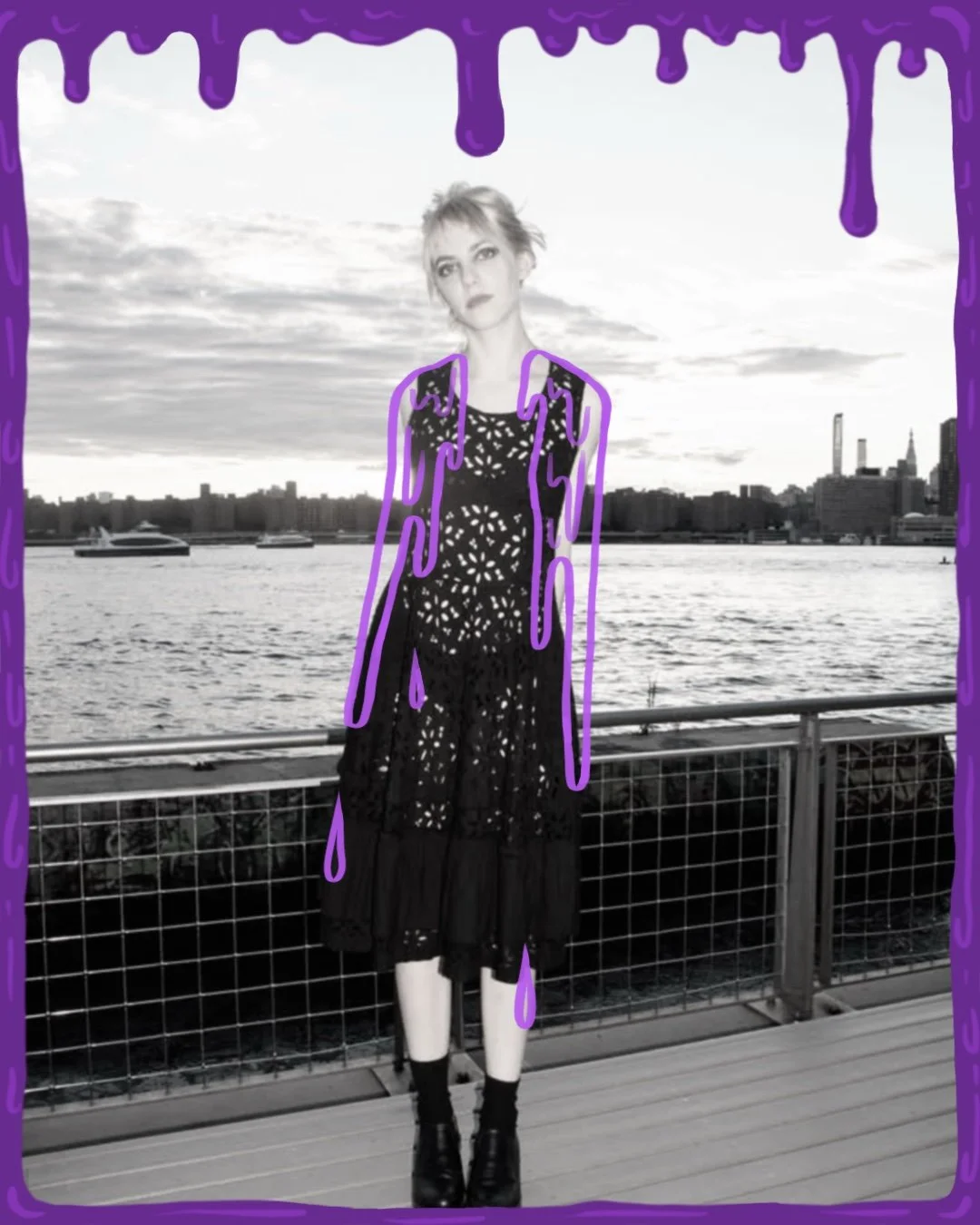
For Ellen Froese, the Saskatchewan-born singer-songwriter, the release of her 2026 project Solitary Songs, a collection of 11 tracks recorded in an open studio setting with a group of friends in 2024, represents more than a return from the four-year break she took from the music industry. The project is a testament not only to the new artistic balance she’s found, but to a mode of living and a freedom of expression she’s carved out as she’s slowly come into her own as a songwriter.
Jason Balla, currently of indie-rock outfit Dehd and formerly of NE-HI and Earring, has been a fixture of the Chicago rock scene for almost as long as he can trace back his musical consciousness. But with the release of his second solo record as Accessory, entitled Dust, he’s at his most intrepid, carving out spaces informed, but not wholly defined by, his roots in noise rock and his long-held passion for “weirdo” music.
Valentin Prince’s winding musical journey, which began as a child listening to his father sing Bob Dylan songs as he walked through the halls of their house outside of Boston and came to fruition in the small, passionate scene of Harrisonburg, Virginia, has left him with an endless array of imprints and fascinations— one that has been expressed in various forms in each of his unique solo releases.
When Violet Beller and Anakeesta Ironwood first met at the University of Miami, they knew immediately that they would click as friends. Their similar musical and creative affinities ensured it. But what they didn’t know was the coiling twists and turns that their original sapling of an idea would take on, incorporating member after member from their scene until rug, as a sprawling, seven-piece indie band, came to find its complete form.
When Northampton-based composer and producer Dan Langa set out to create a live version of his COVID-era concert After Nothing Comes, enlisting a number of collaborators to re-interpret and re-record the work in a live setting, he had very little idea what would ultimately come of it. Fugue State and its first full release— a collage-oriented, experimental version of the original chamber composition— came about unintentionally, as a gradual crystallization of Langa’s artistic intentions as he worked on the project.
NYC-based guitarist and singer-songwriter Eli Frank has found creative release through Bummer Camp, his solo endeavour turned full-band project, in the years since the dissolution of his DIY punk venture Top Nachos. But now, as the release of the newest Bummer Camp record Fake My Death indicates a turn in a more pop-leaning direction, it’s become evident that Frank is operating at a level of artistic freedom that has, at times throughout his career, been difficult to keep near the forefront of his creative atmosphere.
For founder and frontman Ed Moreno, SoCal-based indie and garage-rock band The High Curbs has served as a sort of journal for his musical inspirations and creative leanings since its formation in 2013. At the time, Moreno was in high school, but over the decade-plus The High Curbs have been in action, he has watched himself grow from an energetic, rock-loving teenager to a more mature artist, coming to love the artistic process itself to the same extent he’s always been impassioned by the actual act of performing his music.
she’s green has come a long way from their roots scrapping together demos in their shared house in Minneapolis, but their unique brand of “moss rock”, a folk and indie-inspired, dreamy shoegaze blend, has managed to maintain its centrality to their image and their artistic output in the meantime. With the upcoming release of their third project swallowtail, however, they have reached a new level of creative polish and cohesion— one that is imminently recognizable in the nooks and crannies, the infinite and collapsing spaces, they fill with their withering sonic atmosphere.
Although Dirt Buyer originated as simply another foray in the playful experimentations of founders Joe Sutkowski and Ruben Radlauer, it quickly took on a life of its own, serving as an outlet for the constant musical energy and slowcore-tinged riffs the pair exuded. But for Sutkowski particularly, the band (and the release of Dirt Buyer III) have become a sort of baseline— one that, as he exits a long-standing battle with addiction, represents a goal of a comfortable and intimate creative space to return to.
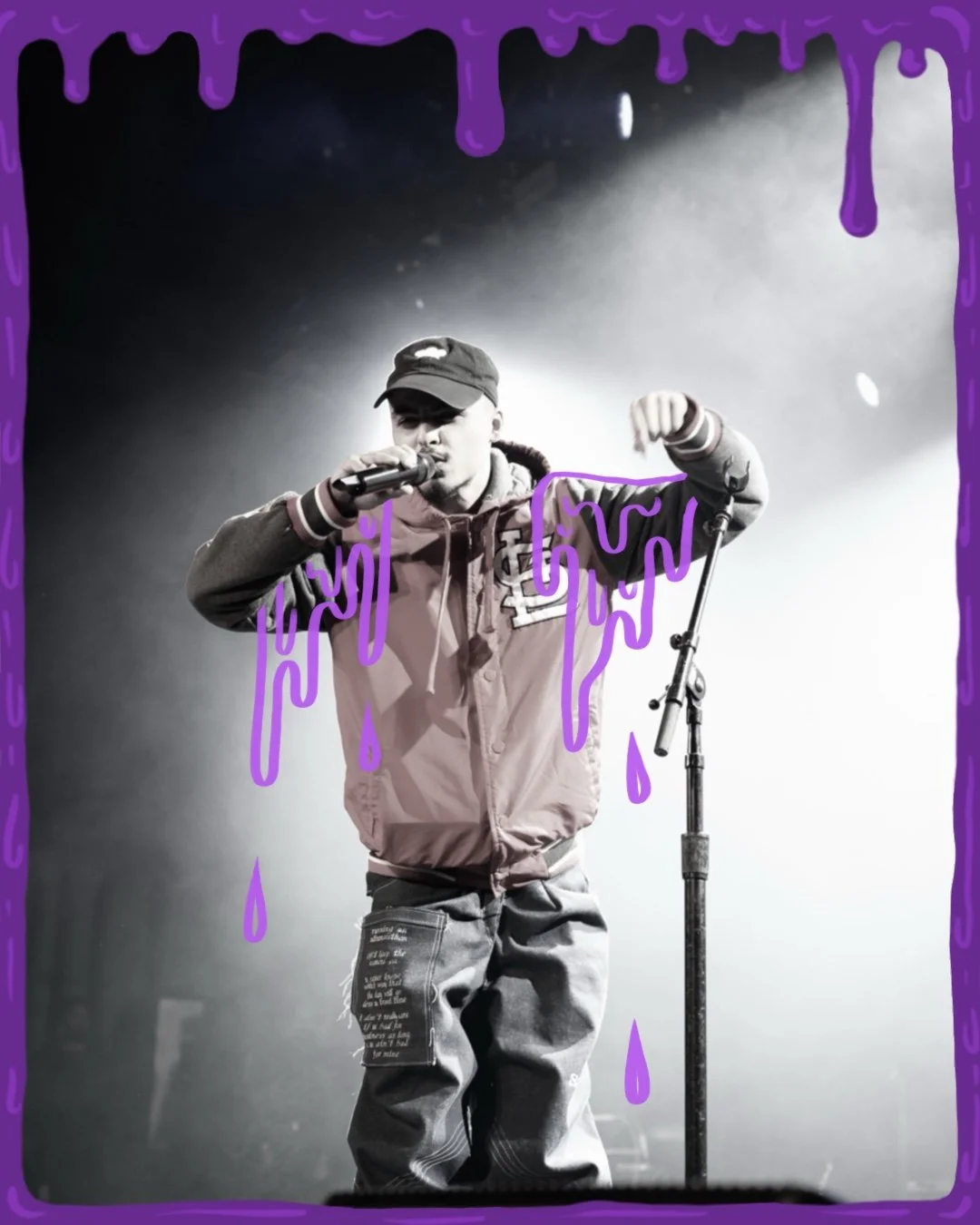
From the time he was first immersed in his brother’s rotation of southern hip-hop, NY-born producer and rapper Radicule. knew that, in some shape or form, he wanted to be involved in the direct thematic delivery and pure artistry those rappers exhibited. In the years since, his style has taken massive leaps and turns, but he and his central creative intention have remained intact.
Iguana Death Cult came to life as the garage-punk passion project of four teenage friends, and it has seen its fair share of transformations over the roughly 12 years since its inception. But their newest record, Guns Out, represents more than just a sonic evolution for the Rotterdam-based band. After two of the band’s original members made the difficult decision to move on from the project, Guns Out is a triumphant and searing continuation of the psychedelic and funk-rooted influences that defined their earliest efforts.
best dressed ghost, the garage and surf-inspired punk band from New Jersey, has taken a leap of artistic confidence in the release of its second record, Let’s Go Home, in March. When tracing the creative threads through the trails of their first record, however, a singular characteristic of the band’s work becomes clear— all four members possess a special sort of creative unison, elevated by the sheer charisma and energy that percolates not only through frontwoman Stef Leo’s personality-laden vocals but also through the band’s relentless willingness to adapt to the diverse vibrancies that each track demands.
Ovven, the solo project of Dallas Ugly guitarist and touring virtuoso Owen Burton, came to life in February with the release of Gnawing At The Cord, Burton’s debut solo album. But the foundations of Ovven’s sound, which differ starkly from the softer Americana that composes much of his body of work, trace back to his childhood in Chicago— they are, in a word, utterly natural to Burton’s sonic vocabulary.