Artist Profile: The High Curbs
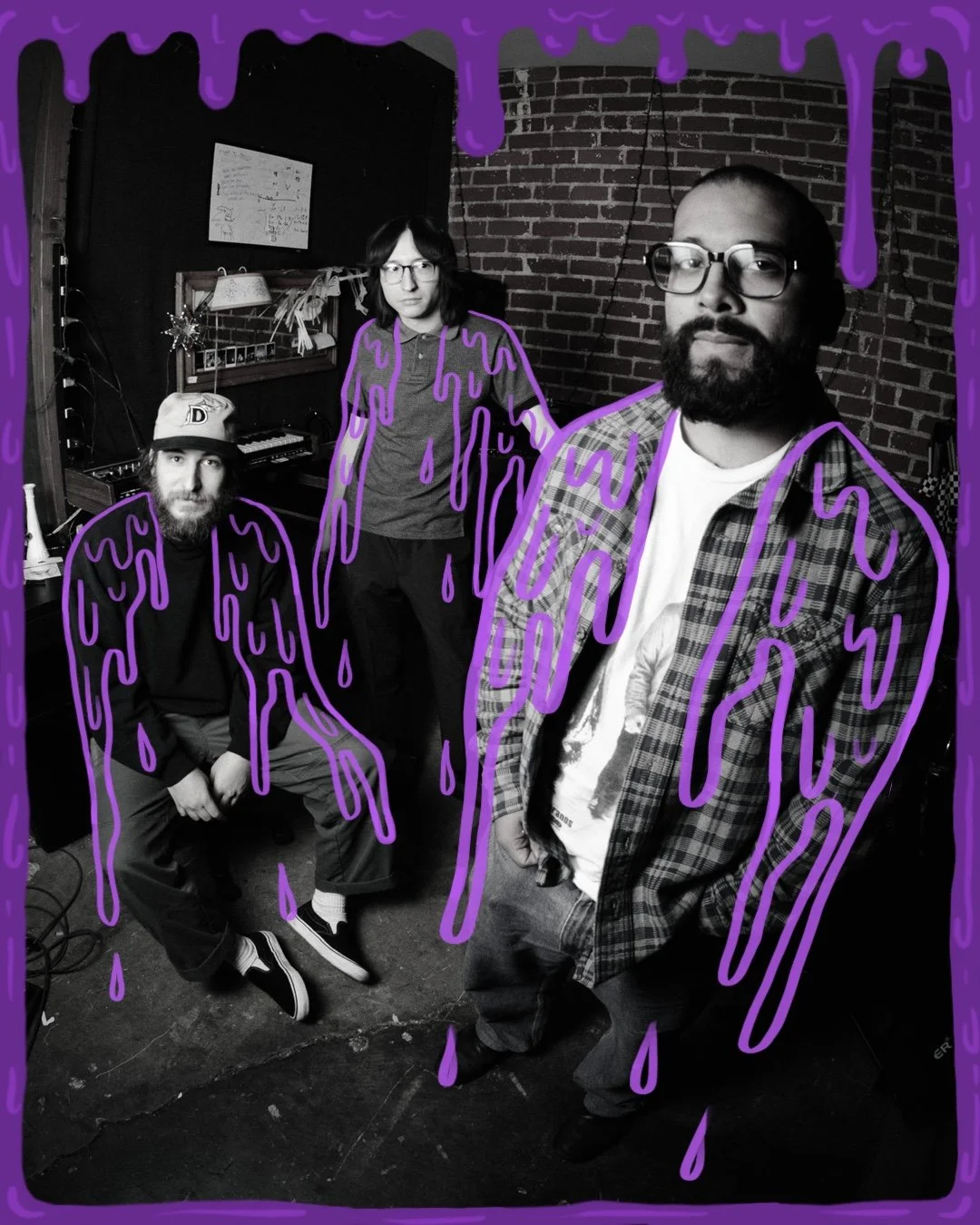
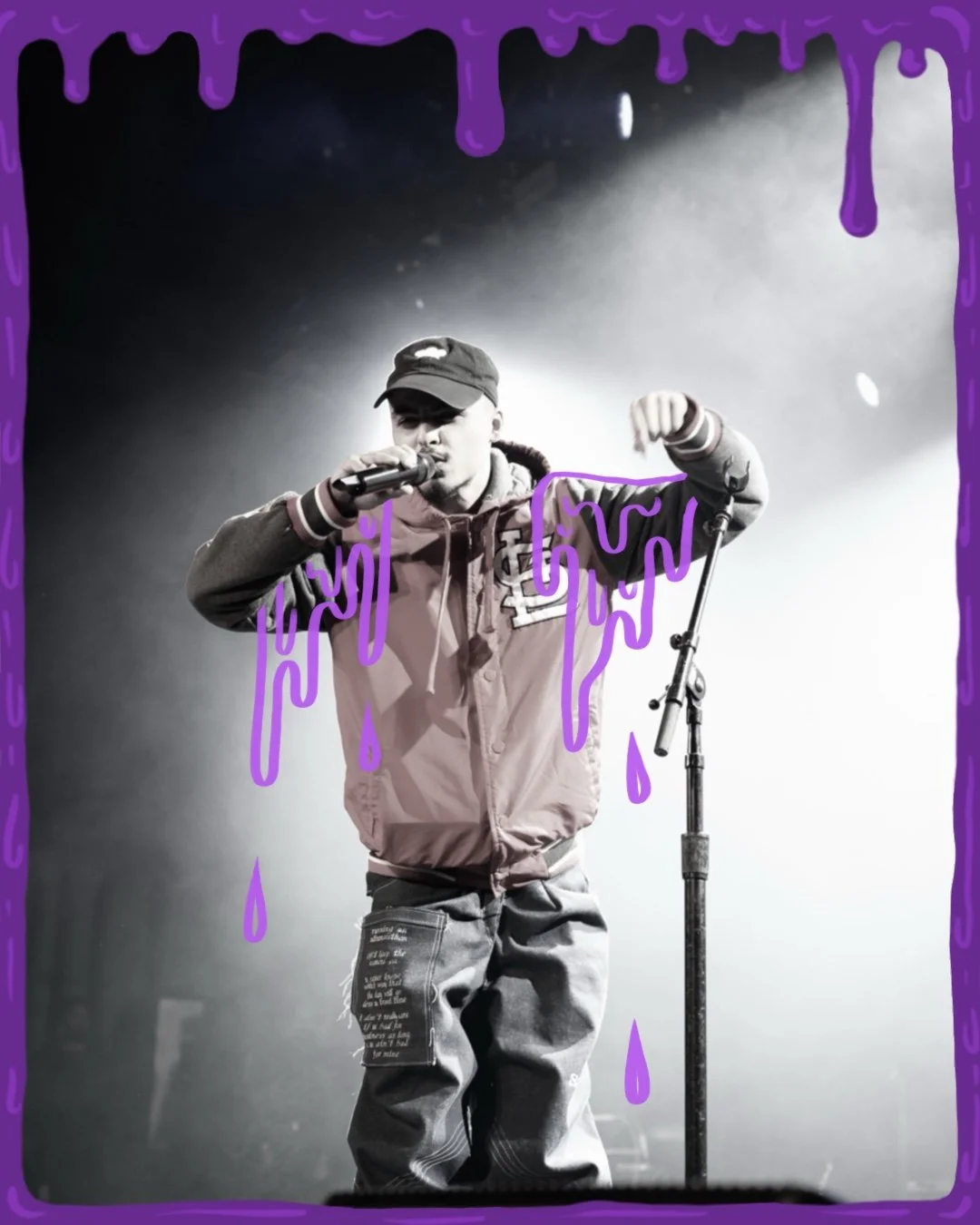
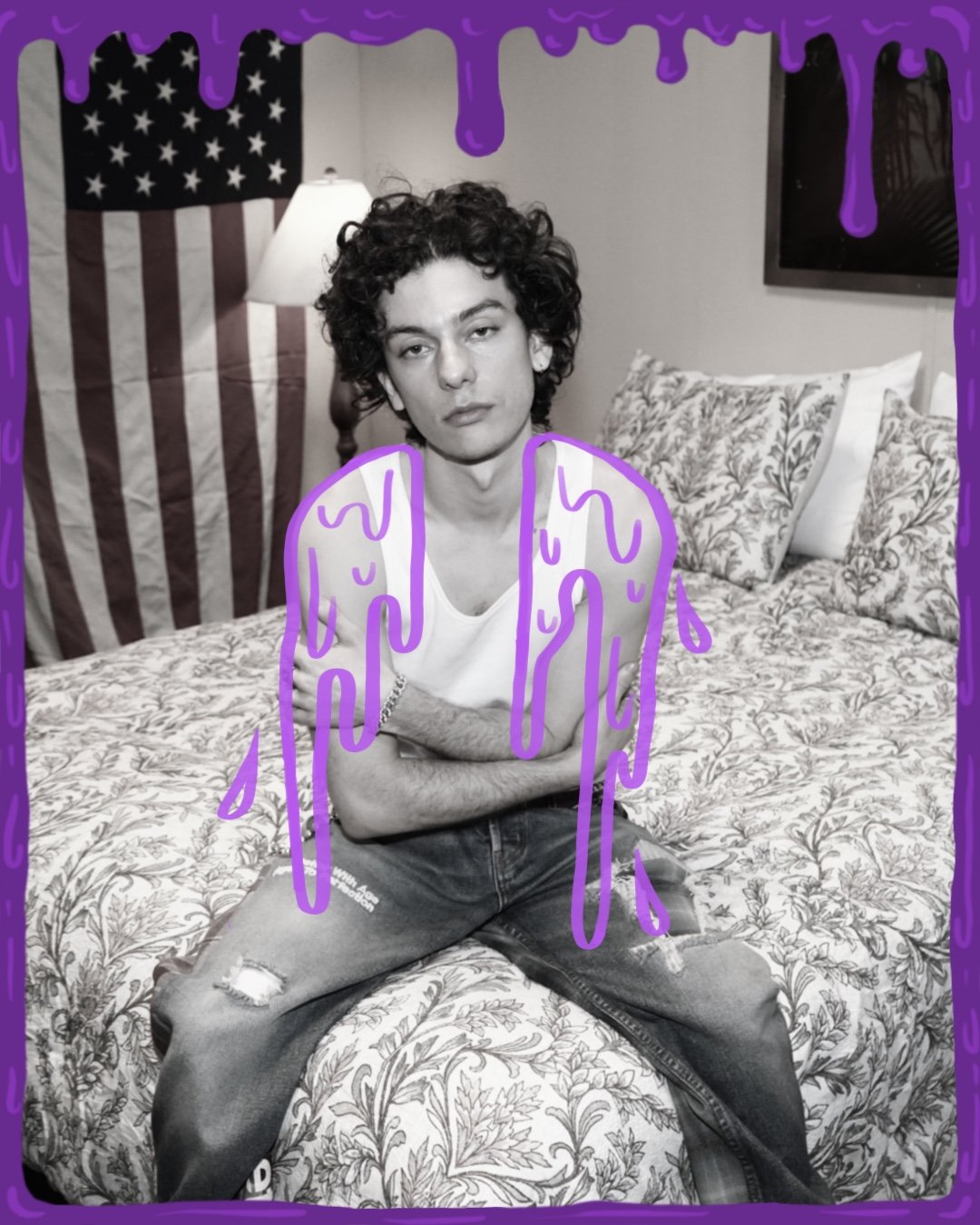
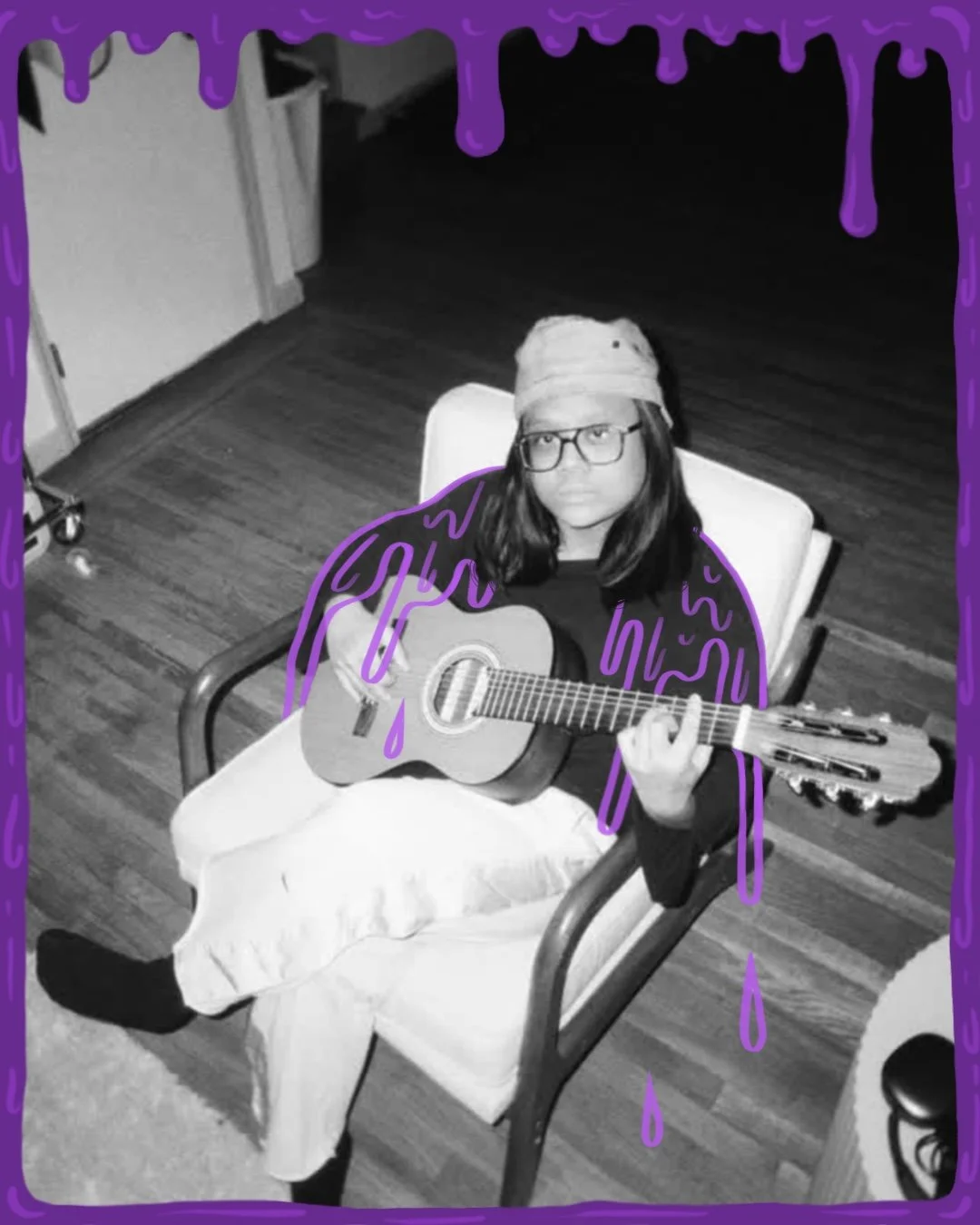
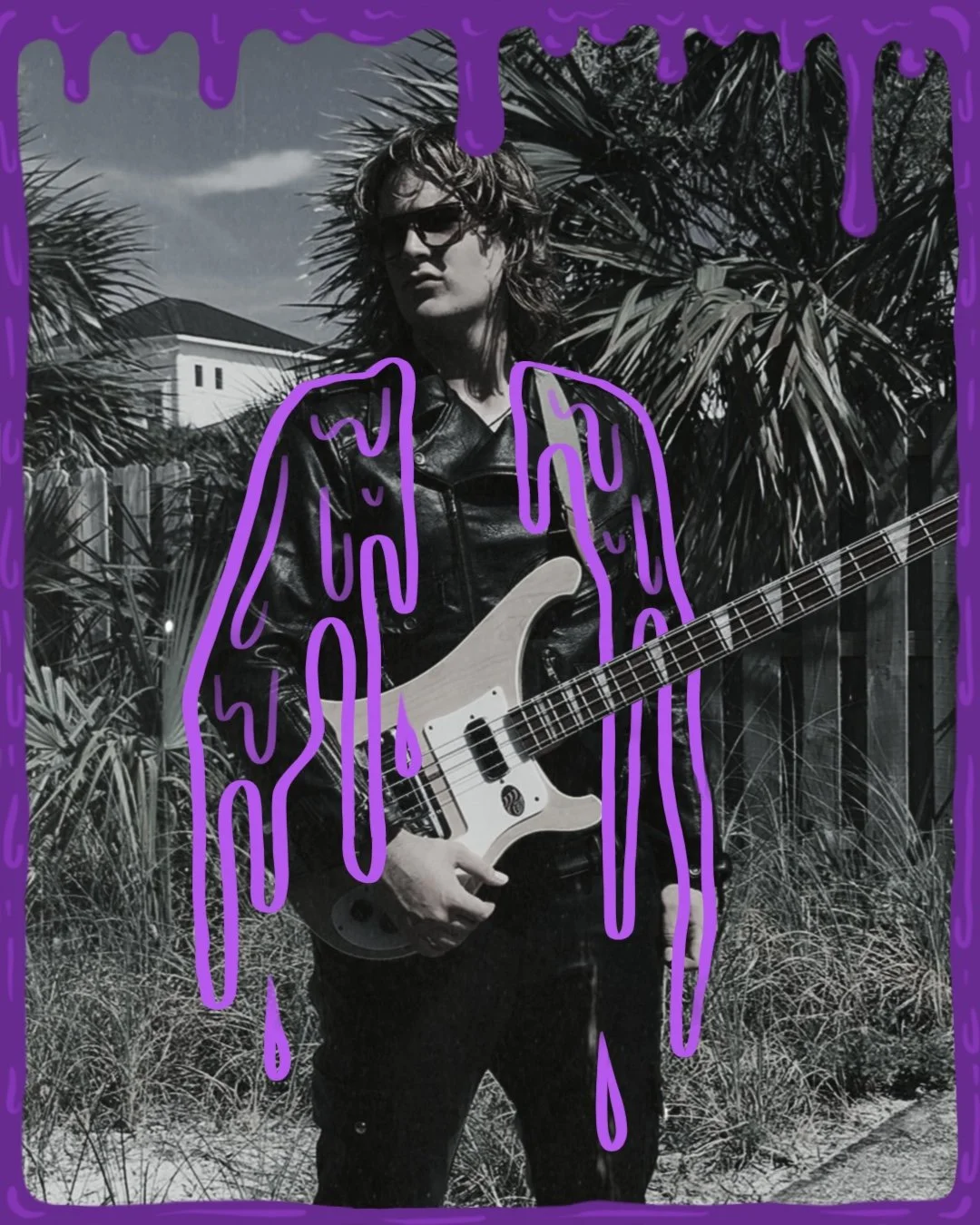
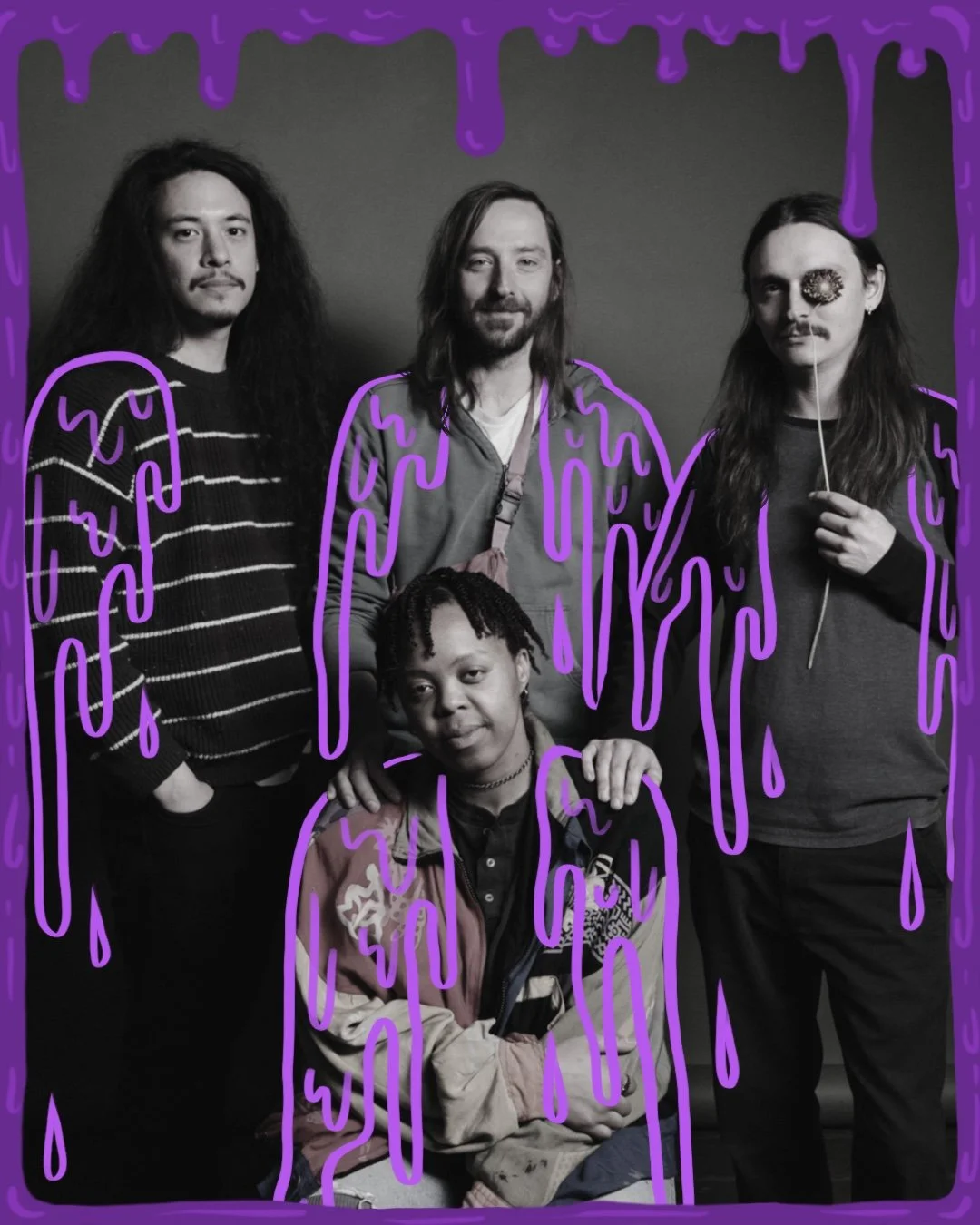
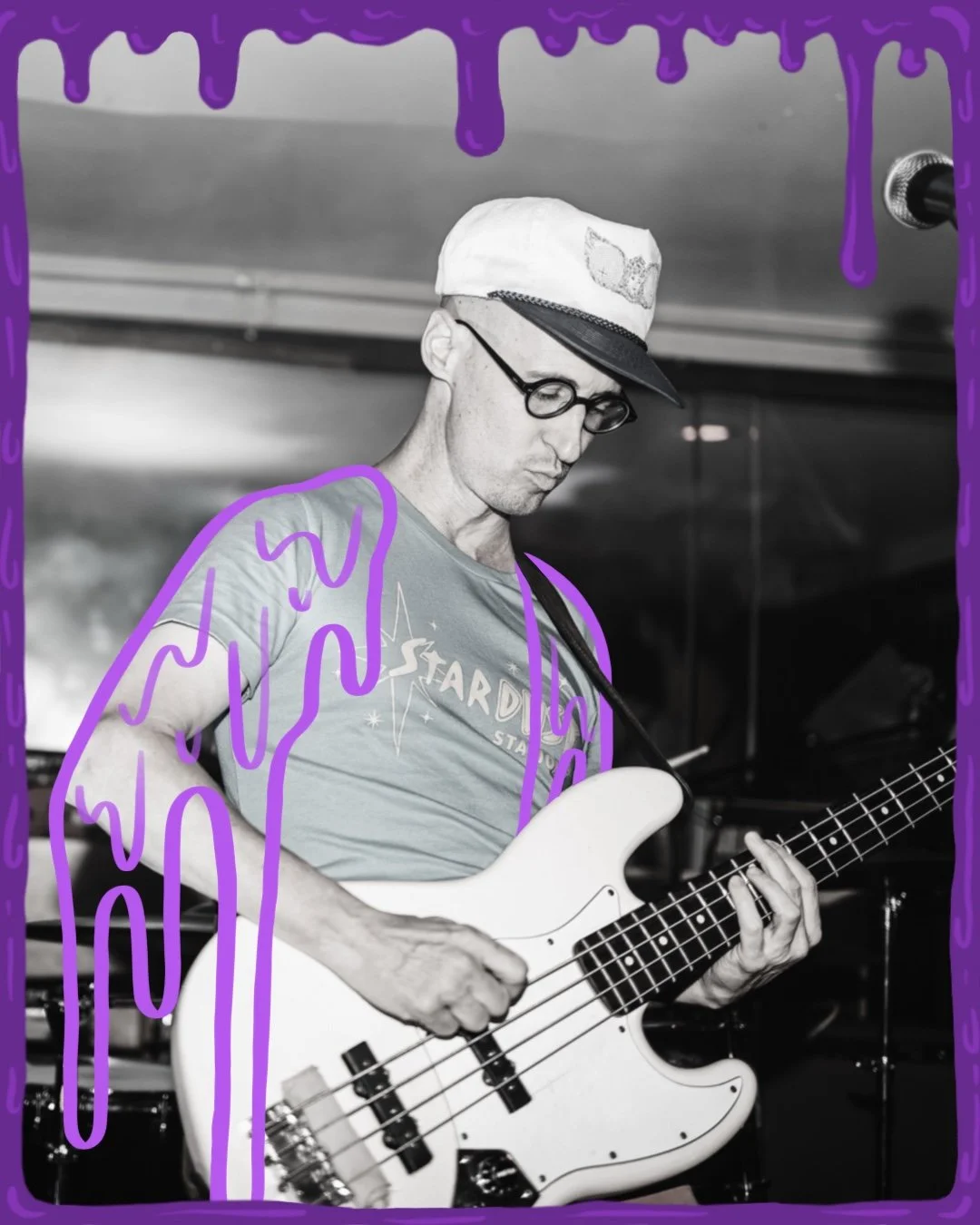
For founder and frontman Ed Moreno, SoCal-based indie and garage-rock band The High Curbs has served as a sort of journal for his musical inspirations and creative leanings since its formation in 2013. At the time, Moreno was in high school, but over the decade-plus The High Curbs have been in action, he has watched himself grow from an energetic, rock-loving teenager to a more mature artist, coming to love the artistic process itself to the same extent he’s always been impassioned by the actual act of performing his music.
On HIGH SPEED, The High Curb’s fourth studio album, this progression is represented unmistakably.
Moreno’s musical roots began as a child in Southern California, when he discovered Blink-182 and Goldfinger through the “Tony Hawk’s Pro Skater” video game series. Augmented by his frequent activity on MySpace, Moreno ran the entire gamut of indie music from an early age.
As he grew older, he began to investigate the acts around his local scene. Through attending Ty Segall and Fidlar shows, he was introduced to smaller, more localized bands that frequented the SoCal circuit, and his love for garage rock slowly crystallized.
His own musical venture, The High Curbs, originally began as a sort of leisurely experiment, however. He didn’t play an instrument when it first started; instead, he and a group of his friends would get together in one of their garages on summer days and grind out improvised tunes with Moreno featured as the vocalist.
“This whole thing started as a joke or an accident… It was basically just something to do on a hot day, started jamming with friends. I didn't know an instrument at the time. So I was like, ‘I guess I'll just pick up a microphone and scream random things into it.’ [laughs] Just high school kids just saying funny things or singing about random stuff.”
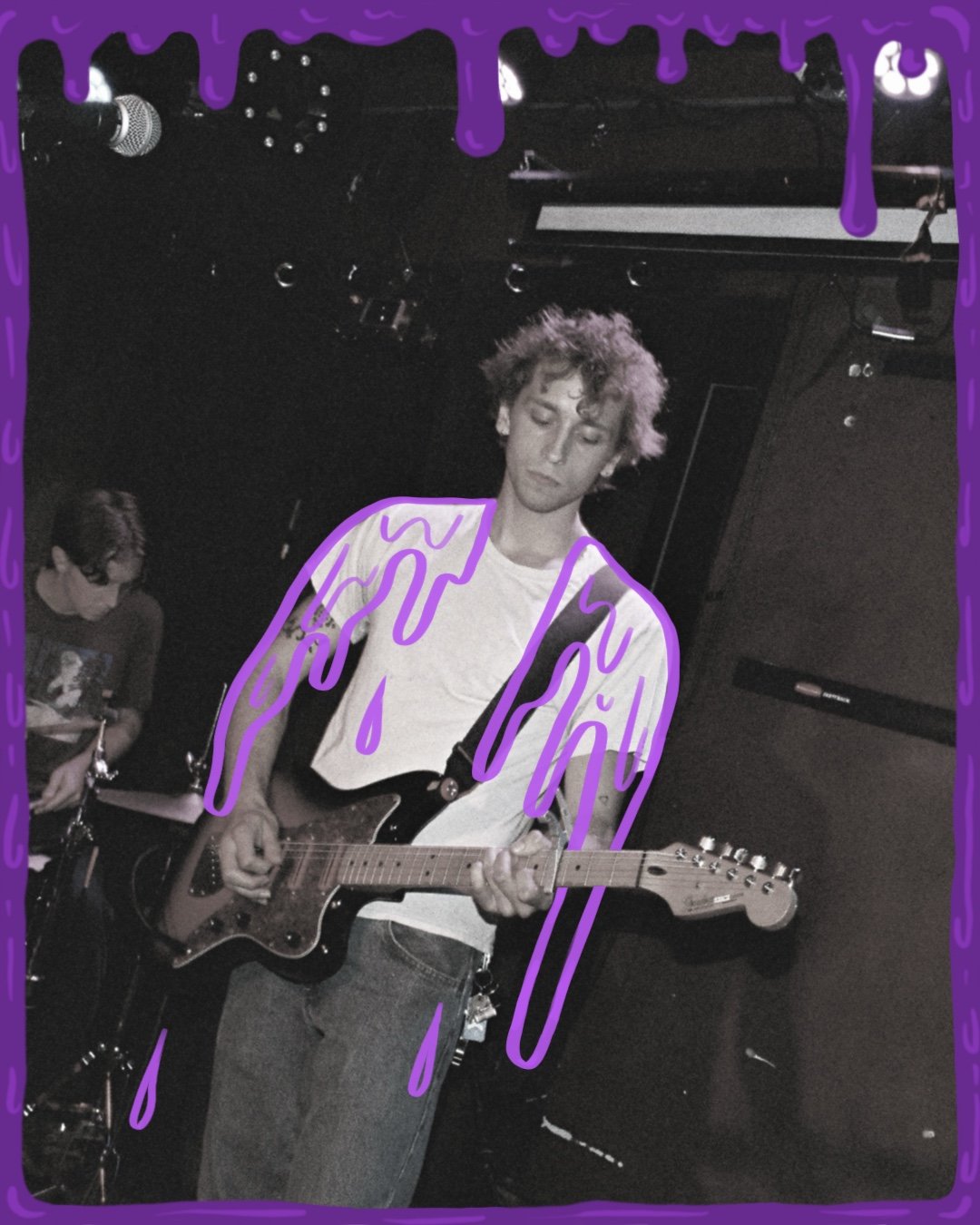
Eventually, Moreno picked up the guitar. Once he did, The High Curbs found their initial form. They began playing local shows, and Moreno quickly fell in love with the energetic reaction he got from playing his songs live. He resolved to play music, however possible, for the remainder of his life.
While the band built their audience through gigs around their area, the songwriting process mostly represented a way to have new material to play live. Moreno had a strong support system around him that encouraged him to flesh out and share the scraps of songs he had written privately, but he did so with the primary goal of getting out of the workshop and onto the stage.
Their first album, 2016’s Marcelo Cleveland, certainly had a healthy measure of artistic intention behind it. But in terms of the recording process, Moreno viewed it purely as an obstacle to getting the songs out in the world. The entirety of their early discography was live-tracked, and Moreno particularly notes the Tommy EP as a representation of his creative mindset at the time. Thrasher Magazine needed songs from them to include in one of their curated sets, and Moreno went to the studio that weekend, recording and barely processing songs he had recently written before sending them off to Thrasher for inclusion.
“Every time we would record, we would always live-record. So there wasn't that finesse or perfection to it, which is nice to have because I feel like those flaws sound cool now. But I care about it differently than I did then. For example, that Tommy EP, we literally recorded it in two days. And that was strictly because Thrasher Magazine needed songs, and they hit me up… It's like, ‘Why did we do that?’ (laughs) I just wanted my songs to be on Thrasher. The intentions were just so funny.”
By the time they got to Happy Daps, their second record, Moreno had resolved to make it the “traditional” way. They booked studio time and went through the full mixing and mastering process. But when the record got delayed for multiple years, its release just before the Pandemic prevented the band from promoting their record through tours. Moreno felt discouraged and done with the musical establishment as he had come to experience it since their first record.
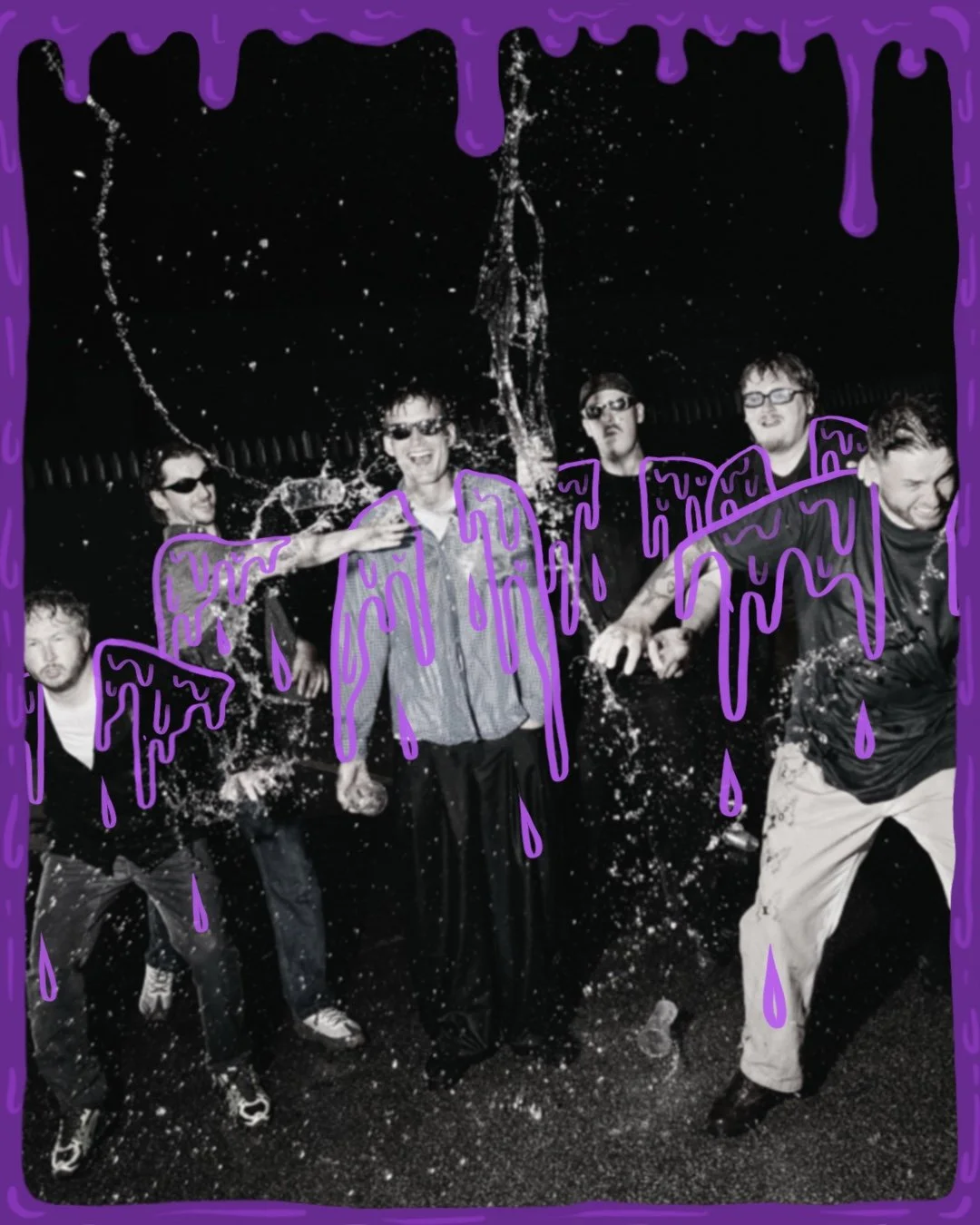
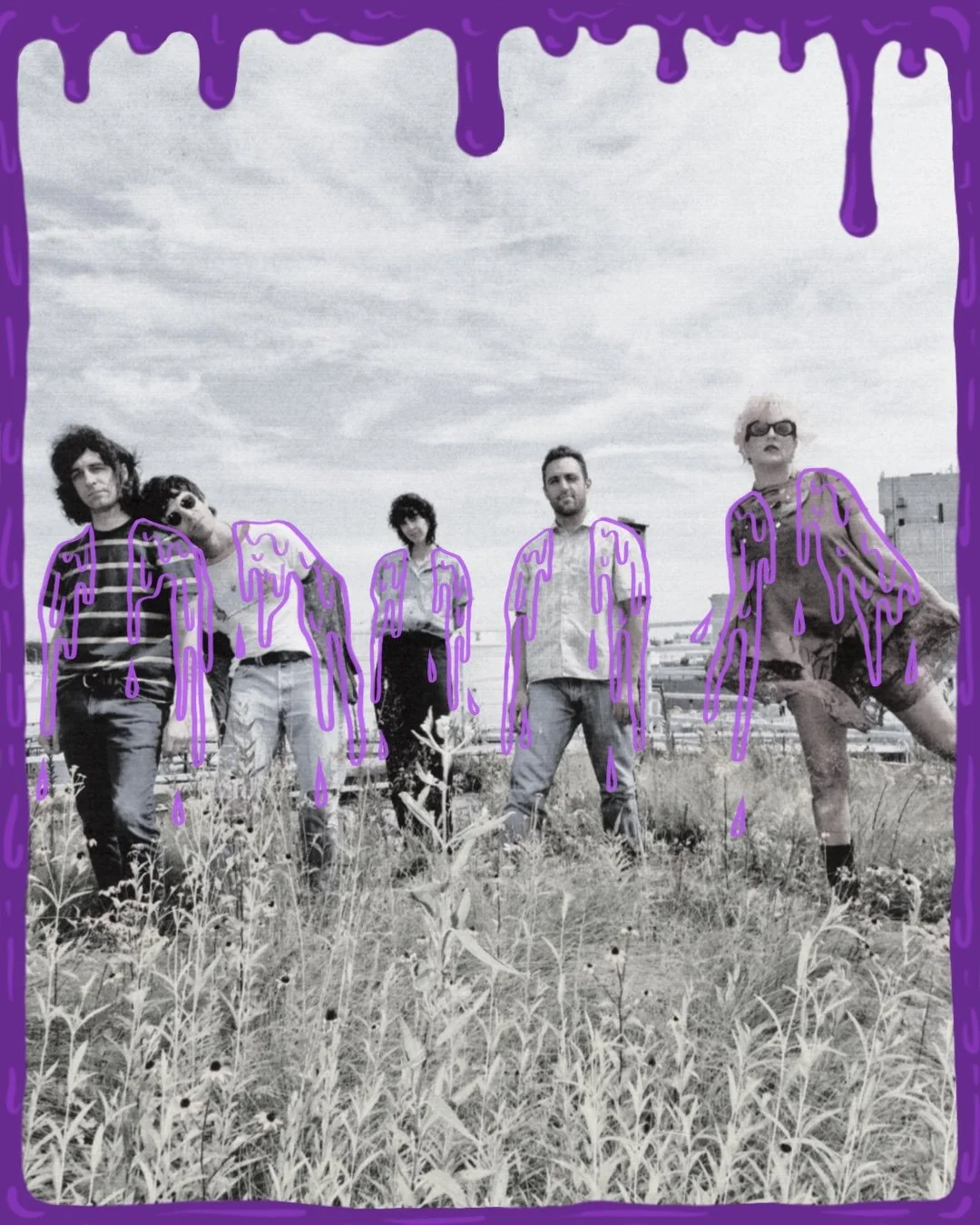
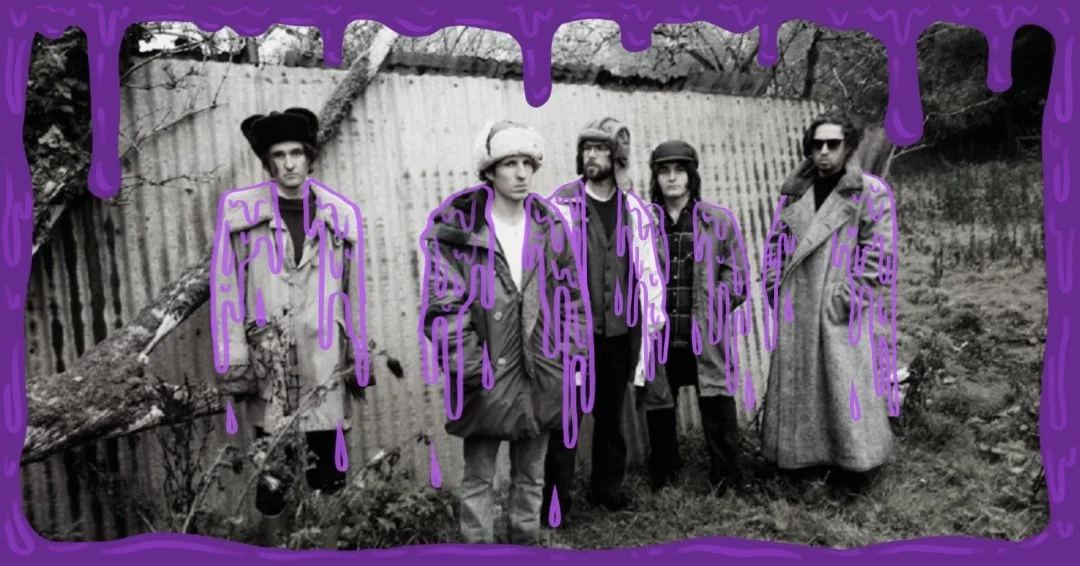
When the restrictions of the Pandemic were lifted, Moreno had to start virtually from scratch. He found a whole new lineup for the band, and he began working on 2024’s THC. For the recording of that project, he resolved to find a happy medium between the pure DIY ethos of the band’s early days and the professional production they sought out for their second record.
But Moreno describes his work on HIGH SPEED as “the best experience [he’s] had making a record”. He enlisted guitarist Taylor Hecocks to help with the production and engineering, and the two wrote and recorded the album together in tandem, laying down pieces of each track as they went along. Instead of going into the studio with a batch of songs and rushing to get them pushed out, Moreno was able to take his time with each track, listening at home and making additions and subtractions in his head.
“We’d have this song we just made, and then I'd be able to go home, listen. And I'm like, ‘Oh, f*ck, I could add this there, you know, or take that away.’ And so that was really cool. It was the first time I could edit in real time, rather than listening to the new record for the first time [and saying] ‘Okay, that's good, put it out.’... And so this new record, [I definitely had] a good time making, it not being rushed.”
From the opening, distorted thrashes of “CHAIN” to the fuzzed-out surf rock tones of the closer “I GUESS”, the project’s depth and variety serve as a stark testament to the time and intention Moreno poured into the project.
Now, thinking back through the 13 years he’s devoted to The High Curbs, through different lineups and creative iterations of the project, Moreno can confidently say he’s never loved the process (and the music) more than he does now.
Insofar as HIGH SPEED served as the catalyst for this transformation, it is a remarkable and seminal work in The High Curbs’ lengthy discography.
“I really just love the process.And I feel like it's hard for me to say I've loved the process in all our previous records or songs. So I would definitely take this approach again, just becauseI feel like it gave me a lot of not just creative freedom, but time… I [still]appreciate the music we did at the beginning, because it kind of has a character and, like I said… I'm literally aging in it. Maybe I didn't hate the process, but I didn't care about it. And now, I'm definitely more strapped in to write and record and be more… responsible for what I put out.”