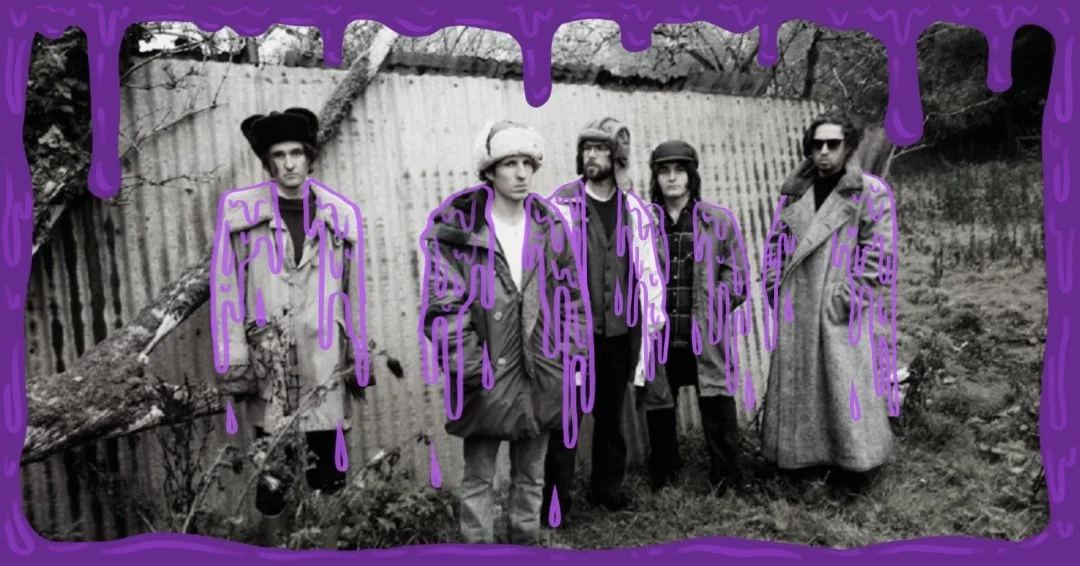
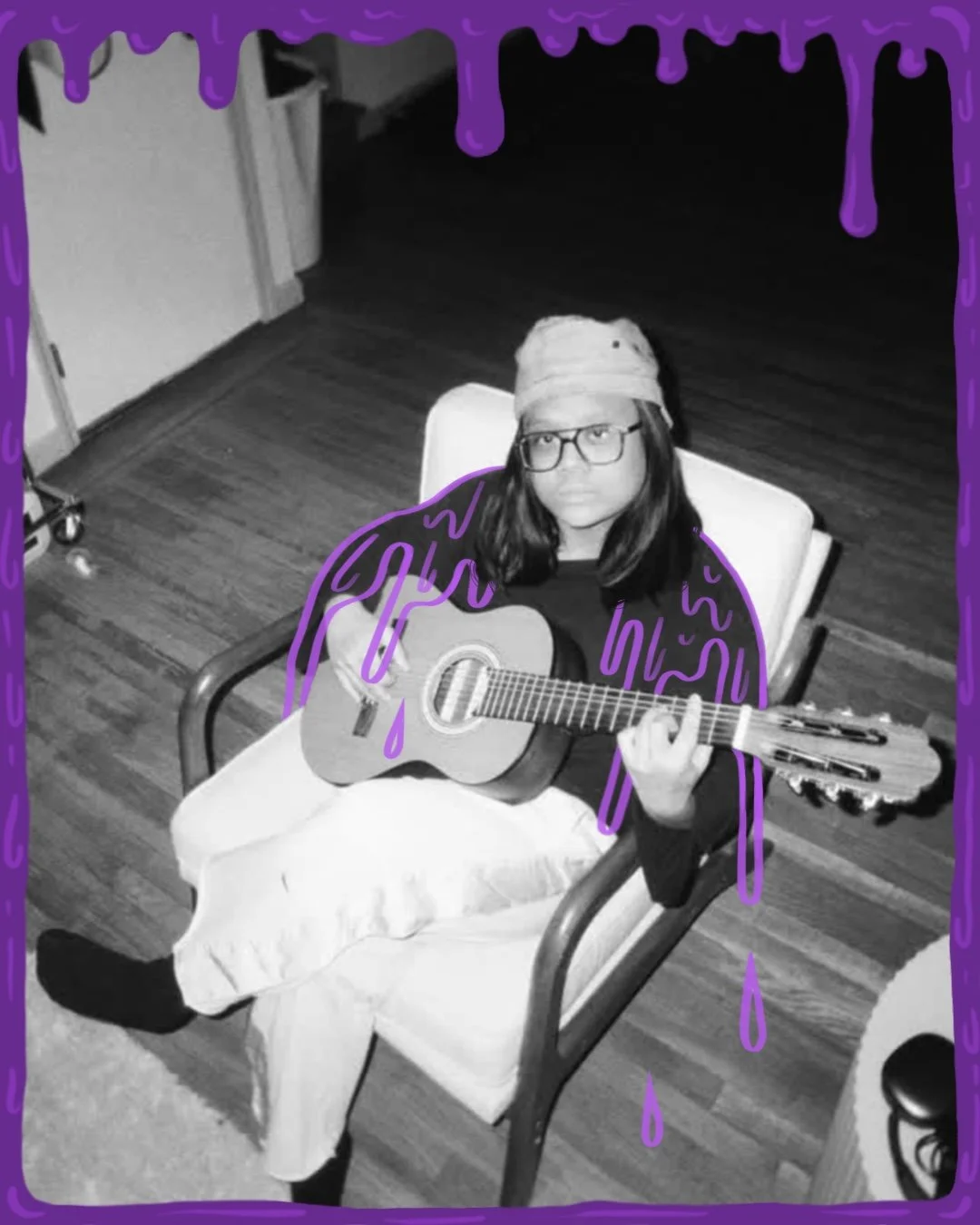
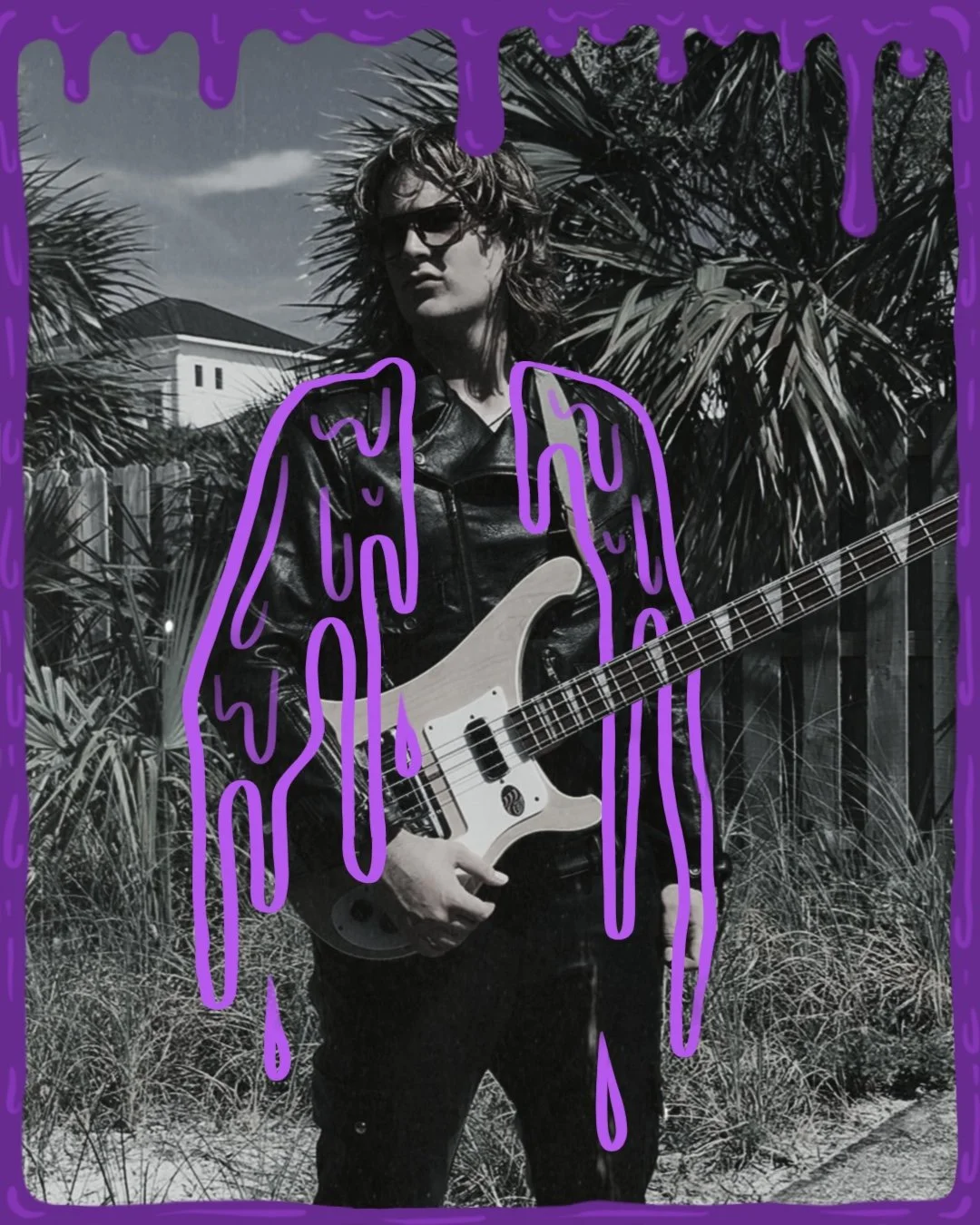
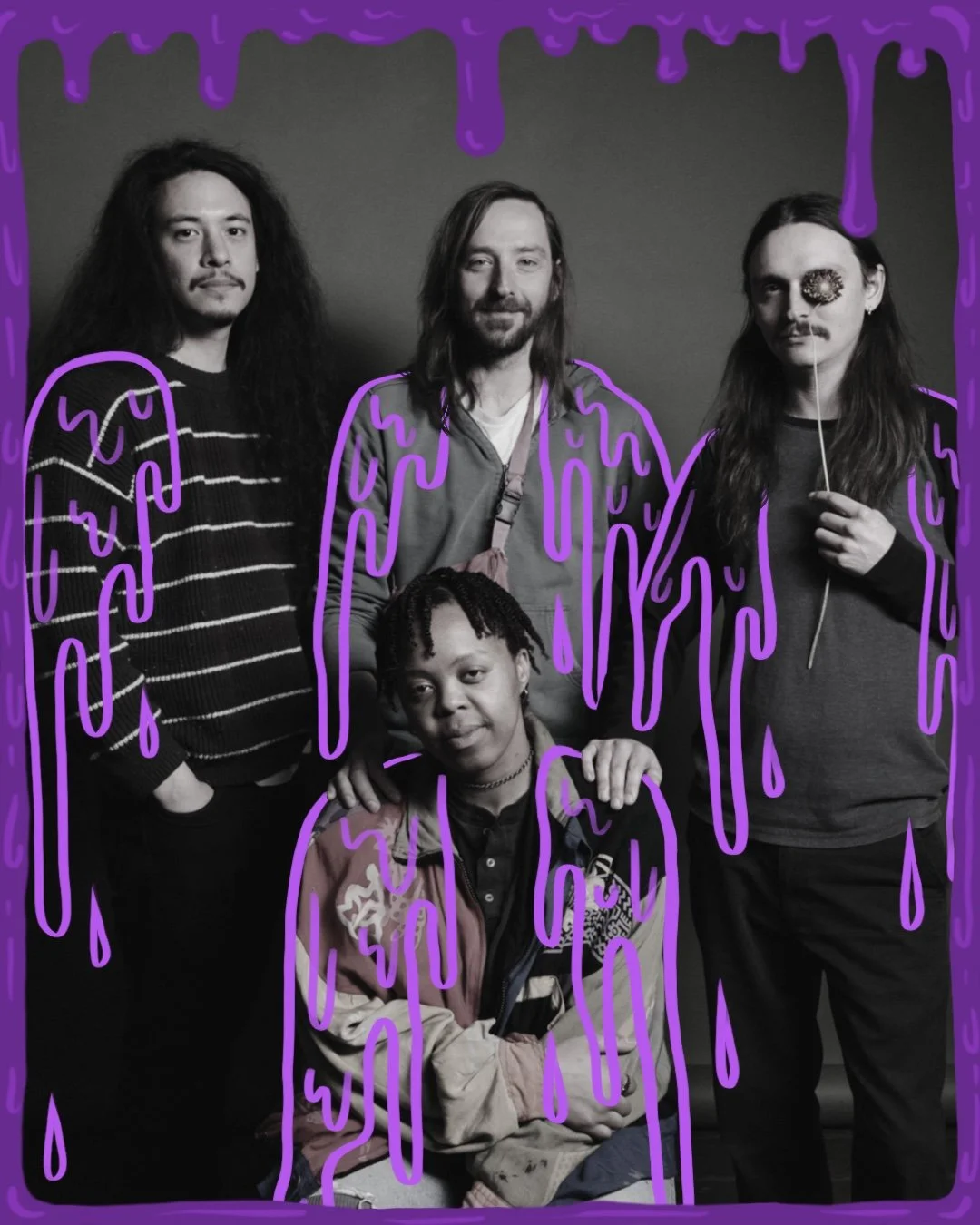
Artist Profile: Fugue State
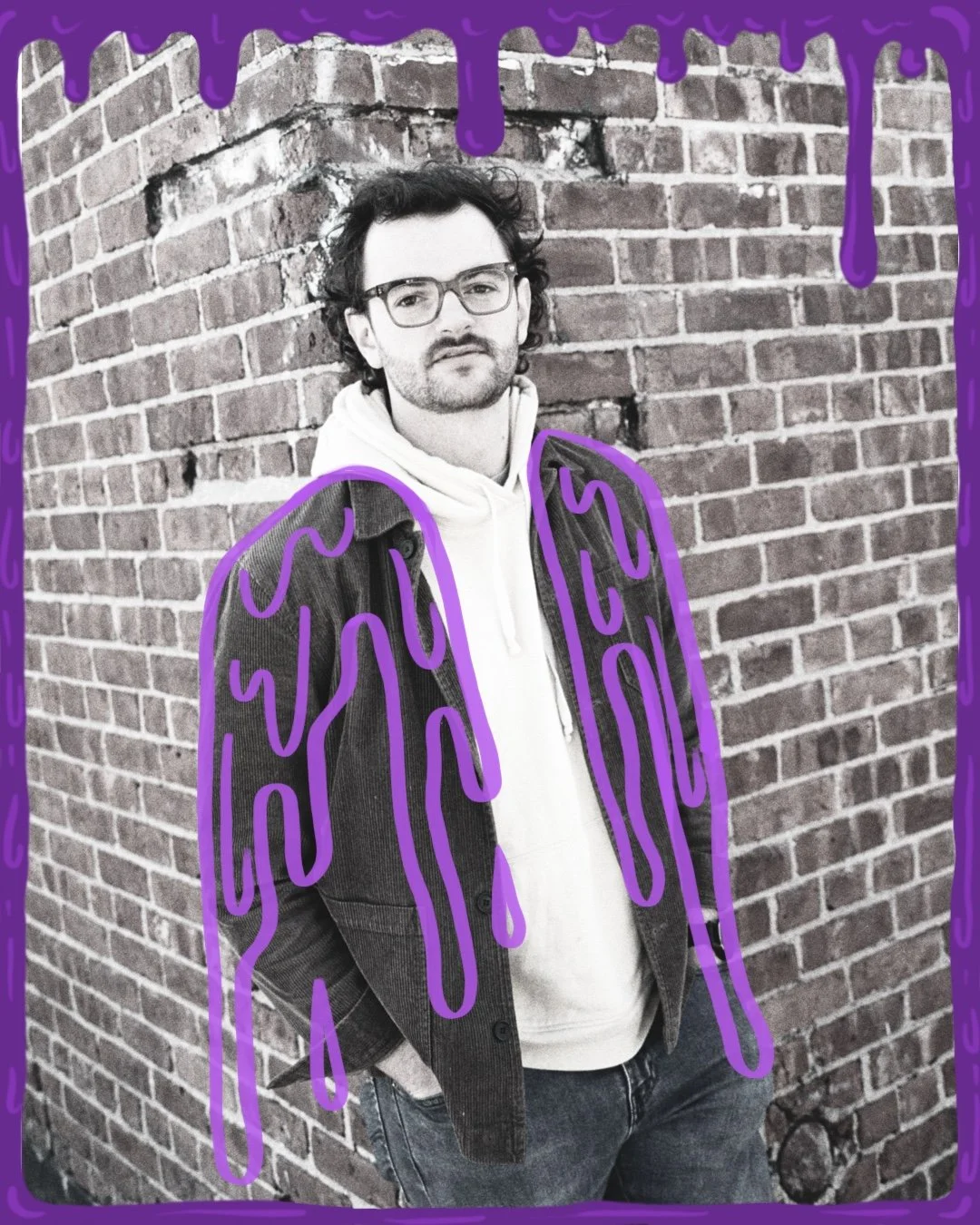
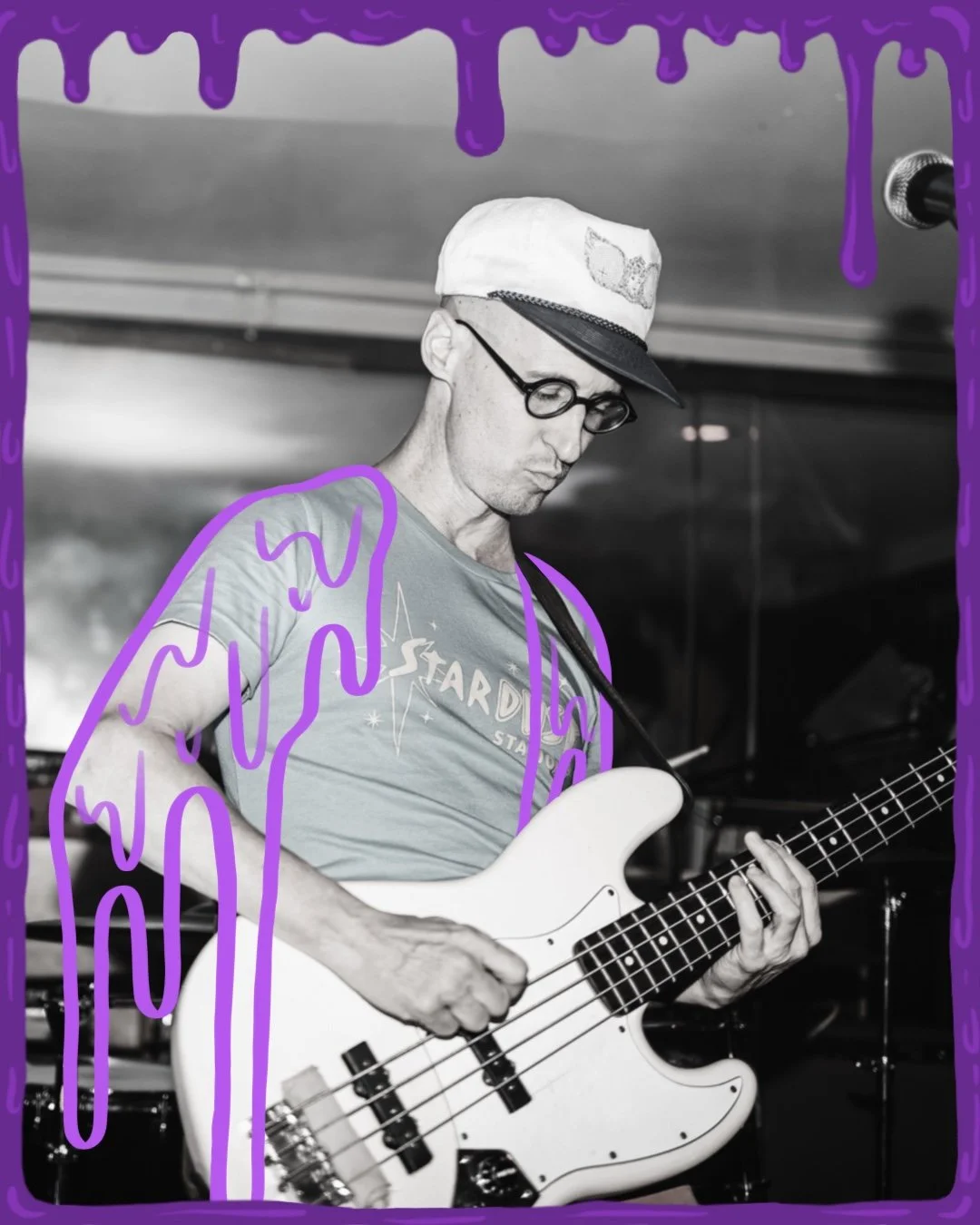
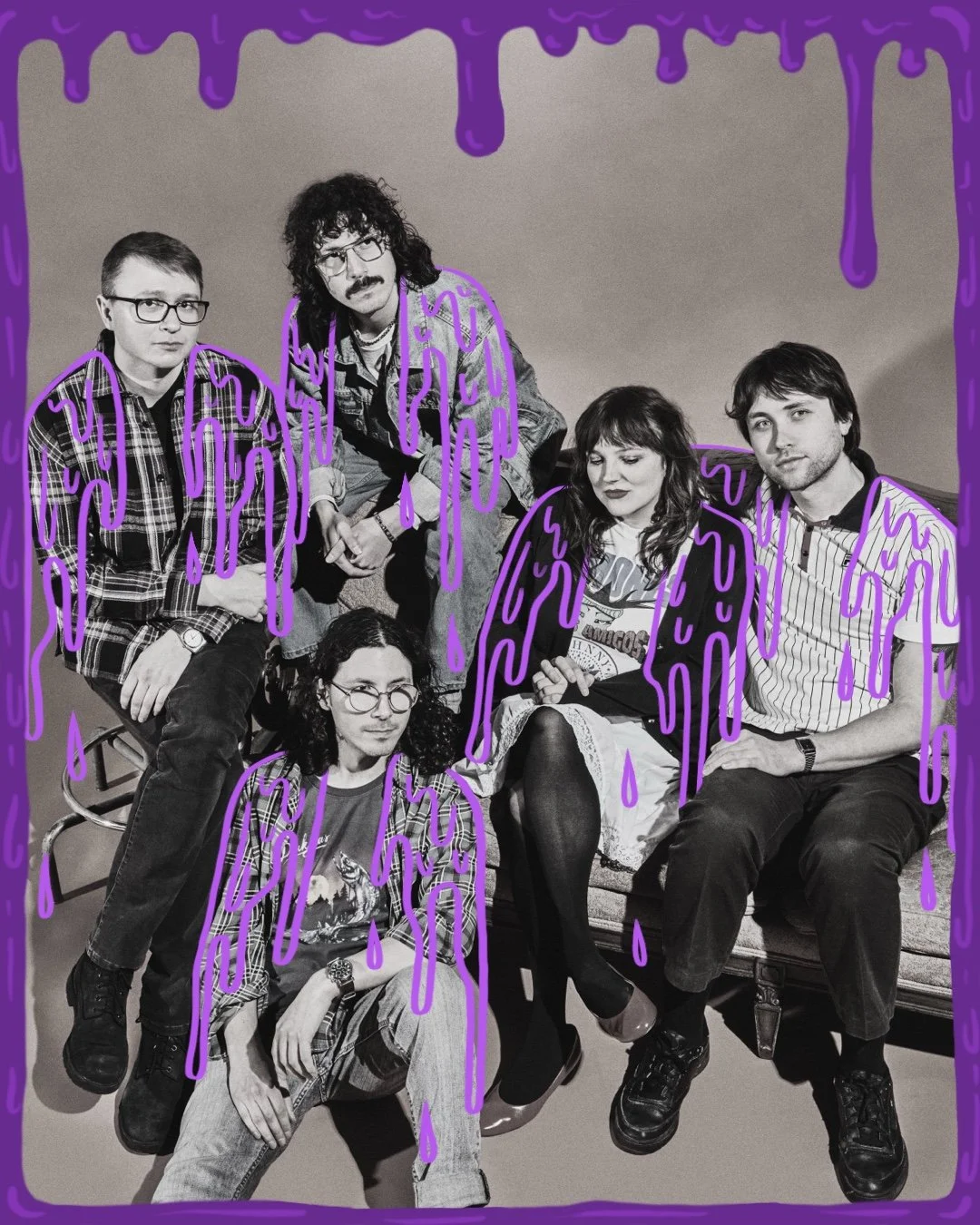
Photo by Alex SK Brown
When Northampton-based composer and producer Dan Langa set out to create a live version of his COVID-era concert After Nothing Comes, enlisting a number of collaborators to re-interpret and re-record the work in a live setting, he had very little idea what would ultimately come of it. Fugue State and its first full release— a collage-oriented, experimental version of the original chamber composition— came about unintentionally, as a gradual crystallization of Langa’s artistic intentions as he worked on the project.
In its final form, though, Fugue State’s After Nothing Comes is uniquely fleeting— a haunting masterpiece etched upon the shimmering surfaces of Langa’s original work.
Langa’s musical journey began very early on in his childhood as he was slowly exposed to his parents’ own esoteric tastes. His father had a strong passion for jazz, and he would consistently play John Coltrane’s My Favorite Things and various other records around the house. But what truly affected Langa’s creative consciousness was his parents’ constant willingness to bring him along to events at the nearby university. From the time he was small, Langa would routinely attend avant-garde dance performances or jazz ensembles with his parents. It’s not something many children would have enjoyed, but Langa displayed a distinct fascination with these experimentations from an early age.
As he got older, therefore, joining his school’s jazz band felt like the logical progression of the creative formations of his youth. He always felt passionately about the emotions and the colors that jazz was able to evoke in his mind, and the required improvisation and knowledge of musical theory instantly appealed to him.
While Langa was falling more deeply in love with jazz, however, electronic music also entered the picture. His friends would send him tracks and various artists to check out, and as Langa became more immersed in that world, he was amazed by the pure range of what those artists, especially those cropping up from the nearby Detroit scene, were capable of achieving in the electronic sphere.
“It was definitely the sound possibilities, the timbres and the colours, that [appealed to me]. Just hearing completely new things that I couldn't comprehend how they were being made at that time, or just were completely different. I feel like I definitely tie the colours and timbres to emotions pretty heavily. So, I was feeling things very differently from what [I was listening to before].”
Although Langa entered college with the intention of studying physics or computer science, his interest in music continued to grow deeper. He found himself taking composition classes instead of his normal courseload, and over time, he came to the decision to change his course of study.
As his studies advanced, he began scoring films, working in the intersection between his compositional background and his newfound interests in electronic production. It was there that Langa first gained a true interest in electroacoustics and its implications for performance art, which led to his first recorded pursuits as an artist.
After etching out a series of compositions both during and after his time in school, including solo pieces such as Refraction and Humor Me, Please and chamber works such as The Passion of Joan of Arc, these efforts culminated in his largest and most ambitious piece yet— After Nothing Comes, a musical interpretation of Aidan Koch’s 2016 novel of the same name. It was originally meant to be a piece performed live by an ensemble, but the Pandemic thwarted those plans. The original version of After Nothing Comes was performed entirely in isolation by its collection of musicians and broadcast online.
Therefore, when the restrictions of the Pandemic were lifted, Langa set out to record the project according to his original intention. He asked William Brittelle, a co-founder of New Amsterdam Records and a composer in his own right, to join the project as a producer, and he enlisted many of his colleagues and collaborators to contribute their own parts to the re-recording. Yet as these musicians came into the studio, and Langa continued to encourage them to improvise on the themes of the original composition, he began to envision something else entirely.
“It was clear early on that it was going to involve a lot of other people's talent and voices… Even after the first session that we had, it was clear this was going to be something that was more of a collective approach… It kind of ended up being a lot of different performers’ and improvisers’ interpretations of this material that I had originally started with. In some cases we weren't even looking at the music notes. It was more like we had conversations in the studio together about what the book is about, and about the experience with the project in general, and then those things were interpreted in improvisational ways.”
As the project developed, and the roster of contributors grew increasingly larger, After Nothing Comes (in its ‘Fugue State’ form) moved further and further away from its original intention. But as Langa began to arrange these contributions together, he saw something wholly different forming— a multitudinous series of expressions that expanded upon his original interpretation of the novel’s themes.
In the end, As Nothing Comes took on a new life, one that is less representative of a linear narrative and more, as Langa puts it, of a series of isolated impressions. It is a testament to the collaborative spirit and overall emotional force behind Langa’s work, and it is an homage to the impressions and deep, passionate involvement in music that spurred Langa’s interest all those years ago.
“I can point to these different moments of working with individuals in the studio where it does feel like [it’s] suspended in time… It kind of feels like walking through, not necessarily a museum, but sort of walking through different rooms of this preserved space rather than walking through a timeline of events. It's disconnected spaces, but there is some sort of through line.”