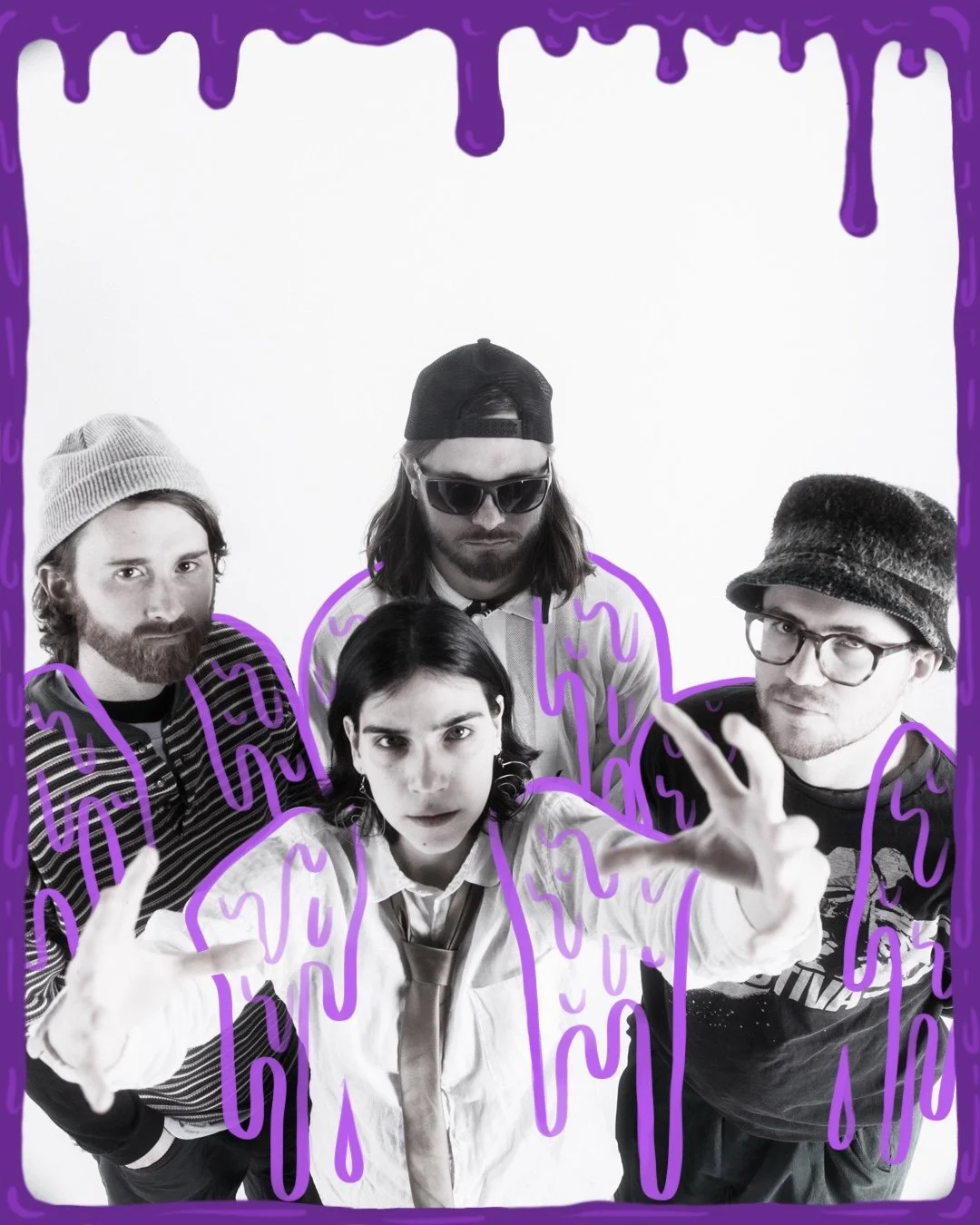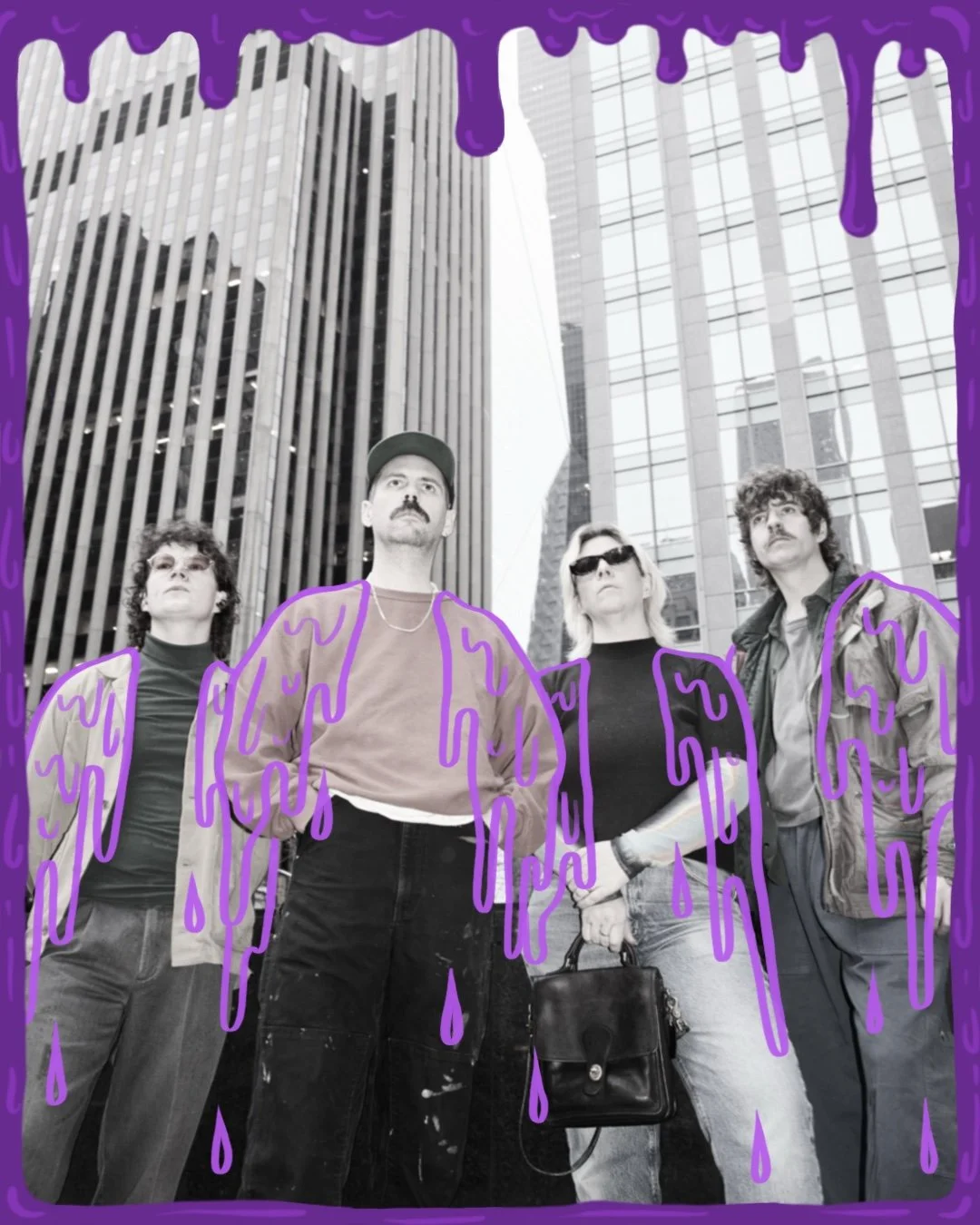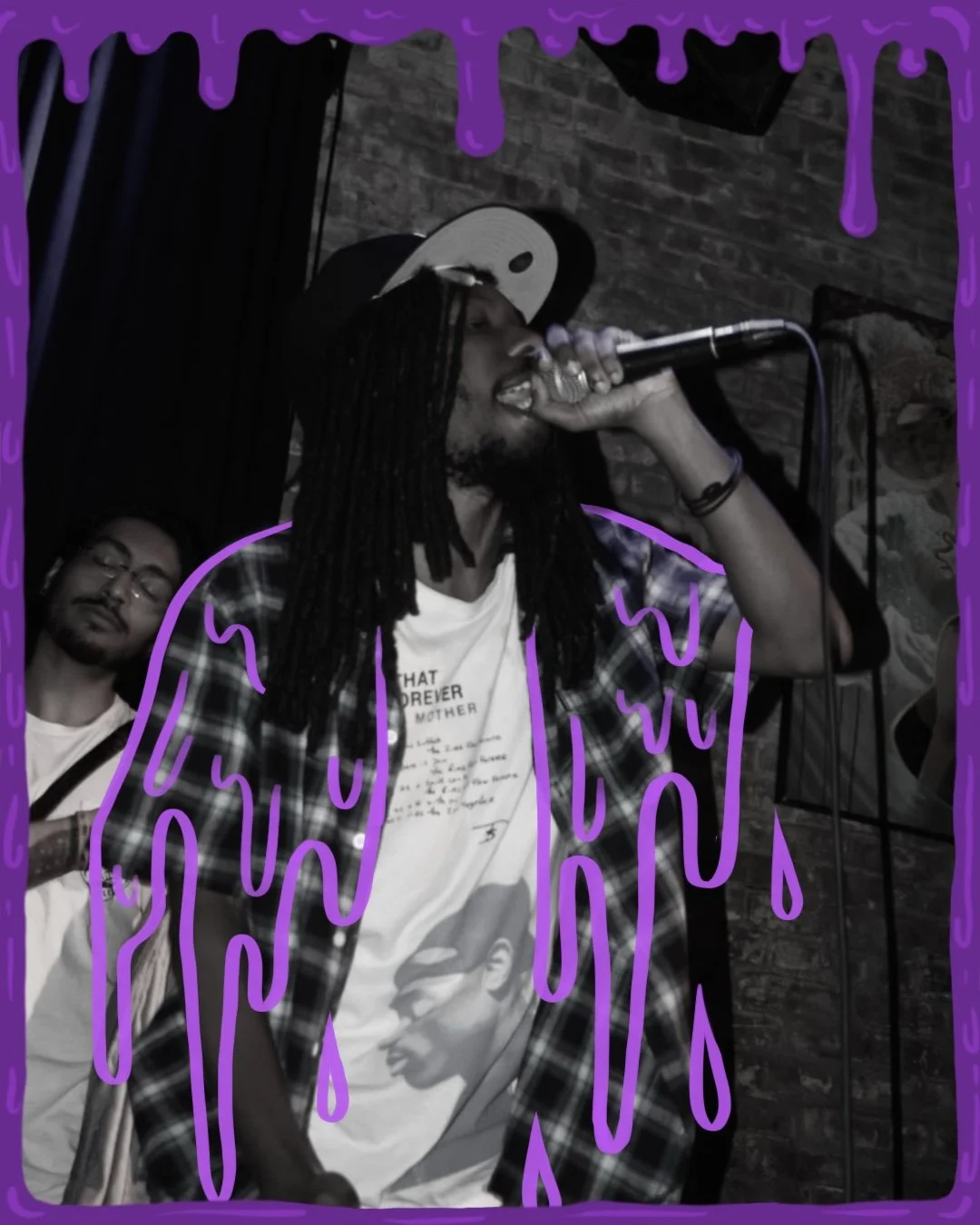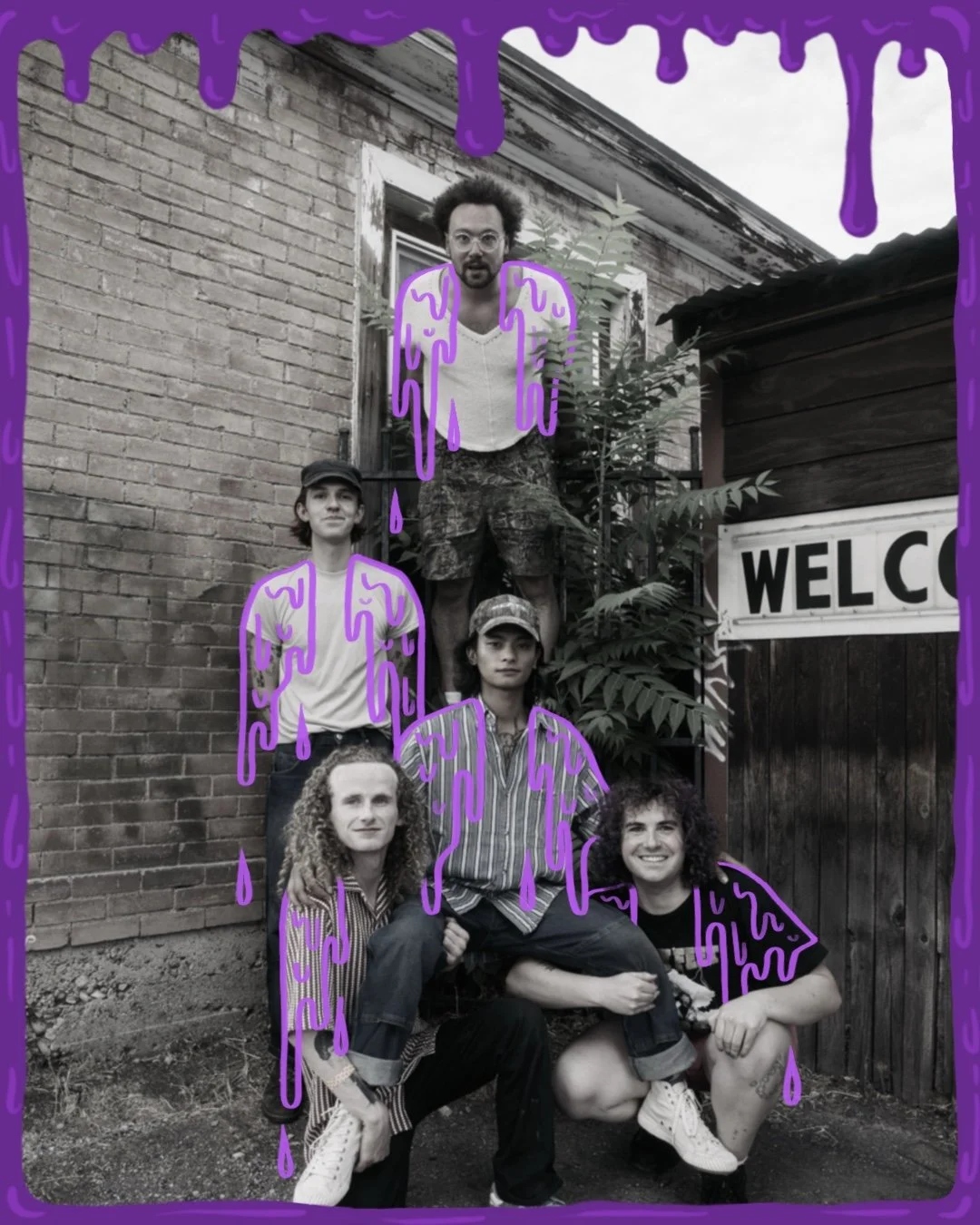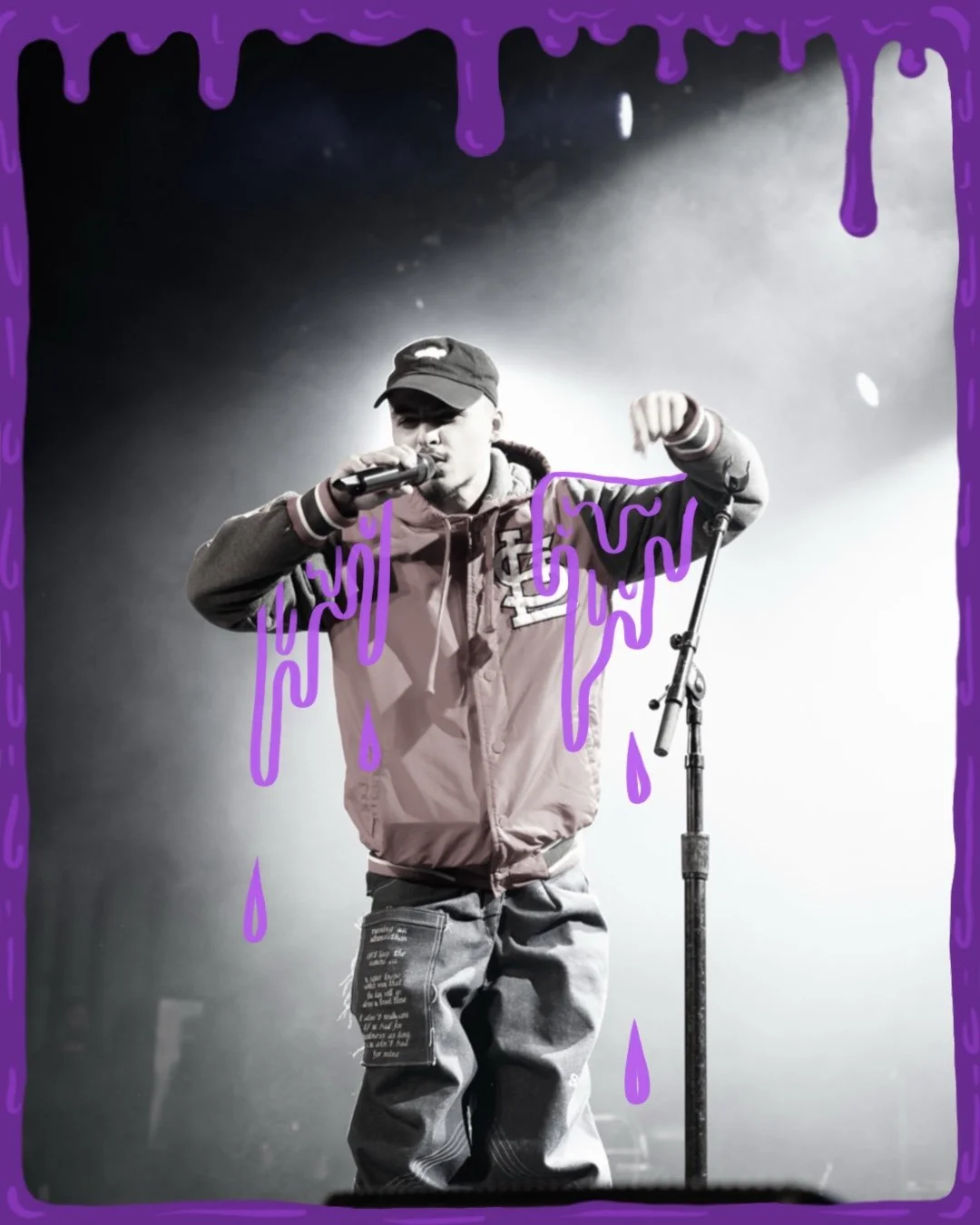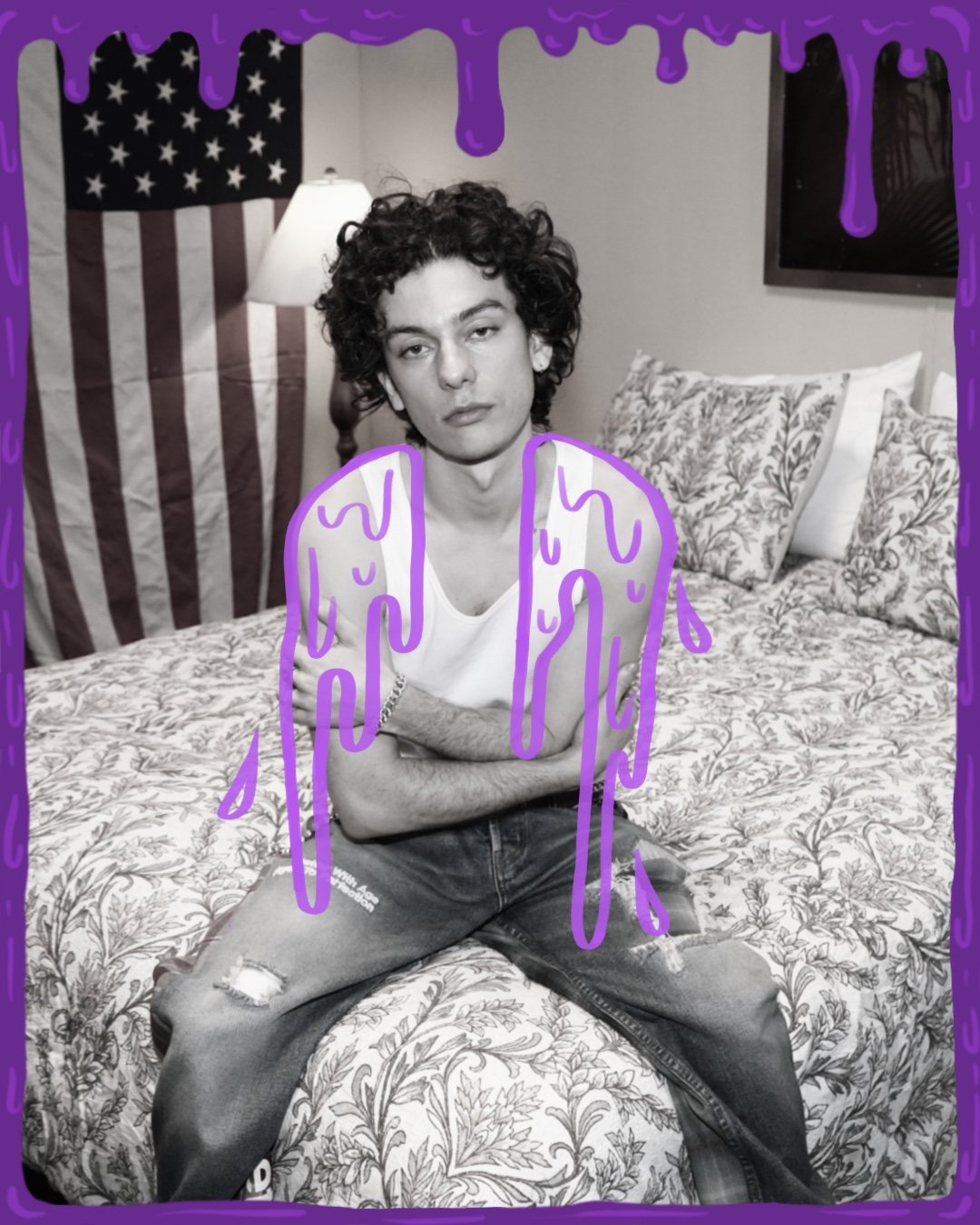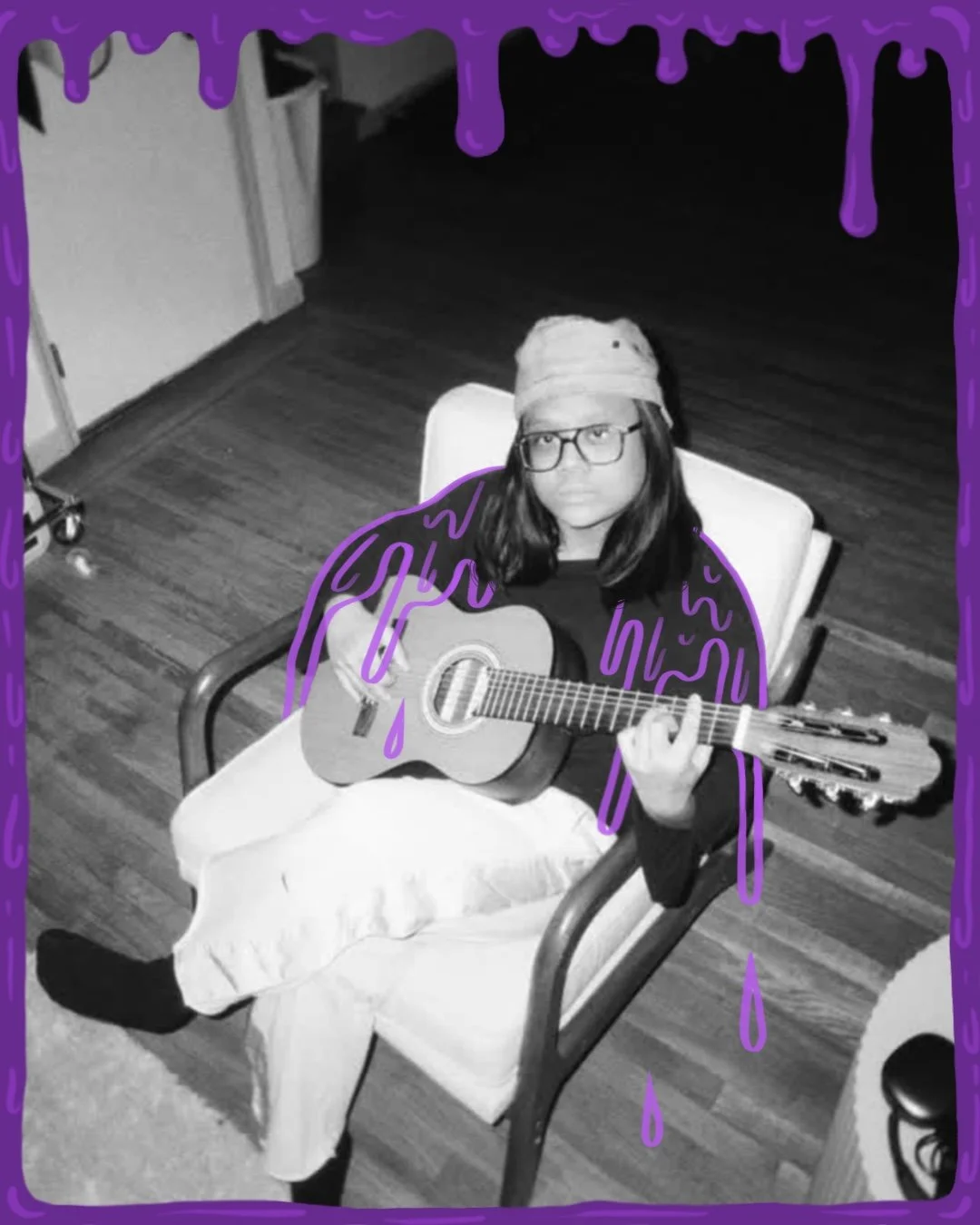
FARO, a rapper native to Gainesville, Florida, incorporates a plethora of sounds and genre-influences into his rhyme-driven tracks, constructing a series of memorable sonic moments in the process.
His journey began as a young boy in the early days of hip-hop’s presence on the internet, as he combed the various websites, such as Limewire and Jamglue, that provided avenues for music from home.
Once he arrived at college, he found a group of friends that freestyled prolifically, and he quickly discovered he had a knack for the art form and social activity. By the end of his first year in college, he could routinely freestyle for five to ten minutes and, by the time he ultimately returned to Gainesville, had a solid sense of his capabilities as a rapper.
He linked up with a friend that had a studio set-up in a shed in his backyard and, from there, slowly carved out his diverse style.
From his first project on streaming, FOR ALL RANDOM OCCASIONS., which operates primarily in the realm of trap beats and hard-hitting rhyme schemes, to his two projects with the enigmatic producer Eagle Syndrome, FARO has undeniably already shown off his raw and versatile talent as a rapper.
He aims for every project he creates to have a wide variety of sounds so that each and every listener finds something that is appealing to them.
“I might come back to this and laugh later, but I don't think I have an album that is completely focused. I think, no matter what, if you're ever going to listen to one of my projects, you're going to get a lot of different flavors and sounds; you're going to get a lot of different experiences. [For my first album] I want whoever listens to this album for the first time to find at least one song that they really really like.”
Yet, this aim manifests itself in different ways across his discography.
His collaborations with Eagle Syndrome, DRAGONFRUIT and 2DAY, reflect the duo’s shared love of electronic music, and their infusion of these sounds on these projects elevates FARO’s raps to a punchy, subliminal height that suits his flow perfectly.
Both projects pursue a concept from Chinese Folklore, symbolizing the dragon fruit as the ultimate prize of a warrior who defeats a fire-breathing dragon. In FARO’s case, DRAGONFRUIT represents a piece of art that emerged from a tumultuous time in his life; the project was the reward he sustained through his own battles.
Further, 2DAY and his upcoming project, 2MORREAUX, take on a concept of temporality in addition to the original dragon fruit concept.
“The concept with 2DAY was living in the moment…The only thing that is real in existence is the sh*t that's happening right now. So I wanted to make very right now music, very in your face music; punchy, fast, high-paced, tongue in cheek, just get-after-it type of music. 2MORReaux is going to be more contemplative. It's going to be around the concept of the anxieties around tomorrow; the idea that tomorrow is kind of scary to a lot of people.”
2MORREAUX will also be produced by Eagle Syndrome, and, as such, will surely command the same arsenal of sounds that their first two projects make such beautiful use of.
As FARO, who was recently featured on Ghais Guevara’s critically acclaimed new album (Goyard Ibn Said), looks to continue to amp up his creative versatility, it is certain that he will be a force to be reckoned with.
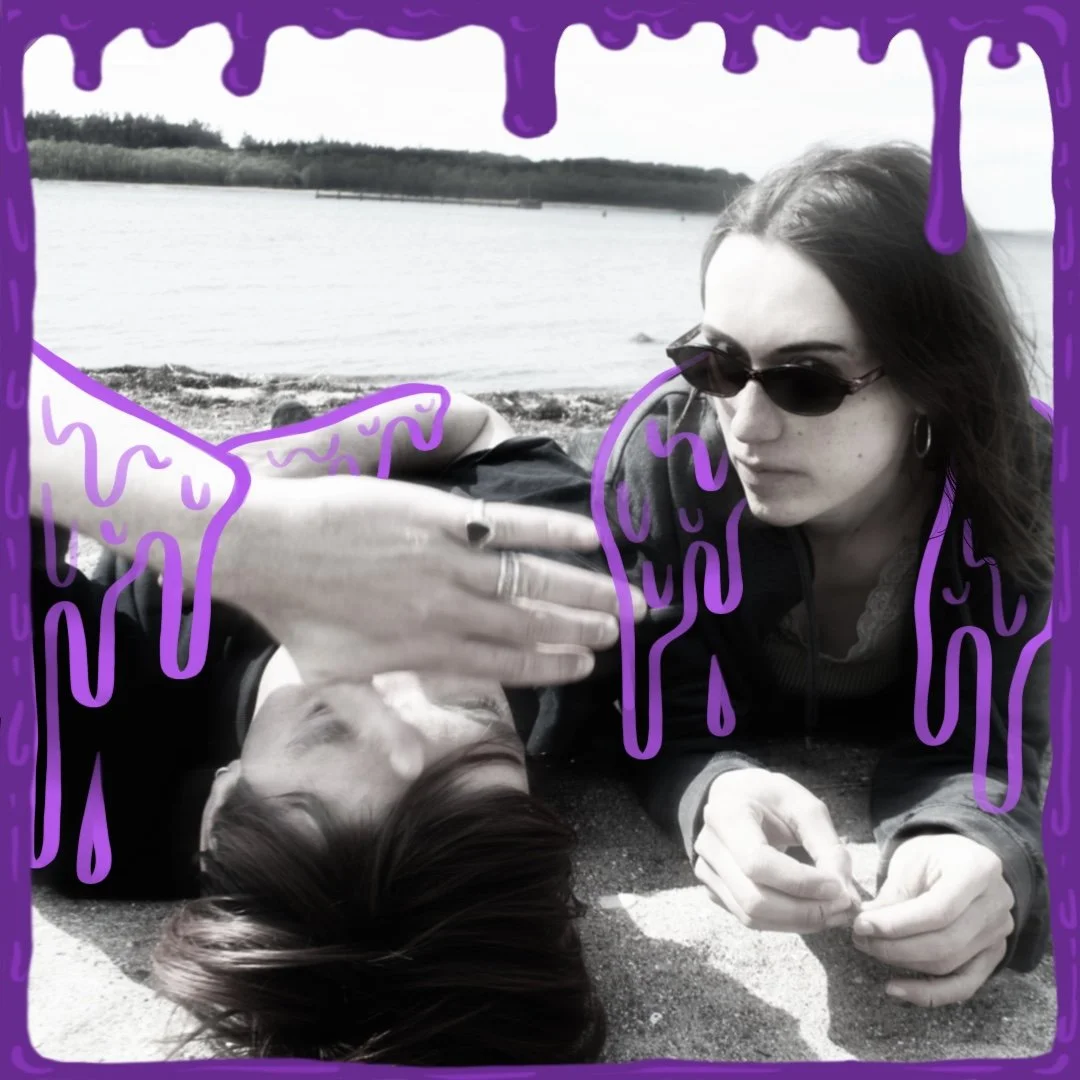
From the time that Danish “cross-pop” duo miaw, composed of Liza Dries and Frederik Fog, first united during their time in Cologne, Germany, the pair knew that there could be a creative spark between them. When they got in the studio together, that manifested itself almost, if not quite, immediately—in the form of an ethereal and jumping sound that combined the motifs of breakbeat, deconstructed club, and other electronic and indie genres.
For Nara Avakian, the titular member of trip-hop/indietronica outfit Nara’s Room, the creative act was largely always something very personal and private. Guitar and the art of songwriting, through high school and college, served as a sort of safe haven for Avakian: a place where they could retreat and flesh out their own inner turmoil without any set of external expectations bearing down on them.
The start of Telehealth’s journey into the Seattle post-punk scene was marked by a sense of disaster—lead songwriter Alexander Attitude felt the world coming to an end with the COVID-19 Pandemic, and in response, he returned to his punk-laden songwriting origins in the quiet of his bedroom.
For Yonkers-raised rapper Jay Cinema, the creative act has never been centered around a certain model of sound or intention—it’s always been a desire for self-expression and for the thrill that creation brings him, and hip-hop, in some ways, was simply the most obvious and the most comfortable avenue through which to pursue that. But after over eight years and 12 full-length projects engrossed in the art form, it’s the continuous growth, and a deepened understanding of his modes of expression, that have come to define his sound.
Portland rock outfit Jonny’s Day Out has been interweaving ambient, experimental passages with a straightforward indie ethos since their official re-formation in 2021, but when they sat down to work on their debut record, JDO, it was their decision to embrace the latter part of their sonic roots that came to define the band and their pursuits. Although the foundations of the group go back to Avery Haines’ and Blu Midyett’s childhood jams and busking endeavours, it was this recent shift in focus that truly cemented the band’s intentions— and the pure clarity and focus of the record is ample evidence of that fact.
Cooper Kenward has been writing songs, spread across various genres and modes of expression, since he was just a pre-teen in his bedroom messing around with his friends. The start of his solo endeavour, culminating most recently in the release of his fourth studio album Call Me the Knife, has served as more than simply a creative outlet over the past few years—it’s represented a return to the sort of expression, and the centrality of voice, that makes Kenward such an endearing storyteller.
While Ultra Lights may come across, at first glance, as a relatively young indie-rock effort out of Atlanta, it’s actually founded on a much deeper and much lengthier relationship to the genre and to the local scene. For John Robinson, the band’s founder, it represents the culmination of decades of experience as a songwriter—a personal passion project that has allowed him to explore a more self-focused side of his creative pursuits.
Menzies took its official form as the alternatingly blistering and eerily tranquil alt-country, post-punk efforts of Wellington-based songwriter Chris Brown with the release of the group’s debut album Holding My Cold Hand, Even Though Yours Is Warm in May. But it’s the ethos behind the record—one of stark intention and an utter disregard for expectation or unnecessary complications—that, beyond the genre descriptions, shines through every twist and turn on the record, stemming directly from Brown’s unflinchingly pure and direct approach to his own creative activity.
Toronto-based rapper and producer Gritfall has had a concrete idea of who he wanted to be artistically since he was stuck at home in middle school, bumping Odd Future on his iPod. But over the course of 17 full-length products and years of churning out of instrumentals, he’s honed his voice and his style in a way that, above all else, exudes a sharply defined focus and intention. Fall Classic, which Gritfall considers as his true debut project, serves as ample evidence of that fact.
James Eichman made his name in the Nashville scene with his prowess and versatility as a supporting guitarist, spending the last few years playing seemingly endless gigs for bands around the city. But as he continued to pursue his own songwriting ventures on the side, he steadily felt an itch to shift his focus in that direction— to face his own voice and his own modes of expression more fully. The fruits of those efforts came in his debut album St. Catherine Street, and in its spacious, tender musings, the project establishes Eichman as much more than just a skilled instrumentalist.
The pursuit of music, for Brooklyn-based songwriter May Rio, came initially by chance. After years of training as a painter and visual artist, she stumbled into a pawn shop in Rhode Island and, on a whim, came out with a guitar. But in those initial periods of learning the instrument, she discovered a feeling of freedom and lightness that had long since escaped her in her primary craft.
Almost none of Adult DVD’s members come from a distinctly synth or electronic-rooted background, but you wouldn’t be able to guess that in the slightest when you listen to their debut full-length record, Adult DVD. The energy and carefully bided absurdity are too intentionally wielded, too directly harnessed, to suspect otherwise.
Growing up in Los Angeles, Henry Morris always possessed a distinct feeling that some life-altering, earth-shaking event was waiting for him around the corner. But now that Morris has found his footing in the industry and carved out a niche for himself, he’s writing with a freedom and looseness of expression that starkly contrasts with his earlier work. While the life-changing moments came early, it’s the steady progression of his artistry that has cemented Morris as one of the rising stars of the indie scene.
When former college friends Chris Croarkin and Kevin Bendis first reconvened in New York to form Diary, there was an immediate sense that they wanted to pursue a guitar-driven pop sound— something they hadn’t fully gotten the opportunity to dive into through their ventures with other bands. Diary was born from that impulse.
For songwriter Brendan Wright, the Tiberius project— which began as a solo endeavour but has taken various shapes over the years as they’ve moved out of college and to the bustling DIY scene in Allston— has always been an exercise in vulnerability. Although their tracks don’t take on the same earnest confessionalism that was Wright’s hallmark during their earliest songwriting ventures, they have consistently bore a mark of undeniable honesty.
Since its earliest days, Swim Deep— the Birmingham-born indie pop group founded upon the teenage jams of vocalist Austin Williams and his host of friends— has operated on a sense of comradery: a collective sensibility and constant search to expand upon the foundations of the music of their youth. And now, through over a decade together as a band, five separate studio albums, and a stint with a major label, their newest release, Hum, represents a full recognition of the band’s current identity.
Artist Britney Santo, stage name $aint, listens to punk but loves High School Musical. She experiments with trap music and soul but identifies as a singer-songwriter. She has the voice of a jazz angel but cannot be tied down to one genre. She approaches life as a series of moments, but appreciates looking back in time.