Artist Profile: Sefu
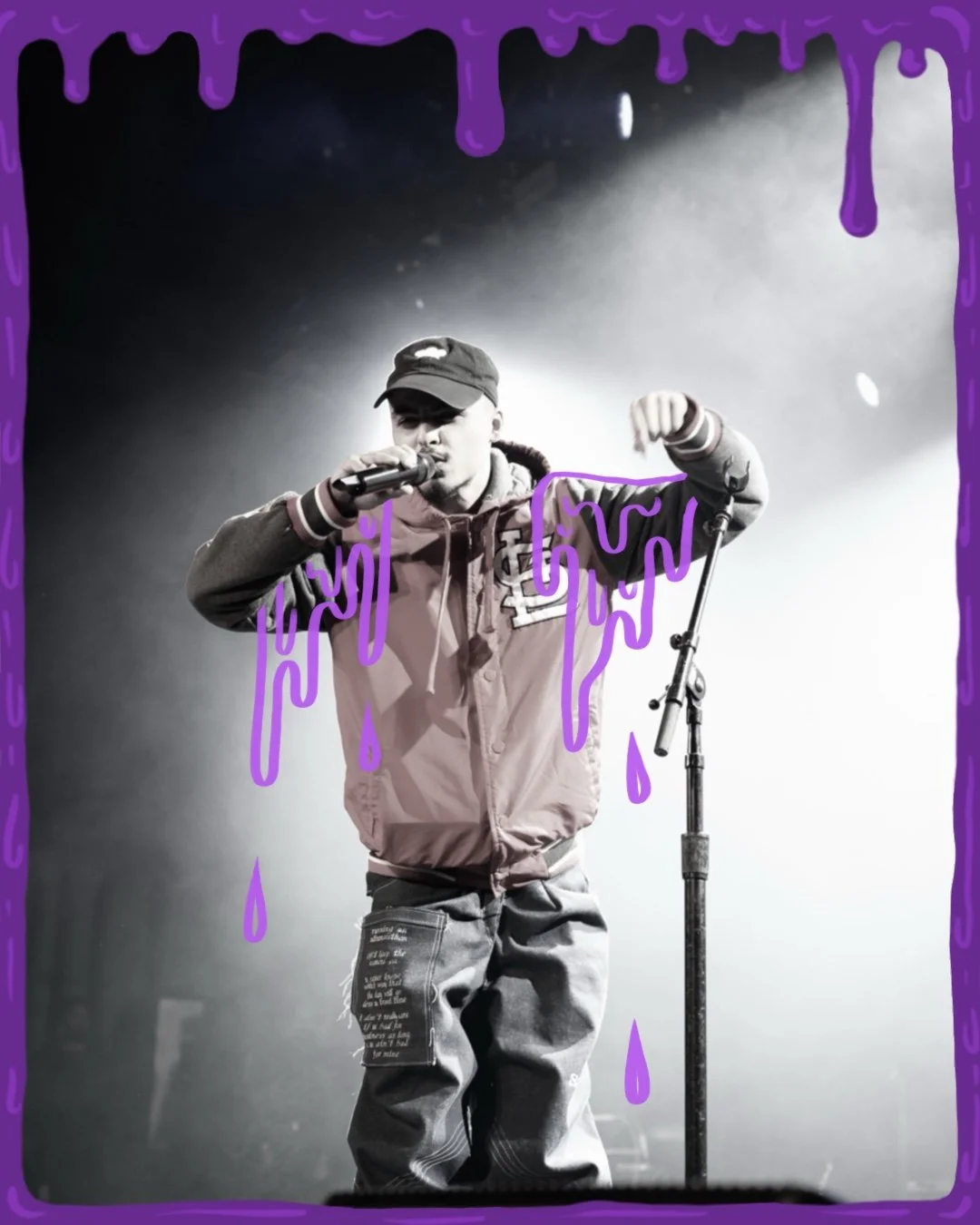
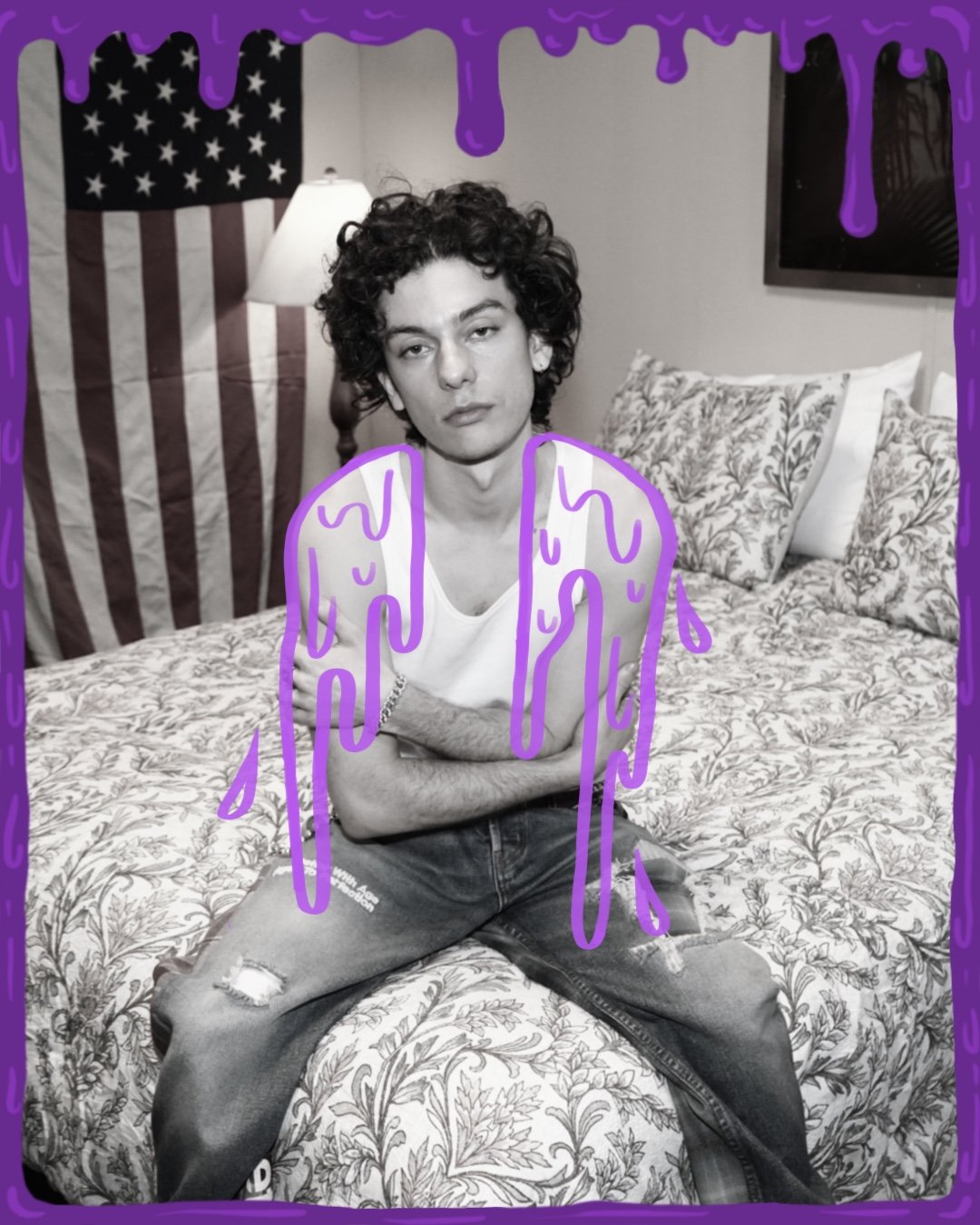
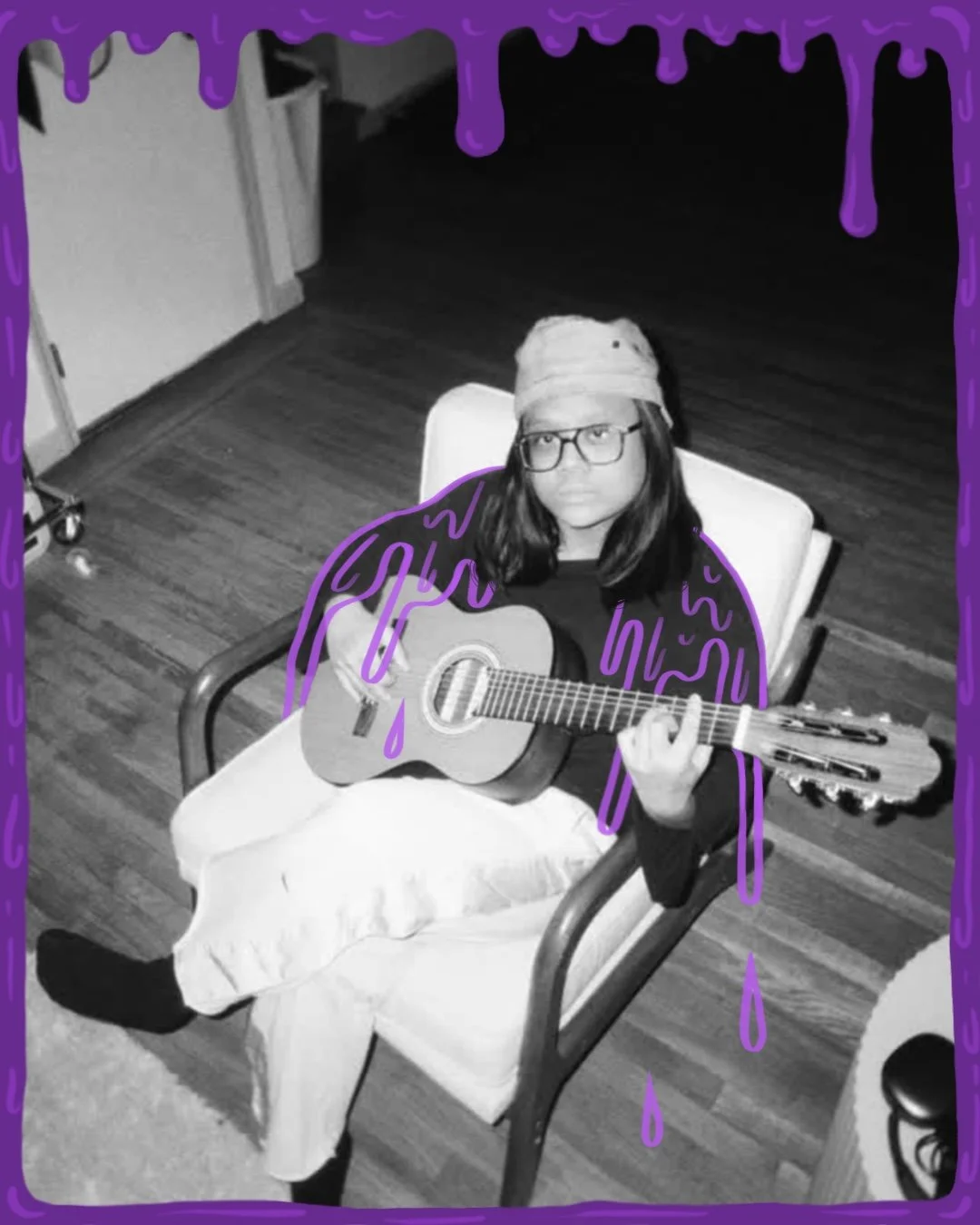
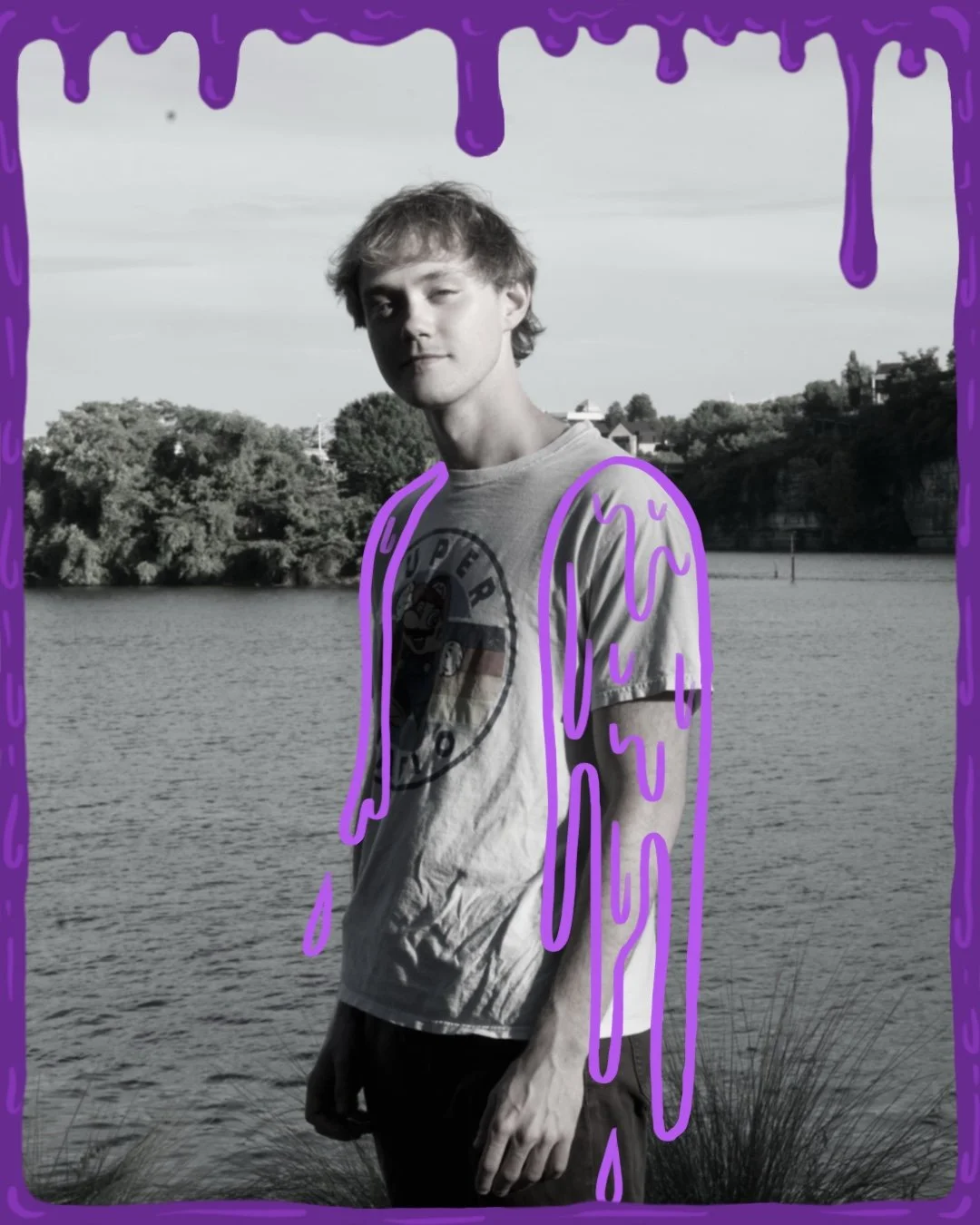
Sefu, a Houston-born rapper and producer, continues to develop in his craft with each successive project he releases, utilizing his ear for unique samples and ability to conjure lyrics from the depths of each instrumental.
However, as a child, he never truly thought he would be a rapper. He grew up listening to his parents’ music, including Stevie Wonder, Michael Jackson.When he did listen to rap, his explorations mostly centered around more abstract acts from the ‘90s and ‘00s, including MF DOOM, Sugar Hill Gang, LL Cool J, Kanye, J Dilla, and Lil Wayne.
As a highschooler, he was mostly focused on athletics. A basketball and track star, Sefu didn’t start considering rap as a fully viable pursuit until the Covid-19 pandemic forced him into a period of self-reflection and, ultimately, creative expression.
“I feel like when you grow up as a kid, that innate sense of knowing you're able to go somewhere: just confidence. You know, [people] just don't hone in on it, and whatever happens in life happens. Then they end up looking at somebody else who really sacrifices and dedicates themselves to it, and they see something so crazy that they could’ve seen in themselves.”
After choosing his artistic alias (Sefu means “sword” in Swahili), he released his first project, Abraham, using material he recorded near the end of his time in high school.
However, it was Stars Are Born in Pairs, his third release on streaming, that brought him both an audience and a full confidence in his output.
In addition to his introspective rhymes, most prominently featured on the project is Sefu’s ability to take samples, whether they are obscure or well-known, and transform them entirely.
He says that he writes his lyrics after chopping the sample, constructing the beat, and sitting with it for a while. As a result, his lyrics are obviously not only tailored to the foundational sample of the track but also directly tied to its emotions or timbre. While he does not methodically search for samples like some producers, he has a deep faith in his ability to pull from his vast musical knowledge when the moment arrives.
“The parts that I like about a song are always in my head. I feel like they're so concrete that when I hear something that's even a sort of a part of a thousand piece puzzle.… It's like the back of my hand, where if I know I really practice like how to express and get it out.. I feel like I always find the right songs or I always remember the right things at the right time, like a puzzle piece.”
His most recent project, Dark Night Soul, takes this practice even further, and, combined with the enhanced polishing and mixing he has learned to employ, the album serves as a display of his growth as an artist over the past four years.
He describes his output as a garden insofar as its diversity has allowed, over time, for it to bear fruit, and, as he continues to develop in his craft, it is certain that this garden will continue to bloom to the accompaniment of his unique sonic interplay.
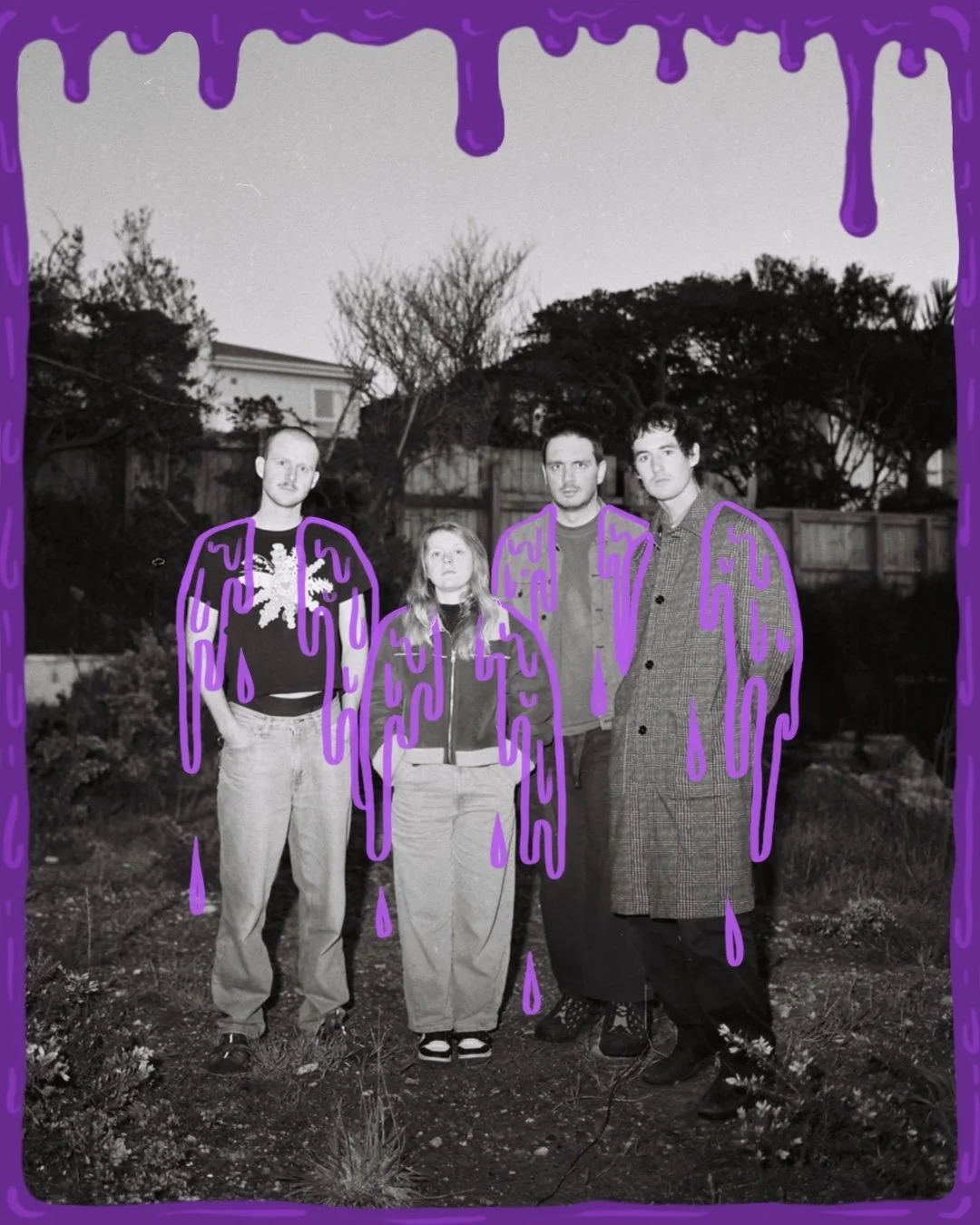
Menzies took its official form as the alternatingly blistering and eerily tranquil alt-country, post-punk efforts of Wellington-based songwriter Chris Brown with the release of the group’s debut album Holding My Cold Hand, Even Though Yours Is Warm in May. But it’s the ethos behind the record—one of stark intention and an utter disregard for expectation or unnecessary complications—that, beyond the genre descriptions, shines through every twist and turn on the record, stemming directly from Brown’s unflinchingly pure and direct approach to his own creative activity.
Toronto-based rapper and producer Gritfall has had a concrete idea of who he wanted to be artistically since he was stuck at home in middle school, bumping Odd Future on his iPod. But over the course of 17 full-length products and years of churning out of instrumentals, he’s honed his voice and his style in a way that, above all else, exudes a sharply defined focus and intention. Fall Classic, which Gritfall considers as his true debut project, serves as ample evidence of that fact.
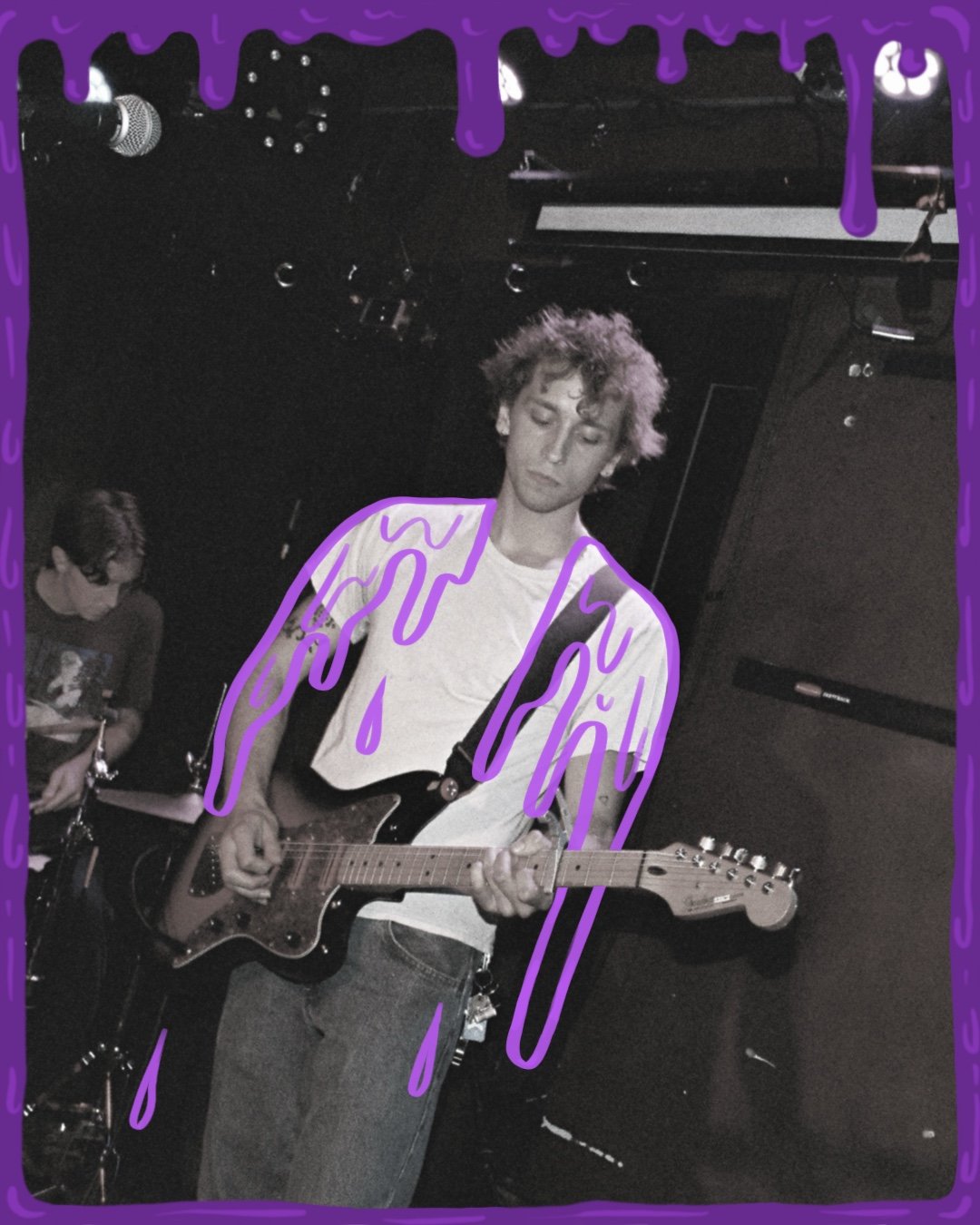
James Eichman made his name in the Nashville scene with his prowess and versatility as a supporting guitarist, spending the last few years playing seemingly endless gigs for bands around the city. But as he continued to pursue his own songwriting ventures on the side, he steadily felt an itch to shift his focus in that direction— to face his own voice and his own modes of expression more fully. The fruits of those efforts came in his debut album St. Catherine Street, and in its spacious, tender musings, the project establishes Eichman as much more than just a skilled instrumentalist.
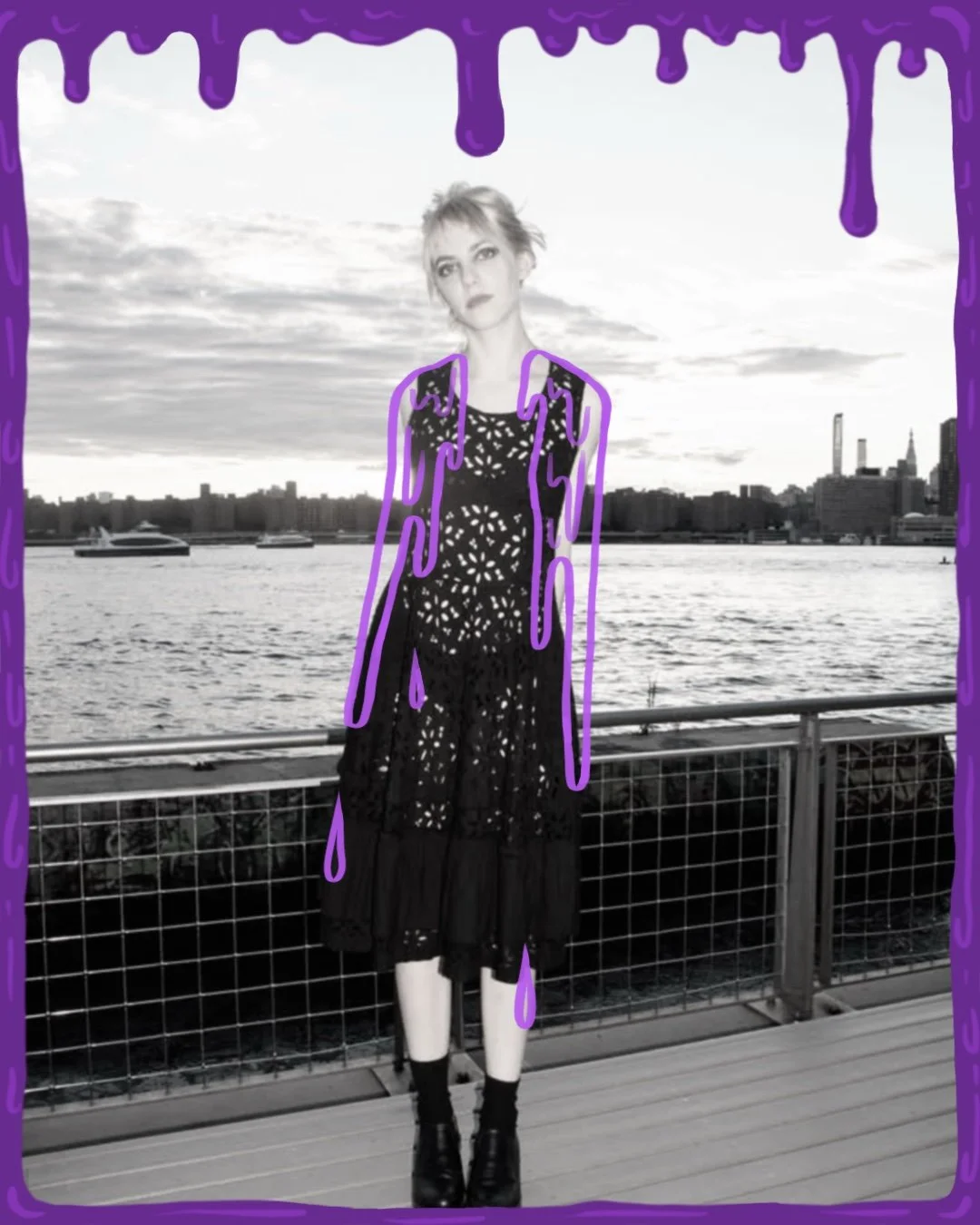
The pursuit of music, for Brooklyn-based songwriter May Rio, came initially by chance. After years of training as a painter and visual artist, she stumbled into a pawn shop in Rhode Island and, on a whim, came out with a guitar. But in those initial periods of learning the instrument, she discovered a feeling of freedom and lightness that had long since escaped her in her primary craft.
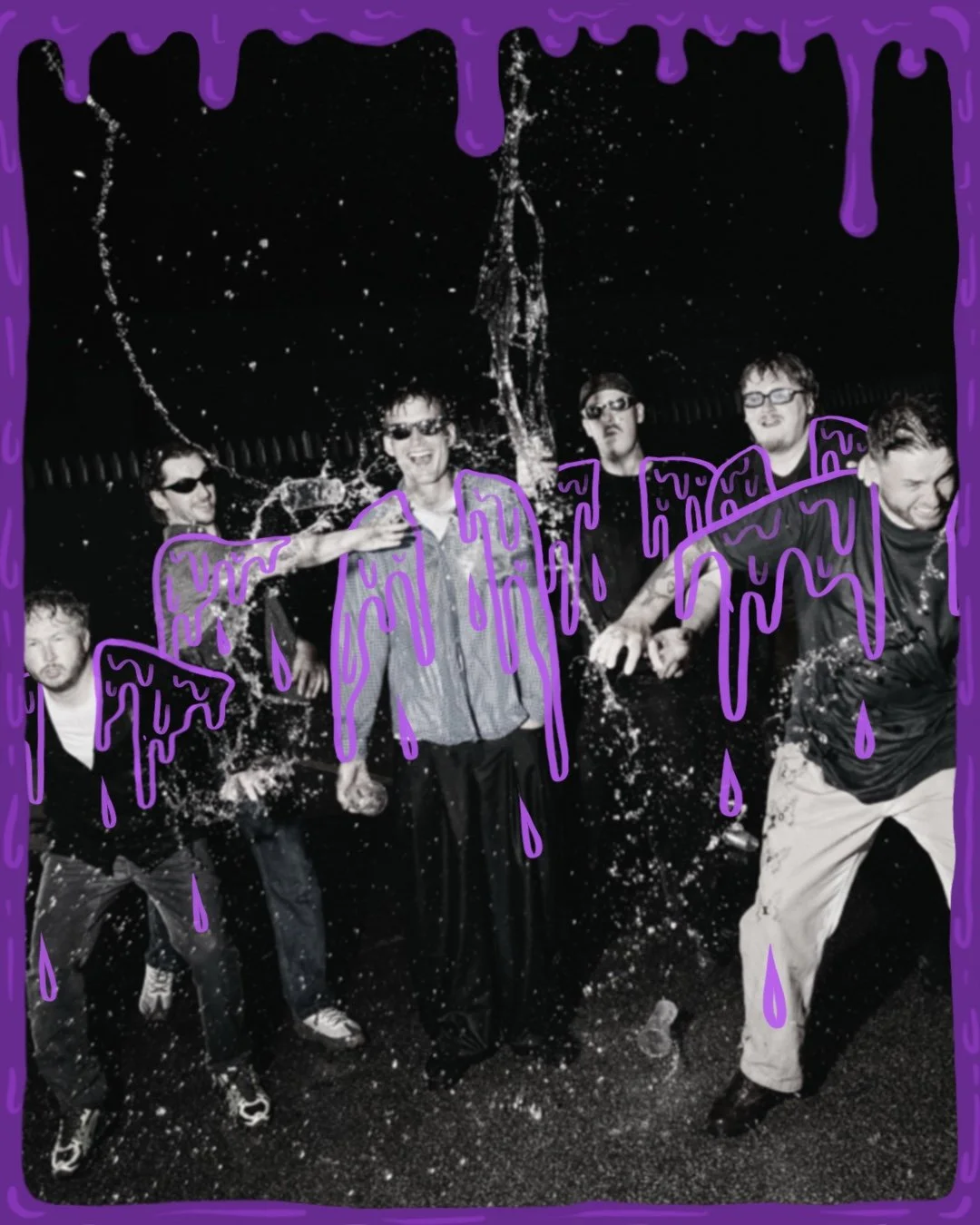
Almost none of Adult DVD’s members come from a distinctly synth or electronic-rooted background, but you wouldn’t be able to guess that in the slightest when you listen to their debut full-length record, Adult DVD. The energy and carefully bided absurdity are too intentionally wielded, too directly harnessed, to suspect otherwise.
Growing up in Los Angeles, Henry Morris always possessed a distinct feeling that some life-altering, earth-shaking event was waiting for him around the corner. But now that Morris has found his footing in the industry and carved out a niche for himself, he’s writing with a freedom and looseness of expression that starkly contrasts with his earlier work. While the life-changing moments came early, it’s the steady progression of his artistry that has cemented Morris as one of the rising stars of the indie scene.
When former college friends Chris Croarkin and Kevin Bendis first reconvened in New York to form Diary, there was an immediate sense that they wanted to pursue a guitar-driven pop sound— something they hadn’t fully gotten the opportunity to dive into through their ventures with other bands. Diary was born from that impulse.
For songwriter Brendan Wright, the Tiberius project— which began as a solo endeavour but has taken various shapes over the years as they’ve moved out of college and to the bustling DIY scene in Allston— has always been an exercise in vulnerability. Although their tracks don’t take on the same earnest confessionalism that was Wright’s hallmark during their earliest songwriting ventures, they have consistently bore a mark of undeniable honesty.
Since its earliest days, Swim Deep— the Birmingham-born indie pop group founded upon the teenage jams of vocalist Austin Williams and his host of friends— has operated on a sense of comradery: a collective sensibility and constant search to expand upon the foundations of the music of their youth. And now, through over a decade together as a band, five separate studio albums, and a stint with a major label, their newest release, Hum, represents a full recognition of the band’s current identity.
Artist Britney Santo, stage name $aint, listens to punk but loves High School Musical. She experiments with trap music and soul but identifies as a singer-songwriter. She has the voice of a jazz angel but cannot be tied down to one genre. She approaches life as a series of moments, but appreciates looking back in time.
Wadaness, the expansive songwriting project of Nashville-based musician Ryan Loftis, has now amassed an expansive and ever-growing discography, ranging from the vaporwave and electronica of the act’s earliest days to the prog-tinged surf rock of recent records Lagoonica and Tiki 101. Now, with a trio of albums on the horizon and Loftis’ creative juices flowing more freely than ever, he’s settled upon a creative imprint— and a continuous artistic ethos— that have come to define his catalog.
When Nicolle Swims first moved back to Seattle with the intention of starting Black Ends, “gunk pop” was the indeterminate label they etched out in their mind that would guide the band’s sonic output. In reality, though, that term was primarily a way to idealize the nebulous blend of punk, DIY, and psych rock ethos that permeated Swims’ demos.
Human Barbie, the lo-fi, indie-pop project of songwriter and instrumentalist Christopher Hackman, may seem like just another project in his ever-growing catalogue. But from its 2020 debut Get A Life to its follow-up Paradise, the venture has represented a return to Hackman’s original artistic calling— to represent beauty in all its forms through a streamlined and intentional artistic process, refined through his wide array of music and artistic experiences.
Music didn’t fully arrive for AJ Tilyard, a founding member of Melbourne’s five-piece indie rock outfit The Velvet Club, until he was well into his teenage years. But when a connection to music fully landed in Tilyard’s life— through his exposure to bands like The Strokes and The Smiths— he dove into that newfound simplicity with full force. Their debut record, Are You Falling in Love?, serves, in many ways, as an ode to and a reminder of those influences that first carved out this creative passion in Tilyard’s mind.
Brighton-based outfit Glasshouse Red Spider Mite, in its public visage, offers an intriguing combination of alternative rock motifs— the thrumming guitar of slowcore, the subdued, emotive vocals of shoegaze, and the overall gothic atmosphere of emo dominate their sonic front. But behind the band is a group of three long-time friends whose musical connections date back to their days in primary school, and with each successive release, the band comes closer together in their unified creative vision.
Otlo, the artist moniker of Tennessee-based indie and vaporwave-influenced songwriter Preston Bearden, first began as simply a creative outlet— a way for Bearden to explore a sonic niche that he had fallen in love with as a teenager during his first real exposures to music. But as he continued to delve deeper into the world and the character he had created, he felt himself becoming more convicted of his creative aspirations, and his latest album, A Boy Can Dream, shows the vulnerability and the openness of sound that has accompanied that development.
Void Comp, the alternative electronic project of Edmonton-based songwriter David Julé, began simply as an exploratory pursuit— while Julé knew he wanted to make music, he didn’t know the exact path his voice could carve for him. But as he continued his sonic experimentations, and continued to etch out his distinct style as a songwriter, he struck upon something tantalizing: a synth-filled mixture buoyed by his prowess on the electric guitar and rounded off by his textural approach to his vocals. The result, as exemplified on his debut album Passerby, transcends even the experimental strictures of the genre that he occupies.
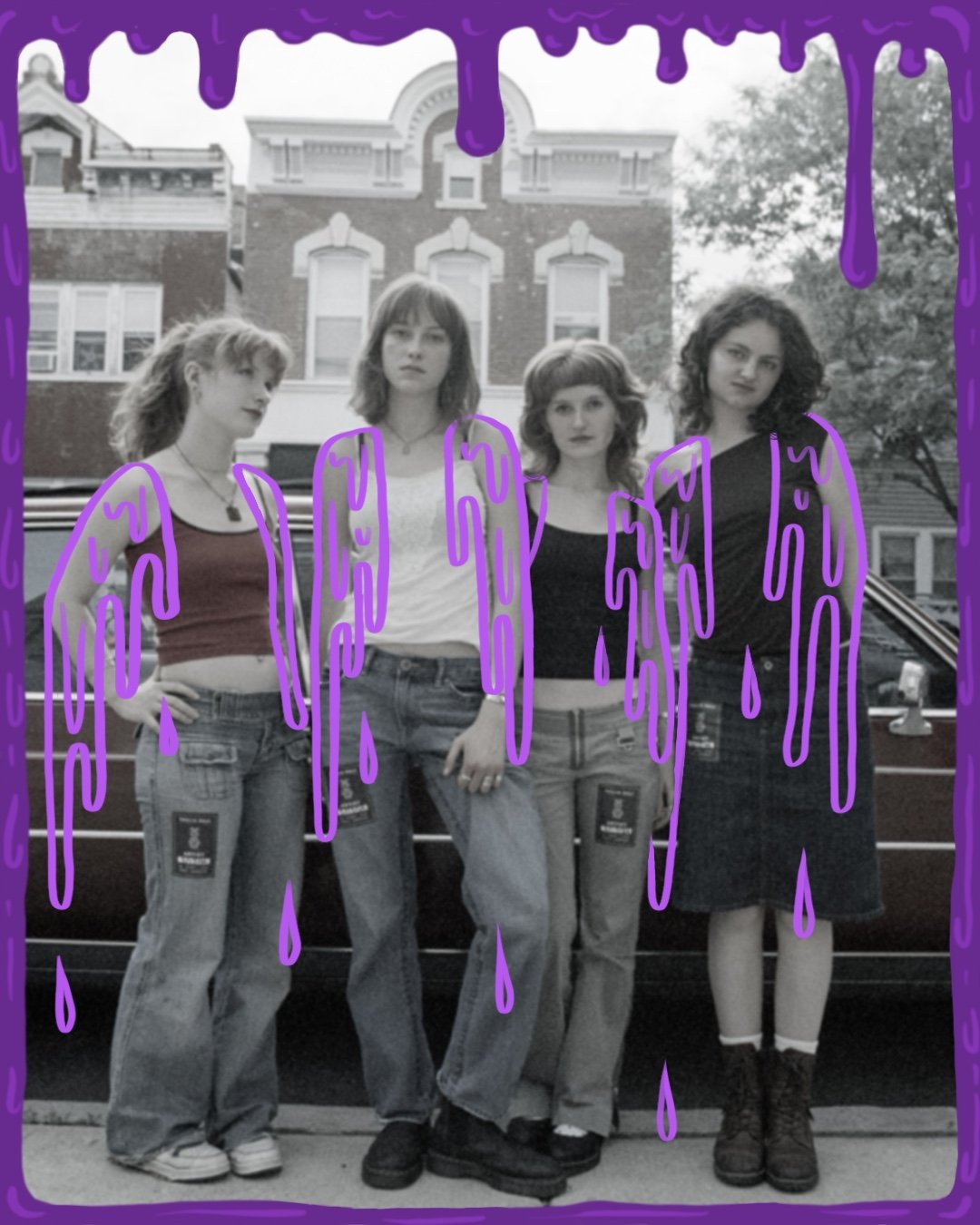
Neptune’s Core— the alternative rock band composed of sisters Kaitlin and Jackie Cywinski and Sofie and Hannah Richter— has been making waves since their first appearances on the local Chicago scene back in the late 2010s, when each member of the band was at some point in their journey through high school. But as time has gone on, their vision of what the band could be has become more and more ingrained in their collective creative identity, and as they prepare for the release of their debut album Pivot, each member is well aware of the weight this next step carries.