Artist Profile: Cistern
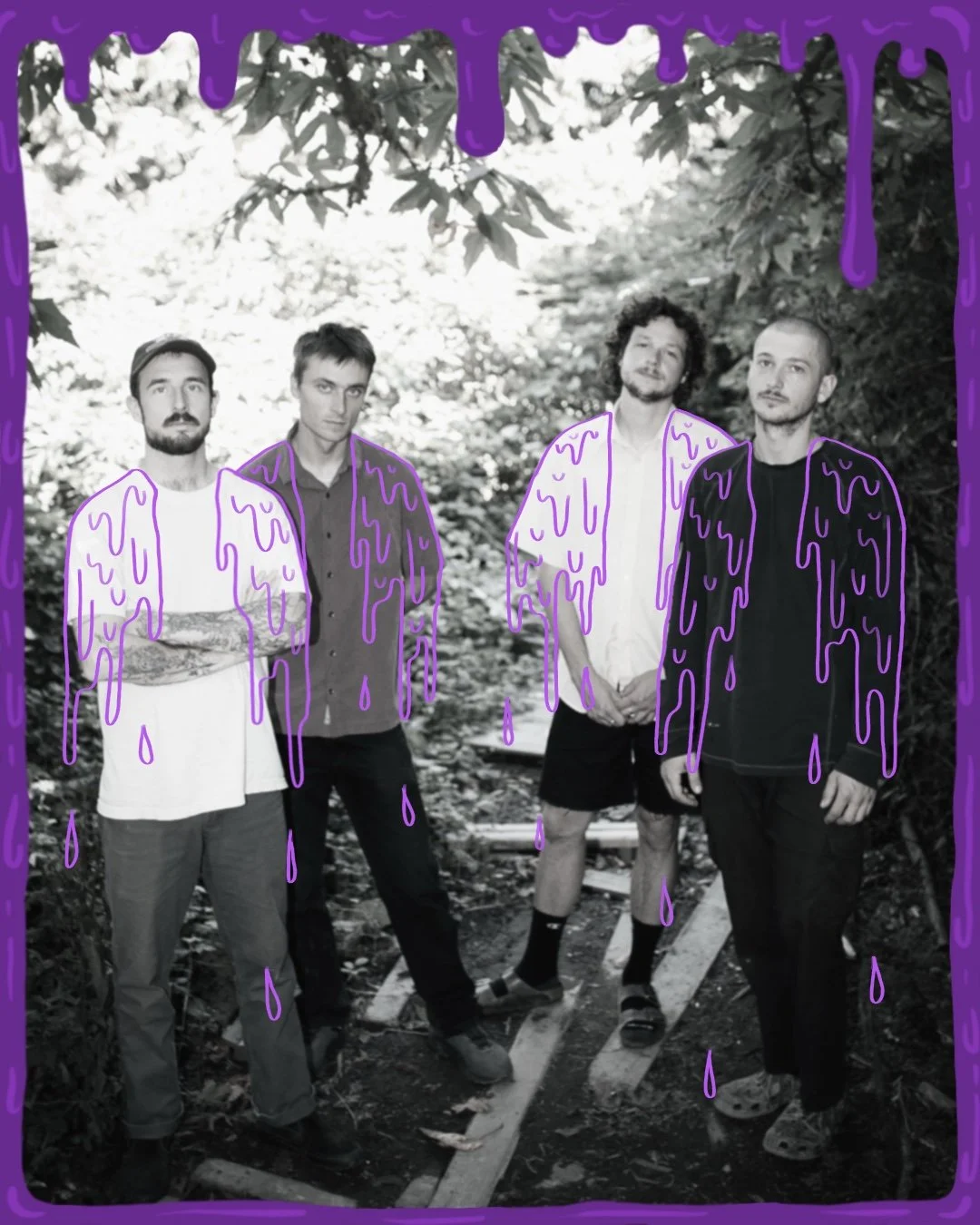
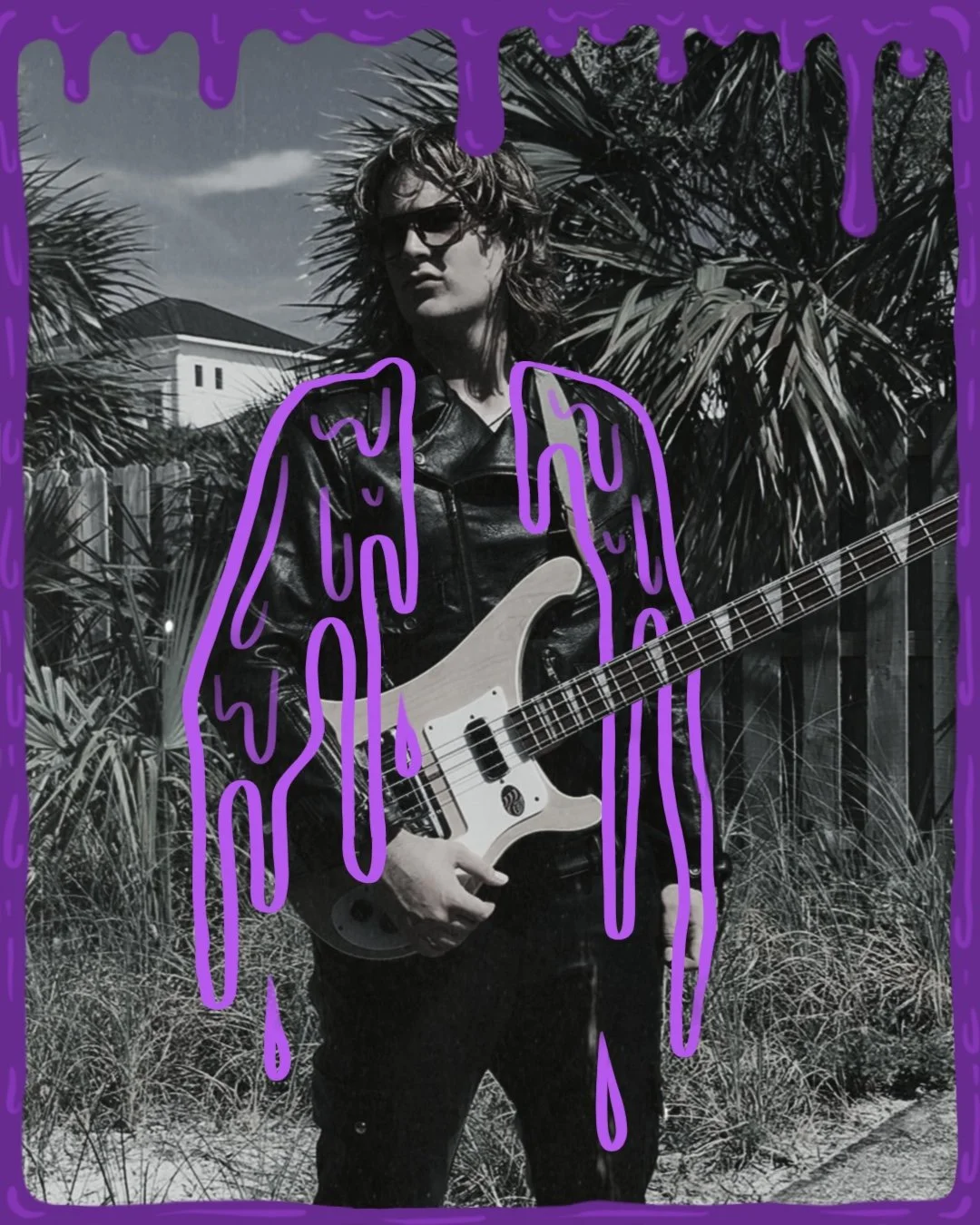
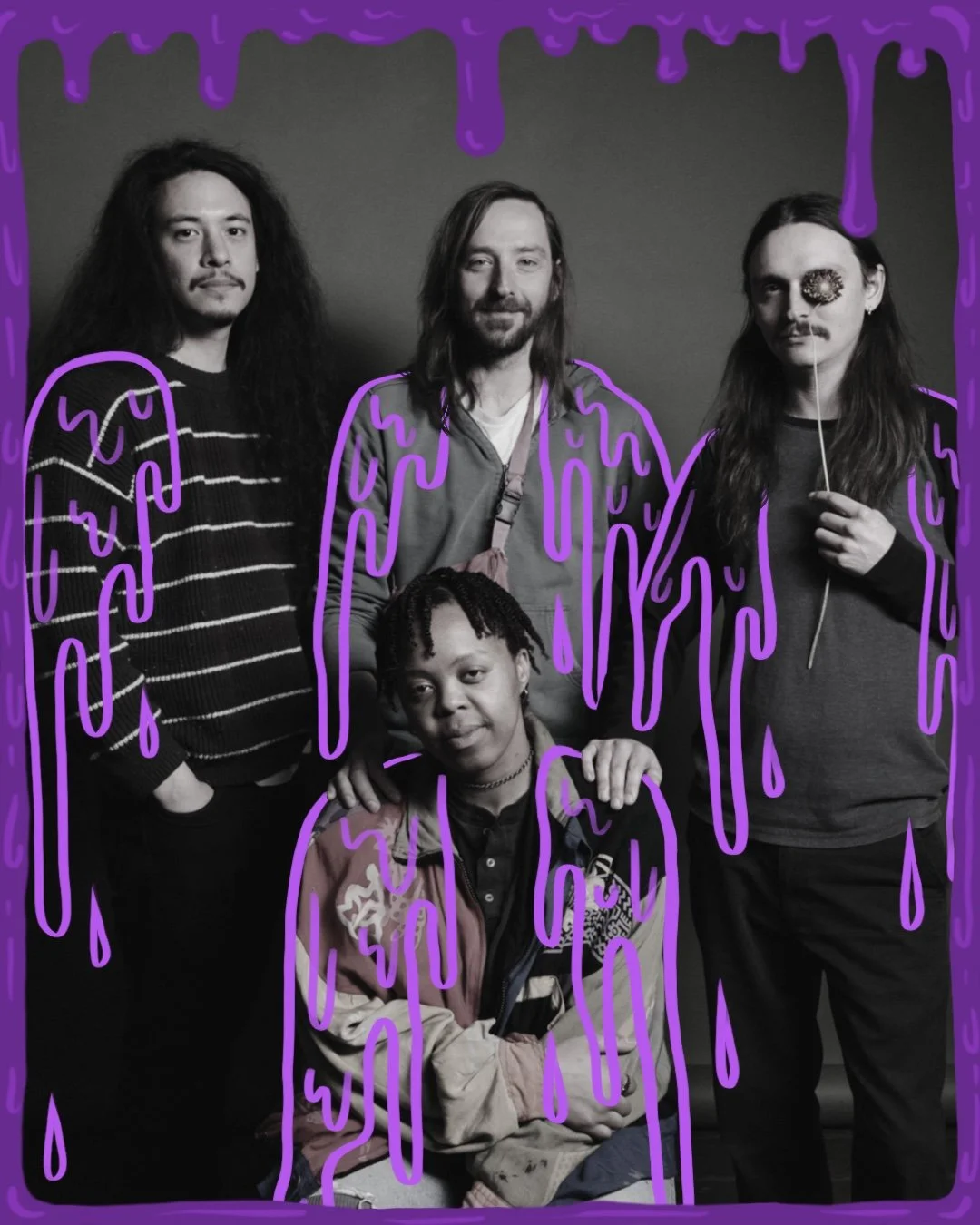
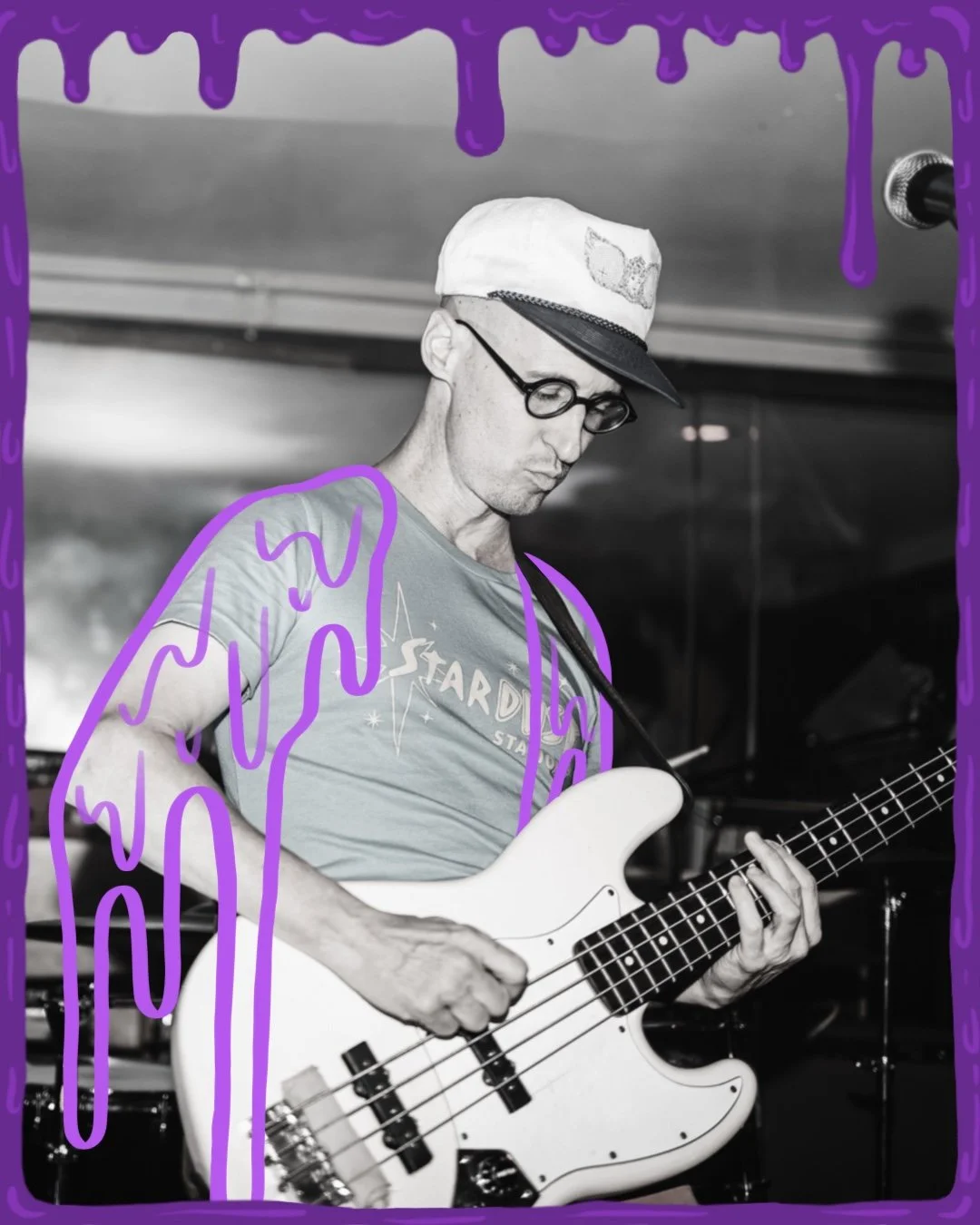
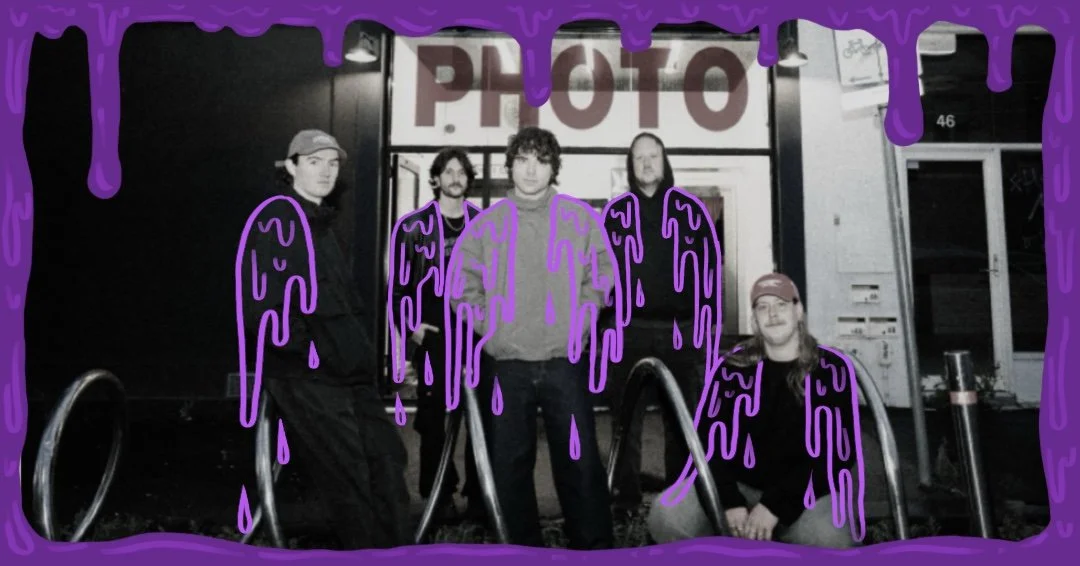
Photo Credit: Manoushka Larouche
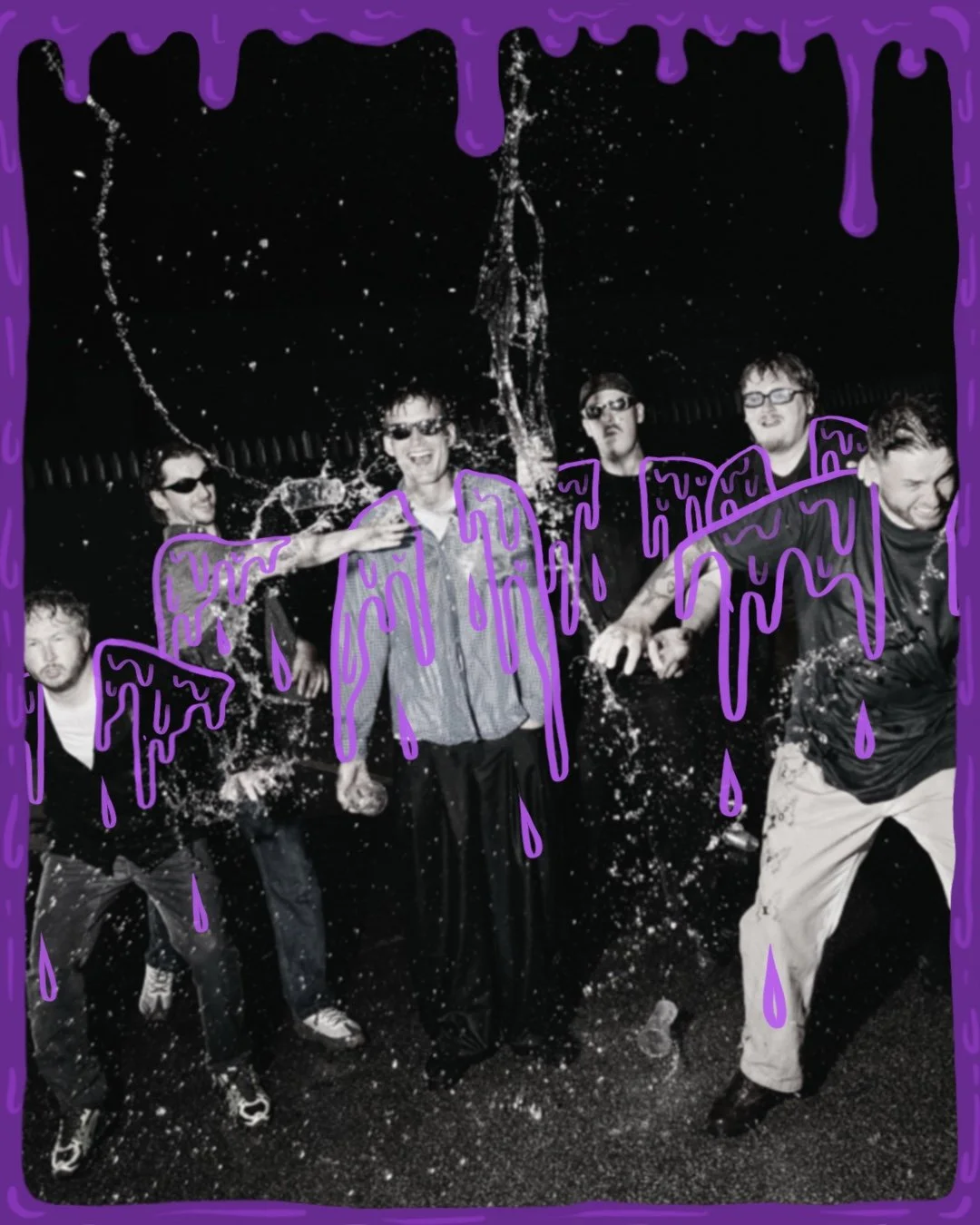
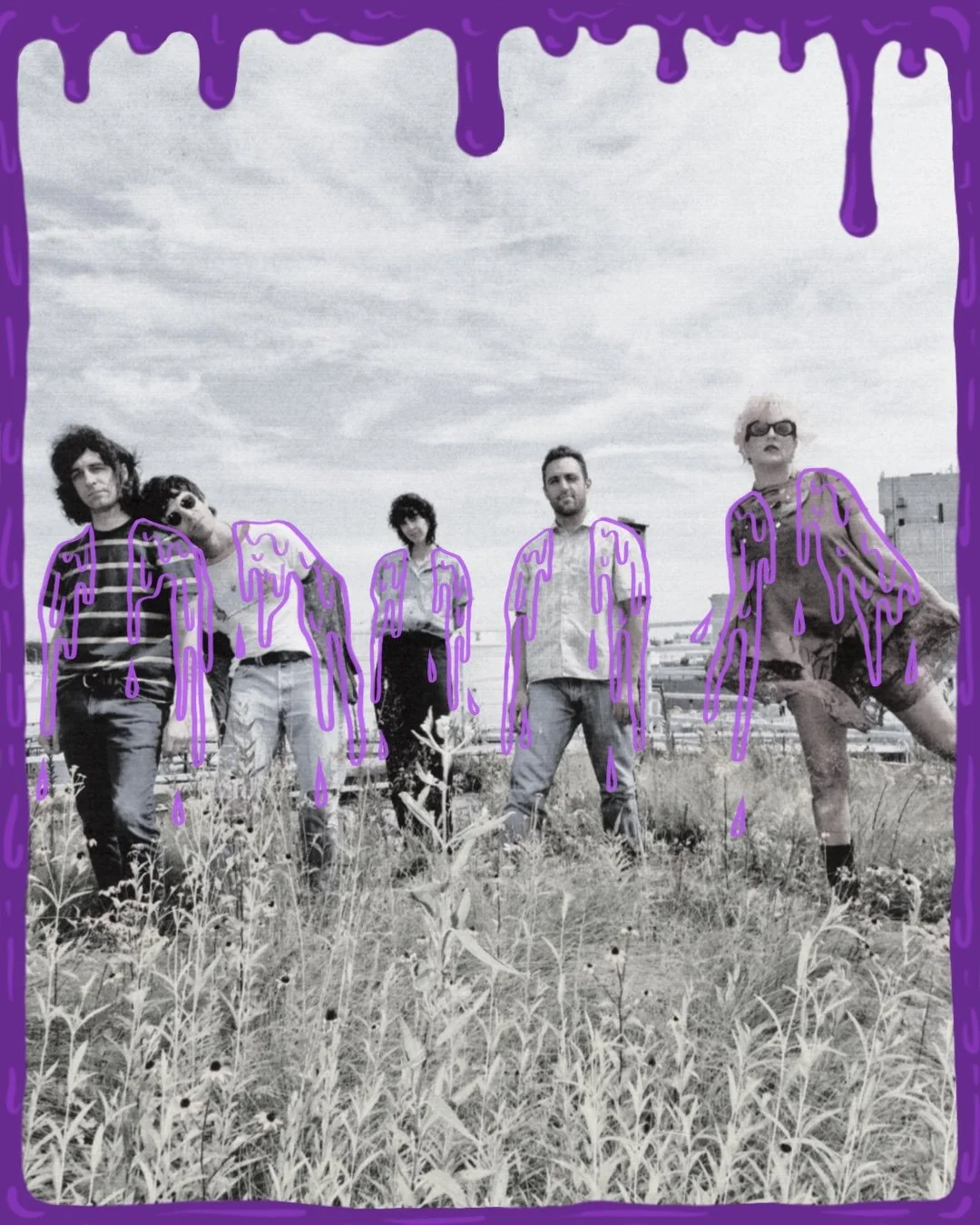
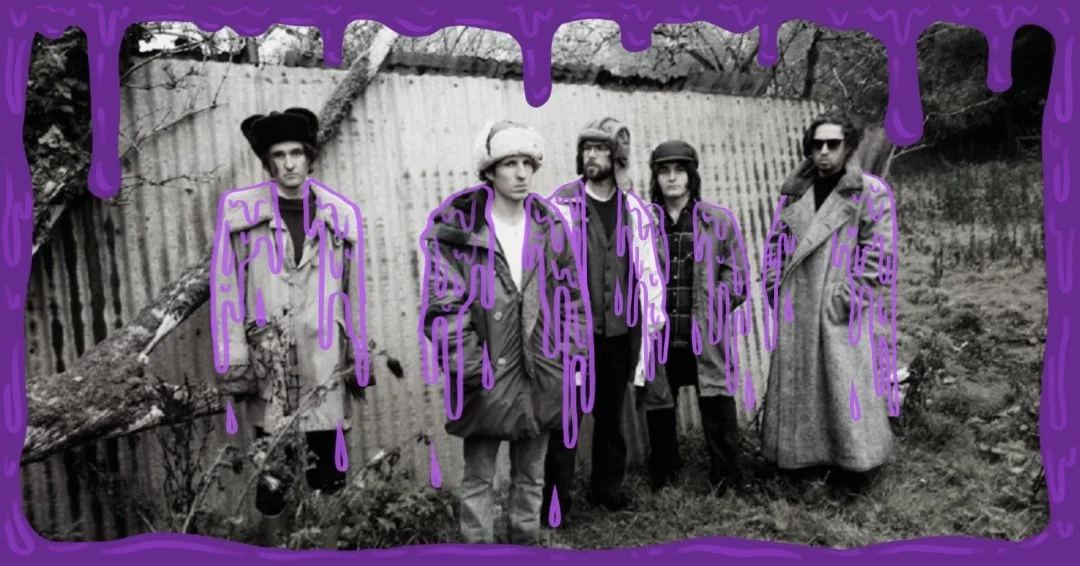
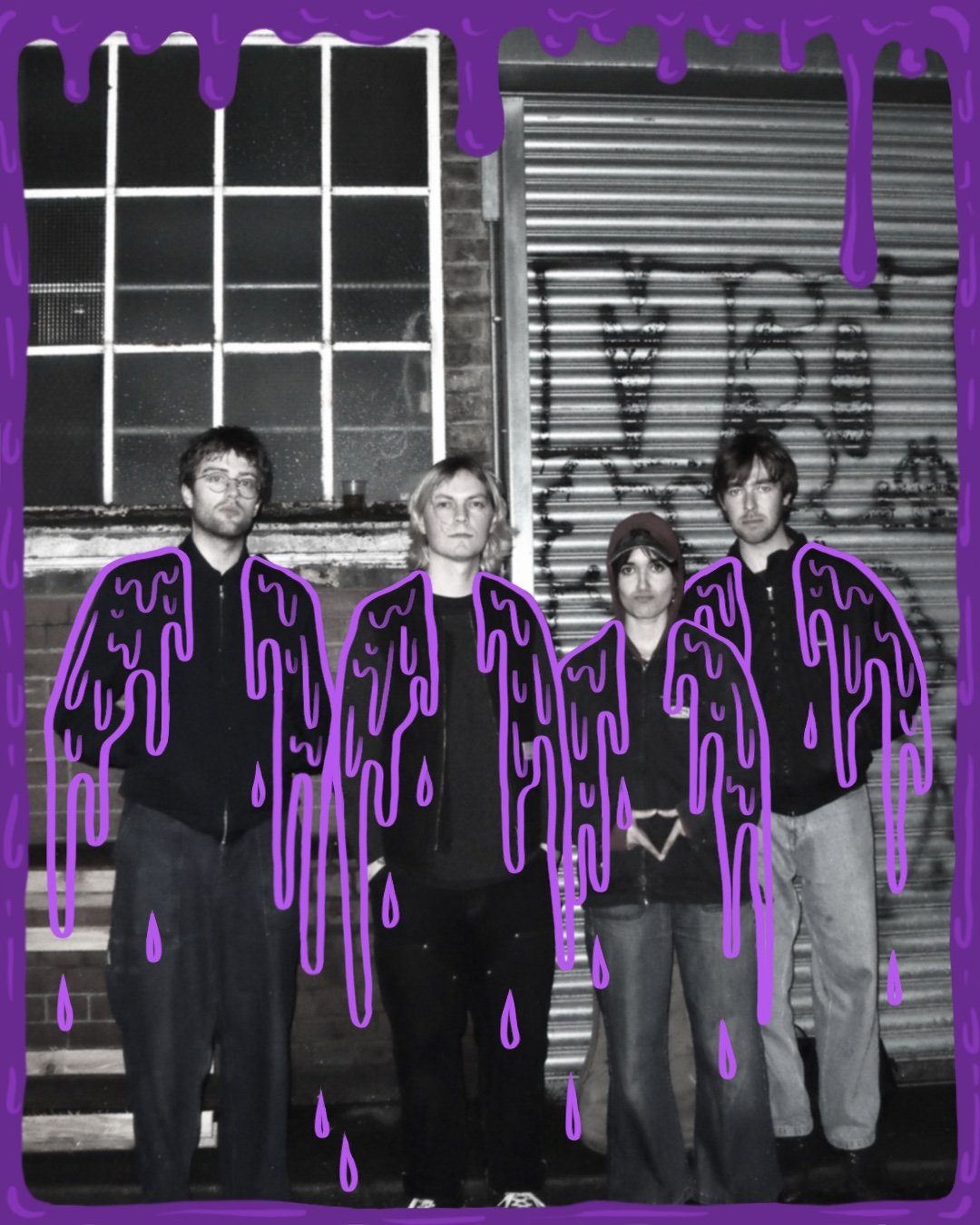
Cistern, the British Columbia-based indie rock band, has seen its fair share of sonic transformations since its raw beginnings, opting to linger in the profound mixture of the tastes and creative desires of its various members rather than any concrete vision or constricting artistic pursuit. With the release of their latest album, Rhizome, however, they have marked off the end of a distinct era for the band, and their coming shift is indicative of the freeform creative approach they have collectively decided upon.
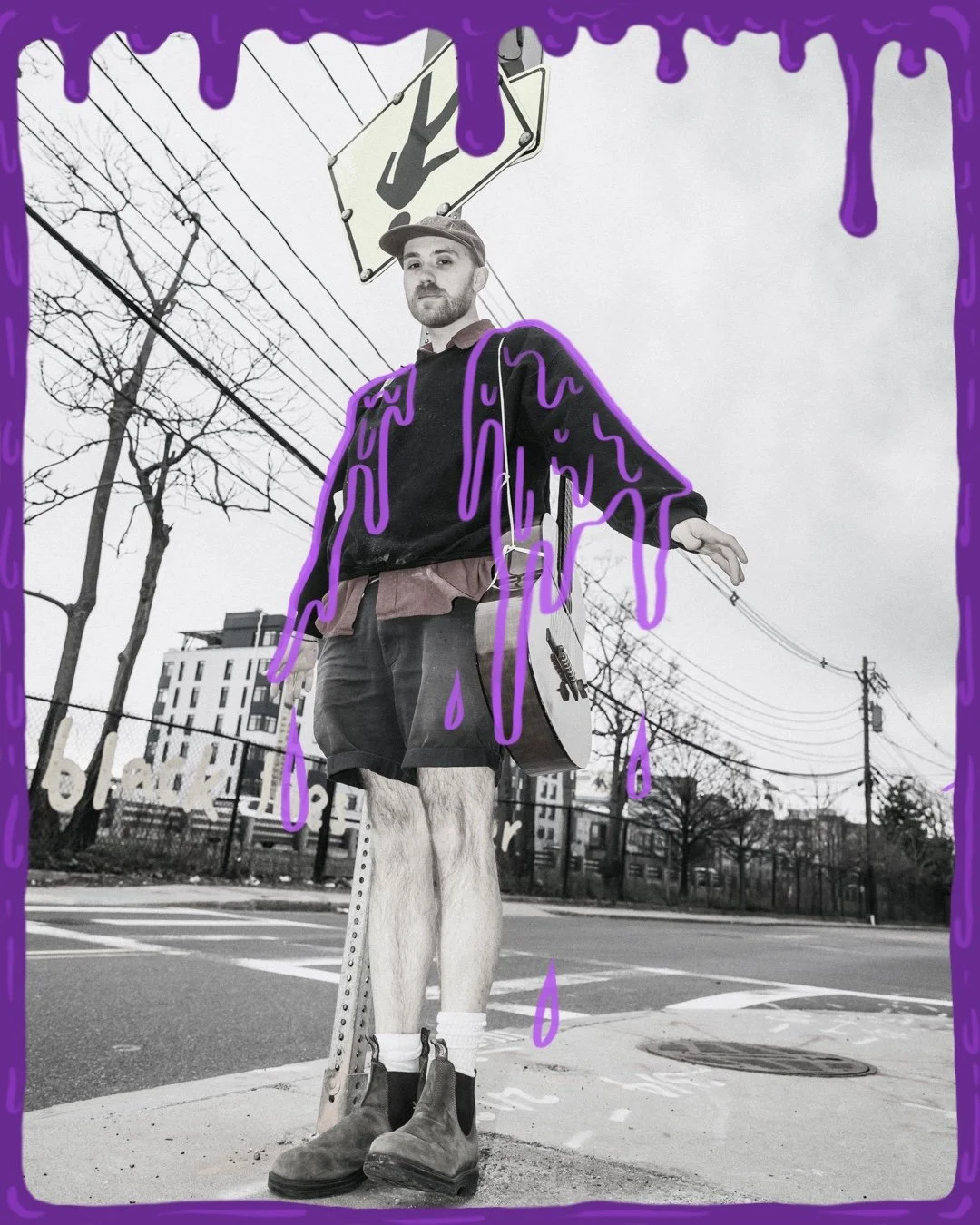
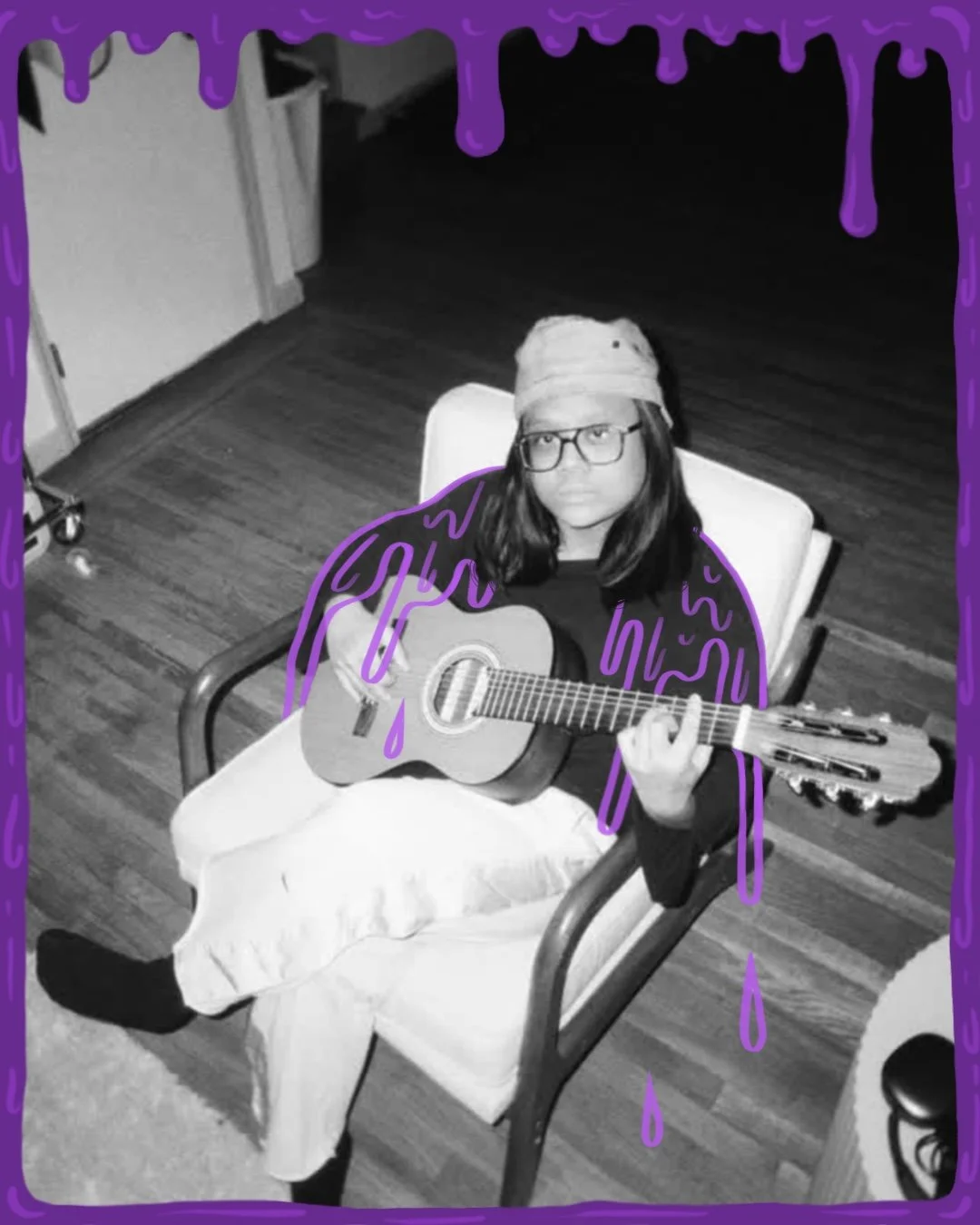
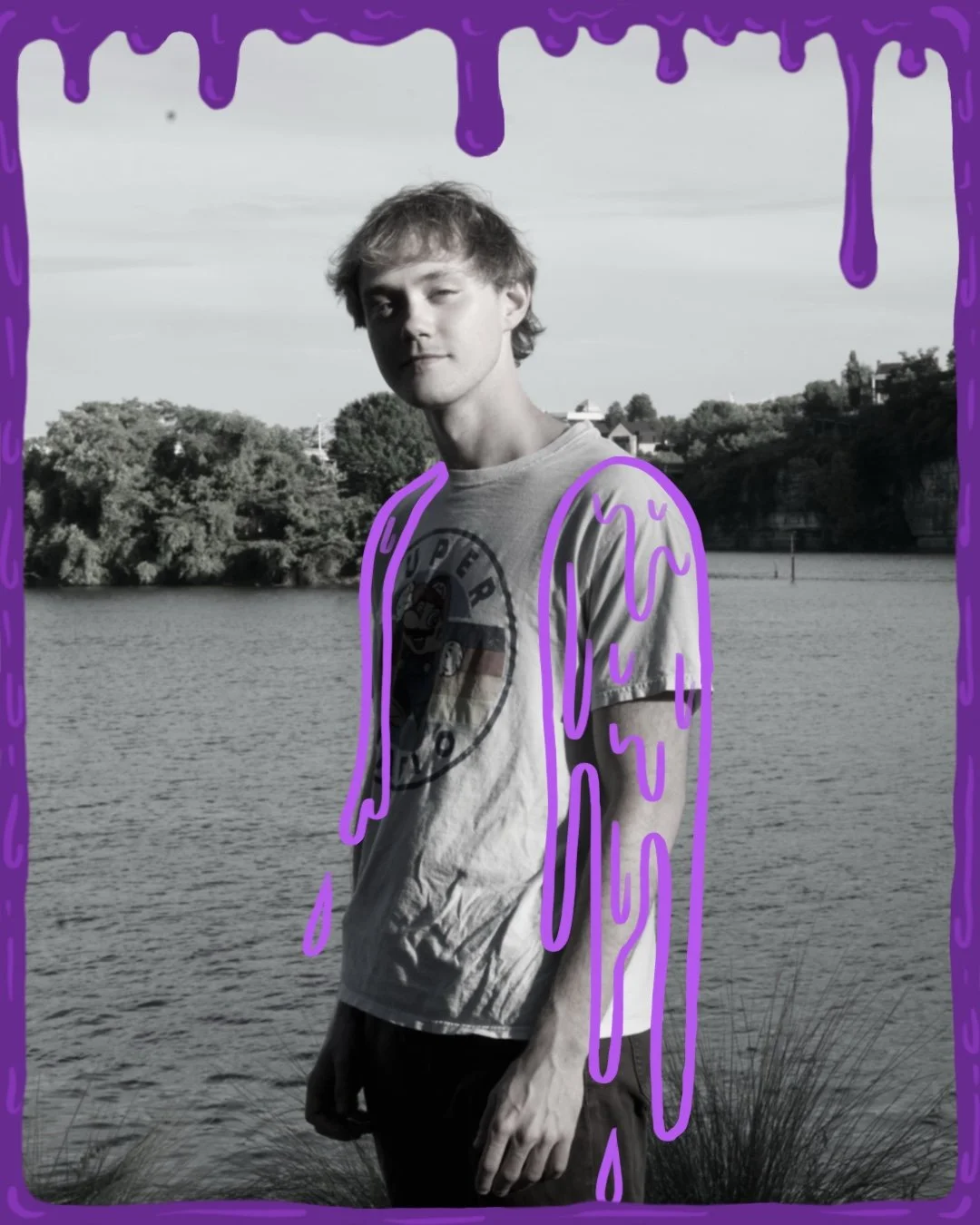
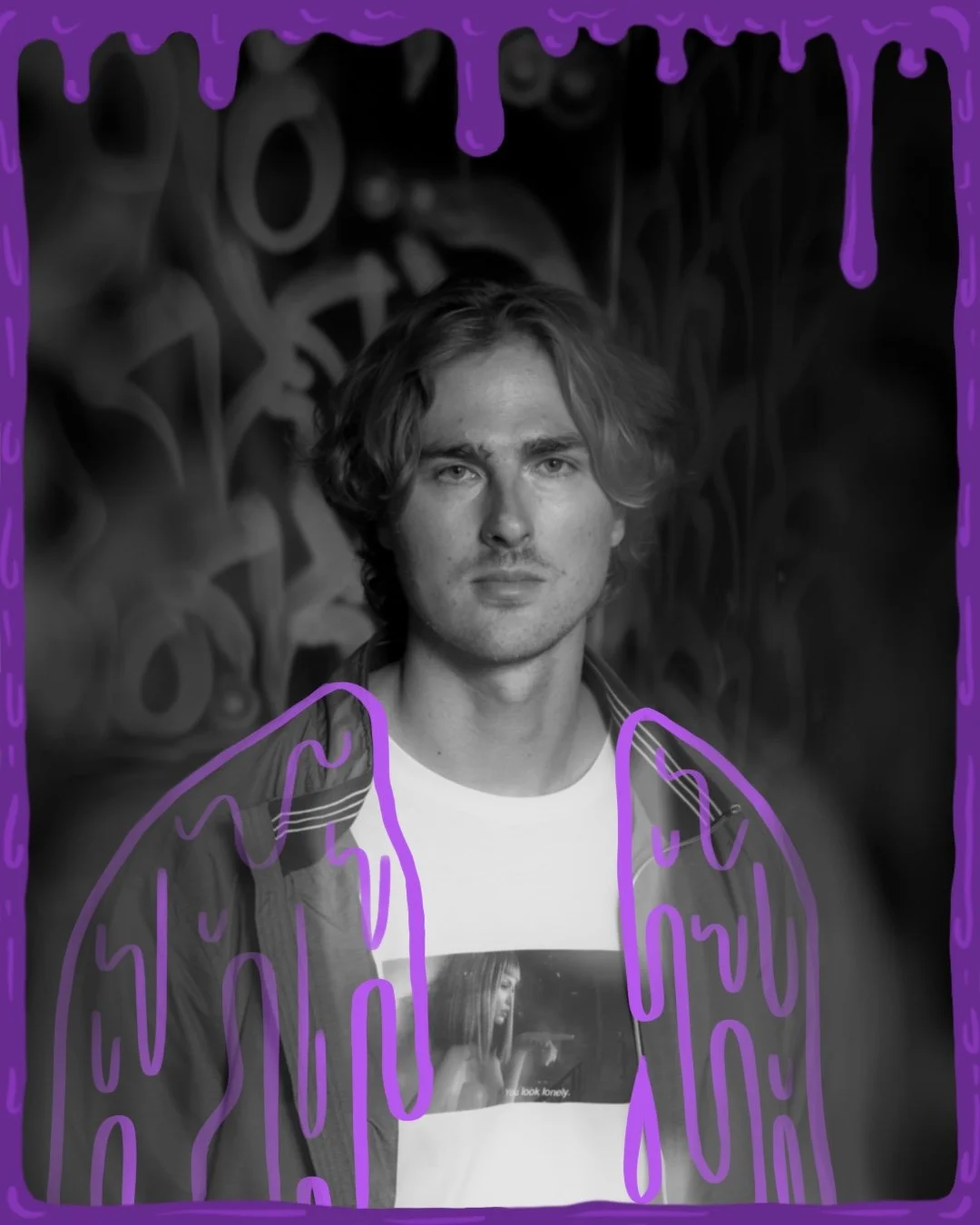
Cistern formed initially from a series of jam sessions that took place when Noah Varley moved to Squamish and met Mckinley, Chris and Noah Wilson, who were old friends and collaborators (Noah Wilson and Chris had a previous band called Loam).
Squamish, sat just about an hour north of Vancouver, served as a fertile ground for these musicians. Although the town is primarily known for its ties to skiing, climbing, and other outdoor activities, it has long held an intriguing music scene simmering beneath its surface. McKinley has distinct memories of the town’s music festival, Squamish Live, that shaped his own view of the world and his surroundings as a child.
“Squamish is a pretty small place, but there was kind of a big music festival... I remember running to the stage as Arcade Fire was playing that song, I think it's called “Wake Up” or whatever, and they're releasing these lanterns into the sky and it's sunset,” said McKinley, “It was just crazy… What I remember from my youth is these crazy experiences and these bands I loved. [Now we’ve seen] our friends on the same kind of stages.”
This passion carried itself into the lives of each member of the band in various manifestations, and as they began to play together for the first time, it quickly became clear that their unique blend of influences and tastes would form an intriguing confluence.
From their earliest songwriting efforts, their process took on a very healthy, individual approach. Each member of the band would bring their individual ideas to the table, and the group as a whole would work to flesh them out while maintaining the original character of each sonic intention. By the time they had written a solid number of songs, the result was like a patchwork; each individual track represented something unique about each member’s intentions.
“I don't really think we were trying to go for anything super specific. I think it was so early on that we are just still figuring out what our band was going to sound like,” said Noah V., “A lot of the songs on that album sound really different because we hadn't really got into collaborative songwriting yet… And I don't think we were too big on changing a song or trying to make it better… It was very casual.”
Although their first album as a band, Head Full of Questions, naturally came after they decided to take their collective efforts more seriously, it still represented this mosaic of ideas. Every song sounded unique, from the garage-like fuzz of “Martyr” to the math rock ramblings of “Sluster”.
Their EP, “New Standard”, which was released in between their two albums, took a more directed approach, collecting a series of songs they wrote in an alternative tuning.
Their newest album, Rhizome, returned back to that patchwork creative process, although their individual sounds and techniques of refinement had advanced. The result is a series of songs that, while related, each host their own distinct layers and sonic outlooks. In that way, Rhizome is the ultimate manifestation of what has made Cistern’s sound so amorphous and tantalizing over the past few years.
According to Noah V, it has been that mixture of ideas, and that free-flowing and raw creative approach, that has been the key to their output over the years.
“That's the sauce, man… That's every band– every member is unique and their contributions make it what it is. So that style was good for those albums. I don't know what's going to happen in the future, but I think we always want to keep some element of that.”
Now, as they move into their next project, that intention remains the same– incorporate every member’s ideas as seamlessly as possible into their final output. But they also hope to undertake a distinct shift in their sound– one towards that dials the knob on their influences back almost two decades to the 1980s.
“We're going 80s, baby,” said Noah, “I started listening to the Cure this year, which is funny. I had never really gotten into it, but I got a Cure CD and just have been listening to that on repeat. Also like Siouxsee and the Banshees, New Order, stuff like that. That's kind of the vibe– goth 80s synth pop.”