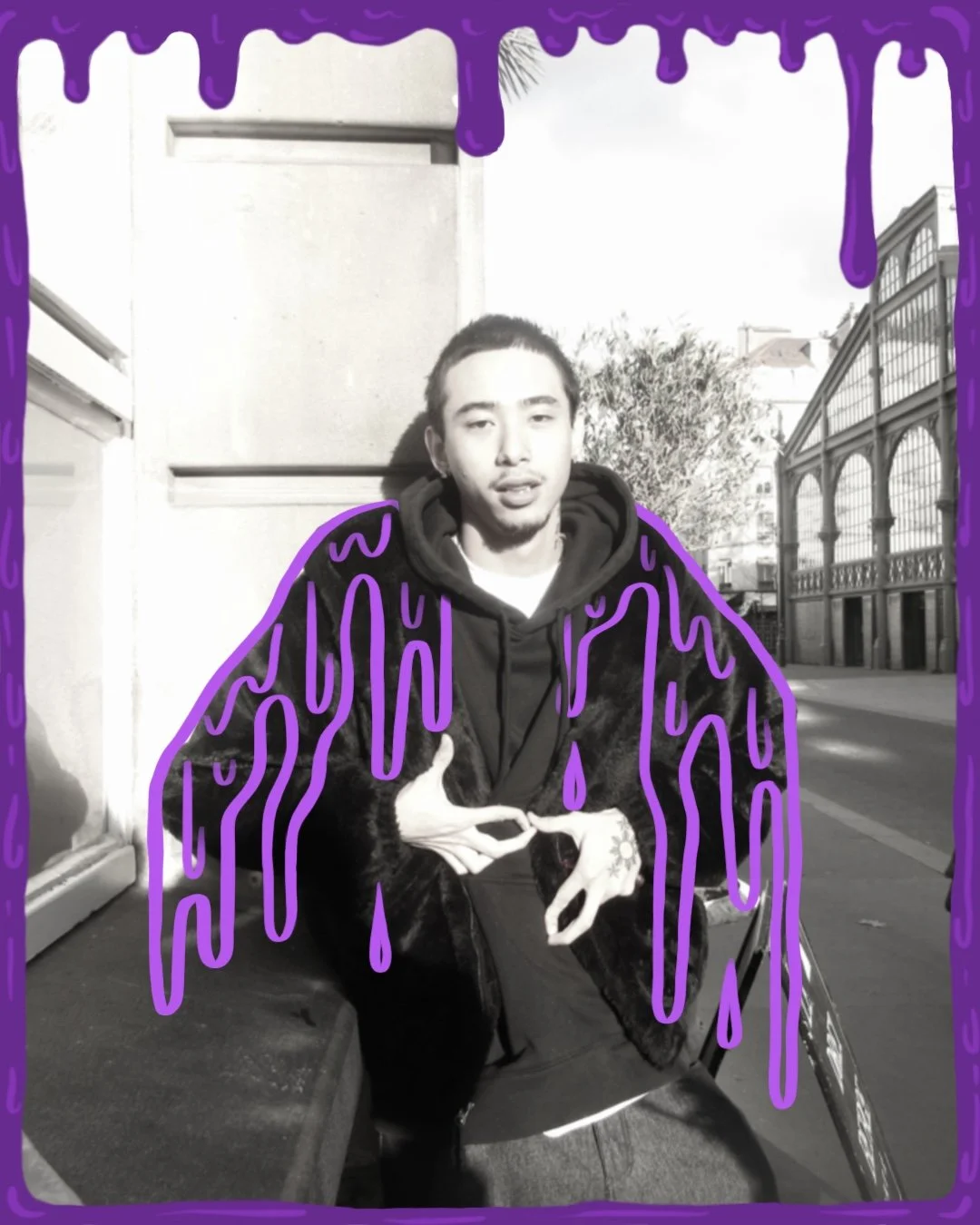
Artist Profile: Peaer
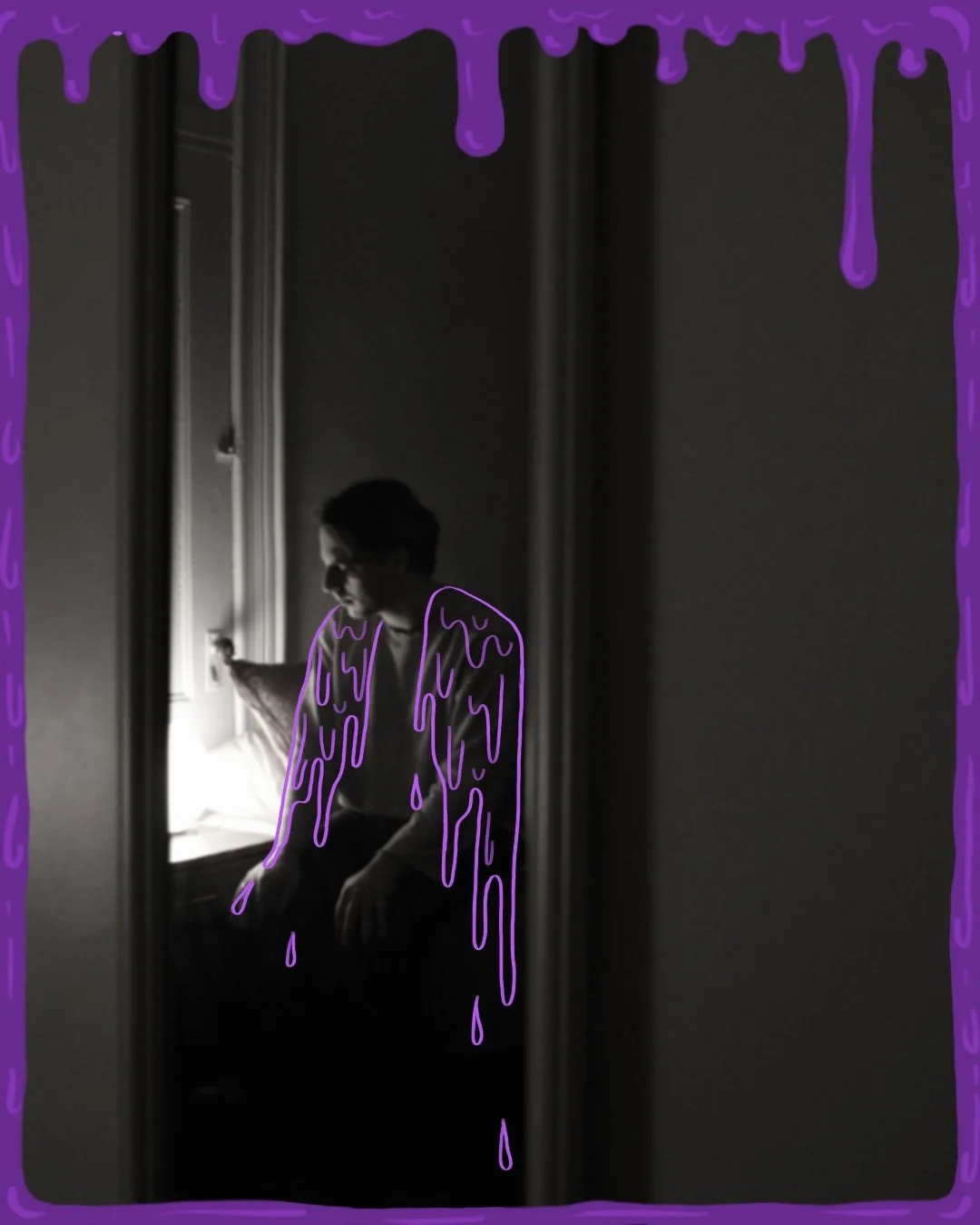
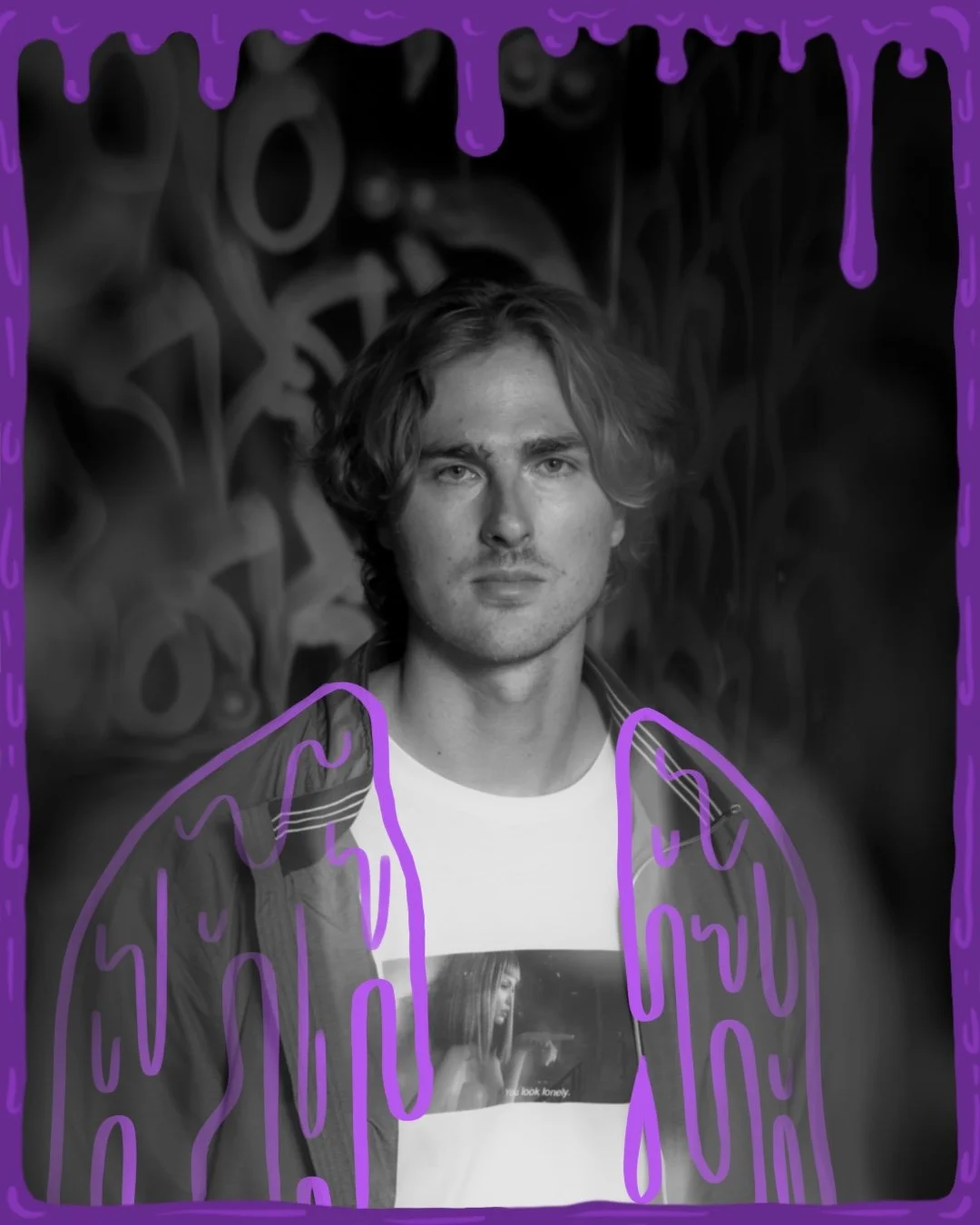
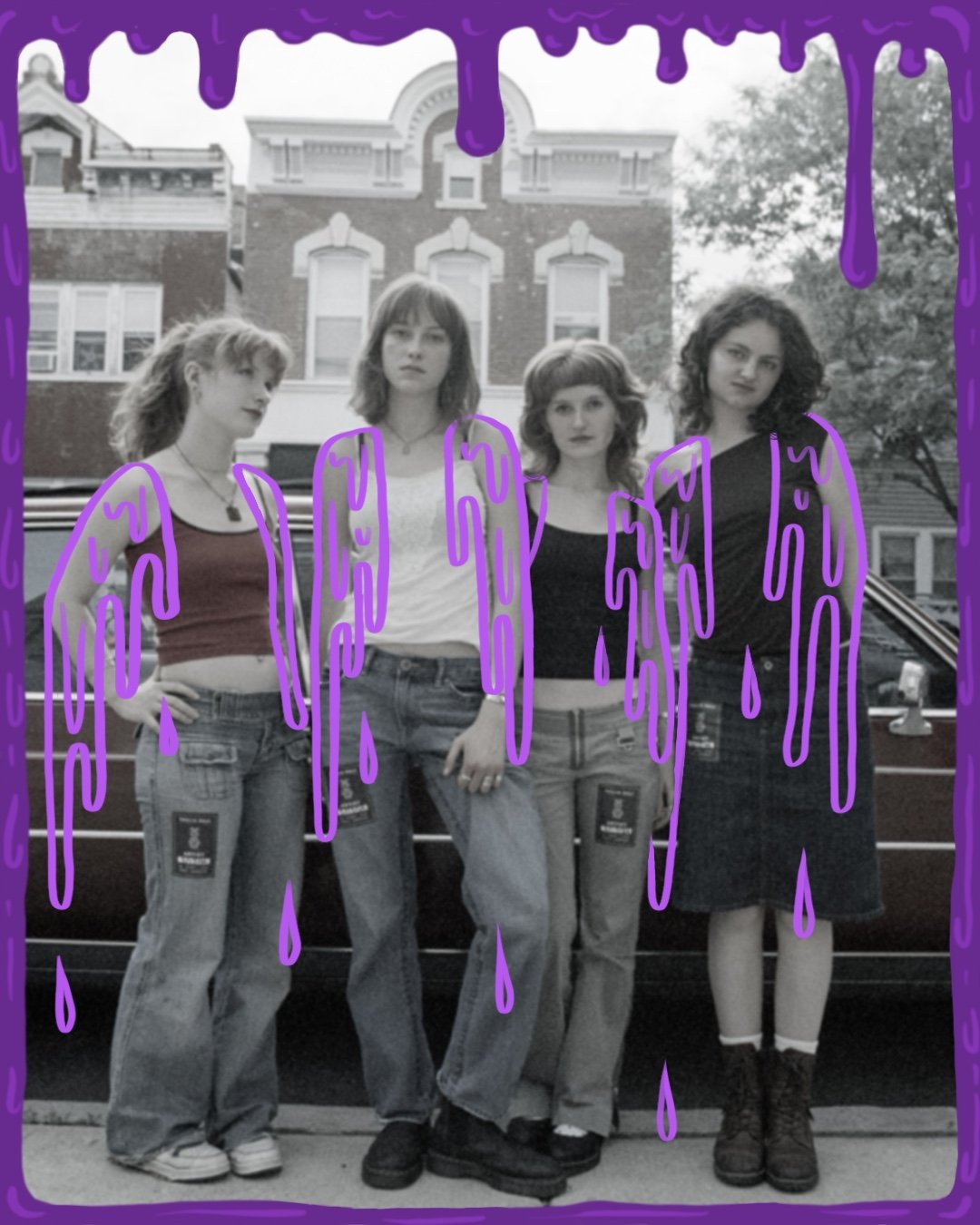
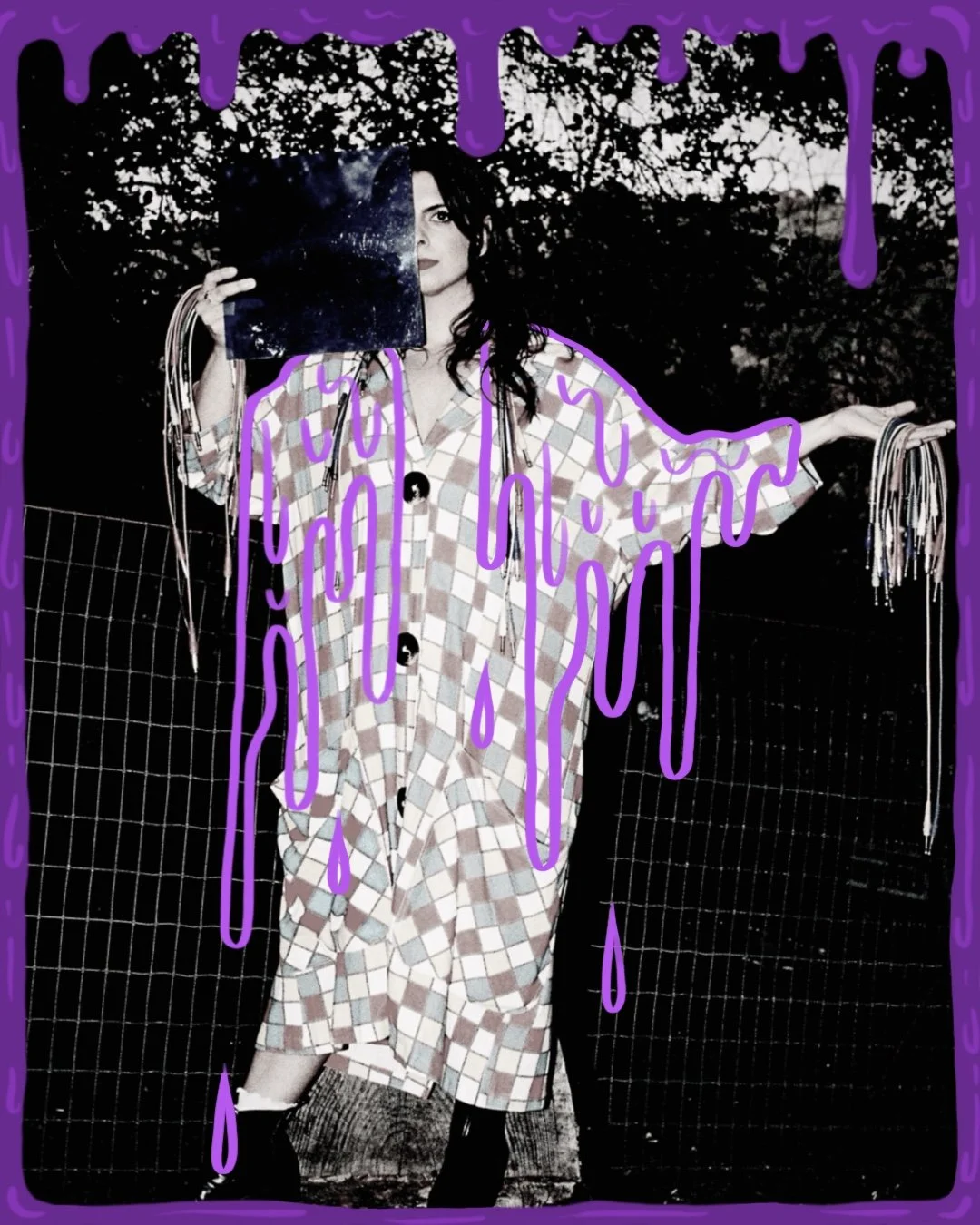
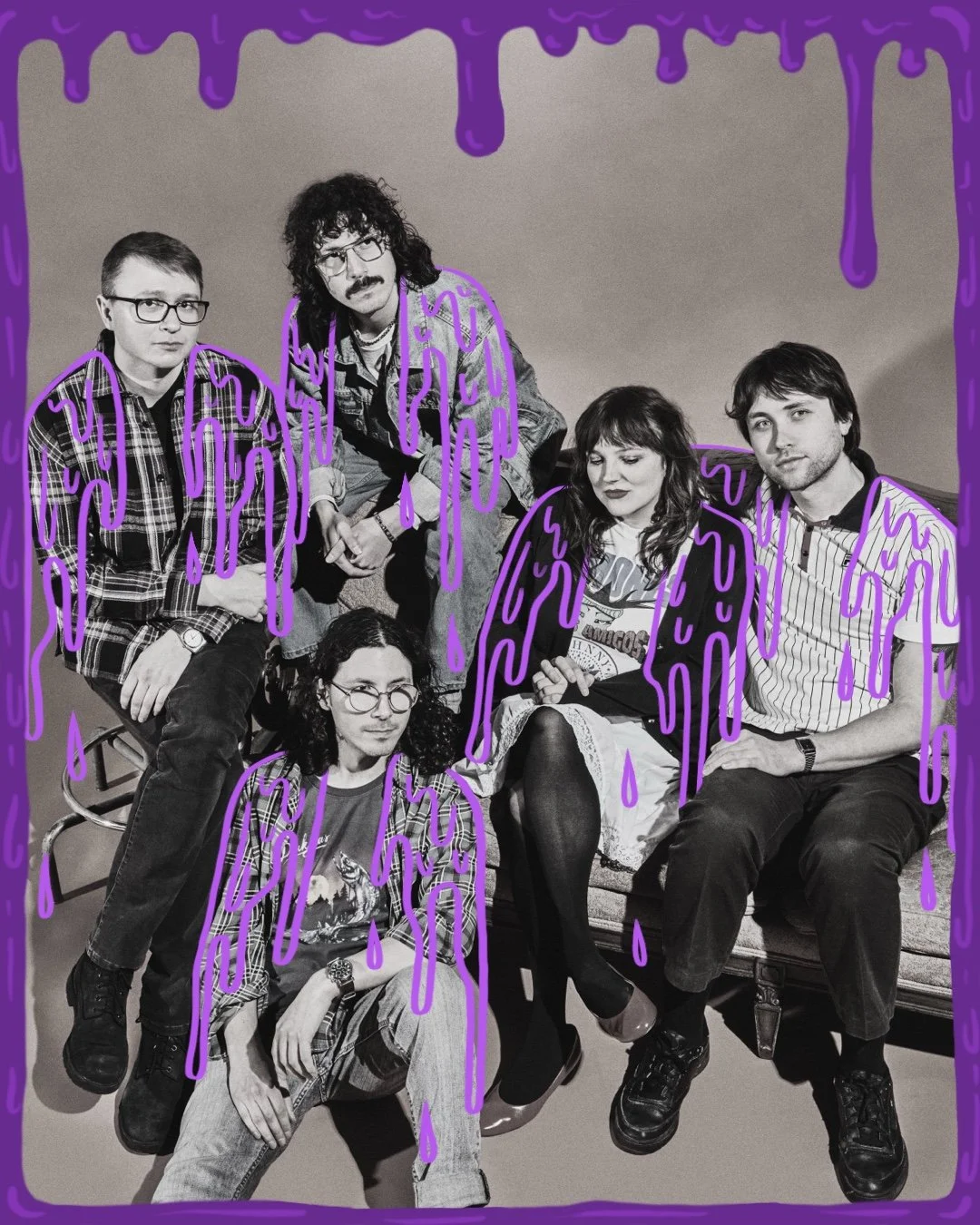
Photo Credit: Manoushka Larouche
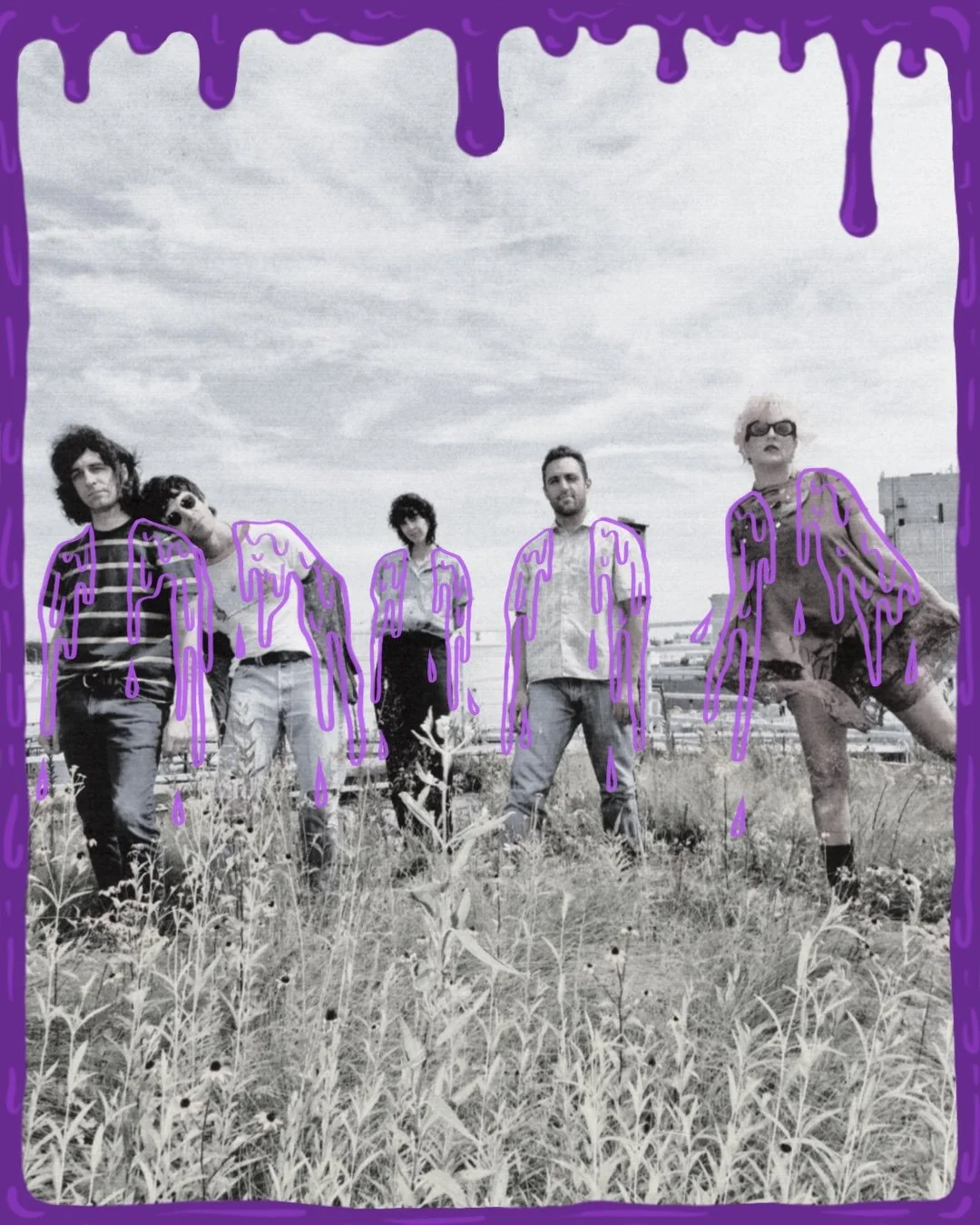
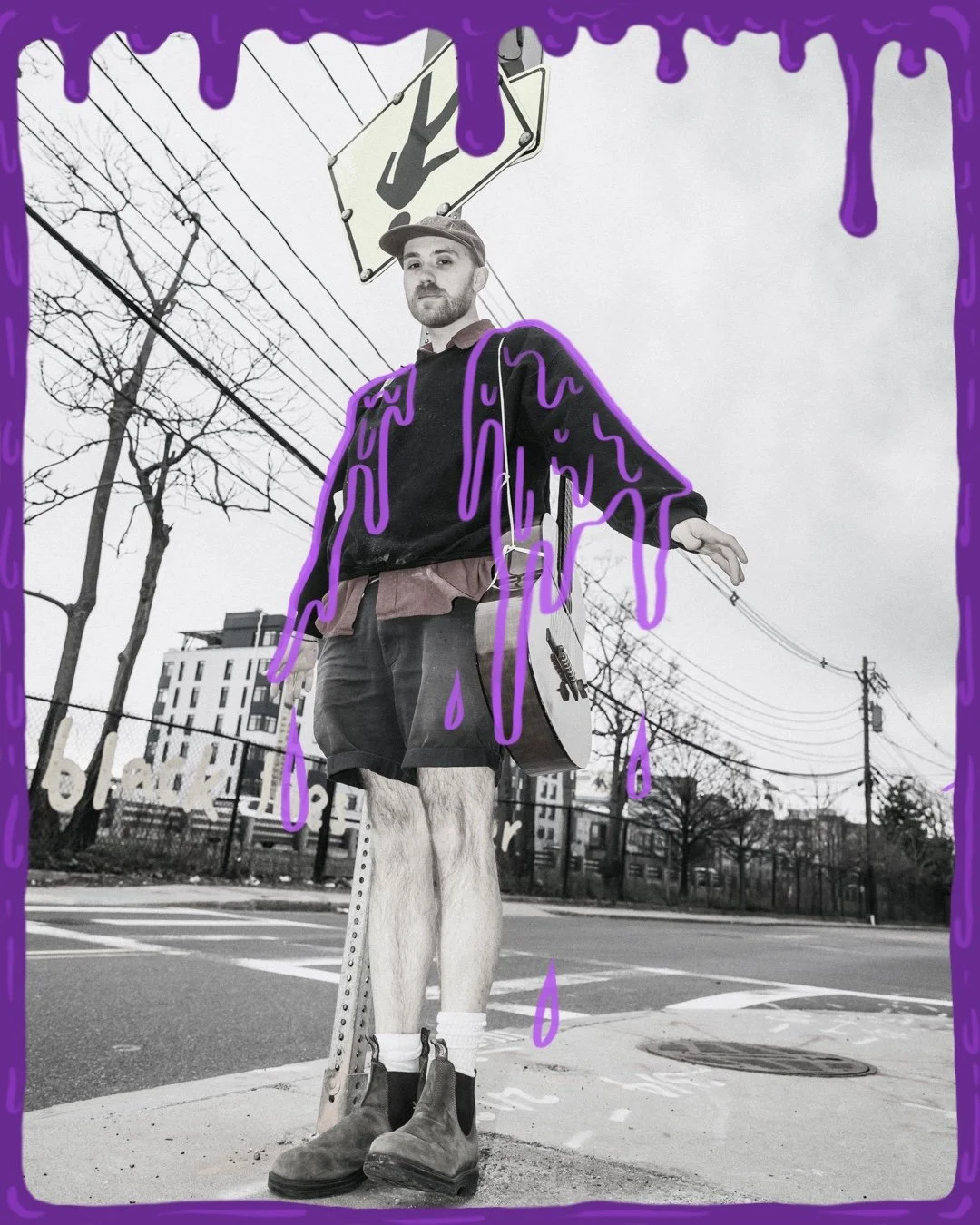
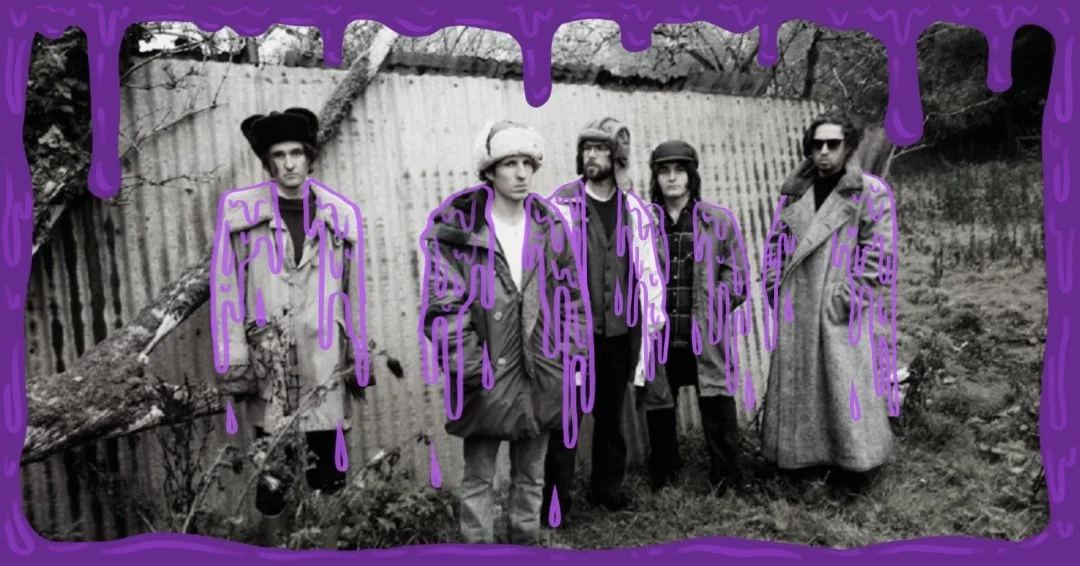
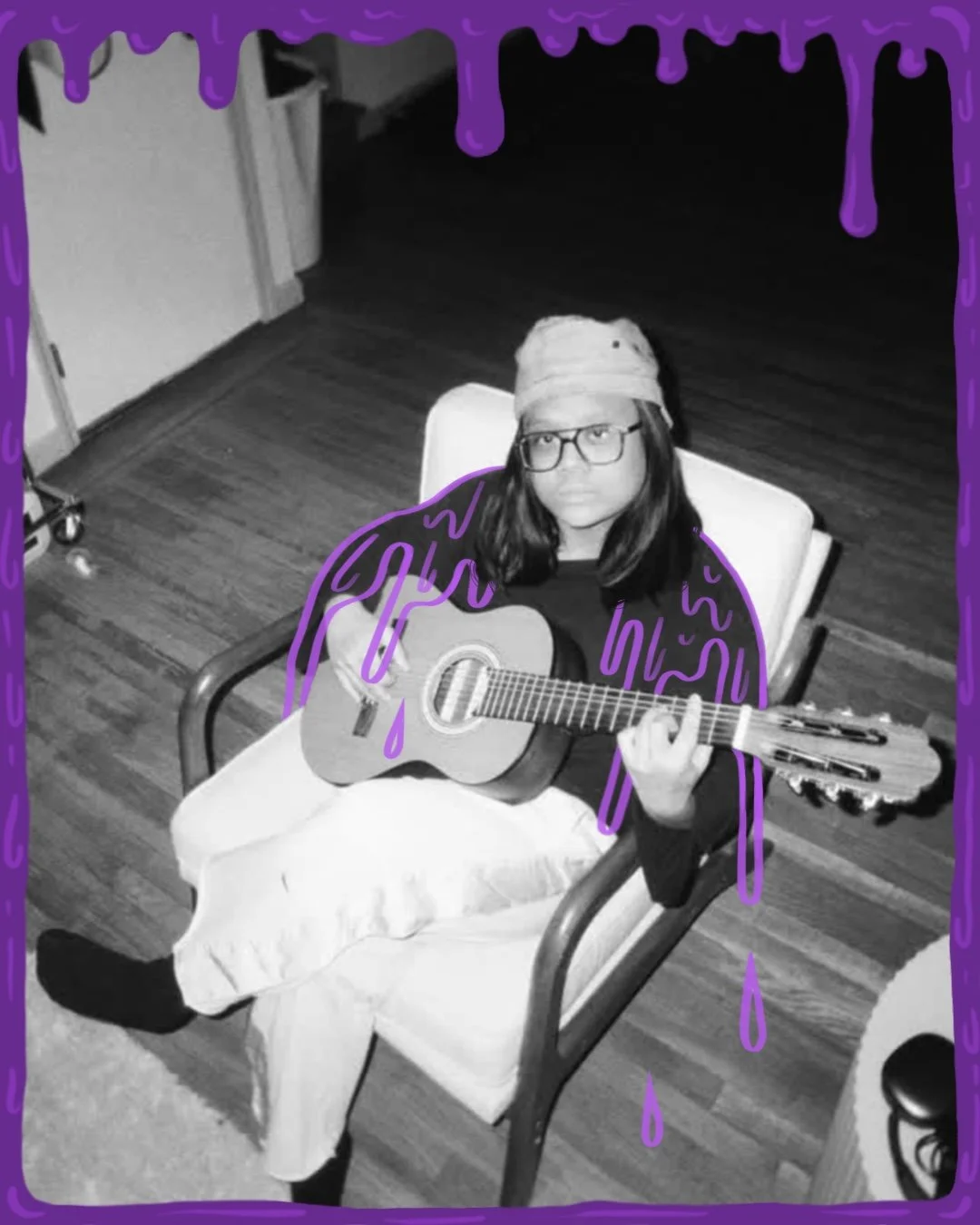
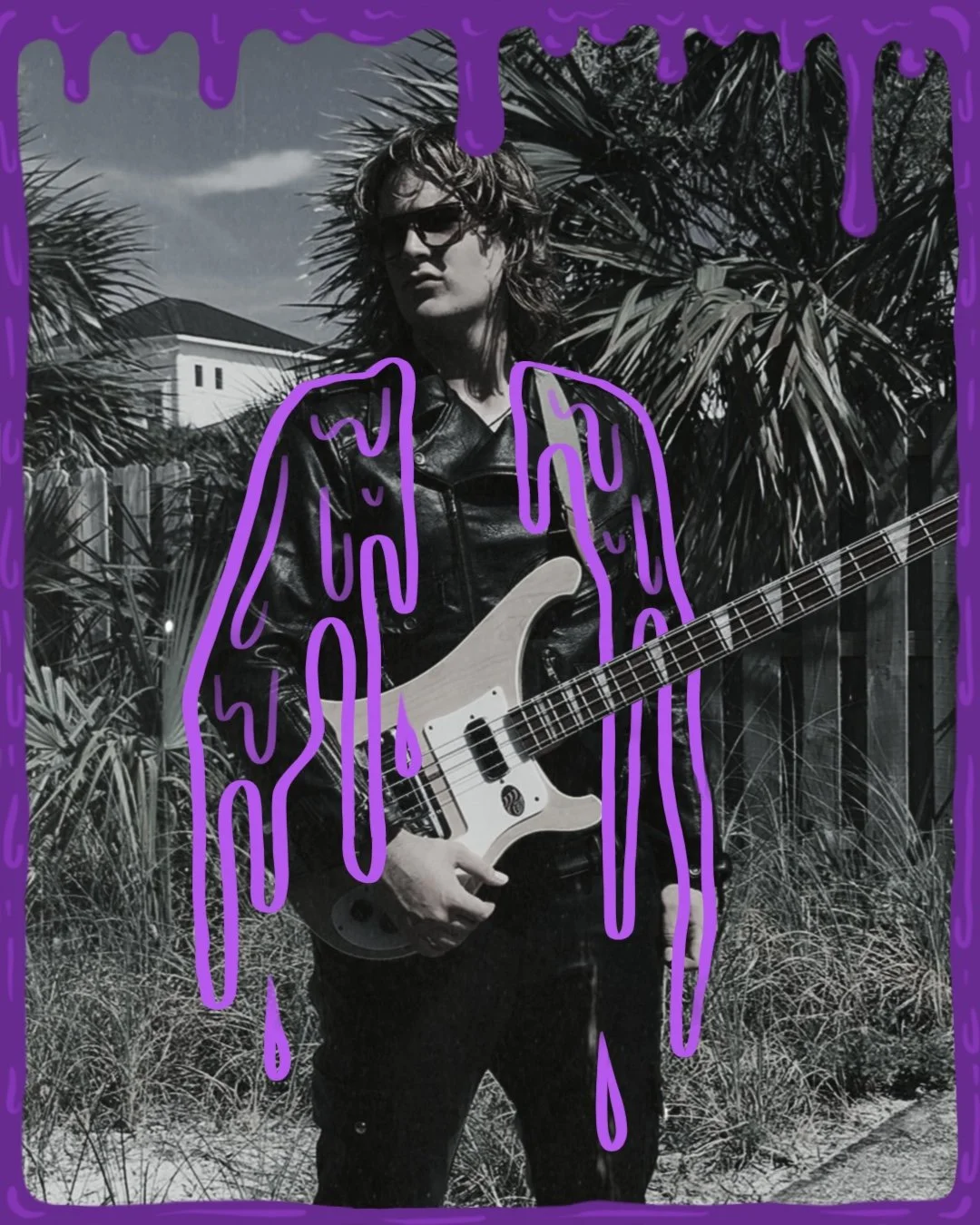
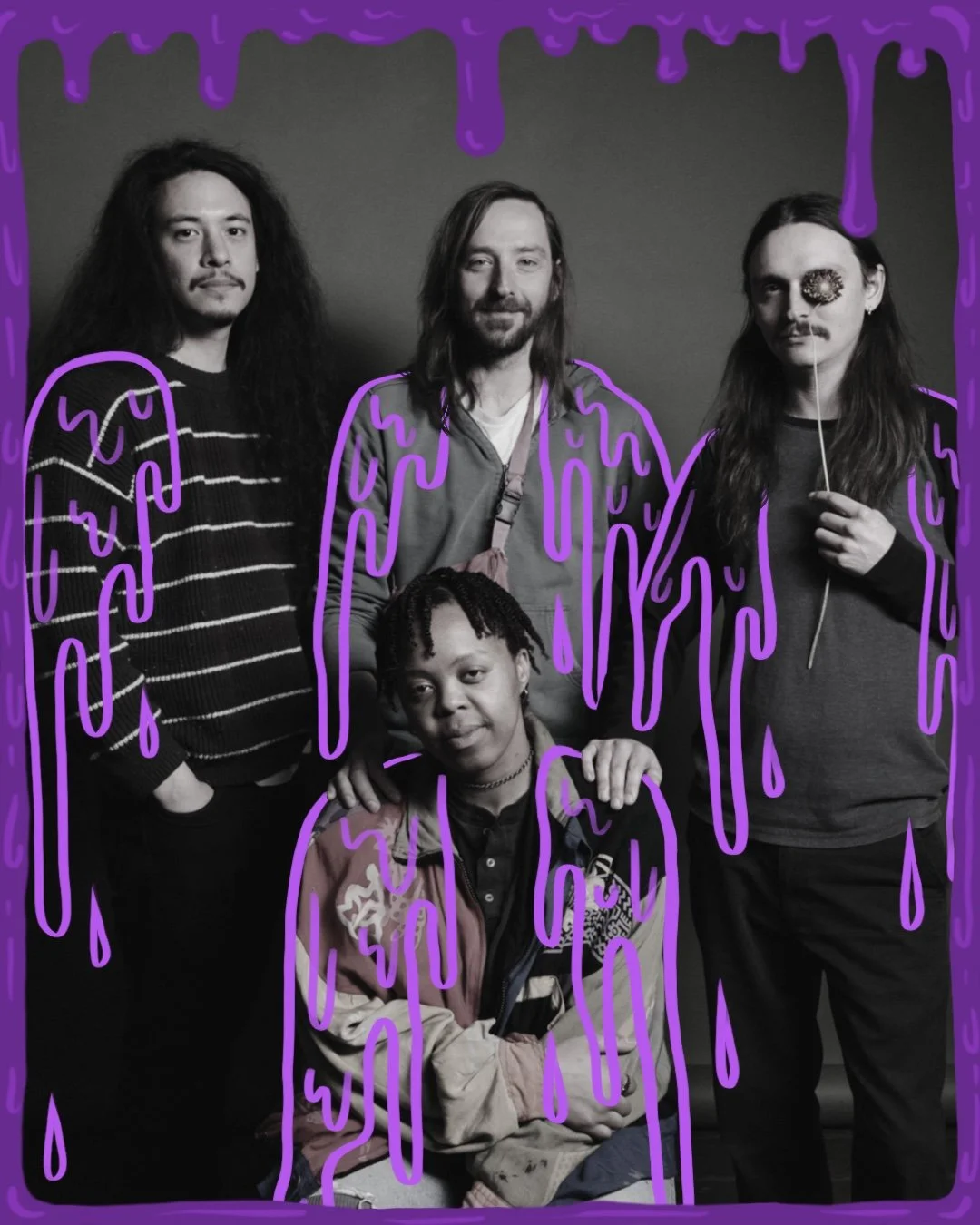
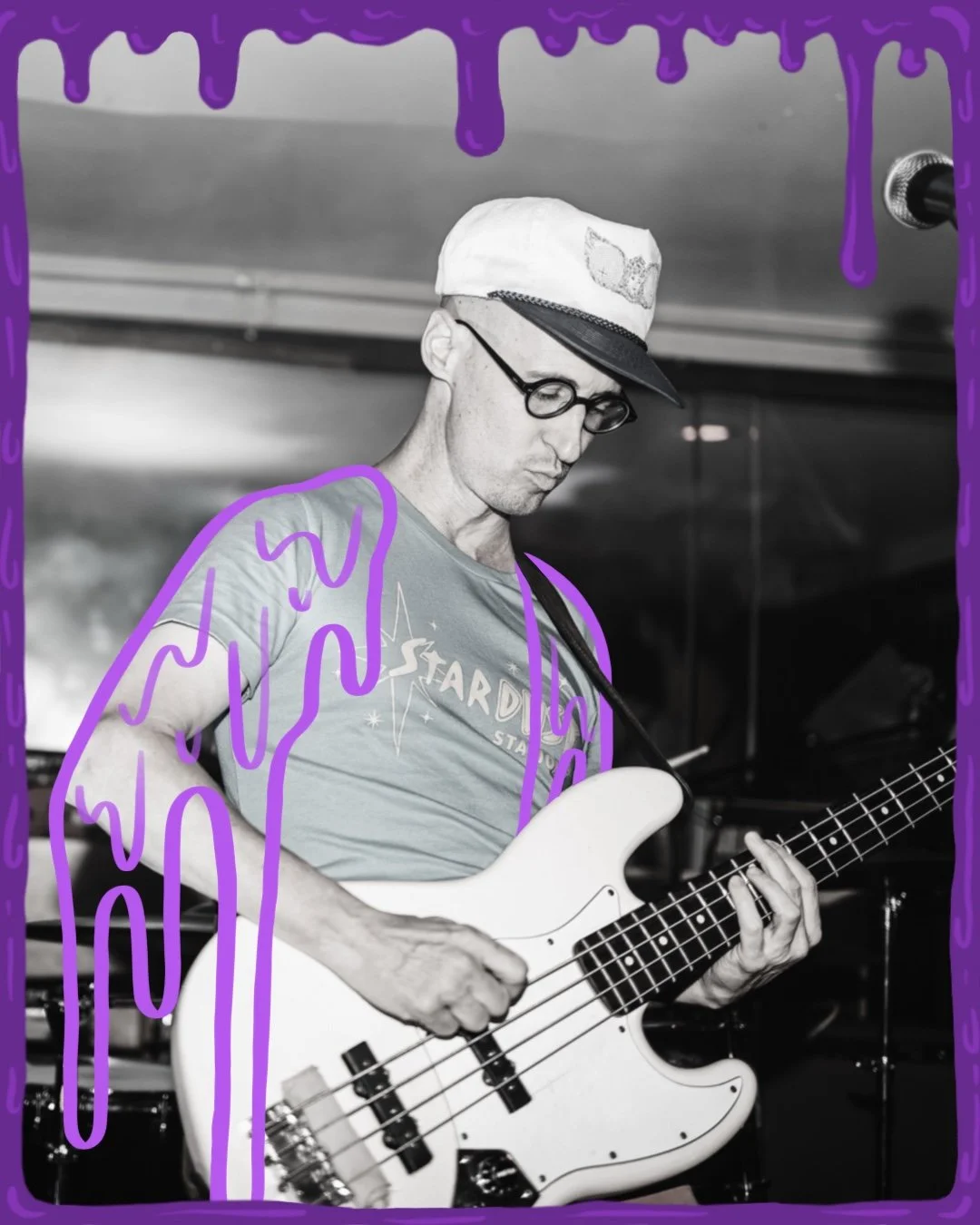
Peaer, the Brooklyn-based, math rock-influenced band helmed by Peter Katz, is at the precipice of a major creative shift after over a decade spent together. With Doppelganger, their most recent project, marking the end of an era for the group and other members of the band moving onto other phases of life, Katz has determined it is time to take the project back where it began: into his own hands.
For Katz, his obsession with music began when he was a child. He grew up listening to his parents’ favorite rock hits in the car, ultimately forming his own taste through bands like Green Day and Blink-182 to separate himself from his parents’ more classic inclinations.
This led him into experimenting with guitar for the first time, and he quickly fell in love with the challenge of it: the ever-evolving obstacles and triumphs the instrument presented.
Yet the true watershed moment for Katz was when he heard Mars Volta’s De-Loused in the Comatorium for the first time. He had begged his mother to buy it for him on iTunes, and, about halfway through listening to the album on his parents’ desktop computer, he ran and grabbed his mom to express his ecstasy at how excellent the album was. Although he genuinely loved much of the emo and pop-punk music he had grown up with, Mars Volta had something “next level” to it sonically.
“I just never heard anything that sounded like it before in my life… I think just the technique and the expertise, it was impressive [without] sacrificing style. There's a lot of music I really don't like, and a lot of that music is very flashy for no reason. And I always thought that the Mars Volta are definitely very flashy, but it always felt like they had an aesthetic reason… It just felt so new.”
Katz took his newfound taste as a challenge on the guitar; it gave him a new ambition and a new level to aspire toward.
As he joined various bands throughout high school and college, the genres mostly stayed within that original emo range, even tending toward the heavier side of things. But that love for Mars Volta, and the intrigue he found in musical experimentation, never left him.
He began Peaer initially as a solo project inspired by his love for projects like Mount Eerie, recording dreary bedroom pop with the limited production equipment and knowledge he had at the time. Peaer’s first two albums, including the self-titled Peaer, are representative of that era for Katz.
Yet he had a nagging inkling to pursue something more akin to that long-loved experimentation. Upon his return from a long trip one summer, he sat down and decided to pull it off, recording the entirety of The Eyes Sink Into the Skull in rapid fashion. When he finished, it felt as though he had finally found his sound.
“I really wanted to combine my love of Slowcore and bands like Codeine and Pedro the Lion with my love of math rock, which was like Tera Melos and Sleeping People and Don Caballero. I wanted to try and see if there was a way to combine those influences.”
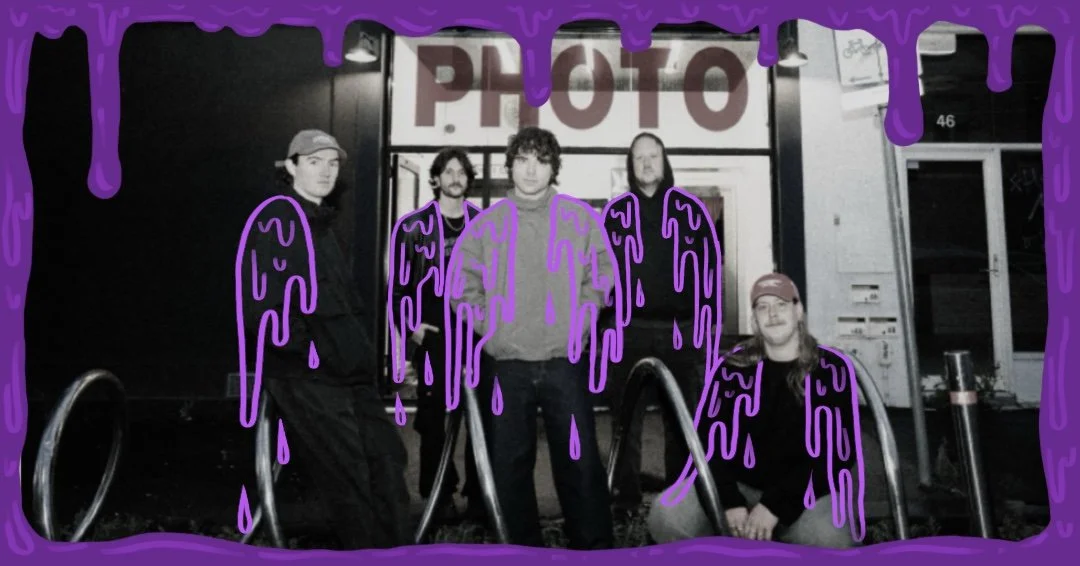
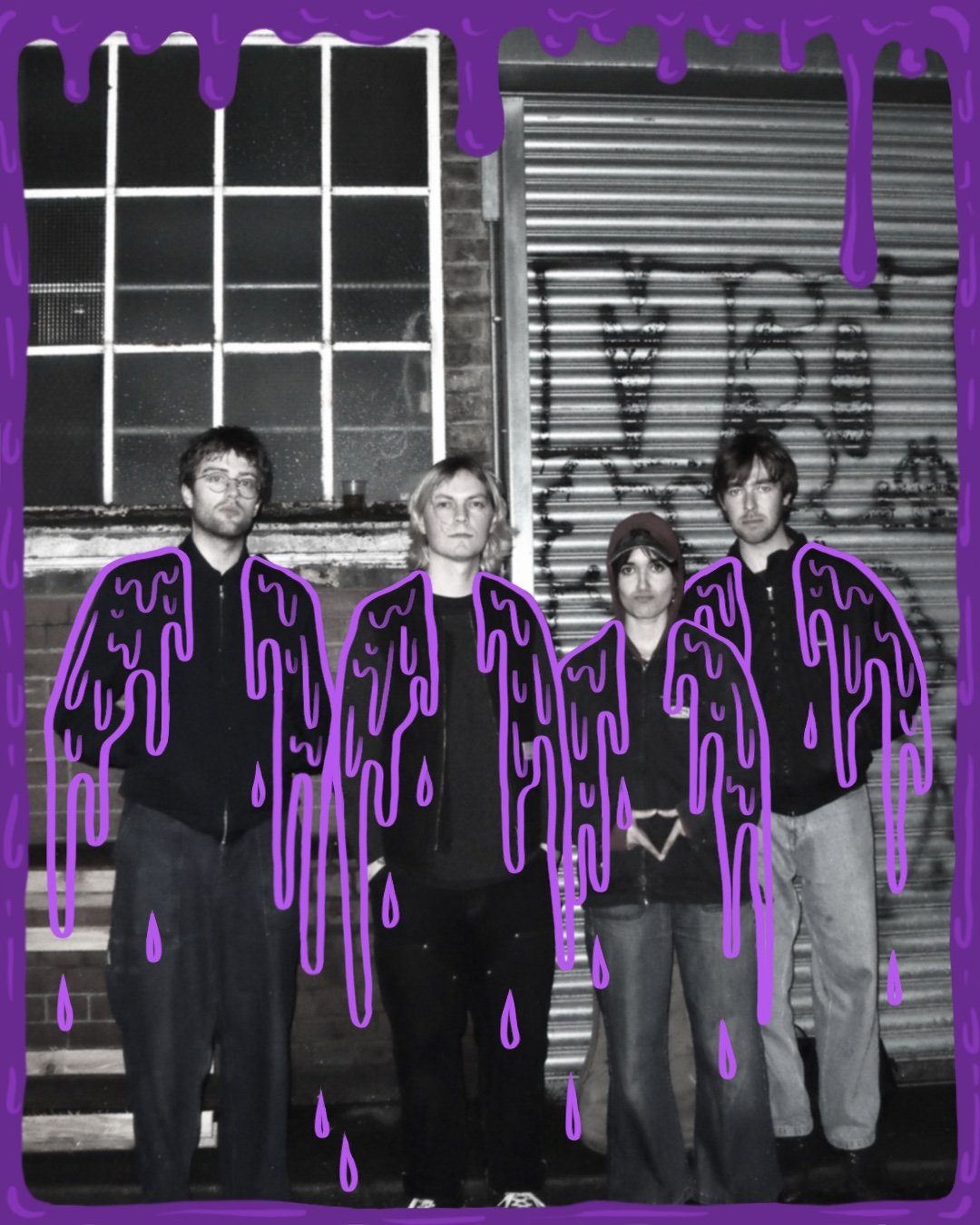
From there, Katz needed to find a band to perform live shows with, and in the process, he found the group of musicians that would eventually form Peaer in its more extensive form. Things took off rather quickly from that point.
Katz and Peaer became even more heavily involved in the Brooklyn music scene, booking local gigs all around the area and eventually going on extensive tours and performing festivals. They put out multiple records throughout this time and were living the lives typical of any touring musicians.
“We were all in Brooklyn… It was this flow that we were kind of a part of… At the time, there were all ages venues, DIY shows, there was a little bit more of a different kind of community here at the time. That was really what it was about for a long time; it felt [everything] we wanted.”
By the time they got to the eve of the COVID-19 Pandemic, however, they were decidedly burnt out. They were facing down a six-week tour with multiple lingering logistical nightmares, and Katz feared what the tour might do to the band and to him both personally and financially. The Pandemic-induced break, therefore, provided a much-needed reprieve, although it delayed their work on Doppelganger.
When they came out of the Pandemic and began work on the album again, they had come to a serious realization. After they finished the project, it was time for Peaer, in its long-standing form, to come to an end.
From the slow build of “Part of the Problem” to the bruising rhythms of “Bad News”, Doppelganger puts the full range of Peaer’s immense and challenging sound on display, serving, in some ways, as the culmination of the sonic blend that Katz originally envisioned when he started the project.
It also served to provide a semblance of closure to the project as it once existed.
“I think there's definitely an element of closure that came with Doppelganger. For me, it really felt like so many of these songs had been part of our writing practice for so long. And it really felt like I couldn't emotionally move on until the record came out… It felt like a good footnote to or a punctuation to kind of move on to the next thing, whatever it may be.”
Now, Katz plans to take Peaer back to its roots as a solo project, continuing the experimental trek he began so many years ago. He wants to work on a concept album, and he’s excited for what’s next in his music explorations.
Peaer will continue, and it will continue to provide a vehicle for Katz to hone the sound he has long pursued.