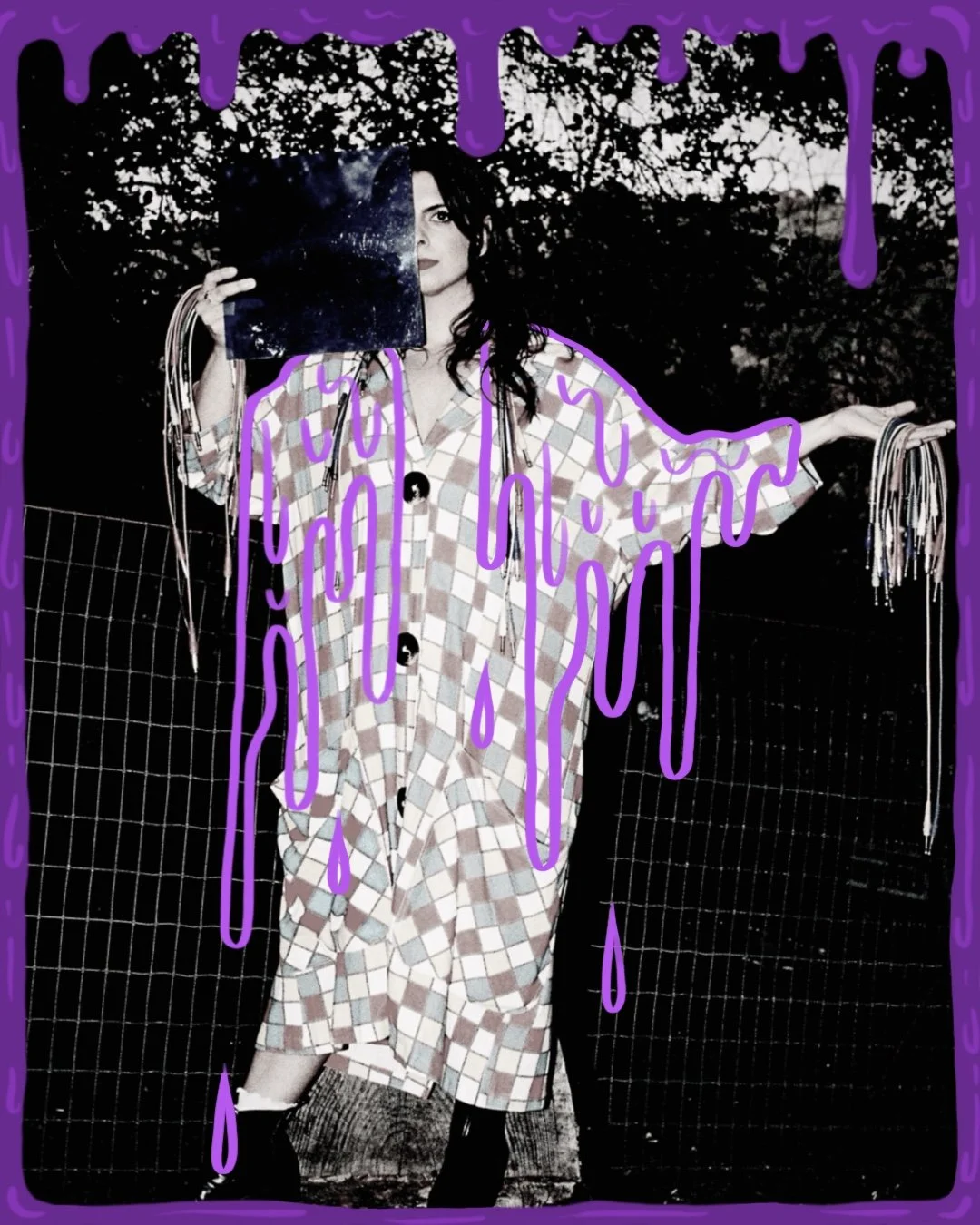
Artist Profile: Bibi Club
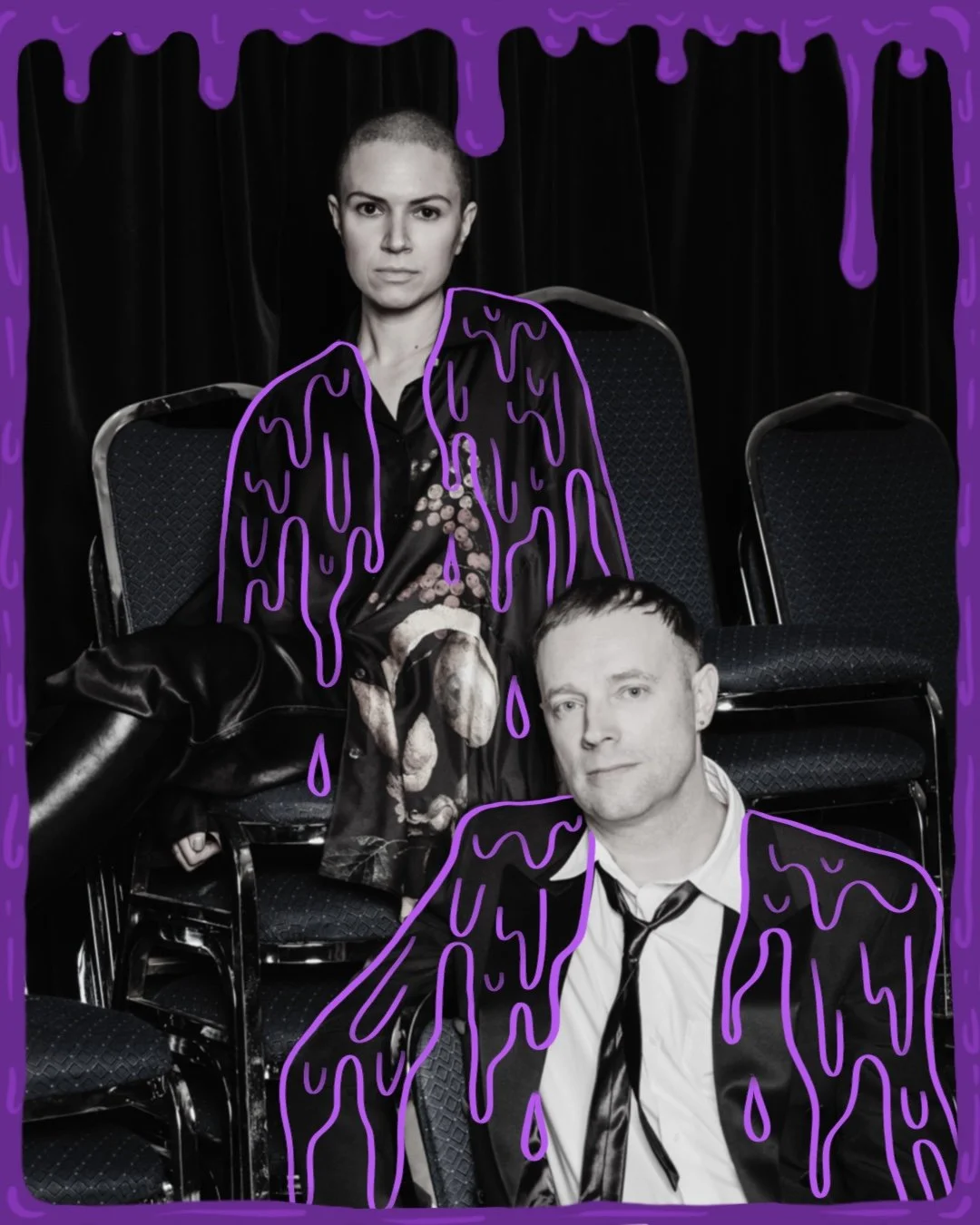
Photo Credit: Manoushka Larouche
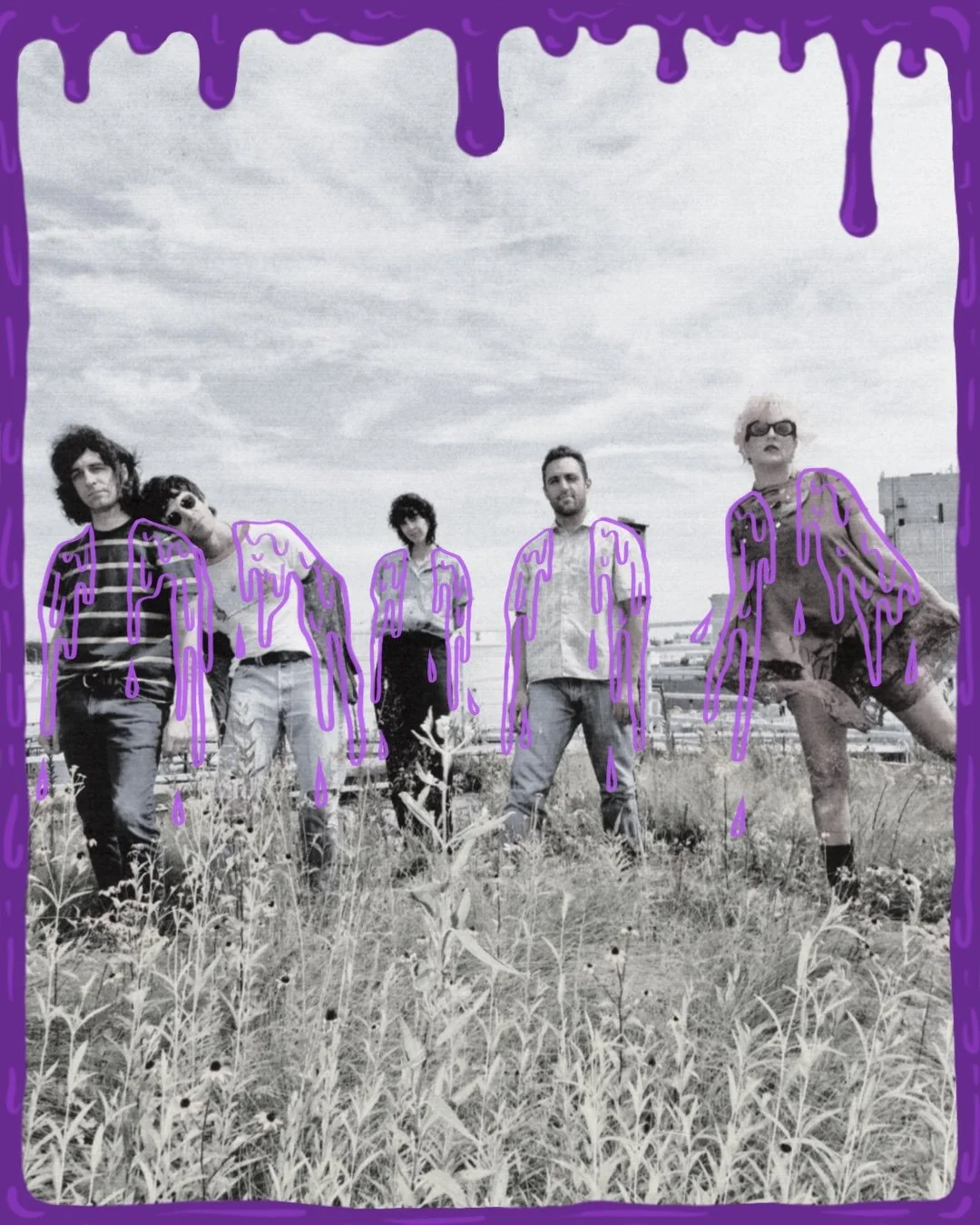
Bibi Club, the Montreal-based indie pop duo of Adèle Trottier-Rivard and Nicolas Basque, has been carving out distinct vibrations since their formation in the late 2010s, operating in the midst of the direct action and sonic intimacy that has defined their creative process from the very beginning. As they have continued to work together, however, Bibi Club and their artistic partnership have evolved tremendously, with their forthcoming release, Amaro, serving as undeniable evidence of that fact.
As young musicians, Adèle and Nicolas shared remarkably similar backgrounds. Both grew up in Montreal, earning their musical chops playing classic rock with local bands.
Both, moreover, were later trained in jazz. They studied music in school, and both fell in love, at the time, with the arts of both composition and improvisation. This led Nicolas into the Canadian indie-rock band Plants and Animals, while it led Adèle into a singing career of her own.
The pair met when Adèle joined Plants and Animals on tour as a vocalist, and they quickly realised they had shared musical affinities. Although they were each committed to their work with Plants and Animals, they had also begun developing musical ideas independently, finding a mutual outlet for these creations through their budding friendship.
“Through that band, I met Adele because she came and sang on one of our records. And then she came on tour with us in the States and we started exchanging music.That's basically how our project started, by exchanging music really naively,” said Nicolas, “We just had a lot of similar values in music, a lot of similar tastes, similar instincts. And I think we were both trying to start a new project, and it just worked.”
Bibi Club, therefore, was formed in the context of Plants and Animals, but it quickly took on a life of its own. With Nicolas looking to return to some of his roots in minimal, electronic production and Adèle seeking an outlet for her immersive voice, the pair immediately felt as though they had found something special.
“We had so many things contained in our bodies and we were so inspired together and discovering this new artistic connection... But it's a totally different thing to become the project and be upfront,” said Adèle, “I was scared of doing that in a way. It took a while for me to, and even when we were playing our first shows, I remember not feeling as myself as I am today, for sure. I was trying things, but hiding still.”
The duo’s early days were defined not only by overcoming that lingering anxiety but also a fervent pursuit of the artistic vision they had dreamed up together. Their first, self-titled EP and debut album, Le soleil et la mer, are distinct testaments to this fact, taking the experimental basis for their work to its furthest possible conclusions at the time.
Much of the duo’s early mindset, and their creative approach today, has been spurred by Nicolas’s tendency for quick and direct action. According to Adèle, he often refuses to hesitate in a creative situation, taking artistic leaps before there is even time for doubt.
“He has a really raw instinct in music, and he doesn't take his time that much… It's always very instinctive and fast. And urgent. I really like this speed he has; it's inspiring. And it gives me the mojo to just go on and move.”
In tandem with what Nicolas describes as Adèle’s incredible emotional and musical instincts, this approach has allowed for unmistakable growth and evolution for the duo. Their second album, Feu de garde, takes on a much more grounded, raw approach than their first, relying less on some of the experimental overtones and more on the concrete vision that Adèle and Nicolas first shared.
Their newest album, Amaro, centers on something much more tangible, however: grief. It is informed thoroughly by that emotion and its resultant swings and cycles, and their latest single off the project, “Washing Machine”, is as heart-wrenchingly profound as it is sonically immersive, with Adèle’s swooning vocals ebbing simultaneously above and below the searing rhythms of the duo’s production.
With their newest project, Bibi Club has reached its fullest form: not just as an outlet for their shared musical yearnings, but as a repository and a reflection for the duo’s shared traumas and emotions.
“It's an album about grief a little bit,” said Nicolas, “In a broader sense, it's about grief, but it should feel like, when you listen to it, that you're in ancient ruins and you can dance your life away, with people dancing all strange, coming, every generation mixed. So there's something also liberating.”
Amaro releases on Feb. 27 through Secret City Records