Artist Profile: Julia, Julia
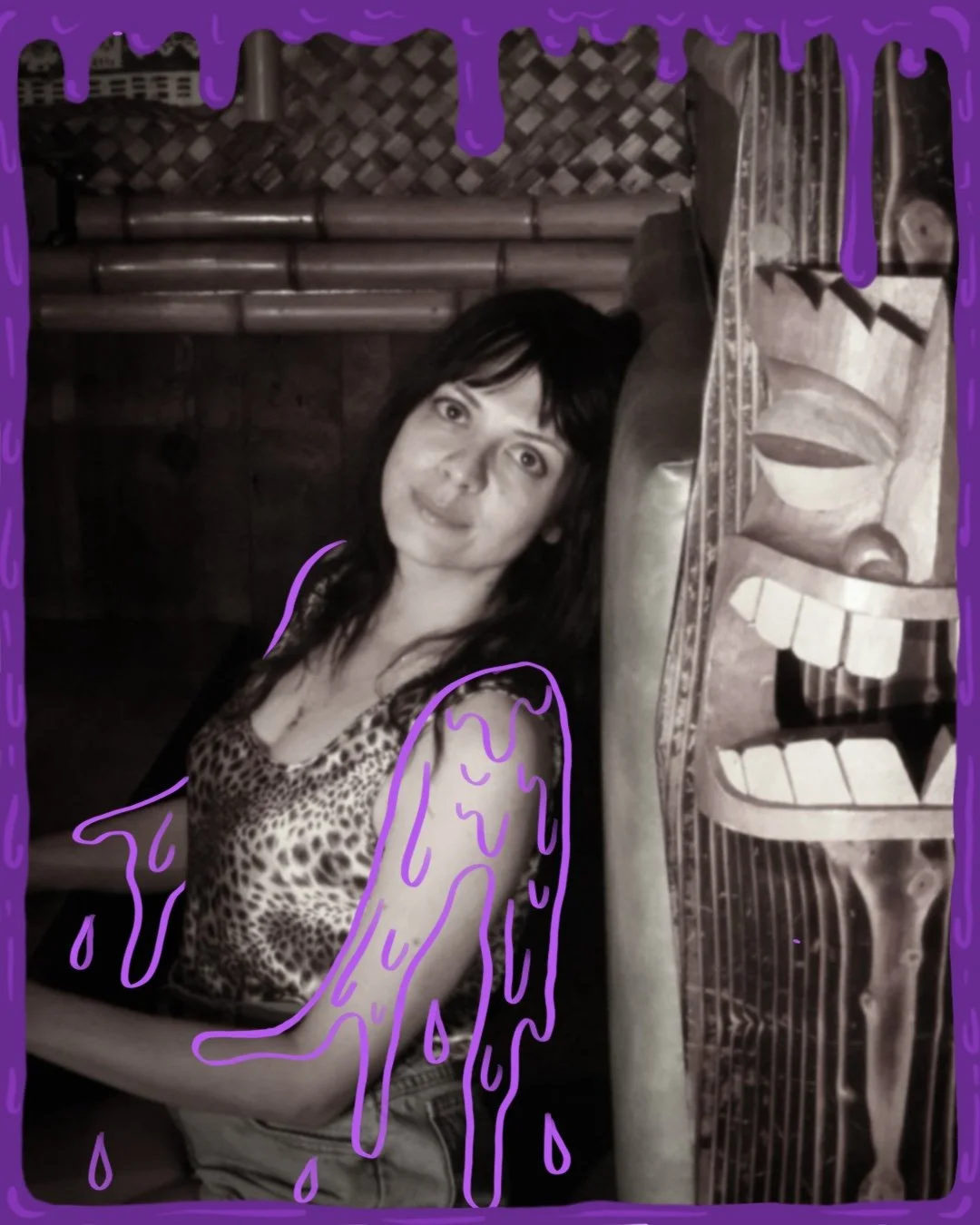
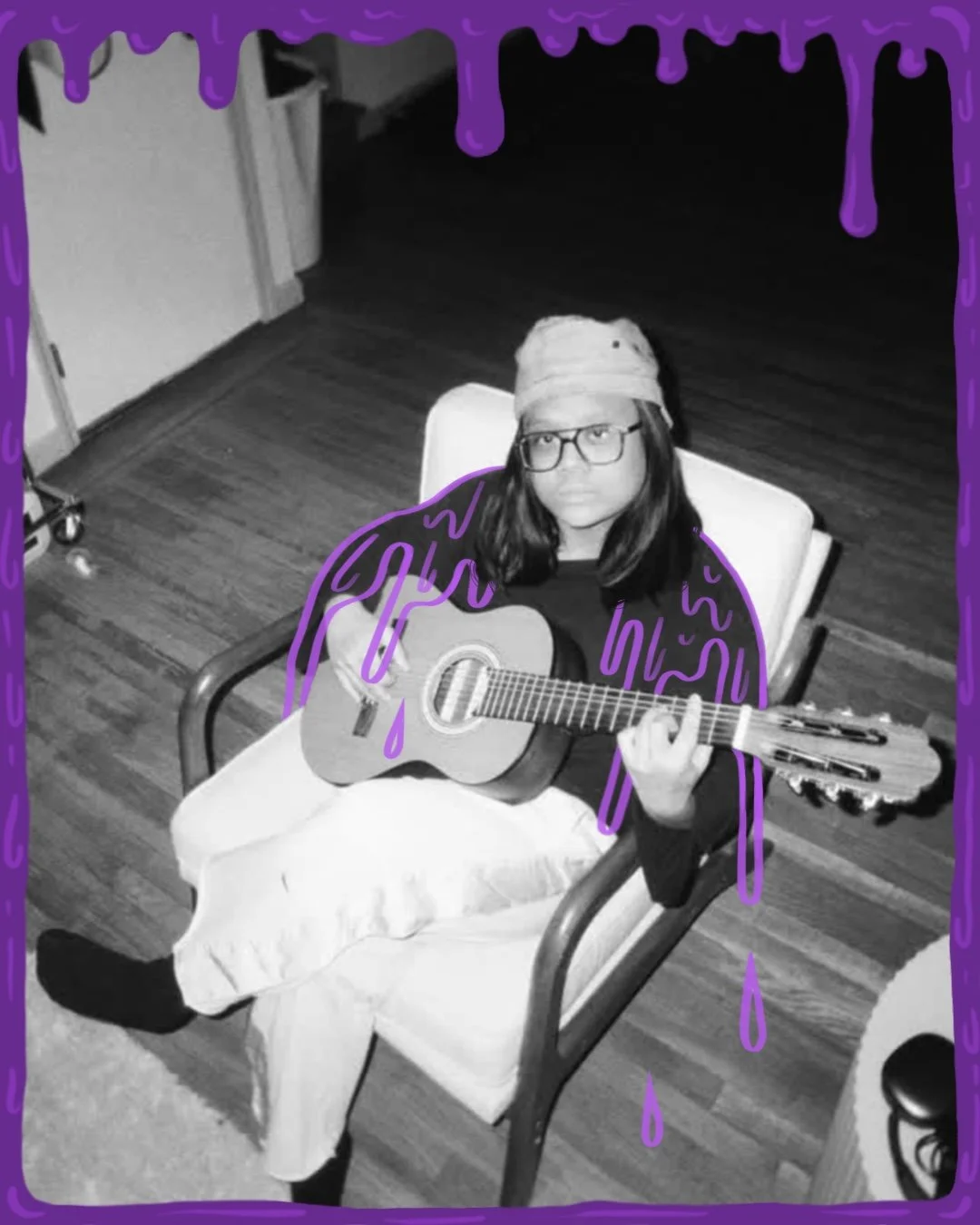
Photo Credit: Scott Montoya
Julia, Julia, the solo project of punk and garage rock legend Julia Kugel Montoya, has now marked another step in its sonic exploration with the release of her second album, Sugaring A Strawberry and, in doing so, has signified another distinct departure from the intense and boundary-pushing music that her primary project, The Coathangers, has produced for almost two decades, returning Julia to her musical roots as a more delicate and intentional artist in a setting that has been nothing short of refreshing for her creatively.
Growing up in the Soviet Union, exposure to American rock music was a rarity, and a delicacy, for Julia. Her mother, instead, was a classical piano player, and, once Julia began taking her own lessons, her mother would continuously quiz her on the styles and individual touches of various composers.
Julia, therefore, grew up in a very different musical context than the one that would eventually birth her artistic inspiration.
However, when she moved to the US as a pre-teen, her discovery of grunge, punk, and hardcore music changed everything. The raw energy and carefree style that groups like Nirvana and Gang of Four carried themselves with opened her eyes to a part of herself she didn’t previously even know existed; she sang and danced her heart out at shows in the local Atlanta area and, in the process, was introduced to some of the most influential people she would meet in her life.
When she went to Georgia State for college, her scene changed, but her interests didn’t. As she continued going to shows and expanding her growing internal musical encyclopedia, she formed a close group of friends who, upon discovery of their shared interest in music, would get together and jam loosely punk-based rhythms in an improvised practice space.
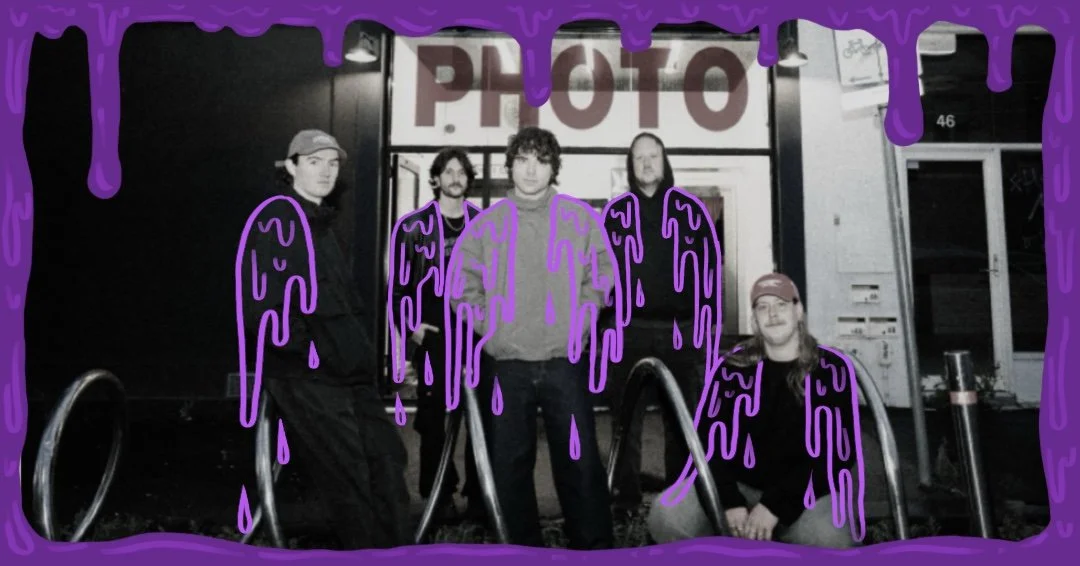
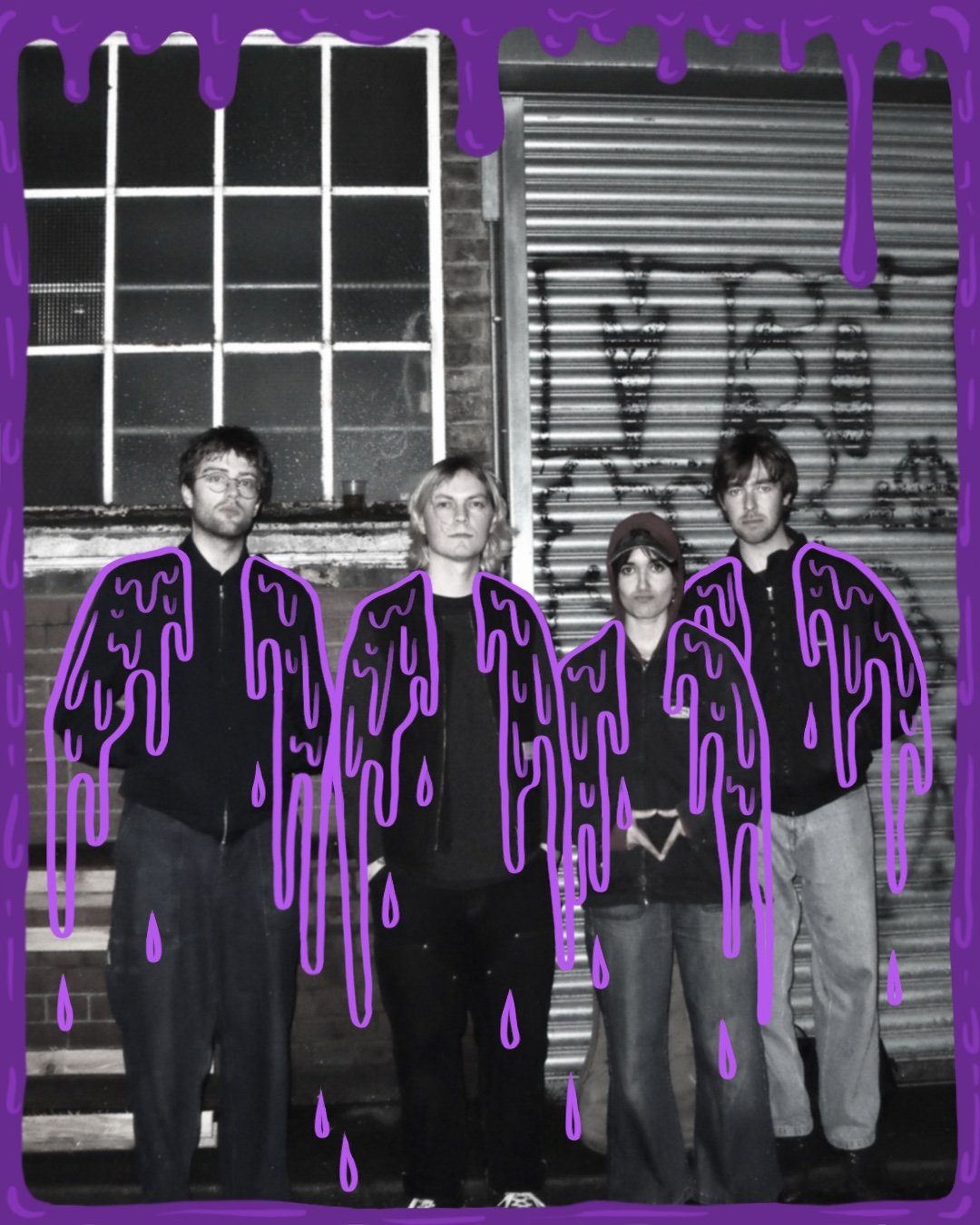
From these sessions, The Coathangers were born, and Julia had completed her transformation into a bona-fide punk rocker.
“It really set a switch. [It felt like] this big f*ck you to everything, and I felt so important and powerful and able to release all this pent up emotion… When I was 15, I started learning guitar, because it was a lot more mobile [than piano]. I learned classical guitar, though, so, when I started [The Coathangers], that's the first time I picked up an electric guitar and used a pick. It was just crazy to be so loud. It was completely the opposite of classical music.”
From there, things took off. The band got its first gig, which was followed by the release of a 7”, which was followed by the release of a full-length project, which was followed by a tour, which was followed by nearly two decades of inspired work in the studio and a seemingly never-ending stream of opportunities for the band to continue what they had started.
Yet, somewhere in the process, Julia felt as though she had lost some of the carefree qualities that she had loved about punk music in the first place.
When the COVID-19 Pandemic hit, and Julia was granted a reprieve from the grueling schedule that the band necessitated, she knew that she could use the time to truly focus on some of her solo work for which she had recorded loose demos over the years. Originally entitled White Woods, after her affinity for the birch trees that populate her native Belarus, the project slowly took on its final form as Julia, Julia, and, through that process, Julia was granted the ability to pursue a path different than the one that the success of The Coathangers had dictated for her for years.
“With the Coathangers, and with that sort of genre-based musical existence, I was painting with primary colors for like 15 years, but I also wanted to paint with pastels. I wanted to do some watercolor and maybe a ceramics project… With [Julia, Julia], I could do anything because it's non genre. I don't care what people expect. With The Coathangers, people expected a certain sound.. but, after 20 years or something, you might have f*cking something else to say. I’ve got more dimensions.”
As a result of this desire for sonic independence, her first album as Julia, Julia, Derealization, was taken on entirely on her own terms, with her alone in the studio writing and producing each component of each track. The result was a set of songs that, while maintaining the electric aspects of the music she had grown so fond of over the years, showed a strong inclination towards the delicacy and intricacy of the music she had been raised on.
Yet, what she discovered through that process was that, over the years, she had come to put so much pressure on her time in the studio that it had come to feel like a painstaking and tedious process: one that she wanted to perfect every single aspect of as quickly as possible.
Therefore, when she began work on Sugaring A Strawberry, she enlisted her husband, Scott Montoya, for help with production and certain aspects of the instrumentation.
“That's what my goal from now on is to have fun in the studio because, for so long, it's been a very, very tedious experience. Because it's forever, I’ve put so much pressure on it, and I'm learning to let go of that.. It's kind of going back to something that I used to be comfortable with, in the beginning with The Coathangers. When you're in a band for a really long time, you're gonna get a lot of people telling you stuff, but it's much more lighthearted and experimental on the second album.”
As strong of a project as Derealization is, this process of letting go paid hefty dividends for the sounds of her second solo album; from the cascading, plucked sonic waves of “Flickering Light” to the cresting harmonies of “One Of Us Cannot Be Wrong,” the artistic variance that Julia had been seeking to set free for years became completely and manifestly evident.
Thus, while she continues work with The Coathangers, Julia, Julia represents both an immense passion and an artistic release, allowing her to explore the aspects of her creative paradigm that otherwise may have been left untouched.