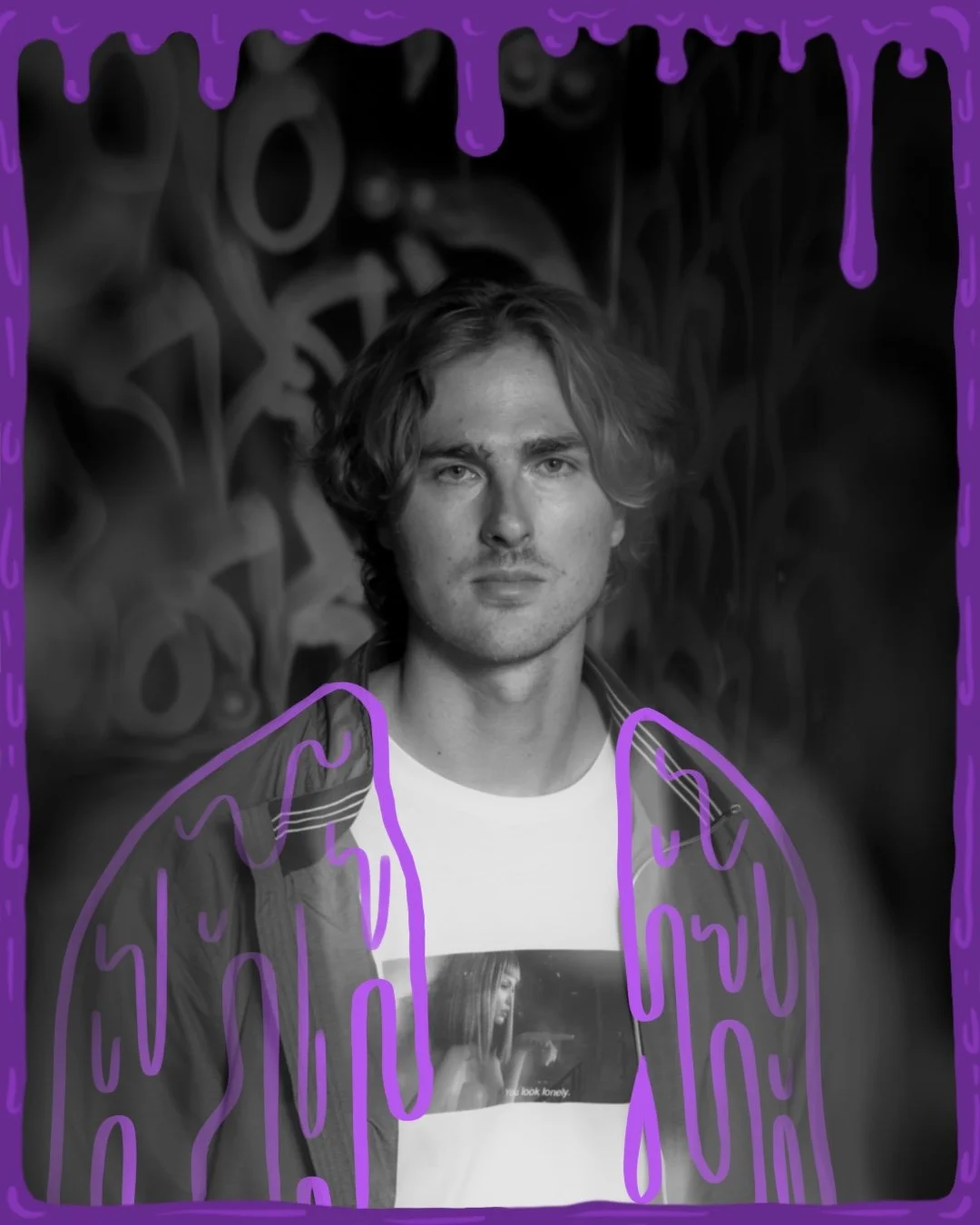
Artist Profile: Henry Walters
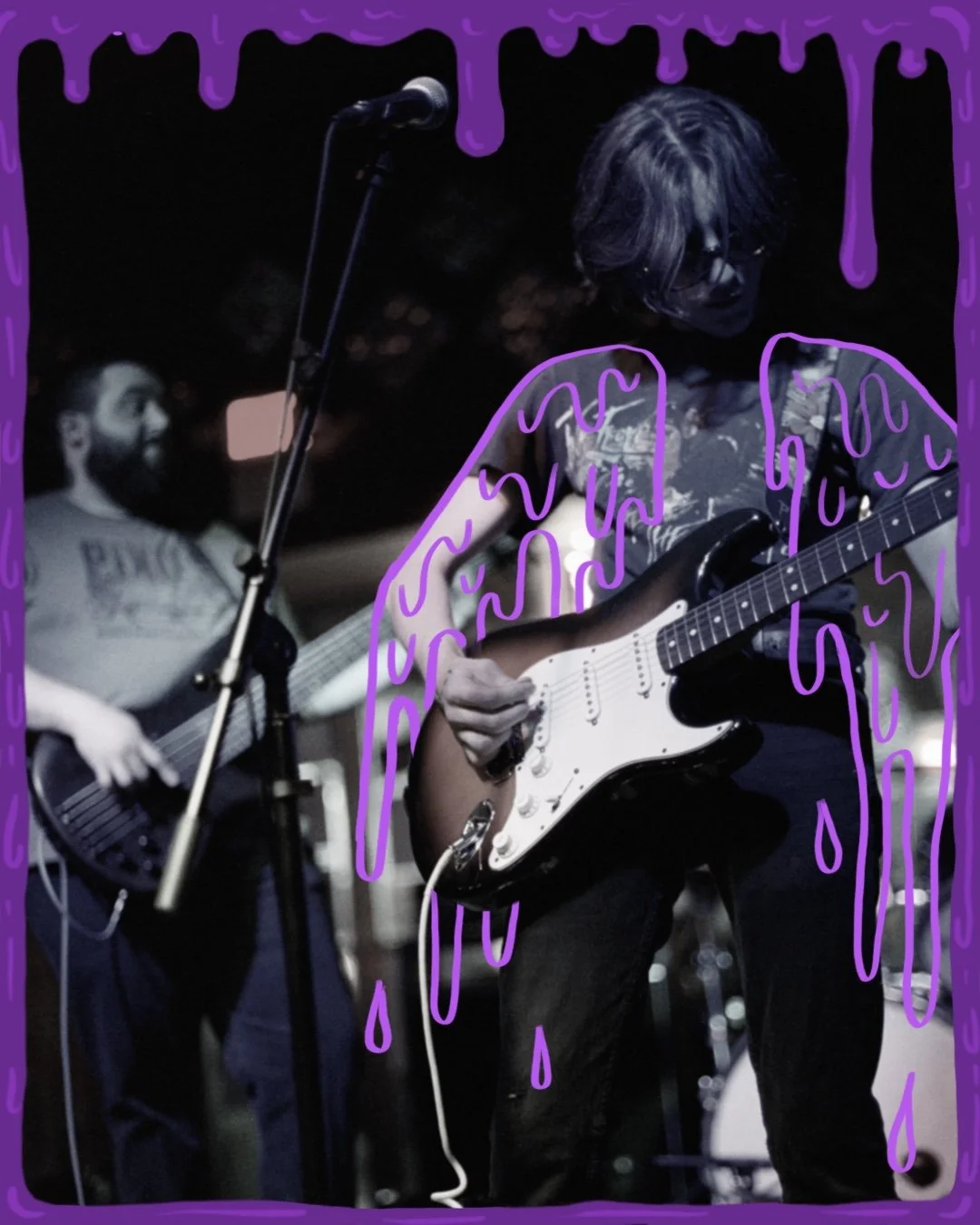
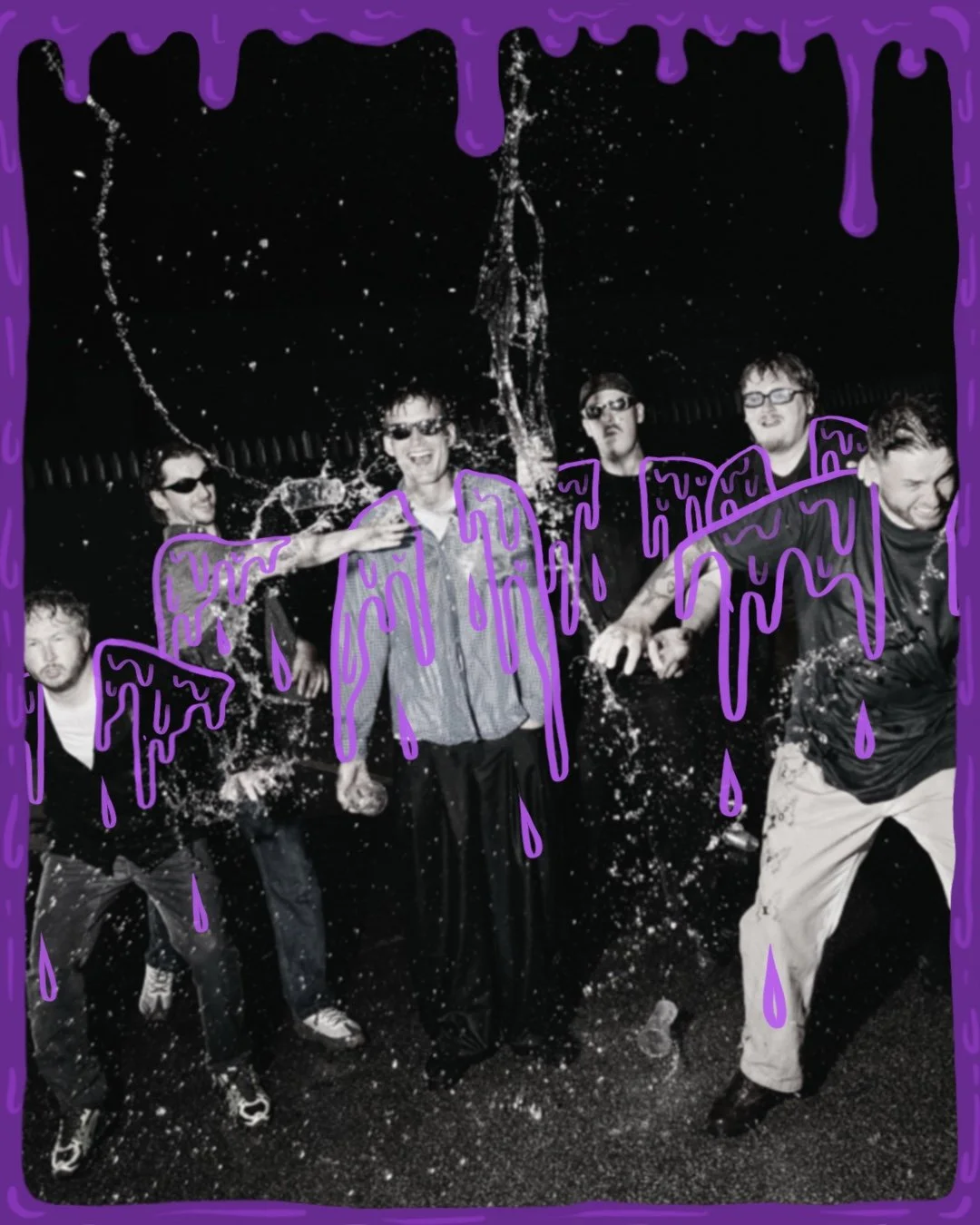
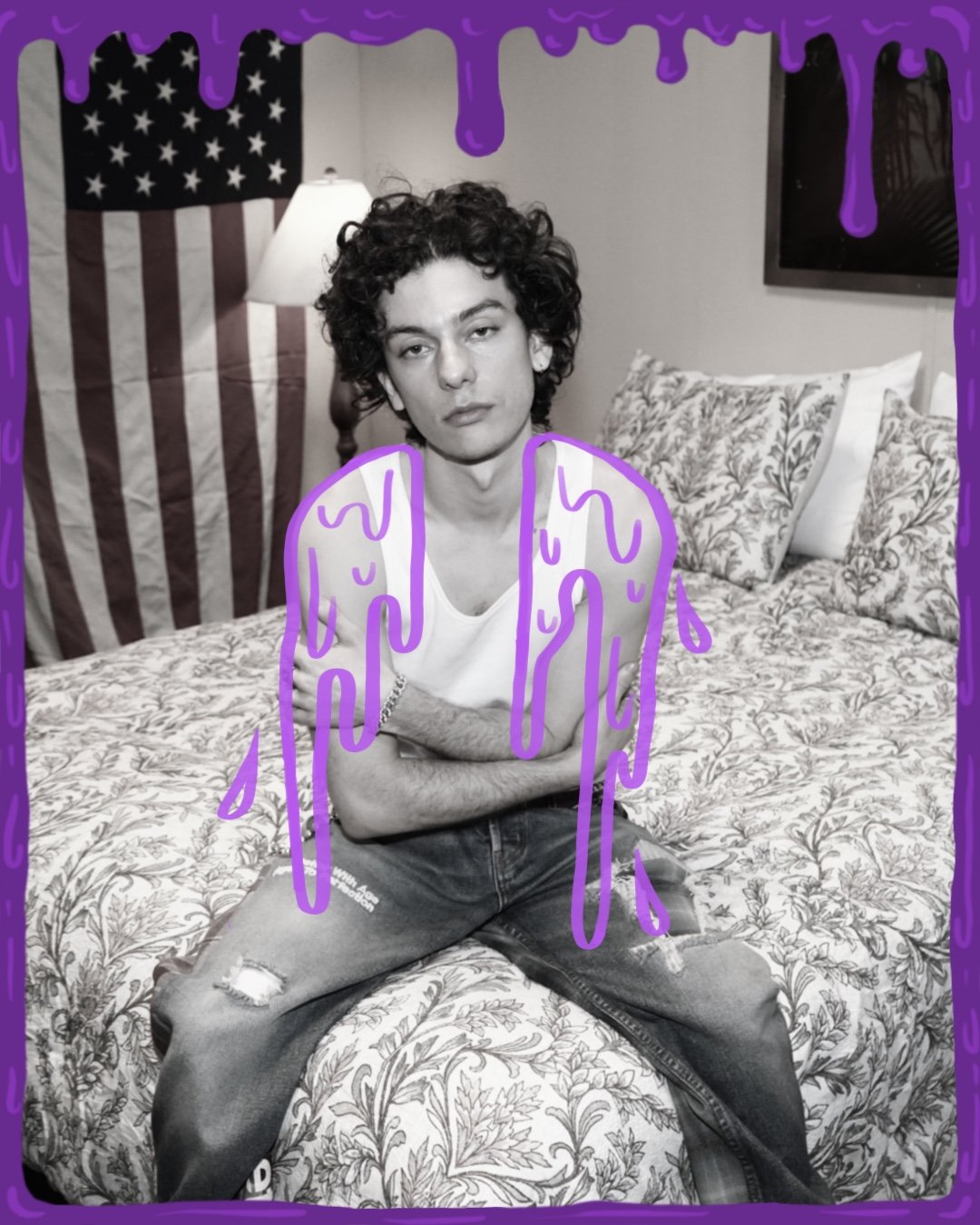
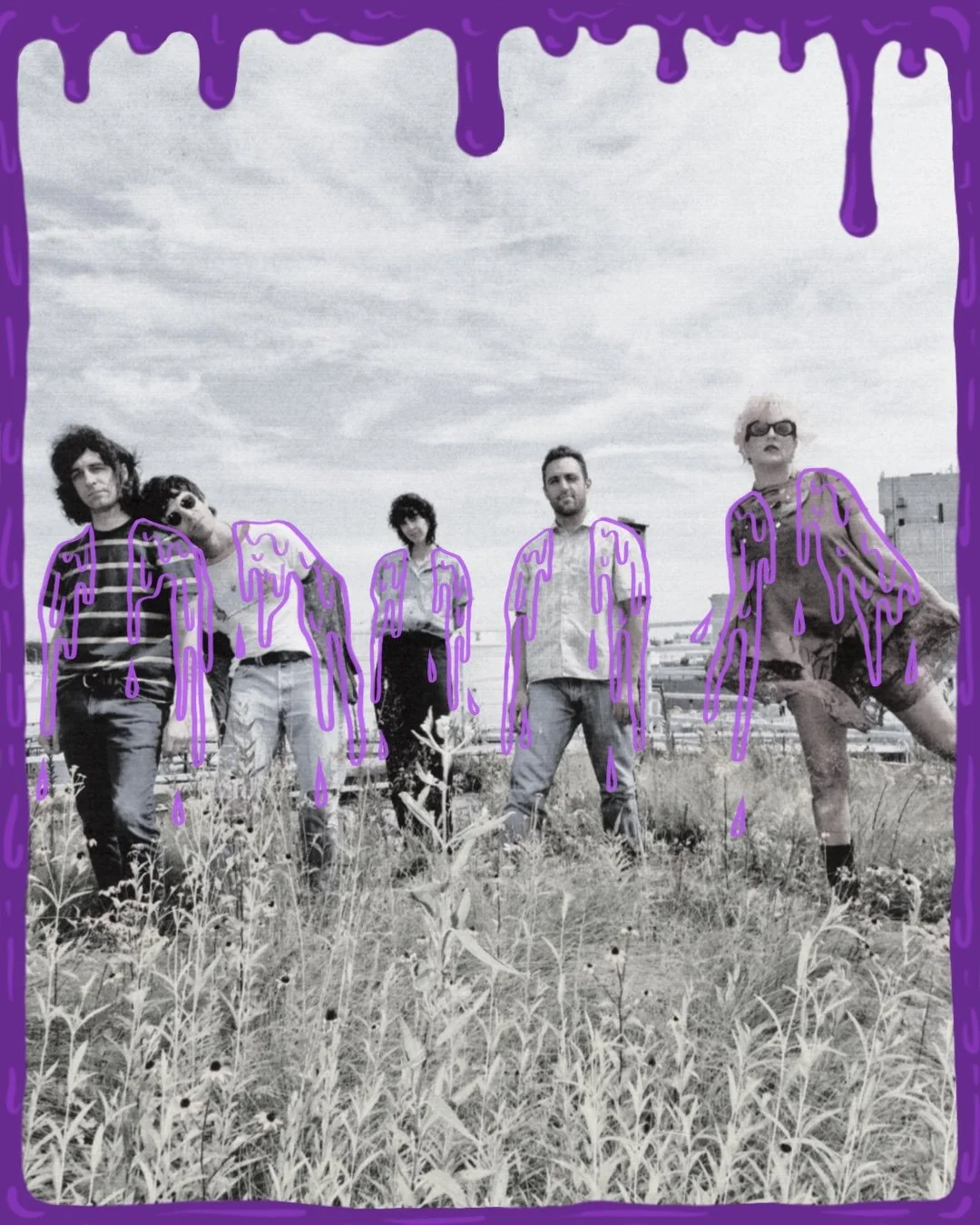
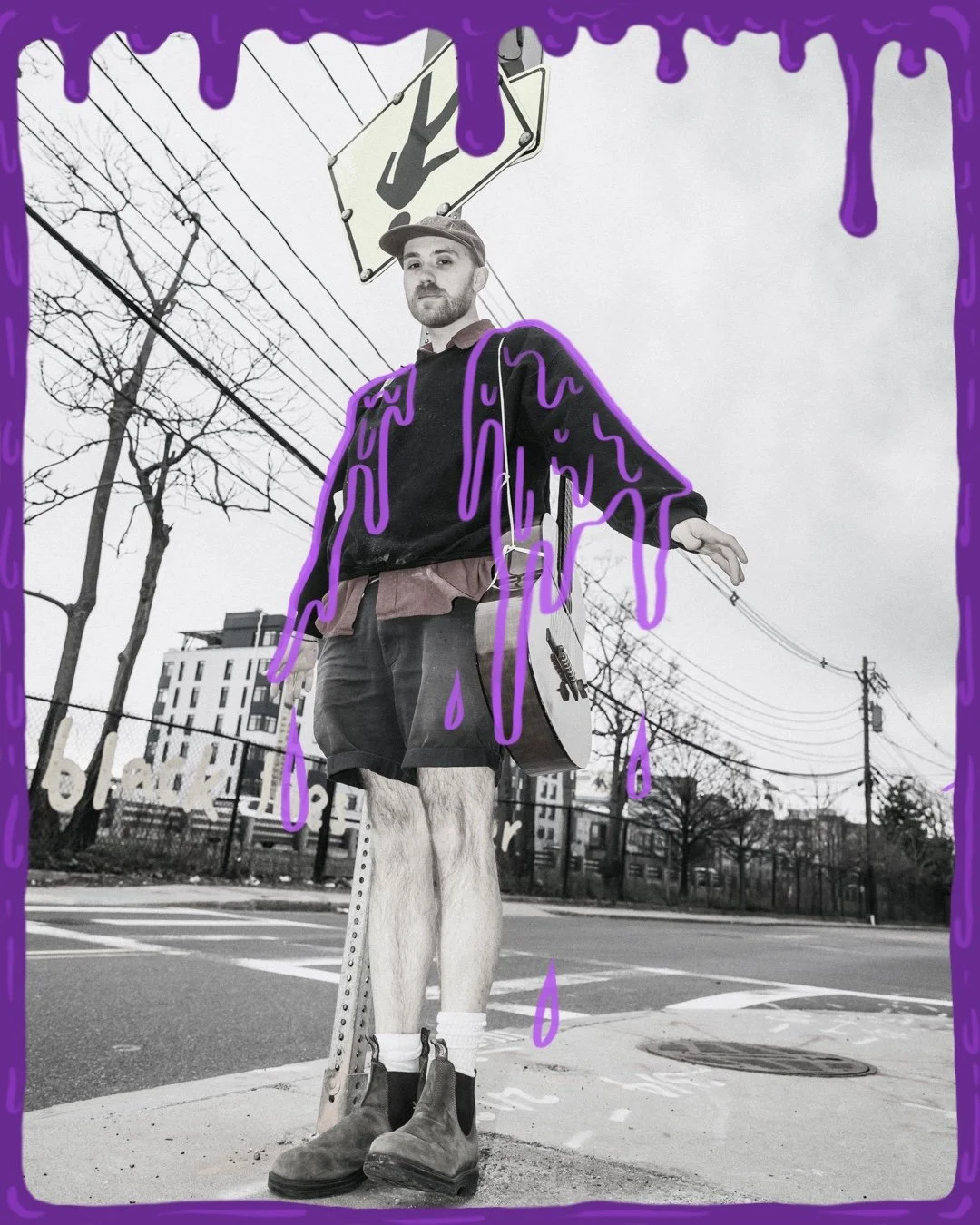
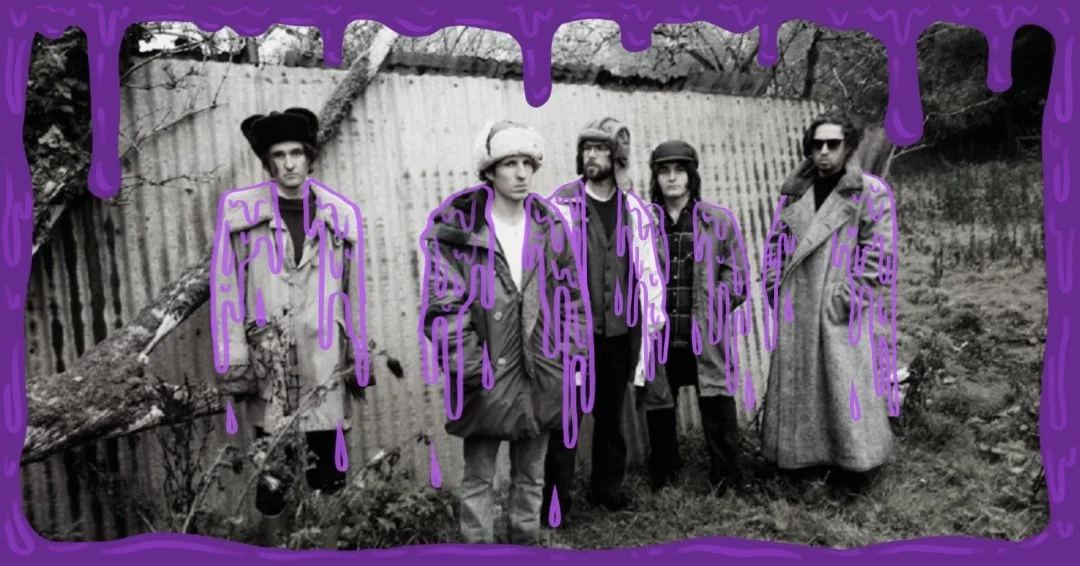
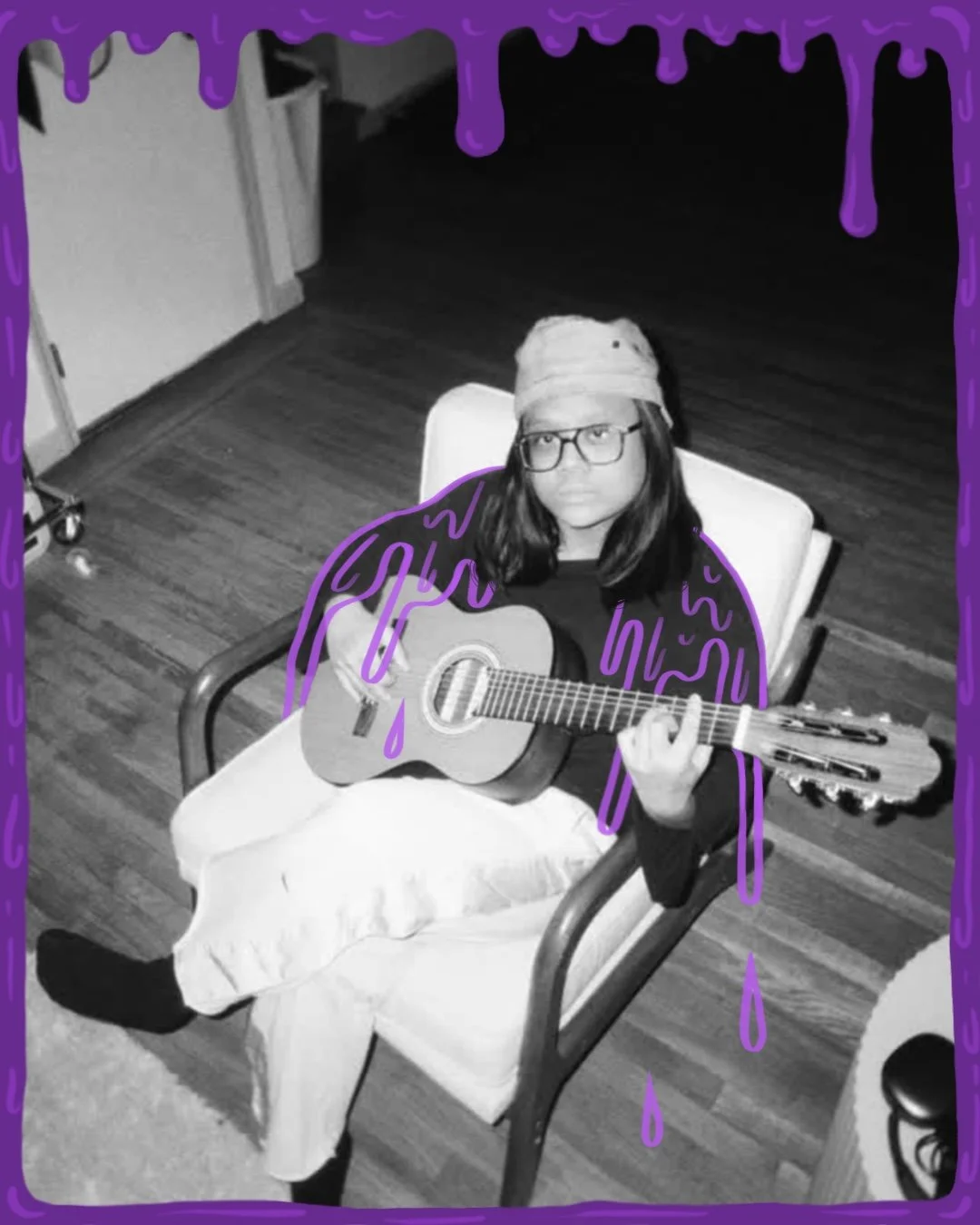
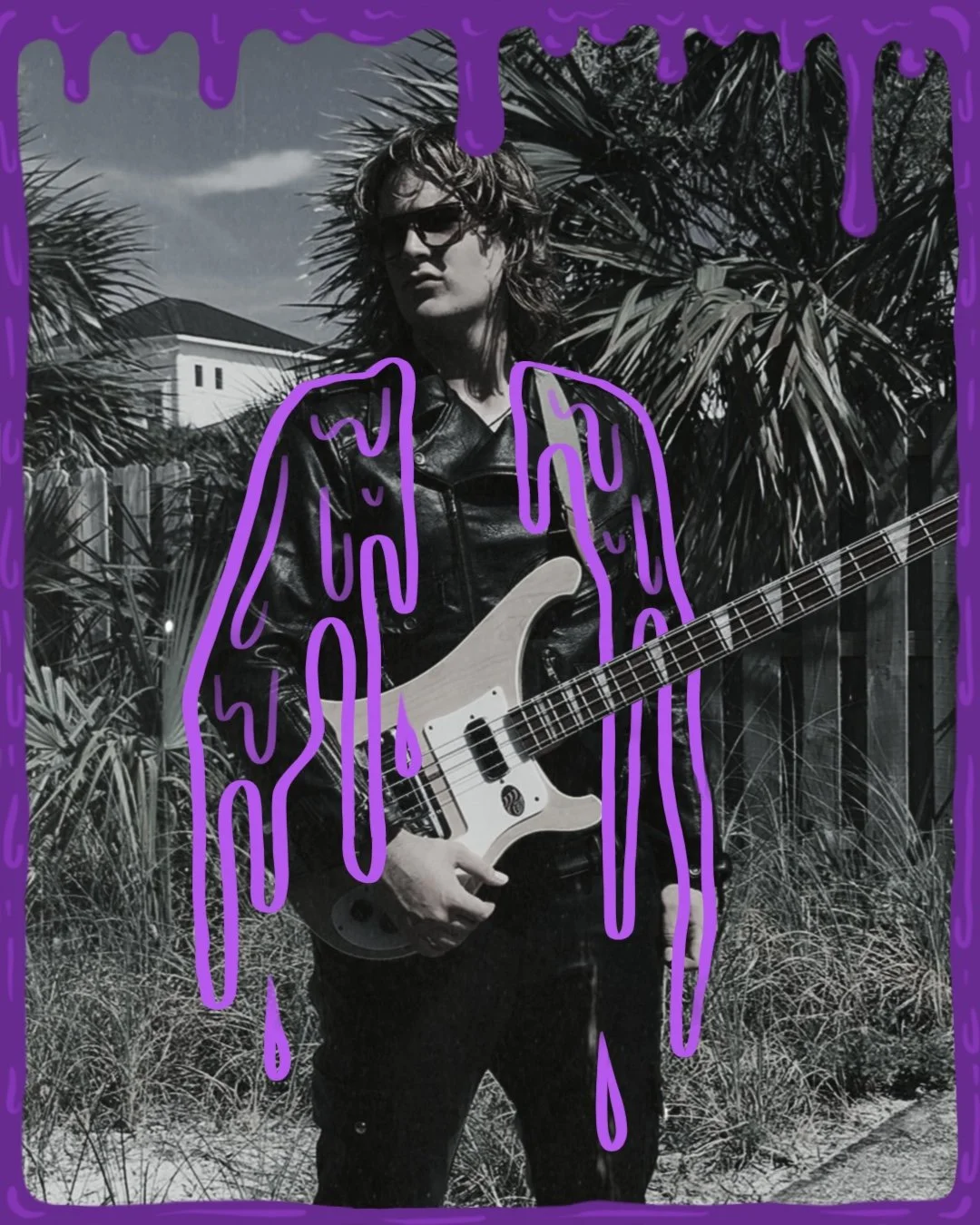
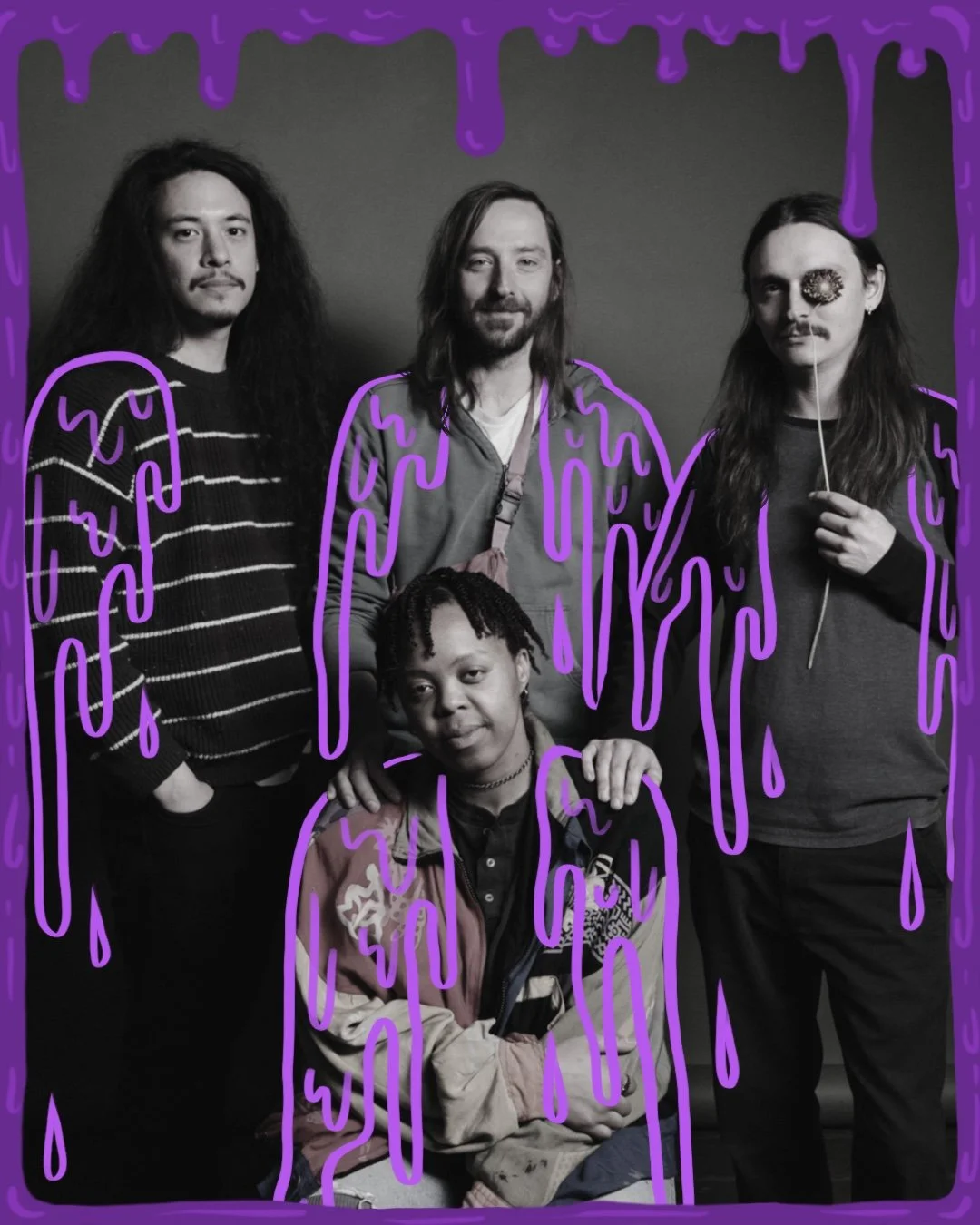
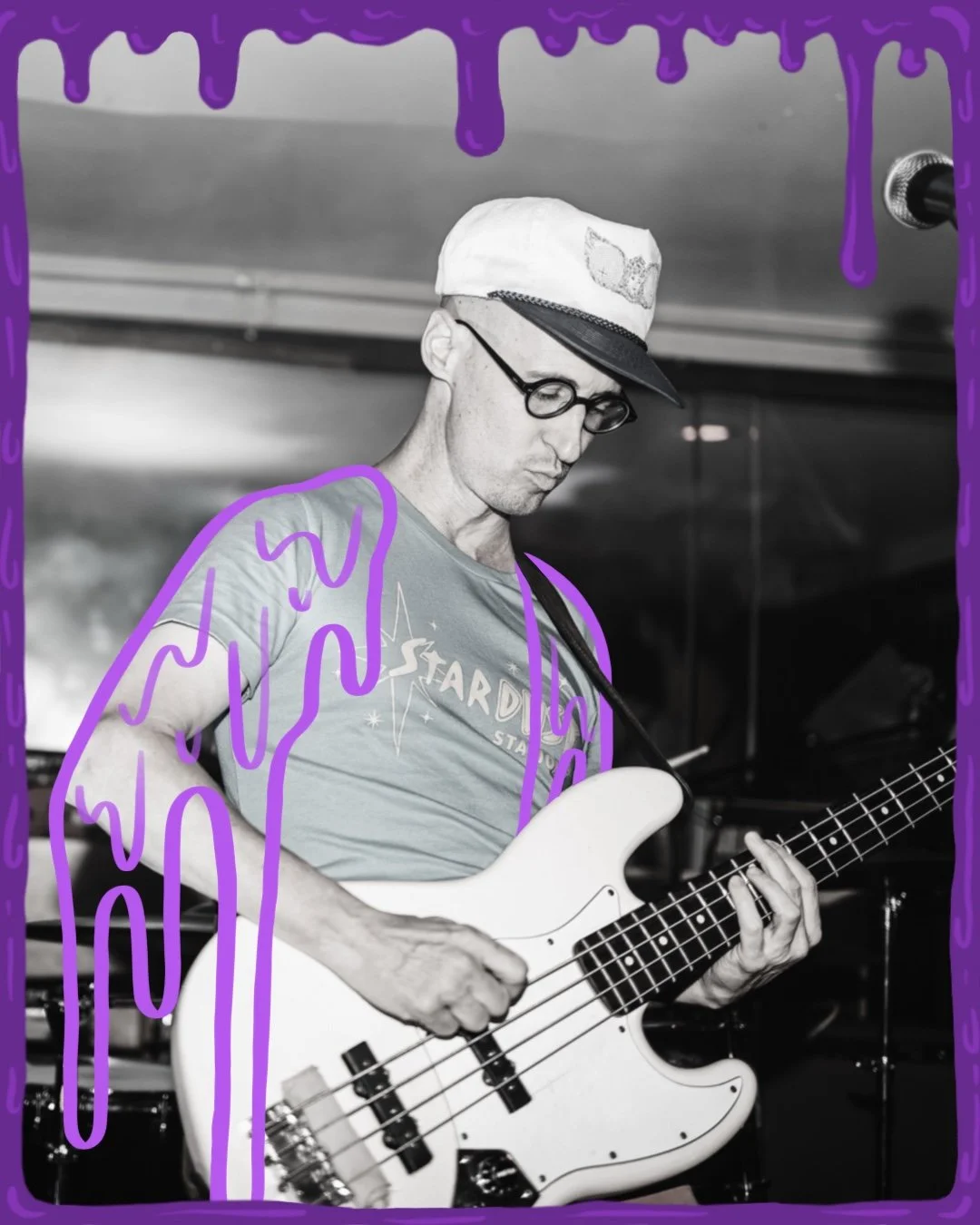
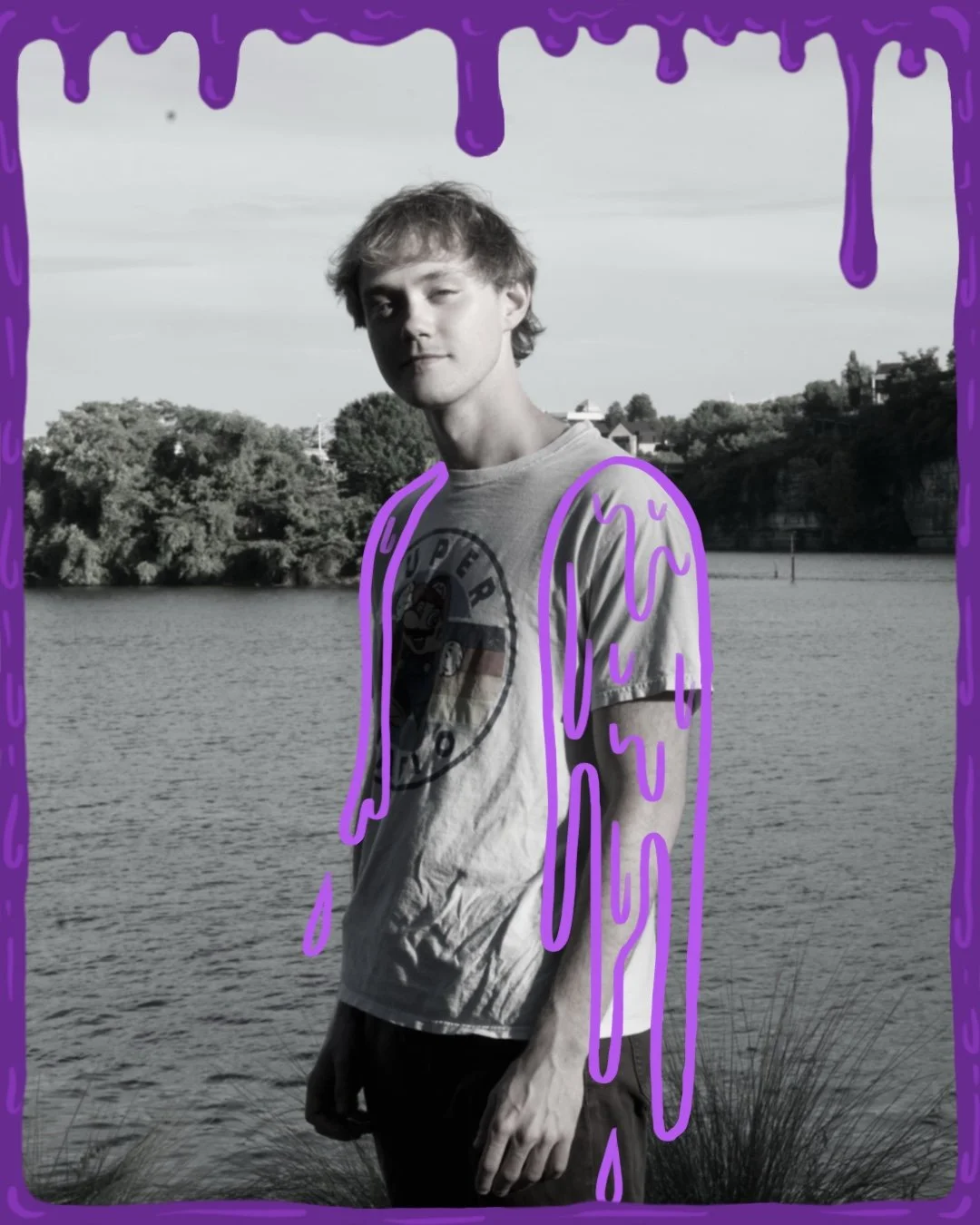
Henry Walters, the guitarist and rock visionary from Michigan, has been carving out a unique, pop-driven lane since he was a teenager, pursuing the sounds that funneled into his childhood from his musical family and his older brothers. Now, as he continues to forge a new, digitally-rooted direction for the band, they are on the cusp of another major transformation, all while simultaneously maintaining the sonic roots that have defined the band since their foundation.
Walters grew up in an exceedingly musical family, with a father and multiple brothers who each had their own distinct creative interests. He has stark memories of hanging around his older brothers and their friends, tuning in carefully to the music they were listening to as his own artistic identity was slowly shaped.
While his personal journey began as a percussionist in band class at school, he always knew that his goal was to write songs and to start a band, and, therefore, as a teenager, he picked up the guitar with that intention. He had always written songs in his head since he was a child, and, upon the advent of his journey into instrumentation, he was finally furnishing himself with the ability to bring these to fruition.
“I was trying to write songs before I even really knew how to play guitar. I would write songs in my head, even though they weren't really songs; they were just lyrics. I didn't really have the skills to put music to it… Before I ever put out my first album, I had a huge stockpile of songs that I had [already] forgotten about.”
Therefore, as Walters’ confidence grew, he knew that it was time to create his own cohesive project. He sat down with his older brother Sid, who had always been a sort of artistic role model to him, to make their first attempts at scraping a home-produced project together.
Although, even combined, they had very limited experience concerning production techniques, Sid helped Henry to execute his vision on an old TASCAM tape recorder, utilizing an old boom box as a monitoring system. On this first project, Sid played mostly a production role, while almost all of the instrumentation was done by Henry.
Yet, it quickly became clear that the two, in many ways, made a powerful creative duo as a result of their deeply-rooted foundations in the same musical interests.
“Sid and I, we pretty much record everything as a duo.. We've collaborated on stuff since I started getting involved with songwriting. When I was a kid, he had a different band, so that was a major push to me to start writing songs and wanting to form a band…So, when I started writing my own material, it kind of just made sense for us to work together.”
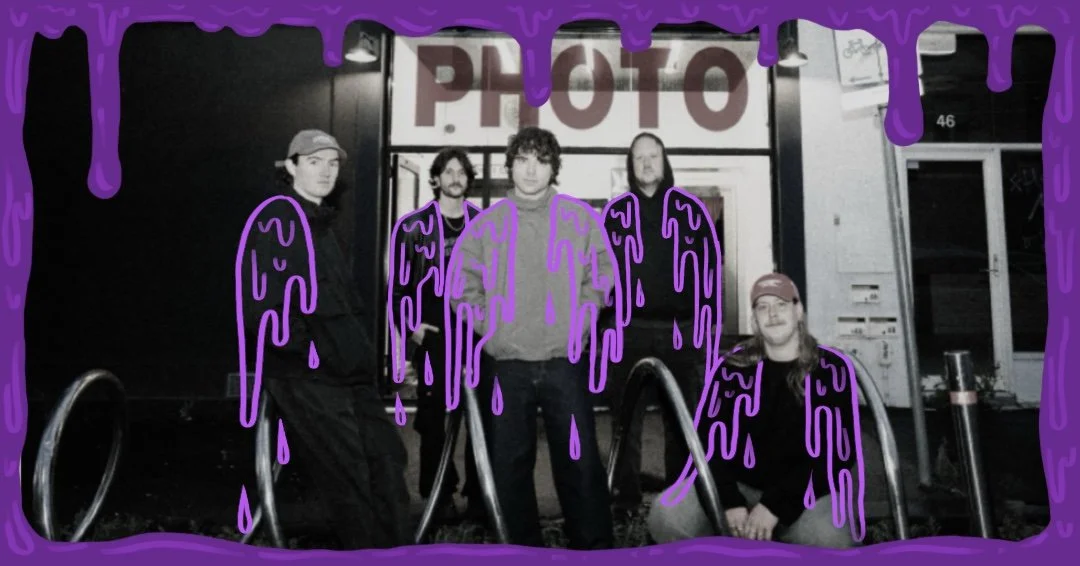
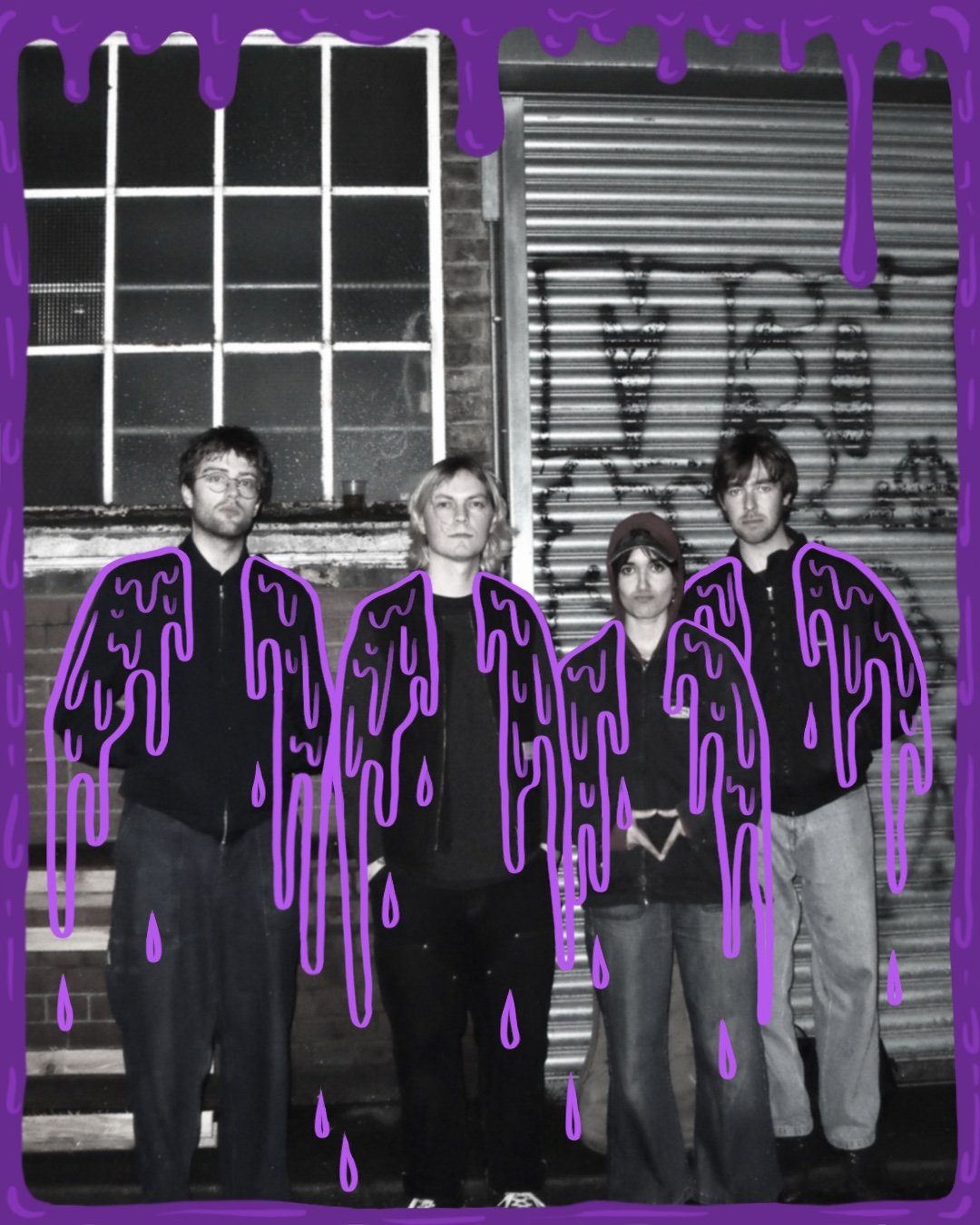
That first album, Henry, took on a distinctly electronic, trip-hop vibe that was unique to Walters’ early output. From that point on, the project took on a full band context, with Sid joining on as the drummer, and the expanded repertoire that such a transformation provided Walters with made a massive difference in the group’s sound.
While their second project, Rockin’ the Kitsch, was a live album featuring songs from Henry (and was relatively limited yet again in the quality of its production), their third and fourth projects, Roasty Toasty and Hot To Trot, each represent the band’s budding sound in their own unique ways.
Roasty Toasty was still recorded on tape, and it bears much of the grainy feeling and ‘60s-inspired sonic motifs that define some of the more obscure and avant-garde sounds in Walters’ repertoire. Yet, on Hot To Trot, the band, at Sid’s urging, made the conversion to digital production, and the enhanced editing and tracking ability that the medium provided them with brought on an entirely new formulation of their sonic intentions.
Although it is the only instrumental track on the album, “Hot To Trot II” represents this in its fullest form. Rising synths collide with guitar fuzz and a number of oblique sounds to create a distinctly haunting atmosphere: one that was made possible purely as a result of their switch to digital recording.
The rest of the album bears this mark as well, and, as the band prepares for their next project, they plan to continue their trek down this path, only with a distinct stylistic twist.
“I've been intending to do a Y2K kind of indie [project].. I want to make an album that sounds like all the bands who were like the hippest bands when I was a kid: the type of stuff where, when I'd hang out with my older brother's friends, they'd be like playing it… I want it to be modern, but I want it to have a correlation to the music that really influenced me when I was a kid.”