Artist Profile: Big Scary Indian
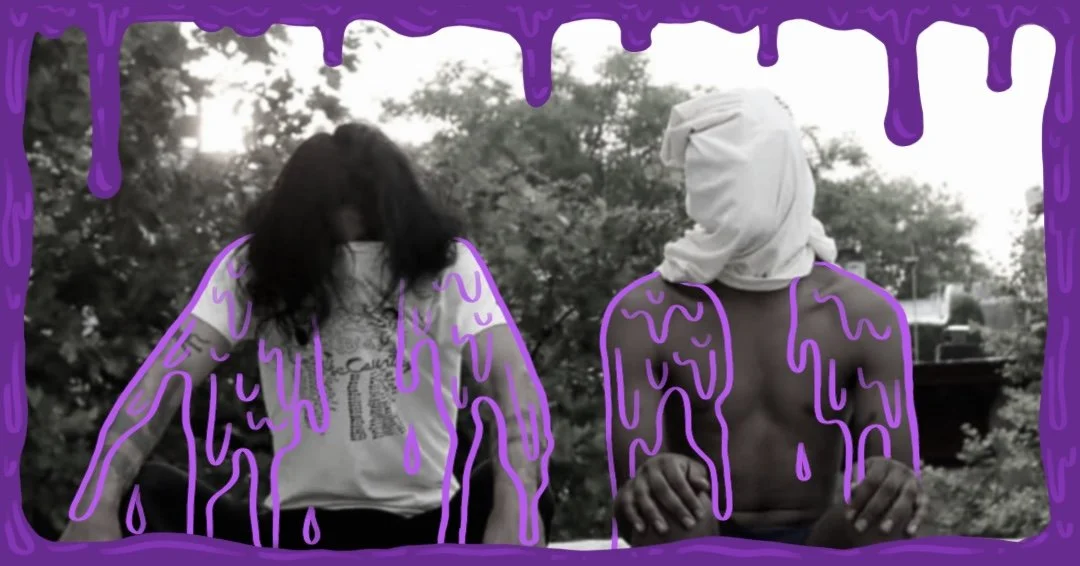
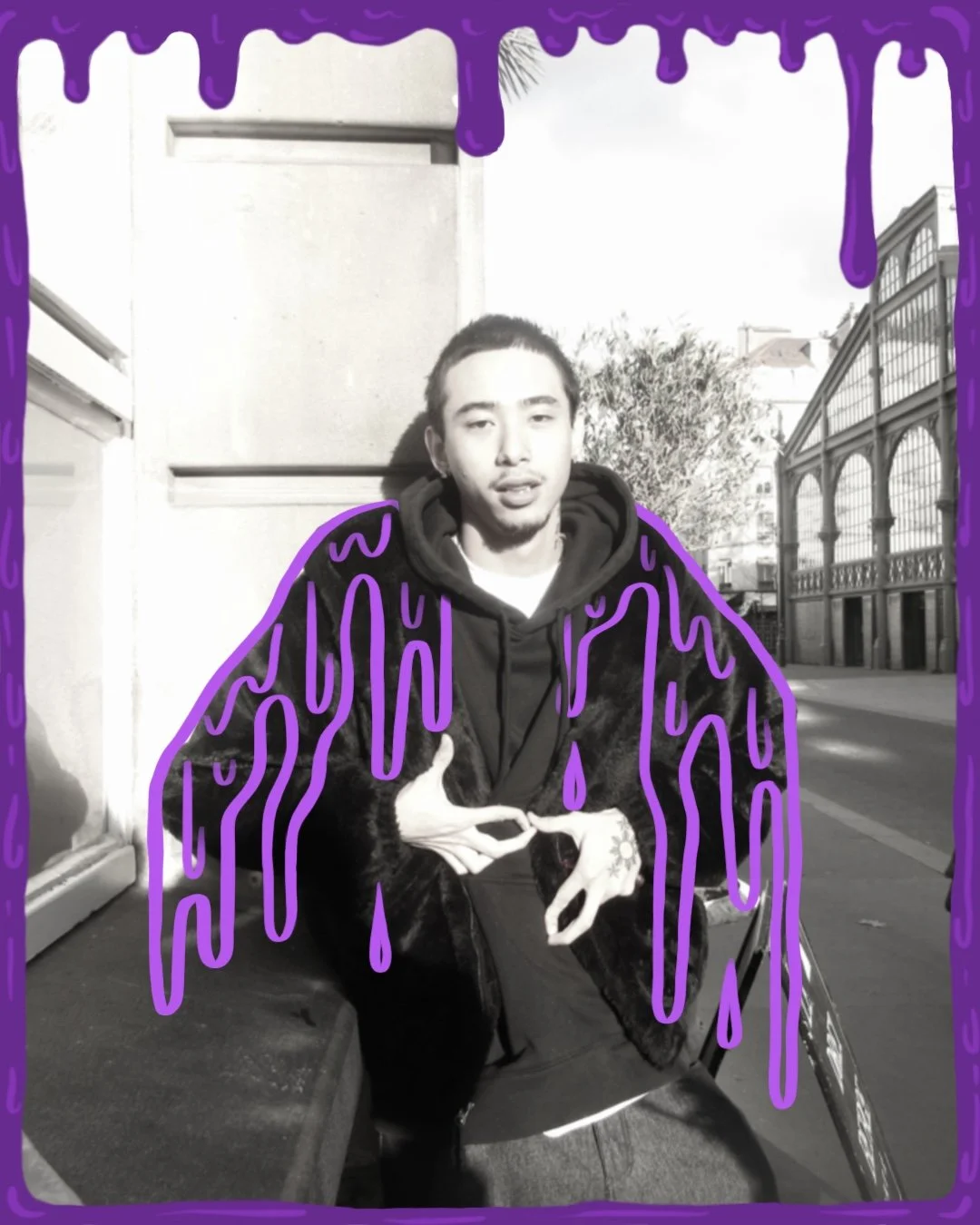
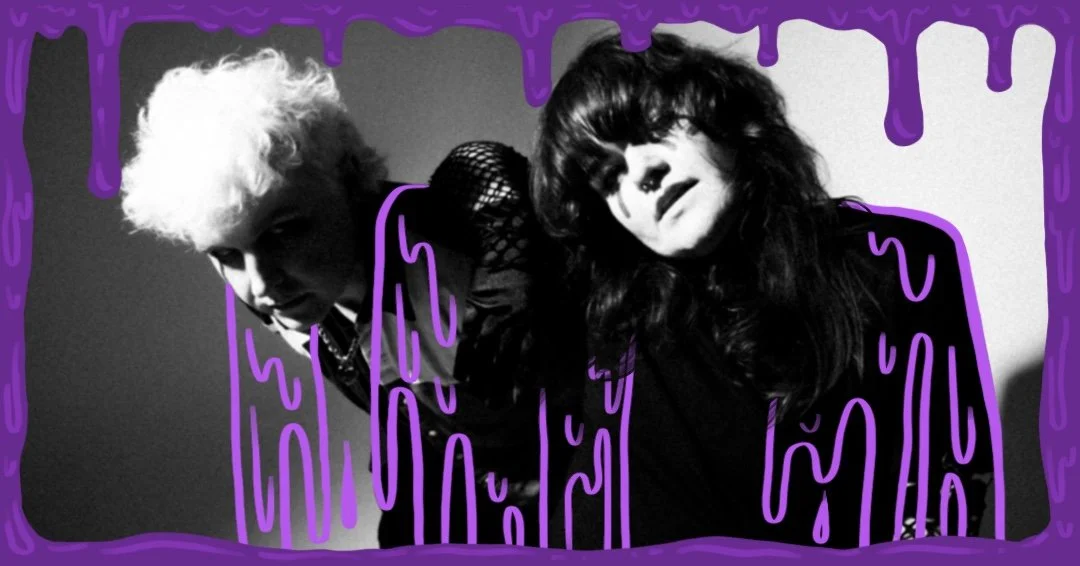
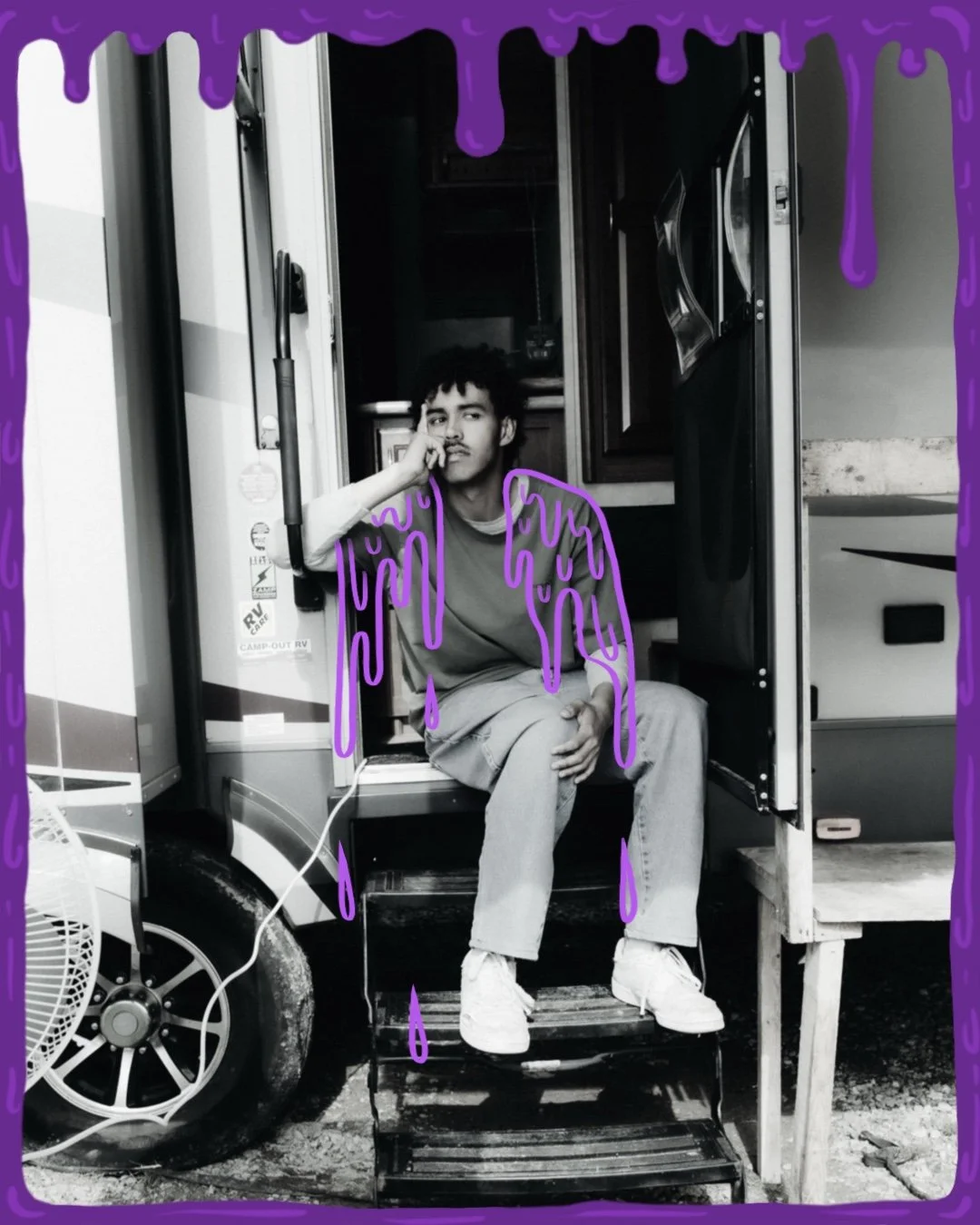
Big Scary Indian, the noise rock project fronted and helmed by Roshan Reddy, has served as an experimental ground for its creator in the years since its inception, allowing him to bridge and put into conversation the dichotomy of sounds he has loved since he was a teenager. The result has been a glistening, complex, and distinctly euphonious catalogue, bursting out in moments of beauty through the dissonance that the genre is typically known for.
From the time Reddy was a small child, his fascination with music was a central part of his life. His older brother had a massive collection of CDs and records, which introduced him to bands like Fugazi and jazz legends like Miles Davis. Moreover, his obsession with movie soundtracks, such as the score for Jurassic Park done by John Williams, made him turn to the piano for the first time, attempting to tinker out an imitation of what he heard in the film.
His mother saw this budding interest and enrolled him in formal lessons. Yet learning out of a method book did not appeal to young Reddy. He craved spontaneity and originality, and he quickly dropped the lessons as a result.
He continued to tinker with the piano at home, but when his brother left for college and left behind one of his guitars, Reddy became consumed by the instrument. In the same way he had emulated Williams’ compositions on the piano as a kid, he began to peel back the layers of his favorite artists, attempting to learn every aspect of his favorite songs by ear alone.
“I would say guitar played a huge role in influencing what I was trying to achieve musically. I mean, you hear this person and they're doing something that's incredible on their instrument to your 14 year old ears. You're like, ‘How do you do that? What the hell's going on?’ And then you just start peeling away at it. Once that enters your musical palette, you can kind of never go back.”
As he continued to be entranced by the guitar, he dove deeper into online rabbit holes, with his taste gradually diverging into two distinct paths. On one side, he fell in love with acts like Mahavishnu Orchestra, Frank Zappa, Paco de Lucia, and King Crimson, attempting to decode the complexities of their music with his own hands and instrument.
On the other, his friend group had instilled in him a love for some of the poppier, more indie-inspired sounds that were percolating on the East Coast at that time; groups like Matt and Kim, The Fruit Bats, and Man Man also held a strong grip on his creative yearnings.
Big Scary Indian, therefore, has from its very beginning represented an act of puzzle-solving for Reddy: determining where and how these two diverged paths can meet through his own artistic expression.
“My whole way of empathizing with music has been trying to figure out– How do I marry technique to writing music that I actually care about or that strikes me emotionally? I think that's always been a puzzle I'm trying to solve with my own music. I don't know if I'm successful at it, but it's something I'm trying [to do]... That's sort of been the dichotomy because there's stuff I really really love and appreciate, but from a more technical perspective, many would look at it as juvenile or delinquent or unsophisticated.”
A tour through Big Scary Indian’s catalog works tells an interesting tale in the context of this dichotomy. Their earliest work, 2019’s EP Chicome Malinalli, features a number of motifs and techniques in relatively undeveloped form that re-appear in their later works, taking on the experimental bent that inspired Reddy to begin making music in the first place.
Their 2022 album, Be Holding No Bodies, represents the first effort that Reddy feels is truly cohesive. Through incorporating sound collage techniques and leaning even further into the tenuous balance between the noisier and the more melodious tracks on the project, Big Scary Indian’s first full album feels like a deeply intentional sonic push into the atmosphere they had begun laying out on their first project.
Their 2025 EP, Road to Wrath, therefore represents the next step in this journey. Originally conceived as an album, the band decided to split the project into two separate EPs, joining together the three songs that were part of Road to Wrath as a result of their shared energy.
Between the two EPs, Reddy’s vocals are featured more heavily than they have ever been in his past work, signifying an increased comfortability not only with his own voice but also with implementing the sort of precise sonic vision he seeks. Yet insofar as it maintains some of the sonic texturing and coloration that defined their previous two projects, their new work remains firmly lodged somewhere between the diverging paths in Reddy’s taste.
For Reddy, this is indeed a puzzle to be solved (or at least one that is worth trying to). He sees his continued and consistent output as the mark of an artist who is deeply committed to this act of entanglement and, by extension, his craft.
As they await the release of their newest EP, Reddy and his drummer have begun working on their next album, aiming to further the sonic developments they undertook during their last writing process.
“I want to push our envelope expression-wise and part-writing-wise. That's sort of the goal with this. But we're also in no rush. I have a desire to create the art because I want to create the art, not because I want to boost my career to the next level in music [laughs]. I don't care. I think all the bands that I love today the most, like Deerhoof or Boris, they just released a record every year for like 30 years. And now they're doing cool as hell sh*t… I want to just follow a similar path.”