Artist Profile: SHAGGO
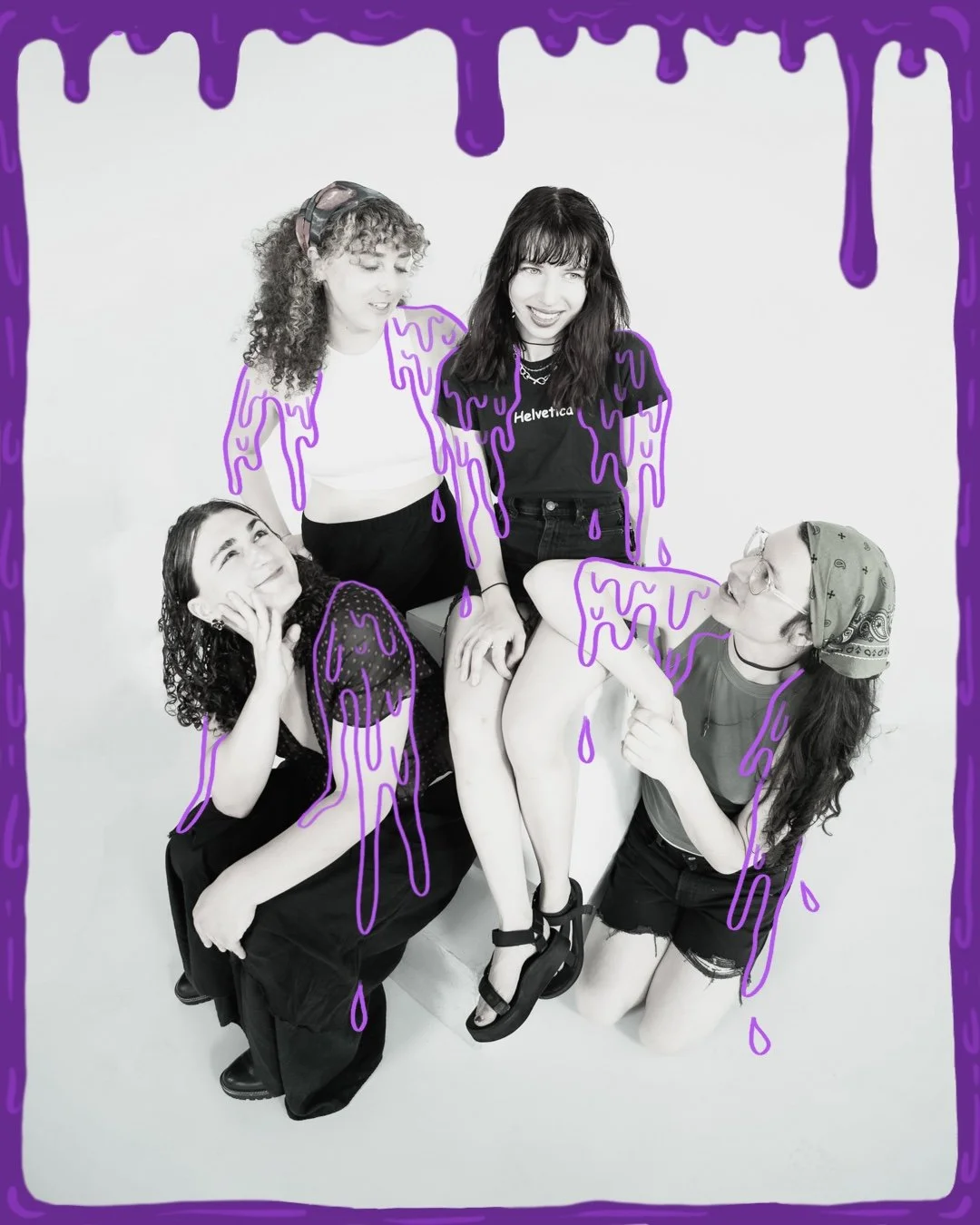
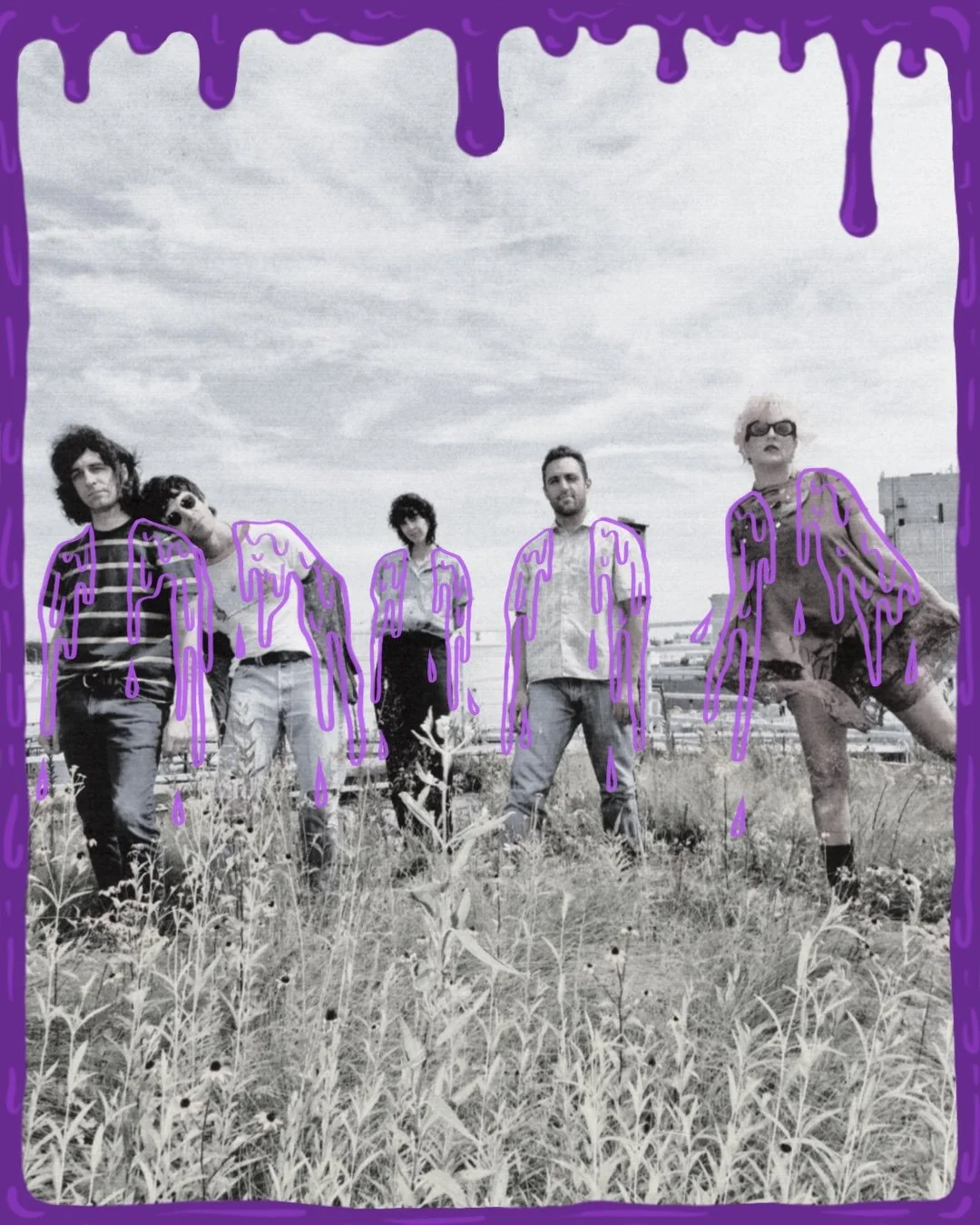
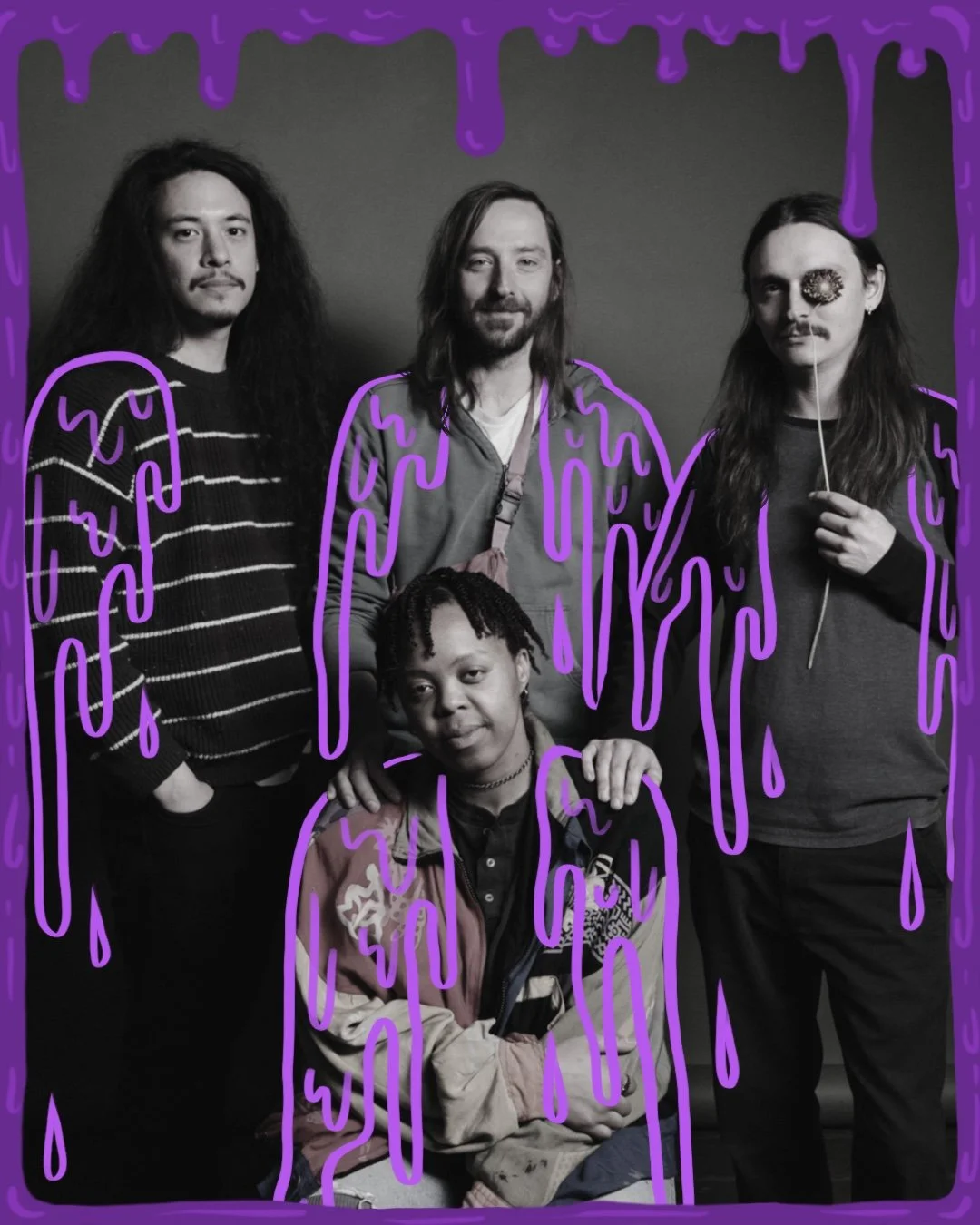
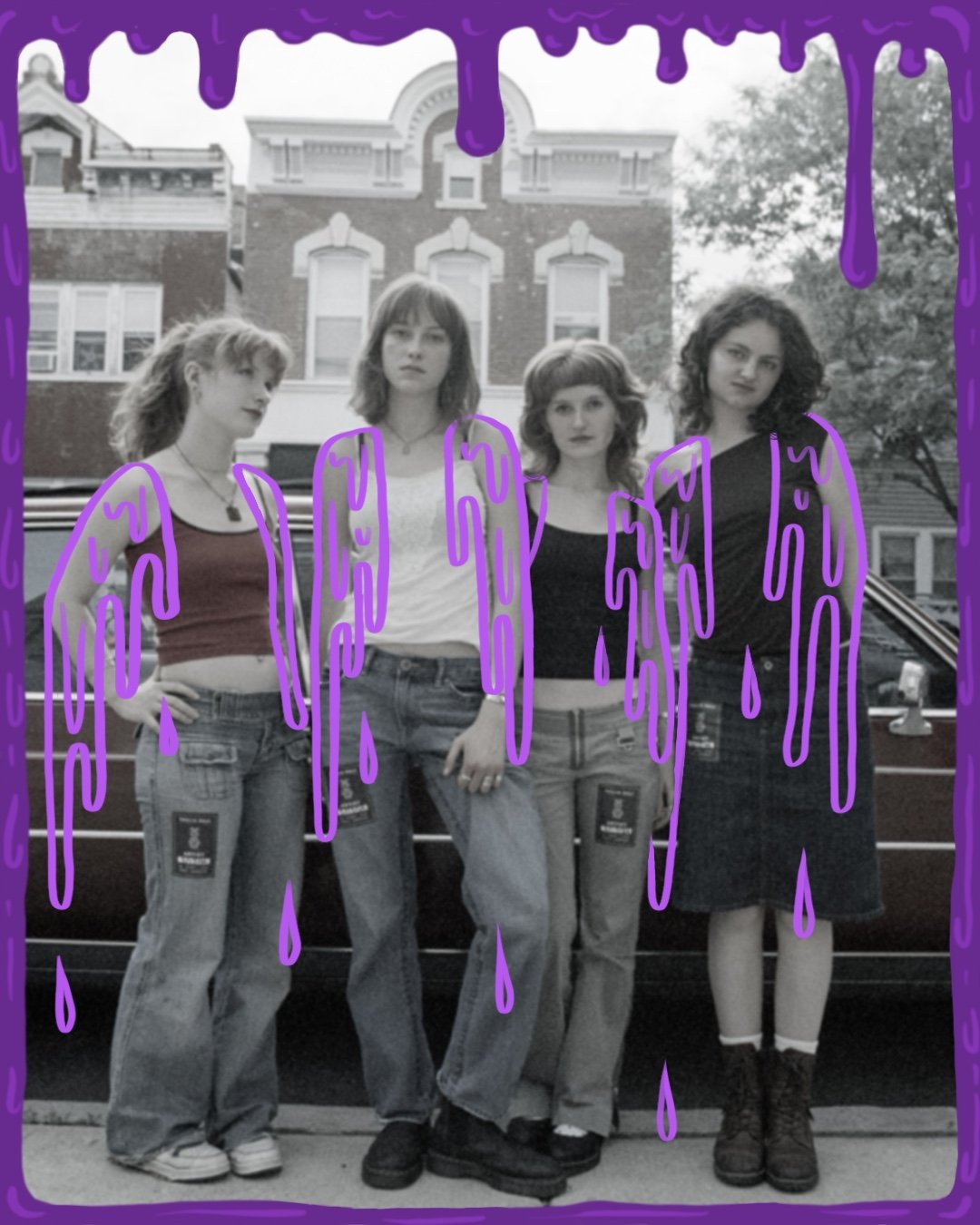
SHAGGO, the femme-punk band based in Brooklyn, NY, has broken ground on their unique brand of fun-filled, social ire-inspired punk with the release of their debut album, Chores, back in June and, since that time, have continued to carve out their sonic lane, all while maintaining the central aspect that has defined not only their sound but their existence as a band since its inception: a certain carefree quality that transcends the usual strictures of the genre.
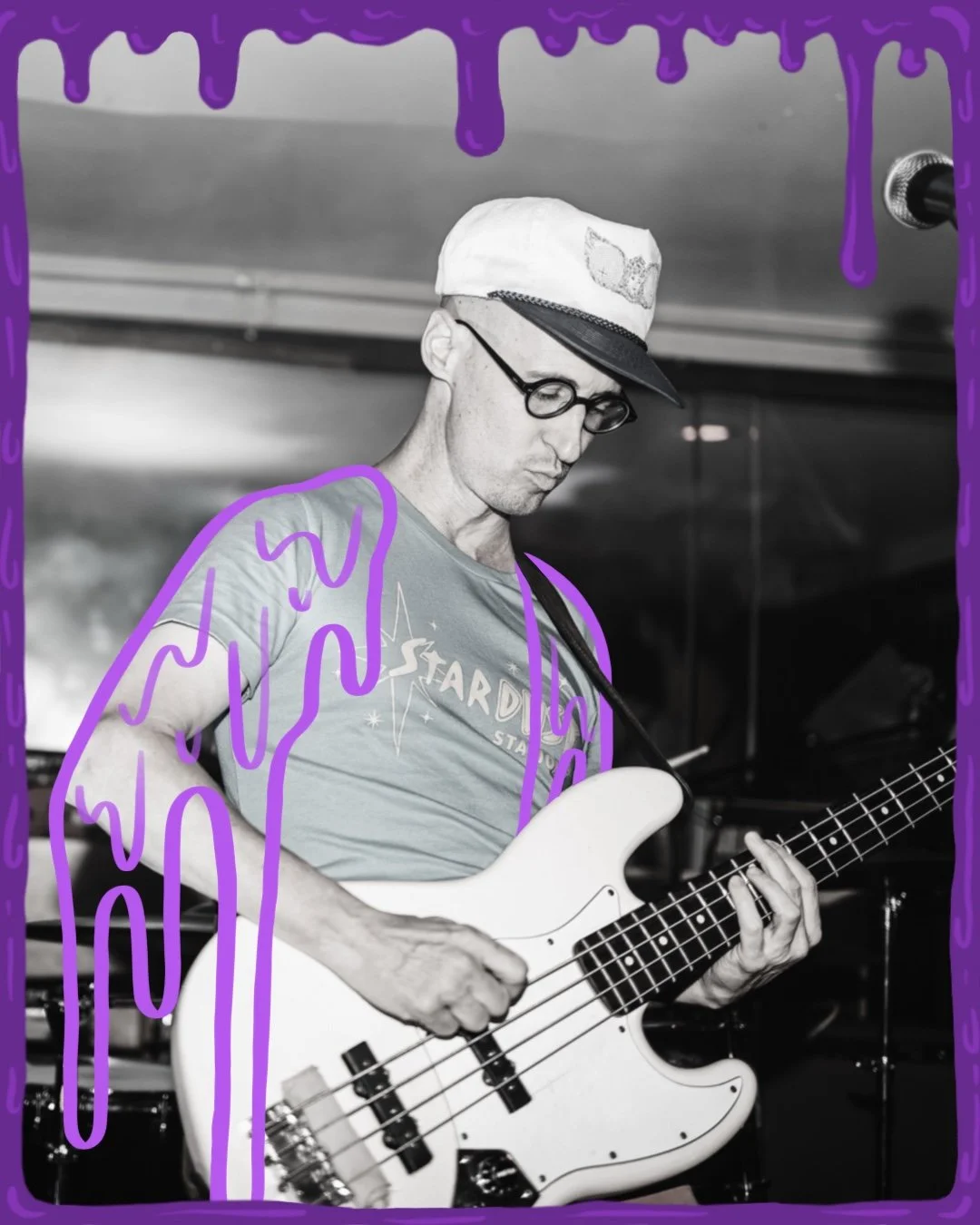
SHAGGO first began when Lucy Rinzler-Day, the band’s primary songwriter and lead singer, and Carina Greenberg, the bassist, met at a party. The theme for the party was underwater disco, and, although the pair met by pure chance, they immediately bonded over their love for film and their shared taste in music.
Lucy had recently concluded her time in a male-dominated math rock-adjacent project, and she was looking, albeit not very urgently, to join another project. Carina, although she had long been playing bass as a hobby, had never had experience in a band. Yet, they had a sudden epiphany. Why not start their own project?
At their first complete practice, there was an air of carefree improvisation, and a willingness to embrace wherever the moment took them sonically and lyrically, that was undeniably refreshing to each of the band’s members.
Their debut album, Chores, took shape slowly over these early sessions, coming to lyrical fruition on Lucy’s as her and Carina would spitball ideas back and forth, pulling from the threads of not only their daily lives in an, often, absurd modern era but also their experiences as women in the queer community. Ideas for songs come not only in a concentrated environment, but are spawned loose comments or side glances that may be shared during a dinner or a night out.
Perhaps nothing signifies their process better than a shared note that they keep, tossing down phrases and ideas that spawn from the cacophonic circumstances of their individual existences. Their lyrics, as a result, teeter between poetic and painfully self-aware, continuously belying a simultaneous amusement and disgust that grants them a unique slant on their punk and post-punk driven instrumentation.
Chores, particularly, utilizes this tenuous balance to explore themes of the innate labor and demands involved in both womanhood and personhood.
“It's funny, but it really resonated with me right away to describe a lot of the things that we're trying to [convey: femininity and what a home really means… I think Chores was less tied together in terms of what we wanted it to sound exactly like and more tied together [by] the themes that we keep kind of referring to: friendship feeling like a chore, relationships feeling like a chore.”
As cohesive as Chores was from a thematic standpoint, the band acknowledges that, in many ways, it represented simply the formative moments of their sound. While they have often taken on an indie and pop slant, reflected in some of the lead guitar tones and the call-and-response sections of their lyrics, their new writings tend more toward the heavier side of their existent spectrum.
“We've gotten a little bit heavier and more angular since Chores. I think that, in many ways, we're still finding [our sound], and the second album is going to sound a bit different than the first. I really like that too; I love when bands evolve.”
Therefore, as they prepare to buckle down and complete the writing process on their new album (which will center around themes of expectation and transactional relationships), they intend for their characteristic irony and humor to take on a somewhat darker perspective. Yet, as they undergo this continued sonic transformation, one thing is certain: they will have fun doing it, no matter what.