Artist Profile: Magic Fig

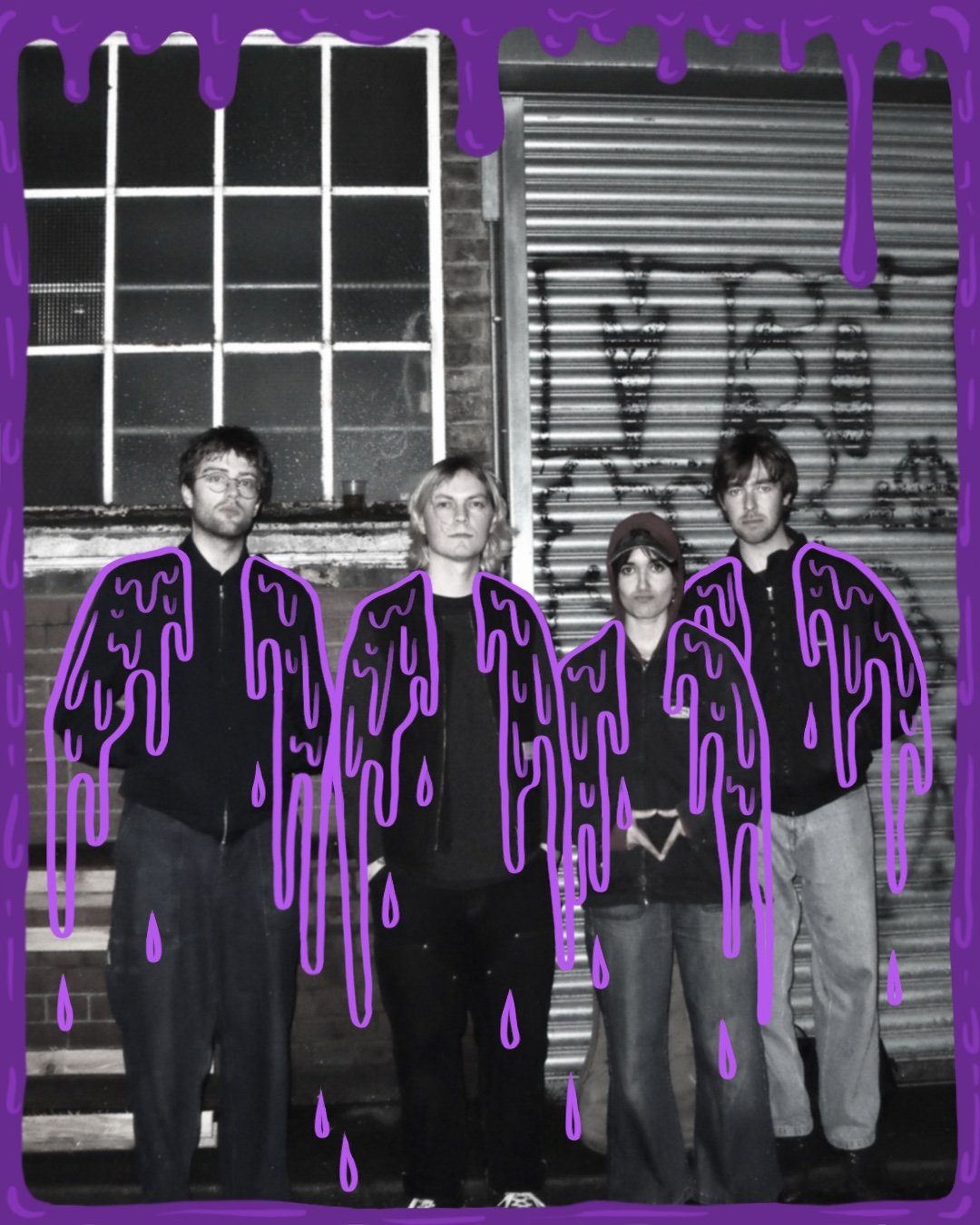
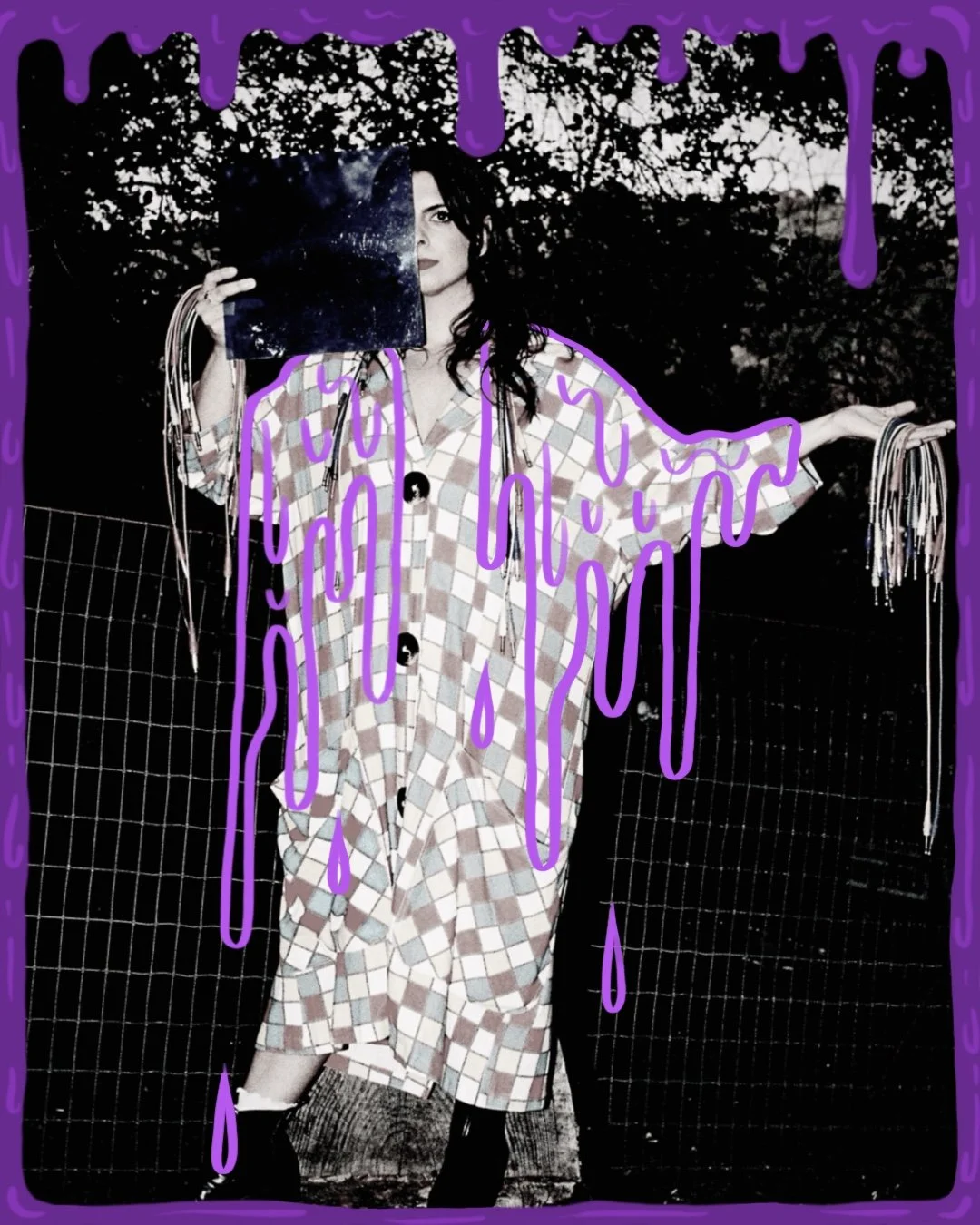
Photo by Kittie Krivacic
For San Francisco-based prog rock band Magic Fig, the mission has always been clear: create tantalizing and expansive music heaved from the swirling depths of the British rock of the late ‘60s and early ‘70s. But, as the band has continued to evolve, the initial boundaries they set for themselves have been forced to expand. Their newest project, Valerian Tea, serves not only as a representation of their collective vision but as a testament to their melting pot of influences– and their spacious and inclusive take on progressive rock as a genre.
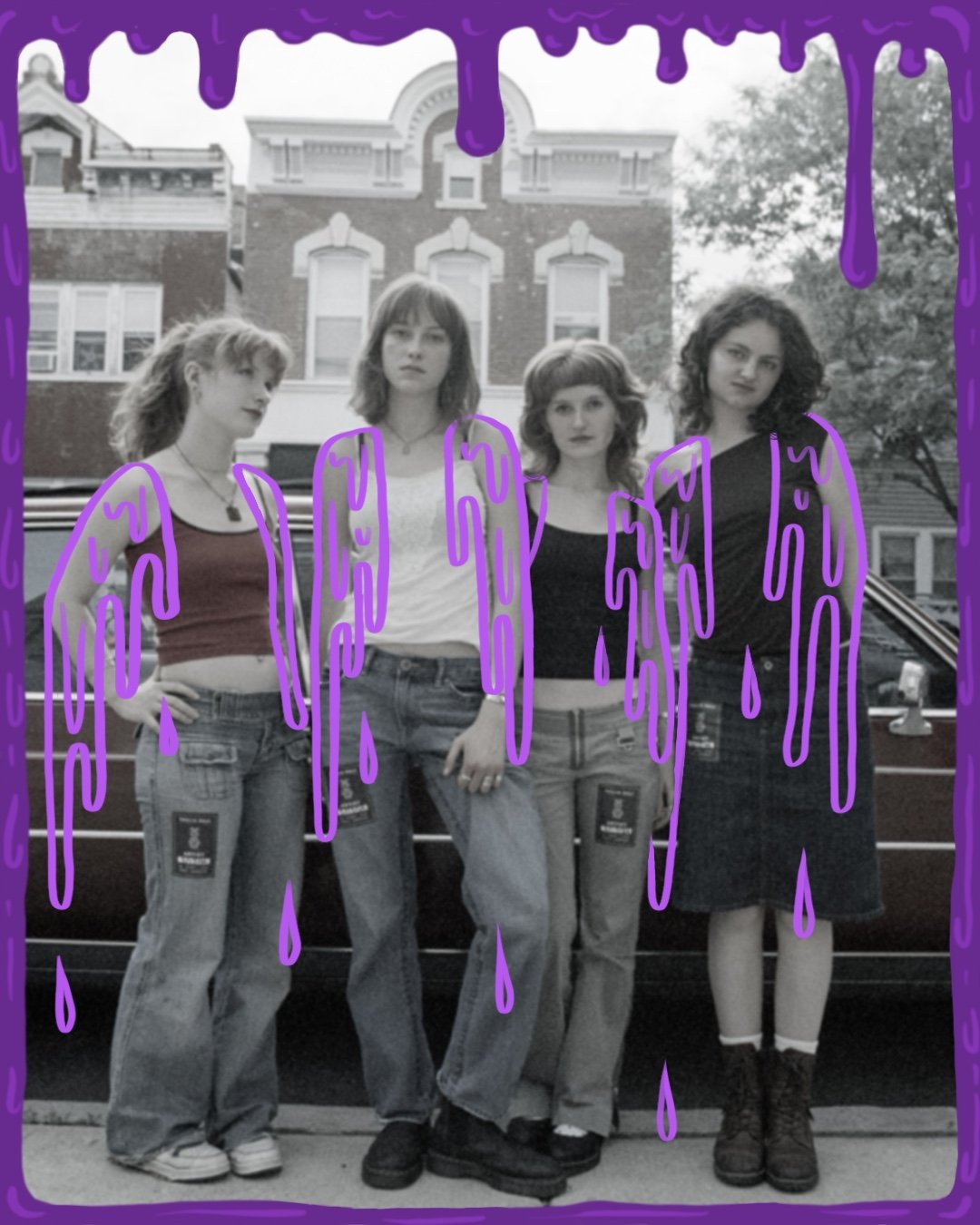
When Magic Fig first formed, it was the trio of Jonathan Chaney (keys), Muzzy Moskowitz (guitar), and Matthew Ferrara (bass) that made up the band. The three of them had met in the San Francisco music scene when Moskowitz had joined Chaney’s band at the time, Healing Poutpourri, on tour. Although Chaney’s musical background was in more alternative, modern-leaning rock, there was something about Moskowitz’s unique perspective and willingness to experiment that appealed to him.
When the Pandemic began and put live shows on hold, Moskowitz and Chaney continued to message back and forth– mostly about, as he puts it, “nerdy music stuff”.
It was through these conversations that Moskowitz (along with Ferrara) gradually introduced the idea to start a progressive rock band, and it was his goal to bring Chaney on to play keyboard and synths.
Chaney had grown up fascinated by bands like Radiohead, Sonic Youth, and Smashing Pumpkins. He was no stranger to prog, but it was certainly not among his most familiar genres. He asked Moskowitz to make a playlist detailing what he envisioned for the band, and Moskowitz returned with a close to 20-hour behemoth entitled “Pastoral Prog”. From that moment, Chaney was sold on Magic Fig.
“Through my 20s, I was really into a lot of German stuff from that era, the 60s and 70s– a lot of the Krautrock stuff, which is very prog, but just not exactly like English prog,” said Chaney, “So I was really into the idea of incorporating more interesting elements into my music up to that point, and I would try to do that with my own songwriting. I think that's what interested me the most about it.”
Once they found a drummer in Taylor Giffin, it was full speed ahead from a writing perspective. The group very quickly compiled a set of instrumental tracks, toying and experimenting within the initial parameters they had set for themselves and creating impressive soundscapes in the process.
However, they knew that they still needed a vocalist: one who could truly do justice to their tracks as they had originally envisioned them. They found exactly that in Inna Showalter, whose formative love for groups like the Cocteau Twins and My Bloody Valentine rendered her vocal style almost perfectly suited to float over and grace the sonically formidable pieces Magic Fig had produced to that point.
“It was just so different from anything I had done before,” said Showalter, “Just that in and of itself was appealing to me. The songs were so imaginative and creative and full of these crazy twists and turns, and it seemed like a really fun challenge to collaborate melodically with [them]... It was really fun and effortless to work on the songs. I really enjoyed it.”
Once Showalter joined up, the band was able to truly take their first project, the self-titled Magic Fig, to the finish line, working with producer Joel Robinow to bring the album to fruition. From the opening, off-kilter rhythmic blasts of “Goodbye Suzy” to the winding progressions and harmonies of “Obliteration”, Magic Fig, to this day, is representative of a band with a strong sense of who they wanted to be and what they wanted to sound like.
Yet, heading into the second album, the band virtually unanimously wanted to expand the influences they were pulling from, taking their songs into new territories while continuing their experimentations with depth and arrangement.
According to Showalter, “Our idea of what this project could be really expanded after the first album came out. And we were writing new material with more of a kind of open mind, I think. And for me personally, I was much more comfortable with working within the project and gelling it all together.”
With Showalter in the fold from the very start of the creative process, the band was able to take their initial vision even further. Their 2025 album, Valerian Tea, is the direct result of this push, incorporating more modern sounds and influences into the progressive core of the band. Chaney specifically lists the opening sequence of “Goblin”, the album’s ninth track, as a moment of particular triumph on this front.
“I feel like with any record that I make, I'm always going to want to do something new and better… There are things on the newest record like “Goblin”-- I really like that main opening piano chord progression. I feel like that's way more a ‘Radiohead-style chord progression than it is anything from the era… Which would not have happened on the first record, because I wasn't really thinking about those influences. I was kind of avoiding them.”
Now, as the group closes out almost five straight years of development and exploration, they plan to take a brief retreat, devoting their energy for the time being into the other projects in which they’re involved.
However, when Magic Fig does return, it is certain to be done with that same distinct mission– only expanded to contain the wide-ranging influences of the artists behind its ever-evolving sound.