Artist Profile: Local Weatherman
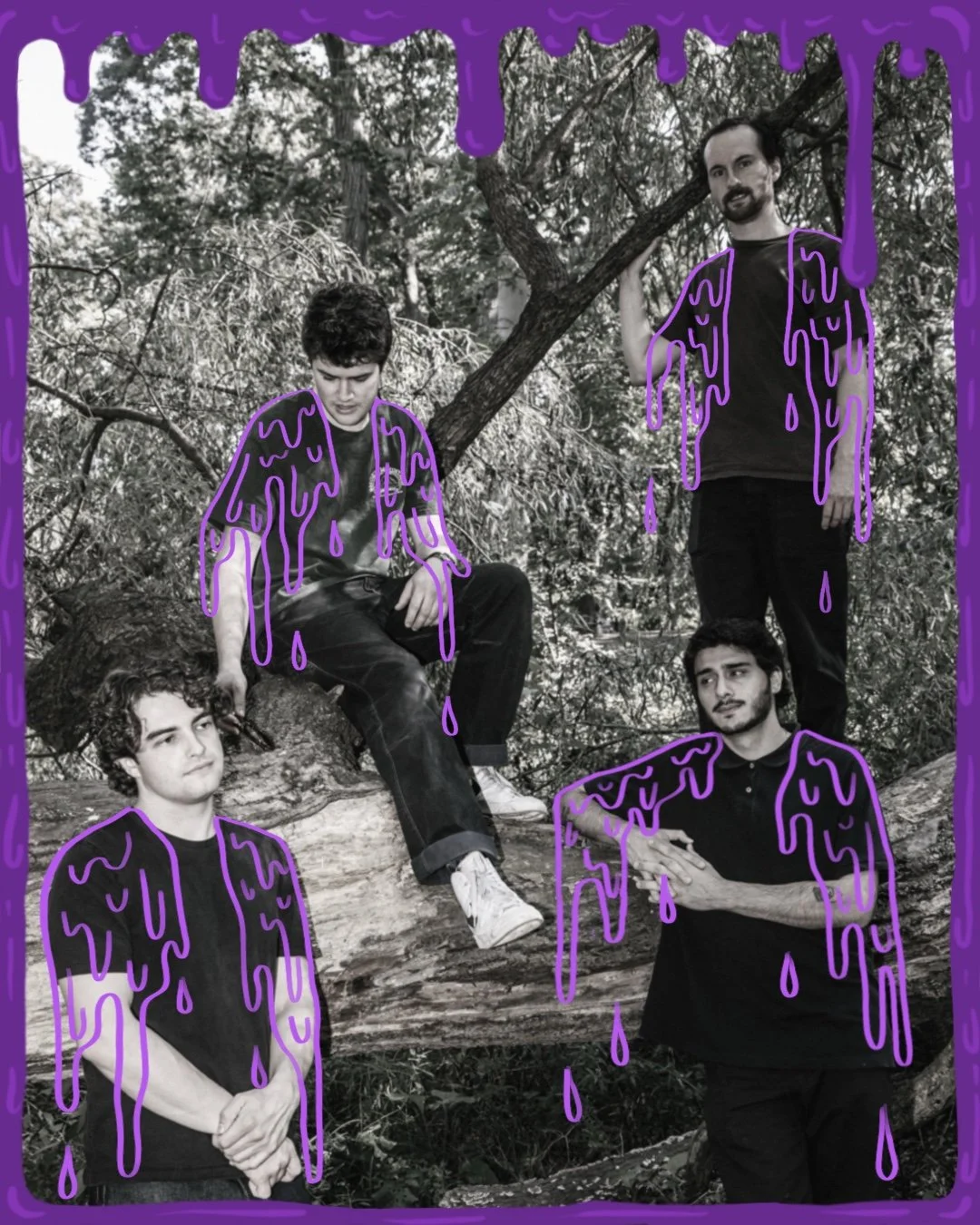
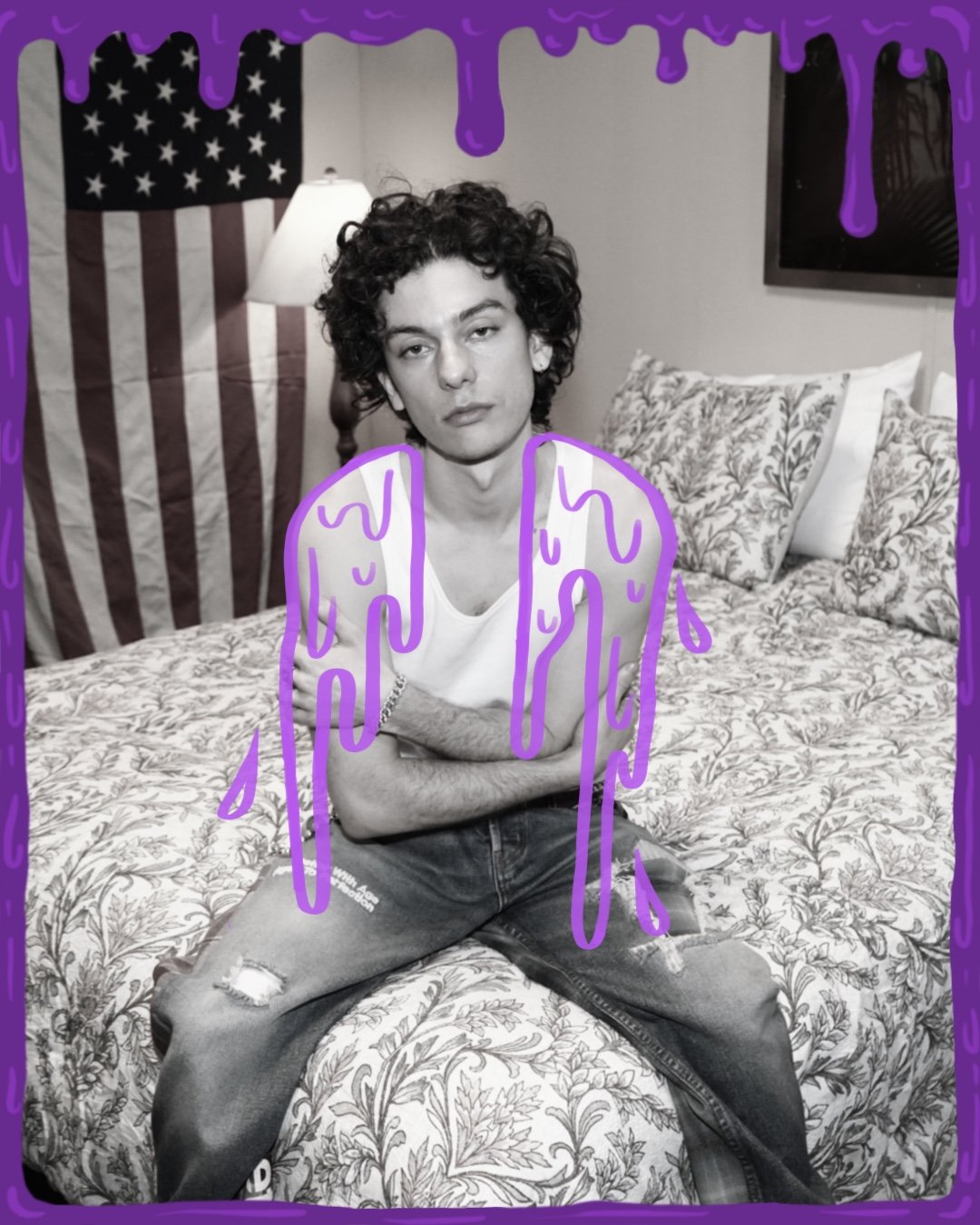
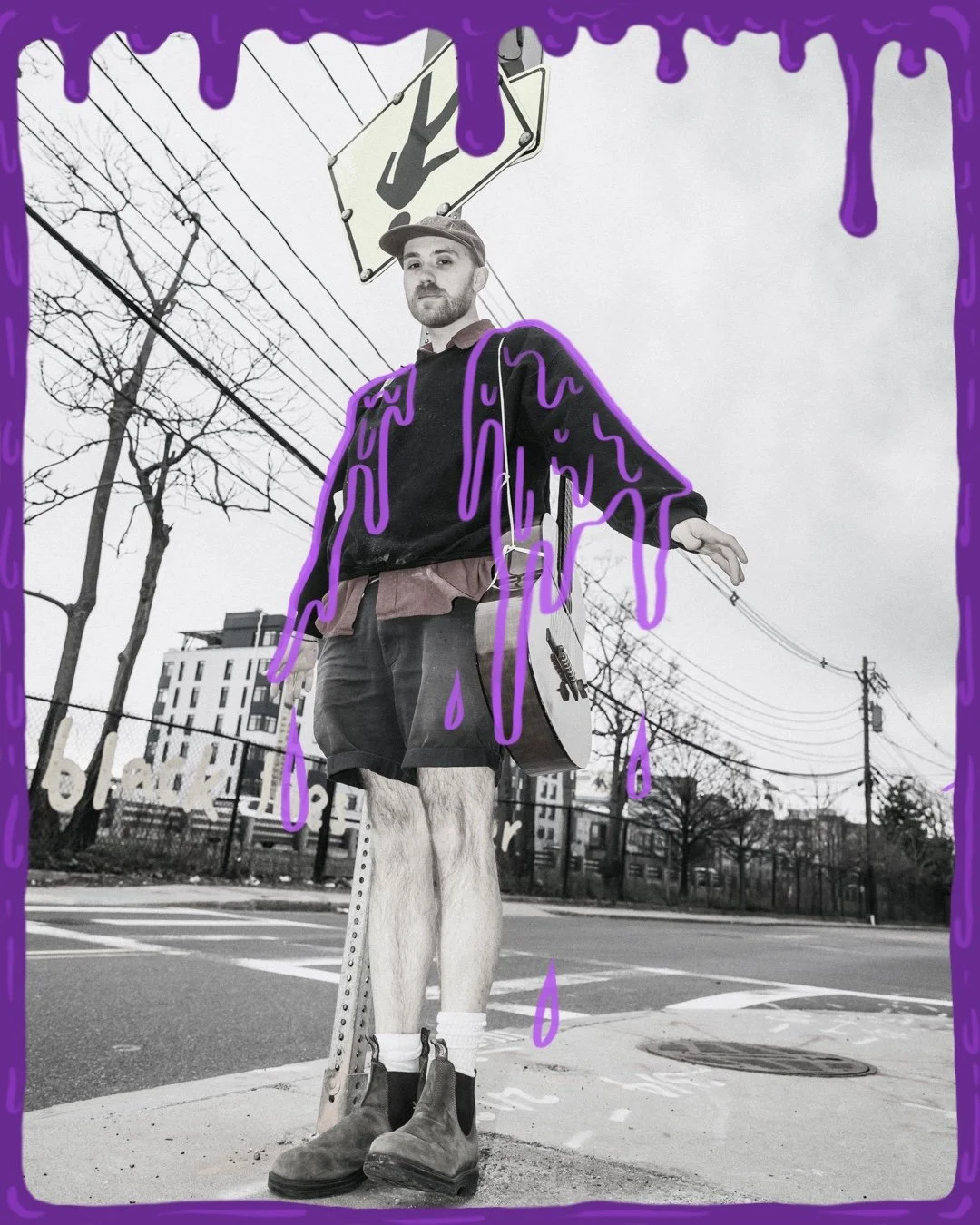
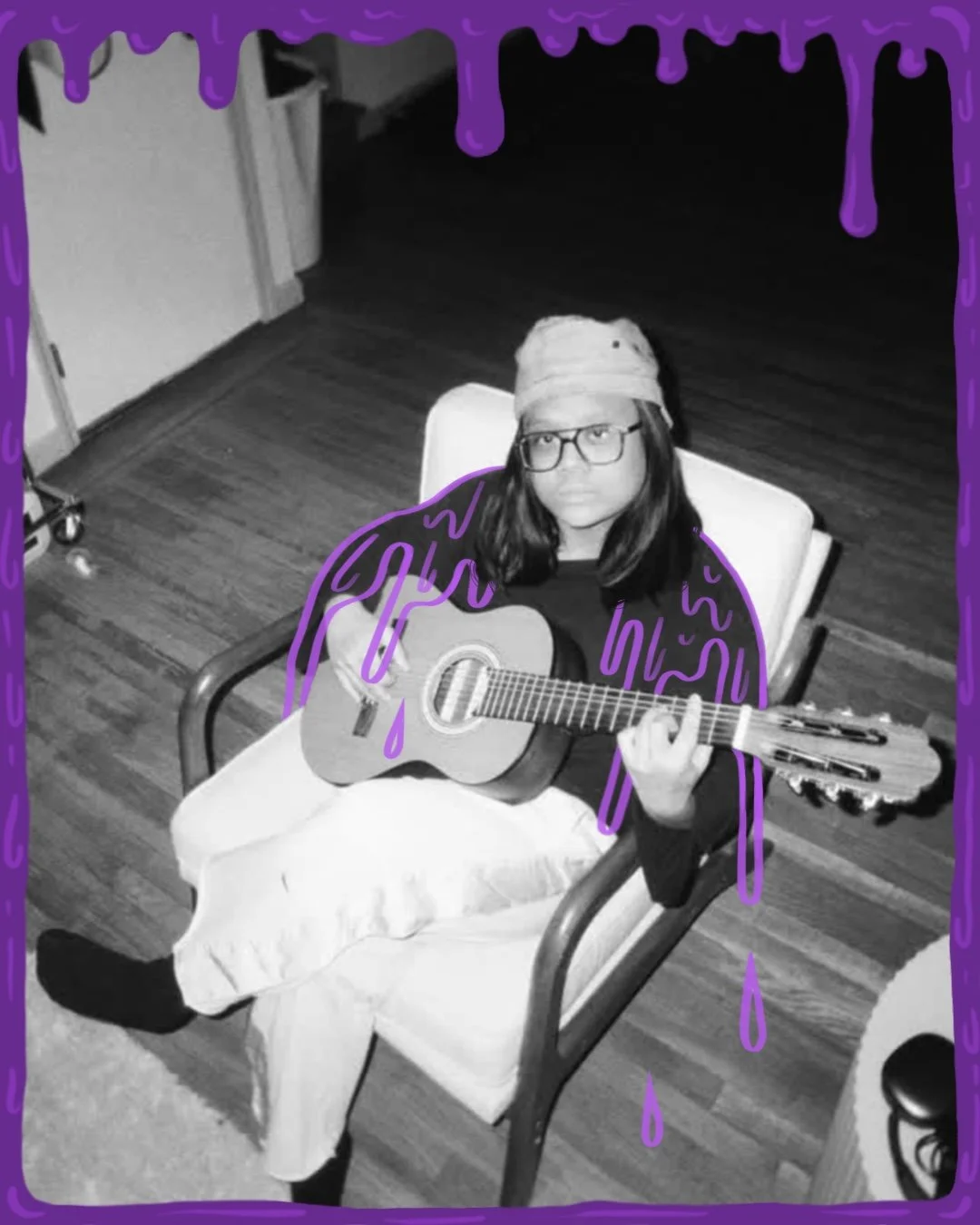
Local Weatherman, the Brooklyn-based alternative rock band, first began as the solo, dormitory-born passion project of frontman Fritz Ortman, spurred by a desire to send his first true musical ramblings into the world as quickly as possible. As it has blossomed however, Local Weatherman has transformed into a complex and living sonic creature, with their newest EP, Right One, serving as distinct evidence of that fact.
Growing up in New Jersey, Ortman’s father had a profound love for college radio and punk music. From the time he was small, Ortman was exposed almost continuously to niche cuts from his father’s heyday, and he picked up guitar early as a result.
However, it was not until he heard blink-182 for the first time, playing from his father’s iPod on vacation, that something truly clicked for him musically. While his love for the band remains mostly left behind in his childhood, he still sees the value the relatability of their lyrics and the allure of their melodies once held and still holds for many people.
“I think the thing that resonates with me now is the songwriting. Regardless of the sometimes corny lyrics, the songwriting and the melodies hold up to me… The last blink record before they broke up that has “I Miss You”– that, to me, kind of transcends pop-punk. That record in particular, I think is still an inspiration for me.”
As he entered high school, therefore, the natural thing to do was to form an emo band. He ended up joining multiple groups during his teenage years, playing local gigs booked through Facebook and similar mediums.
Once he arrived at college in New York City, he discovered Pavement: what he identifies as the second watershed moment in his musical taste. The lyrical subject matter and the laid-back tones appealed to the stage of life he was in at the time more than the emo and hardcore sounds that had defined his life up to that point.
His first efforts as Local Weatherman, therefore, were self-recorded, acoustic affairs heavily influenced by his budding love for Pavement and other groups such as Guided By Voices. These tracks, and his self-recorded album, are available on Bandcamp to this day, but there were more expansive things in store for Fritz’s budding project.
The primary reason he decided to self-record his tracks in the first place was his lack of connection to other musicians when he first moved to NYC. Rather quickly after the release of the first Local Weatherman album, he met Ford Murphy, who would later be his college roommate and the second member of the band.
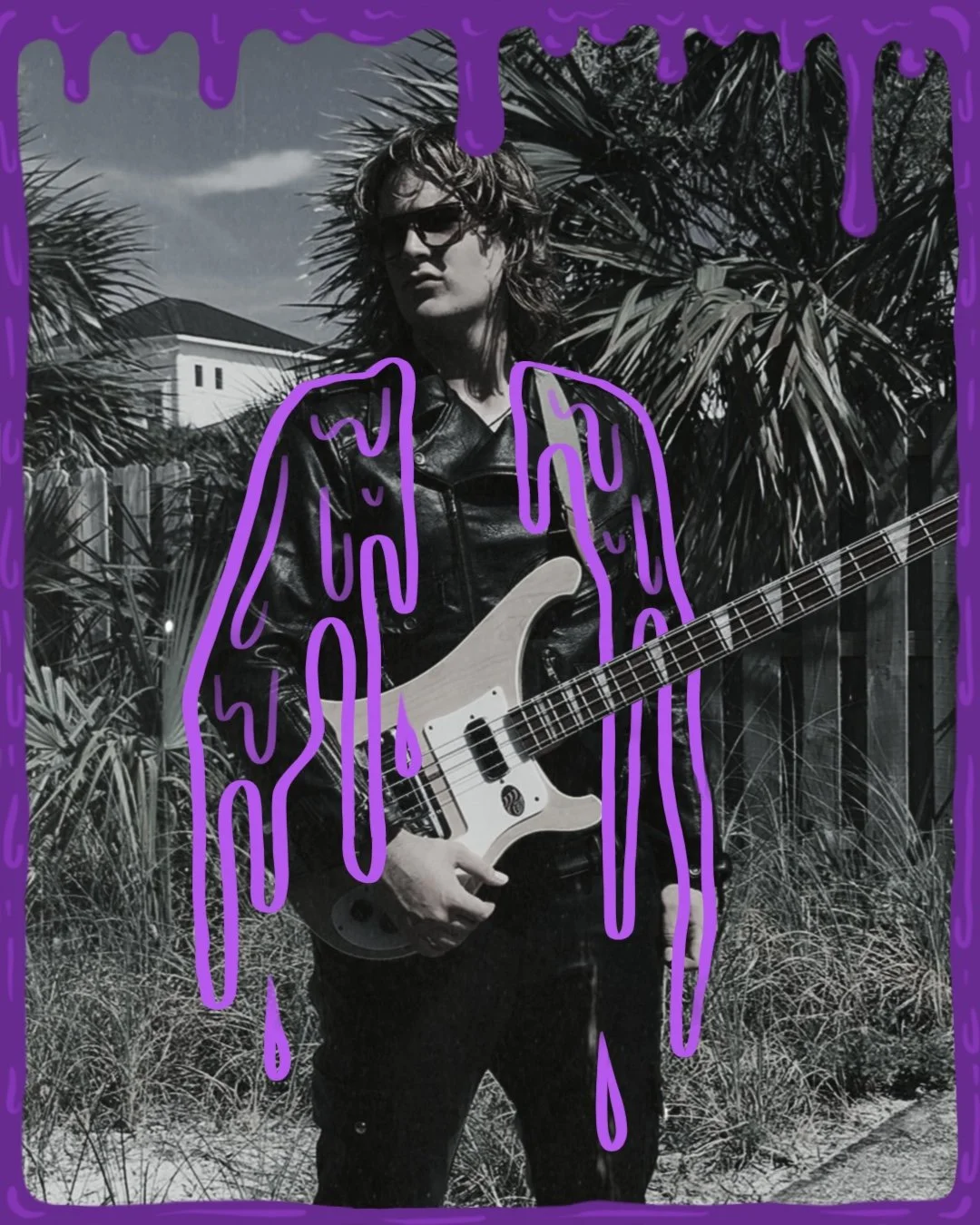
When it came time to record his second record, the self-titled project Local Weatherman, Ortman knew he needed outside help. Years prior he had met Ian Farmer, the bassist for Modern Baseball, at a small show in Pennsylvania. The two reconnected through social media when Farmer expressed appreciation for the music that Ortman was working on, and Ortman and Murphy later went to his recording studio in Philadelphia to track the project.
Produced by Superheaven’s Zack Robbins, Local Weatherman takes on a bigger more ambitious sound, aided by the input and experimentations of Murphy and Farmer and the technical expertise of Robbins.
“Getting Ian and Zack involved was really cool because I feel like they were able to have a different perspective on the songs and give me guidance on certain arrangements… Adding Ford into the mix was great because we were already at that point playing together in the band, and he had added a bunch of cool guitar parts to our songs.”
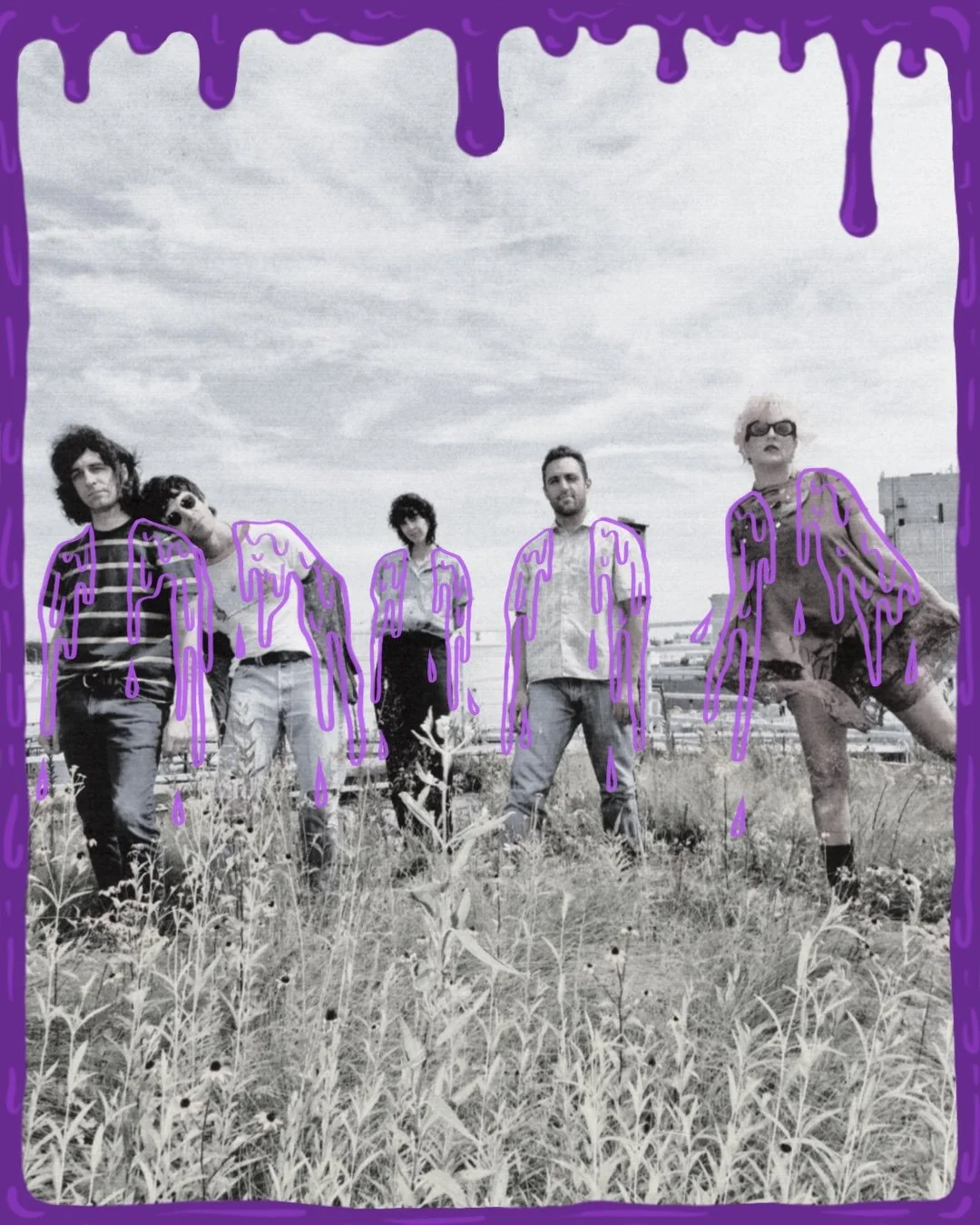
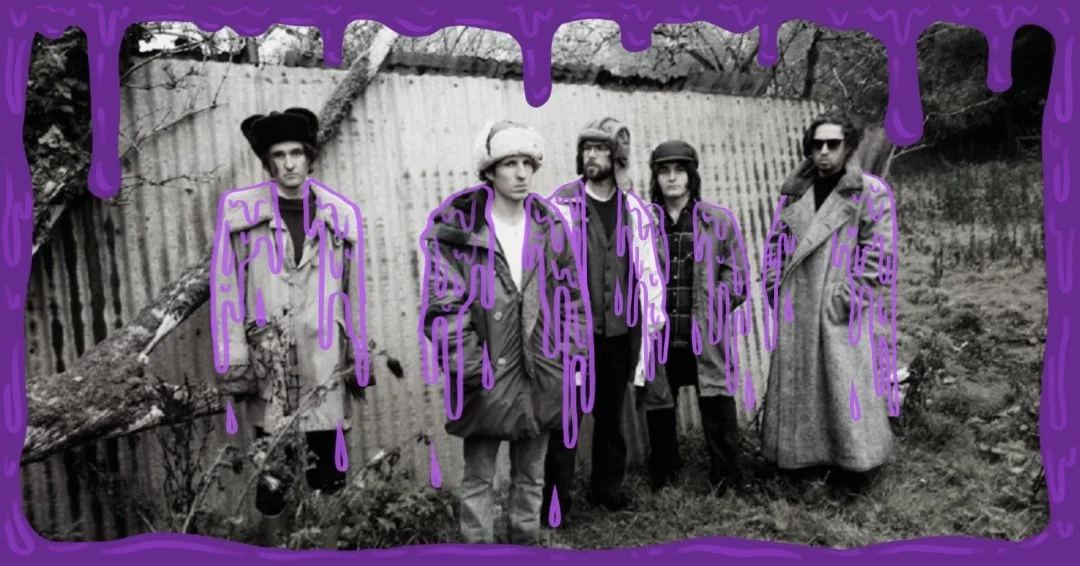
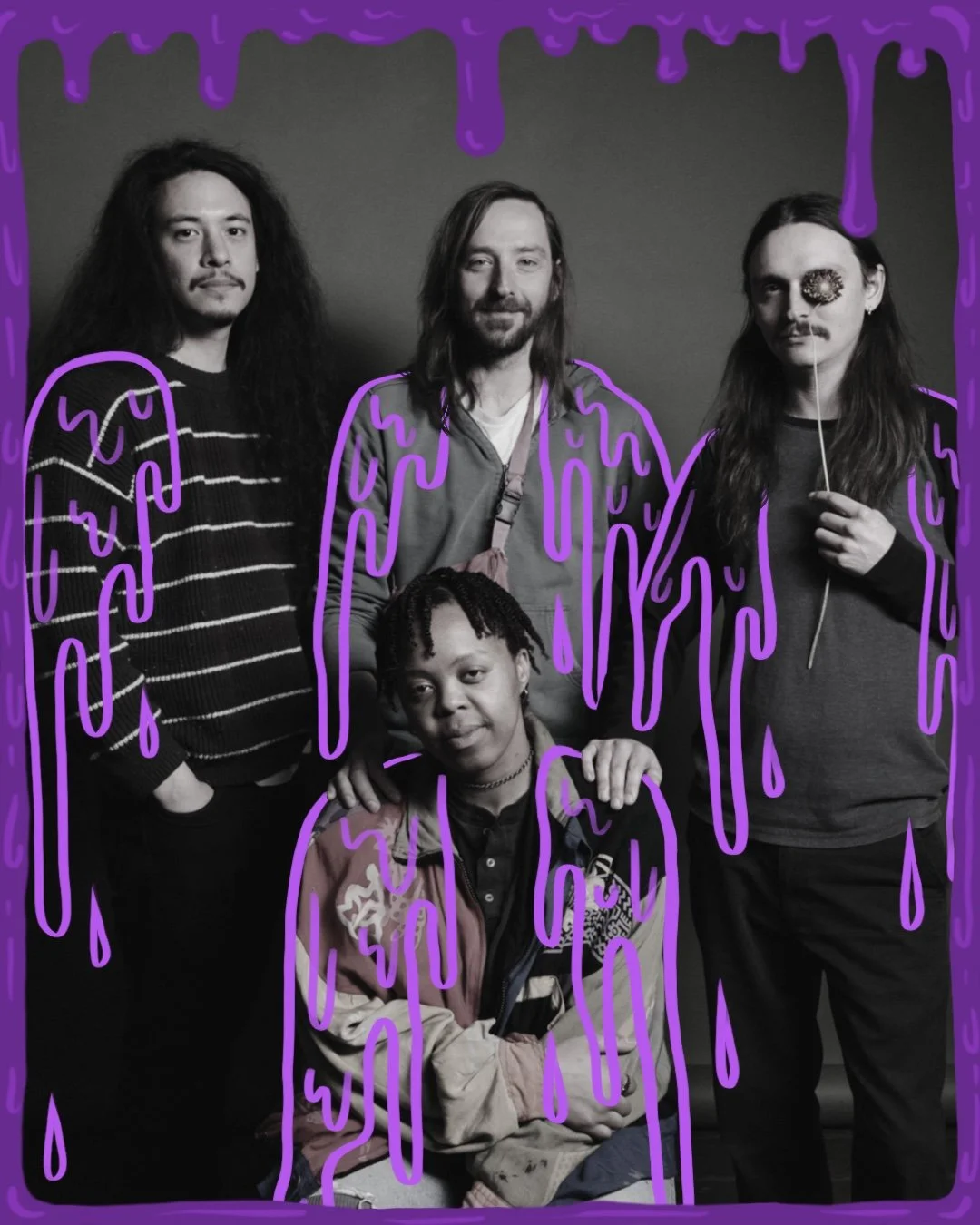
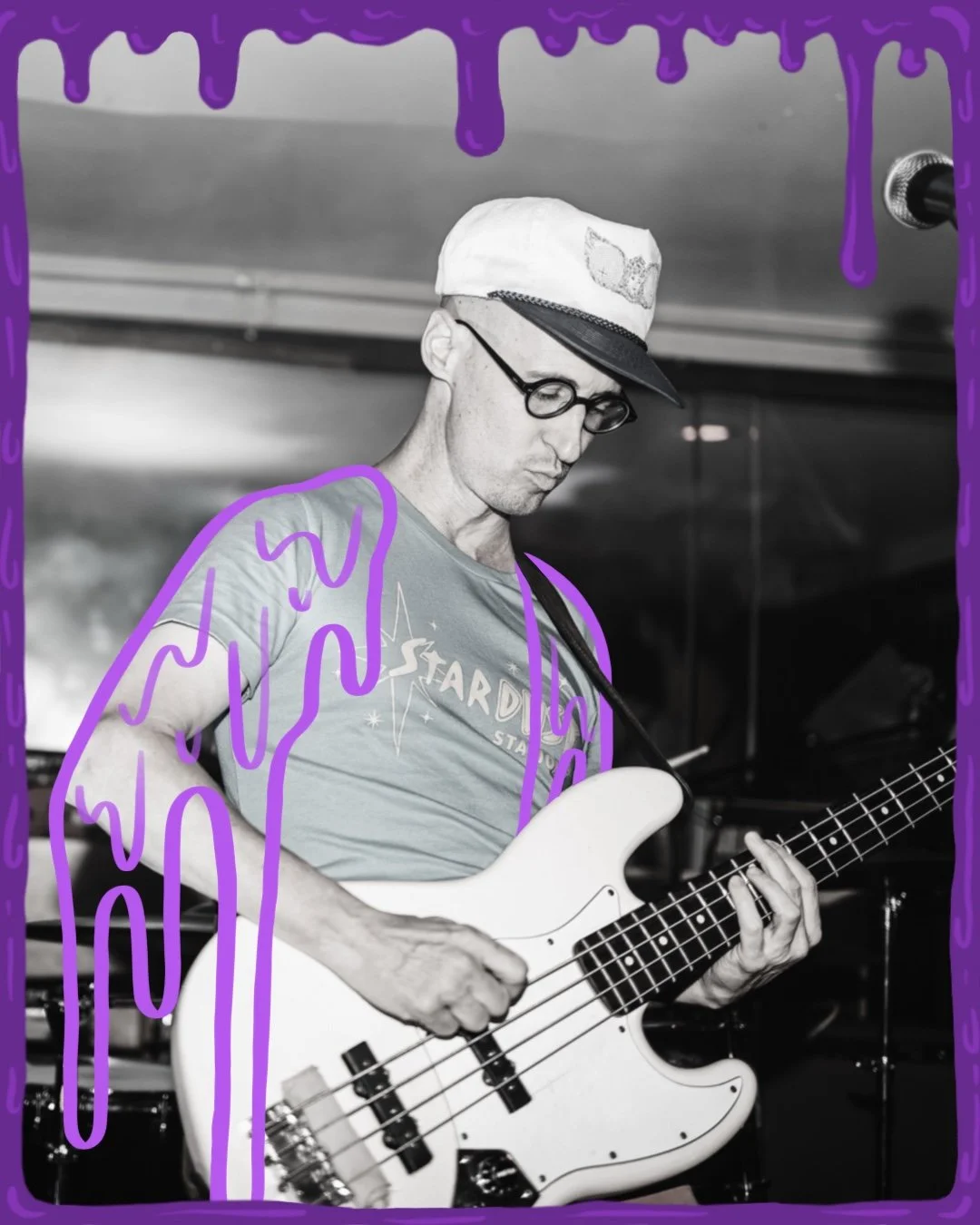
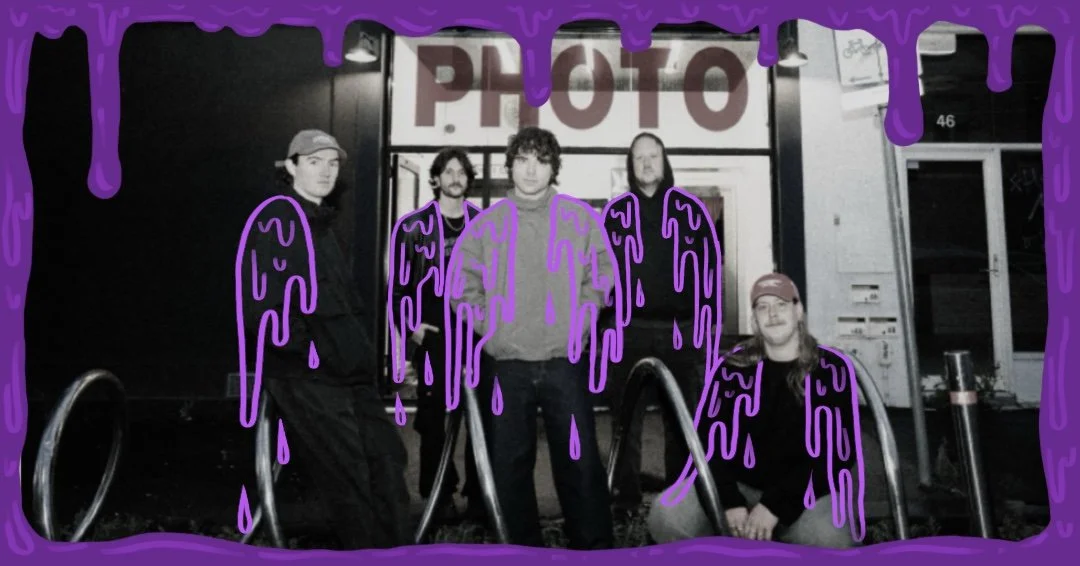
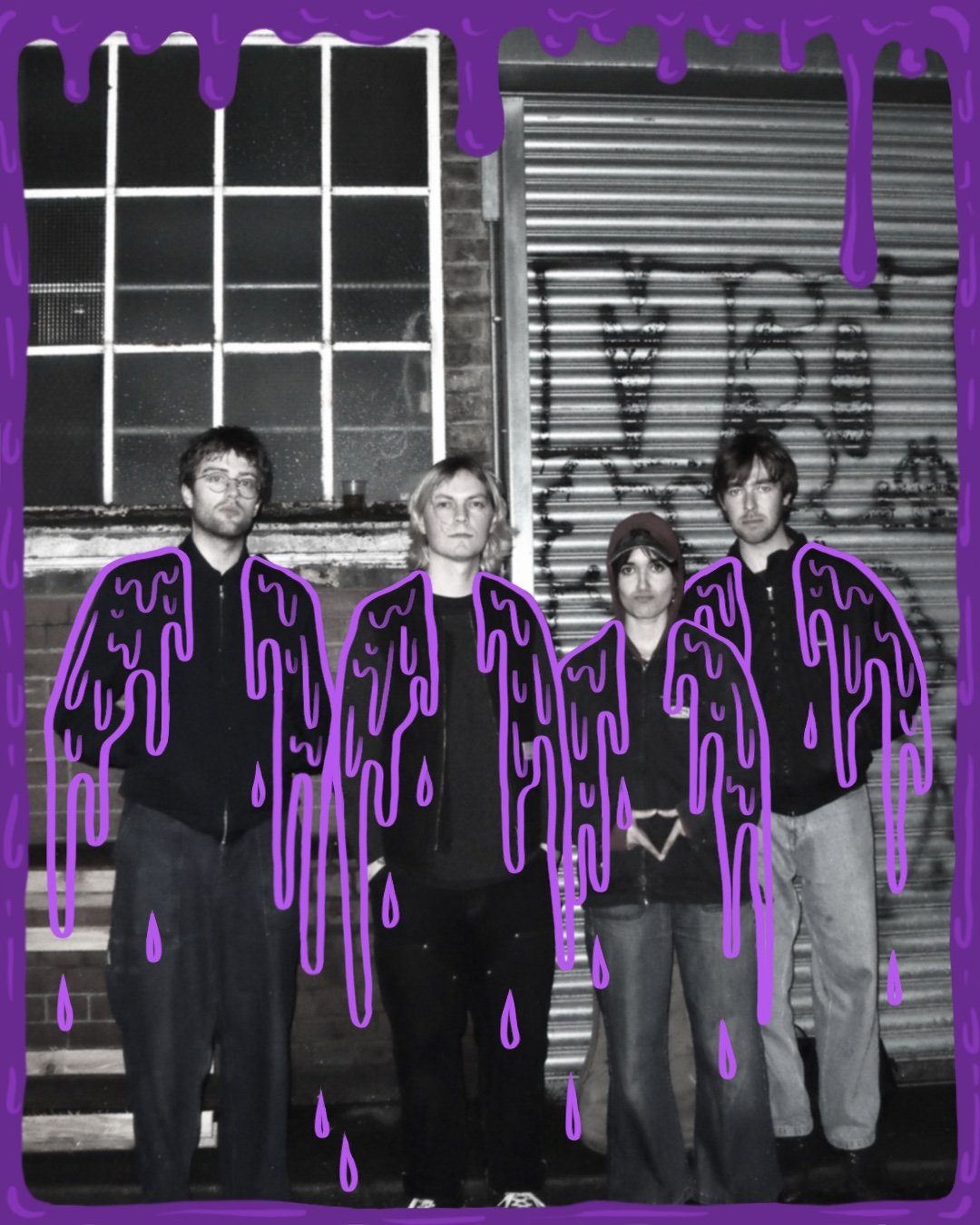
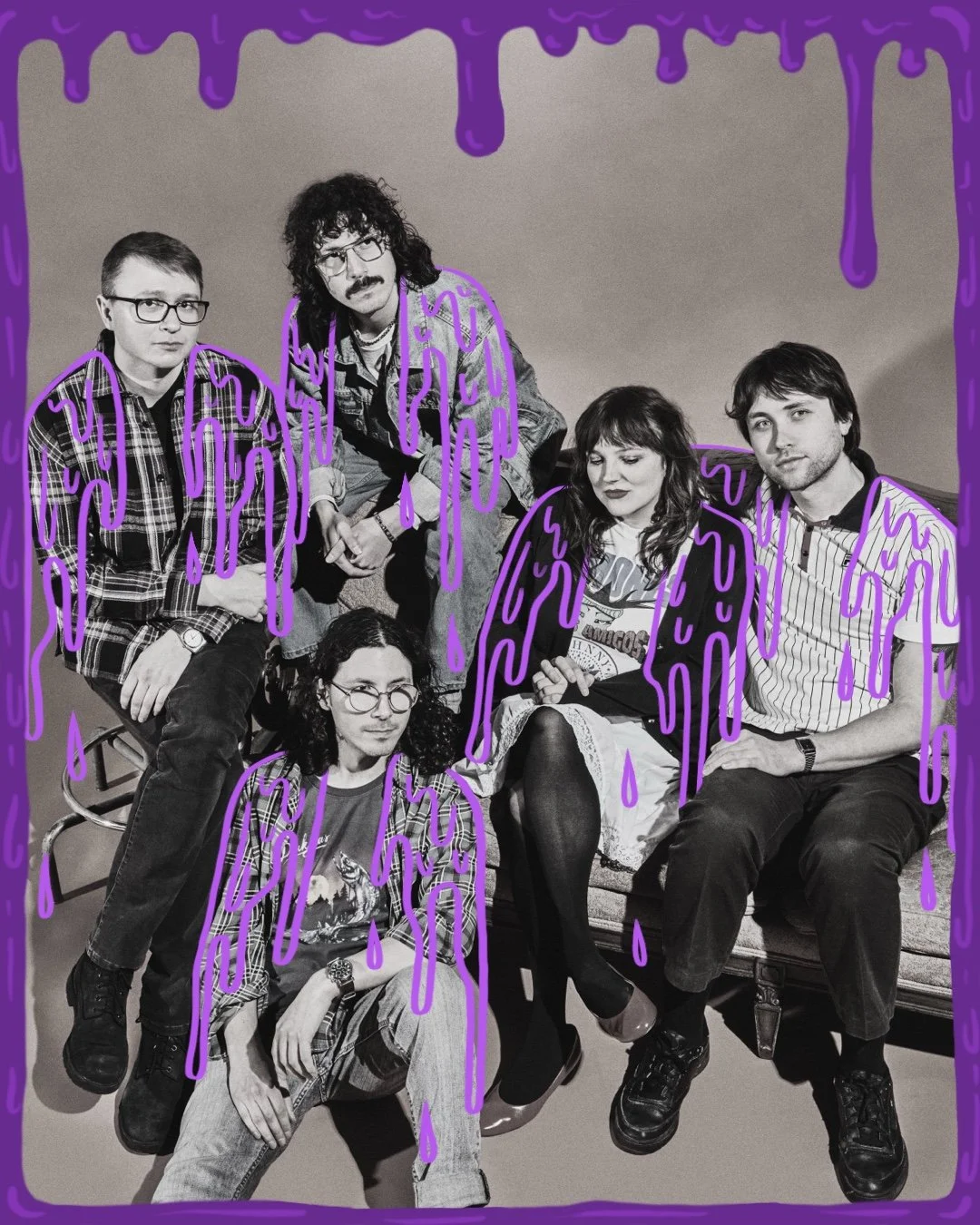
After the release of Local Weatherman, Ortman and Murphy turned their attention towards assembling a full line-up to play outside of the studio. They eventually recruited bassist David Murray and drummer Sam Shahghasemi, finalizing the members that they would take into 2026’s Right One.
Their process of creating this album was distinct insofar as they were able to practice and perform the songs extensively in a live setting before taking them into the studio. In the past, much of the arrangement was accomplished in an improvisational manner in or immediately before the act of recording, but a full and consistent line-up gave Local Weatherman the benefit of both continuity and continued exploration.
It shows amply on Right One. Across the entirety of the project, the band takes on a more ambitious and intentional approach to their instrumentation that serves to buoy their existing melodic aptitude and lyrical sharpness. Right One, in this way, represents more than just a step into a new frontier for Local Weatherman; it represents the culmination of a vision that Ortman first formed as a freshman, strumming his guitar into a singular mic in his dorm room.
“I would just want people to know like all these songs came from the heart, and we love playing them together,” said Ortman, “We're doing it for the love of the game.”