Artist Profile: Rokkai
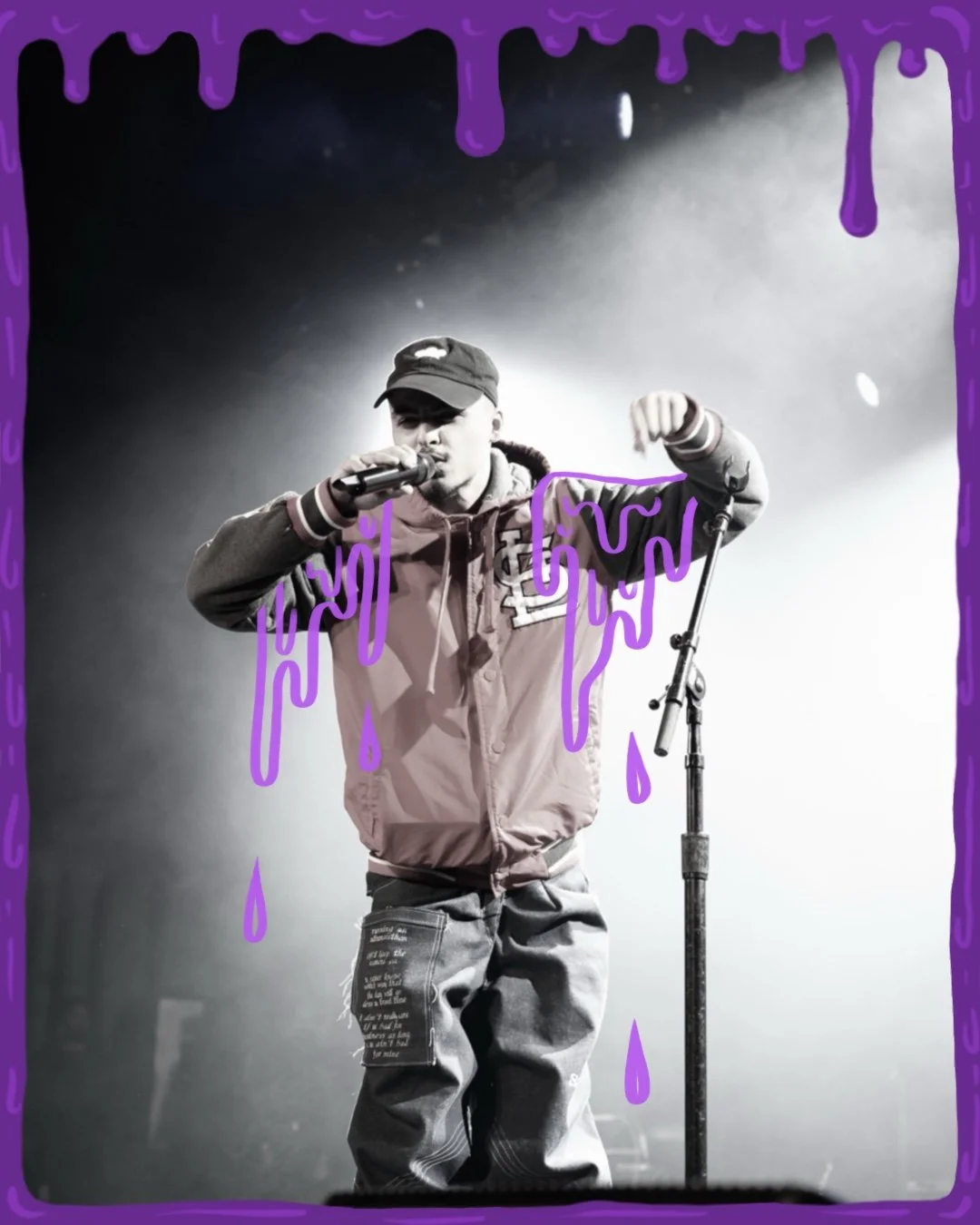
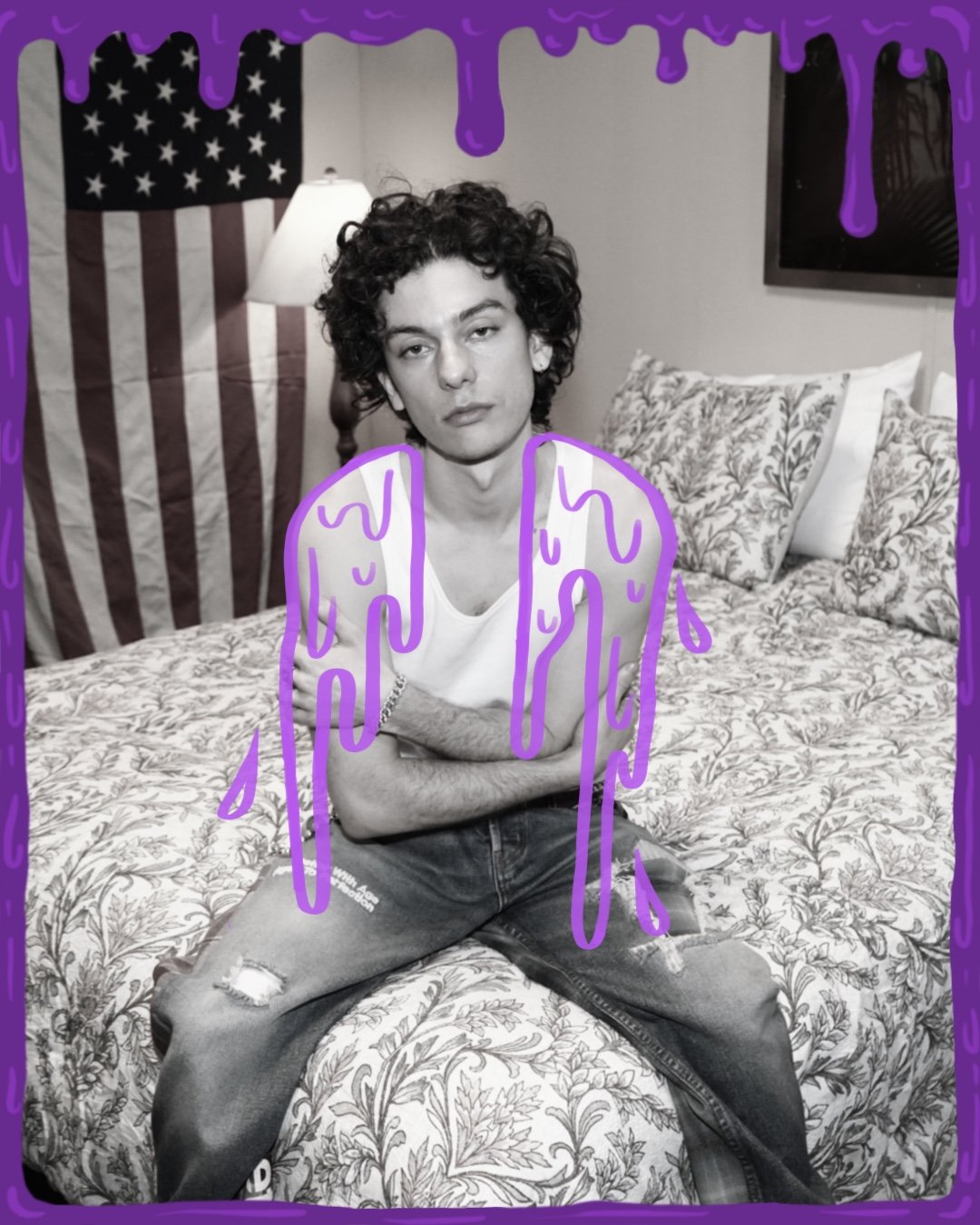
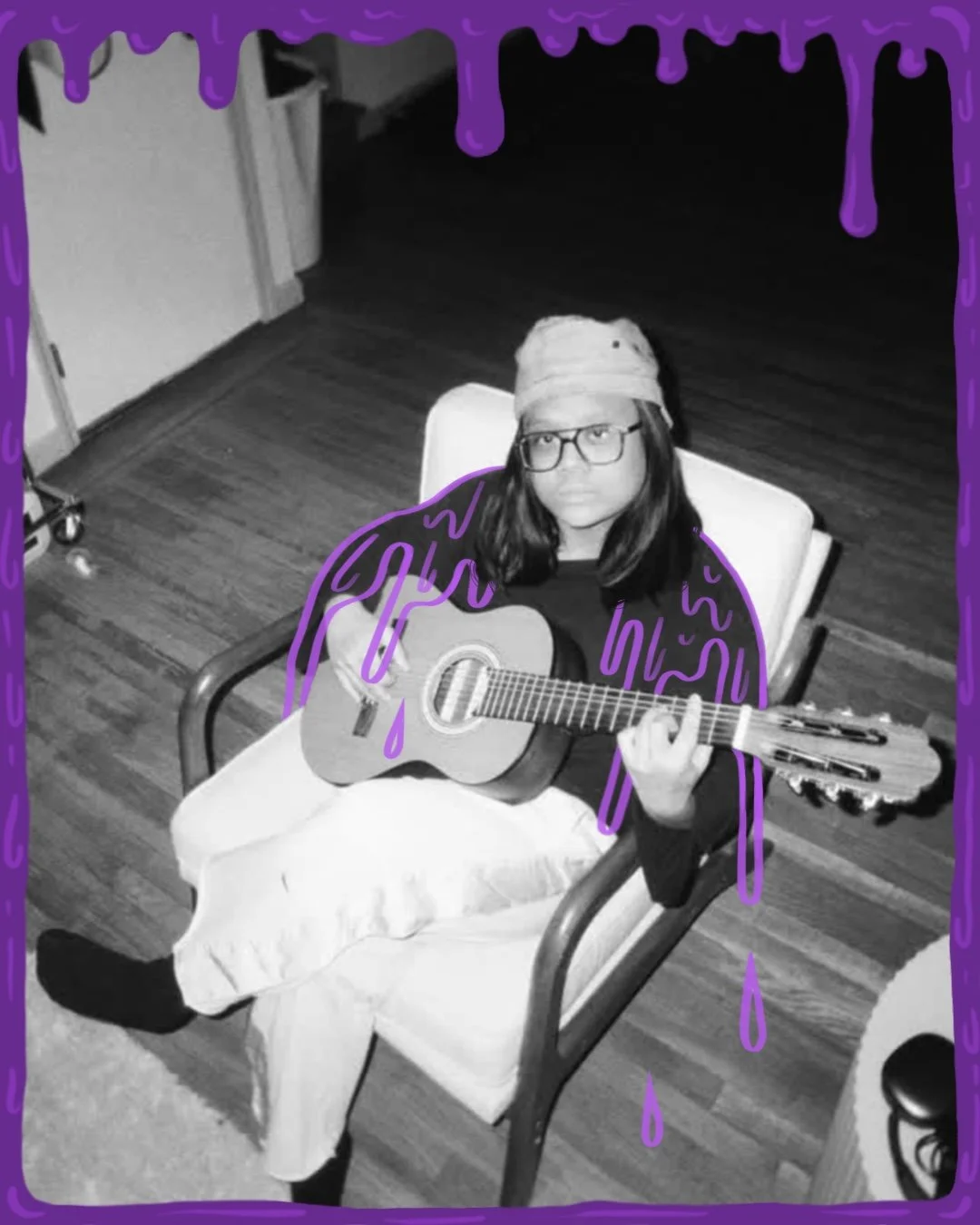
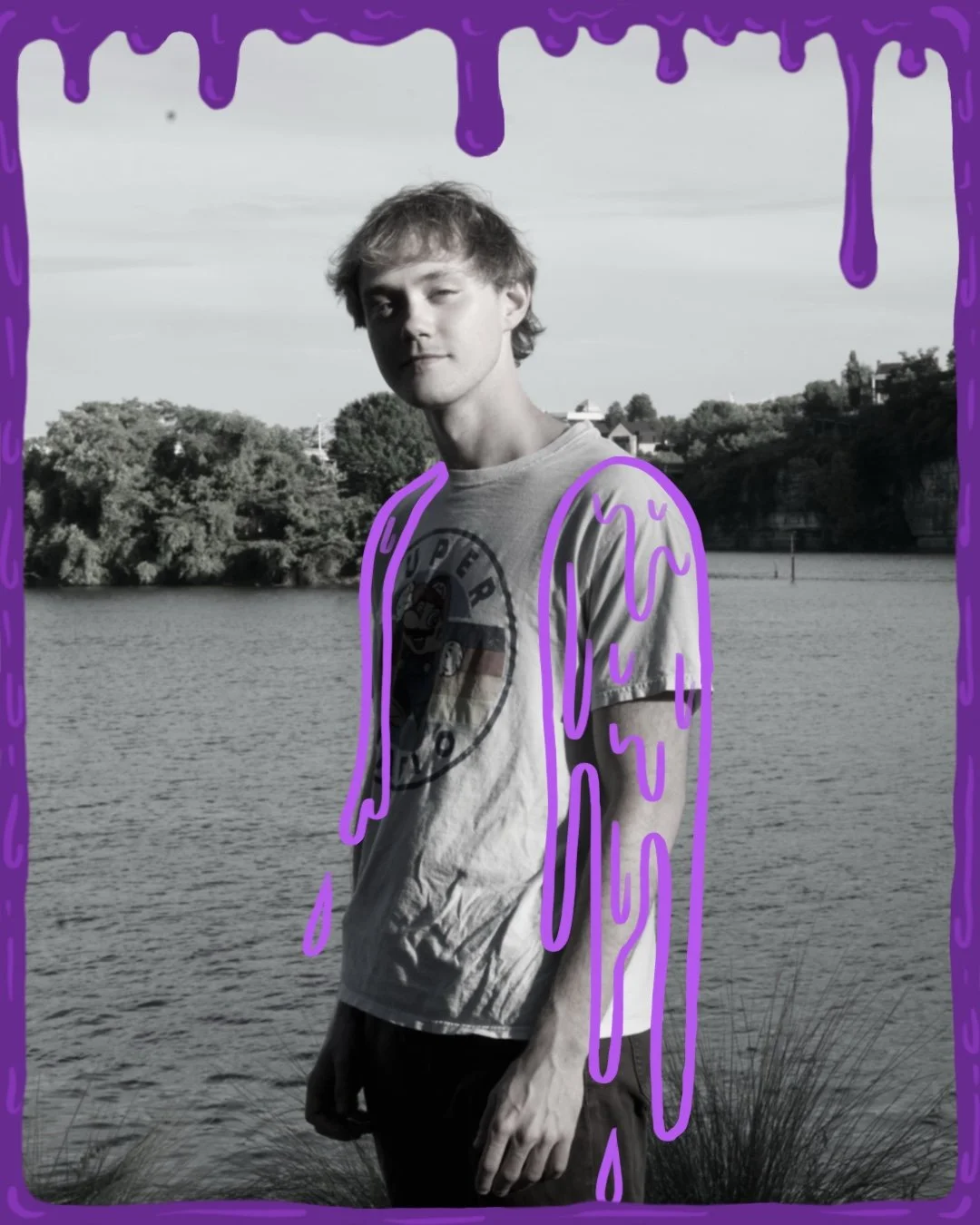
Rokkai, the multi-instrumentalist, rapper, and producer from Atlanta, Georgia, crafts smooth and uplifting tracks, harnessing his genre-agnostic foundations into the grooves and rhythms of his songs.
The son of a hip-hop head, Rokkai was exposed to a plethora of underground gems from his infancy by listening to selections from his father’s immense music collection. Despite this, he grew up mostly as a fan of rock, transitioning to rap in early high school. Around this time, he began bumping artists such as J. Cole, Kendrick Lamar, and Isaiah Rashad.
Yet, he never stopped exploring other genres, identifying jazz fusion and progressive rock as being among his recent rotations.
This wide interest and its varying results are certainly present throughout Rokkai’s discography. His most recent project, “How absurd!”, leaned into a variety of sounds from the ‘60s and ‘70s.
“About [the time I was recording] my first album, I was listening mostly to classic soul, so songs from the sixties, seventies… I do think my influences that I'm listening to outside of rap are going to have a heavy presence in the newer sh*t that I'm going to drop. And don't get me wrong, I'm still rapping. but I I do like to explore different avenues and genres, especially ones that I've enjoyed throughout my entire life.”
While Rokkai’s relationship with rap began developing at this time, his musical journey began even earlier when his best friend, who now has his own rap career under the name Smiles, piqued his interest in guitar. Rokkai, over time, learned to play guitar and bass, and, as he started making rap music, put these tools to his disposal.
He now does most of his own production, chopping the samples and laying down instrumental tracks himself. However, he admits that this is mostly out of necessity, as he feels as though there are certain sounds he’s sought that are difficult to communicate to and draw from other producers.
“I started with my last album, “How absurd!”, there was an idea and certain sounds that I wanted to get, and I didn't really have confidence that other people could achieve the sound that I was looking for, because I didn't know how to describe exactly what it was that I was trying to make. I just had to kind of shoot in the dark until I landed one.”
As Rokkai works towards his next project, a rock and jazz-centric album, he hopes to continue to expand his collaborations, pursuing the various sounds that populate his creative imagination. He also looks to continue work with the NOBAN WORLD collective, an Atlanta-based music brand that looks to highlight and elevate artists from the area.
A man who is truly dedicated to his craft, Rokkai is and should be central to the stacked Atlanta rap scene, and, as he pushes forward in honing his skills, will certainly be someone to watch.
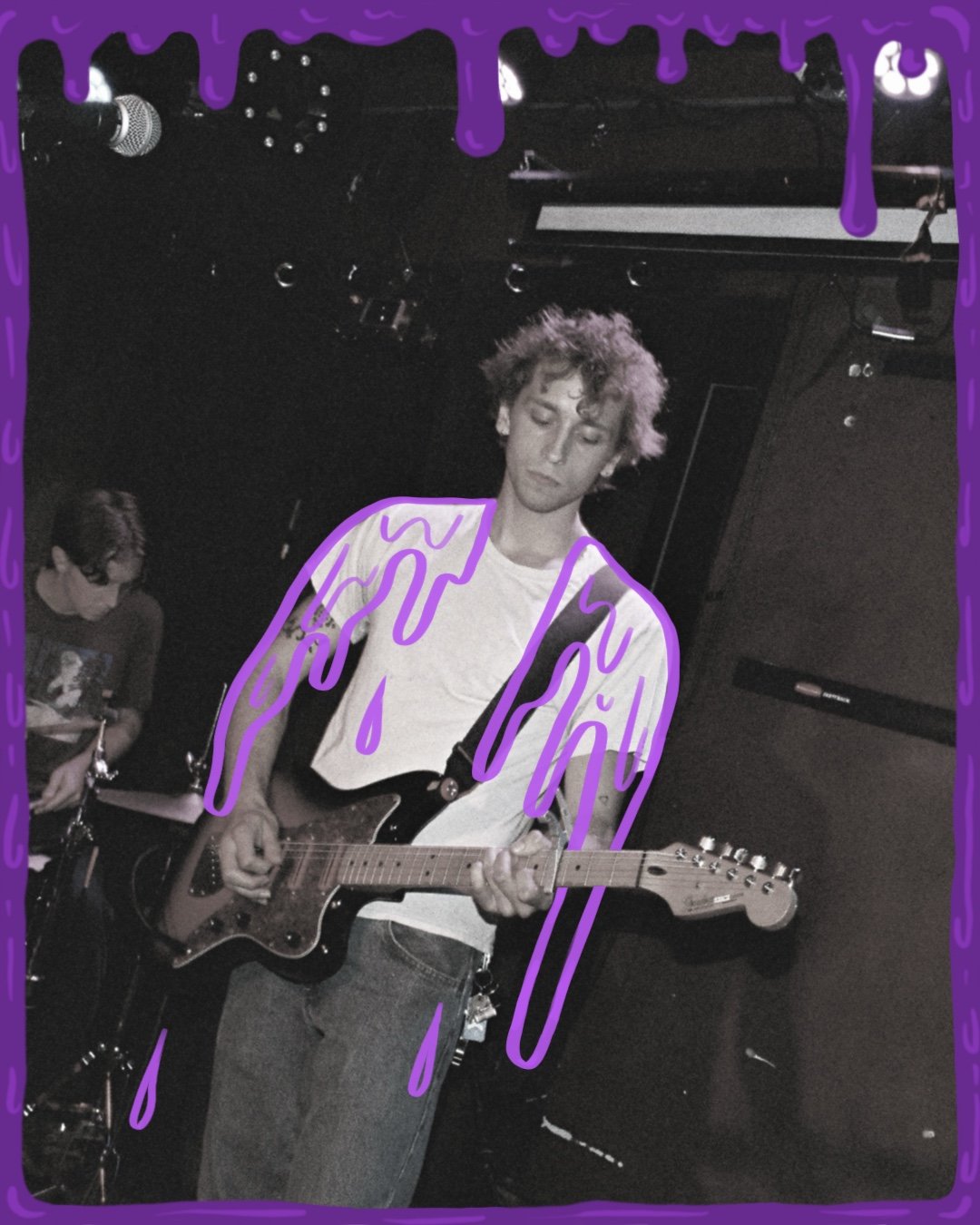
Cistern, the British Columbia-based indie rock band, has seen its fair share of sonic transformations since its raw beginnings, opting to linger in the profound mixture of the tastes and creative desires of its various members rather than any concrete vision or constricting artistic pursuit. With the release of their latest album, Rhizome, however, they have marked off the end of a distinct era for the band, and their coming shift is indicative of the freeform creative approach they have collectively decided upon.
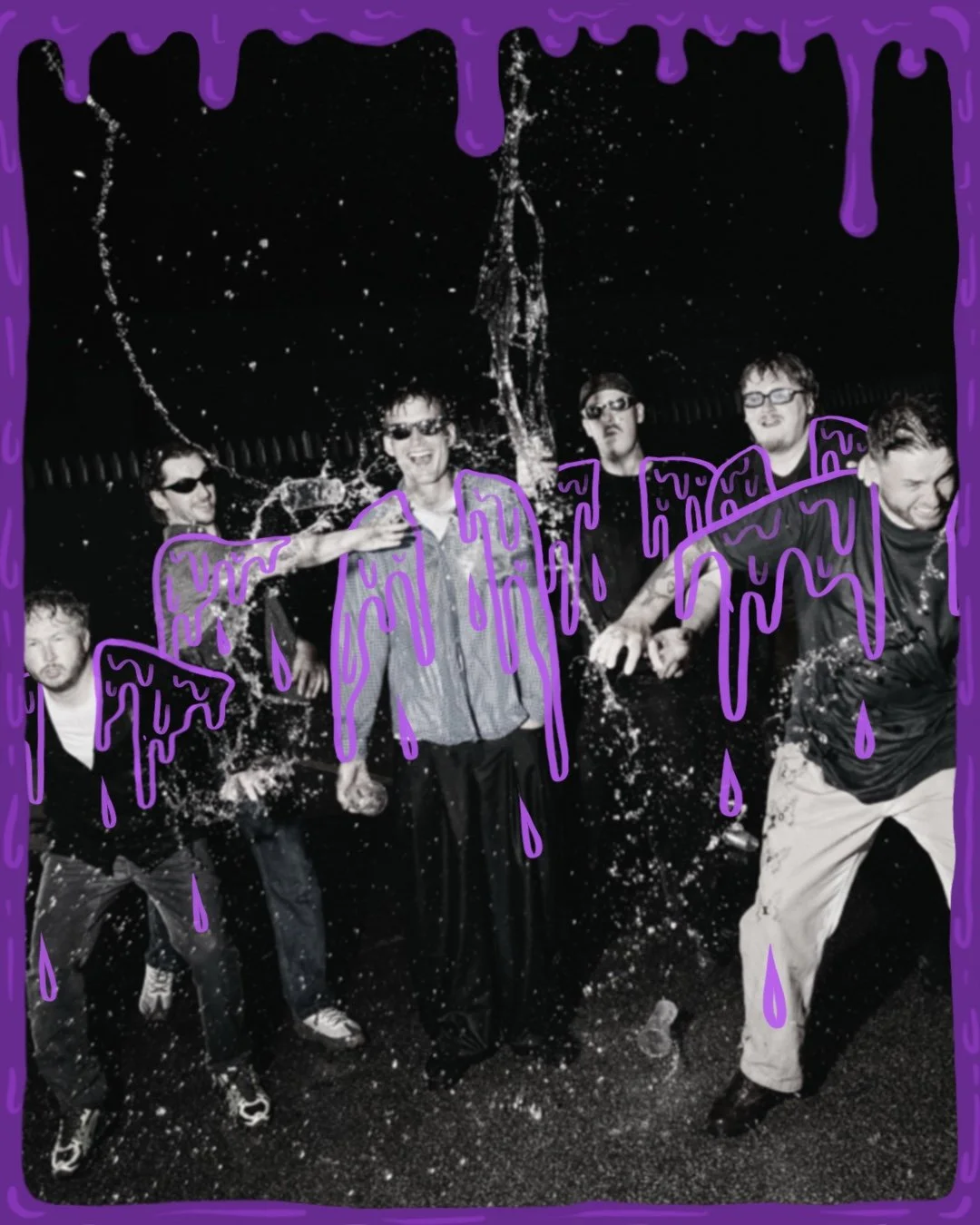
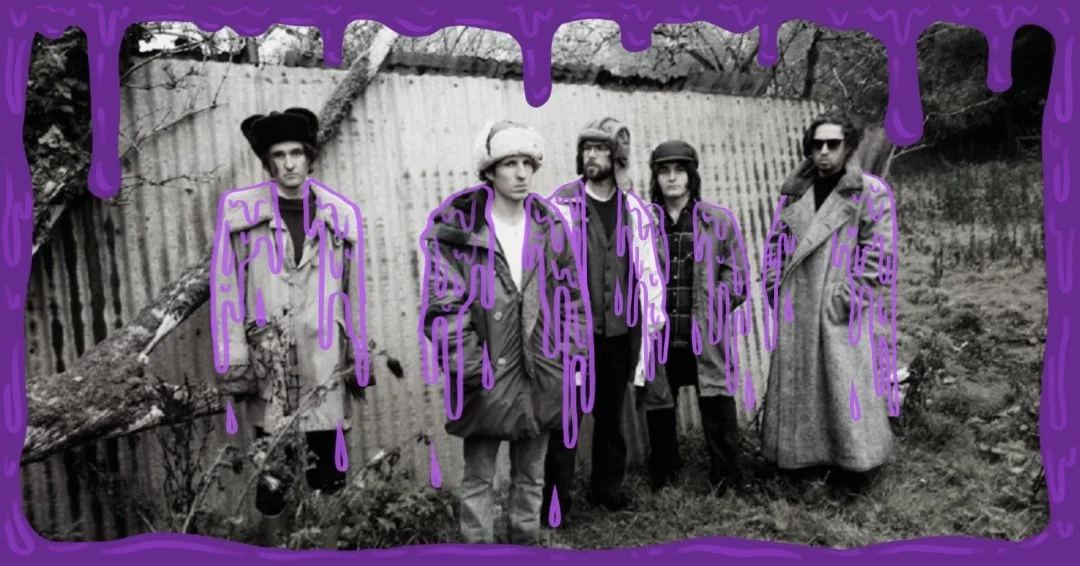
For San Francisco-based prog rock band Magic Fig, the mission has always been clear: create tantalizing and expansive music heaved from the swirling depths of the British rock of the late ‘60s and early ‘70s. But, as the band has continued to evolve, the initial boundaries they set for themselves have been forced to expand. Their newest project, Valerian Tea, serves not only as a representation of their collective vision but as a testament to their melting pot of influences– and their spacious and inclusive take on progressive rock as a genre.
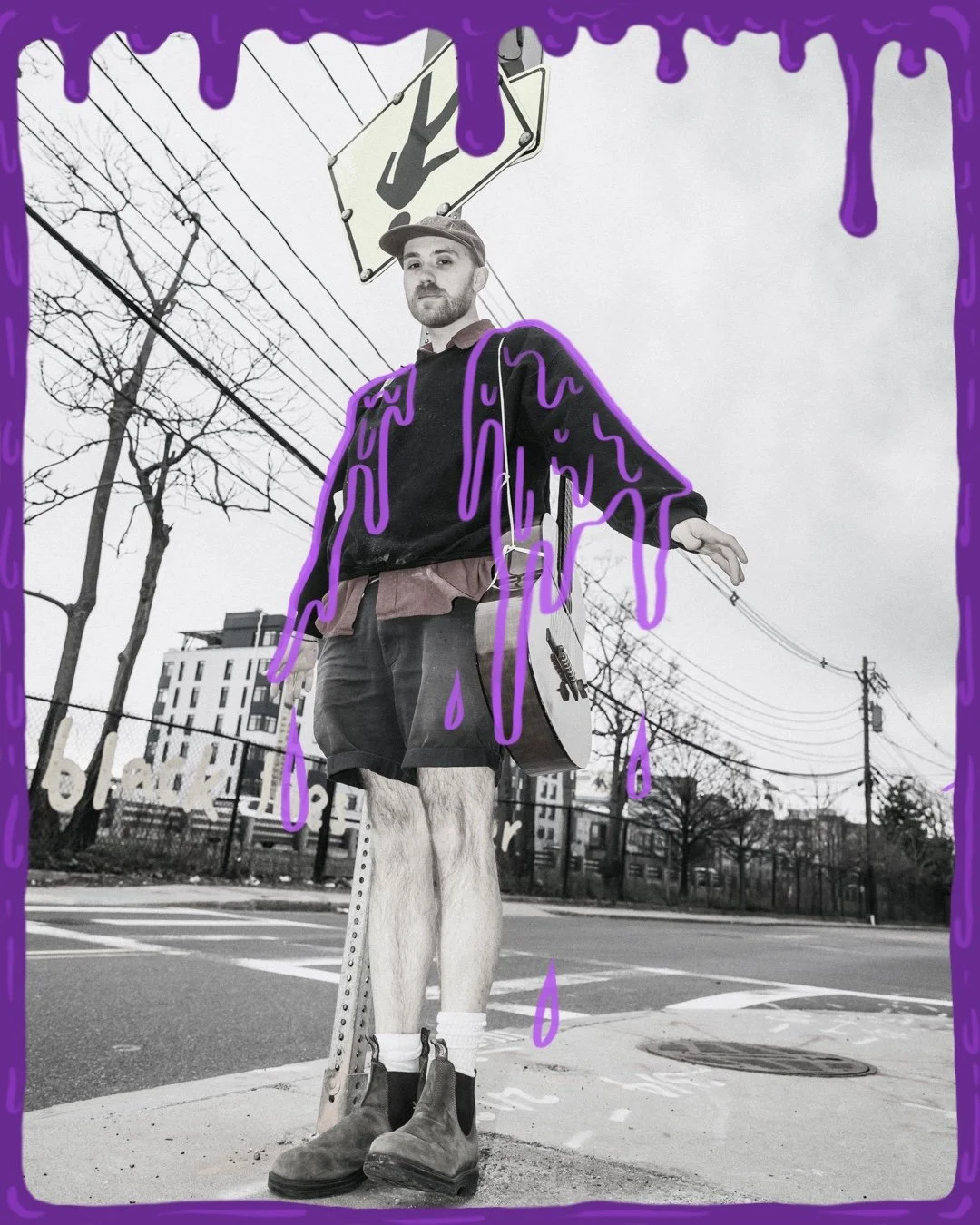
Peaer, the Brooklyn-based, math rock-influenced band helmed by Peter Katz, is at the precipice of a major creative shift after over a decade spent together. With Doppelganger, their most recent project, marking the end of an era for the group and other members of the band moving onto other phases of life, Katz has determined it is time to take the project back where it began: into his own hands.
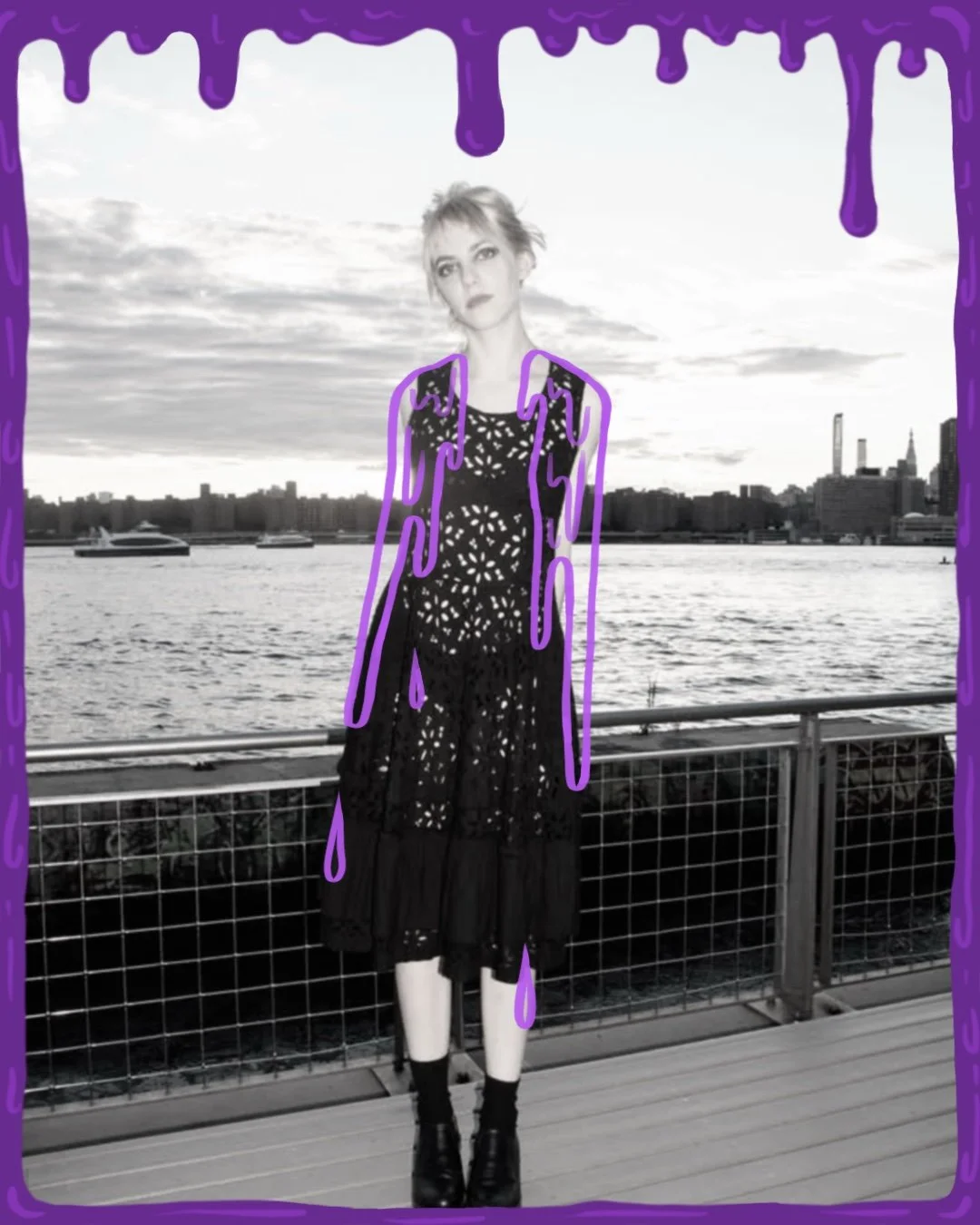
Bibi Club, the Montreal-based indie pop duo of Adèle Trottier-Rivard and Nicolas Basque, has been carving out distinct vibrations since their formation in the late 2010s, operating in the midst of the direct action and sonic intimacy that has defined their creative process from the very beginning. As they have continued to work together, however, Bibi Club and their artistic partnership have evolved tremendously, with their forthcoming release, Amaro, serving as undeniable evidence of that fact.
For the Virginia-born and raised rapper and illustrator Raan Brown, the moniker Alfred. has long represented a crystallization of a distinct part of their personality, taking the maximalist aspects of their persona to certain extremes while maintaining a centrality of flow and cadence that is indicative of their mastery over their craft.
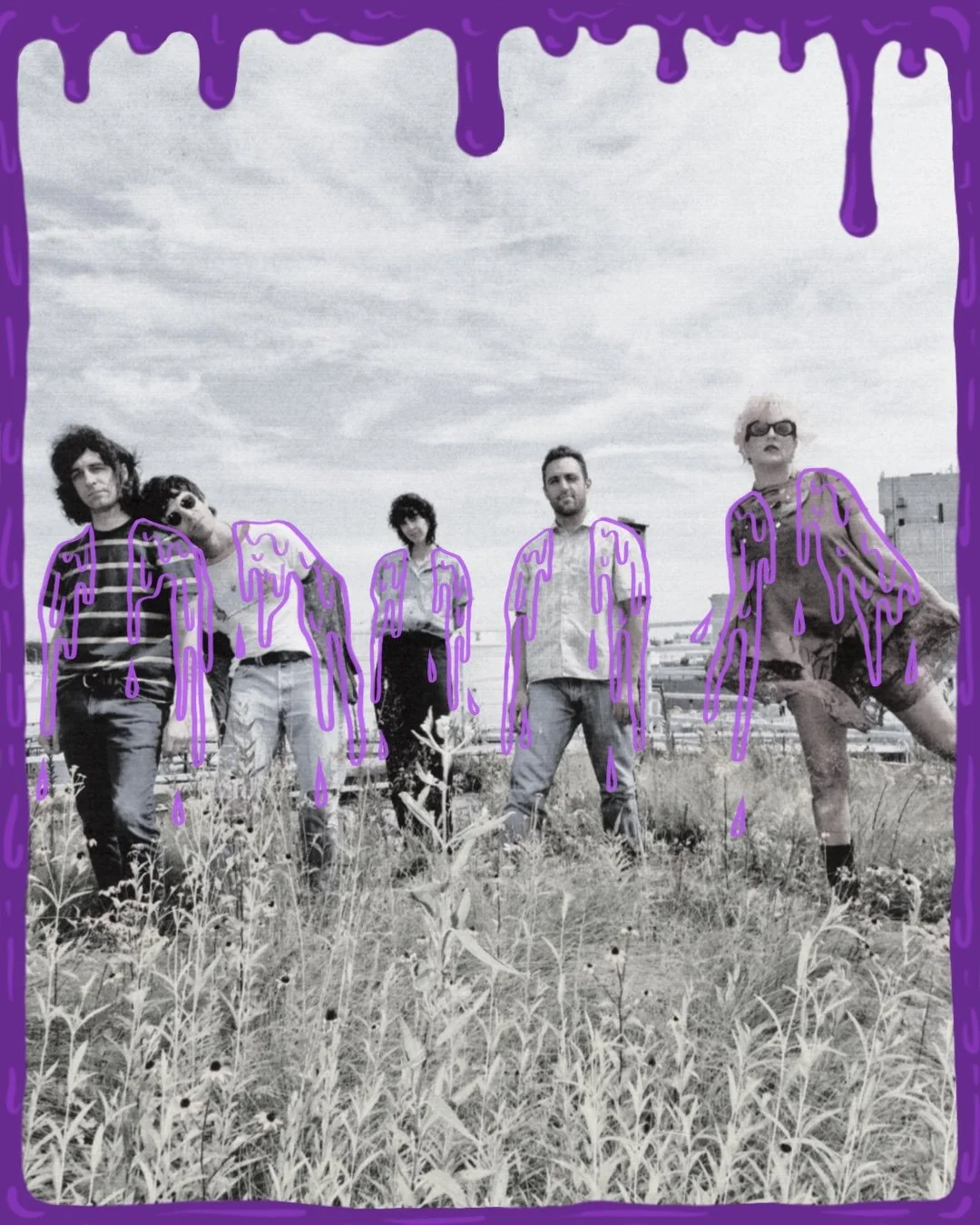
Blackwater Holylight, the doom metal band formed in Portland, Oregon, has broken new ground with the release of their newest album Not Here Not Gone, commemorating their recent relocation to Los Angeles and crafting a culmination of the years they have spent together as a band with the intentional new sonic direction they have undertaken.
Big Scary Indian, the noise rock project fronted and helmed by Roshan Reddy, has served as an experimental ground for its creator in the years since its inception, allowing him to bridge and put into conversation the dichotomy of sounds he has loved since he was a teenager. The result has been a glistening, complex, and distinctly euphonious catalogue, bursting out in moments of beauty through the dissonance that the genre is typically known for.
If you exist outside of the hyper-intertwined Houston music scene, there’s a good chance you haven’t heard the name diptera yet. If that’s the case, it’s probably best you familiarize yourself with them, at least before their genre-bending, improvisationally-rooted sound comes knocking on your door of its own accord.
Chico Romano, the genre-bending band led by former Professor Caveman frontman Rob Romano, was born Ship of Theseus-style from the ashes of the infamous New Jersey indie band and, since its inception, has served as a unique creative vehicle for Romano’s sonic whims, carving out a unique lane with each individual addition to its slowly growing catalog.
Local Weatherman, the Brooklyn-based alternative rock band, first began as the solo, dormitory-born passion project of frontman Fritz Ortman, spurred by a desire to send his first true musical ramblings into the world as quickly as possible. As it has blossomed however, Local Weatherman has transformed into a complex and living sonic creature, with their newest EP, Right One?, serving as distinct evidence of that fact.
For New Jersey-based experimental rock artist Daniel Brooks, it has always been a matter of tinkering, both with his sound and his approach to his artistry, from the time he was a small child learning the basics of music on his Casio keyboard. Now, he has undergone a stark sonic transformation over the last few years, and that process of tinkering has only taken on a new, more nuanced and extensively layered form: one that is abundantly evident in each of his last two projects.
Julia, Julia, the solo project of punk and garage rock Julia Kugel Montoya, has now marked another step in its sonic exploration with the release of her second album, Sugaring A Strawberry. In doing so, it has signified another distinct departure from the intense and boundary-pushing music that her primary project, The Coathangers, has produced for almost two decades, returning Julia to her musical roots as a more delicate and intentional artist in a setting that has been nothing short of refreshing for her creatively.
Star’s Revenge, the budding side project of Emily Green (Geese) and Olive Faber (Sunflower Bean), has served not only as an outlet to but also an additional expression of the expanding creative thatcheries of its founders in the years since its creation.
Indigo Waves, the dream-pop duo born out of the college-aged friendship of Austin Oestreich and Matt Mink, has been carving out a unique brand of sonic experimentations since its inception, operating in the liminal space that exists between Oestreich’s acoustic songwriting habits and Mink’s fascination with obscure sound design. Now, as they leave behind their 2025 project, Mirror, and begin work on their newest album, it is that exact balance that will continue to define their ongoing pursuit of a new sonic frontier.
SHAGGO, the femme-punk band based in Brooklyn, NY, has broken ground on their unique brand of fun-filled, social ire-inspired punk with the release of their debut album, Chores, back in June and, since that time, have continued to carve out their sonic lane, all while maintaining the central aspect that has defined not only their sound but their existence as a band since its inception: a certain carefree quality that transcends the usual strictures of the genre.
Henry Walters, the guitarist and rock visionary from Michigan, has been carving out a unique, pop-driven lane since he was a teenager, pursuing the sounds that funneled into his childhood from his musical family and his older brothers. Now, as he continues to forge a new, digitally-rooted direction for the band, they are on the cusp of another major transformation, all while simultaneously maintaining the sonic roots that have defined the band since their foundation.
Kiersten Blue, the New Jersey-born singer-songwriter, has only ventured into the musical realm since pandemic-induced boredom led her to pick up a guitar for the first time since her childhood, but, in the time since, she has etched out a unique, ‘90s-inspired pop sound that, on her debut EP “Girl In The Mirror”, has brought her unique lyrical slant to its most complete fruition to date.
Kinna Mone, the Tel Aviv-based singer-songwriter, music producer, and DJ, has spent the year since her relocation refining her sound and honing her craft, and, with the release of her debut album, Therapeutic Nights Out, she has finally found the ideal outlet for her unique blend of sonic textures, transplanting the vulnerability and openness of her usual lyrical structures to the booming, bassy atmosphere of club music.