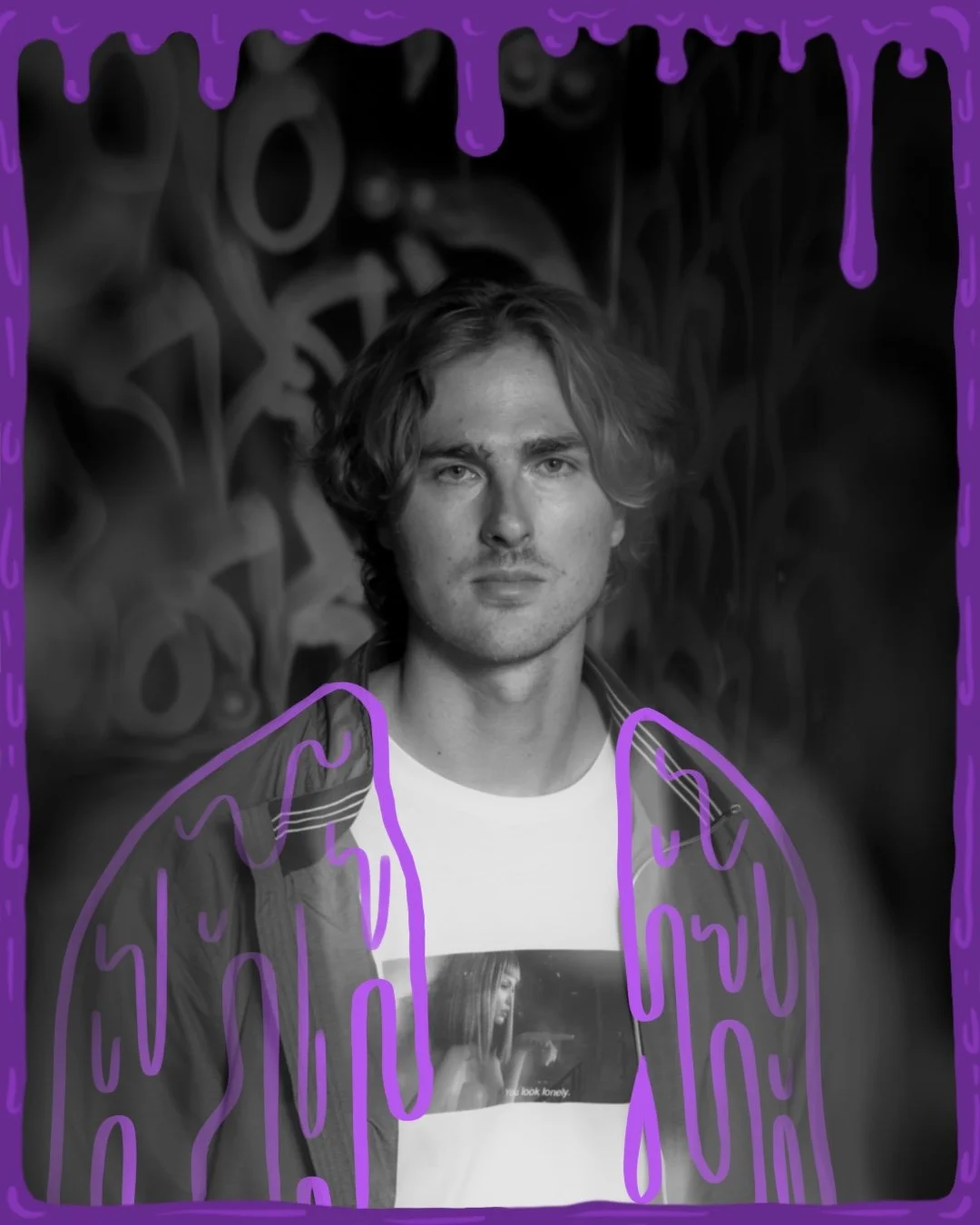
Artist Profile: Katzin
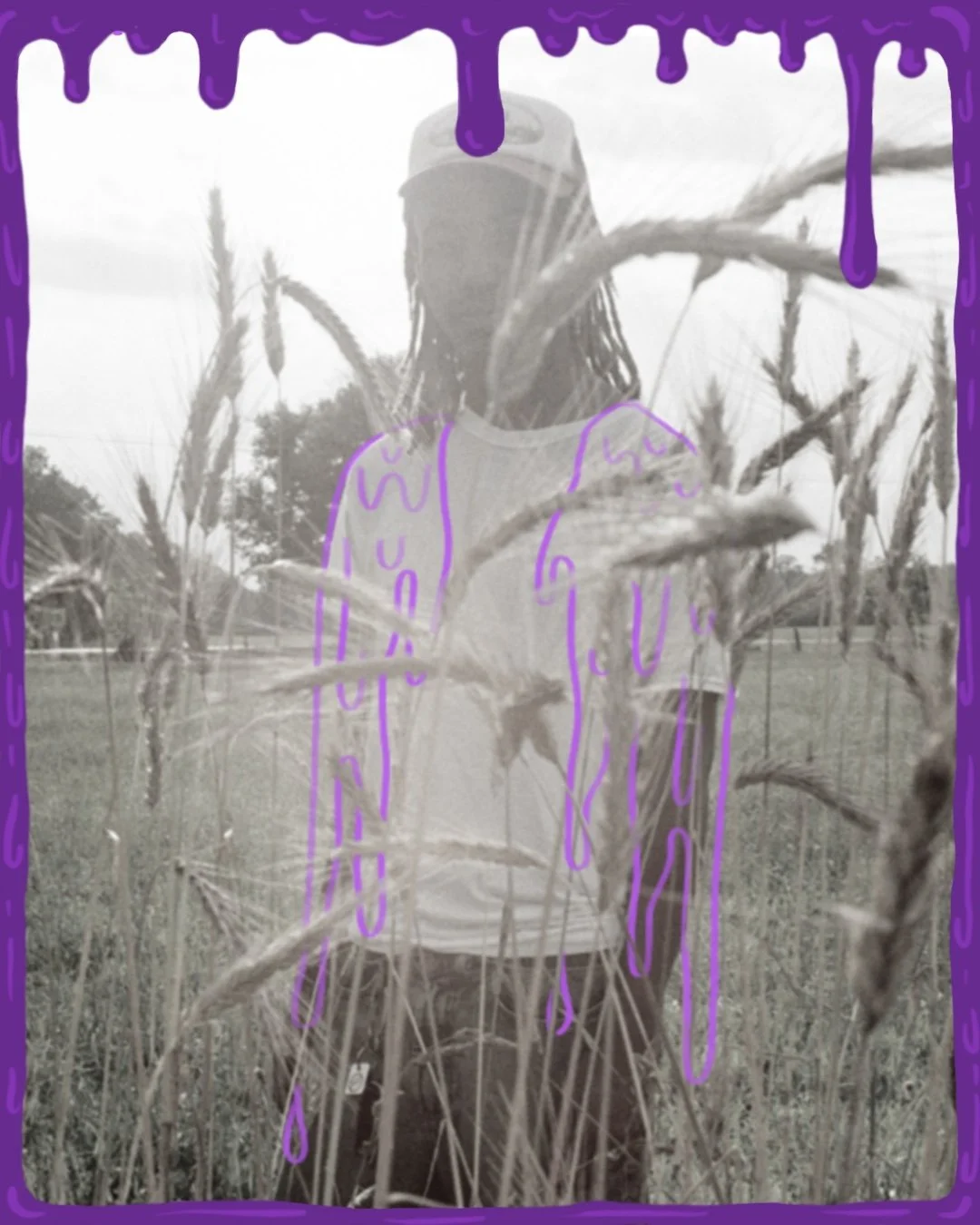
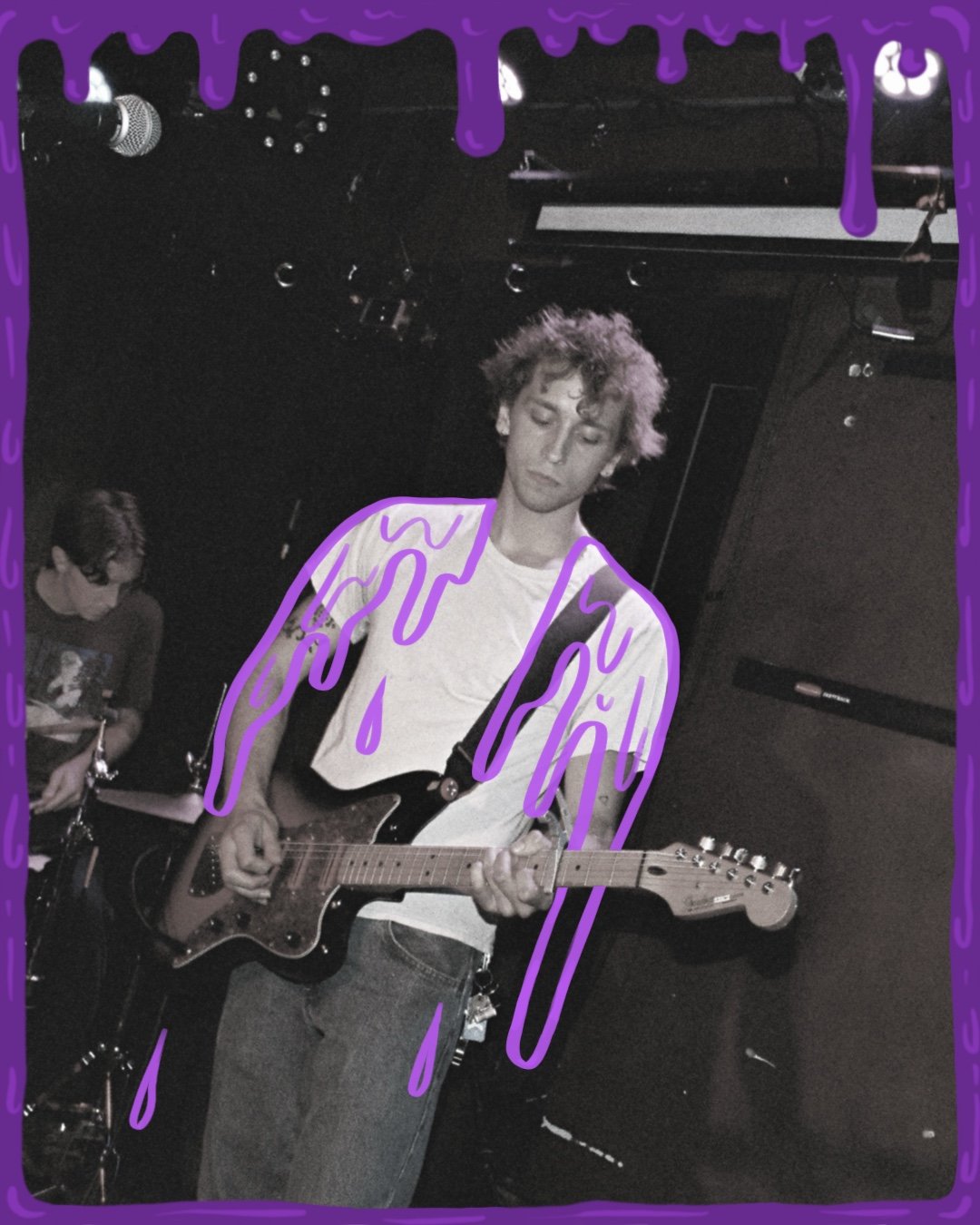
Photo Credit: Gabe Ginsburg
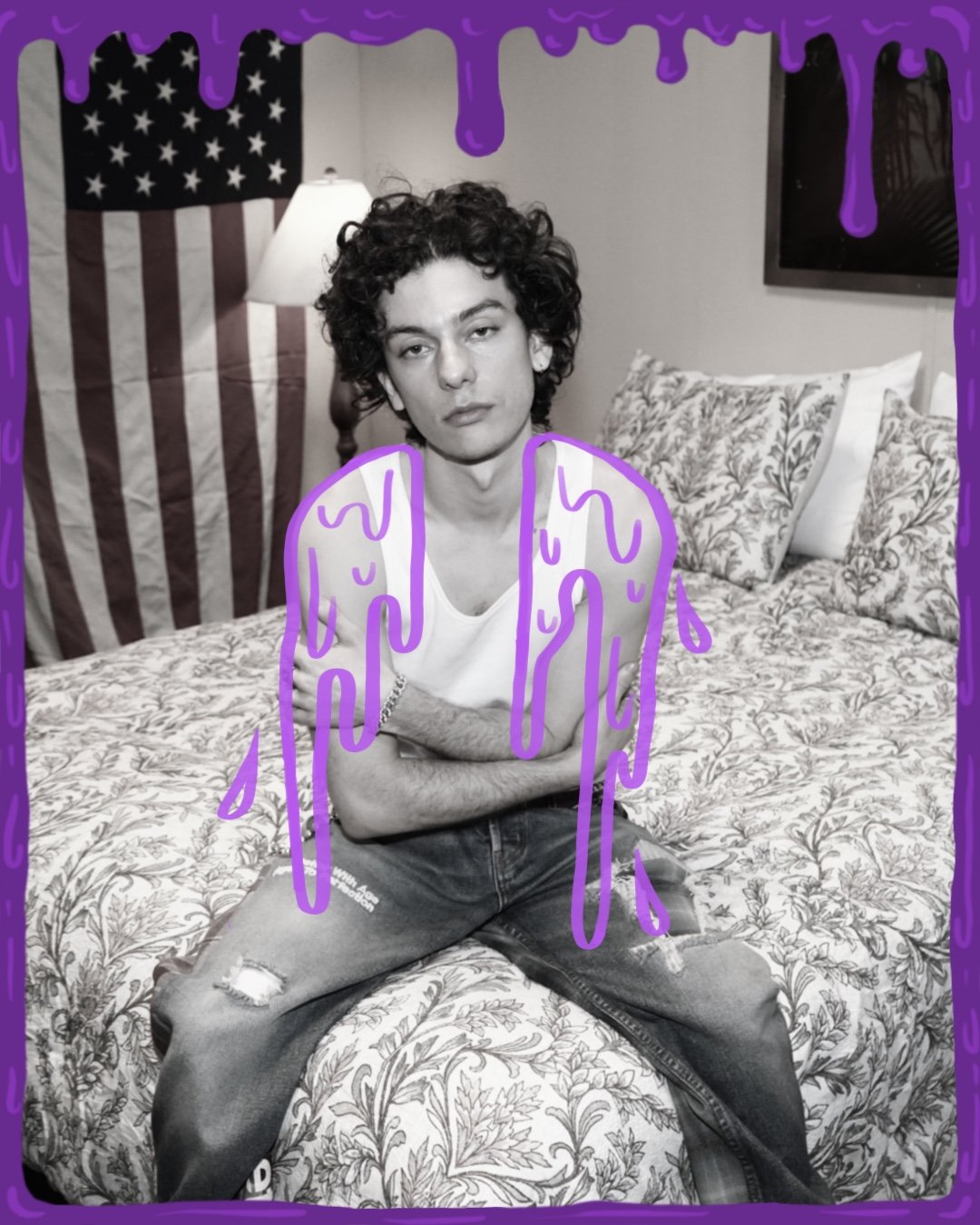
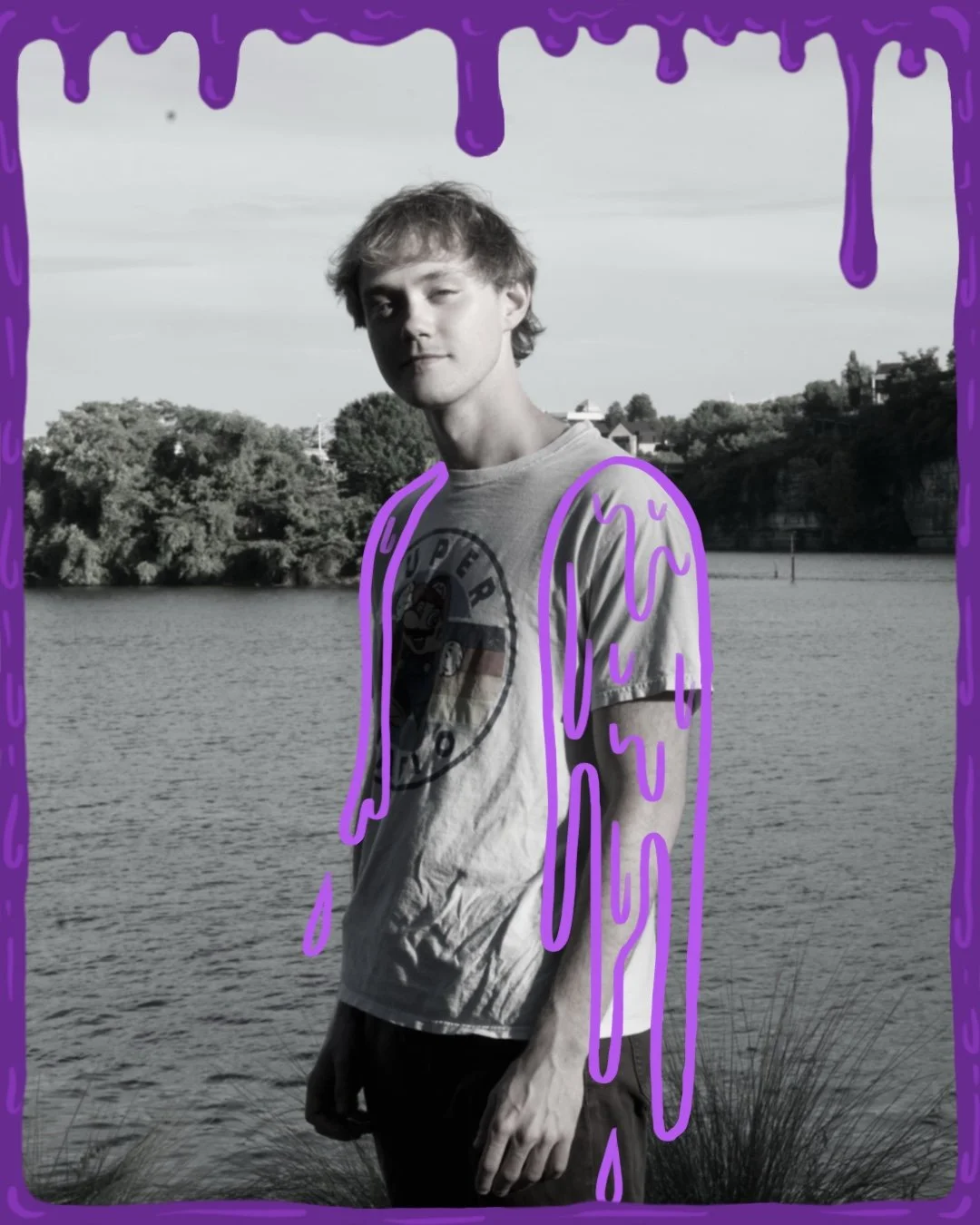
Zion Battle, the Manhattan-based singer-songwriter who operates under the moniker Katzin, has taken a full inventory of his various influences and inspirations with his debut album, Buckaroo. In doing so, he has communicated a profound and vulnerable story of the shaping of an identity– finding his own thoughts and creative mythos basked in the warm light of a pop-influenced folk and country milieu.
Like many debut albums, it serves as the culmination of his entire inventory of musical energy to this point in his life.
As a child, his first exposure to music came through his father’s affinity for the radio. He has distinct and extensive memories of listening to Coffeehouse Radio, a channel on SiriusXM that features selections from artists like Tracy Chapman and Norah Jones.
As he got older, however, he found himself drawn to a more modern manifestation of that same aesthetic: the vibrato-filled indie music of the mid 2010s. Artists like King Krule and Mac DeMarco shaped his adolescence through their individual takes on a softer, more atmospheric approach to rock.
Yet it wasn’t necessarily a passion for music that drove him to guitar for the first time. It was, instead, an innate need to find something he was good at. Intuition, rather than ardor, led him into music.
“I kind of remember going into those [guitar lessons], just kind of like, ‘It's time for me to get a hobby.,,, I want to figure out how to play the guitar.’ I don't have this overwhelming passion for music at this point. I just kind of have this intuition that I should play the guitar.”
From those moments onward, however, a true passion rapidly developed. He almost immediately began writing songs, and, along with that exercise, began taking deeper dives into the rock music of the ‘90s and ‘00s. Music critic Piotr Orlov, a family friend of Battle’s, was instrumental in this journey.
He would listen to songs that Battle had written, take notes, and send him home with assignments of things to read and music to explore. It was in the course of this “homework” that he discovered what would prove to be a seminal project in the formation of his sound: the Anthology of American Folk Music, Vol. 1.
The Anthology is a collection of recordings of American folk, blues, and country music assembled by Harry Everrett Smith in the 1950s. Something about the rawness and accessibility of the music struck Battle immediately.
Buckaroo, which toys heavily with themes and iconography of the American West, is easily tied to the folk and country influences that shaped Battle’s development as an artist. Even the recording process, which he undertook with producer Max Morgan, was completed in the desolation and grandiose emptiness of the California desert.
While he modeled some of his songwriting approach after what he gleaned from that collection, he makes it clear that Buckaroo is not primarily a folk album.
“Max Morgan, the producer on this album, called it new age folk music, which I think sounds intriguing, and I think partially points someone in the right direction. But when I think of folk music, I think of political music. I think of Woody Guthrie and Lead Belly… I think the reason why I would hesitate to call my music folk music, even though I want to be a part of that [history], is that this album is deeply personal in a sense. It's a personal narrative in a way that I think folk music should not be.”
Of course, Buckaroo operates on a plane of experimentation beyond its roots in folk, country, and pop music. From the electronic twitterings on “Wake Up Ruben” to the spatial delays and reverbs of “Nantucket”, the project establishes itself firmly in the modern era– it is an exploration of the bounds that singer-songwriter music can tread in the 21st century.
The fact that it does so through folk and country influences is more than a minor point of intrigue. For Battle, who didn’t grow up with a traditionally rural upbringing, this imagery and iconography is a vehicle toward a broader peregrination: one that is defined by its vulnerability and engagement with modern American life.
“I kind of became aware of what was going on with [my songwriting process] and tried to dig even deeper, combining the fictional character, writing from somebody else's perspective as a songwriting device and marrying that with [writing] about how I feel. I think that marriage looks like using a lot of American imagery.. Obviously these things are not coming from a place of, ‘Yeah, I'm this cowboy or I'm this outlaw.’ That's not the tone of the album. It's tongue in cheek; it's meant to be abstract and literal and hopefully the yin and yang of those two things.”