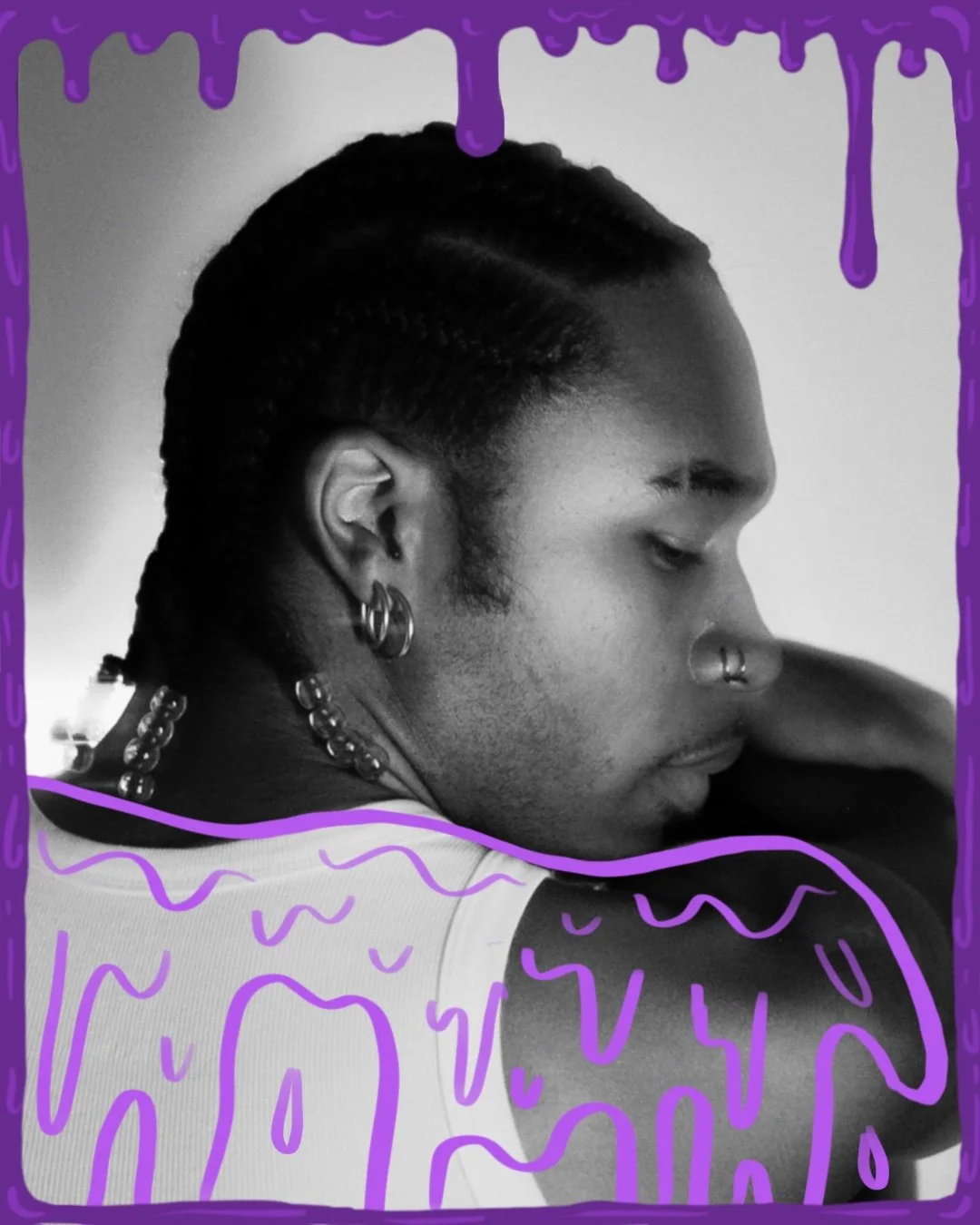
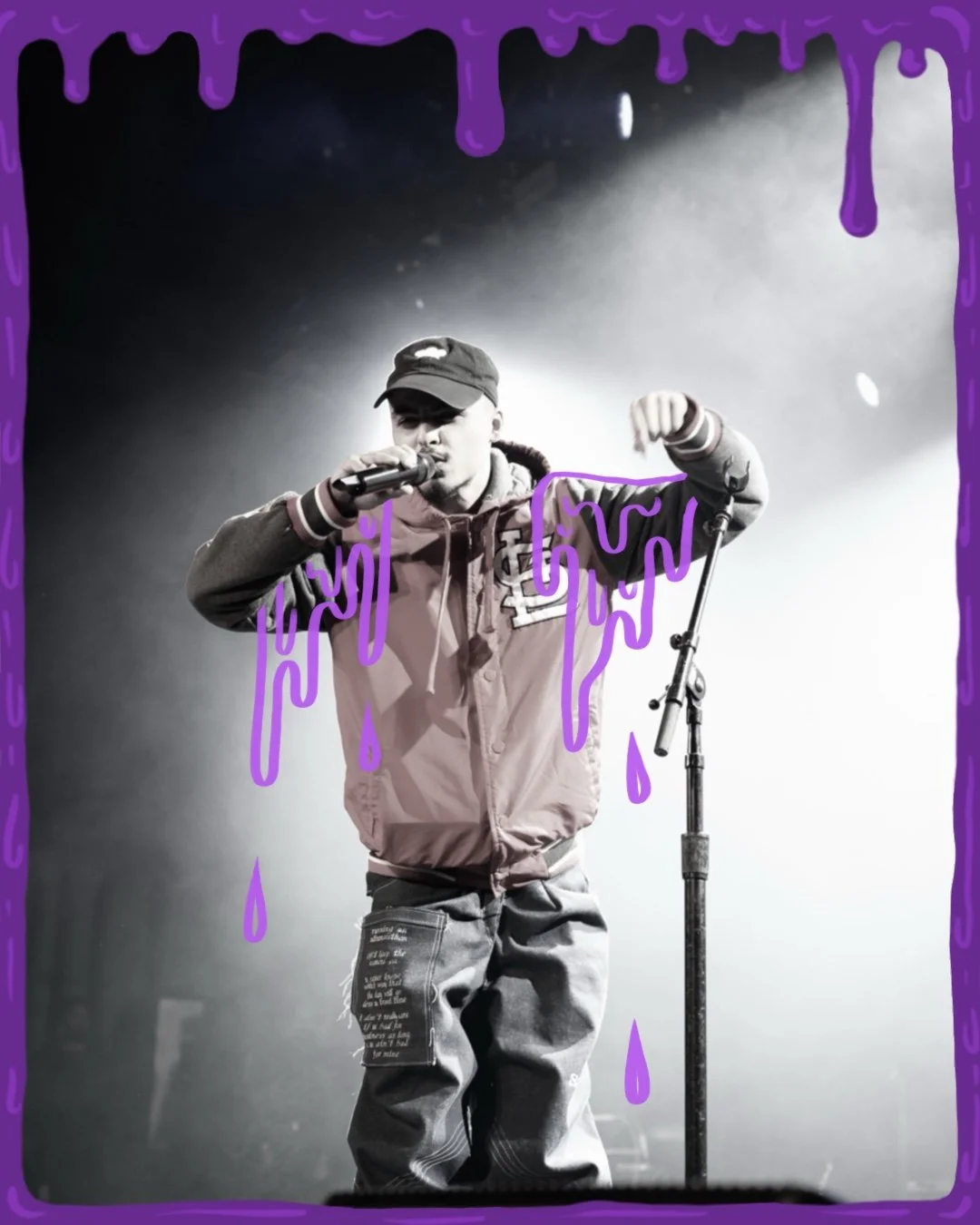
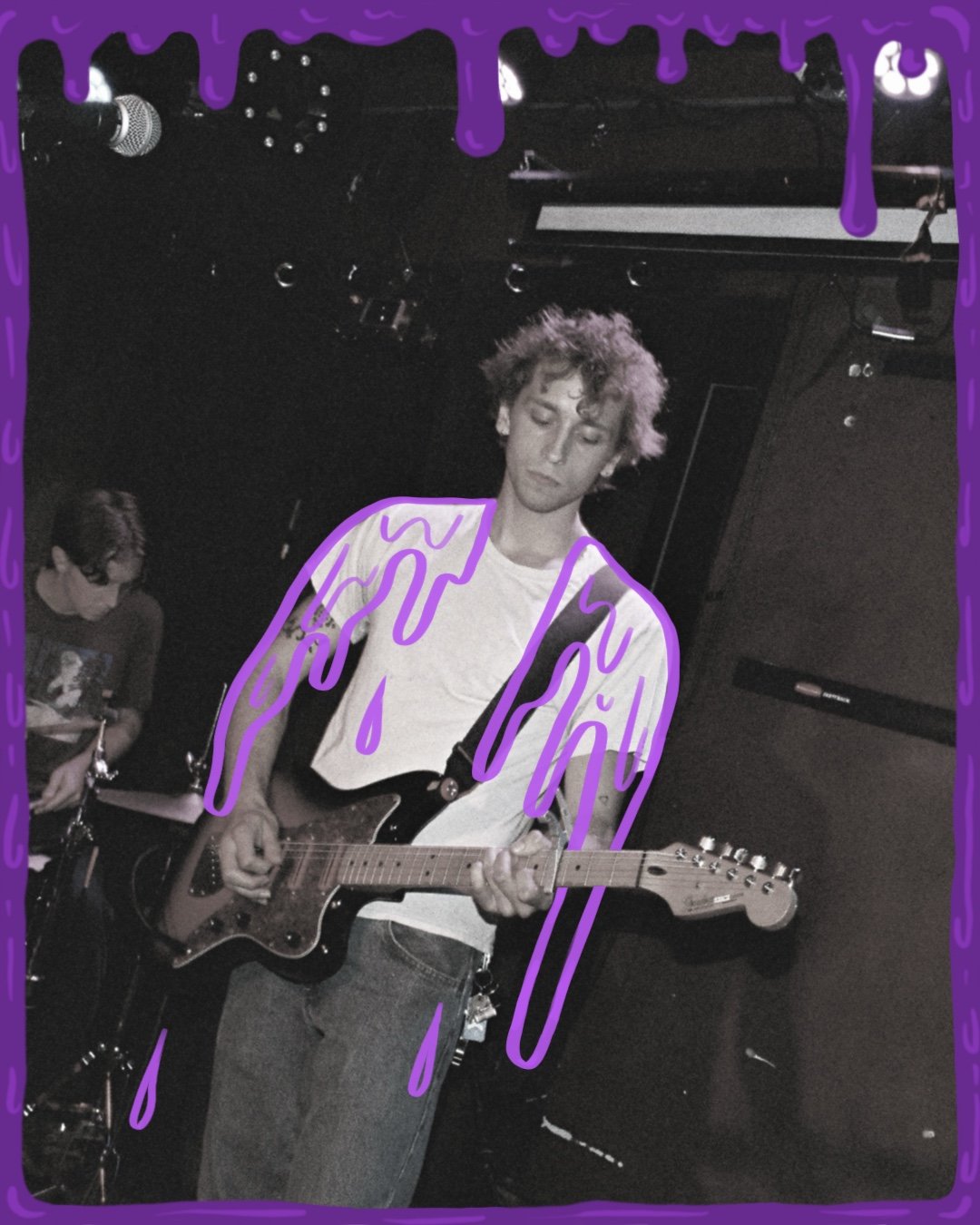
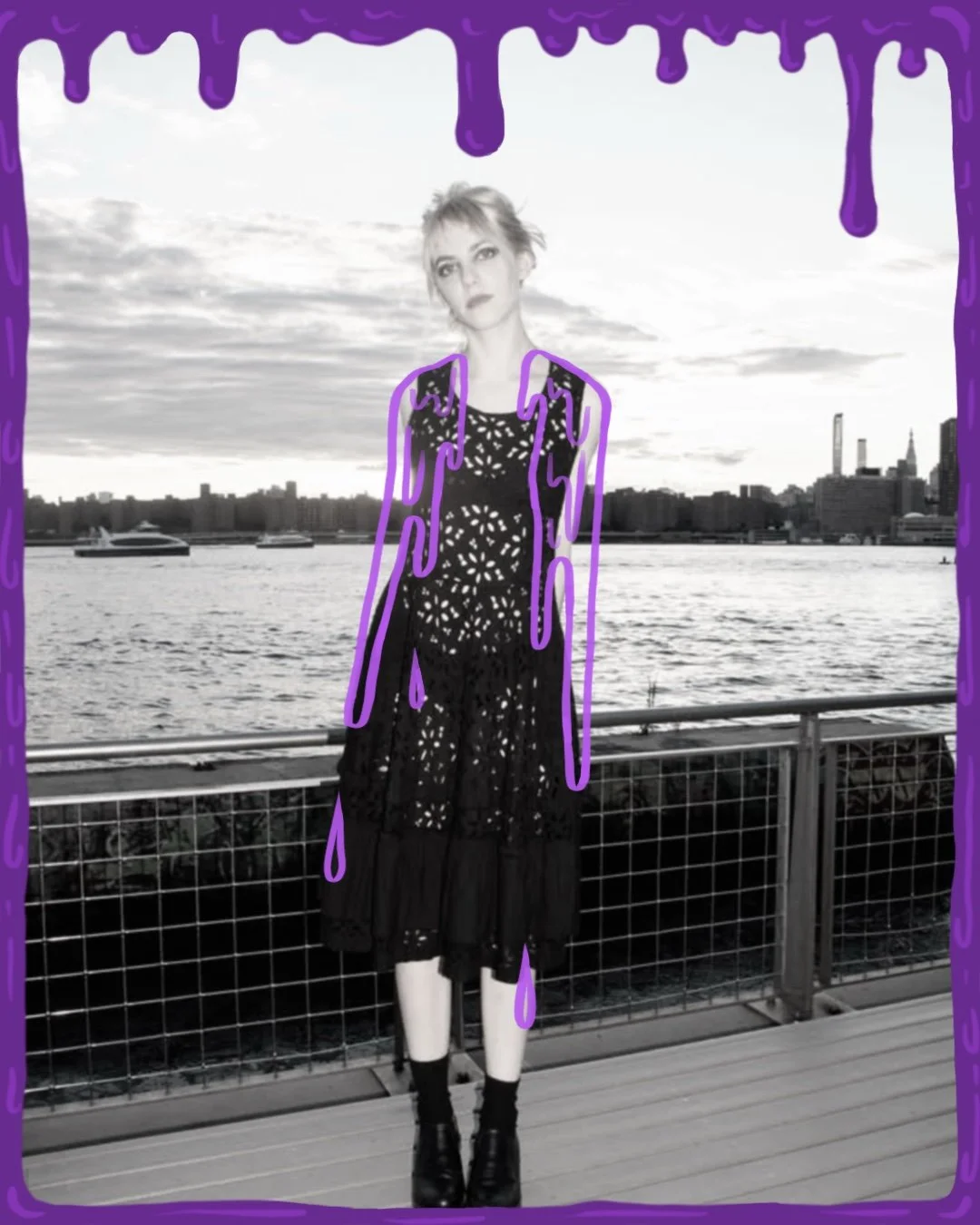
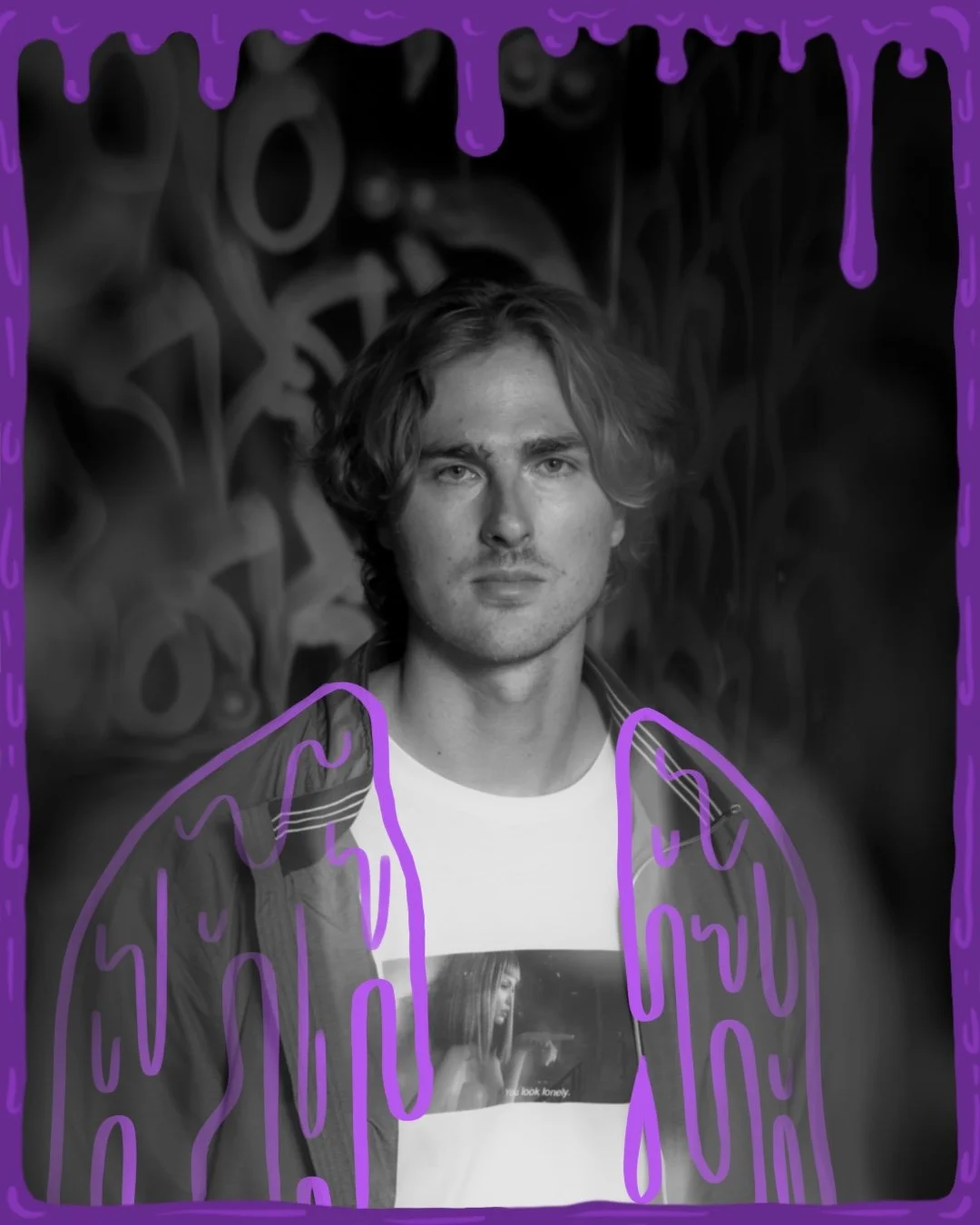
Artist Profile: Nic.
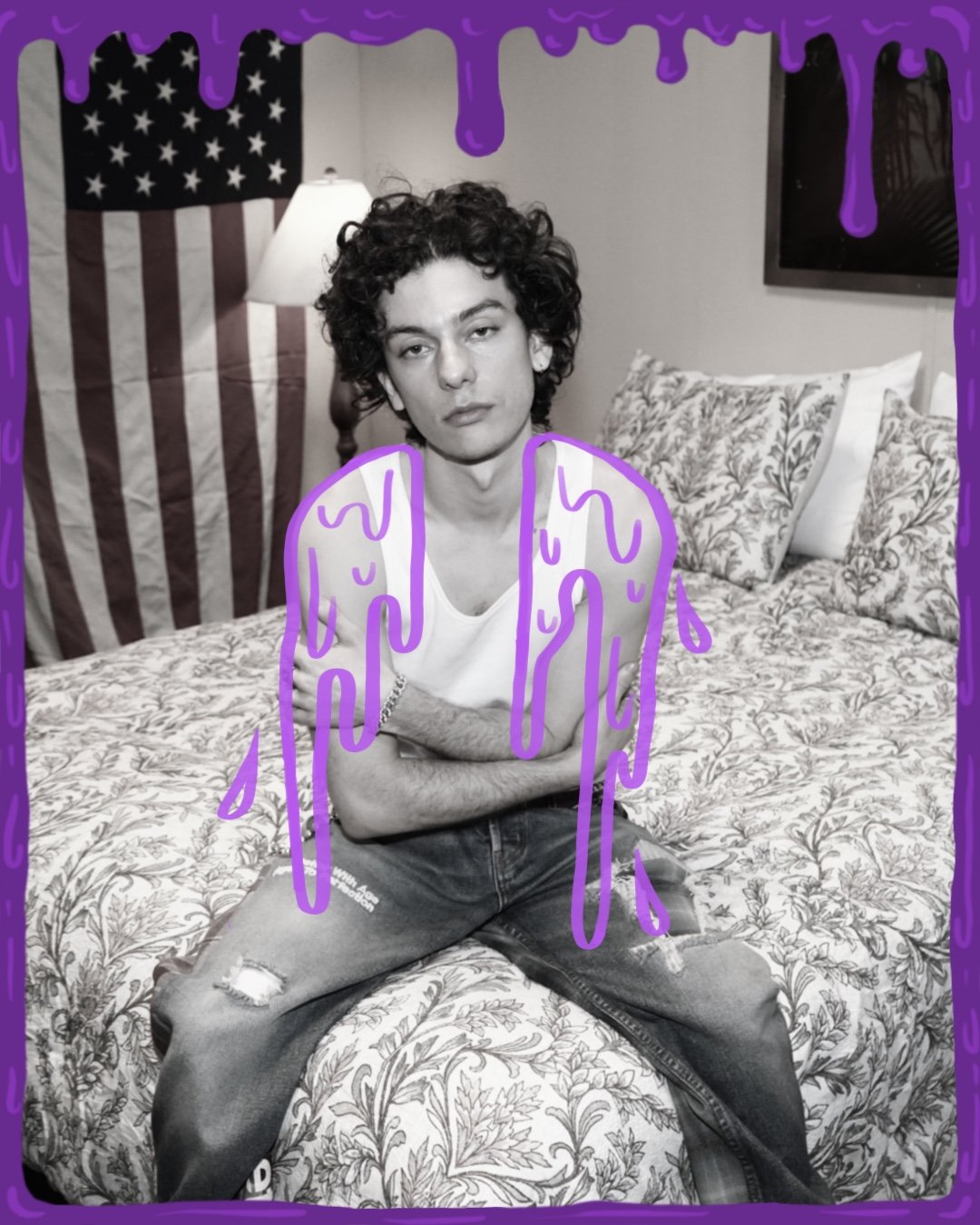
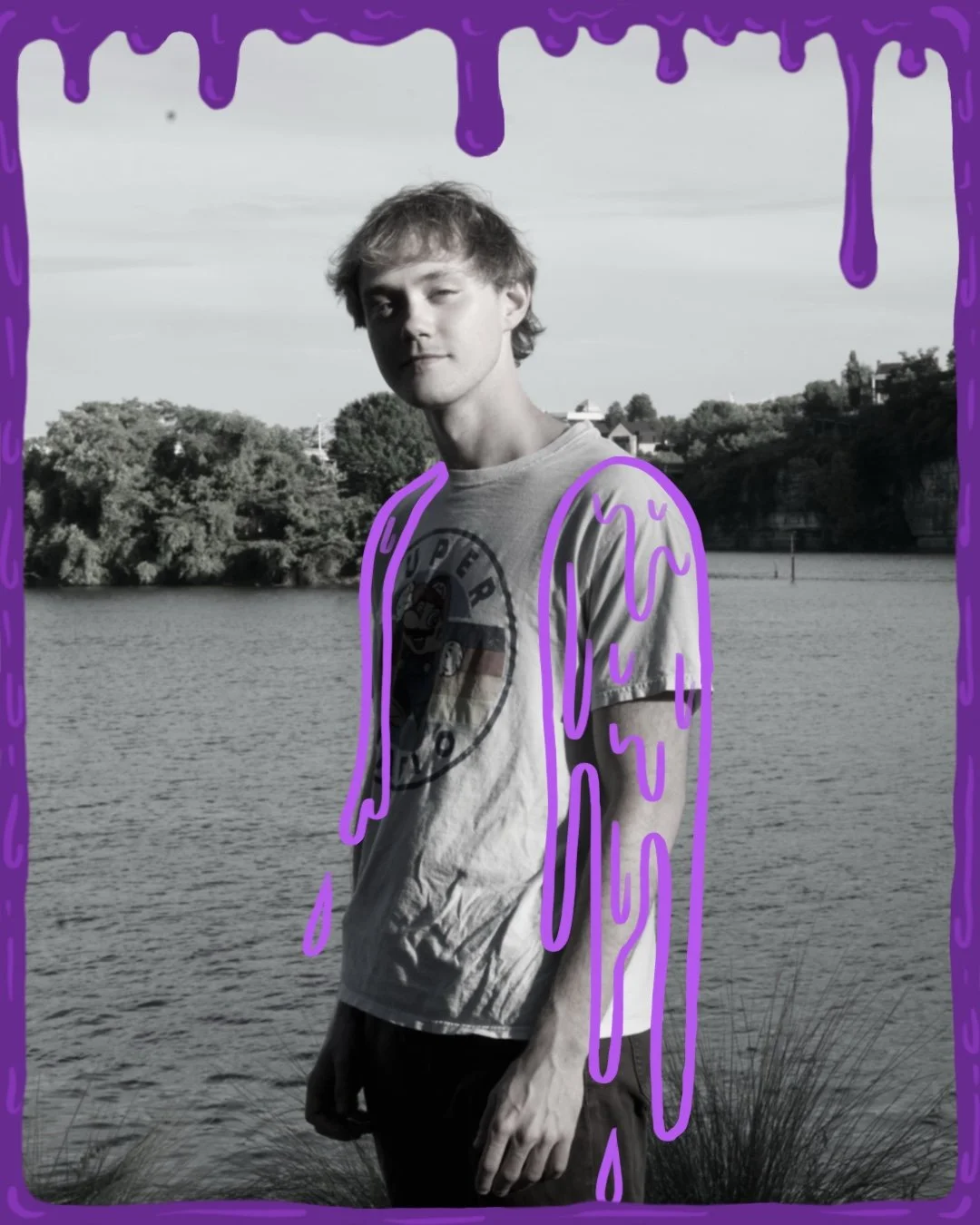
Nic., the artistic alias of Wisconsin-based rapper Nicholas Harper, delivers smooth and lyrically potent tracks, etching out carefully-penned verses from the turmoils of his spirit.
His familiarity with music began as a child, surrounded by his parents’ musings on Tupac and LL Cool J and eventually developing his own love for the lyricism of Lil Wayne.
“It was Jesus, Tupac, Lil Wayne; that was it for me.”
Yet, his own love for writing came about in the classroom of one of his English teachers, who would put on Louis Armstrong as background music and tell her students to write freely on a routine basis.
Soon after he began writing, the songwriting process, however youthful and undeveloped it was at the time, came to him rather obsessively.
“I was just filling them up, asking my mom to buy me composition book after composition book, and just writing infinite bad songs. You know, you're 10 or 11 years old; you write songs about anything… But when I was 17, that was the first time I was in a studio and then I [realized]... that I could really record stuff and put it out.”
While all of that time spent writing creatively gave Nic. a head start on perfecting his pen, the serious challenges faced by all young artists were certainly present in his journey as well.
After heading to school in North Carolina, he needed to become comfortable with projecting his musical image outwards, both socially and online, in order to make the fact that he made music known.
Through people he met on campus, he quickly became involved in the burgeoning North Carolina rap scene, partaking in the tight community of local performers and the opportunities provided by an active and engaged audience.
“[North Carolina] was really exciting. Rap music, hip-hopness in general, R&B too was a big deal down there… People would show up to the shows energetic. I don't feel like people were hating and scared to show you love… It definitely helped me get much better at performing, and it also helped me to take myself more seriously.”
Yet, following the completion of his degree, Nic. moved to Wisconsin to pursue a job opportunity, isolating him from his community and, in a way, forcing him to reset artistically.
He realized that, although he had constructed a presence in North Carolina, he needed to maximize his output and, by extension, his artistic development in this new era.
“When I moved here, I think I had three projects, but altogether I had less than 25 songs out. I ain't even put in the reps, you know what I'm saying? Curry been in the gym how many times? He put up how many shots at night?.. I needed to put my head down and really work on the craft.”
His two most recent singles, “that’s not sugar, it’s salt” and “ilovedyouwaymore”, genuinely reflect the results of this mindset; across the two tracks’ languid instrumentals Nic. presents a renewal of confidence that allows him to expound his emotions in more dynamic and nuanced fashion..
As Nic. continues to grind and grow as an artist, he’ll certainly be one to watch.
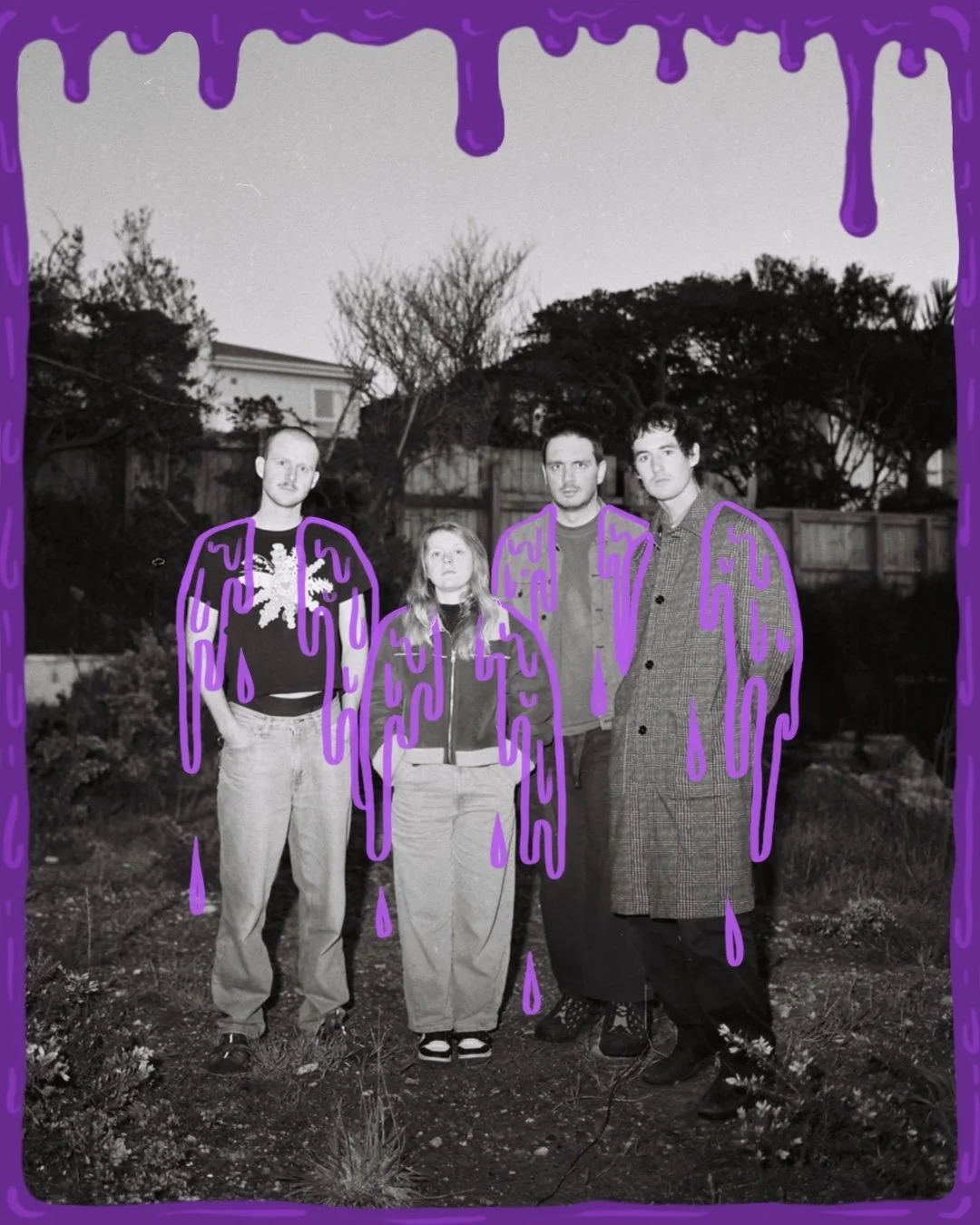
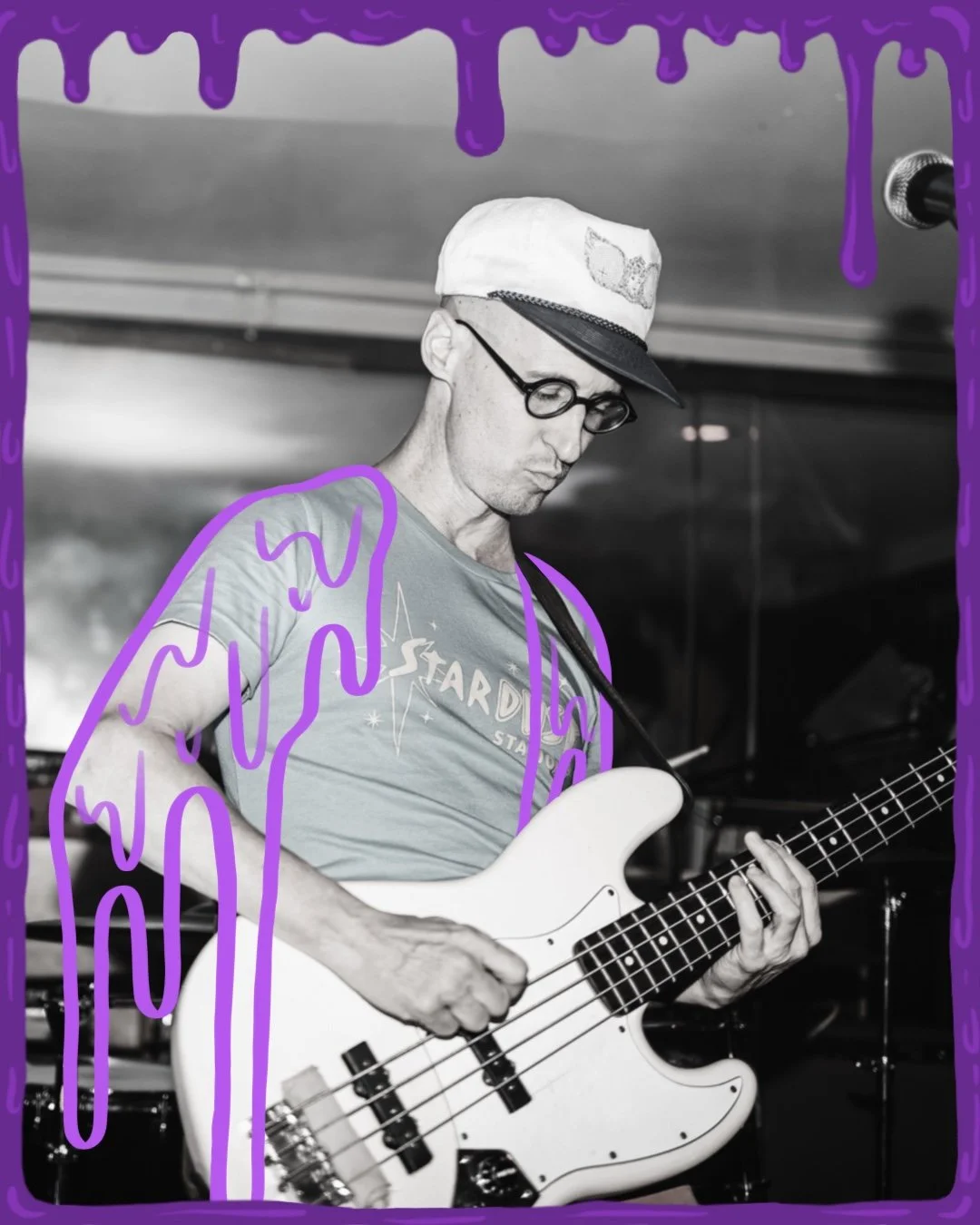
Although youbet began as the bedroom-pop project of singer-songwriter Nick Llobet, the project was never simply just a creative outlet. As Llobet transitioned from his early days of obsession with technical guitar mastery and turned his attention towards building a fuller sonic world, he had a hazy vision of a layered, otherworldly songwriting approach— one that ultimately manifested in the experimentally-inclined indie folk of youbet and, with the addition of bassist Micah Prussack to the project, reached its culmination.
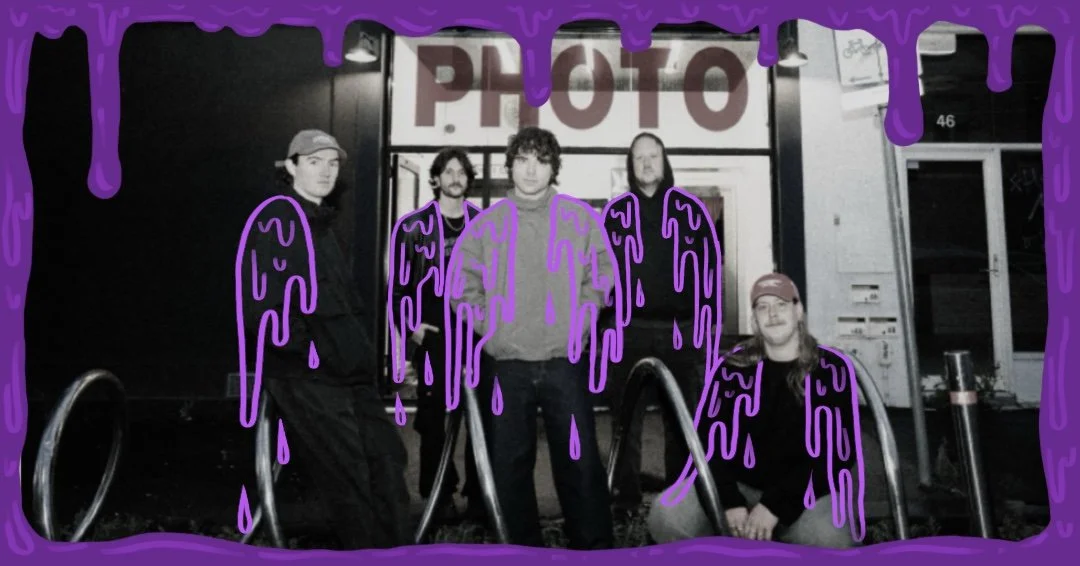
When Hillsboro’s frontman, Vancouver native Nima Walker, first began making electronic instrumentals in his bedroom as a teenager, he never imagined he would have the inclination to lead a rock band, let alone find the confidence and community that the activity required. But over a decade later, Hillsboro has found its fullest expression under the winsome eye of Walker’s earnest songwriting, and with the release of their new album A Party in Your Name, this artistic impulse has worked its way to the forefront of a distortion-heavy, garage-rock-oriented backdrop.
When guitarist and songwriter Jack Shields got the call that he was being invited to join Richy Mitch & The Coal Miners, he knew that his life, in many ways, had changed forever. In a sense, he had accomplished the goal he had first set out to achieve as a teenager— to live and work full-time as a musician. But beyond the tours and the recording, Jack’s new gig has yielded one central benefit. He’s gotten to devote his attention to his solo venture, Jack Shields & The Mojave Rush, and with the release of his newest album Avalanche Hour, he’s continued to carve out the distinct, ragged sound that has become all his own over the past few years.
For Ellen Froese, the Saskatchewan-born singer-songwriter, the release of her 2026 project Solitary Songs, a collection of 11 tracks recorded in an open studio setting with a group of friends in 2024, represents more than a return from the four-year break she took from the music industry. The project is a testament not only to the new artistic balance she’s found, but to a mode of living and a freedom of expression she’s carved out as she’s slowly come into her own as a songwriter.
Jason Balla, currently of indie-rock outfit Dehd and formerly of NE-HI and Earring, has been a fixture of the Chicago rock scene for almost as long as he can trace back his musical consciousness. But with the release of his second solo record as Accessory, entitled Dust, he’s at his most intrepid, carving out spaces informed, but not wholly defined by, his roots in noise rock and his long-held passion for “weirdo” music.
Valentin Prince’s winding musical journey, which began as a child listening to his father sing Bob Dylan songs as he walked through the halls of their house outside of Boston and came to fruition in the small, passionate scene of Harrisonburg, Virginia, has left him with an endless array of imprints and fascinations— one that has been expressed in various forms in each of his unique solo releases.
When Violet Beller and Anakeesta Ironwood first met at the University of Miami, they knew immediately that they would click as friends. Their similar musical and creative affinities ensured it. But what they didn’t know was the coiling twists and turns that their original sapling of an idea would take on, incorporating member after member from their scene until rug, as a sprawling, seven-piece indie band, came to find its complete form.
When Northampton-based composer and producer Dan Langa set out to create a live version of his COVID-era concert After Nothing Comes, enlisting a number of collaborators to re-interpret and re-record the work in a live setting, he had very little idea what would ultimately come of it. Fugue State and its first full release— a collage-oriented, experimental version of the original chamber composition— came about unintentionally, as a gradual crystallization of Langa’s artistic intentions as he worked on the project.
NYC-based guitarist and singer-songwriter Eli Frank has found creative release through Bummer Camp, his solo endeavour turned full-band project, in the years since the dissolution of his DIY punk venture Top Nachos. But now, as the release of the newest Bummer Camp record Fake My Death indicates a turn in a more pop-leaning direction, it’s become evident that Frank is operating at a level of artistic freedom that has, at times throughout his career, been difficult to keep near the forefront of his creative atmosphere.
For founder and frontman Ed Moreno, SoCal-based indie and garage-rock band The High Curbs has served as a sort of journal for his musical inspirations and creative leanings since its formation in 2013. At the time, Moreno was in high school, but over the decade-plus The High Curbs have been in action, he has watched himself grow from an energetic, rock-loving teenager to a more mature artist, coming to love the artistic process itself to the same extent he’s always been impassioned by the actual act of performing his music.
she’s green has come a long way from their roots scrapping together demos in their shared house in Minneapolis, but their unique brand of “moss rock”, a folk and indie-inspired, dreamy shoegaze blend, has managed to maintain its centrality to their image and their artistic output in the meantime. With the upcoming release of their third project swallowtail, however, they have reached a new level of creative polish and cohesion— one that is imminently recognizable in the nooks and crannies, the infinite and collapsing spaces, they fill with their withering sonic atmosphere.
Although Dirt Buyer originated as simply another foray in the playful experimentations of founders Joe Sutkowski and Ruben Radlauer, it quickly took on a life of its own, serving as an outlet for the constant musical energy and slowcore-tinged riffs the pair exuded. But for Sutkowski particularly, the band (and the release of Dirt Buyer III) have become a sort of baseline— one that, as he exits a long-standing battle with addiction, represents a goal of a comfortable and intimate creative space to return to.
From the time he was first immersed in his brother’s rotation of southern hip-hop, NY-born producer and rapper Radicule. knew that, in some shape or form, he wanted to be involved in the direct thematic delivery and pure artistry those rappers exhibited. In the years since, his style has taken massive leaps and turns, but he and his central creative intention have remained intact.
Iguana Death Cult came to life as the garage-punk passion project of four teenage friends, and it has seen its fair share of transformations over the roughly 12 years since its inception. But their newest record, Guns Out, represents more than just a sonic evolution for the Rotterdam-based band. After two of the band’s original members made the difficult decision to move on from the project, Guns Out is a triumphant and searing continuation of the psychedelic and funk-rooted influences that defined their earliest efforts.
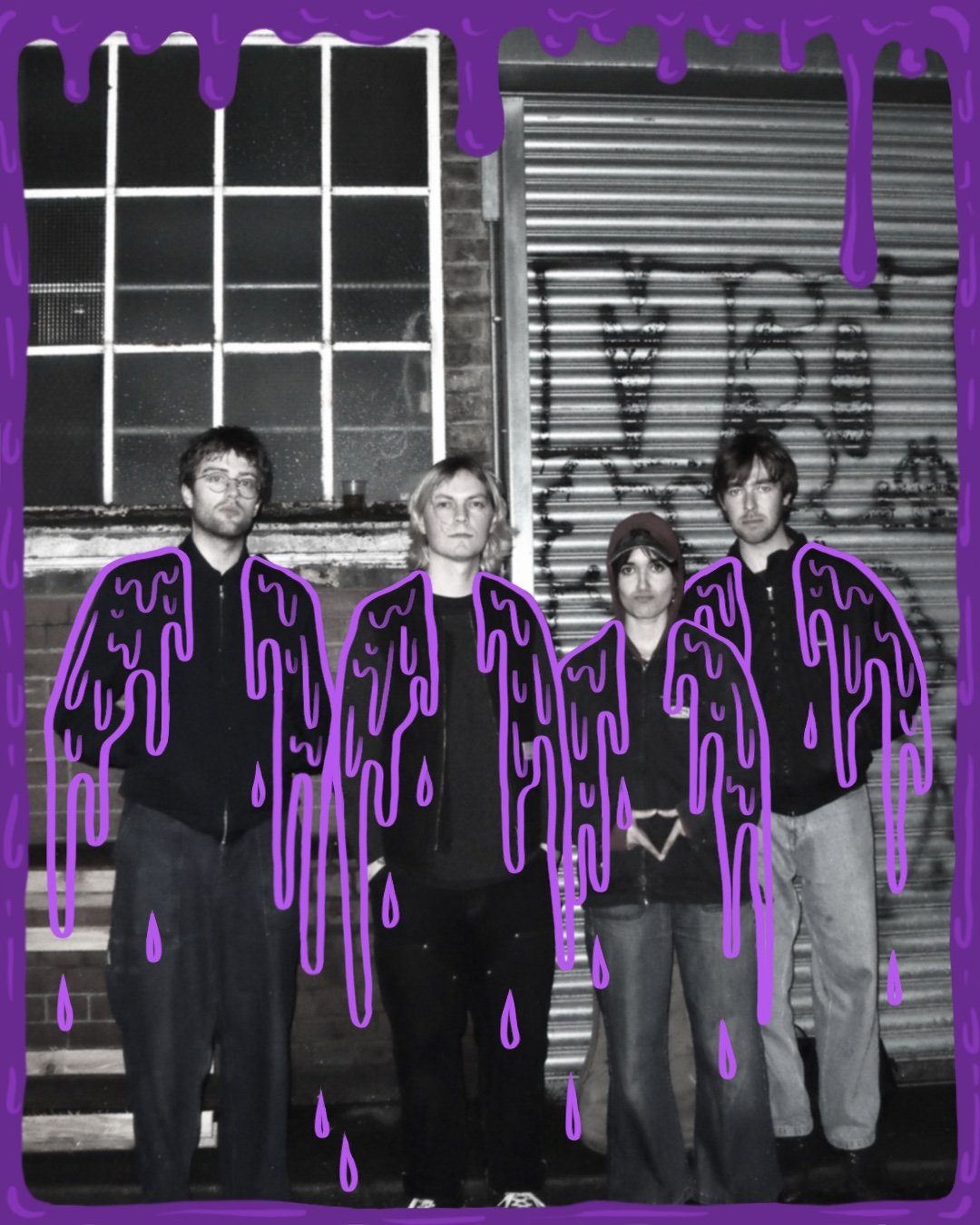
best dressed ghost, the garage and surf-inspired punk band from New Jersey, has taken a leap of artistic confidence in the release of its second record, Let’s Go Home, in March. When tracing the creative threads through the trails of their first record, however, a singular characteristic of the band’s work becomes clear— all four members possess a special sort of creative unison, elevated by the sheer charisma and energy that percolates not only through frontwoman Stef Leo’s personality-laden vocals but also through the band’s relentless willingness to adapt to the diverse vibrancies that each track demands.
Ovven, the solo project of Dallas Ugly guitarist and touring virtuoso Owen Burton, came to life in February with the release of Gnawing At The Cord, Burton’s debut solo album. But the foundations of Ovven’s sound, which differ starkly from the softer Americana that composes much of his body of work, trace back to his childhood in Chicago— they are, in a word, utterly natural to Burton’s sonic vocabulary.
Sunsick Daisy, the Adelaide-based, shoegaze and dream-pop influenced rock band, was originally formed from the teenage creative yearnings of its founding members, Kane Gabell and Sarah Grainger. But it has since blossomed into an energetic and surprisingly free affair– one that is capable of achieving the rare balancing act between a continuously evolving sound and a central sonic imprint and identity.
Every time ladybug, the Massachusetts-based dream-pop and shoegaze-tinged indie artist takes up her improvisational songwriting process, it is the years of musical intrigue and the yearning for creative expression that truly flows forth through her words— a flood of suppressed emotions and untapped creative maturation that is abundantly evident not only in each of her hypnotic and varied singles but also across her collaborations, including the 2025 EP “live from the smoke room”.