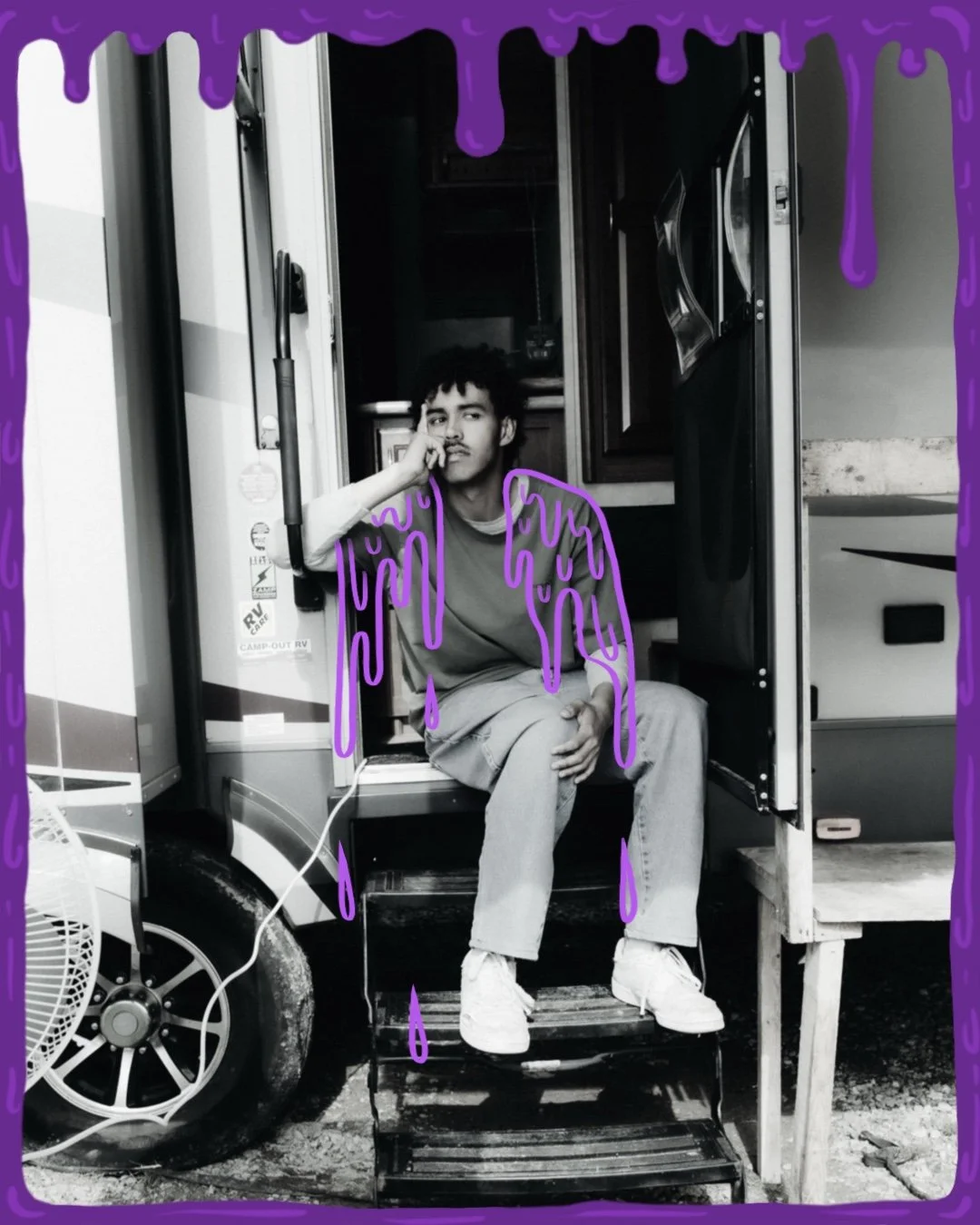
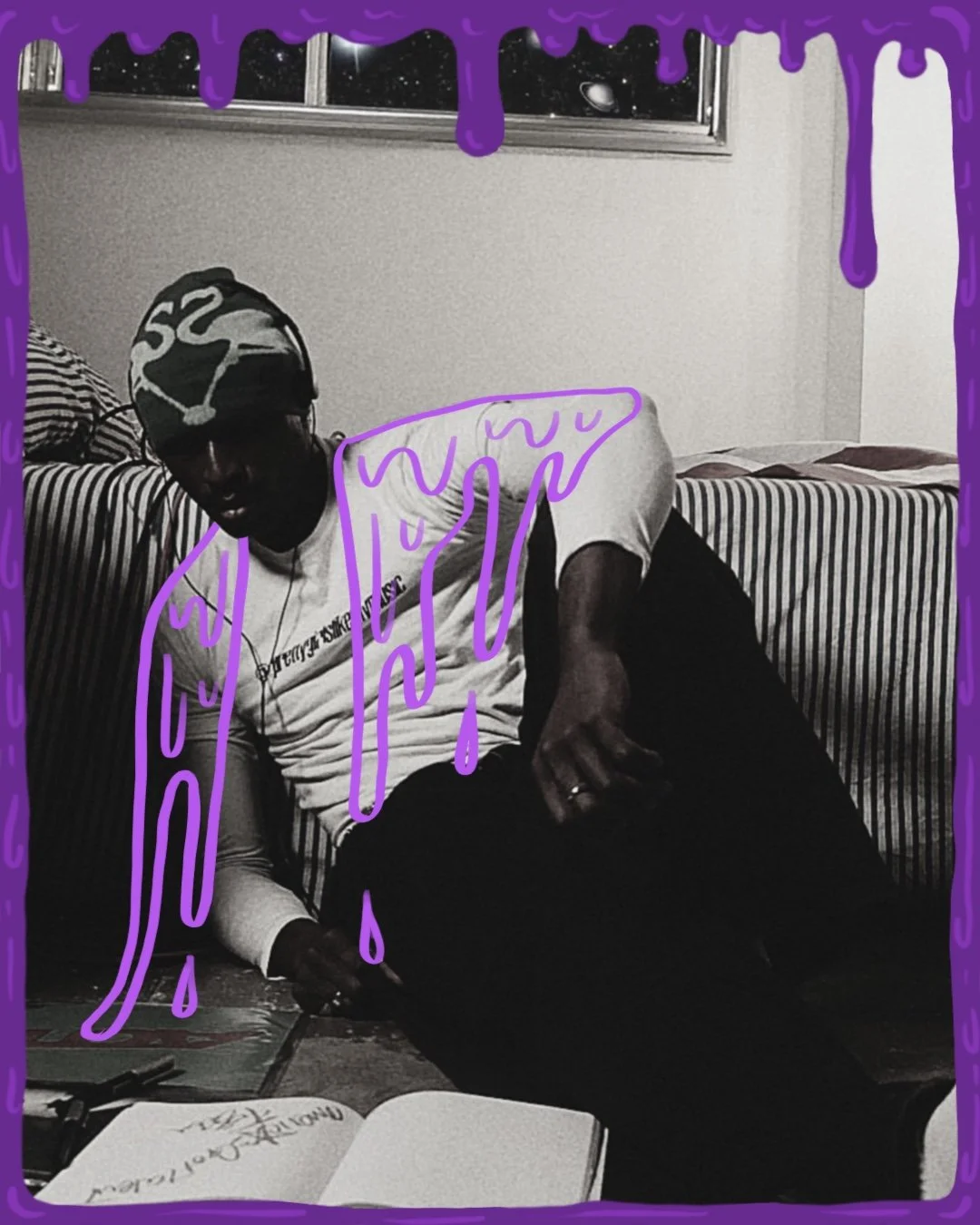
Artist Profile: Angus Wayne
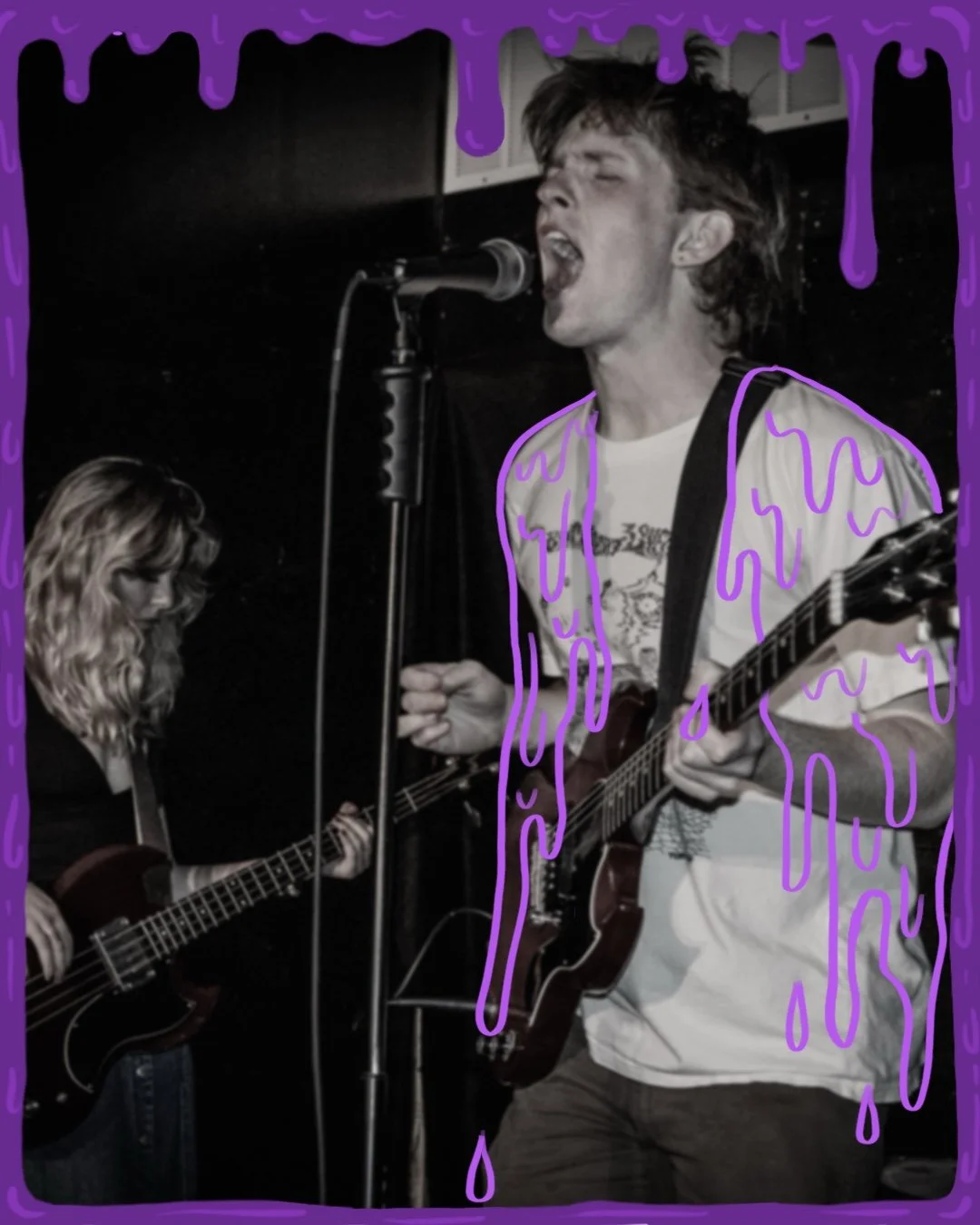
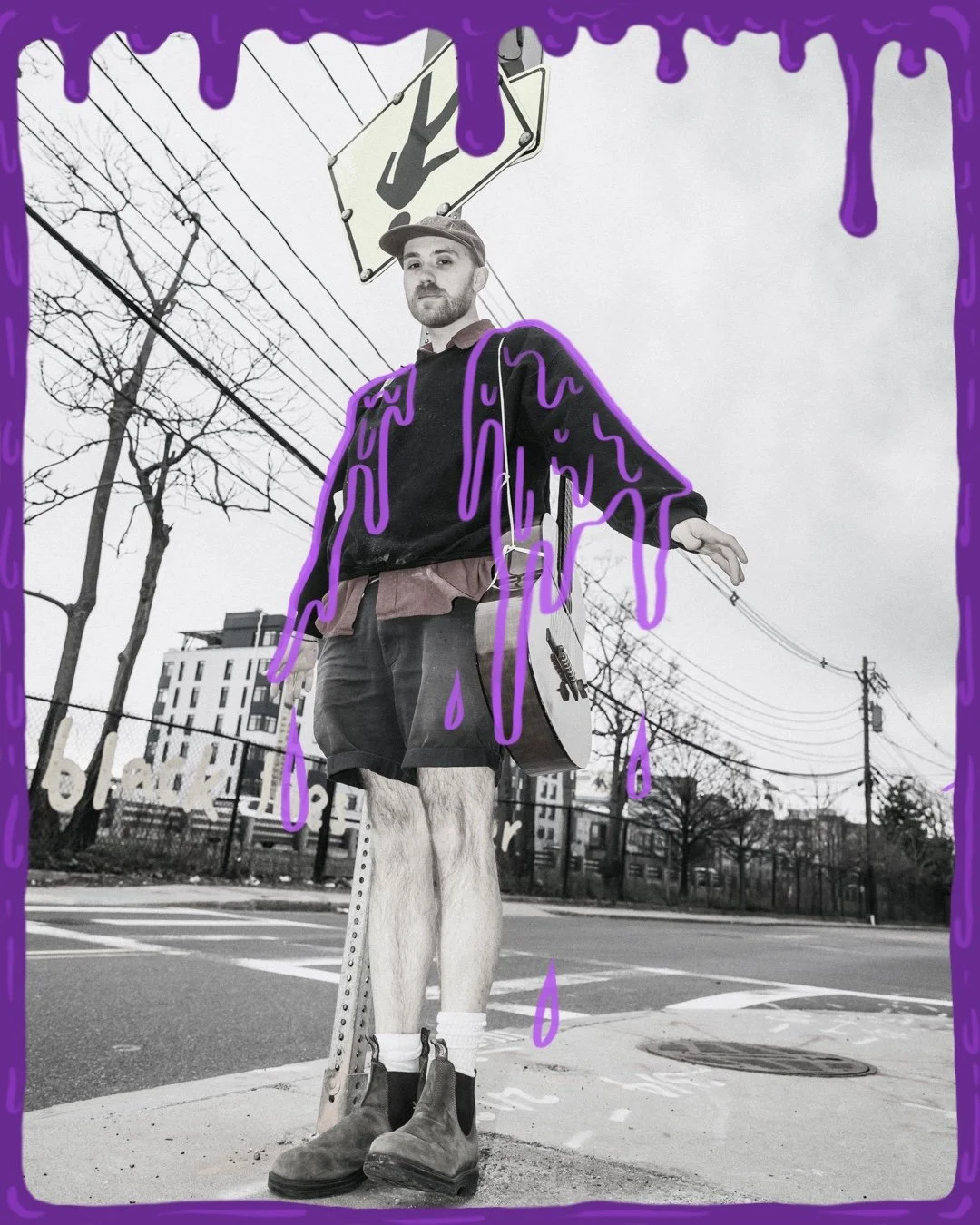
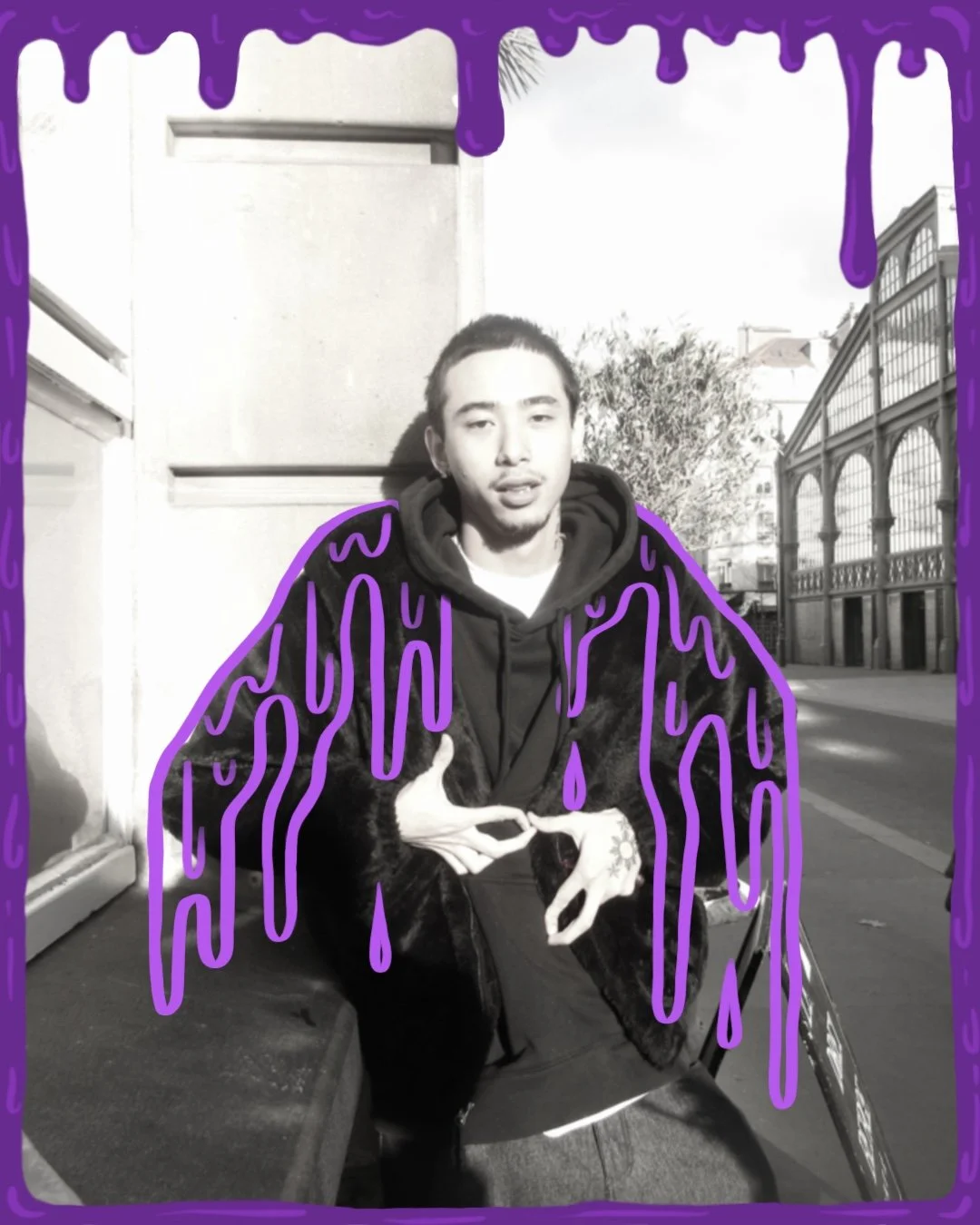
Angus Wayne, the indie artist from Nyack, New York, has spent years shifting between the different phases of his sound, constantly circling around and enclosing the personable and intimate sonic setting that caused him to fall in love with music in the first place, and, with the release of his new EP “lamppost” he has, at least temporarily, struck a balance, melding the lo-fi hip-hop and guitar-oriented sounds that have previously defined his surrealistic and existential output.
Angus grew up in a decidedly musical family. His father went to school for music, and he devoted a lot of energy to introducing his children to his music taste. Many of Angus’s childhood memories are soundtracked by bands like Weezer and Vampire Weekend, which later morphed, as he reached adolescence, into a love for acts such as Car Seat Headrest and King Krule.
Yet, what truly spurred his interest in music was his budding obsession with the SoundCloud-driven lo-fi hip-hop scene of the 2010s. He would spend hours combing the dregs of the site for instrumentals and tracks that scratched a very particular sonic itch he had developed for the dusty loops and brimming hi-hats of that era of music.
“I don't think I can even name any artists [that I liked] because the real appeal of it was the intangibleness of it. It really was these bullsh*t tracks that I found on SoundCloud with three likes, and I would put it on in this massive playlist that I shared with my friends. That really fed the DIY ethos that I always loved, even if it's lo-fi hip hop or lo-fi rock. To me, it's always about just keeping it personable.”
Therefore, when Angus received a MIDI keyboard that came with a version of Ableton for Christmas one year, he set to work attempting to emulate his favorite genre, stumbling through the odds and ends of the technical demands that a DAW presents.
While his brief time as a hip-hop producer did not net any serious dividends, it laid the foundation for what was to come. When he heard “Drunk Drivers/Killer Whales”, and its slow-burning dismality, for the first time, he knew that that was the direction he wanted to take his sound.
His first EP, “restless”, therefore represents his first attempts at carving out a DAW-driven, indie rock sound, with each of the six tracks taking their own unique stance on the sound he was attempting to implement.
While his first project was a distinctly DIY affair, following the release of “restless” Angus then recorded a number of singles in a studio setting, removing himself from the DAW and allowing an engineer to take over the work on that front.
Then, when he enrolled at NYU, he released three more studio-recorded singles, and, as he did so, he slowly became disillusioned and burned out with the demands and the limitations of the sphere that his program, in many ways, demanded that he inhabit.
“There's some people I see walking around with two songs in their pocket and an army of marketing behind it. That's great that these two songs are going to have a lot of listens, but, me personally, I'd rather put that energy into writing five songs with sh*tty marketing… No matter what I make, I'm still making it, and to overanalyze everything beyond the music is just kind of a waste of time.”
Therefore, his “lamppost” EP represented a return to the setting in which he had originally fallen in love with music, and, insofar as it combines the lo-fi hip-hop sound of his artistic adolescence and the indie-rock sound of his recent output, it also represents, in many ways, the culmination of all of his creative growth over the past several years.
From the spiraling lyricism of “i was on the train (last tuesday)” to the fuzzed-out waves of “broken computer”, Angus’s new EP immediately strikes the listener with the understanding that they are experiencing something not only deeper lyrically, but more profound and exhaustive sonically, than anything else in his repertoire to this point.
Yet, although Angus admits that the EP represents a combination of the two distinct phases of his artistry that he has pursued in the past, he also knows himself, and he knows that tying himself down to any one sound or calling card is an idea that he will likely never be fully comfortable with.
“I feel like it is good to have a sound forever because then people know what they're getting into, but, at the same time, it feels a little limiting to a certain extent. I want to keep experimenting forever; I don't want to get bored at a certain point, but I'm so proud of this EP that just came out. At this very moment, it is my sound because that's what I like right now, but that's what I said when I released the past two phases of mine… So it's hard to say. Maybe I will do this forever because I like it right now, and that's probably what I'm going to do for the next couple of songs. But who knows if I get bored of it again.”