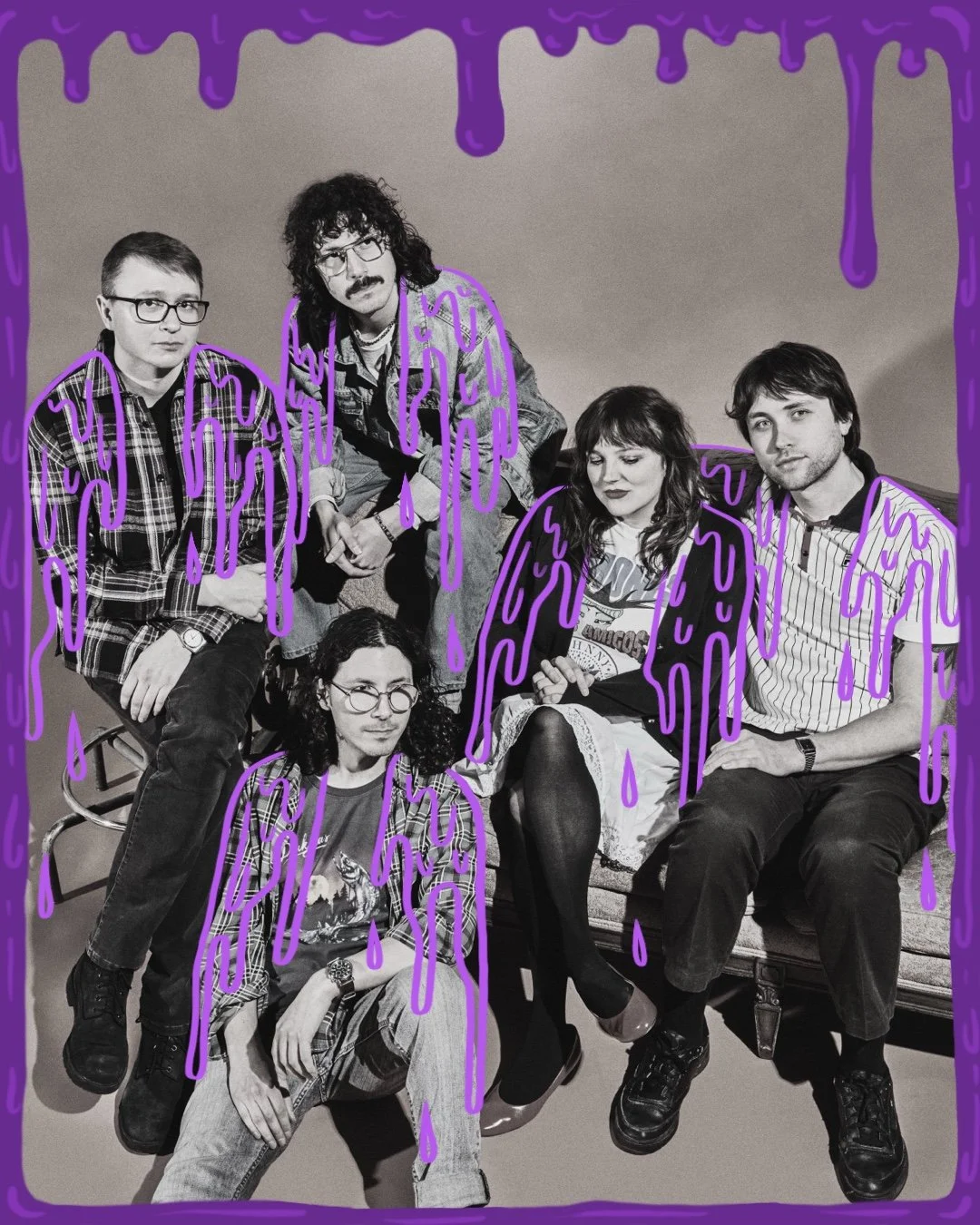
Artist Profile: Ovven
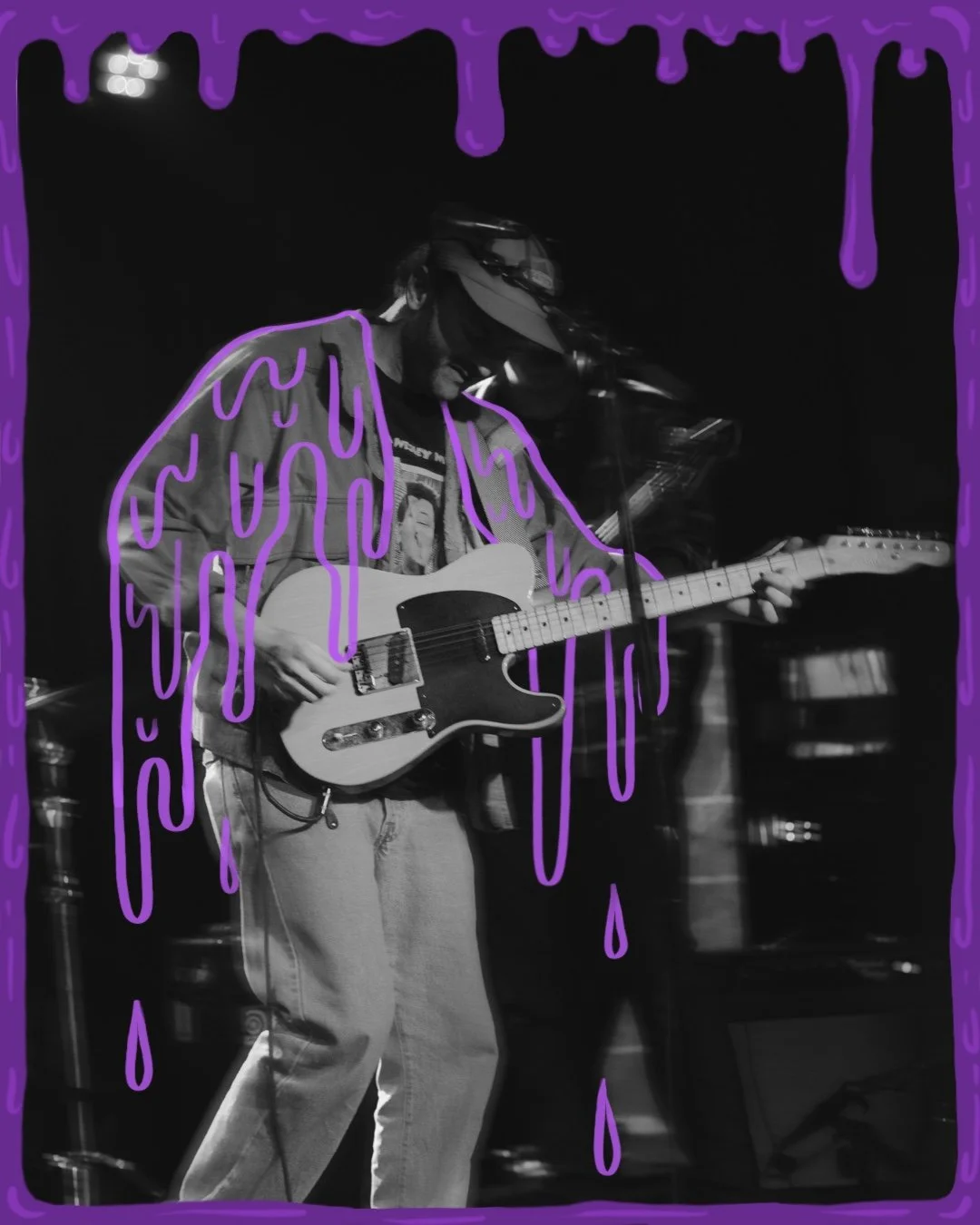
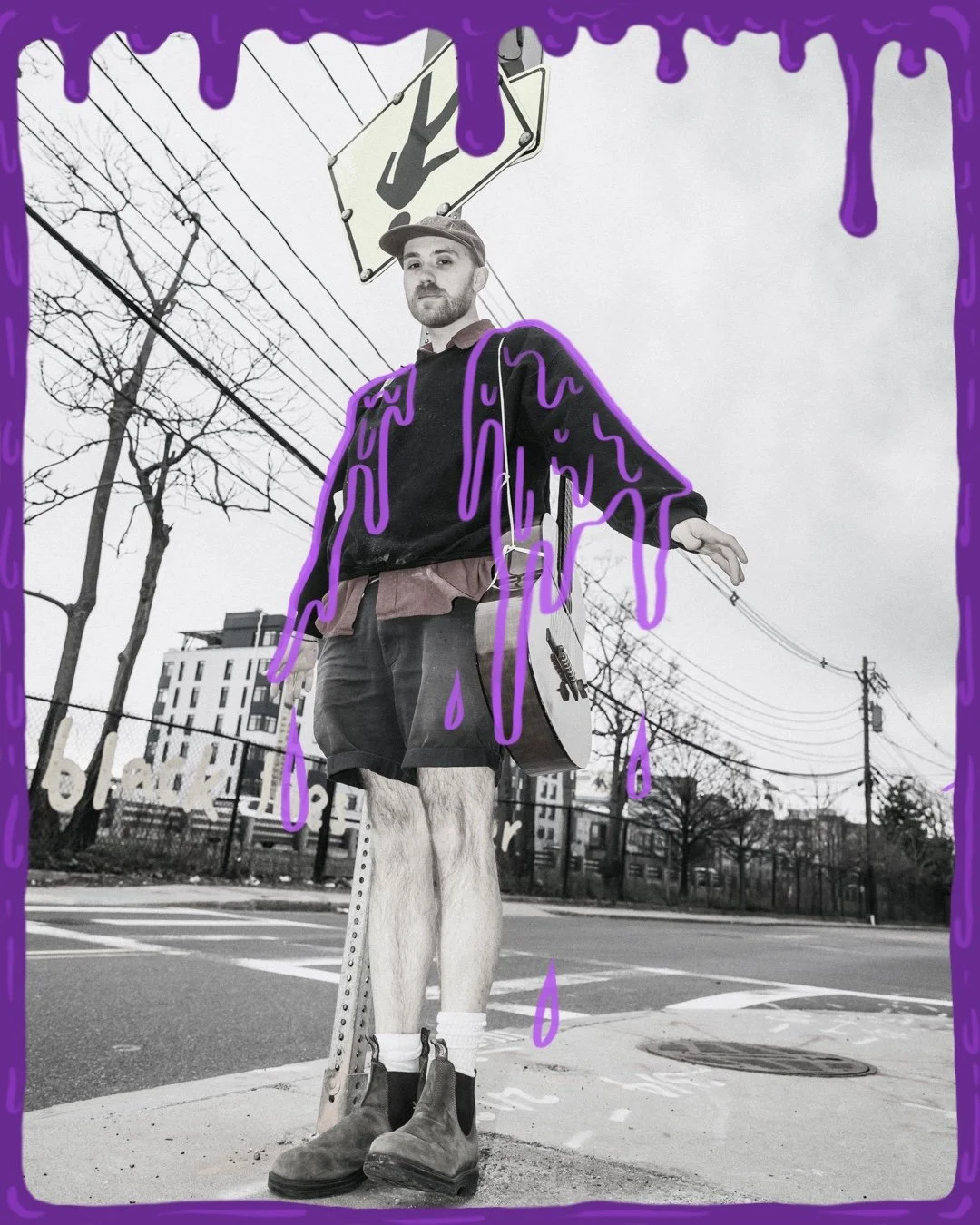
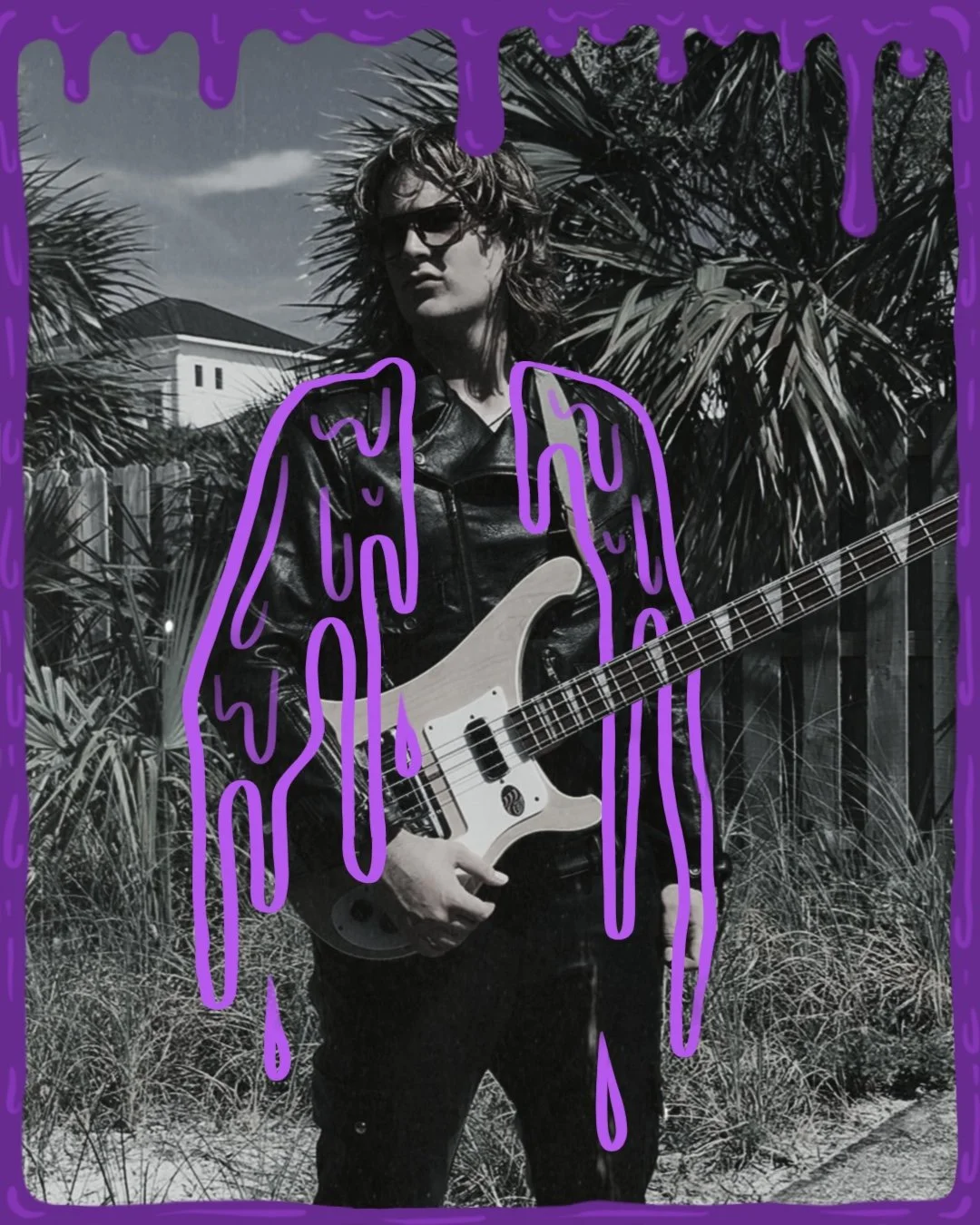
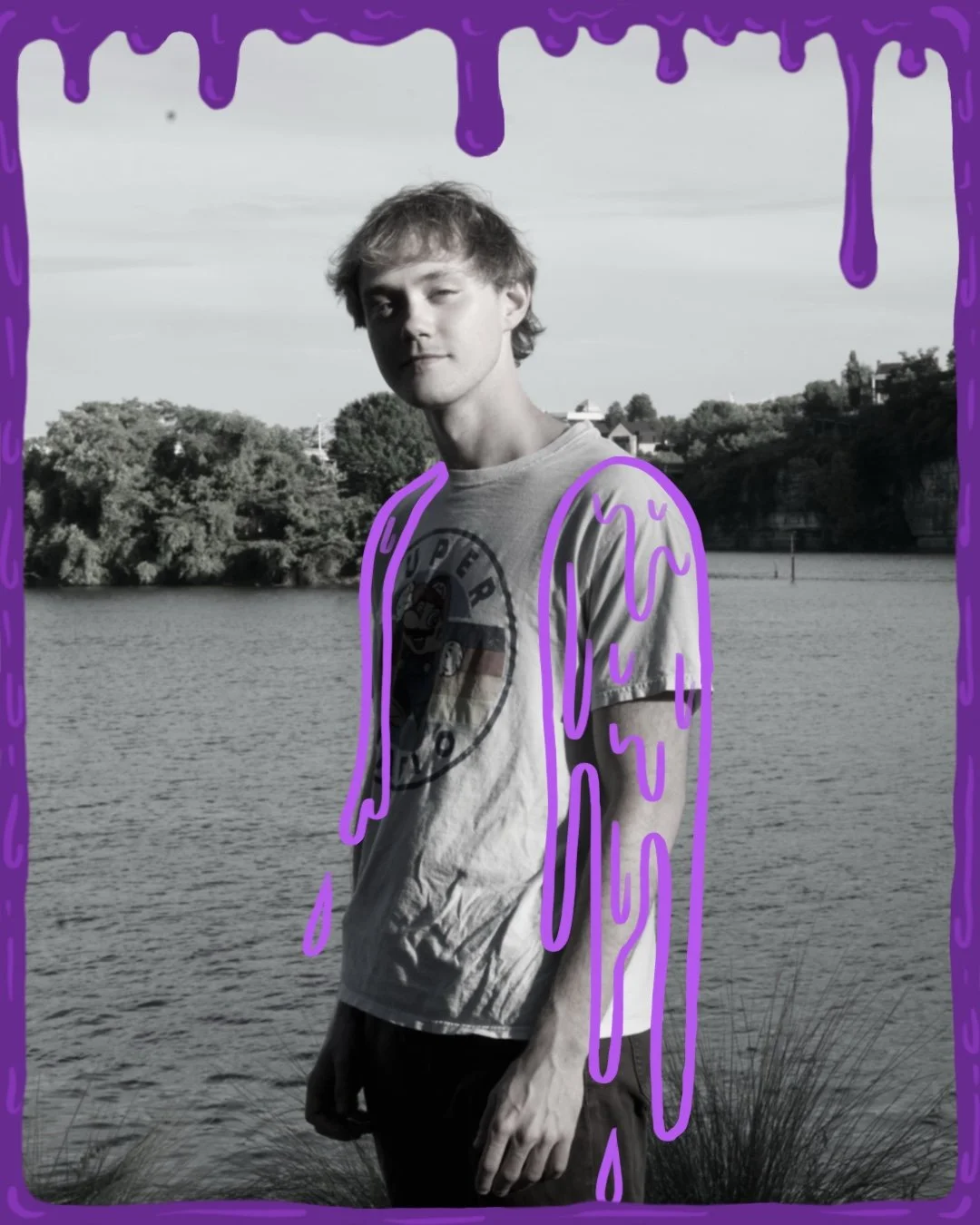
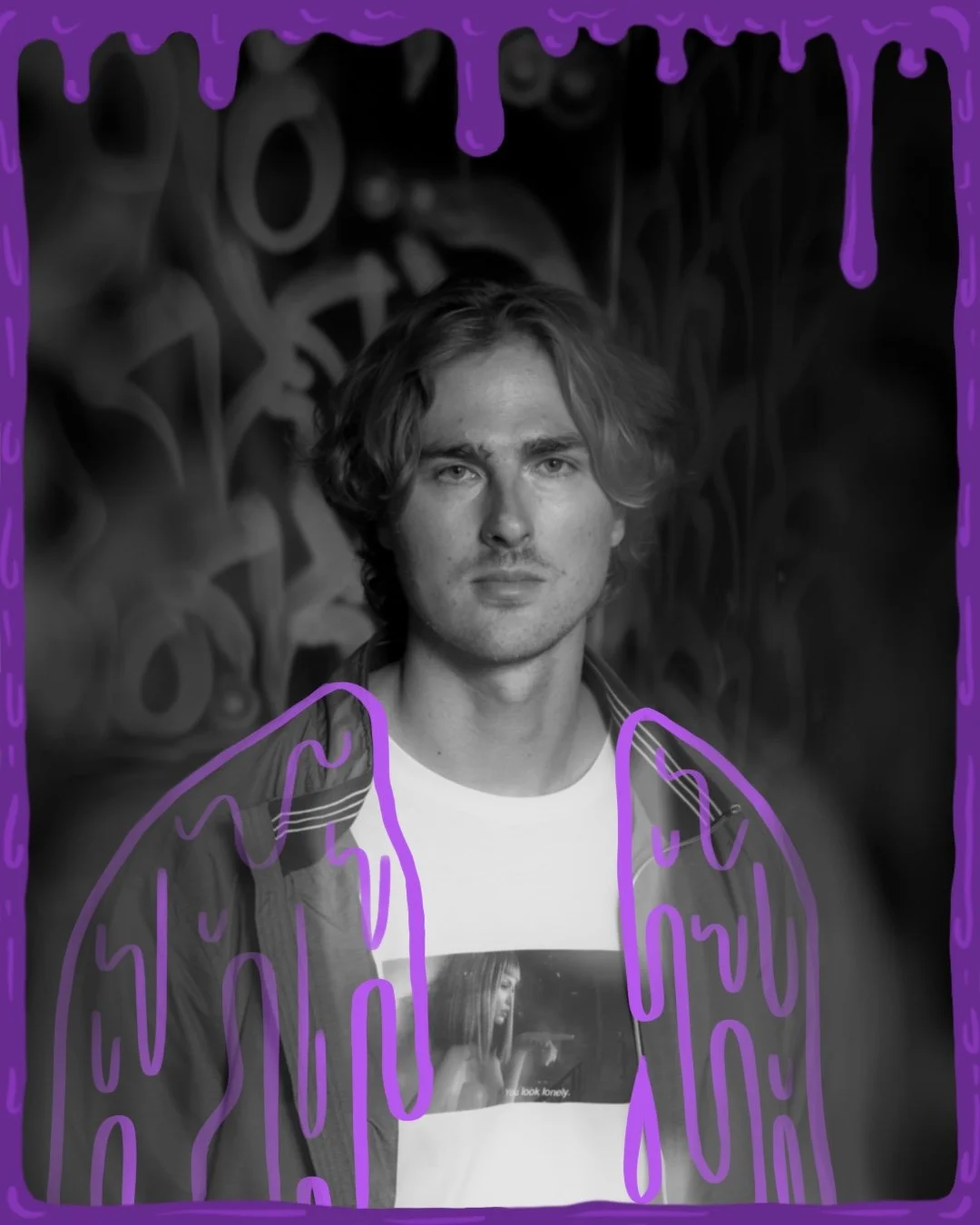
Ovven, the solo project of Dallas Ugly guitarist and touring virtuoso Owen Burton, came to life in February with the release of Gnawing At The Cord, Burton’s debut solo album. But the foundations of Ovven’s sound, which differ starkly from the softer Americana that composes much of his body of work, trace back to his childhood in Chicago— they are, in a word, utterly natural to Burton’s sonic vocabulary.
Burton grew up with parents who were passionate about their own music tastes, and although they weren’t musicians themselves, it seemed rather natural for him to pick up guitar at a young age. It was an equally natural development for many of the other children he grew up with..
While his father’s primary obsession was The Talking Heads, and they remain a distinct influence for Burton to this day, his fascination truly bloomed when his father took him to see Wilco perform at the University of Illinois-Chicago. Neither he nor his father knew anything about the band— his father had gotten free tickets through his work for the university— but Burton credits that moment as life-changing.
Throughout his adolescence, he and his friends would alternate in and out of various bands, almost all leaning into the brand of indie rock and alt-country that was popular around Chicago at the time. As he got older, however, his creative leanings took him in a different direction: classical guitar.
The stereotypical teenager plays rock music to push back against their parents’ tastes. For Burton, who was practically born listening to rock music, classical music felt like something fresh, something “out of left field”. He would go on to spend almost a decade of his life devoted to this pursuit, receiving classical training at a music school in Chicago and taking on a sizable body of students as he attempted to carve out a career in the industry. For the most part, he had abandoned many of the sonic roots of his childhood, at least in his everyday practice.
But by the time he finished school and began teaching and performing full time he felt burnt out: overwhelmed by the sheer amount of emotional and creative energy that the past few years had taken out of him. After much consideration, he walked away from music temporarily, enlisting for a two-year stint in the Peace Corps.
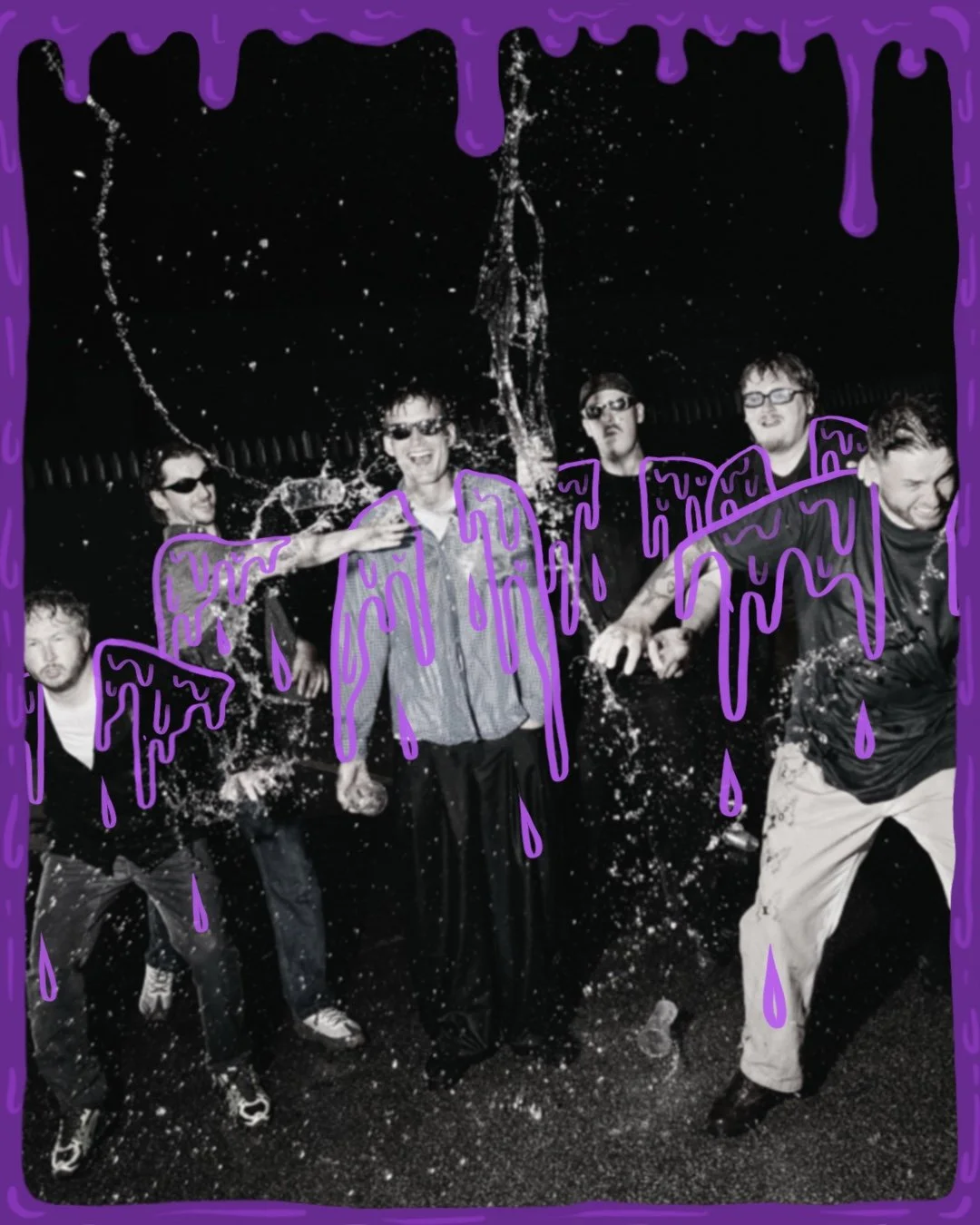
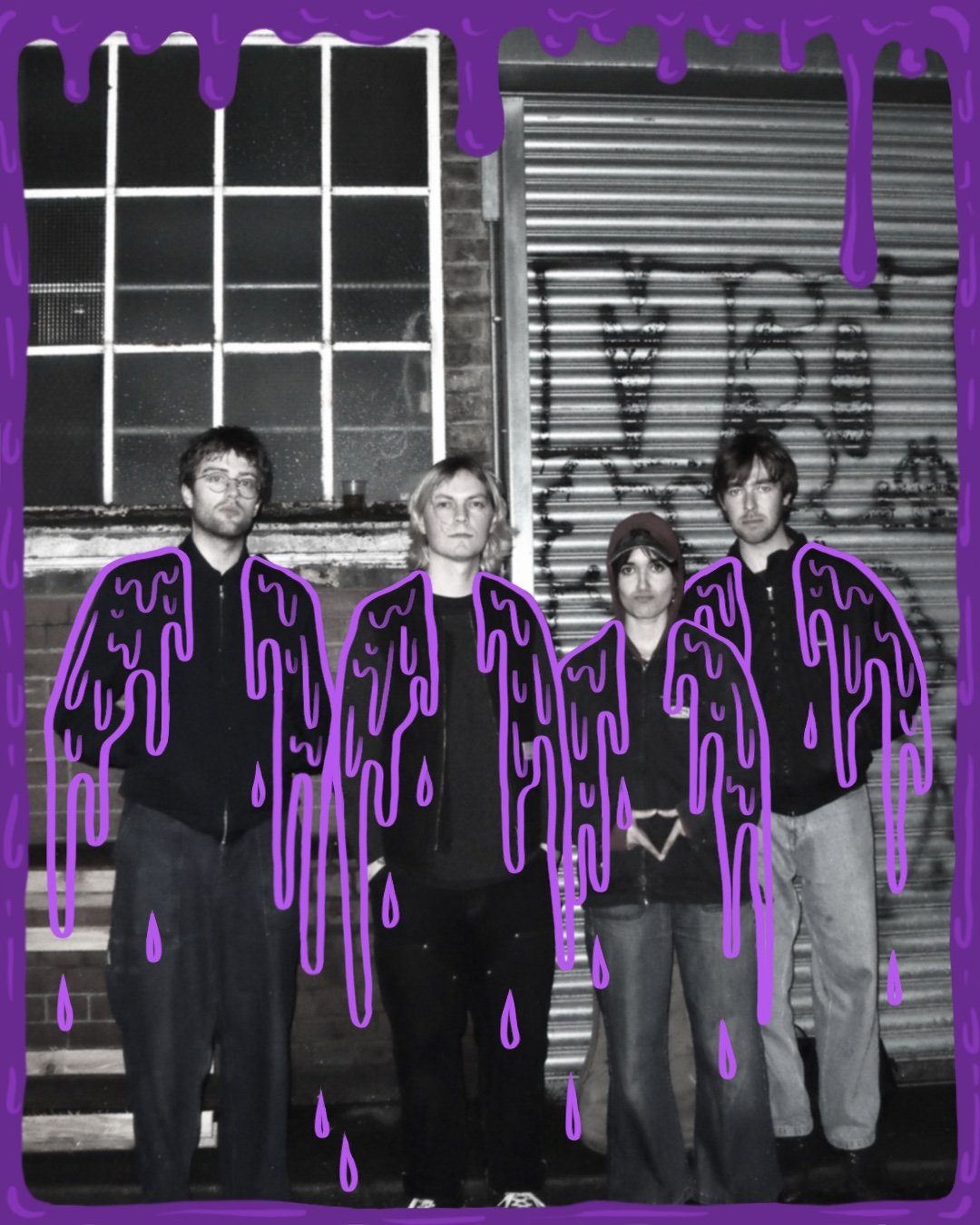
Yet when that time concluded, and many of his peers were moving on to government jobs or graduate school, Burton still didn’t have a distinct direction to follow. He ultimately rejoined Dallas Ugly, whom he had played with in Chicago, as they relocated to Nashville.
Although he quickly found work as a gigging guitarist and had a steady home as a member of Dallas Ugly, working his way back into music, especially in a scene as robust as Nashville’s, was a daunting task.
“I mostly just felt intimidated at first. I kind of didn't even remember how to speak English that well, let alone play over whatever song it is that I haven't thought about in so long.”
But Burton, of course, slowly acclimated back into his craft. As time went on, his contributions to various bands around Nashville, including his songwriting pursuits for Dallas Ugly, became more and more prolific. While he hasn’t gigged as a classical guitarist since his move, he’s used his expanding repertoire to work with country, bluegrass, and Americana bands both within the city and on tour around the United States.
The first Ovven songs, actually, began as works for Dallas Ugly. The three members of the band share song-writing duties, and as Burton was writing material for that group, he came away with a subset of demos that felt sonically unsuited for the trio.
Over time, he realized that these tracks, which he originally envisioned as singles, were slowly forming into a broader, more cohesive project. Once he had made that realization, he decided to lean fully into the rock-influenced aspects of the music, dusting off the old aesthetic sensibilities that dominated much of his early music-making experiences.
“It was stuff that I was excited to be making…I hadn't been in a rock band since I was 16, you know, and also I hadn't been in a rock band since I'd become a good musician [laughs]. I actually kind of don't know how rock music works professionally, but I know how it works aesthetically and emotionally. That's why I've always just felt that's what's really in my bones. That's what I'm a native speaker of.”
Burton crafted Ovven as a solo project out of necessity. He didn’t know anyone in the indie rock scene in Nashville, so he set about arranging all of the instruments and curating the overall sound of the project himself. He demoed the album in full before reaching out to storied indie producer Alex Farrar, who agreed to work on the project.
From the first ripping chords of “Thermal Fuse” to the more subdued strummings of “Dishes” and “Embarrassing”, Gnawing At The Cord is distinctly bold-faced and vulnerable in its ostensibly mundane subject matter— each track takes the characteristic distorted ache of the music by which Burton was sonically formed, transfusing it into a series of melancholic whisperings and guitar-led wailings that are unified by Burton’s undeniable artistic imprint.
It all culminates in the glowing refrain that rests near the heart of the album’s title track. As Burton reveals the full phrase to which the album’s title is a reference, “Time keeps gnawing at the cord,” the full scope of the album’s conceptual body becomes clear. From dusty, neon-illuminated grocery stores to reminiscences on deeply awkward conversations, Burton builds out a set of characters for whom time is merely a slow progression towards deterioration, both emotional and physical.
The idea was inspired by a conversation he had with his friend on a hike concerning the “rock cycle”, a never-ending geological process that involves the gradual breaking down of rocks through erosion and their re-forming in the earth’s core.
The album, therefore, is a statement on time, both on an intimate and a broader, almost galactic scale.
“[That conversation] kind of made me start thinking about time completely differently. So the whole “Gnawing At The Cord” track is about zooming in on super small moments in time, and then zooming way out and considering that in a really broad concept of time. So ‘time keeps gnawing at the cord’ is just the idea that time is wearing away at you just like it's wearing away at everything else. And there's nothing you can do about it.”
Now, as Burton prepares to tour his solo project for the first time— with shows upcoming in Richmond, New York City, Boston, and Asheville— he has a second Ovven album in the works, one that should surpass even the lofty heights he’s set for himself with Gnawing At The Cord.