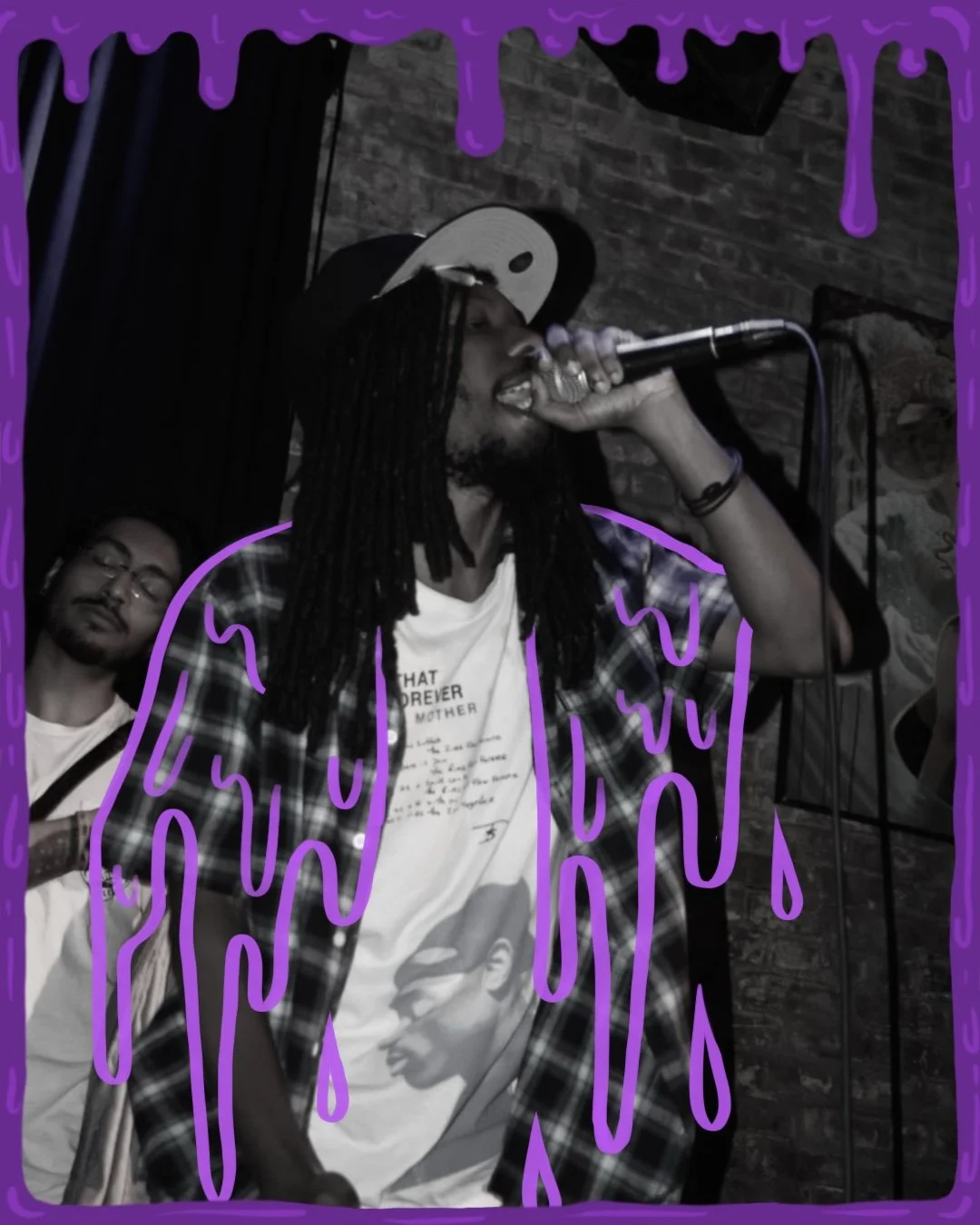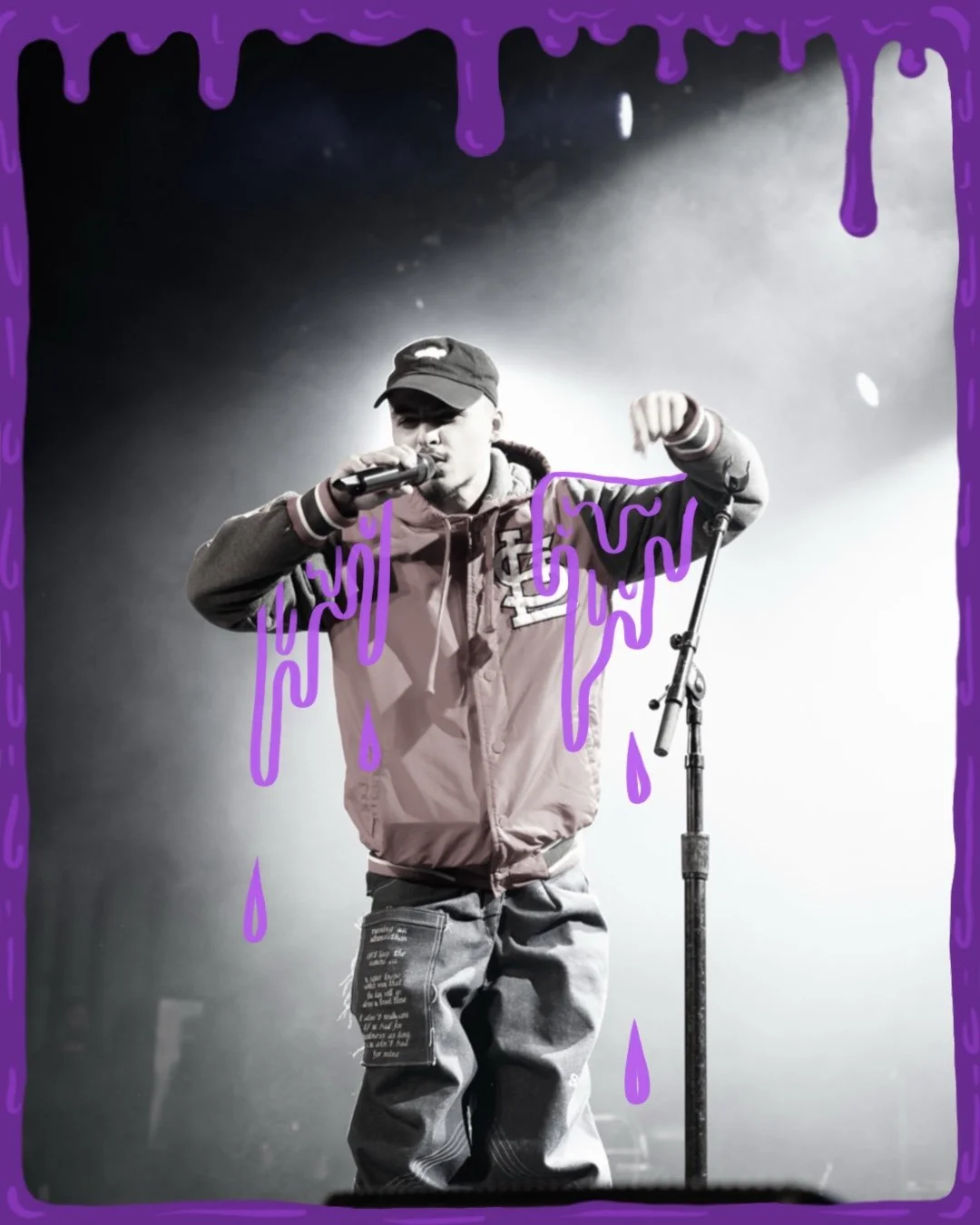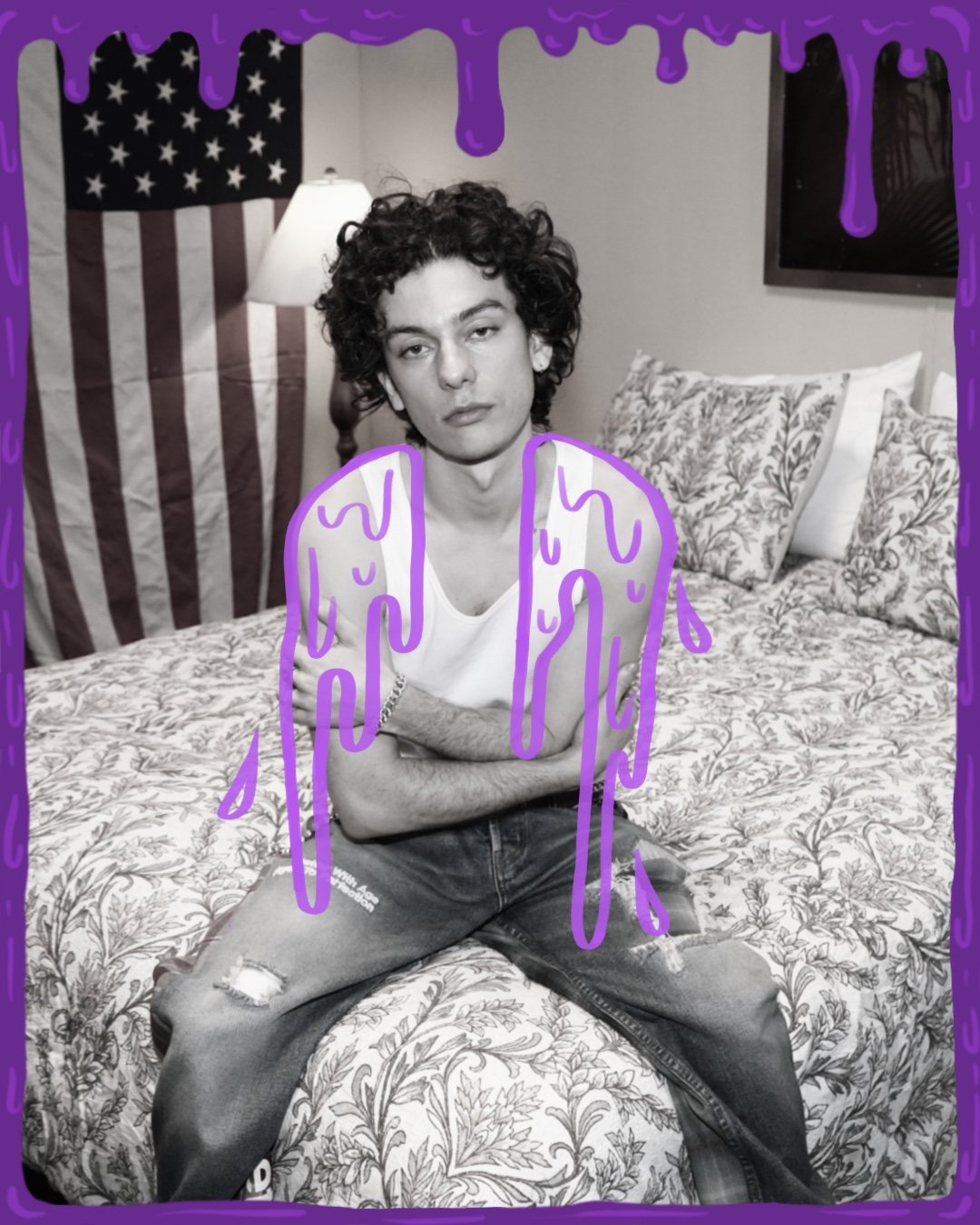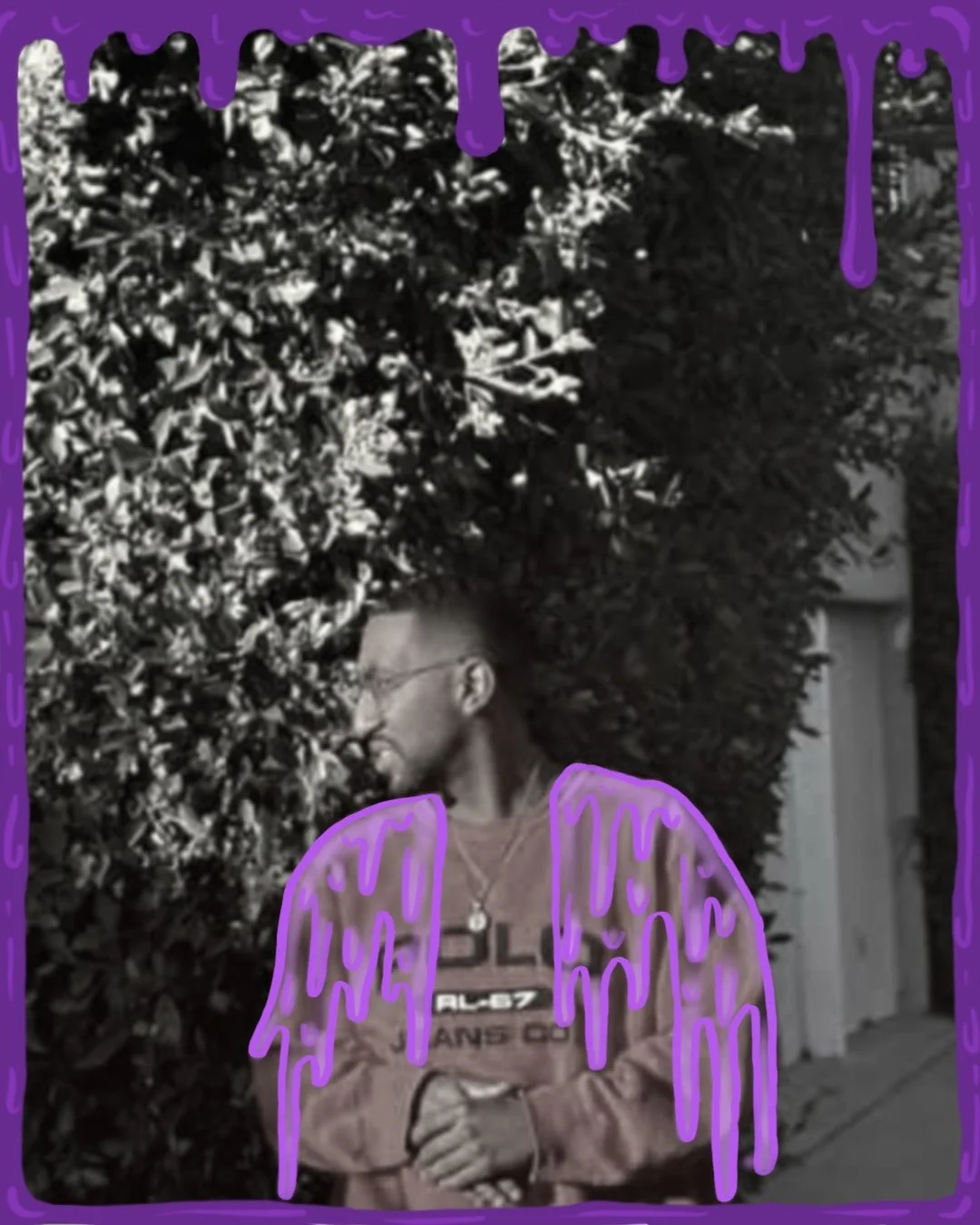
Elijah Bank$y, the LA-based rapper originally from New York, has spent years defining his personal taste, in turn actualizing his sapience in dramatic form through his artistic output and boundary-pushing style
Bank$y originally fell in love with hip-hop through the influence of his father, who exposed him to a bevy of East Coast rappers. While Big Pun was Bank$y’s personal favorite, his family still tells stories of him reciting Wu-Tang songs verbatim as early as three years old.
At the time, many of his musical influences were remarkably underground; the first mainstream rapper he heard was 50 Cent, when his brother made him a CD featuring the artist’s music.
Therefore, his first forays into rap were, first and foremost, emulations of the boom bap style that encapsulated the sound of that region and era. As he matured, both personally and musically, he credits artists such as Mac Miller with having opened his mind to the melodic capabilities of rap, and, as he saw artists pursuing subject matter that more closely fit his experiences, he felt more and more drawn to the art form as a whole.
“Once I [began to understand my own subject matter] is when I really kind of started carving out who I wanted to be as an artist, because everyone's stuck on an image. Don't get me wrong, it's good to have an image. I think I have an image as well, but I think the as far as the content that I was dragged to, I didn't really care about what people were wearing per se. I was mostly caring about listening. If I liked what they were saying… if these people had bars, I f*ck with that.”
From this point, his first three tapes formed: Coldest Day in February Shines the Amethyst Rock, 50 40 90, and FROM ME 222 YOU.
It was through this stage of his artistic career that Bank$y was drifting away from the boom bap foundations of his childhood and experimenting with the trap and melodic sounds that would eventually come to define his style.
This culminated in FLEE TAPE, his fourth project, which, through an exploration of the New York concept of “getting flee”, or freshening up your style, allowed Bank$y to explore the concept of taste and personal authenticity on a grander scale. FLEE TAPE, when recognized in this manner, serves as a representation of Bank$y’s overall mindset. If he likes a brand or a certain sound or an activity, if it strikes his taste correctly, he will pursue it wholeheartedly.
“It was more authentic for sure…you can never run out of things to write if you just are constantly giving your perspective on what you see in the world, what you go through in the world, like family stuff, like girl stuff: those core values or core things that people will experience in their life.”
Since FLEE TAPE, Bank$y has released Horn of the Lamb, a collaborative project with underground mainstay ZekeUltra and Argov, and Good Work Sell Itself. Yet, since moving out Los Angeles, he has been in the studio, attempting to regain his artistic momentum.
He has a seven-track EP with UK-based producer Angus Luke in the vault and is working towards another four-track EP. Both will be released in the near future.
As Bank$y returns to the taste that he has carefully curated, centering heavily around the lo-fi and trap motifs of his current artistic era, his new output should be of interest to every fan of underground hip-hop, and his form of pure, authentic delivery will certainly imprint itself on each of his new projects.
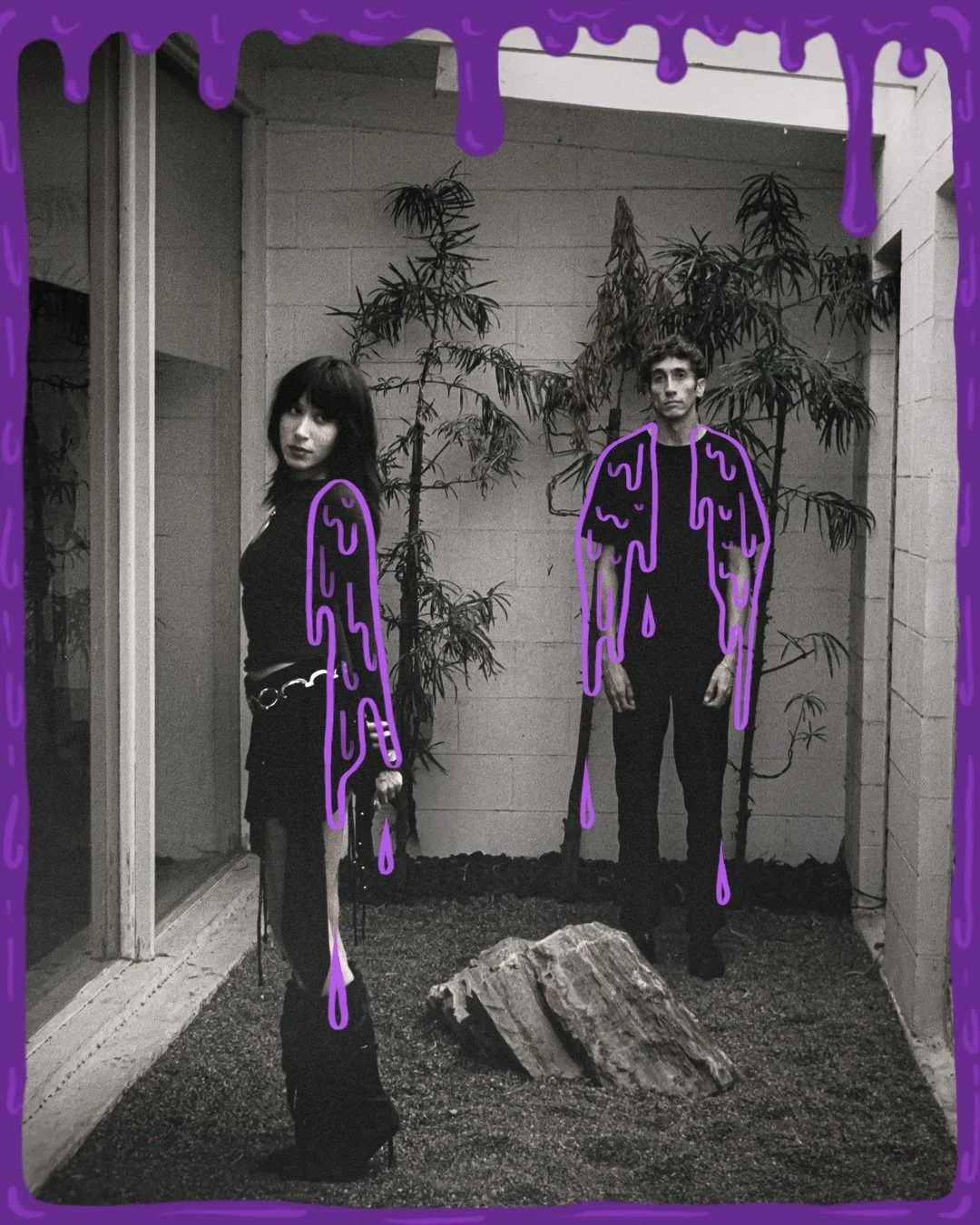
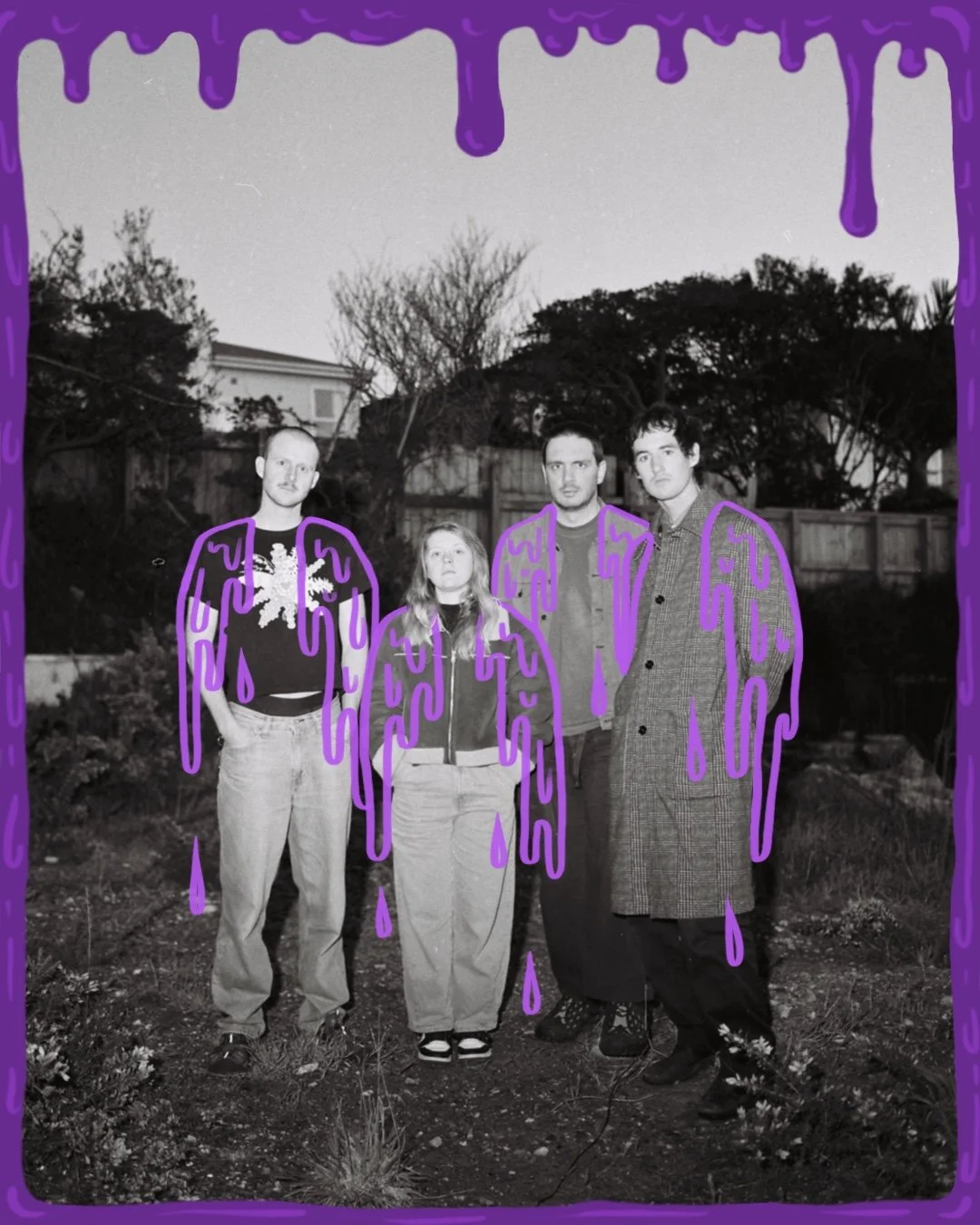
Indie-pop outfit blunnii first formed, in a certain light, out of a serendipitous convenience. Kevin Holm and Jackie Rupey were simultaneously searching for a new creative outlet, and revisiting their old, high school-aged friendship seemed like a perfect opportunity to find one. But as the pair continued to work together, and Kevin’s lush production began to mold itself around Jackie’s all-encompassing voice, the two began to find a balance—one that allowed the best aspects of each creative palette to flow forth in a purer and more unbridled way.
For Los Angeles-based songwriter GABI JR, the release of their debut album, light shine on you, is more than a broad first step into the creation of a more expansive discography. It’s the result of hundreds of hours spent, both in solitude and with their various friends and collaborators, etching out songs in their free-flowing, improvisational style, and across 12 swooning, folk-inspired tracks, it also represents GABI JR’s creative process come to life, finding form and function from the nebulous and swirling thoughts and sentiments that underlie each of their tracks.
When Maia Sinaiko and Susanna Thomson first met as teenagers performing arts camp in Northern California, it became immediately clear that their shared affinities, and their friendship, would provide them with a creative partnership for the rest of their lives. But when Sinaiko moved back to the Bay Area, the two got their first real opportunity to realize that partnership in the context of a unified project—and Sour Widows, over the past nine years, has come to represent a gradual refining and expansion of their shared process; one that continues to take on new life and new forms with each successive effort from the indie-rock, slowcore-inspired outfit.
sadie, the blossoming electropop project of NYC songwriter and producer Anna Schwab, began merely as a nebulous passion—Anna had cut her teeth as a songwriter in the college band scene at Wesleyan, and she found herself slowly being drawn towards more electronic modes of production once that project naturally dissolved. But after years spent feeling out and finding her sound, Schwab arrived at an entrancing concoction—alternatively swooning and soaring across the subdued, indie-inspired tones of her ranging production—and her debut album, Better Angels, is the first, unbridled culmination of this sound.
From the time that Danish “cross-pop” duo miaw, composed of Liza Dries and Frederik Fog, first united during their time in Cologne, Germany, the pair knew that there could be a creative spark between them. When they got in the studio together, that manifested itself almost, if not quite, immediately—in the form of an ethereal and jumping sound that combined the motifs of breakbeat, deconstructed club, and other electronic and indie genres.
For Nara Avakian, the titular member of trip-hop/indietronica outfit Nara’s Room, the creative act was largely always something very personal and private. Guitar and the art of songwriting, through high school and college, served as a sort of safe haven for Avakian: a place where they could retreat and flesh out their own inner turmoil without any set of external expectations bearing down on them.
The start of Telehealth’s journey into the Seattle post-punk scene was marked by a sense of disaster—lead songwriter Alexander Attitude felt the world coming to an end with the COVID-19 Pandemic, and in response, he returned to his punk-laden songwriting origins in the quiet of his bedroom.
For Yonkers-raised rapper Jay Cinema, the creative act has never been centered around a certain model of sound or intention—it’s always been a desire for self-expression and for the thrill that creation brings him, and hip-hop, in some ways, was simply the most obvious and the most comfortable avenue through which to pursue that. But after over eight years and 12 full-length projects engrossed in the art form, it’s the continuous growth, and a deepened understanding of his modes of expression, that have come to define his sound.
Portland rock outfit Jonny’s Day Out has been interweaving ambient, experimental passages with a straightforward indie ethos since their official re-formation in 2021, but when they sat down to work on their debut record, JDO, it was their decision to embrace the latter part of their sonic roots that came to define the band and their pursuits. Although the foundations of the group go back to Avery Haines’ and Blu Midyett’s childhood jams and busking endeavours, it was this recent shift in focus that truly cemented the band’s intentions— and the pure clarity and focus of the record is ample evidence of that fact.
Cooper Kenward has been writing songs, spread across various genres and modes of expression, since he was just a pre-teen in his bedroom messing around with his friends. The start of his solo endeavour, culminating most recently in the release of his fourth studio album Call Me the Knife, has served as more than simply a creative outlet over the past few years—it’s represented a return to the sort of expression, and the centrality of voice, that makes Kenward such an endearing storyteller.
While Ultra Lights may come across, at first glance, as a relatively young indie-rock effort out of Atlanta, it’s actually founded on a much deeper and much lengthier relationship to the genre and to the local scene. For John Robinson, the band’s founder, it represents the culmination of decades of experience as a songwriter—a personal passion project that has allowed him to explore a more self-focused side of his creative pursuits.
Menzies took its official form as the alternatingly blistering and eerily tranquil alt-country, post-punk efforts of Wellington-based songwriter Chris Brown with the release of the group’s debut album Holding My Cold Hand, Even Though Yours Is Warm in May. But it’s the ethos behind the record—one of stark intention and an utter disregard for expectation or unnecessary complications—that, beyond the genre descriptions, shines through every twist and turn on the record, stemming directly from Brown’s unflinchingly pure and direct approach to his own creative activity.
Toronto-based rapper and producer Gritfall has had a concrete idea of who he wanted to be artistically since he was stuck at home in middle school, bumping Odd Future on his iPod. But over the course of 17 full-length products and years of churning out of instrumentals, he’s honed his voice and his style in a way that, above all else, exudes a sharply defined focus and intention. Fall Classic, which Gritfall considers as his true debut project, serves as ample evidence of that fact.
James Eichman made his name in the Nashville scene with his prowess and versatility as a supporting guitarist, spending the last few years playing seemingly endless gigs for bands around the city. But as he continued to pursue his own songwriting ventures on the side, he steadily felt an itch to shift his focus in that direction— to face his own voice and his own modes of expression more fully. The fruits of those efforts came in his debut album St. Catherine Street, and in its spacious, tender musings, the project establishes Eichman as much more than just a skilled instrumentalist.
The pursuit of music, for Brooklyn-based songwriter May Rio, came initially by chance. After years of training as a painter and visual artist, she stumbled into a pawn shop in Rhode Island and, on a whim, came out with a guitar. But in those initial periods of learning the instrument, she discovered a feeling of freedom and lightness that had long since escaped her in her primary craft.
Almost none of Adult DVD’s members come from a distinctly synth or electronic-rooted background, but you wouldn’t be able to guess that in the slightest when you listen to their debut full-length record, Adult DVD. The energy and carefully bided absurdity are too intentionally wielded, too directly harnessed, to suspect otherwise.
Growing up in Los Angeles, Henry Morris always possessed a distinct feeling that some life-altering, earth-shaking event was waiting for him around the corner. But now that Morris has found his footing in the industry and carved out a niche for himself, he’s writing with a freedom and looseness of expression that starkly contrasts with his earlier work. While the life-changing moments came early, it’s the steady progression of his artistry that has cemented Morris as one of the rising stars of the indie scene.