Artist Profile: Somni

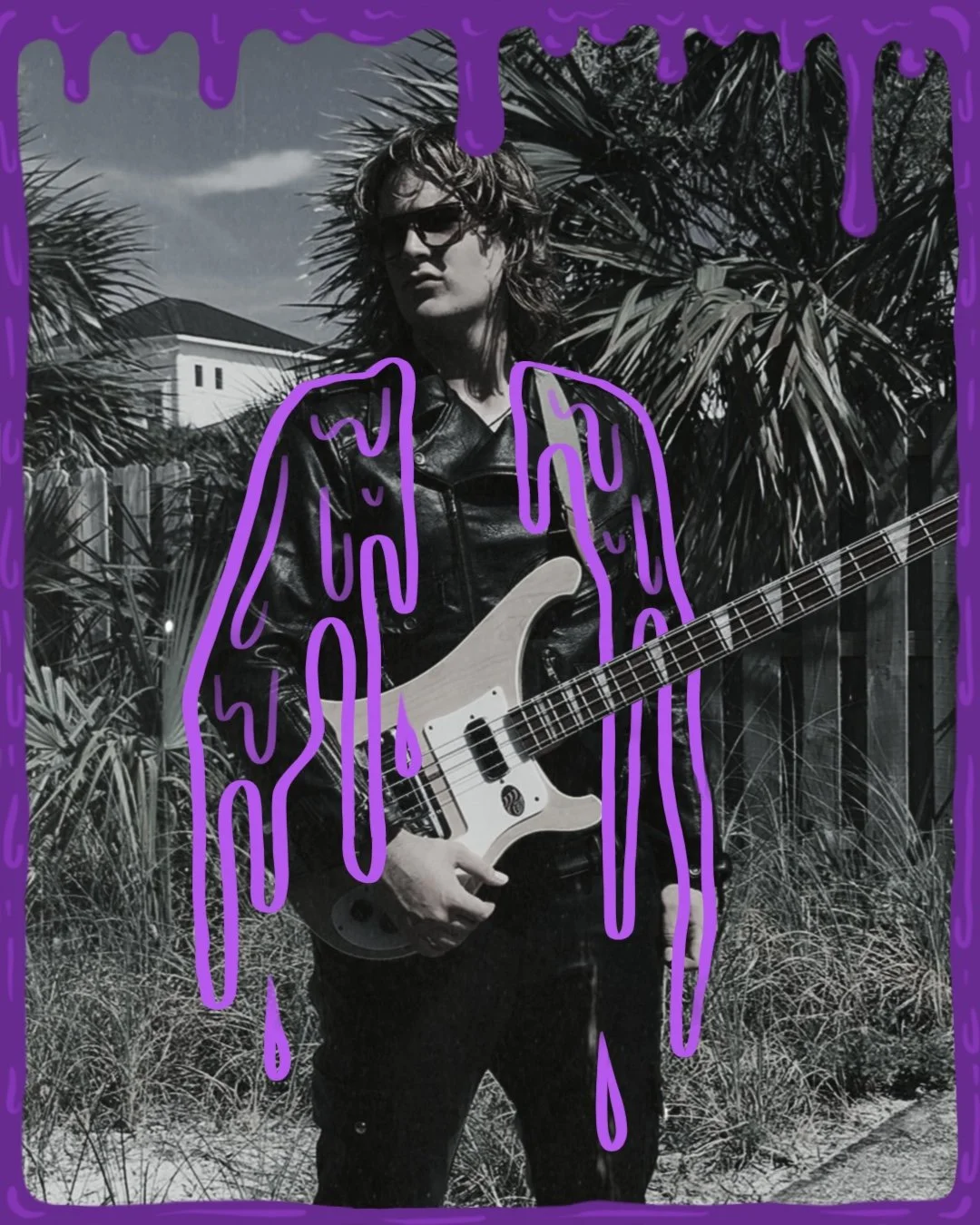
For Somni, the Los Angeles-based indie-electronic artist and producer, his creative pursuits have always been led by a sort of gravitational pull— he’s largely explored and expressed himself in the sonic territories that have felt most appealing to his artistic tendencies. But his newest project, The Cost of Living, takes a full plunge into the songwriting aspect of his craft that, while ever-present, has long been hidden behind his intricate layers of electronic production.
It is an artistic leap that, across the project’s 11-track run, pays off brilliantly.
Born in the UK, Somni is the son of two professional cellists. His childhood was musically immersed as a result. He, of course, spent ample time listening to Stravinsky and Tchaikovsky, but his father’s love for classic rock was pervasive as well. He spent a large stretch of his childhood listening to Dark Side of the Moon virtually every night, and many of the songs on Revolver and Sgt. Pepper’s Lonely Hearts Club Band are burned into his mind.
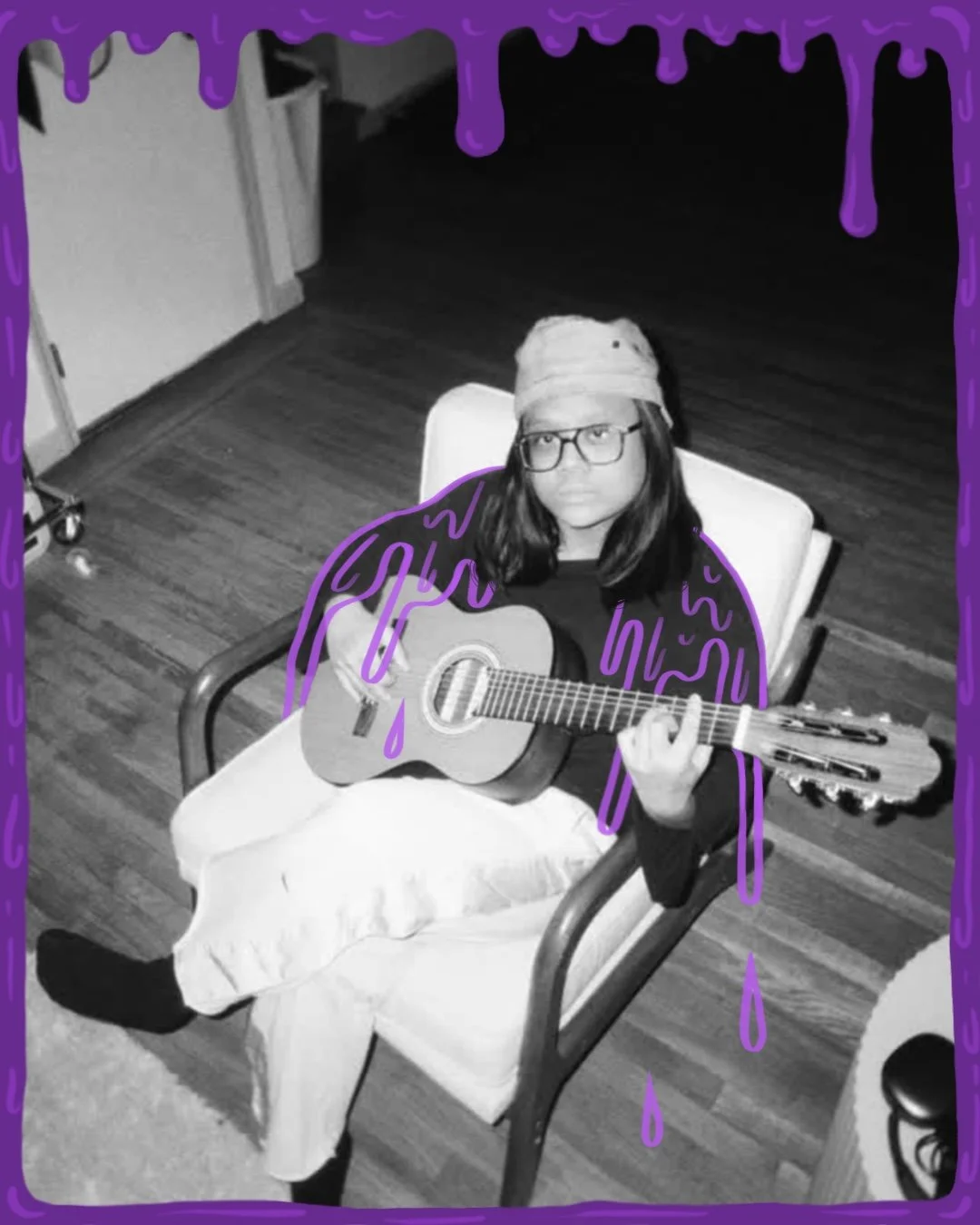
His first musical love, naturally, was the guitar. He took up the instrument at a very young age, and he would use his father’s home recording equipment for his first tentative experiments with music production. As he got older, acts like Elliott Smith and The Shins became his indulgence of choice.
In the earlier stages of his musical development, he was a guitarist and indie songwriter through and through, even enrolling at The New School in New York to study as a jazz guitarist upon his graduation from high school. But around that same time, he was led into the L.A. Beat Scene by his growing interest in trip-hop and electronic music in general. Slowly but surely, that interest changed everything.
“It was just adventurous and exciting. And also it was like current; all the trip-hop stuff that I was into, it wasn't my era. I felt with the L.A. Beat Scene, with Low End Theory… I felt like I was a part of it… Especially because it's L.A. I'm basically an L.A. native. I was born in England, but I moved to L.A. when I was eight. So, you know, I feel a connection to the city. And it's like, ‘This is my sh*t.’”
Although he continued his education as a guitarist, he felt himself gravitating more and more toward the electronic scene. He began making instrumental, sample-based tracks using the production knowledge he had accrued over the years. His samples and the foundation of his sound, however, often revolved around the indie tracks he had grown to love throughout his adolescence.
“[My early work] was all instrumental stuff and sampling. I was always chopping up samples of indie stuff… I always was trying to kind of blend those two worlds, even when I first started, I think, because it's just what I naturally gravitated towards.”
He has some work that pre-dates the Somni moniker, but his first two albums as Somni, 2018’s Bloom and 2020’s Home, primarily occupy that electronic milieu, utilizing Somni’s voice solely in a chopped-up and pitched capacity. He was still songwriting, but that urge was subdued by a general lack of confidence in his own voice.
After the release of his second album, he went through a bit of a crisis. His music wasn’t quite paying the bills, and he contemplated, for a time, giving the pursuit up entirely. He began using his production talents in other areas of the music world in order to gain some financial stability. The freedom he created for himself made him feel, for the first time, like he could truly push his songwriting to the forefront of his creative process.
“It was like, okay, now that I'm a little more stable, I can make music. Make your money how you can with the skills that you have, and then separate that from the art and make your art however the f*ck you want. And it's just you expressing yourself and you don't need validation from anybody. So I stopped trying to tinker so much with little details and just tried to see what was the most important to me and focus on that, not get too nitpicky about stuff.”
2023’s Gravity was the first project where he featured his raw vocals and lyrics over the course of an entire album. It still closely matched the sounds he had pursued on his earlier projects, but it gave him the opportunity to perform those tracks live and gave him further confidence in his artistic voice.
The Cost Of Living, while it is the logical progression of what he developed on Gravity, exists on an entirely different sonic plane. While it maintains some of the electronic elements of his earlier works and the trademark intricacy of his production, it is a lo-fi indie album through and through.
From flayed ballads such as “Butterflies” to more rhythm-centric, upbeat tracks like “Worry”, The Cost Of Living displays an impressive sonic range— one that is held together by Somni’s wistful, and at times outwardly grieving, lyrics and melodies.
For Somni, whose musical journey began so long ago writing songs with his father’s studio equipment, The Cost Of Living is a full circle moment: an earnest fulfillment of the artistic desires that drew him into music in the first place.
“It's not even electronic music anymore. I'll probably go back to doing beat stuff and all that, but I kind of needed to make a record like the one that I have now.I think it's one of the coolest things I've done. It means a lot to me.”