Artist Profile: Molto Ohm
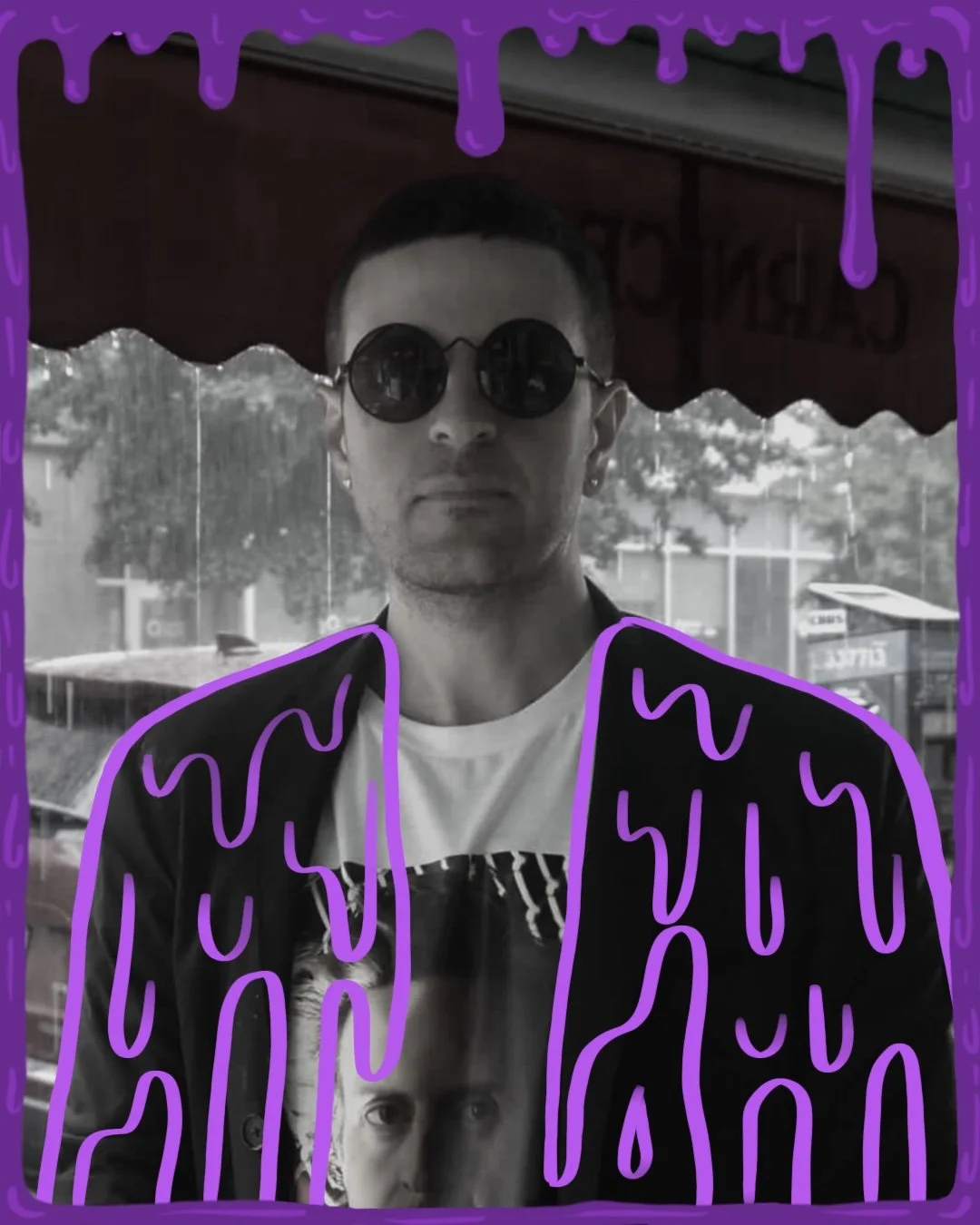
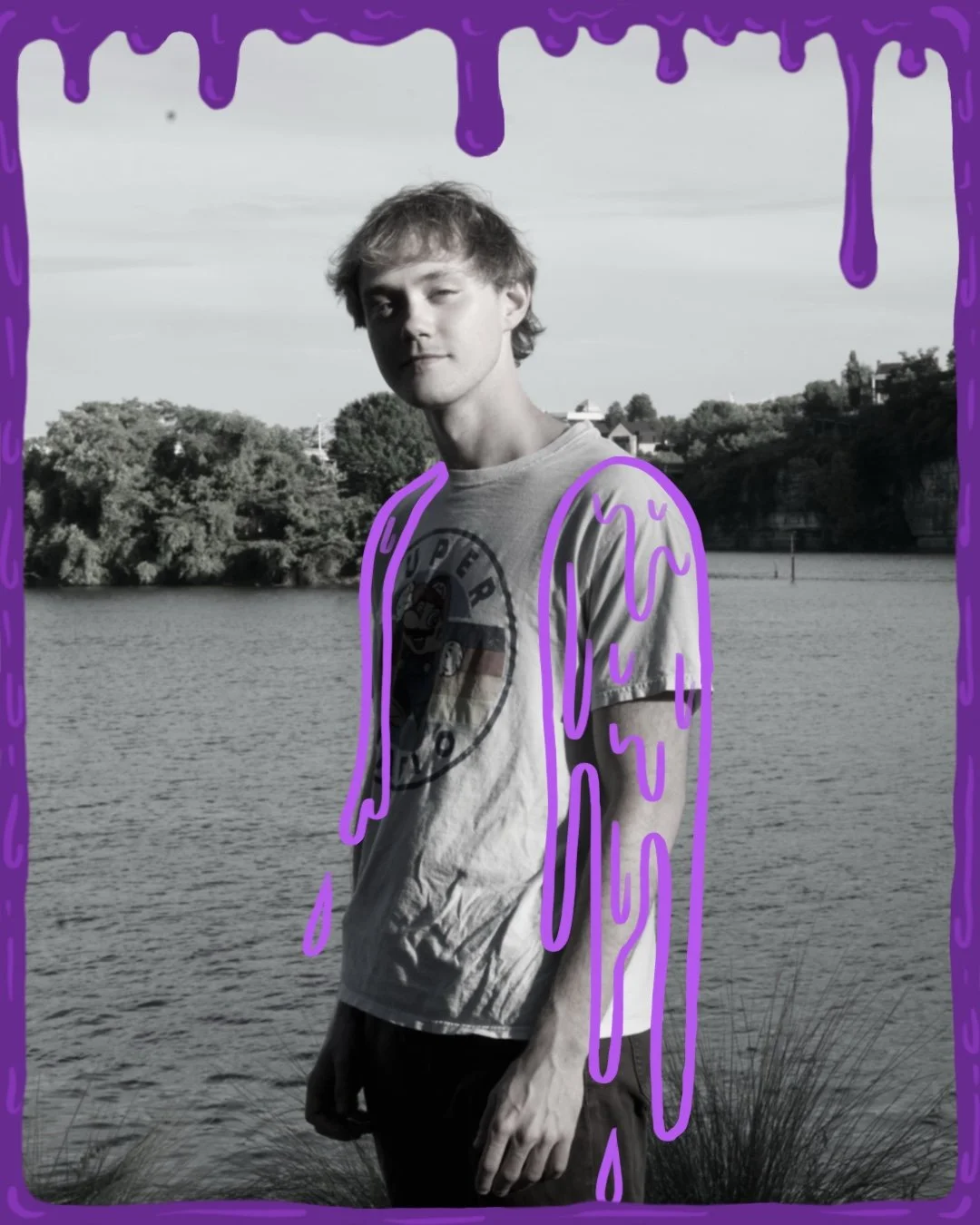
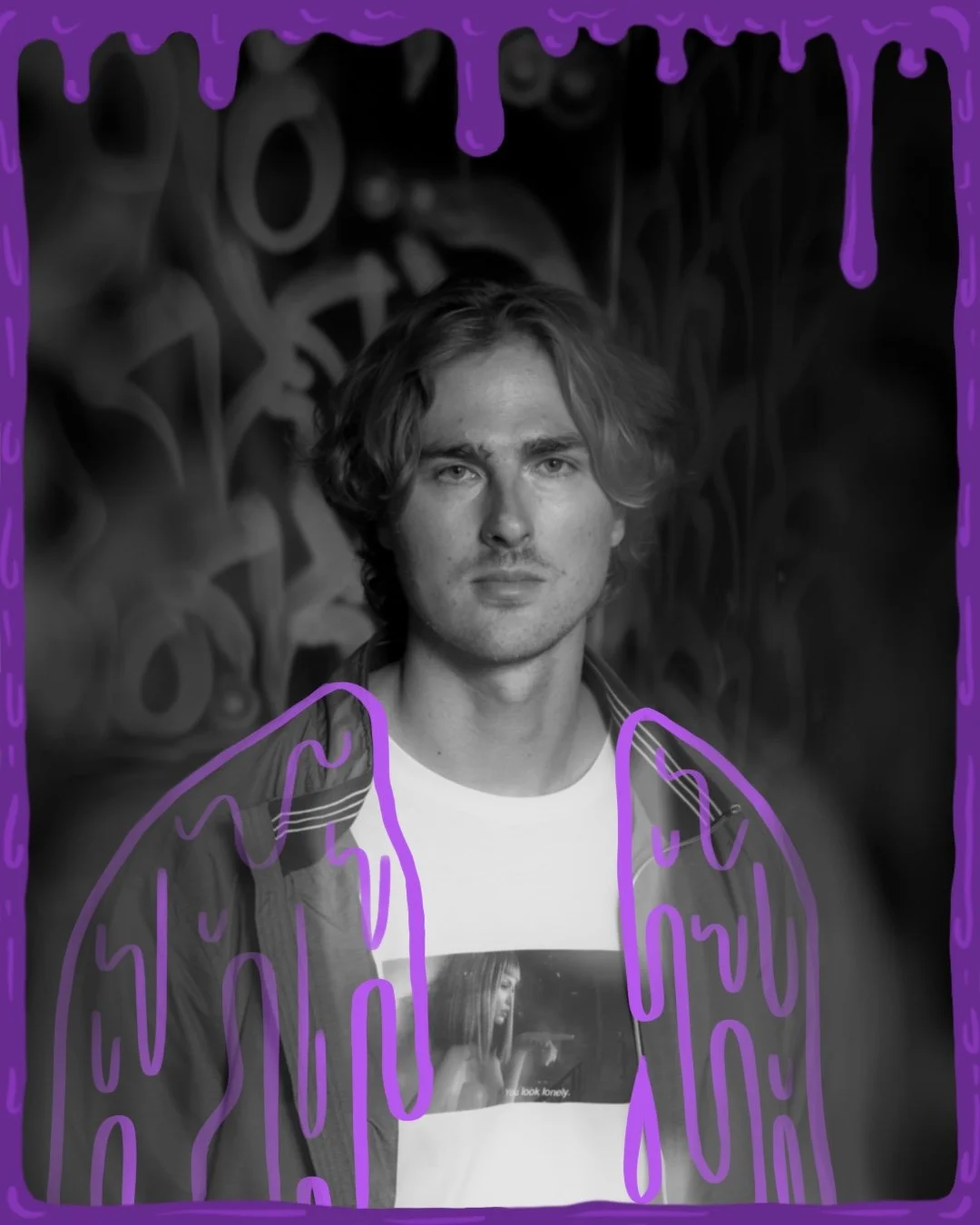
Molto Ohm, the experimental electronic project of musician Matteo Liberatore, now has two projects under its belt, and with the release of Reality Pills in late February, he has furthered the unmoored sound and cultural commentary that he envisioned when he began work under the moniker. With over a decade of experience in the experimental and improvisational music scenes, the Brooklyn-based artist is certain to continue expanding the creative dialectic and freedom of energy that Molto Ohm is founded upon.
Growing up in a small village in Italy, Liberatore’s exposure to music was largely limited to the dance-pop and electronic scene played around his house and the clubs in his region. He took a passing interest in guitar, however, which led him and his friends to form their first band as teenagers.
They mostly played classic rock, and he learned hits by bands like Guns & Roses and Pink Floyd from his local guitar teacher as he took his first tentative steps into the world of music. By the time he found his footing, however, he was completely obsessed. He ultimately attended a conservatory into his 20s, training in classical guitar and jazz music. By the end of his time there, he was absolutely certain that music was what he wanted to pursue.
One of his teachers at the conservatory, knowing about his ambitions, off-handedly suggested that Liberatore study in America. At first, the idea seemed ridiculous. But slowly, Liberatore came to a realization.
“[After] World War II, Italy was completely devastated, and the United States colonized Italy in a way culturally and physically… I was always very influenced by American culture, TV shows, music. It was all America, you know? When my teacher [suggested I move there] it wasn't even like a revelation; it was more like an awakening”
Liberatore submitted his audition tape to NYU, and he was accepted. He was an incredibly skilled guitarist, but he was still unsure what direction he wanted to carry that talent.
When he saw guitarist and composer Marc Ribot perform at The Stone in New York, however, everything changed.
“I was just blown away. I thought that this way of expressing music and aesthetic can incorporate all your influences and you can just spit it out how you want it… I felt so at home with the idea that I could express myself and I could take from all these influences without really being bound by any of them. And that felt really liberating at the time.”
He spent the next several years exerting his creative energies into experimental music projects and improvisational collaborations, a pursuit that earned him a name in New York’s art scene. America had given him a chance to truly pursue his dream. But as he continued to work and live in its biggest city, a series of observations built up surrounding the consumeristic and capitalistic way of life he experienced around him.
“America’s an incredibly consumeristic society… There is a materiality to the society that I would say Italians don't really have as much. We have it, but everything in America is so pushed to the limit. Everything is maximized here.”
Molto Ohm, therefore, was born from both a desire to begin his own, personal experimental music project and a wish to express, in some way, what he had learned and observed about America during his time here. It was, in short, an entirely new sonic venture for Liberatore– one that had no true parallel in his lengthy experience as a musician.
FEED, his first album under Molto Ohm, was conceptually born from a series of engineering gigs that Liberatore took up recording voice snippets for commercials and film. In one recording session, he couldn’t help but sense the absurdity in the voice actor’s repetition of their lines. He went home, took the audio file, and put it over a drum beat he improvised. The first track for FEED was hatched.
FEED, therefore, is much more conceptually-rooted than it is sonically intentional. The album features very little true vocal performances, instead utilizing recorded lines from commercials and various advertisements to create an unbound feeling in the listener across the course of the project.
Reality Pills, Molto Ohm’s second project, maintains its own concept and cultural commentary– this time surrounding the anxiety and the vicious cycle of self-soothing that social media propagates– but it also represents a refinement of the sonic atmosphere in which Liberatore has worked.
The album takes on a more ambient bent across its nine tracks, rooting itself, at times, in more traditional song structures while maintaining the experimentation and lack of binding to its influences that Liberatore has long sought out in his musical pursuits.
Now, as he continues work on the third project for Molto Ohm, he intends to dive back into the electropop influences of his childhood and adolescence, tightening the sounds of the first two albums into a heavily analogue zeitgeist. But no matter what direction the project takes, it will continue to serve as a sort of repository for Liberatore– a repository of his artistic and personal experiences that, at every juncture, is worth experiencing as a listener.